Prime Ministers, Vampires and Assassins—Answers

The answers to the questions from earlier are in bold below.
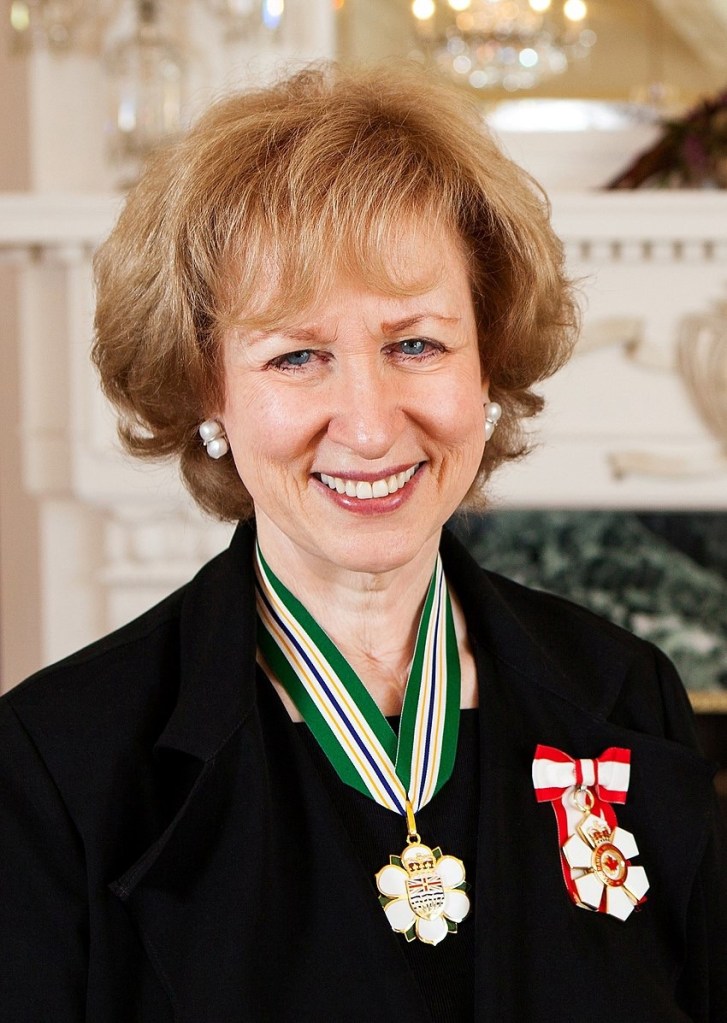
The Right Honourable Kim Campbell, PC, CC, OBC, QC, served as Canada’s 19th and first female Prime Minister in 1993
Wikipedia
  1. Kim Campbell—Kim Campbell, born on 10 March 1947, in Port Alberni, British Columbia, became Canada’s first female prime minister in June 1993, serving until November. Educated at the University of British Columbia and the London School of Economics, she taught political science and practiced law before entering politics. Campbell served on Vancouver’s school board and in the British Columbia provincial legislature before joining federal politics. She held several ministerial roles, including justice minister and defence minister, before becoming prime minister. Her tenure ended with a significant electoral defeat. Post-politics, she was active in academia and international organisations. Jenny Shipley and Helen Clark  were consecutive prime ministers in New Zealand from 1997-1999 and 1999-2008 respectively. 
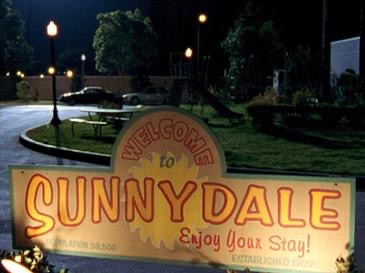
    Welcome to Sunnydale
    Wikipedia
  2. Sunnydale—Buffy Summers, portrayed by Sarah Michelle Gellar, is the “Slayer” destined to battle evil forces with enhanced powers like strength, agility, and precognition. Initially reluctant, she embraces her role with guidance from her Watcher, Rupert Giles, who provides supernatural insights and training. Buffy’s friends at Sunnydale High, Willow Rosenberg and Xander Harris, support her. Willow, an academic prodigy, evolves into a powerful witch and identifies as a lesbian. Xander, lacking supernatural abilities, offers comic relief. Buffy and Willow appear in all 144 episodes, while Xander is in 143.
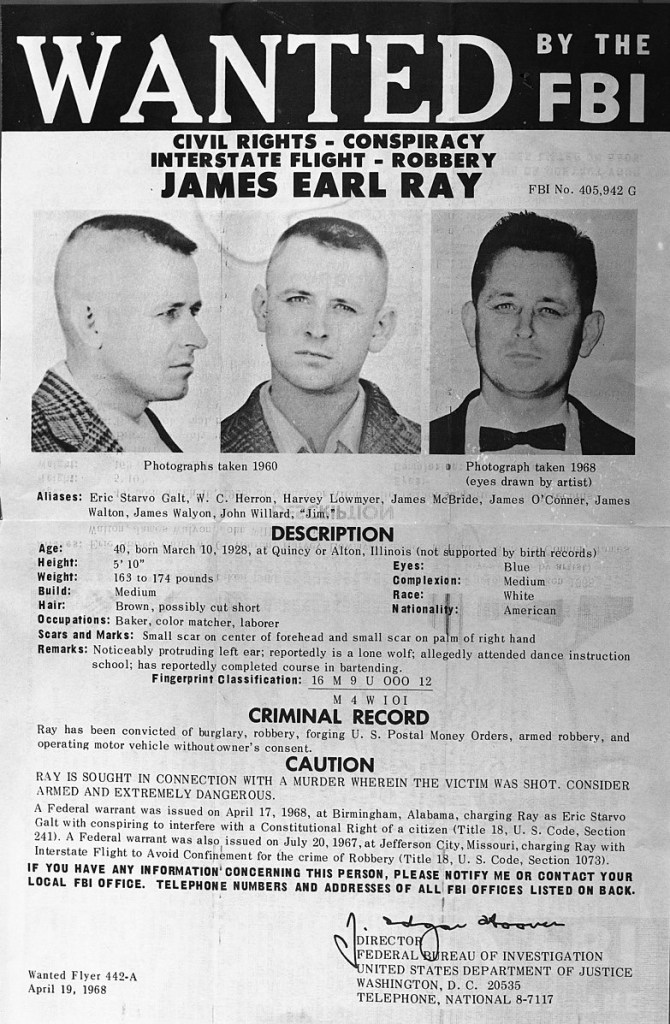
    FBI wanted poster fugitive poster of James Earl Ray; the later convicted murderer of civil rights leader and anti-war activist, Dr. Martin Luther King, Jr.
    Wikipedia
  3. James Earl Ray—James Earl Ray, born on March 10, 1928, in Alton, Illinois, was an American criminal who assassinated civil-rights leader Martin Luther King, Jr., on April 4, 1968, in Memphis, Tennessee. Ray had a history of petty crimes and prison sentences, including escapes. After the assassination, he fled to Toronto, obtained a Canadian passport, and traveled to London and Lisbon. He was apprehended on June 8, 1968, at Heathrow Airport and extradited to the U.S. Ray pleaded guilty on his 41st birthday to King’s murder, receiving a 99-year sentence, but later recanted his confession, which was not accepted. He died on April 23, 1998, in Nashville, Tennessee. Lee Harvey Oswald, John F. Kennedy’s assassin, was born in New Orleans. Leon F. Czolgosz, who killed William McKinlay in 1901 was born in Detroit, Michigan.
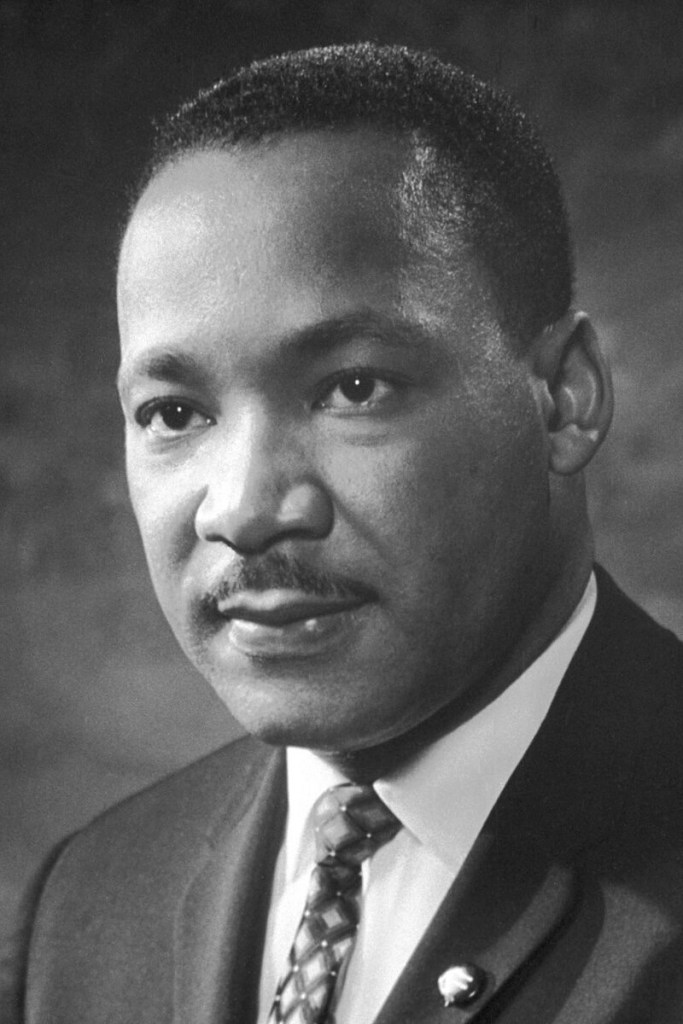
Martin Luther King, Jr.
Wikipedia

Prime Ministers, Vampires and Assassins

Flag of Canada.
Wikipedia

All these relate one way or another to 10 March. 

  1. Born on 10 March 1947 who, in June 1993, became the first woman to serve as Canadian prime minister?
    • Kim Campbell
    • Helen Clark
    • Jenny Shipley
    Buffy the Vampire Slayer logo
    Wikipedia
  2. Buffy the Vampire Slayer debuted on television on the 10 March 1997. What high school do Buffy, Willow and Xander attend
    • Sunnydale
    • Sunnyside
    • Sunnyvale
  3. Which 20th century assassin was born 10 March 1928 in Alton, Illinois?
    • Leon F. Czolgosz
    • Lee Harvey Oswald
    • James Earl Ray

Good luck! The answers will be posted later today.

From Barbie’s Big Break to Sputnik’s Canine Crew—Answers

Kanmon Roadway Tunnel Moji side entrance, Route 2, Moji-ku, Kitakyushu, Fukuoka, Japan
Wikipedia

This is the correct order 1. Kanmon tunnel 1958, 2. Barbie in 1959 and 3. Sputnik 9 in 1961.

  1. The Kanmon tunnels, connecting Honshu and Kyushu. The first (railway tunnel) was the world’s first under-ocean tunnel. A highway and pedestrian tunnel was built in the 1950s using improved equipment with the roadway tunnel opening 9 March 1958.
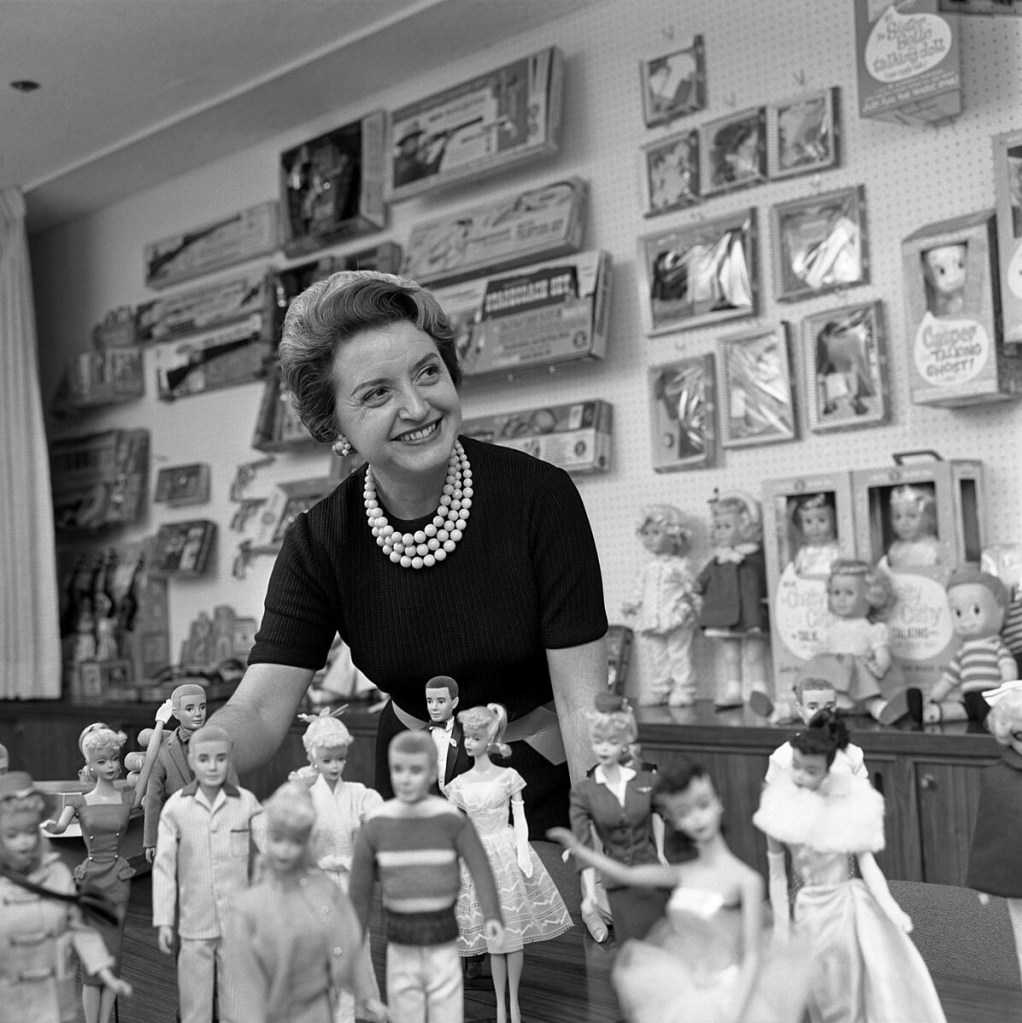
    Ruth Handler, executive of Mattel Toy company, posing with collection of Barbie dolls, 1961
    Wikipedia
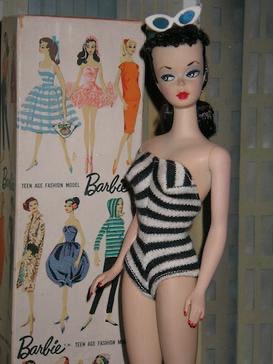
  2. Barbie, introduced by Mattel on 9 March 1959, is an iconic 11-inch doll modelled after the German Bild Lilli doll. Despite initial controversy over her figure, Barbie was marketed to children, becoming a symbol of financial independence with diverse careers. Over the years, Mattel expanded the Barbie line to include friends, siblings, and diverse versions, addressing criticisms of materialism and unrealistic body proportions. Barbie has inspired art and literature and remains a global brand, though not accepted in some Muslim countries. In 2023, a film directed by Greta Gerwig was released. Barbie continues to be a popular collectible, with annual sales exceeding a billion dollars.
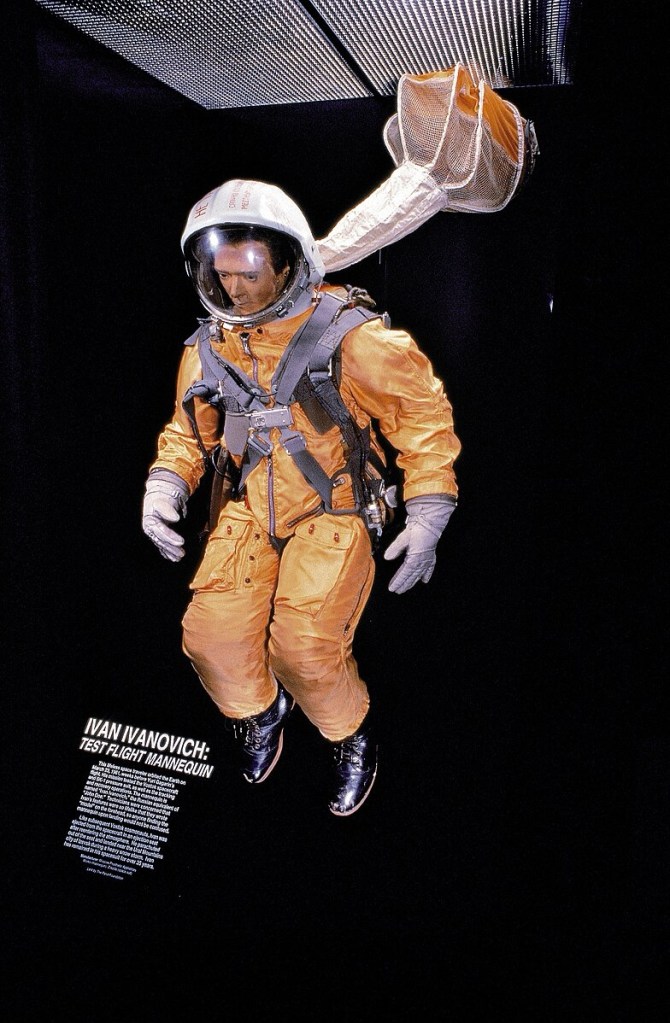
    This test flight mannequin named “Ivan Ivanovich” orbited the Earth in 1961.
    Now on display at the National Air and Space Museum.
    Wikipedia
  3. Sputnik 9 (its western name), officially Korabl-Sputnik 4, launched on 9 March 1961 at 06:29:00 UTC from Baikonur Cosmodrome using a Vostok-K rocket. It reached low Earth orbit but was deorbited after one orbit, reentering on its first pass over the Soviet Union. The spacecraft landed at 08:09:54 UTC and was successfully recovered. A mannequin was ejected during descent to test the ejection seat, descending separately under a parachute. The dog, Chernushka, was recovered unharmed inside the capsule.

From Barbie’s Big Break to Sputnik’s Canine Crew

Barbie.
Wikipedia

Put these three events from 9 March in chronological order by year with the earliest first.

  1. Kanmon roadway tunnel opened to traffic. When it was built, it held the title of the longest undersea highway in the world. 
  2. The Barbie doll makes its debut at the American International Toy Fair in New York.
  3. Sputnik 9 successfully launches—carrying a dog and a human dummy—demonstrating that the Soviet Union was ready to begin human spaceflight.

Good luck! The answers will be posted later.

Where have you gone Joe DiMaggio—Answers

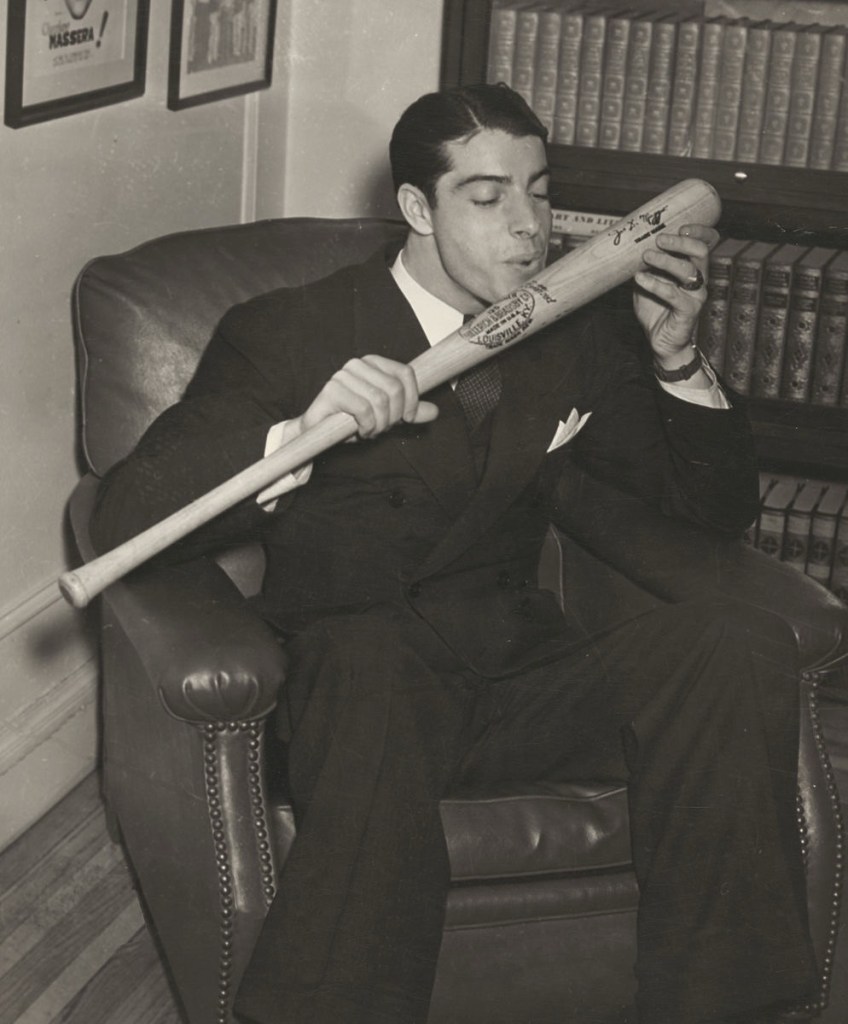
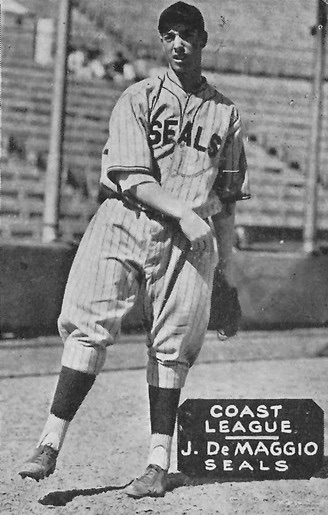
Joe DiMaggio.
Wikipedia
  1. Paul Simon and the song was Mrs Robinson—DiMaggio’s elegant style and sophisticated demeanour inspired nostalgic lines in literature and music, including Paul Simon’s tribute to forgotten heroes in Mrs. Robinson from the film The Graduate:”—
    “Where have you gone, Joe DiMaggio? 
    A nation turns its lonely eyes to you, whoa, whoa, whoa 
    What’s that you say, Mrs. Robinson? 
    Joltin Joe has left and gone away, hey, hey, hey 
    Hey, hey, hey”
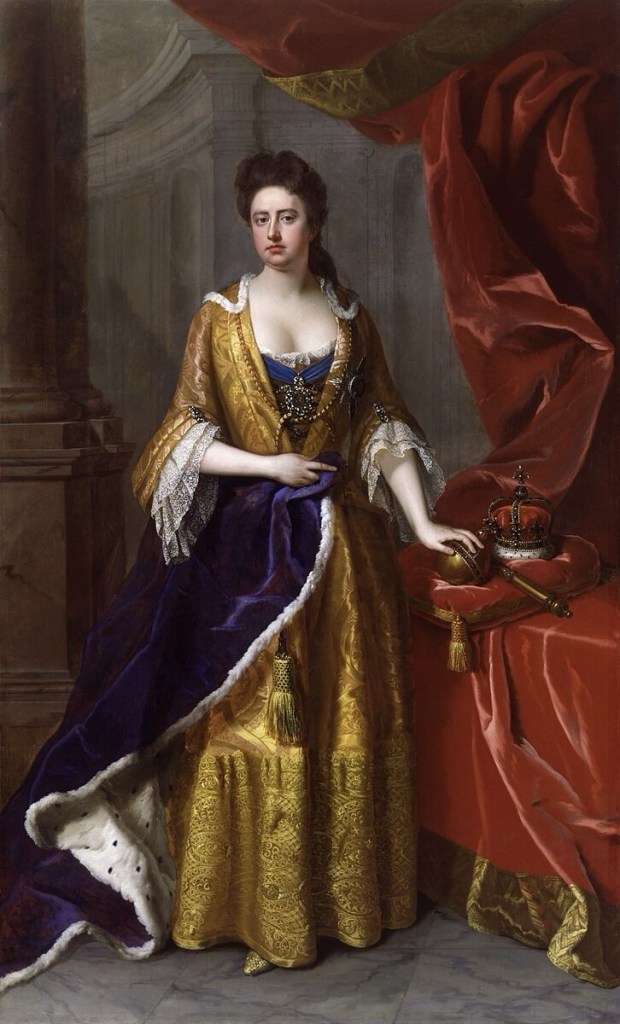
    Queen Anne
    by Michael Dahl
    Wikipedia
  2. Anne—Anne, born on 6 February 1665, in London, became the last Stuart monarch of Great Britain on 8 March 1702, succeeding under the Act of Settlement of 1701. She reigned until her death on 1714, marking the end of the Stuart monarchy. Despite her desire for independent rule, Anne’s health issues and intellectual limitations led her to rely on ministers, who guided the country through the War of the Spanish Succession. Her reign was marked by Whig-Tory rivalries and succession uncertainty. Anne, raised Protestant, married Prince George of Denmark in 1683 and had a significant political relationship with Sarah Jennings Churchill.
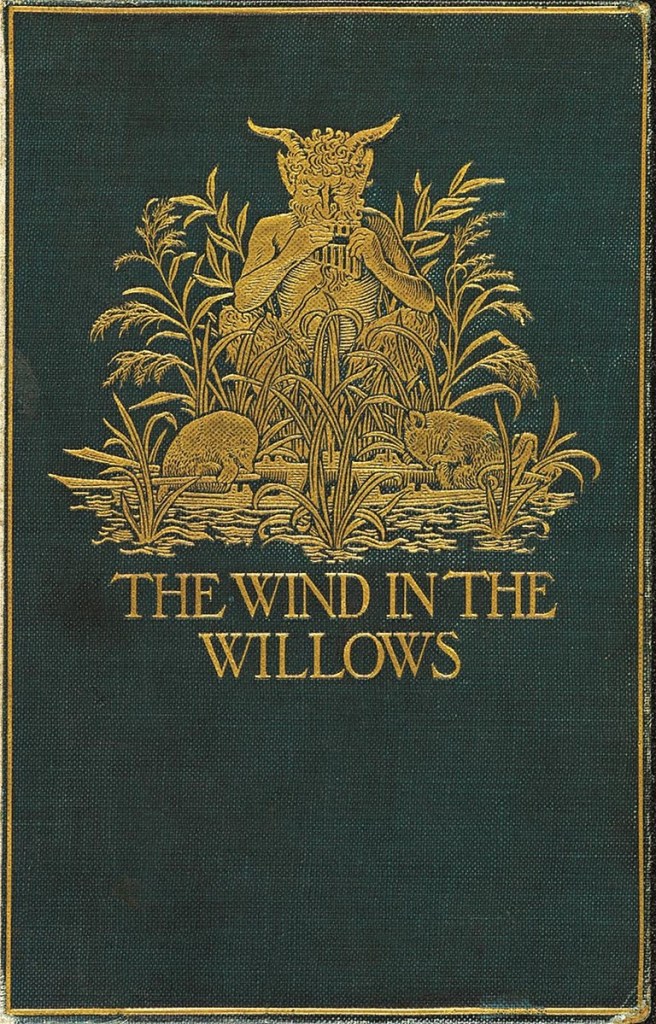
    The cover for The Wind in the Willows
    Wikipedia
  3. Kenneth Grahame—Kenneth Grahame, born on 8 March 1859, in Edinburgh, Scotland, was a British author renowned for The Wind in the Willows (1908), a beloved children’s classic featuring animal characters with human traits. Orphaned young, he lived with his grandmother in England and attended St. Edward’s School, Oxford. Financial constraints prevented university attendance, leading him to a career at the Bank of England until his retirement in 1908 due to ill health. Grahame also contributed to journals like the St. James Gazette and published works such as Pagan Papers (1893), The Golden Age (1895), and Dream Days (1898), showcasing his insight into childhood.
    Althing logo.
    Wikipedia
  4. Althing—The Althing, Iceland’s unicameral legislature, is one of the world’s oldest national parliaments, founded around 930 at Thingvellir. It was the first representative assembly in medieval Scandinavia to hold national legislative power. The Althing met at Thingvellir until 1798 and was abolished by the Danish crown in 1800. It was reconvened in Reykjavík in 1845, with a special session at Thingvellir on June 17, 1944, to proclaim Iceland’s republic. Despite its historical interruptions, the Althing continues to serve as Iceland’s legislative body, reflecting its enduring significance in the nation’s political history.
  5. Clove and coconut plantations—1964 Revolutionary government of Zanzibar nationalized all farms and clove and coconut plantations. 
Flag of independent People Republic of Zanzibar in use between 12 January and 26 April 1964.
Wikipedia

Where have you gone Joe DiMaggio

Joe DiMaggio
Wikipedia
  1. In 1999 Joe DiMaggio died. A few decades before he died  he was mentioned in a lament to lost heroes in the line “Where have you gone Joe DiMaggio”—Who wrote the song that contained that line?
    • David Crosby
    • Bob Dylan
    • Paul Simon, and
    • as a bonus what was the song?
  2. On this day in 1702, who became the last Stuart monarch of Great Britain?
    • Anne
    • James VII
    • Charles II
  3. In 1859 the author of The Wind in the Willows was born, who was he?
    • Kenneth Grahame
    • Jerome K. Jerome
    • AA Milne 
  4. In 1844, the parliament of Iceland was reopened after a closure of 45 years, by what name is it known?
    • Althing
    • Storting
    • Folketing
  5. 1964 Revolutionary government of Zanzibar nationalized all…
    • Antimony and arsenic production
    • Banking and betting professions
    • Clove and coconut plantations

Good luck! The answers will be posted later

Hatches and Despatches—Answers

The answers to the questions posted earlier are shown in bold.

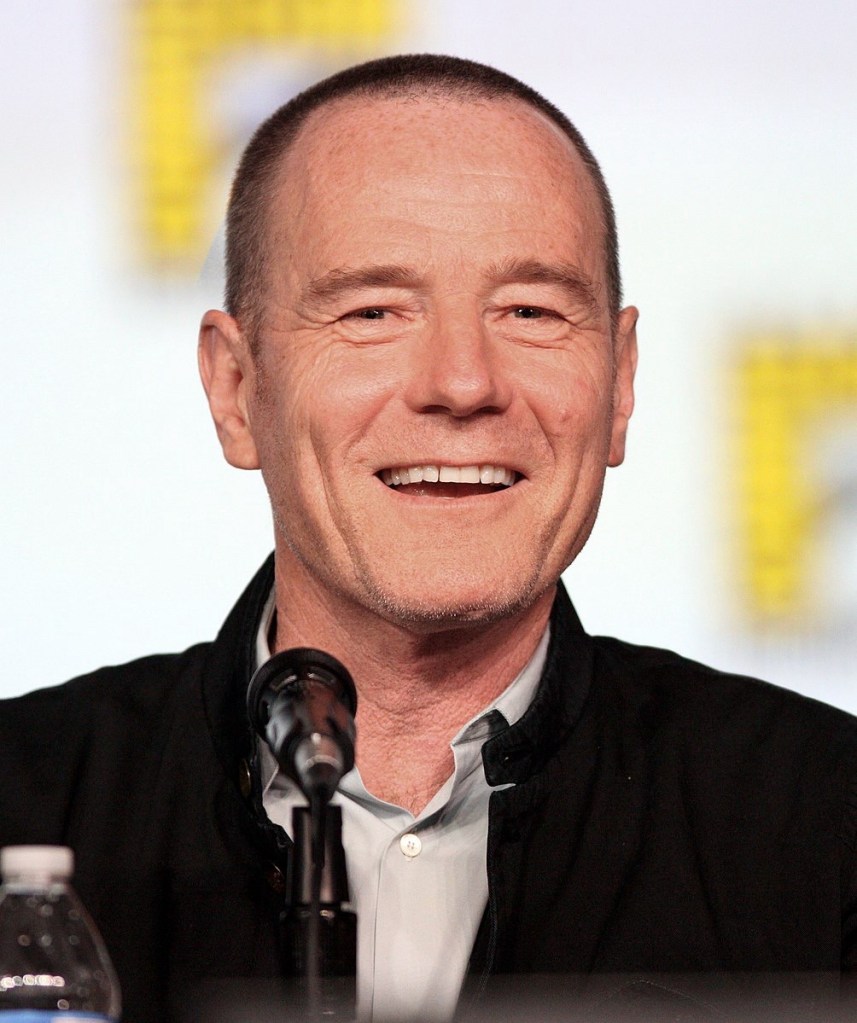
Bryan Cranston, Comic-Con, San Diego, 2012
Wikipedia
  1. Bryan Cranston—Bryan Lee Cranston is an acclaimed American actor renowned for his roles as Walter White in Breaking Bad and Hal in Malcolm in the Middle. He has won six Primetime Emmy Awards, two Tony Awards and two Golden Globes, with nominations for an Academy Award and a BAFTA. Cranston’s Breaking Bad performance earned him four Emmys and a Golden Globe, and he also won for Outstanding Drama Series as a producer. On stage, he won a Tony for All the Way and another for Network. Notable films include Trumbo, Saving Private Ryan, and Godzilla.
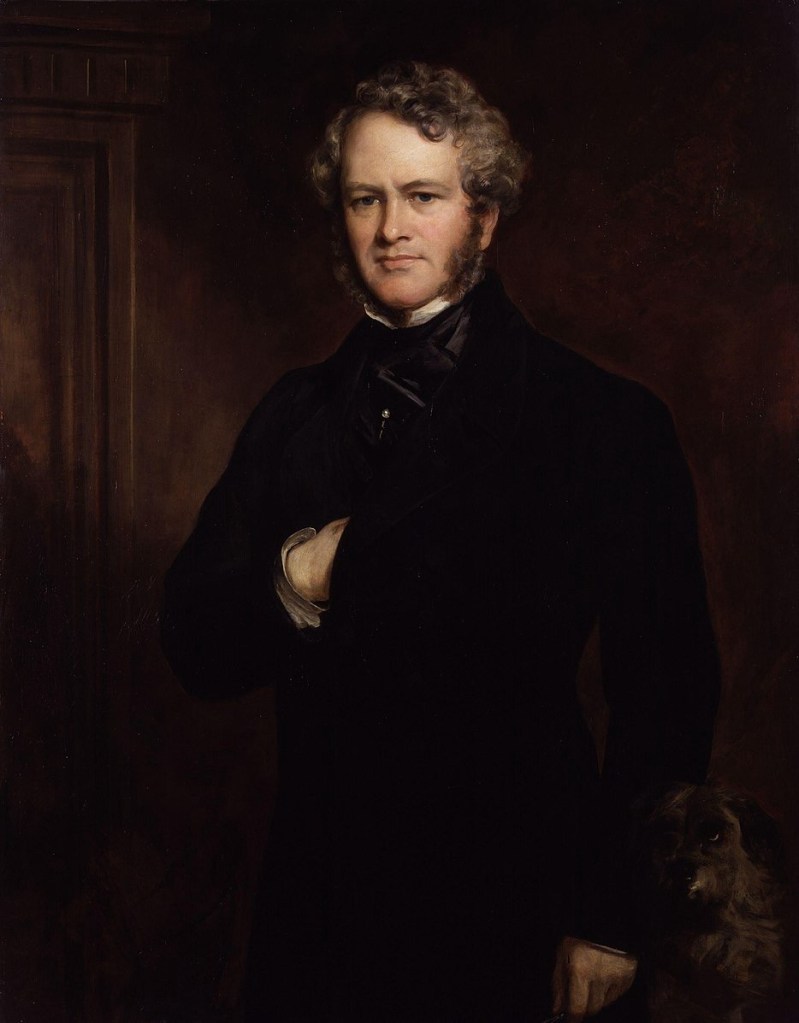
    Sir Edwin Landseer
    By Francis Grant.
    National Portrait Gallery
    Wikipedia
  2. Edwin Landseer—Landseer, born in London to engraver John Landseer and Jane Potts, was a prodigious artist recognised early on. He studied under his father and Benjamin Robert Haydon, who encouraged dissections to understand animal anatomy. Landseer’s association with the Royal Academy began at 13, exhibiting as an “Honorary Exhibitor,” becoming an Associate at 24, and an Academician in 1831. He was acquainted with Charles Robert Leslie and visited Scotland in 1824, which influenced him. In 1823, he painted Georgiana Russell, Duchess of Bedford, with whom he had an affair. Knighted in 1850, he declined the Royal Academy Presidency in 1866. Suffering from mental health issues, he was declared insane in 1872.
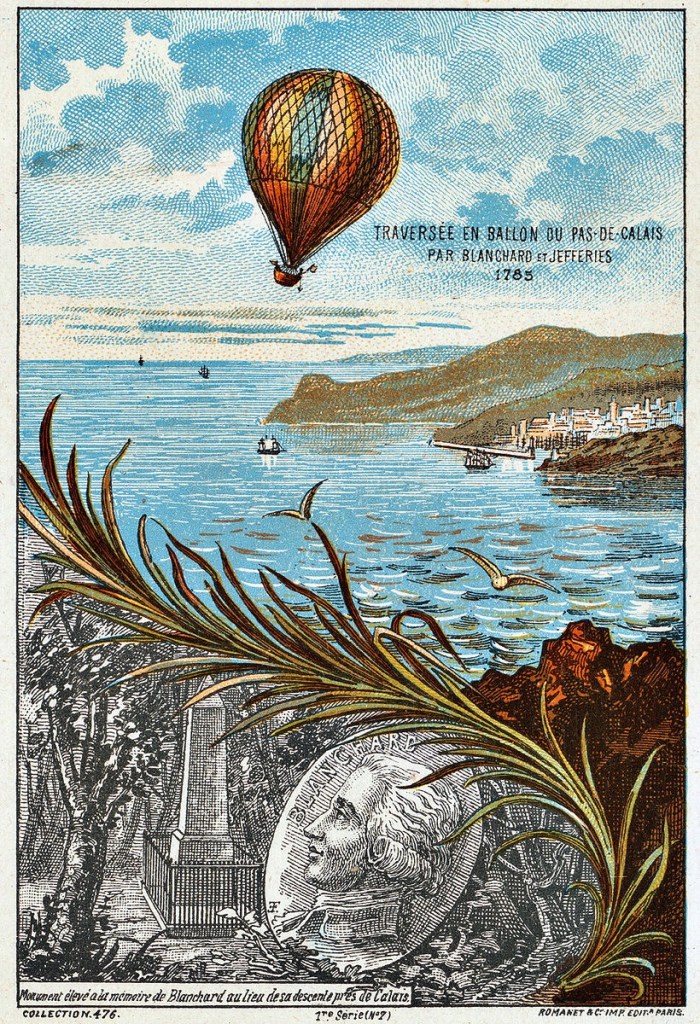
    Crossing of the Strait of Dover by Blanchard and Jefferies, 1785.
    Wikipedia
  3. Jean-Pierre Blanchard—Jean-Pierre Blanchard (1753–1809) was a French inventor and pioneer of gas balloon flight. He achieved fame with a hydrogen balloon flight in Paris in 1784 and later crossed the English Channel in 1785, earning praise from Louis XVI. Blanchard toured Europe, demonstrating balloons and parachutes, using the latter for a successful escape in 1793. In 1792, he conducted the first balloon flight in the Americas, observed by President George Washington. Blanchard married Sophie Blanchard in 1804 and died of a heart attack in 1808. His widow continued balloon demonstrations until her accidental death.
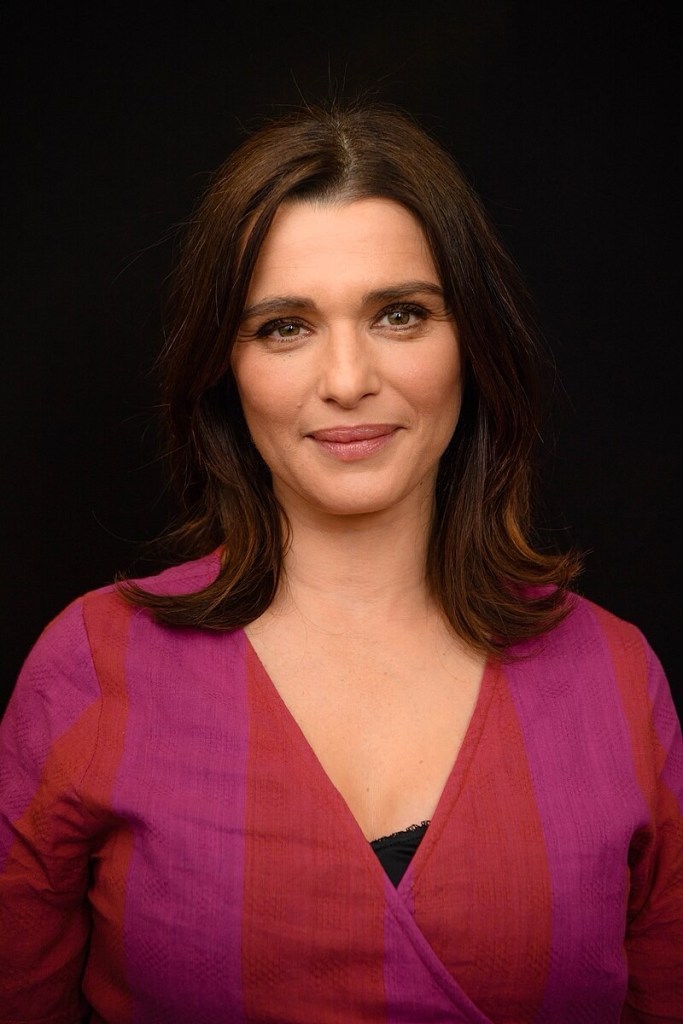
    Rachel Weisz
    Wikipedia
  4. Rachel Weisz—Rachel Weisz is an acclaimed English actress known for her roles in both independent films and blockbusters. She began her career in the early 1990s, gaining recognition with her film debut in Death Machine (1994) and winning a Critics’ Circle Theatre Award for Design for Living. Her breakthrough came with The Mummy series (1999-2001). Weisz won an Academy Award for The Constant Gardener (2005) and a Laurence Olivier Award for A Streetcar Named Desire (2009). She continued to excel in films like The Bourne Legacy (2012) and The Favourite (2018),winning a BAFTA for the latter.
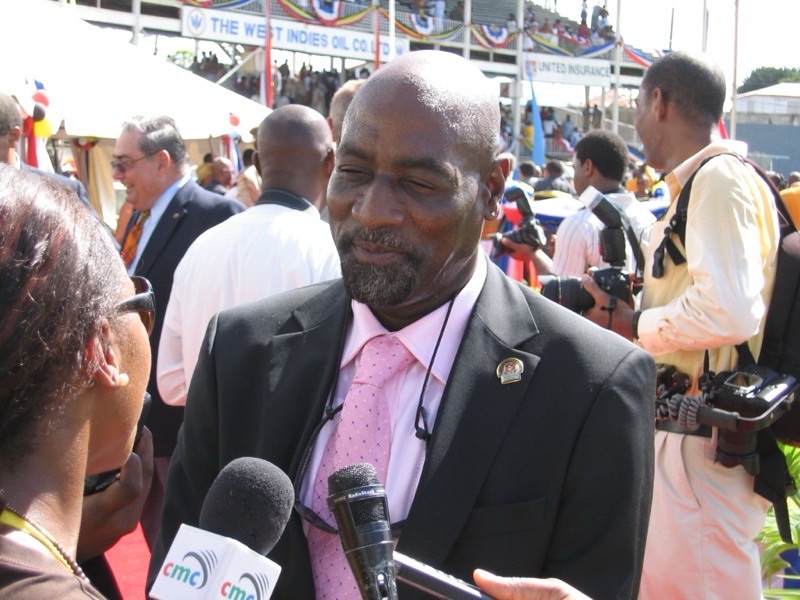
    Viv Richards
    Wikipedia
  5. Viv Richards—Sir Vivian Richards is a retired Antiguan cricketer celebrated as one of the greatest batsmen ever. Representing the West Indies from 1974 to 1991, he was pivotal in their 1975 and 1979 World Cup victories and a runner-up in 1983. Richards made his Test debut in 1974 and scored 8,540 runs in 121 matches, becoming the West Indies’ leading run-scorer. Despite eye surgery in 1984, he continued to excel. Knighted in 1999, he was named a Cricketer of the Century by Wisden in 2000 and inducted into the ICC Hall of Fame in 2009.
    Ranulph Fiennes at the Celebrating Captain Scott’s Legacy: 100 Years of Discovery and Diplomacy in Antarctica event in London.
    Wikipedia
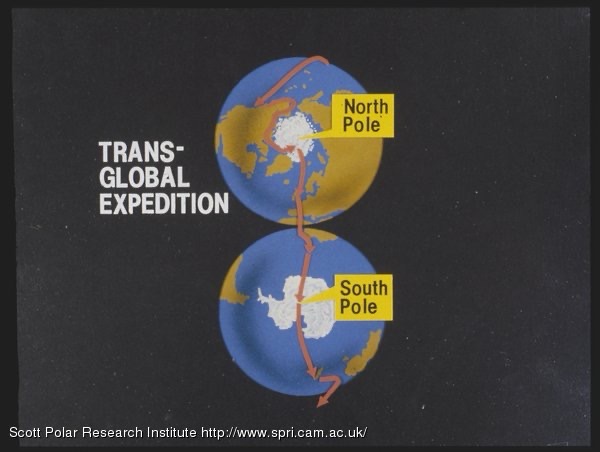
  6. Ranulph Fiennes—Sir Ranulph Twisleton-Wykeham-Fiennes is a renowned British explorer, writer and poet, holding several endurance records. He served in the British Army for eight years, including counter-insurgency work in Oman. Fiennes is celebrated for being the first to visit both the North and South Poles by surface means and the first to cross Antarctica on foot. In 2009, at 65, he summited Mount Everest. Recognised by the Guinness Book of World Records in 1984 as the world’s greatest living explorer, he has authored numerous books on his adventures and explorers like Robert Falcon Scott and Ernest Shackleton.
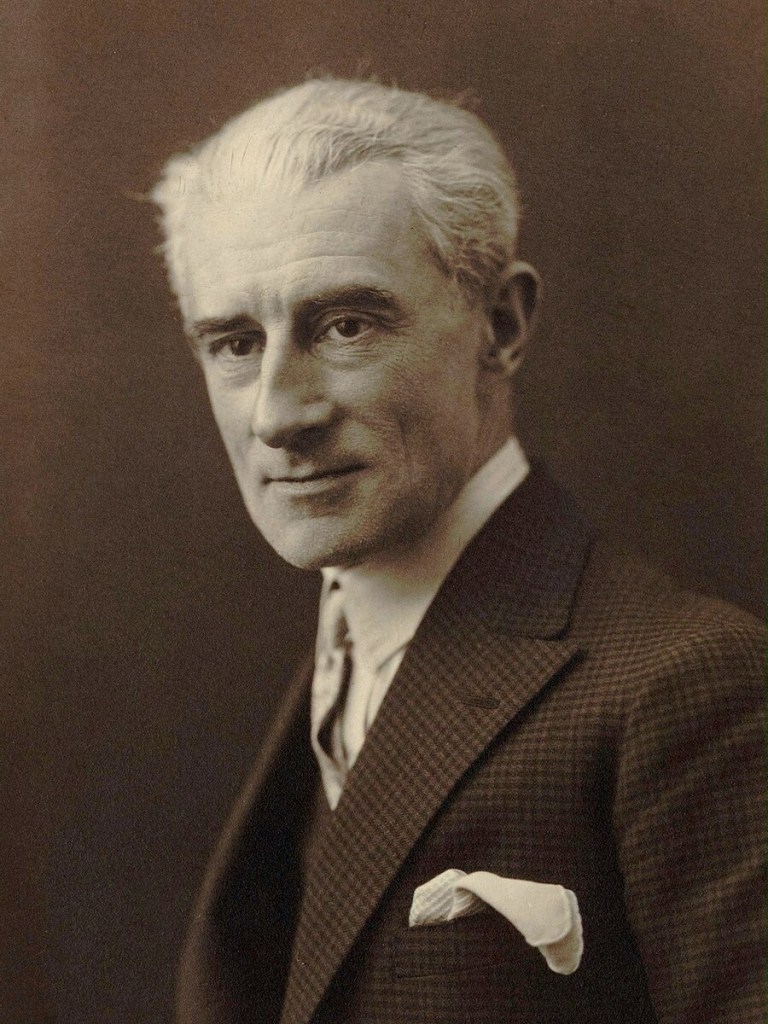
    Maurice Ravel
    Wikipedia
  7. Maurice Ravel—Maurice Ravel was a distinguished French composer, pianist, and conductor, often associated with Impressionism alongside Claude Debussy, though both distanced themselves from the label. His work gained international acclaim in the 1920s and 1930s, earning him the title of France’s greatest living composer. Ravel’s compositions are celebrated for their intricate harmonies and innovative orchestration, exemplified in Boléro (1928) and his arrangement of Mussorgsky’s Pictures at an Exhibition (1922). Despite facing bias at the Paris Conservatoire, he developed a unique style blending modernism, baroque, neoclassicism and jazz, known for its clarity and experimentation.
    Amanda Gorman steps to the podium to recite her inaugural poem, “The Hill We Climb,” during the 59th Presidential Inauguration ceremony in Washington, Jan. 20, 2021.
    (DOD Photo by Navy Petty Officer 1st Class Carlos M. Vazquez II)
    Wikipedia
  8. Amanda Gorman—Amanda Gorman is an American poet, activist and model known for addressing issues like oppression, feminism, race, and marginalisation. She was the first National Youth Poet Laureate and published The One for Whom Food Is Not Enough in 2015. Gorman gained global fame in 2021 for her poem The Hill We Climb at Joe Biden’s inauguration, leading to best-selling books and a management contract. She was featured in Time magazine’s 100 Next list and became the first poet to perform at the Super Bowl, delivering Chorus of the Captains at Super Bowl LV.
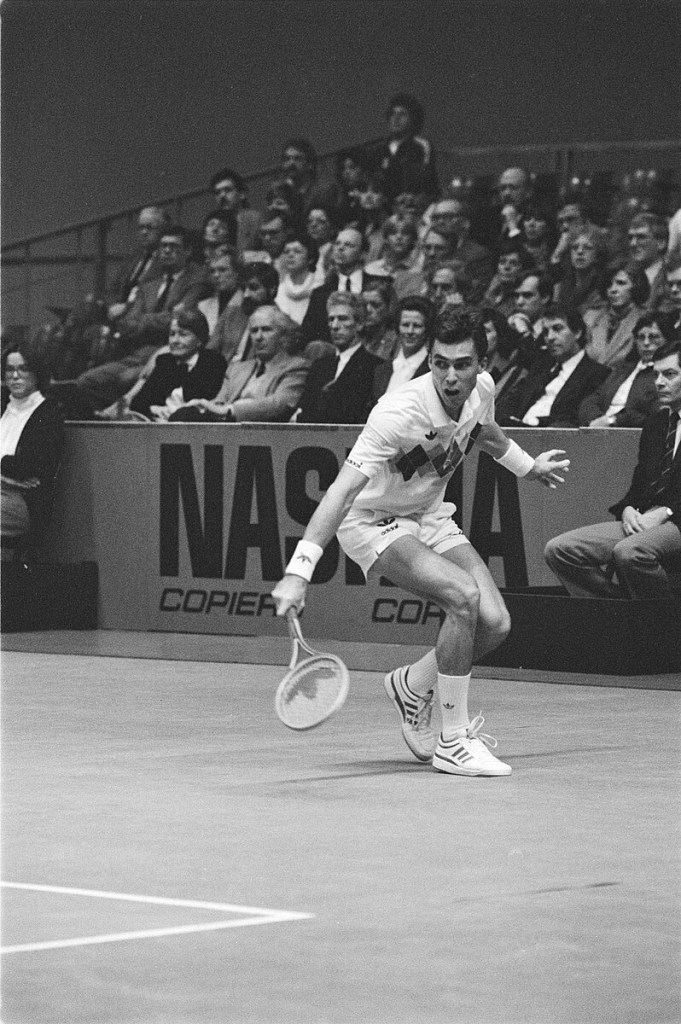
    Ivan Lendl, 1984.
    Wikipedia
  9. Ivan Lendl—Ivan Lendl is a Czech-American former professional tennis player and coach, celebrated as one of the greatest in the sport. He held the world No. 1 ranking for 270 weeks and won 94 singles titles, including eight majors. Lendl is the only player with a match-winning percentage over 90% in five different years and leads head-to-head against rivals Jimmy Connors and John McEnroe. Known as the ‘Father Of Modern Tennis’, he pioneered aggressive baseline power tennis. Post-retirement, he coached Andy Murray to three major titles and a world No. 1 ranking.
  10. Stanley Kubrick—Stanley Kubrick (1928–1999) was an acclaimed American filmmaker known for his meticulous attention to detail, innovative cinematography and dark humour. Born in New York City, he developed an early interest in literature, photography, and film, teaching himself filmmaking after high school. Kubrick’s notable works include The Killing, Paths of Glory, Spartacus, Lolita, Dr. Strangelove, 2001: A Space Odyssey, A Clockwork Orange, Barry Lyndon, The Shining and Full Metal Jacket. He moved to England in 1961, where he maintained artistic control over his films, often using groundbreaking techniques. Kubrick’s legacy includes numerous award nominations and critical acclaim.
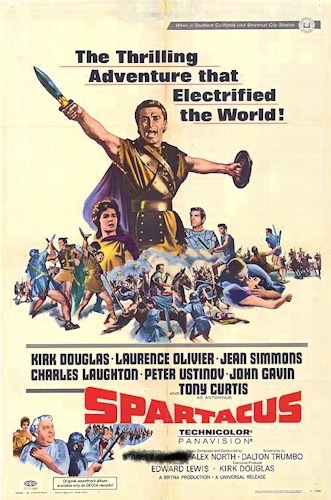
Production photo of director Stanley Kubrick (left, seated) and actor Tony Curtis (right) on the set of the 1960 film Spartacus.
Wikipedia
Hatches and Despatches

I am…

See question 10. Poster for the film Spartacus (1960)
Wikipedia
Ten questions about people who were either born or sadly died on the 7 March—each answer will follow these two words: “I am…”

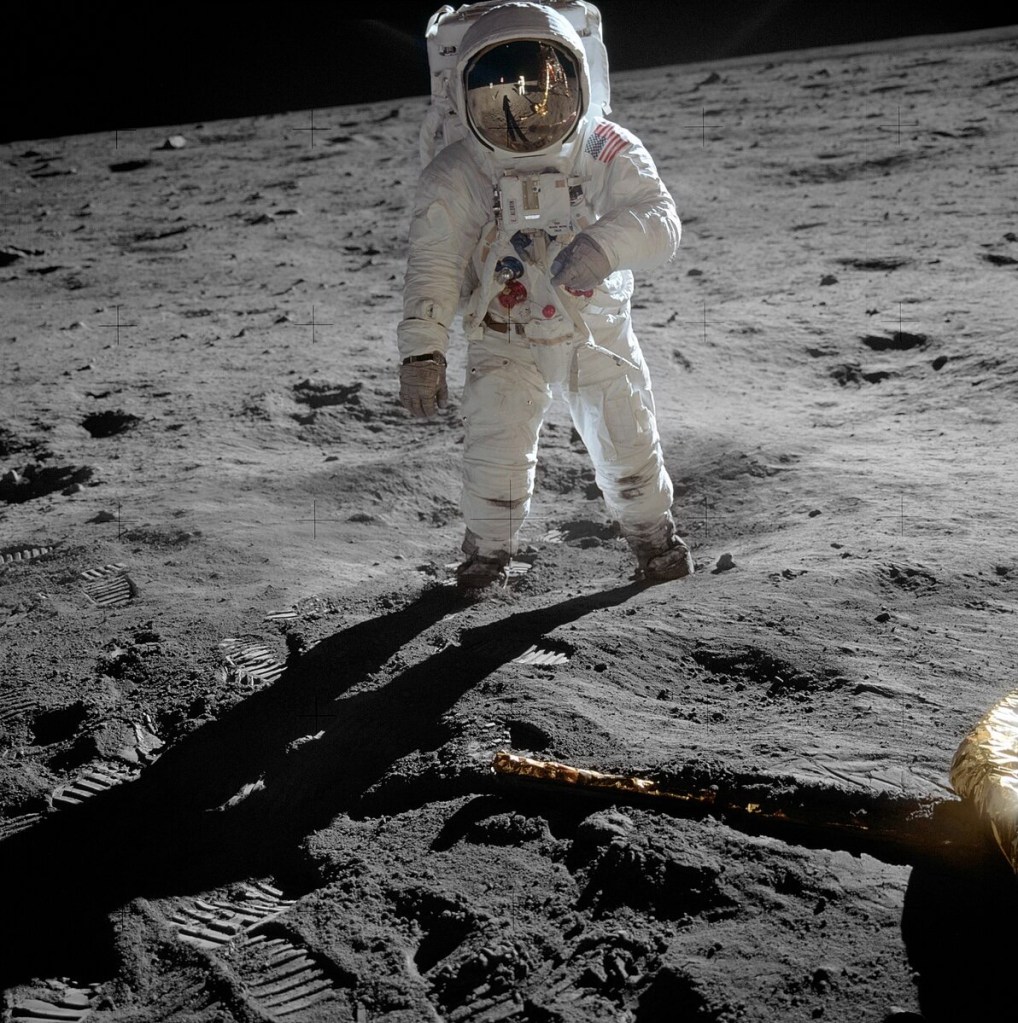
Question 1. The second man to walk on the Moon.
Wikipedia
  1. Born today in 1956 in Los Angeles, California, I played the second man to walk on the moon in From the Earth to the Moon (1998). I did voice work on the animated series Family GuyRobot Chicken and SuperMansion. I am…
    • Bryan Cranston
    • Patrick Warburton
    • Hulk Hogan
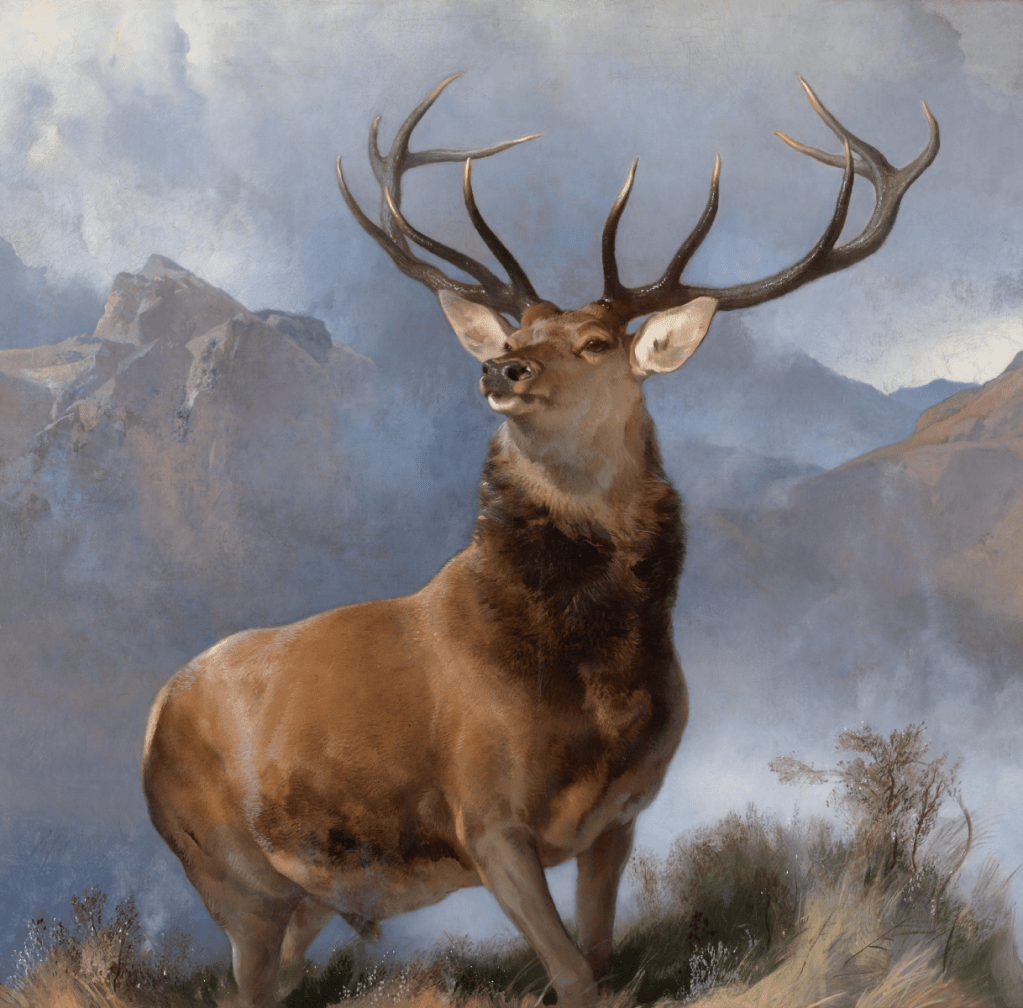
      Question 2. Monarch of the Glen.
      Wikipedia
  2. Born 7 March 1802, I am British painter and sculptor best known for my paintings of animals such as the Monarch of the Glen (above). I am…
    • Frank Knight
    • Edwin Landseer
    • Langford Monroe
  3. Died today in 1809. I am a French balloonist who, with the American physician John Jeffries, made the first aerial crossing of the English Channel. I am…
    • Jean Pierre Alfred Nadal
    • Jacques-Étienne Montgolfier
    • Jean-Pierre Blanchard
  4. Born today in 1970, I am an actor and appeared as as Evelyn Carnahan in the Hollywood action films The Mummy (1999) and its sequel. I was Tessa Abbott-Quayle in the 2005 film adaptation of John le Carré’s The Constant Gardener. I am…
    • Abigail Cruttenden
    • Olivia d’Abo
    • Rachel Weisz
  5. Born this day in 1952, I am a West Indian cricketer described by Encyclopædia Britannica as “arguably the finest batsman of his generation”. I am…
  6. Born today in 1944, I am a British adventurer and explorer who, as part of the Transglobe Expedition circumnavigated the world via the North and South Pole. I also ran seven marathons on seven continents in seven consecutive days. I am…
    • Benedict Allen
    • Ranulph Fiennes
    • Gino Watkins
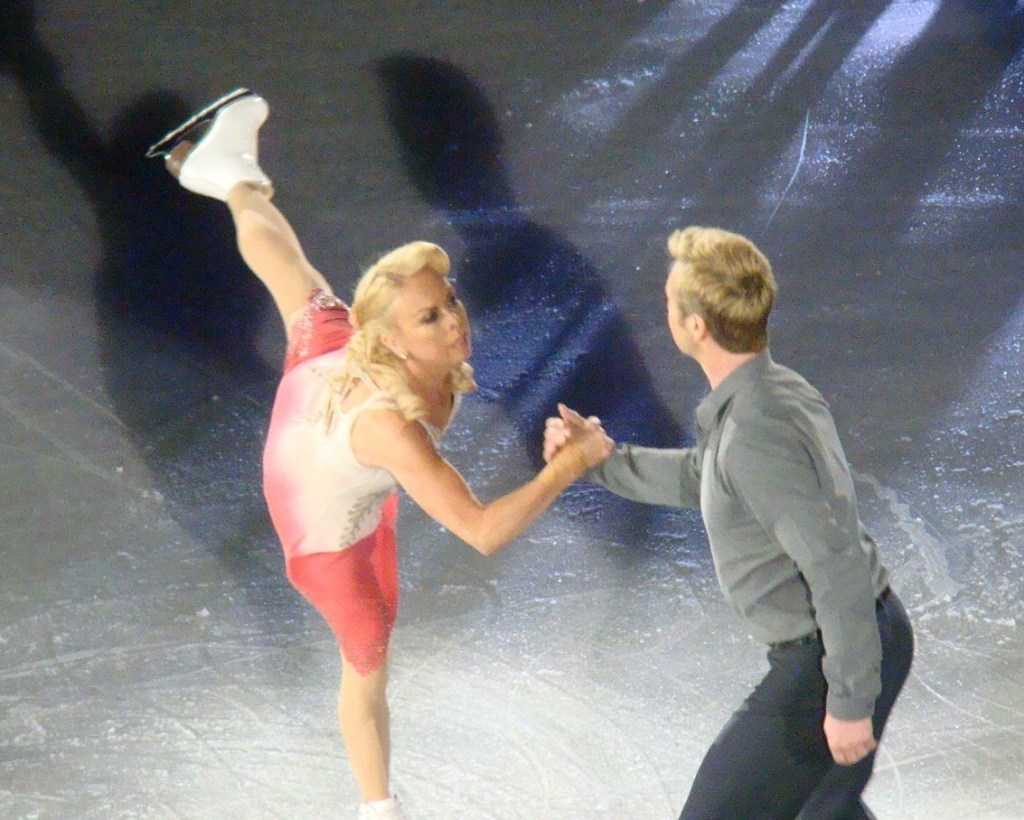
      Question 7. Jayne Torville and Christopher Dean, Dancing on Ice, 2011
      Wikipedia
  7. Born 7 March 1875, I am a composer probably best known for
    Boléro (1928) which gained new popular following after featuring in the film 10 (1979) and the 1984 Olympics when used by ice-dancers Torvill and Dean. I am…
    • Antonín Dvořák
    • Maurice Ravel
    • John Philip Sousa
  8. Born this in 1998, I am a poet and activist who gained international fame when I read my poem The Hill We Climb at Joe Biden’s 2021 presidential inauguration. I am…
    • Amanda Gorman
    • Amanda Grayson
    • Amanda Hunsaker
  9. Born today in 1960, I’m a former American tennis player of Czech descent who was very successful in the 1980s and early 1990s. As a right-hander, I was known for my powerful forehand. I won eight Grand Slam titles, including three consecutive US Open championships from 1985 to 1987. I am…
    • Goran Ivanišević
    • Ivan Lendl
    • Ilie Năstase
  10. Died this day in 1999 in England. In 1960, I took over direction of Spartacus, the slave revolt epic set in Ancient Rome; I am also known for my Odyssey. I am…
    • David Lean
    • Stanley Kubrick
    • Otto Preminger

The births and deaths used in my Hatches and Despatches post were all listed in Encyclopædia Britannica’s Biographies on This Day in History: March 7.

Good luck! The answers will be posted later today.

Fabulous Fantastic Fiascoes—Answers

Answers to the questions in the earlier post are shown in bold below.

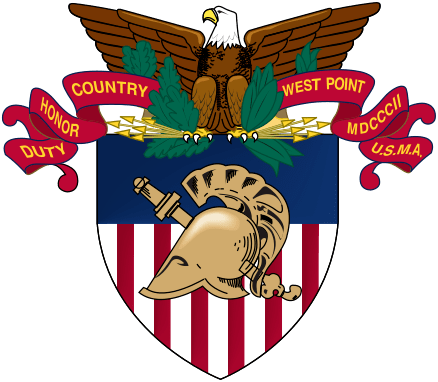
US Military Academy, West Point, Coat of Arms
Image Wikipedia
  1. West Point military academy—Edgar Allan Poe attended the United States Military Academy at West Point in 1830. His time there was marked by academic success in subjects like mathematics, but he struggled with the strict military discipline. Poe deliberately sought dismissal by neglecting his duties and violating academy regulations. His tenure at West Point was brief, lasting less than a year, but it significantly influenced his literary career, as he turned his focus entirely to writing after leaving the academy.
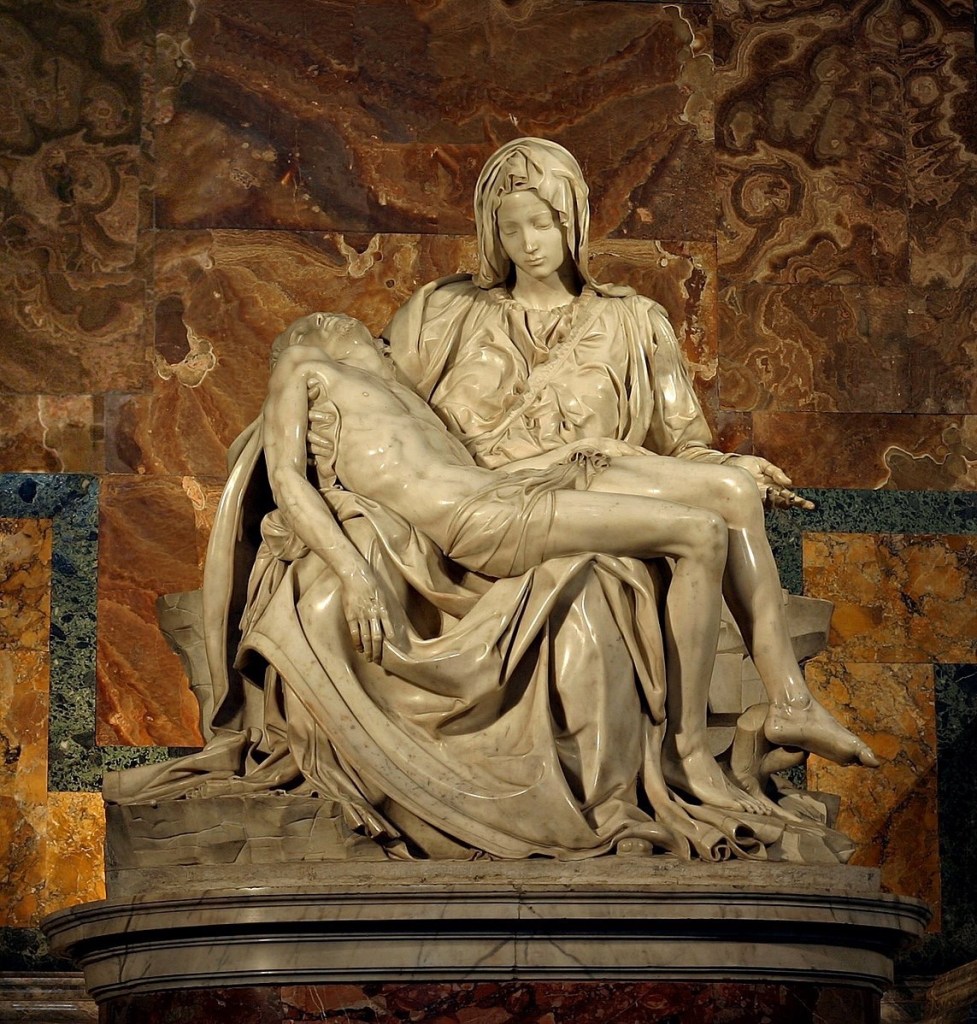
    Pietà (1498–1499), by Michaelangelo. St. Peter’s Basilica, Vatican City
    Image Wikipedia
  2. 1475—Michelangelo di Lodovico Buonarroti Simoni (1475–1564), known simply as Michelangelo, was an influential Italian sculptor, painter, architect and poet of the High Renaissance. Born in Florence, his work drew inspiration from classical antiquity, leaving a profound impact on Western art. Renowned for masterpieces like the Sistine Chapel ceiling and the statue of David, Michelangelo epitomised the Renaissance man alongside Leonardo da Vinci. His exceptional talents spanned multiple disciplines, and extensive surviving records highlight his artistic journey. Celebrated by contemporaries, Michelangelo remains one of the most documented and revered artists of the 16th century.
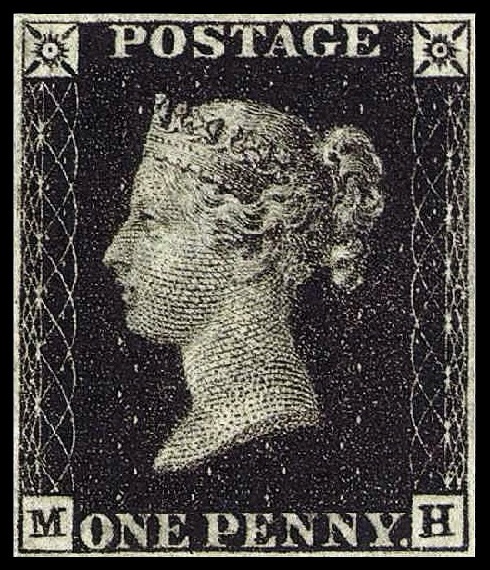
    Penny Black with Queen Victoria profile.
    Image Wikipedia
  3. Victoria, queen of Great Britain —The Penny Black, introduced in the United Kingdom on 1 May 1840 and valid from 6 May, was the world’s first adhesive postage stamp for public postal use. Featuring Queen Victoria’s profile, it revolutionised postal services based on Sir Rowland Hill’s proposal to simplify complex, costly rates. Prior to this, recipients paid postage based on distance and sheet count. The Penny Black marked a shift to sender-paid postage, enabling letters up to ½ ounce (14 grams) to be delivered nationwide for a uniform rate of one penny, streamlining and democratising communication across distances.
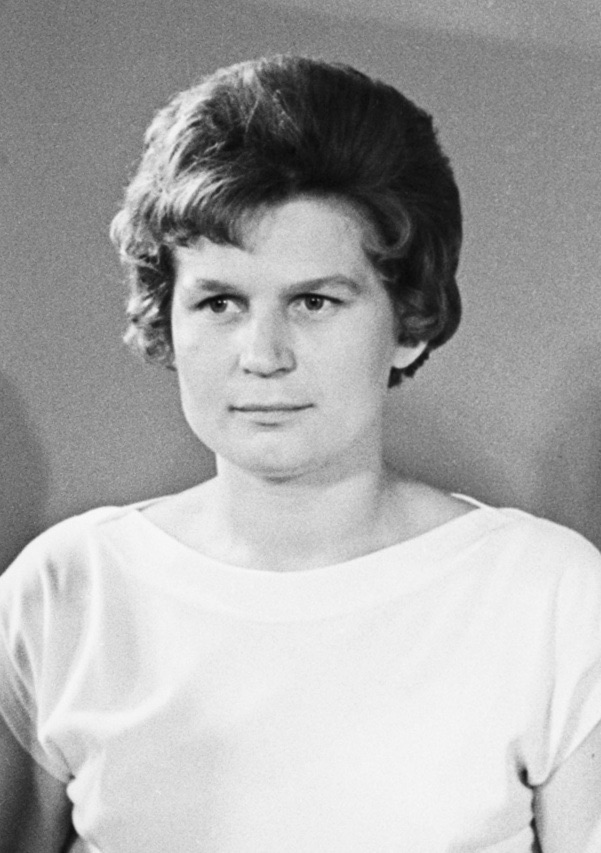
    Valentina Tereshkova.
    Image Wikipedia
  4. Valentina Tereshkova—Valentina Tereshkova, a Russian engineer and former Soviet cosmonaut, was the first woman in space, completing a solo mission on Vostok 6 in 1963. It was her only space flight.
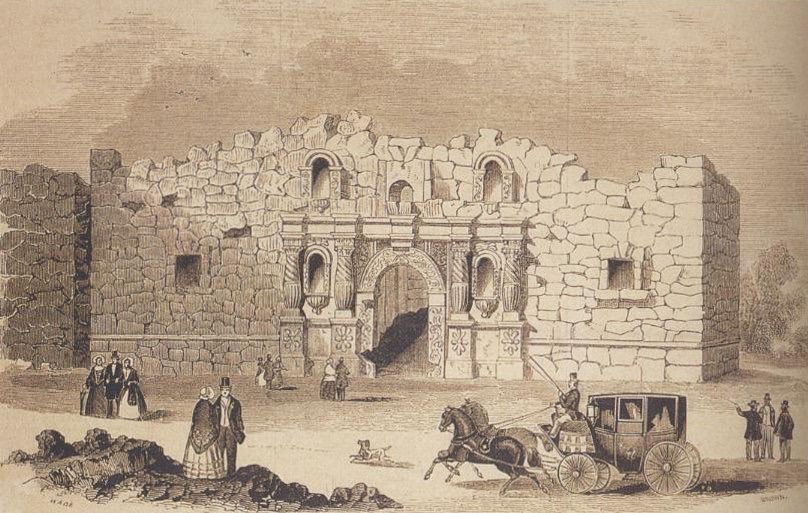
    This is a drawing of the Alamo Mission in San Antonio. It was first printed in 1854 in Gleason’s Pictorial Drawing Room Companion and was reprinted in Frank Thompson’s 2005 “The Alamo”, p 106.
    Image Wikipedia
  5. 13 days—The Siege of the Alamo took place from 23 February to 6 March 1836 during the Texas Revolution. Mexican forces led by General Antonio López de Santa Anna besieged the Alamo Mission in San Antonio, defended by Texian rebels including James Bowie, William B. Travis and Davy Crockett. Despite fierce resistance, the Texians were vastly outnumbered. After 13 days of relentless bombardment and attacks, the Mexican army overran the mission, killing nearly all defenders. The defeat became a rallying cry, “Remember the Alamo!”, inspiring Texian forces to eventual victory in the revolution.
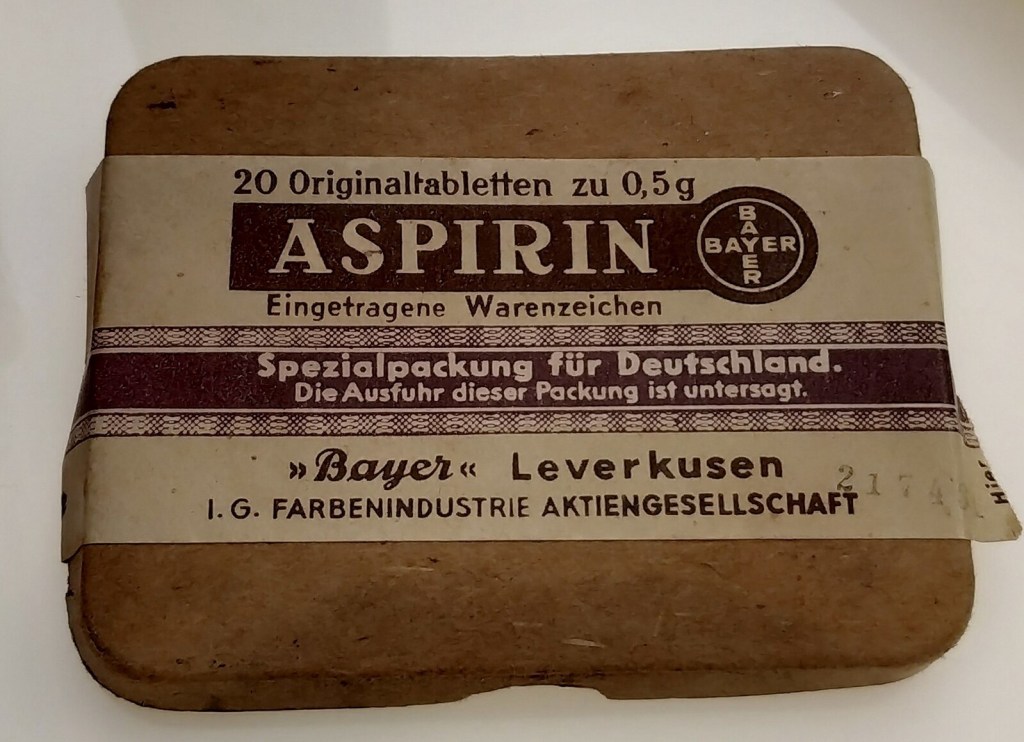
    Old Package of Aspirin, 20 tabs 0.5 g
    Image Wikipedia
  6. Aspirin—Aspirin, a genericized trademark for acetylsalicylic acid (ASA), is a nonsteroidal anti-inflammatory drug (NSAID) used to alleviate pain, fever, and inflammation and as an antithrombotic. It treats specific inflammatory conditions like Kawasaki disease, pericarditis, and rheumatic fever. Long-term use helps prevent heart attacks, ischaemic strokes and blood clots in high-risk individuals. Effects for pain or fever usually start within 30 minutes. Aspirin functions like other NSAIDs but uniquely suppresses platelet function.
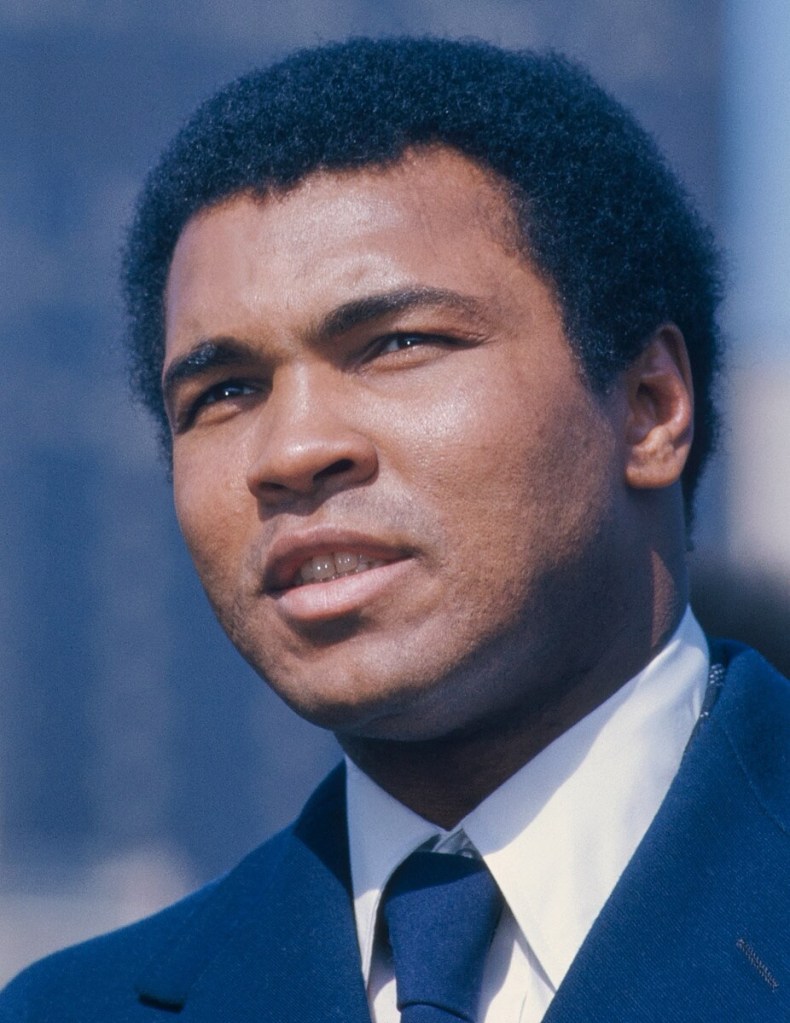
    Muhammad Ali.
    Image Wikipedia
  7. Cassius Clay—In 1964, Cassius Clay stunned the world by defeating Sonny Liston to win the heavyweight championship, defying the odds as an underdog. Just two days after his historic victory, Clay made headlines again by announcing his conversion to the Nation of Islam. This pivotal decision marked a profound personal transformation, as he embraced the teachings of Elijah Muhammad. On 6 March 1964, he adopted the name Muhammad Ali, symbolising his new identity and faith. Ali’s name change reflected not just a religious shift but a declaration of self-determination, which resonated throughout his illustrious boxing career and beyond.
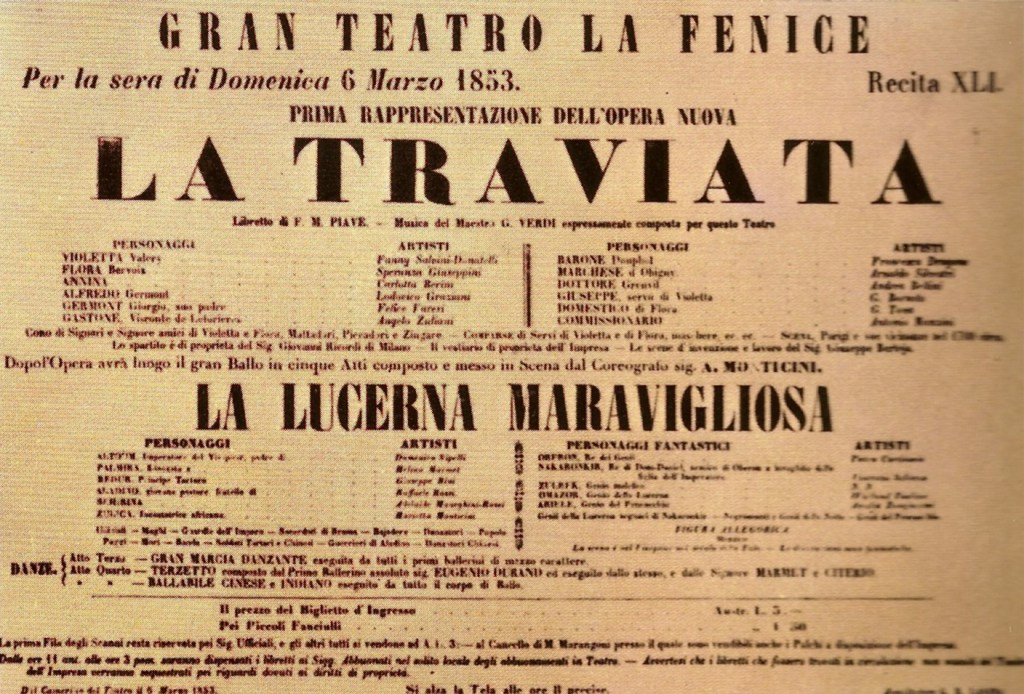
    World Premiere Poster, 1853
    Image Wikipedia
  8. FiascoLa traviata premiered at La Fenice, Venice, in March 1853, amidst Verdi’s lingering apprehensions. The production faced hurdles from the start: Verdi disagreed with the casting of 38-year-old Fanny Salvini-Donatelli as Violetta, feeling she was ill-suited for the role of a youthful, consumptive heroine. Despite Verdi’s protests, no changes were made. The opening act received applause, but enthusiasm waned in the second act, where performances by baritone Felice Varesi and tenor Lodovico Graziani met with disapproval. Verdi later lamented in a letter, “La traviata last night a failure. Was the fault mine or the singers’? Time will tell.” He further said, “It was a fiasco!”
    Eleanor Roosevelt with female reporters at her first White House press conference on March 6, 1933.
    Credit: FDR Presidential Library & Museum
    Image via National Woman’s History Museum
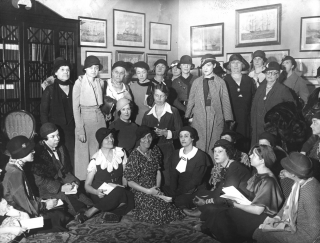
  9. Eleanor Roosevelt—Eleanor Roosevelt recounted to journalist Lorena Hickok that the first White House press conference for women reporters, held on 6 March 1933—two days after FDR’s inauguration—was held in the Red Room. Thirty-five women attended, but there weren’t enough chairs, so some sat on the floor. These weekly conferences, open only to women, helped preserve their jobs and ensured news access. As Mrs Roosevelt noted without fresh stories, women reporters risked losing their jobs. The conferences focused on topics of interest to women, avoiding politics. Over twelve years, 348 conferences provided the First Lady with a national audience and significant publicity.
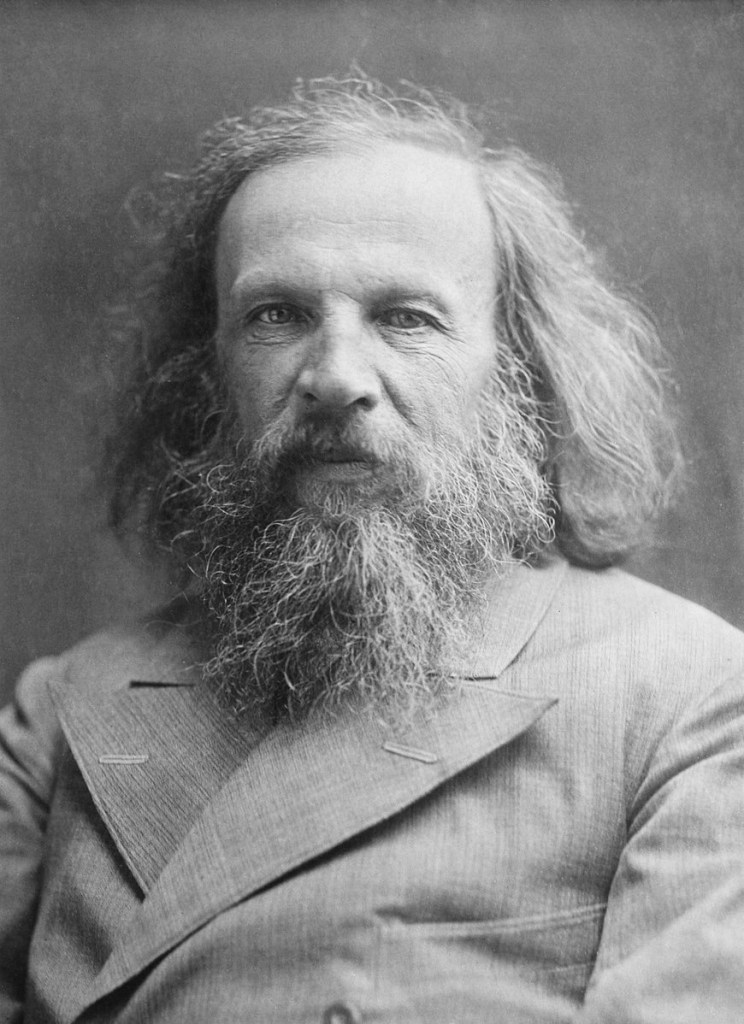
    Dmitri Mendeleev.
    Image Wikipedia
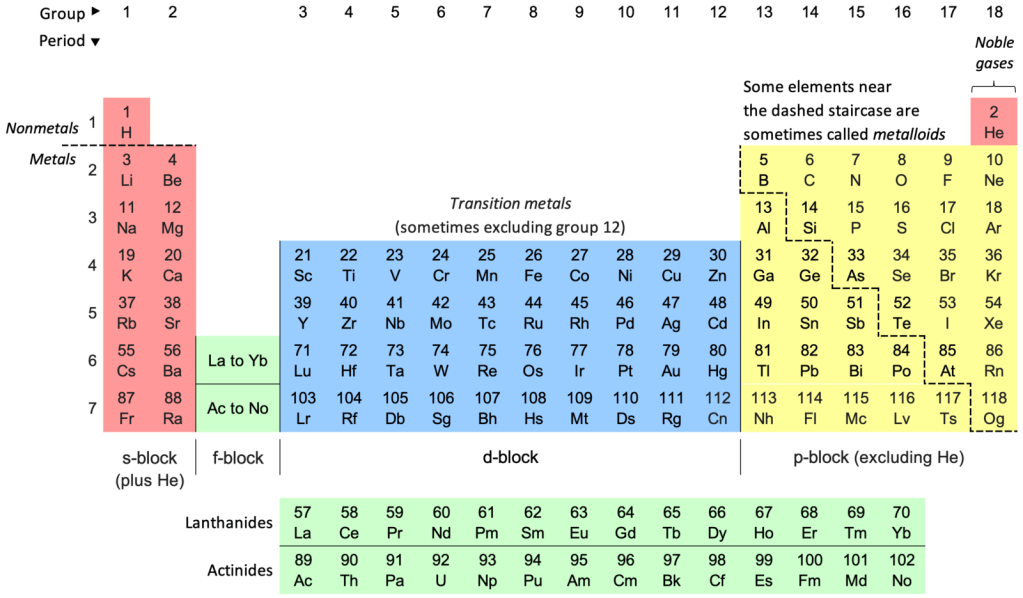
  10. 1869—On 6 March 1869, a scientist presented to the Russian Chemical Society about how elements’ properties relate to their atomic weights. He found that elements arranged by atomic weight show a pattern in their properties. Similar elements often have similar atomic weights or a regular increase in weight. Elements in groups based on atomic weight also match their valencies and chemical properties. He noted that widely spread elements have small atomic weights and that atomic weight influences an element’s nature. He predicted the discovery of new elements and suggested that atomic weights could help predict element properties.
Coloured periodic table showing the most common sets of elements (2023)
Image Wikipedia
Pietà (1498–1499), by Michaelangelo. St. Peter’s Basilica, Vatican City
Image Wikipedia

Fabulous Fantastic Fiascoes

Michelangelo.
Image Wikipedia
  1. On this day in 1831, American writer Edgar Allan Poe was court-martialled for disobedience and expelled from…
    • Annapolis naval academy
    • Marine Corps Base Quantico
    • West Point military academy
  2. Italian Renaissance artist Michelangelo was born on 6 March in…
    • 1375
    • 1475
    • 1575
  3. On 6 March 1840, the world’s first adhesive postage stamp, the Penny Black, went into use featuring an image of…
    • Jonas Furrer, president of Switzerland
    • Victoria, queen of Great Britain
    • Martin Van Buren, president of the US
  4. The first female to travel in space was born on this day in 1937, she was…
    • Valentina Ponomaryova
    • Svetlana Savitskaya
    • Valentina Tereshkova 
  5. The Alamo, San Antonio fell and was captured today in 1836 following a siege which had lasted…
    • 3 days
    • 13 days
    • 31 days
  6. On 6 March 1899, acetylsalicylic acid is patented by Felix Hoffmann at the German company Bayer under the genericized trademark…
    • Aspirin
    • Ibuprofen
    • Paracetamol 
  7. This day in 1964 a boxer changed his name to Muhammad Ali. He had had changed his name from…
    • Augustus Amber
    • Balbinus Beryl
    • Cassius Clay
  8. Today in 1853, La traviata, by Giuseppe Verdi, was premiered at La Fenice opera house in Venice. The composer later described it as…
    • Fabulous
    • Fantastic
    • Fiasco
  9. The first First Lady to hold an official press conference in the White House did so on 6 March. She was…
    • Eleanor Roosevelt
    • Jackie Kennedy
    • Pat Nixon
  10. At a meeting of the Russian Chemical Society, Russian chemist Dmitri Mendeleev presented the first periodic table on this day in …
    • 1869
    • 1895
    • 1921

Good luck! The answers will be posted later today.