History’s Greatest Hits: From Napoleon’s Invasion to Elvis’s Chart-Topping Curtain Call—Answers

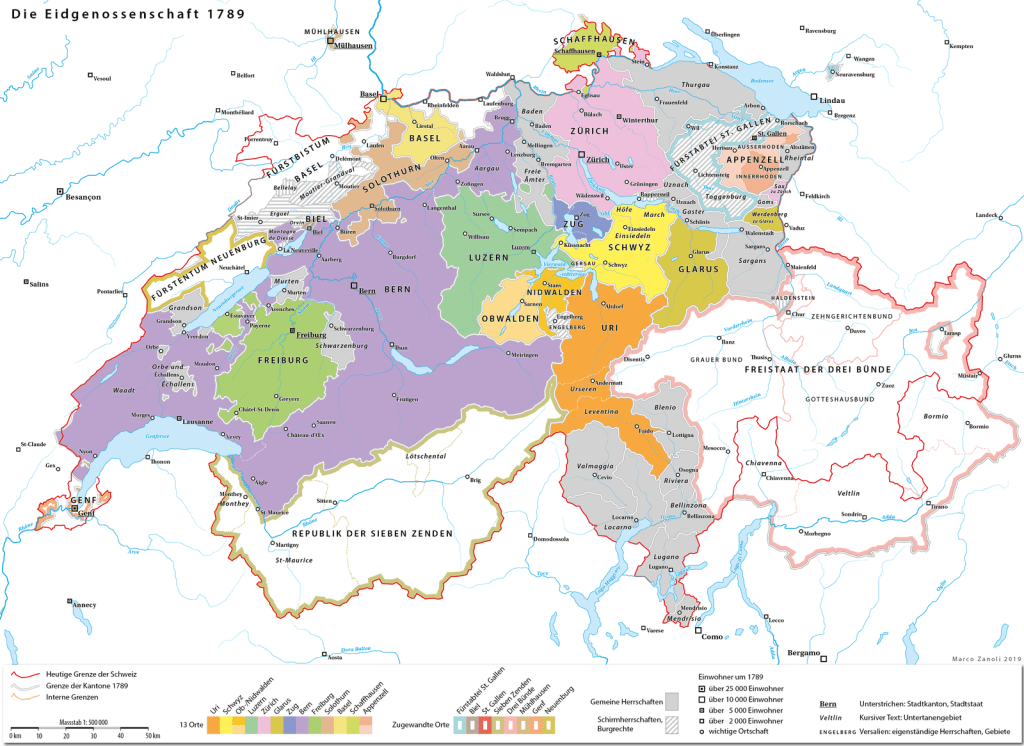
Map of the Old Swiss Confederacy, 1789
Image Wikipedia

The answers to the four questions posted earlier are in bold below.

  1. Switzerland—The period of the thirteen cantons in Swiss history, from 1513 to 1798, involved the Old Swiss Confederacy, a loose union of thirteen sovereign cantons united for mutual defence and foreign policy. These cantons were diverse in religion and culture, with some Catholic and others Protestant post-Reformation. The confederacy expanded in the 16th century due to its mercenary strength, gaining autonomy from the Holy Roman Empire while maintaining cantonal independence through treaties. Internal conflicts like the Wars of Kappel highlighted religious divisions, yet peace and neutrality prevailed. The era ended with the French invasion in 1798, leading to the Helvetic Republic and centralised governance.
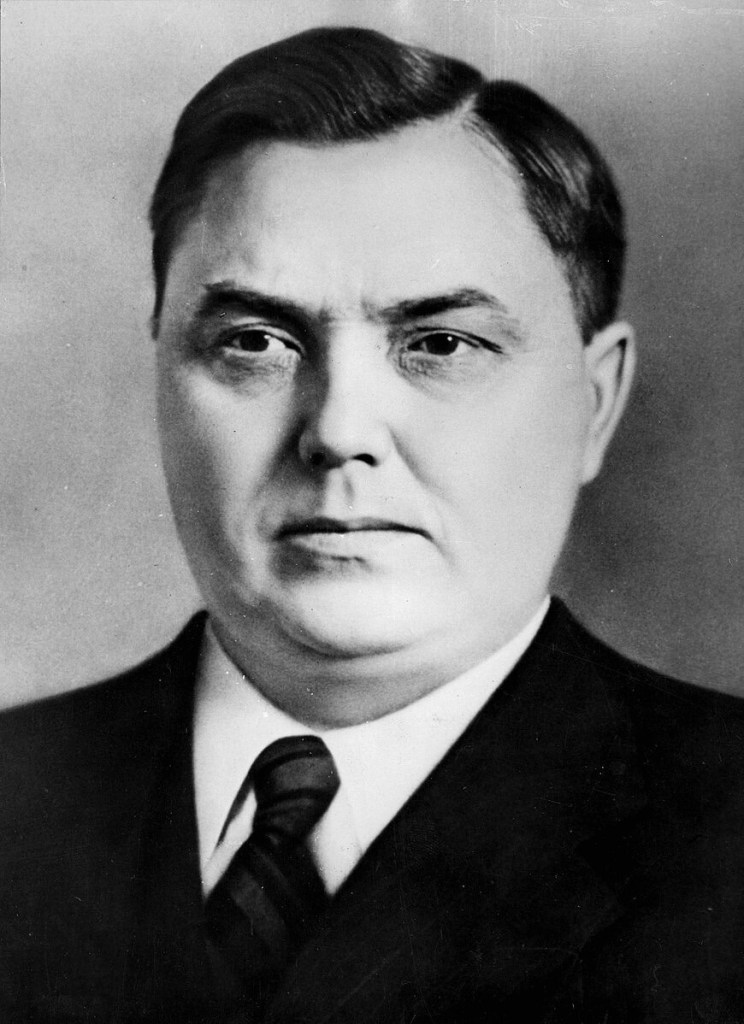
    Georgy Malenkov
    Image Wikipedia
  2. Georgy Maximilianovich Malenkov—Georgy Malenkov served as the Premier of the Soviet Union from 1953 to 1955, succeeding Joseph Stalin. He aimed to improve the economy by focusing on consumer goods and agriculture, but faced opposition within the Communist Party. Malenkov also sought to decentralise the administration and reduce secret police power, but his reforms were resisted. In 1955, he resigned after a power struggle with Nikita Khrushchev, being replaced by Nikolai Bulganin. His tenure marked a brief shift towards economic reforms and a more open political atmosphere, which was reversed after his departure.
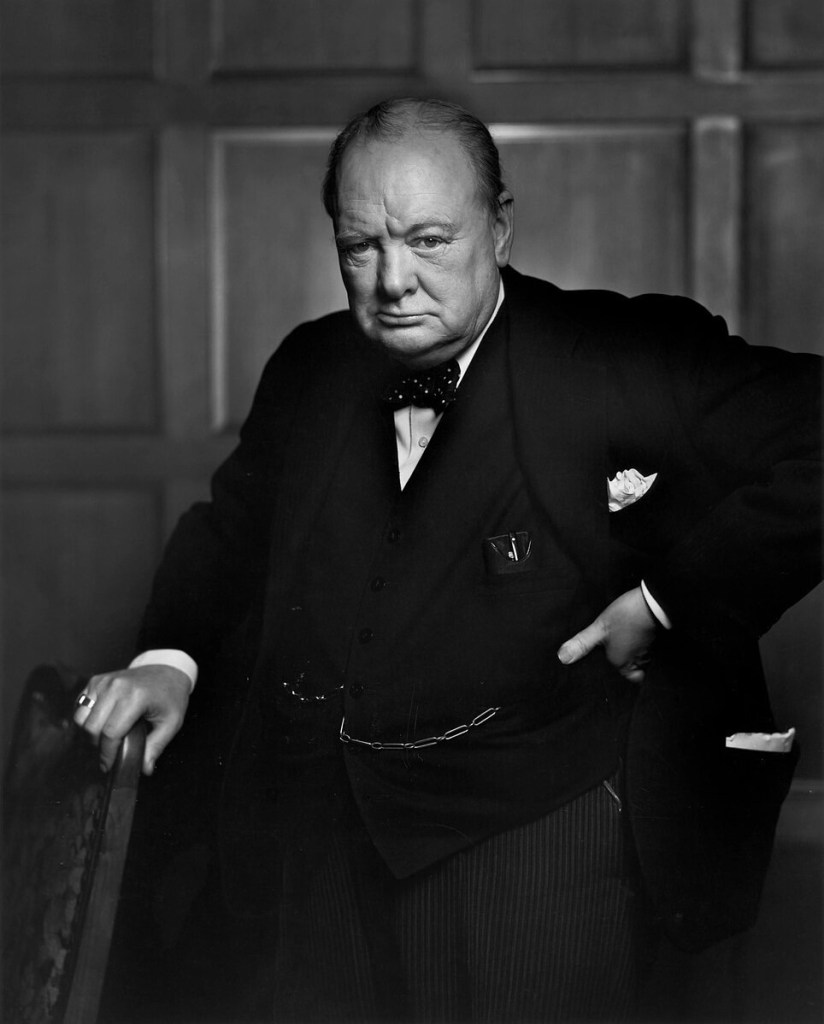
    Winston Churchill, 1941
    Image Wikipedia
  3. Winston Churchill—Churchill’s Iron Curtain speech, delivered  on March 5, 1946, at Westminster College, Fulton, Missouri, highlighted the need for the US and Britain to counter Soviet communism, which had created a political and ideological barrier across Europe. The term “iron curtain” described the USSR’s post-World War II isolation of eastern and central Europe from the West. Post-war, Western leaders were divided on how to engage with the Soviet Union, with some fearing Stalin’s expansionism and others believing in potential peace. Churchill and American diplomat George Kennan advocated for a containment policy, opposing Soviet expansion and advocating for Western military counterpressure. The relevant paragraph from his speech reads…
    “From Stettin in the Baltic to Trieste in the Adriatic an iron curtain has descended across the Continent. Behind that line lie all the capitals of the ancient states of Central and Eastern Europe. Warsaw, Berlin, Prague, Vienna, Budapest, Belgrade, Bucharest and Sofia, all these famous cities and the populations around them lie in what I must call the Soviet sphere, and all are subject in one form or another, not only to Soviet influence but to a very high and, in some cases, increasing measure of control from Moscow.”
    (The National Archives, full text.)
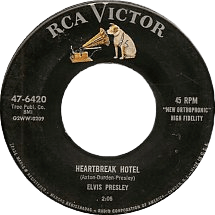
    Heartbreak Hotel.
    Image Wikipedia
  4. Heartbreak HotelHeartbreak Hotel by Elvis Presley, released on January 27, 1956, was his first single with RCA Victor. Written by Mae Boren Axton, Tommy Durden, and Presley, it was inspired by a newspaper article about a man’s suicide. Recorded on January 10, 1956, with the Blue Moon Boys, Chet Atkins, and Floyd Cramer, it features an eight-bar blues progression and heavy reverberation. The song topped multiple charts, became Presley’s first million-seller, and was certified double platinum. It was inducted into the Grammy Hall of Fame in 1995 and named one of Rolling Stone’s 500 Greatest Songs of All Time in 2004.

Fiddler’s Bridge Rings—Answers

Here are the answers to the questions posed earlier today plus some additional information.

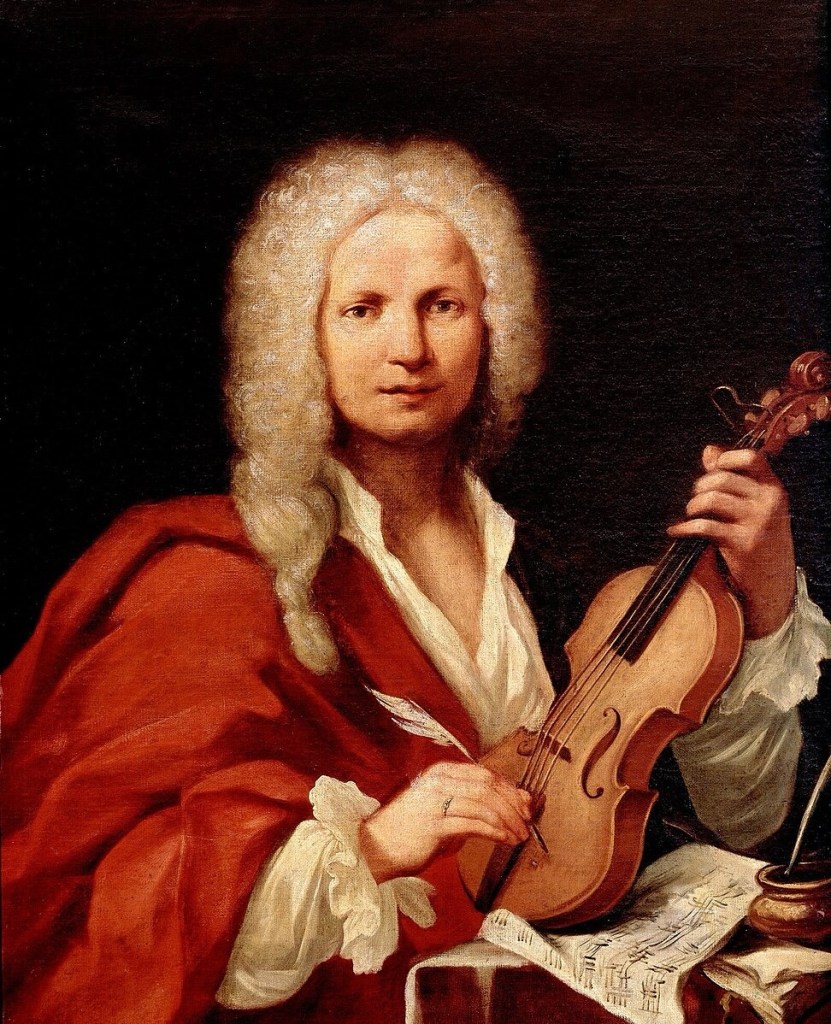
A portrait in oils in the Museo Internazionale e Biblioteca della Musica di Bologna is generally believed to be of Vivaldi.
Image Wikipedia
  1. Venice, Republic of Venice (now Italy)—Antonio Lucio Vivaldi (1678–1741) was a pivotal Italian composer and violinist of the Baroque era, known for his innovative contributions to orchestration, violin technique and the concerto form. Born in Venice, he was ordained a priest in 1703, earning the nickname Il Prete Rosso—the red priest. Vivaldi worked at the Ospedale della Pietà, composing numerous concertos, sacred works, and over fifty operas, including the famous The Four Seasons. Despite initial success, his popularity declined in the 1730s. He moved to Vienna in 1740, seeking royal support, but died in poverty. His works were rediscovered in the 1920s, reviving interest in his music.
    Forth Bridge pier off Inchgarvie Island. The Forth Road Bridge can be seen in the background.
    Image Wikipedia
  2. Edinburgh—The Forth Bridge, a cantilever railway bridge over the Firth of Forth (Estuary of the River Forth) in Scotland, was designed by Sir John Fowler and Sir Benjamin Baker in the late 1880s and opened on 4 March 1890. Initially criticised for its aesthetics, it is now a symbol of Scotland and a UNESCO World Heritage Site. Located 9 miles west of Edinburgh, it carries the Edinburgh–Aberdeen line, is 8,094 feet (2467 m) long and features three 1,348 ft (411 m) cantilevers and two 351 ft (107 m) suspended spans, with a total clear span of 1,699 ft (518 m). Constructed with 58,000 tons of steel at a cost of £3,000,000 (£493,000,000 in 2025). Recent research by the Queensferry Historian Group has discovered that 78 men died during the construction of the bridge.
    A plaque honoring Perkins at Boston’s Logan Airport.
    Image Wikipedia
  3. Franklin D. Roosevelt—Frances Perkins was appointed Secretary of Labor on 4 March 1933. Born on 10 April 1880, in Boston she was a pioneering American workers-rights advocate and the first woman in the U.S. cabinet, serving as Secretary of Labour from 1933 to 1945 under President Franklin D. Roosevelt. A key figure in the New Deal coalition, she focused on labour issues and social security policy, developing the Social Security Act in 1935. Perkins championed reforms like the minimum wage, maximum workweek, and child labour restrictions. Educated at Mount Holyoke College, Wharton School, and Columbia University, she passed away on 14 May 1965, in New York.
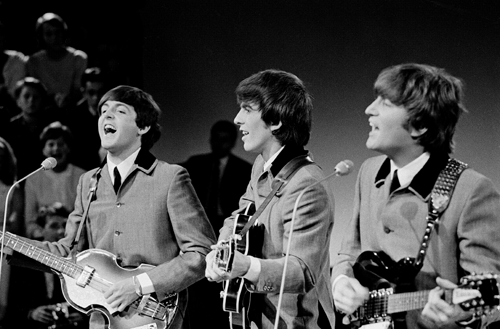
    Paul McCartney, George Harrison and John Lennon during a Beatles performance for Dutch television, 1964.
    Image Wikipedia
  4. John Lennon, Beatles—In 1966, during a controversial interview, John Lennon of the Beatles made a bold statement that would spark widespread debate and backlash around the world. Lennon asserted that the band had become “more popular than Jesus”. This comment was part of a larger discussion about the changing role of religion and the cultural influence of rock music, particularly among the youth of the 1960s. The remark was initially unnoticed in the UK but gained significant attention in the United States, leading to protests and record burnings by those who viewed the statement as blasphemous. Despite the uproar, the Beatles continued to dominate the music scene and influence the cultural landscape, solidifying their legacy as one of the most iconic bands in history.
  5. Voyager 1—Voyager 1, launched by NASA on September 5, 1977, is a pioneering interplanetary probe that visited Jupiter and Saturn, becoming the first spacecraft to reach interstellar space. Part of a twin mission with Voyager 2, it utilised a rare planetary alignment for a multiplanet tour. Voyager 1 discovered Jupiter’s ring and volcanic activity on Io, and revealed Saturn’s ring structures. It carries a gold-plated phonograph record with Earth’s images and sounds. By 2012, it entered interstellar space and is now the most distant human-made object. It is expected to operate until 2030.
Distance from Earth screenshot, 12:42 4 March 2025*
Image JPL NASA Voyager

*Voyager Live information can be viewed at JPL NASA Voyager.

Fiddler’s Bridge Rings

Image Wikipedia

Here are some questions based on this day in history.

  1. Antonio Vivaldi, composer and virtuoso violinist was born on 4 March 1678. Where was he born?
    • Vigo, Kingdom of Galicia (now Spain)
    • Vienna, Austria
    • Venice, Republic of Venice (now Italy) 
  2. What Scottish city is located about nine miles east of the bridge, which opened this day in 1890, pictured above? 
    • Aberdeen
    • Dundee
    • Edinburgh
    Frances Perkins
    Image Wikipedia
  3. Frances Perkins was the first woman ever to serve in a presidential cabinet in the United States. Which president appointed her as the fourth US Secretary of Labor?
    • Calvin Coolidge
    • Herbert Hoover
    • Franklin D. Roosevelt 
  4. On 4 March 1966, it was claimed during an interview that we are ‘more popular than Jesus’. Who made this claim?
    • John Lennon of the Beatles
    • Cass Elliot of the Mamas & the Papas
    • Mick Jagger of the Rolling Stones
  5. On this day in 1979 the first photograph of the rings of Jupiter (below) was sent back to Earth by what spacecraft?
    • Voyager 1
    • Galileo
    • Pioneer 11
Jupiter.
Image Wikipedia

Good luck! The answers will be posted later today.

Bombshell Birthdays, Trashy Climbers and Hockey Hooligans!—Answers

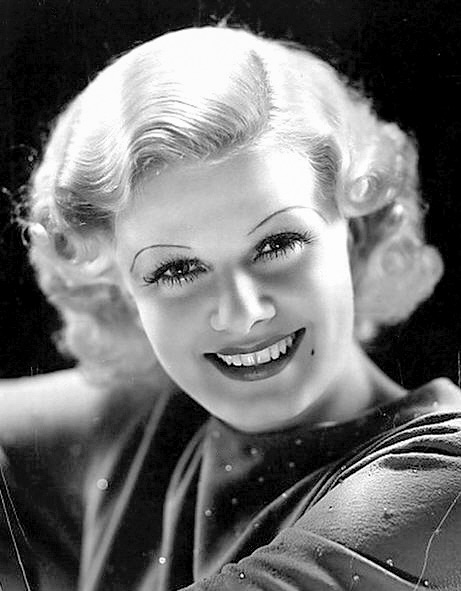
Jean Harlow.
Image Wikipedia
  1. Jean Harlow—Jean Harlow, born Harlean Carpenter in 1911, was the quintessential blonde bombshell of Hollywood’s golden age. Rising to fame during the 1930s, she captivated audiences with her vivacious personality, striking platinum hair, and undeniable talent. Harlow’s career was marked by standout performances in films like Hell’s Angels and Red Dust, where she showcased her comedic timing and magnetic screen presence. Despite her glamorous image, she was known for her down-to-earth nature and warmth. Tragically, Harlow’s life was cut short at the age of 26 due to kidney failure, but her legacy as a pioneering Hollywood icon endures.
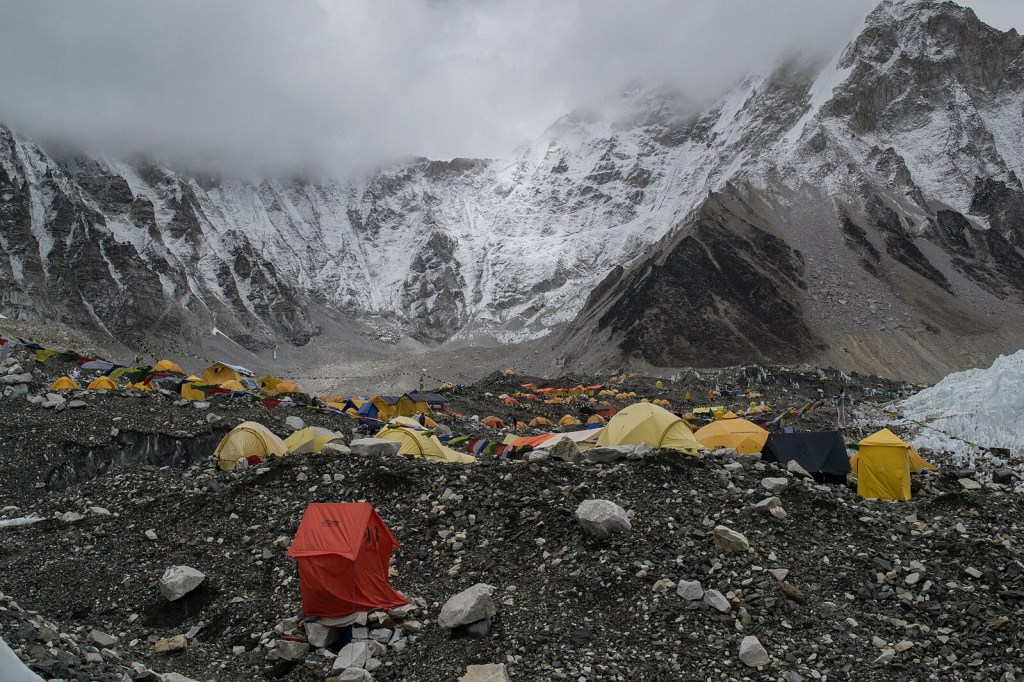
    Looking north to Mount Everest.
    Image Wikipedia
  2. 8 kg (17.6 lb)—Nepal’s tourism authority announced a new rule requiring climbers of Mount Everest to return with 8kg (17.6lb) of trash more than they produced during their ascent. This measure aims to address the estimated 50 tons of discarded items left on the mountain.
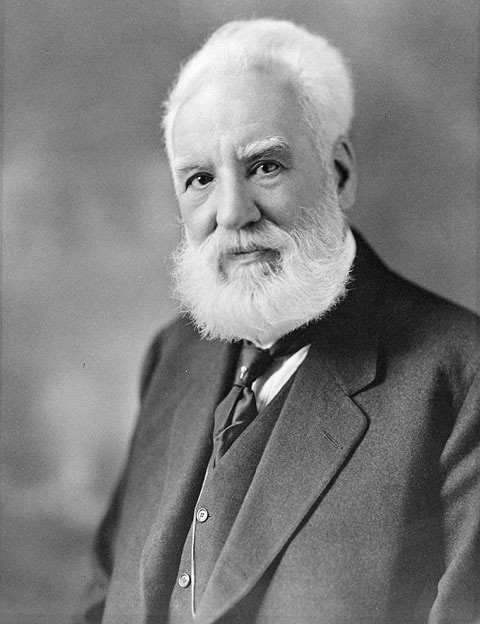
    Alexander Graham Bell, c1914-1919.
    Image Wikipedia
  3. Edinburgh, Scotland—Alexander Graham Bell, born in Edinburgh, Scotland, was an American inventor and scientist celebrated for his revolutionary contributions to communication. He invented the telephone in 1876 and the phonograph in 1886. Bell’s inventive genius is showcased by 18 patents in his name and 12 shared with collaborators. His patents include 14 for the telephone and telegraph, four for the photophone, one for the phonograph, five for aerial vehicles, four for hydroairplanes, and two for selenium cells. Bell’s work transformed the world by enhancing communication methods.
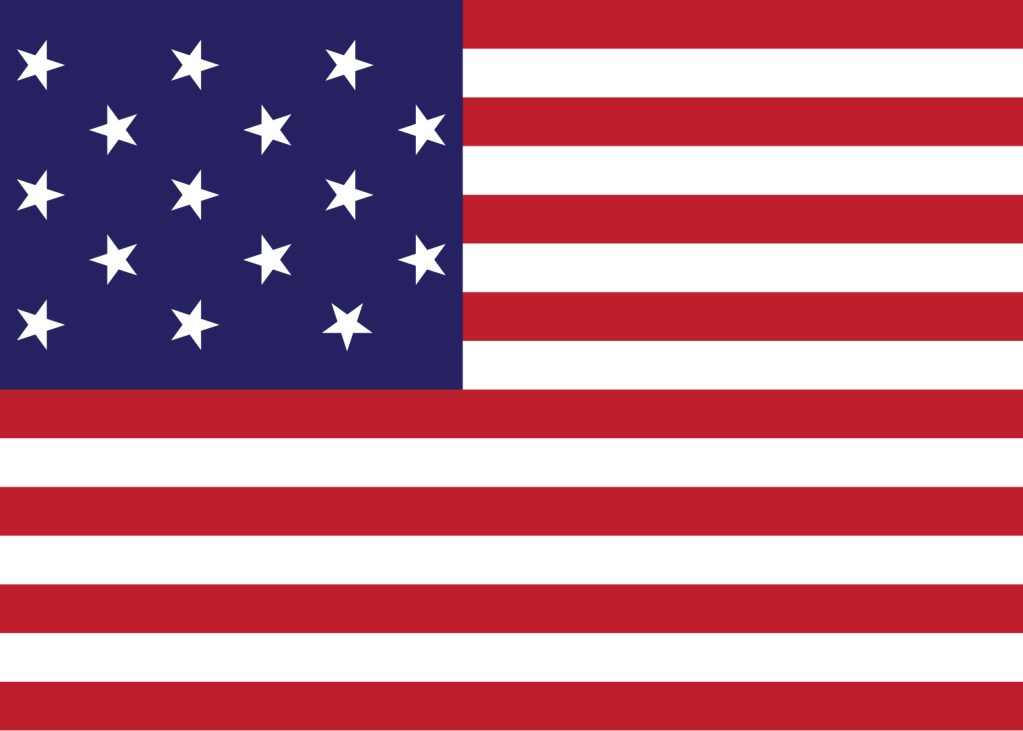
    Flag, which flew over Fort McHenry following the Battle of Baltimore in the War of 1812, is said to have inspired Francis Scott Key.
    Image Wikipedia
  4. 1931—The Star-Spangled Banner is the national anthem of the United States, penned by Francis Scott Key during the War of 1812. Key, an American lawyer, wrote the lyrics after witnessing the British bombardment of Fort McHenry in Baltimore, Maryland, during the Battle of Baltimore. Captivated by the sight of the American flag, the Star-Spangled Banner, still flying over the fort at dawn, he poetically immortalised the resilience and spirit of the American people. The anthem’s stirring words and vivid imagery have since become a symbol of national pride. In 1931, the United States Congress officially designated it as the national anthem.
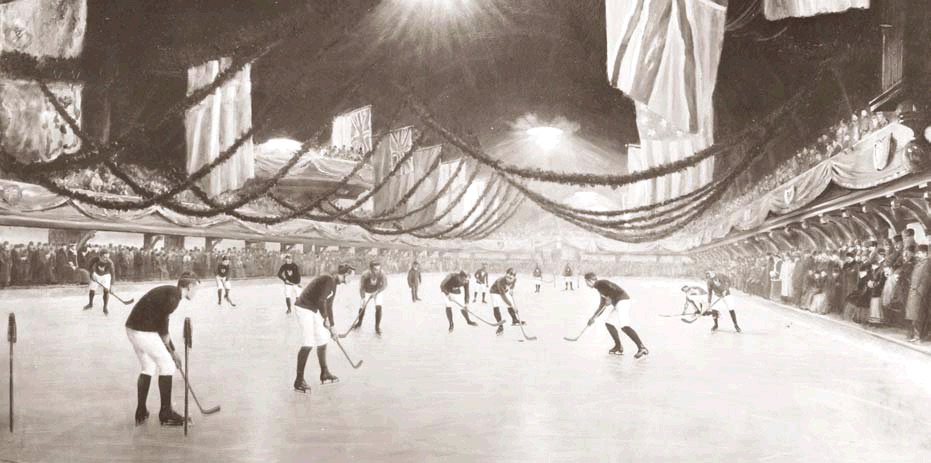
    Composite photo of 1893 hockey game at the Victoria Skating Rink in Montreal; photo in collection of McCord Museum.
    Image Wikipedia
  5. Montreal—The first recorded public indoor ice hockey game, played in Montreal’s Victoria Skating Rink in 1875, involved two teams of McGill University students. The game’s reputation for violence was already evident as shown by The Daily British Whig of Kingston, Ontario, which reported, the match was marked by “shins and heads being battered, benches smashed, and lady spectators fleeing in confusion.” The McGill University Hockey Club, the first organised team, was formed in 1877; it codified the rules of the game and limited the number of players on each side to nine.

Bombshell Birthdays, Trashy Climbers and Hockey Hooligans!

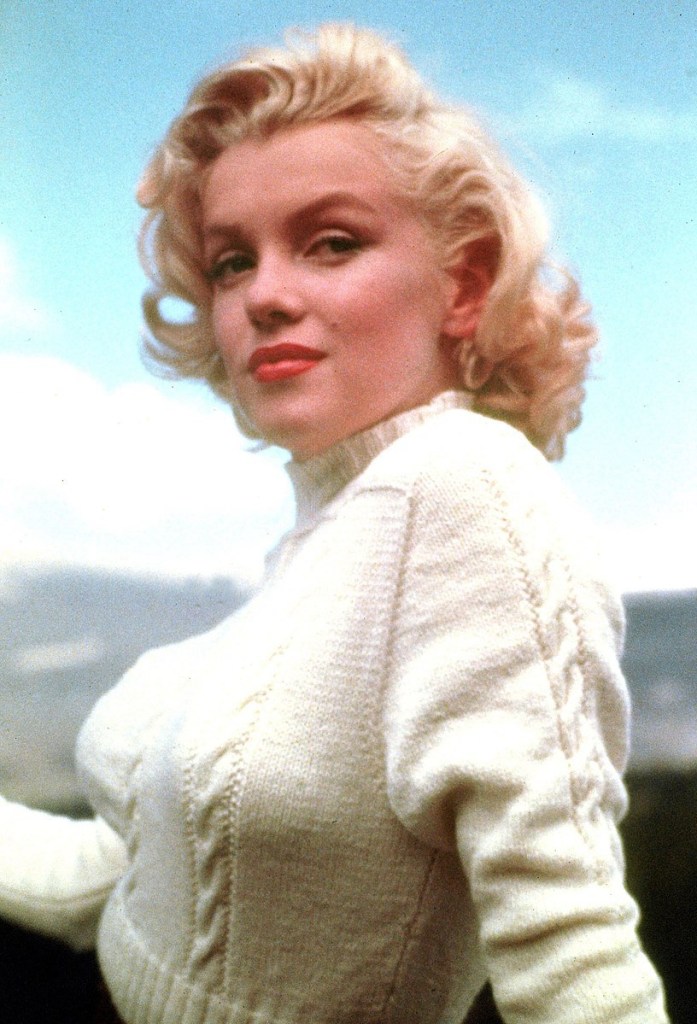
Marilyn Monroe, 1954.
Image Wikipedia

All of the following are connected to 3 March.

  1. An actress born on 3 March 1911 was, according to Encyclopædia Britannica, the original ‘blonde bombshell’; who was she?
    • Jean Harlow
    • Fay Wray
    • Mae West
    Everest Base Camp.
    Image Wikipedia
  2. On this day in 2014, Nepal implemented a system requiring climbers of Mount Everest to return ___ of trash more than they produced during their ascent and descent. Which of these is missing from the previous sentence?
    • 4 kg (8.8 lb)
    • 6 kg (13.2 lb)
    • 8 kg (17.6 lb)
  3. Alexander Graham Bell, inventor and scientist, best known for the invention of the telephone, was born on 3 March 1847. Where was he born?
    • Cape Breton Island, Nova Scotia, Canada
    • Edinburgh, Scotland
    • Isle of Skye, Scotland
    Flag, which flew over Fort McHenry following the Battle of Baltimore in the War of 1812, is said to have inspired Francis Scott Key.
    Image Wikipedia
  4. The Star-Spangled Banner, written by Francis Scott Key during the War of 1812, was officially adopted by an act of Congress as the official national anthem of the United States on this day in…
    • 1853
    • 1892
    • 1931
  5. The first recorded public indoor ice hockey game took place today in 1875. It was played in the Canadian city of…
    • Montreal
    • Quebec
    • Vancouver

Good luck! The answers will be posted later today.

From Monarch Mishaps to Cosmic Capers! (with some grave robbing in between.)—Answers

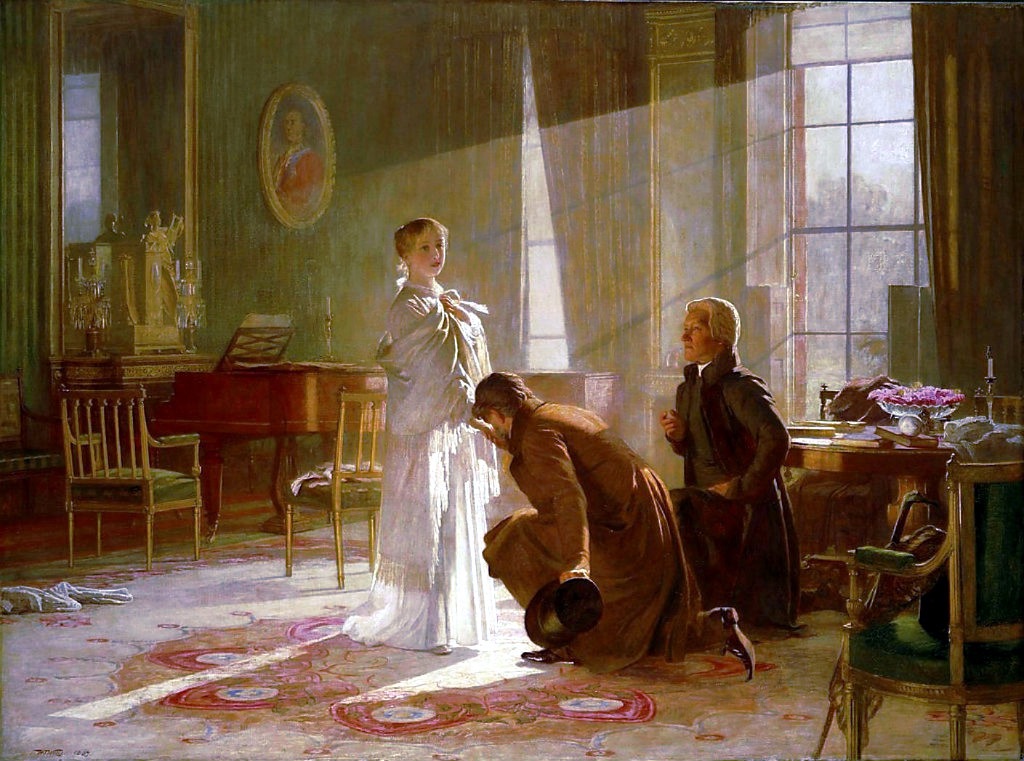
Queen Victoria receiving the news of her accession to the throne, 1837.
[Image Wikipedia]

The answers to today’s earlier post about a few events from 2 March are shown in bold below.

  1. Eight—On March 2, 1882, Roderick Maclean, a poet who had apparently been offended by Queen Victoria’s rejection of one of his poems, attempted to assassinate her as her carriage departed Windsor railway station. Gordon Chesney Wilson and another Eton College student struck him with their umbrellas until a policeman intervened and escorted him away. Notably, there were eight attempts to assassinate Victoria, with two separate attempts by the same person. In 1842, while riding in a carriage along The Mall in London, Queen Victoria was shot at by John Francis, but the gun failed to discharge. Francis managed to escape, but the following day, Victoria deliberately drove the same route, albeit faster and with a larger escort, in an attempt to lure Francis into a second attempt and capture him in the act. As anticipated, Francis fired at her, but he was apprehended by plainclothes policemen and subsequently convicted of high treason. His death sentence was commuted to transportation for life.
    Publicity poster for King Kong, 1933.
    [Image Wikipedia]
  2. King Kong—The landmark monster movie King Kong had its world premiere. In addition to pioneering special effects by Willis O’Brien, it was the first significant feature film to star an animated character. The film’s final lines were Police Lieutenant: “Well, Denham, the airplanes got him.” Carl Denham responded: “Oh no, it wasn’t the airplanes. It was beauty that killed the beast.”
    British Airways Concorde G-BOAC, 1986.
    [Image Wikipedia]
  3. Toulouse, France—Concorde was a supersonic airliner developed by the United Kingdom and France, first flying on 2 March 1969. Known for its sleek design and ability to fly at twice the speed of sound, it significantly reduced transatlantic flight times. However, high development costs, environmental concerns like sonic booms, and high operating costs limited its use to transoceanic flights. Only 20 aircraft were built, operated by Air France and British Airways, with service starting in 1976. Despite initial routes to destinations like Bahrain, Rio de Janeiro, Washington, D.C., and New York City, financial losses and competition from subsonic airliners led to route cuts, with New York City becoming the only regular destination. A fatal crash on 25 July 2000, resulting in 113 deaths, led to a temporary grounding. Concorde was retired in 2003, with most aircraft preserved in museums. The program was a significant European cooperative venture but never achieved financial profitability.
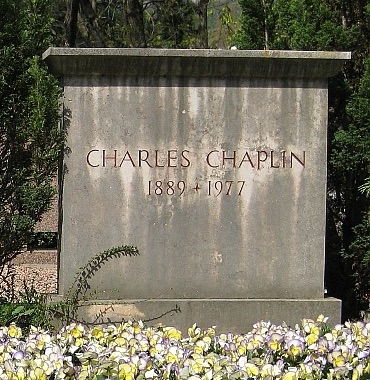
    Charlie Chaplin’s grave in Corsier-sur-Vevey, Vaud, Switzerland.
    [Image Wikipedia]
  4. Vaud, Switzerland—In March 1978, Oona Chaplin was informed by police that her husband Charlie Chaplin’s grave in Switzerland had been disturbed and his body stolen. The film star, who had died just months earlier, was taken by two thieves, Roman Wardas and Gantscho Ganev, who demanded a ransom of $600,000, threatening the Chaplins’ children. Oona dismissed the ransom as absurd. The police effectively tracked the thieves, leading to their capture in May. Wardas and Ganev, driven by desperation, had hidden Chaplin’s body in a cornfield. They expressed regret for their crime, which Oona forgave, even exchanging letters with them. Wardas was imprisoned for four years, while Ganev received an 18-month suspended sentence. Charlie Chaplin was reburied with a concrete vault to deter further theft. Though a 2014 film revived interest in the odd incident, his grave has remained undisturbed since.
  5. Czech—Vladimír Remek, the first Czechoslovak in space, is also considered the first EU astronaut. He served in the European Parliament and as Czech Ambassador to Russia.
Charlie Chaplin, The Tramp, 1915.
[Image Wikipedia]

From Monarch Mishaps to Cosmic Capers! (with some grave robbing in between.)

All the events referred to are related to 2 March.

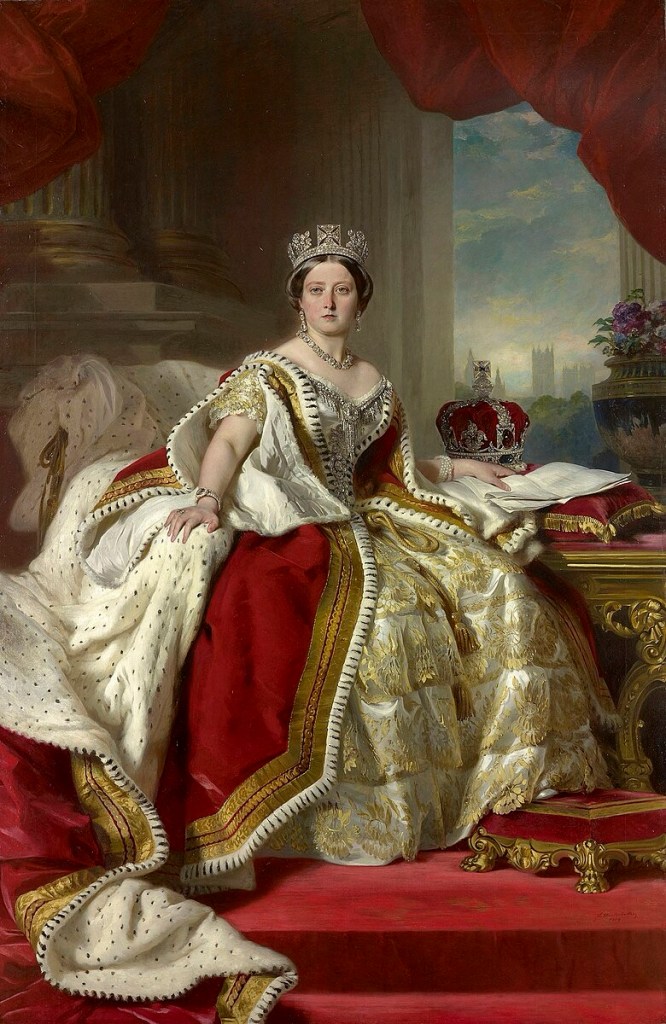
Queen Victoria
[Image Wikipedia]
  1. On March 2, 1872, Queen Victoria of the United Kingdom narrowly escaped an assassination attempt. During her reign, how many such attempts were made on her life?
    • Four
    • Six
    • Eight
  2. Which film, which premiered on this day in the early 20th century, ended with the line “It was Beauty that killed the Beast”?
    • Frankenstein
    • King Kong
    • The Island of Dr. Moreau 
  3. On this day in 1969, the first test flight of the supersonic Concorde took place at…
    • Bristol, England
    • Prestwick, Scotland
    • Toulouse, France.

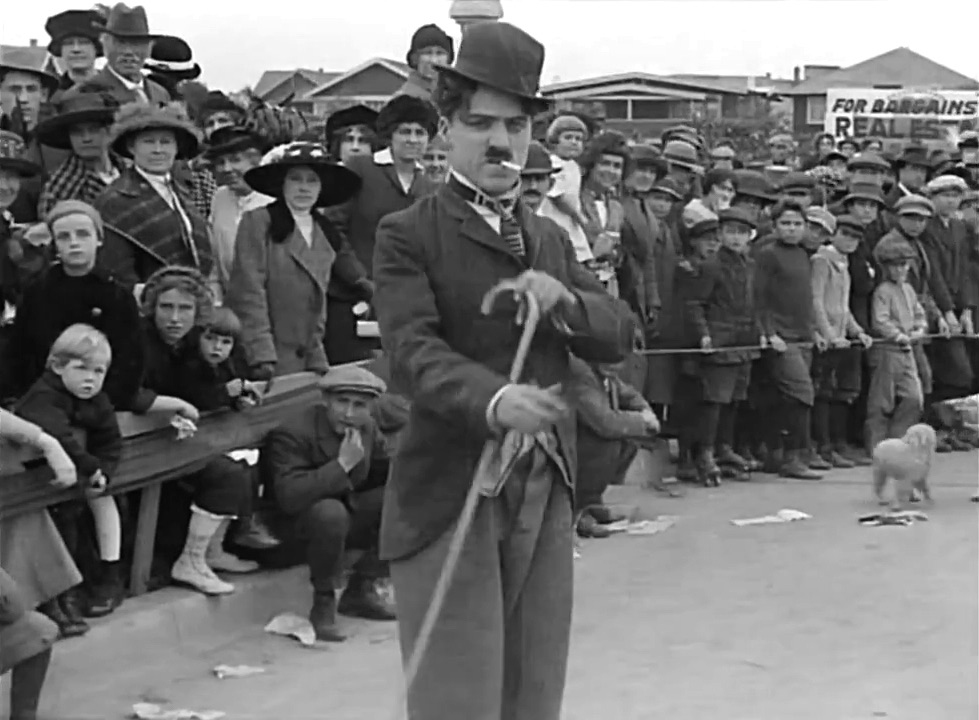
    Screenshot of Charlie Chaplin in Kid Auto Races at Venice, (1914)
    [Image Wikipedia]
  4. Overnight from the 1st to the 2nd of March, 1978, the coffin of the comic actor Charlie Chaplin, containing his body, was stolen from his grave in…
    • California, USA
    • Vaud, Switzerland
    • Cornwall, England.
  5. On 2 March 1978, an astronaut or cosmonaut made history by becoming the first person of neither American nor Russian nationality to travel in space. What nationality was he?
    • Chinese
    • Canadian
    • Czech

Good luck, the answers will be posted later today.

Gwnewch y pethau bychain mewn bywyd—Atebion*

(“Do ye the little things in life”—Answers*)

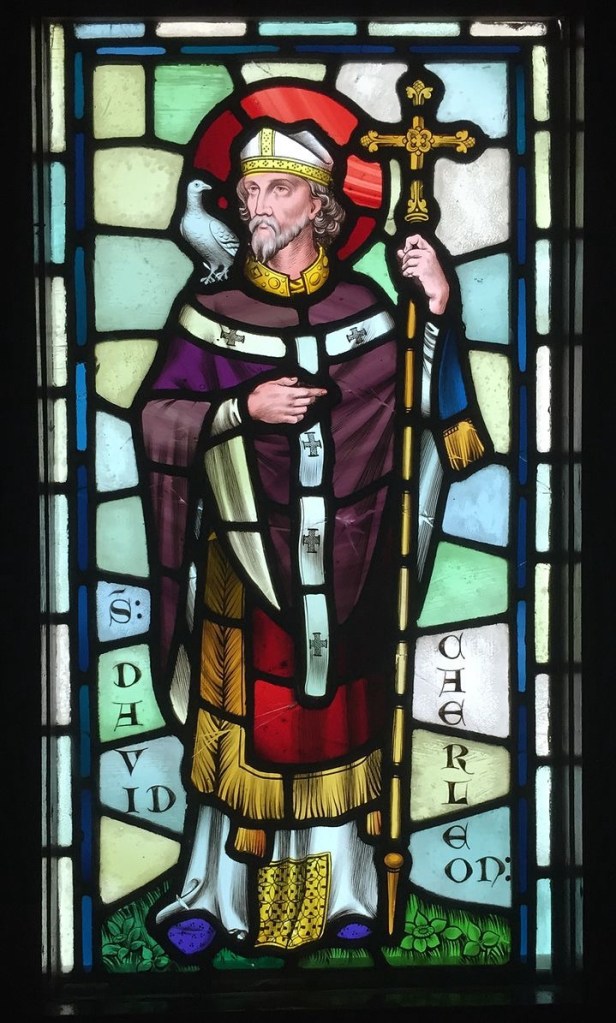
Saint David
[Image Wikipedia]
  1. Saint David—Today, March 1st, marks Saint David’s Day. David, a prominent Welsh Christian prelate who served as Bishop of Mynyw in the 6th century and is the patron saint of Wales. His exact birthdate remains uncertain, with estimates ranging from 462 to 512. Traditionally, he is believed to be the son of Non and grandson of Ceredig ap Cunedda. St. David’s profound wisdom is encapsulated in the phrase “Do ye the little things in life.” This timeless advice emphasises the significance of small tasks and details in our daily routines. By cultivating humility, mindfulness, and a present-moment focus, we can unlock the potential for personal growth and spiritual fulfilment. By diligently attending to these minor details, we can pave the way for greater achievements and a deeper connection with ourselves and the world around us.
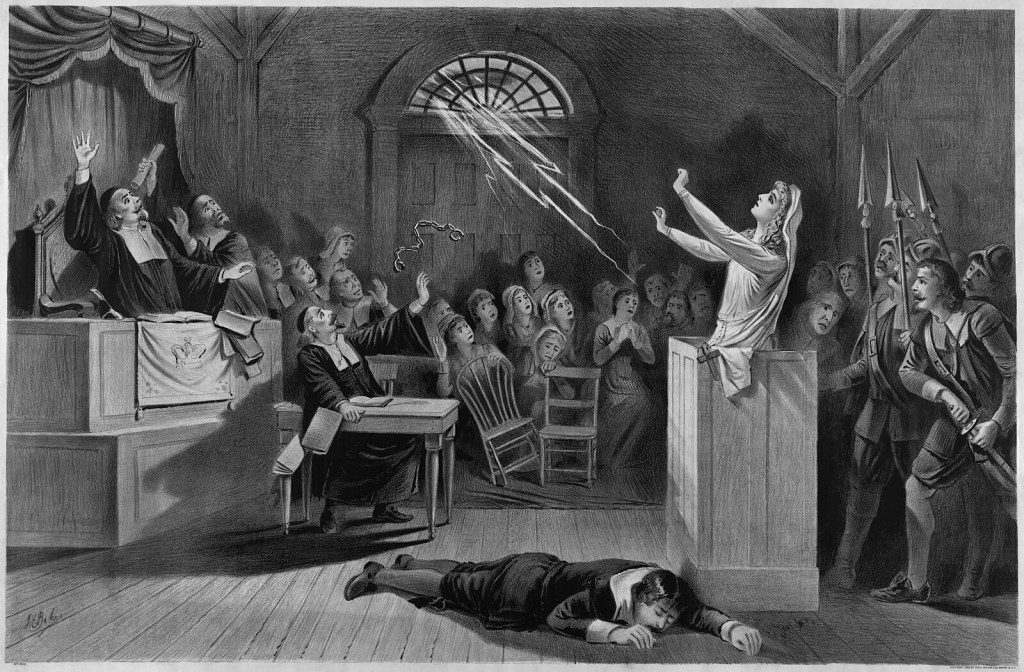
  2. Massachusetts—In 1692, Sarah Good, Sarah Osborne and Tituba were brought before local magistrates in Salem Village, Massachusetts. This marked the beginning of the infamous Salem witch trials. Tituba was an enslaved Native American but little is known of her. The Smithsonian Magazine says —

    Tituba may have sailed from Barbados in 1680 with Parris [Samuel Parris, the minister in whose household the witchcraft erupted], then still a bachelor and not yet a minister. Though likely a South American Indian, her origins are unclear.

    The Smithsonian Magazine
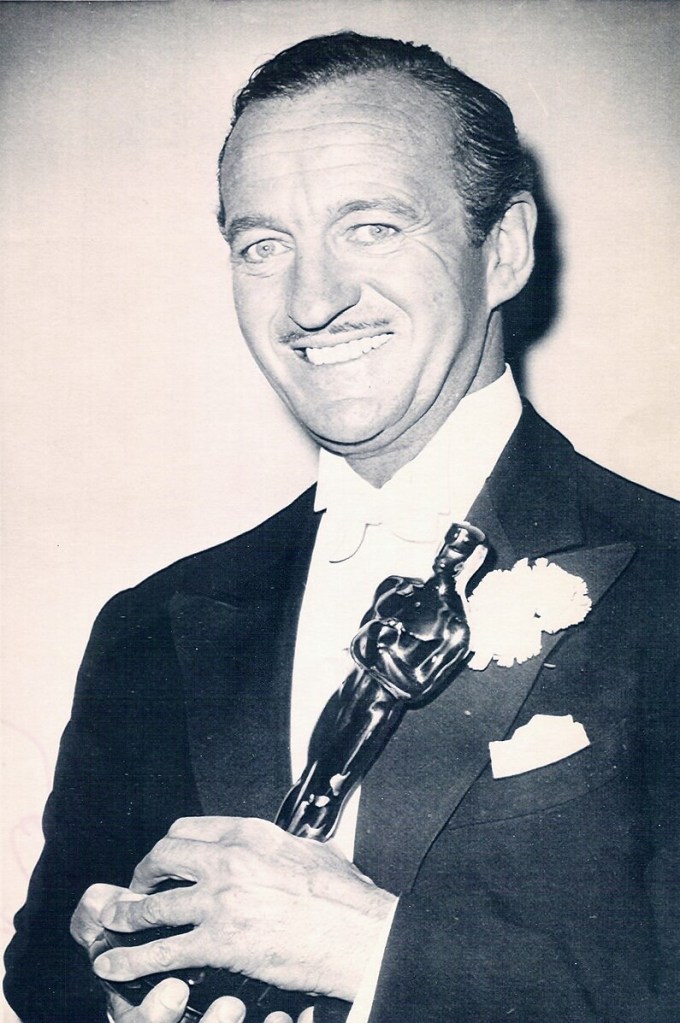
    David Niven with Oscar (1959)
    [Image Wikipedia]
  3. David Niven—David Niven, an English actor, soldier, and author, initially served in the British Army but returned during World War II. He gained fame in Hollywood, winning an Academy Award and two Golden Globes for films like ‘Separate Tables’ and ‘Around the World in 80 Days’. After studying at Sandhurst, he left the army in 1933 to pursue acting. Niven returned to military service in WWII and earned the Legion of Merit for his contributions to the BBC Allied Expeditionary Forces Programme. Post-war, he continued acting, notably playing James Bond in ‘Casino Royale’ (1967), and enjoyed renewed popularity with his memoir ‘The Moon’s a Balloon’. He also wrote a second novel, ‘Go Slowly, Come Back Quickly’, and appeared in films like ‘Death on the Nile’. Niven passed away in 1983 from ALS, remembered as a charismatic Hollywood figure.
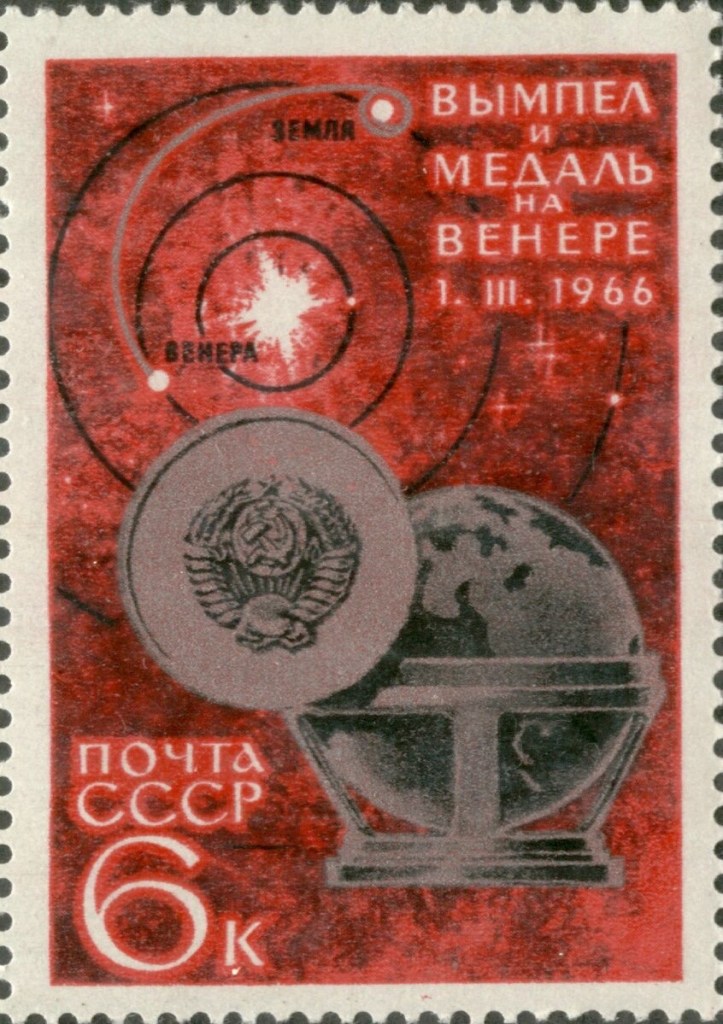
    1966 Soviet Union 6 kopeks stamp. Venera 3 Pendant and Medal.
    [Image Wikipedia]
  4. Venera 3 and Venus—Venera 3, the first spacecraft to land on another planet, crashed on Venus on 1 March 1966 after a course correction manoeuvre. A Soviet space probe, Venera 3 was launched in 1965 to explore Venus’ surface. It comprised an entry probe and a carrier/flyby spacecraft. Contact was lost on 15 February due to overheating.
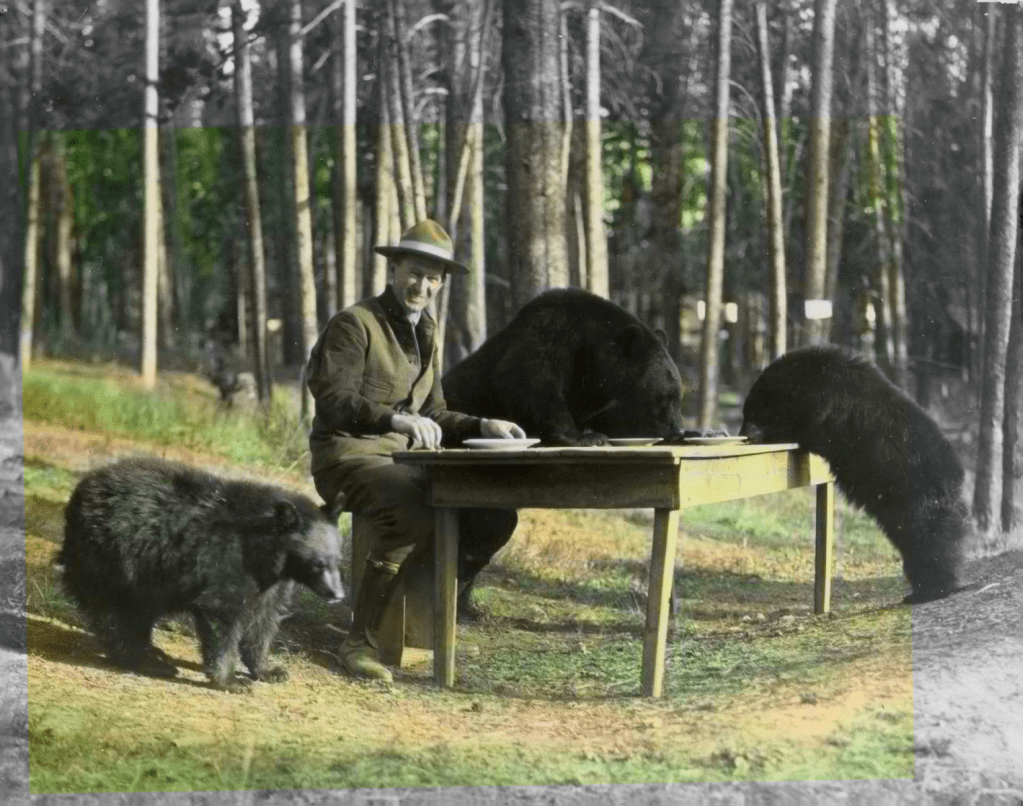
  5. 1872—Established on March 1, 1872, Yellowstone National Park stands as the first national park dedicated to preserving and showcasing the world’s unique hydrothermal and geologic features. Spanning an expansive 2.2 million acres, visitors are afforded unparalleled opportunities to witness wildlife in their natural habitat and explore geothermal wonders. Yellowstone boasts approximately half of the world’s active geysers, as well as awe-inspiring geologic formations like the Grand Canyon of the Yellowstone River.
Horace M. Albright, Superintendent of Yellowstone, with some bears at a table in Yellowstone National Park, 1922.
[Image Wikipedia]

*Atebion and Answers. I hope my translation is correct but if not please accept my apologies.

Gwnewch y pethau bychain mewn bywyd

(“Do ye the little things in life”)

Here are some trivia questions which have some connection to 1 March.

  1. The saying in Welsh at the top of this post is attributed to which Holy man who is connected to March?
    • Saint David
    • Saint Joseph
    • Saint Patrick
    Salem Witch Trials
    [Image Wikipedia]
  2. Three women were brought before local magistrates on 1 march 1692 beginning what would become the Salem Witch Trials. In what colony was Salem?
    • Connecticut
    • Massachusetts
    • Rhode Island
  3. An English actor, soldier and author born this day in 1910 who links Phileas Fogg, The Pink Panther and James Bond. As an officer in the British Army he took part in the World War II Normandy invasion. He also wrote the memoir The Moon’s a Balloon. Who is he?
    • Alec Guinness
    • David Niven
    • Richard Burton
    Solar System
    [Image Wikipedia]
  4. What became the first space craft to land on another planet on this day in 1966 and what planet did it land on?
    • Mars 1 and Mars
    • Mariner 2 and Mercury
    • Venera 3 and Venus
  5. The world’s first national park is established at Yellowstone in the US. This establishment took place on 1 March…
    • 1859
    • 1872
    • 1885

Good luck, the answers will be posted later today.

Life, Liberty and the Pursuit of Happy Hour—Answers

The answers are in bold below.

  1. Radar O’Reilly—Gary Burghoff played Corporal Walter Eugene Radar O’Reilly in both the film and television series. It was only on TV that he had this full name as he is known simply as Radar in the film. Hot Lips was played by Sally Kellerman in the film and Loretta Swift on TV; Trapper John was played by Elliott Gould (film) and Wayne Rogers (TV). 

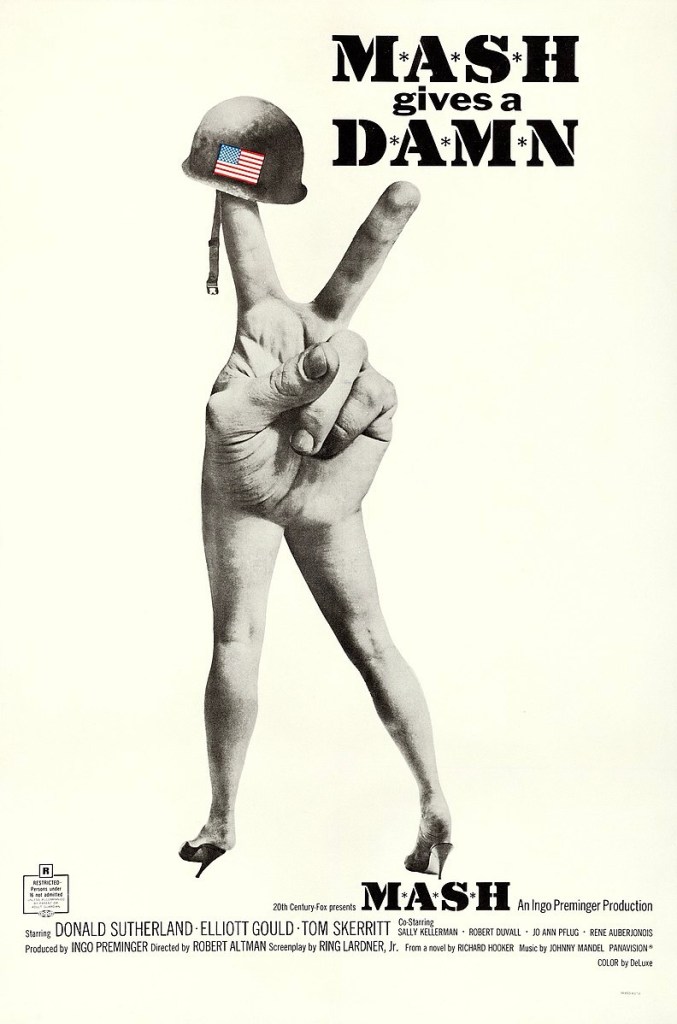
    Theatrical release poster for the 1970 black comedy–war film M*A*S*H. The caption “M*A*S*H Gives a Damn” refers to the Ratings Administration taking issue with the film’s frequent use of the word.
    [Image Wikipedia]
  2. Three—the Korean War lasted from 1950 to 1953.
  3. Benjamin Franklin PierceHawkeye (Alan Alda in the TV series), a central character in the MASH series, is known for his medical expertise, humour, heavy drinking and womanising ways. He becomes the Chief Surgeon early in the first season. Donald Sutherland played Hawkeye in the 1970 film. It is a quote from Hawkeye that provides the title of this post—Life, Liberty and the Pursuit of Happy Hour.
  4. Mobile Army Surgical Hospital—Mobile Army Surgical Hospitals were U.S. Army field hospital units operational from the Korean War to the Gulf War. Each MASH unit had 60 beds and provided support to army units of 10,000 to 20,000 soldiers, with a low mortality rate due to shorter transportation times.
  5. Jamie Farr—Maxwell “Max” Klinger, an Arab-American orderly in the 4077th MASH unit, initially attempts to gain a Section 8 discharge by cross-dressing and engaging in eccentric behaviour. After becoming the company clerk, he abandons these antics and later marries Soon Lee Han, a Korean refugee, choosing to stay in Korea to help her find her family. In AfterMASH, they move to the US, facing challenges that lead Klinger to bookmaking and eventual employment at a veterans’ hospital.
  6. 4077th—loosely based on the historic 8055th MASH unit.
  7. Father John Mulcahy—a Catholic priest and US Army chaplain, serves at the 4077th. He is known for his compassionate nature, boxing skills, and ecumenical approach to religion. Despite his unshakable faith, he struggles with the importance of his role compared to the doctors’ life-saving abilities. Appearing in the novel, film and television series he is played by René Auberjonois (film) and William Christopher on television with the exception of the pilot episode when George Martin had the role.
  8. Suicide is Painless—is a song from the 1970 film M*A*S*H, performed by characters and The Ron Hicklin Singers. It was composed by Johnny Mandel with lyrics by Mike Altman (the directors 15-year-old-son). The instrumental version became the theme music for the TV series.
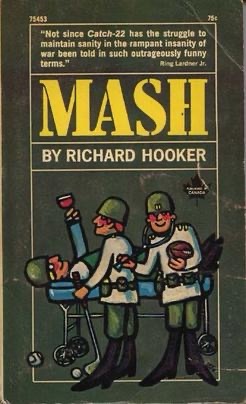
    Cover of MASH, by Richard Hooker. 1969 edition, Pocket Books [Image Wikipedia]
  9. Richard Hooker—the pseudonym of Hiester Richard Hornberger Jr., who authored the novel MASH based on his experiences as a surgeon with the 8055th MASH during the Korean War. The novel was adapted into the successful film and television series.
  10. AmenGoodbye, Farewell and Amen