Life, Liberty and the Pursuit of Happy Hour

M*A*S*H Final Episode—28 February 1983
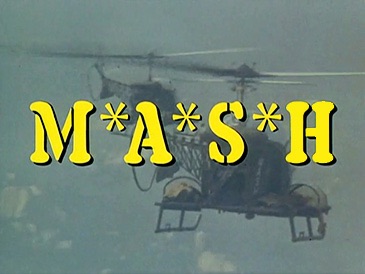
Title card [Image Wikipedia]

The final episode of the television series M*A*S*H aired on 28 February 1983. The record-breaking episode is described as follows in Wikipedia

“As of 2025, it remains the most-watched single episode of any television series in U.S. history, and for twenty-seven years was the most-watched single broadcast in television history.” 

Wikipedia

Here are some M*A*S*H related questions to operate on.

  1. The only character to be played by the same actor in both the 1970 film and television series was…
    • Hot Lips Houlihan
    • Radar O’Reilly
    • Trapper John McIntyre

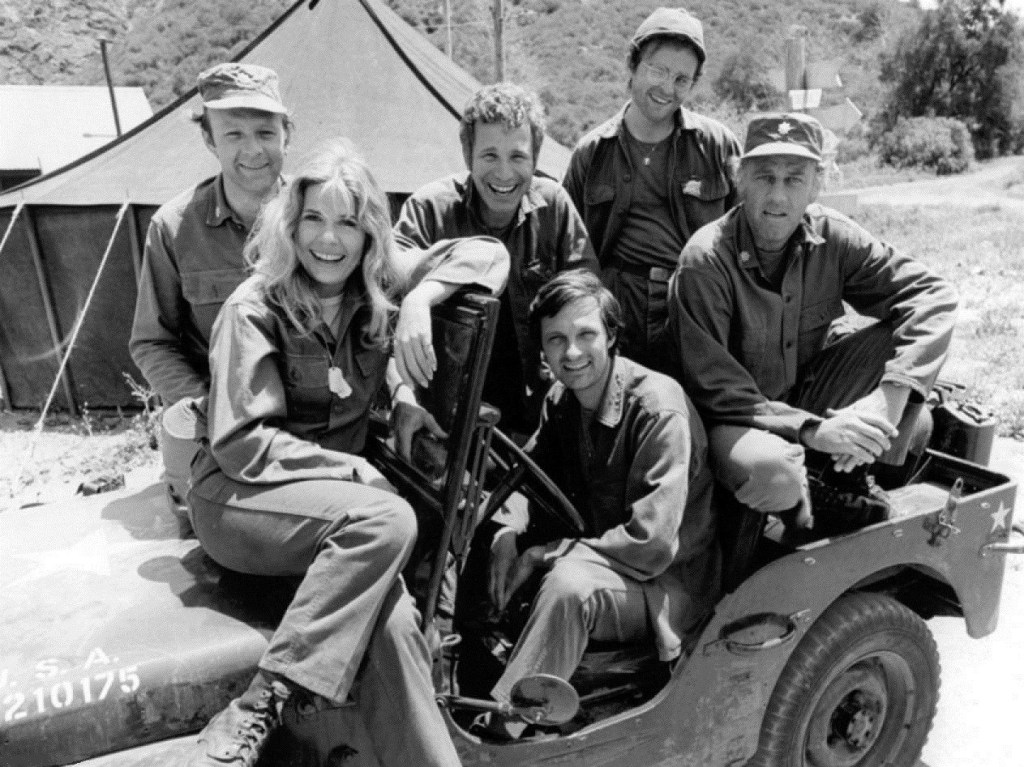
    Publicity photo from the M*A*S*H season premiere, 1974. Pictured are: Loretta Swit, Larry Linville, Wayne Rogers, Gary Burghoff, Alan Alda (driver of jeep), and McLean Stevenson. [Image Wikipedia]
  2. The 11 series of M*A*S*H aired from 1972 to 1983 and depicted life in a military hospital during the Korean War. How many years did the Korean War last?
    • Three
    • Seven
    • Eleven
  3. Alan Alda played Hawkeye Pierce, what was his character’s full name?
    • Alexander Hamilton Pierce
    • Benjamin Franklin Pierce
    • George Washington Pierce
  4. In the context of the novel, film and TV series what four words do these letters M*A*S*H represent?
    • Major Aid Station (with) Helipad
    • Military Advanced Support Helicopter
    • Mobile Army Surgical Hospital
  5. Corporal Maxwell Klinger was often seen wearing women’s clothing in an attempt to get a psychiatric discharge from the Army. Who was the actor in this role?
    • Jamie Farr
    • Larry Linville
    • Gary Burghoff
  6. M*A*S*H was about life in what specific MASH unit?
    • 1066th
    • 4077th
    • 7088th
  7. Who was the US Army Chaplain assigned to this MASH unit?
    • Father Matthew Muelken
    • Father John Mulcahy
    • Father Patrick Mulholland
  8. What was the name for the music often described as the Theme from M*A*S*H?
    • None Like it Hot
    • A War for all Seasons
    • Suicide is Painless 
  9. Who wrote the novel MASH which spawned the film and television series?
    • Raymond Harlot
    • Richard Hooker
    • Roger Hustler 
  10. Complete the title of the final M*A*S*H episode Goodbye, Farewell and ___.
    • Adieu
    • Adios
    • Amen

The answers will be posted later today.
Blowin’ in the Wind—Answers

The correct answers to my earlier post are highlighted in bold.

All about flags with 27 February connections.

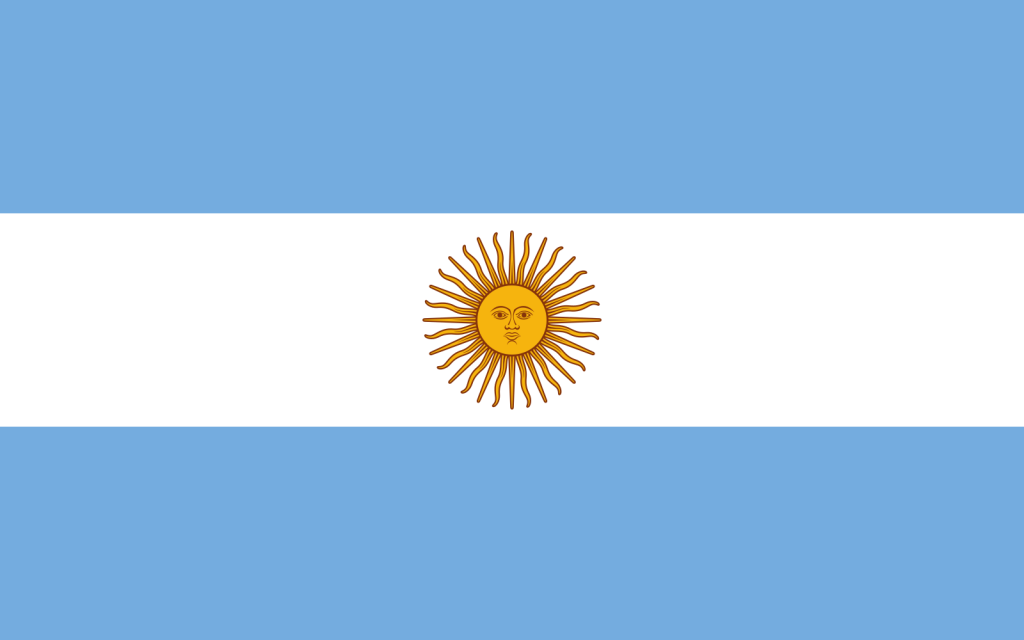
  1. Argentina—The Argentine flag, created during the War of Independence by Manuel Belgrano, and raised for the first time by him on 27 February 1812, features celeste, white, and celeste stripes with the Sun of May. Adopted in 1818, it influenced several Central American flags. A darker version was introduced in 2010. Its colours reflect the Criollos’ spirit from the May Revolution.
    • Flag of Argentina
    Flag 1. Flag of Argentina
    [Image Wikipedia]
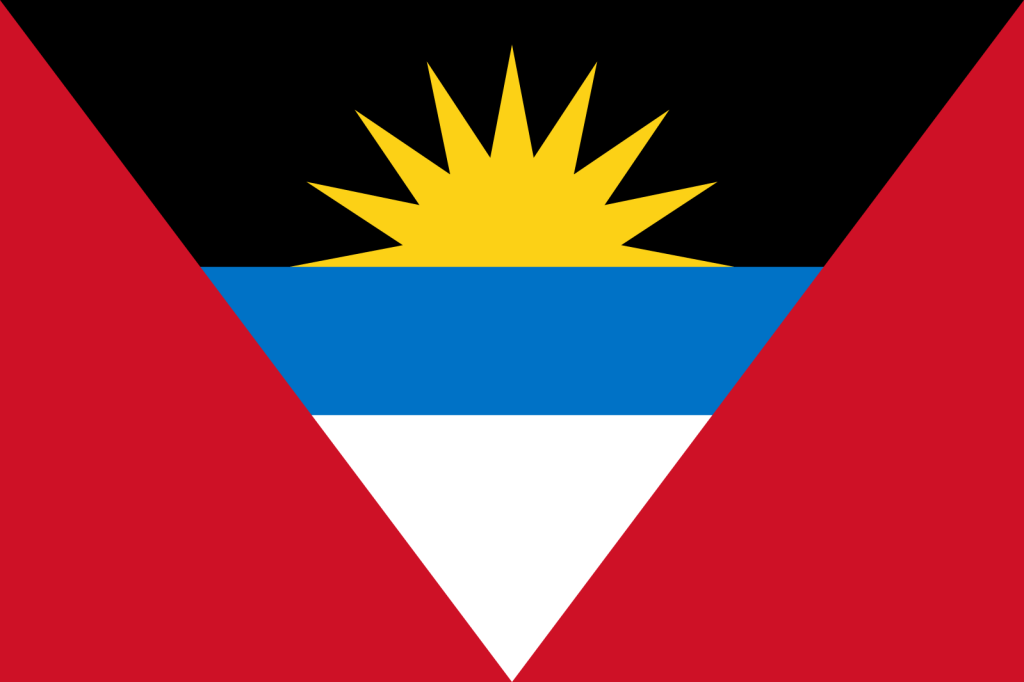
  2. Antigua and Barbuda—The national flag of Antigua and Barbuda, adopted on 27 February 1967, symbolises self-government. Designed by Sir Reginald Samuel, it features red, black, blue, and white colours representing ancestry, hope, and life. The sun signifies a new era. The flag’s unique design celebrates local heritage and victory.
    • Flag of Antigua and Barbuda
    Flag 2. Flag of Antigua and Barbuda
    [Image Wikipedia]
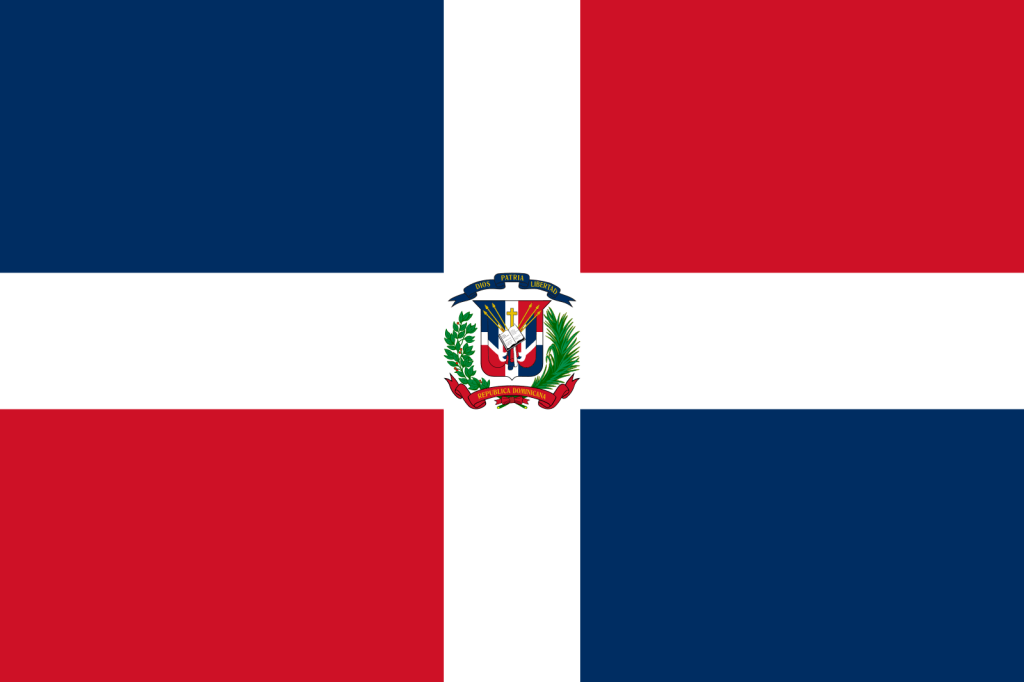
  3. Dominican Republic—The Dominican Republic’s flag was designed by Juan Pablo Duarte and adopted on 27 February 1844. It features a central white cross dividing blue and red rectangles, symbolising liberty, salvation, and heroism. The coat of arms includes a Bible, cross, and the motto Dios, patria, libertad.
    • Flag of Dominican Republic
    Flag 3. Flag of The Dominican Republic
    [Image Wikipedia]
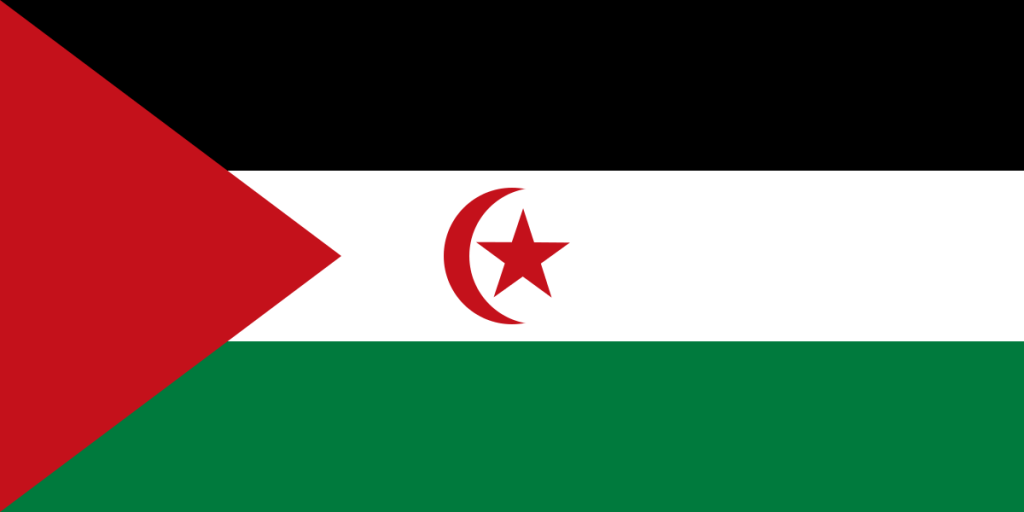
  4. Western Sahara—The national flag of Western Sahara, representing the Sahrawi Arab Democratic Republic, features Pan-Arab colours – black, white, green, and red. Adopted on 27 February 1976, with design resembling the Palestinian flag, it includes a red star and crescent, symbolising Islam.
    • Flag of Western Sahara
    Flag 4. Flag of Western Sahara
    [Image Wikipedia]
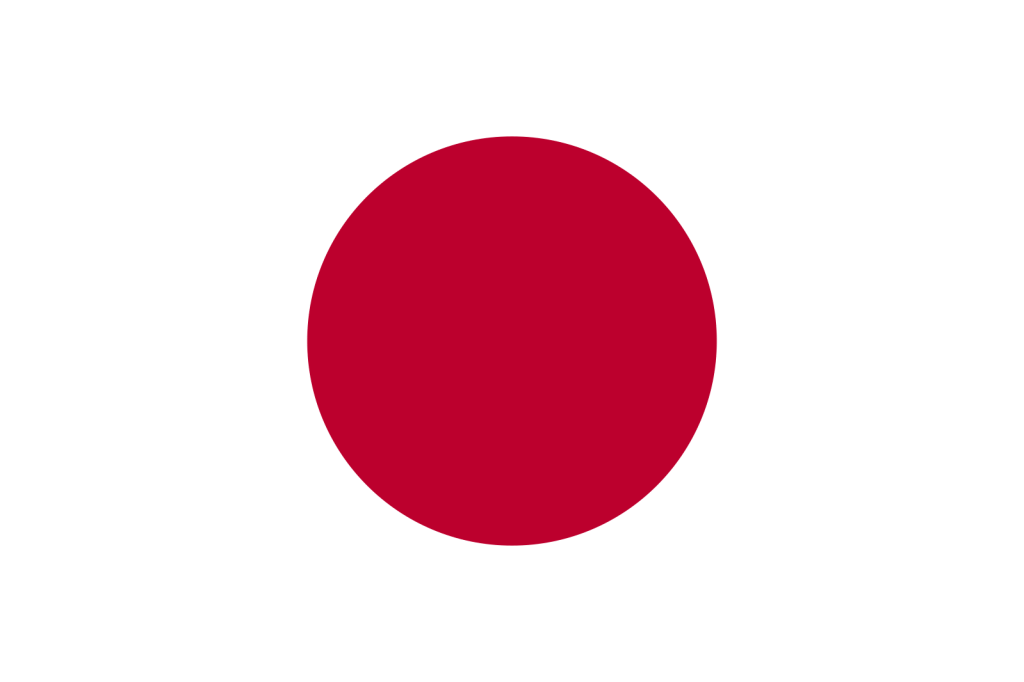
  5. Japan—The national flag features a white rectangular banner with a crimson-red circle at its centre, symbolising the sun. This design reflects Japan’s nickname the Land of the Rising Sun and is deeply rooted in Japanese mythology, where the sun goddess Amaterasu is considered the ancestor of the Japanese emperors. The flag’s use dates back to the 7th century BC, with the first recorded use in 701 by Emperor Monmu. It became the de facto national flag in the 19th century, officially adopted for merchant ships on 27 February 1870 and later for the Navy. Standardised in 1870, the current form was officially adopted on 5 August 1854, as Japan began opening to the West. The flag’s simplicity and symbolism, with the red sun contrasting against the white background, are highly valued in Japan. Despite its historical significance, the flag’s use has been contentious, especially after World War II, due to its association with Japan’s militaristic past. The flag and the national anthem, Kimigayo, were officially recognised by the Japanese parliament on 13 August 1999, a decision that sparked debate between conservatives and pacifists.
    • Flag of Japan
Flag 5. Flag of Japan
[Image Wikipedia]

Blowin’ in the Wind

All about flags with 27 February connections.

  1. Today in 1812 this flag, designed by Manuel Belgrano, was first raised by him in the city of Rosario. What nation’s flag is it?
    • Argentina
    • Bolivia
    • Colombia
    Flag 1
  2. This nation, an archipelago and one of the smallest countries in the Caribbean, adopted this flag today in 1967. What country is it?
    • Grenada
    • Antigua and Barbuda
    • Dominica
    Flag 2
  3. Still in the Caribbean: this flag represents a country which sits on the island of Hispaniola. Where is it?
    • Dominican Republic
    • Curaçao
    • Martinique
    Flag 3
  4. This North African flag was adopted this day in 1976 and the largest city it may fly over is Laayoune. What flag is it?
    • Eswatini
    • South Sudan
    • Western Sahara
    Flag 4
  5. Finally—and without a multiple choice—a flag which was adapted as the national flag for merchant ships on this day in 1870 and is known officially as the Nisshōki—meaning flag of the sun, but more commonly the Hinomaru—ball of the sun. What nations flag is being described?
Flag 5

The answers will be posted later today.
Who, What, When, Where, Why and How: 26 February—Answers

Who

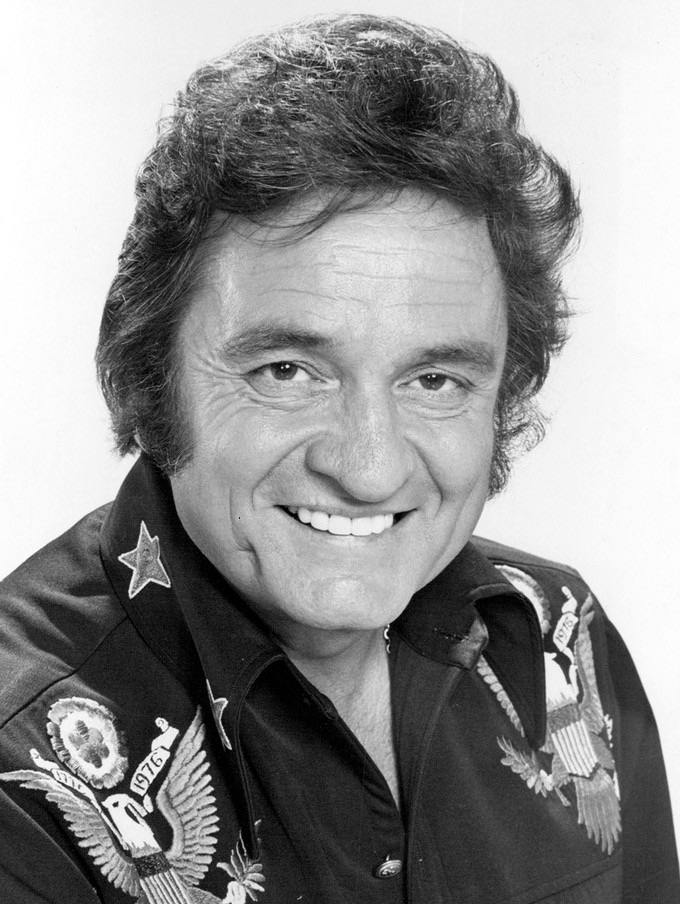
Johnny Cash

Johnny Cash. [Image Wikipedia]

Johnny Cash’s music explored sorrow, moral dilemmas, and redemption, featuring a deep bass-baritone voice and the Tennessee Three’s distinctive sound.  His free prison concerts and all-black stage attire solidified his iconic status.


What

US Army in Hawaii

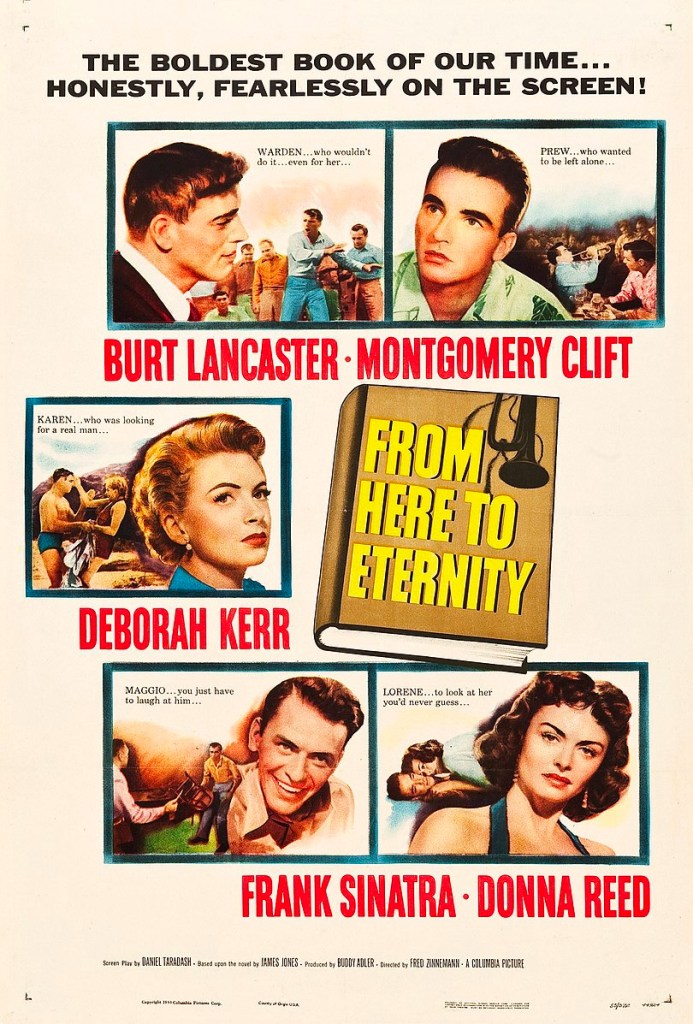
From Here to Eternity, US theatrical release poster for the 1951 film. [Image Wikipedia]

James Jones’s debut novel, From Here to Eternity, is set in Hawaii in 1941 and follows the lives of US Army infantry company members. The novel, loosely based on Jones’s experiences, won the National Book Award and was adapted into a successful film.


When

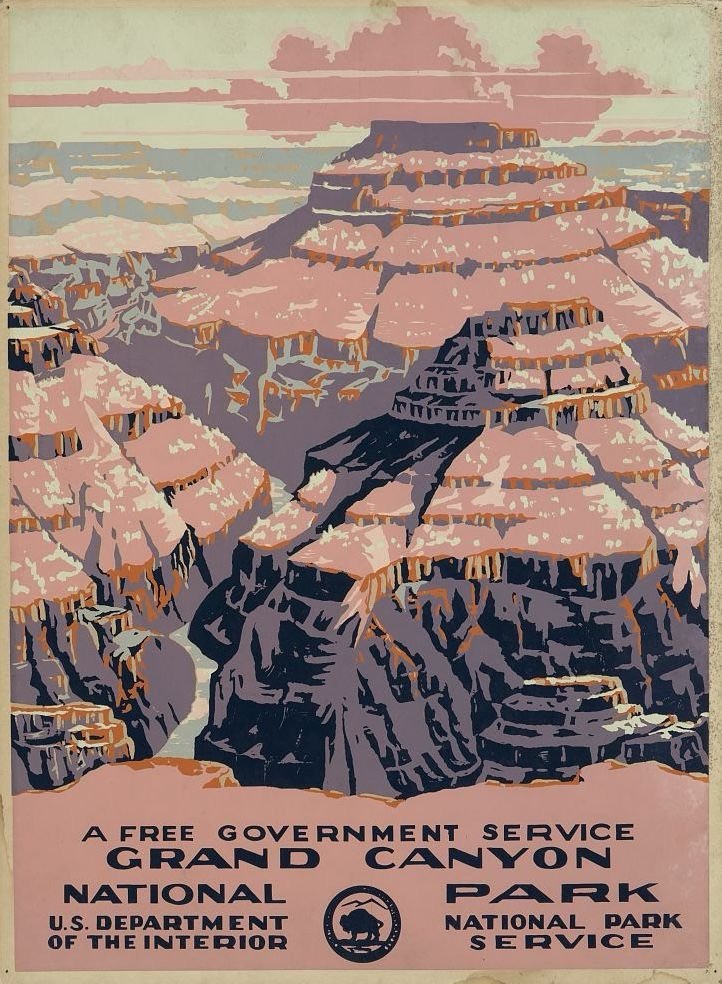
1919

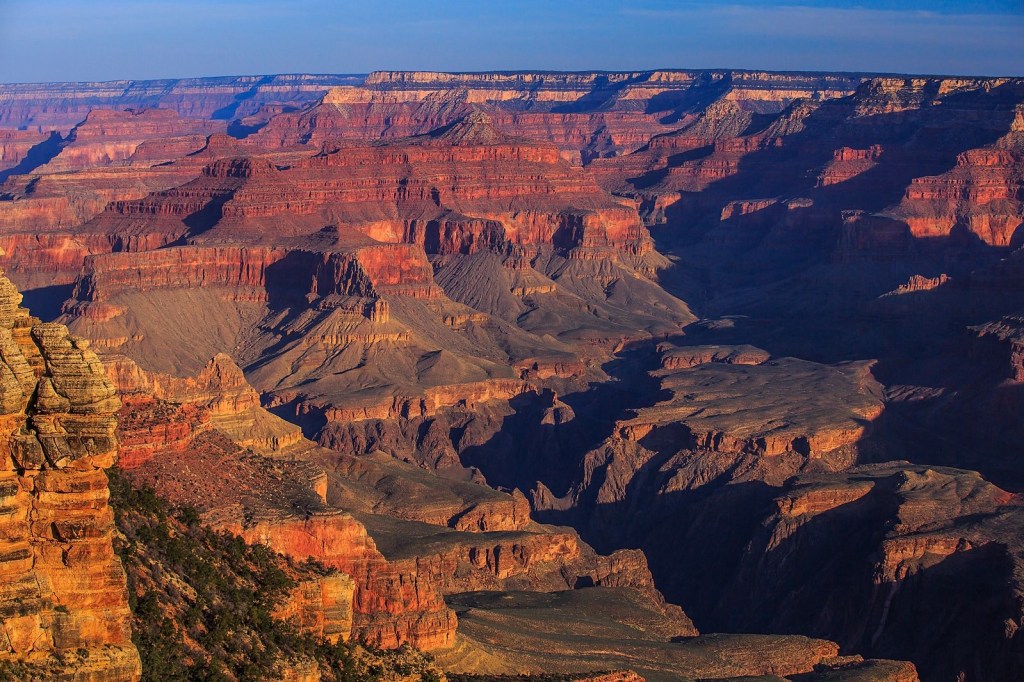
Grand Canyon National Park poster (1938).
[Image Wikipedia]

Grand Canyon National Park in Arizona features the Grand Canyon, a natural wonder of the Colorado River.  The park, spanning over 1.2 million acres, welcomes millions of visitors annually.


Where

Mediterranean Sea

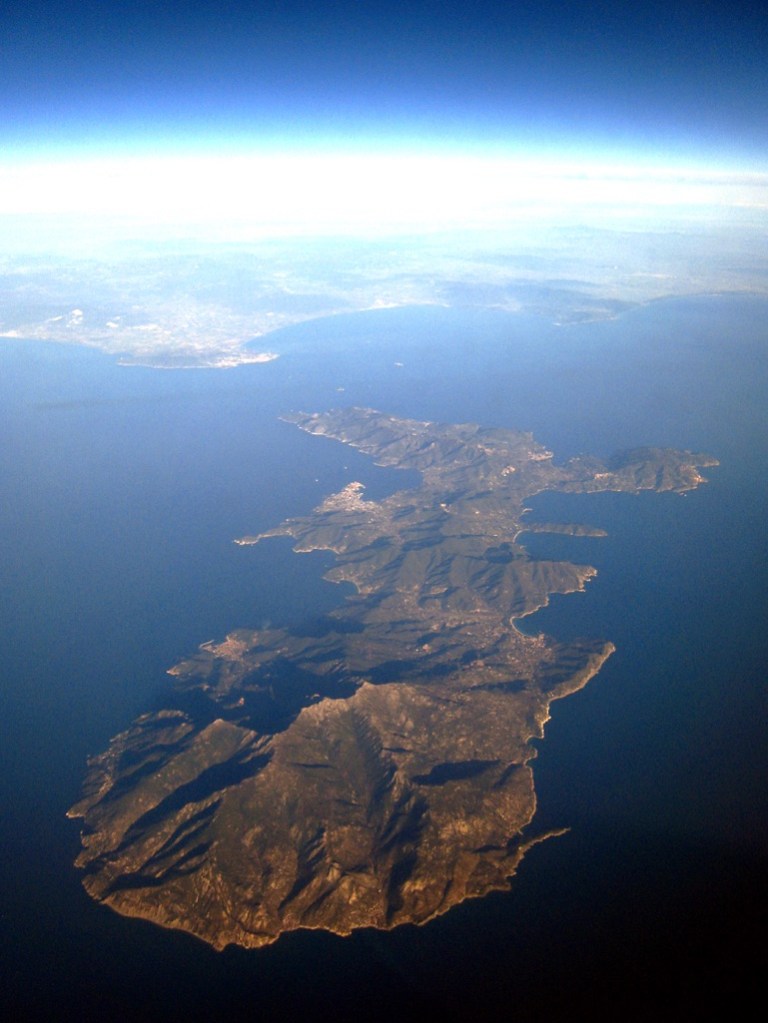
Elba. [Image Wikipedia]

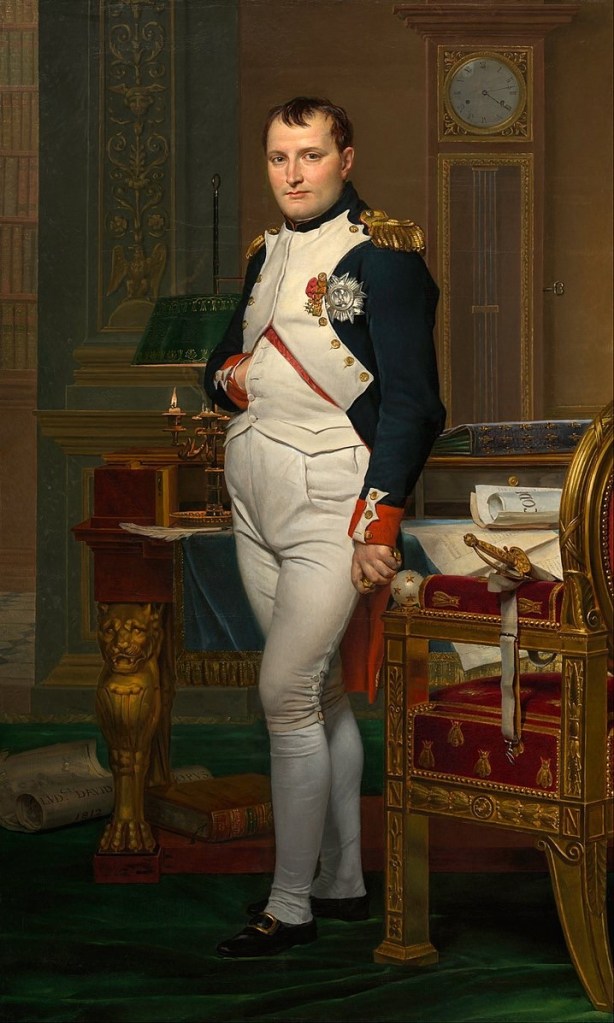
Elba is a Mediterranean island in Tuscany, Italy, known for its natural beauty and historical significance as Napoleon’s first exile site. It is the largest island in the Tuscan Archipelago and part of the Arcipelago Toscano National Park.

Elba, shown here in the Tyrrhenian Sea part of the Mediterranean Sea. [Image Wikipedia]

Why 

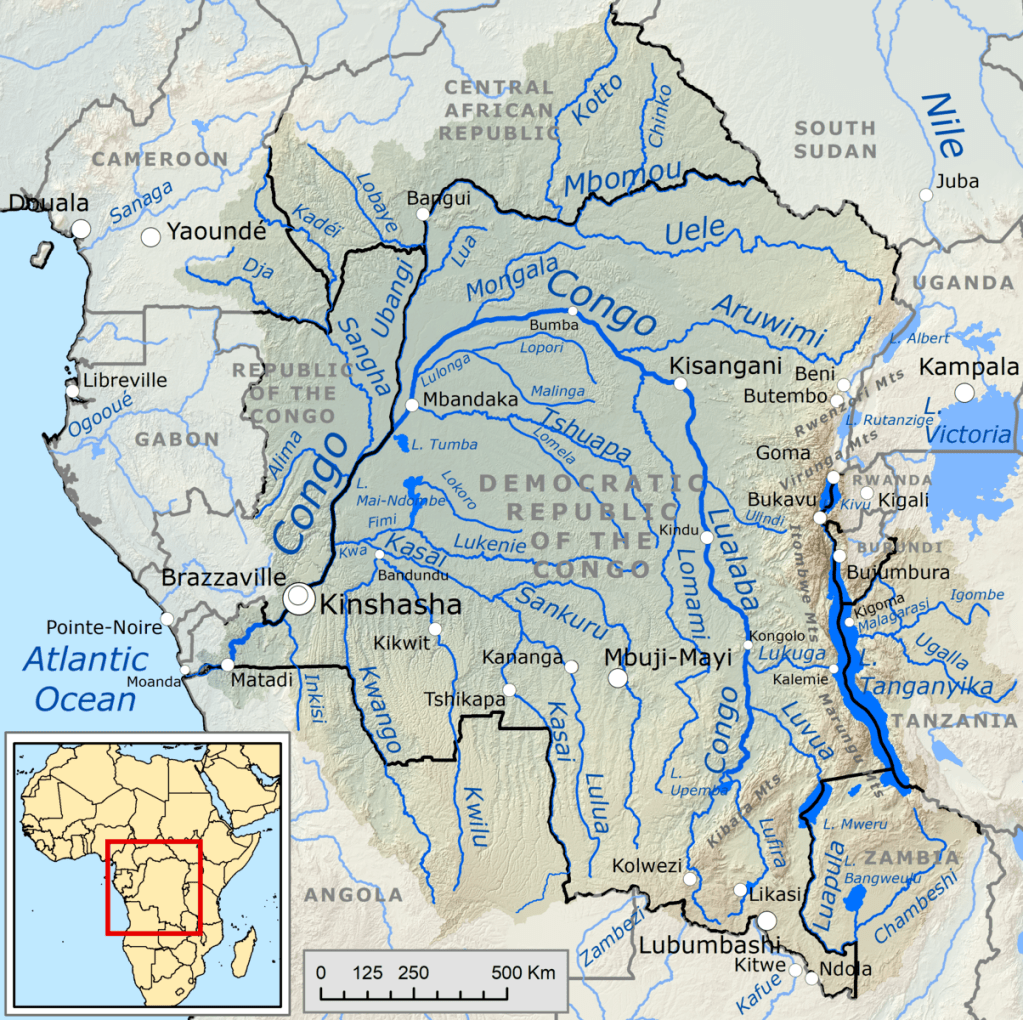
Portugal wished to control the Congo Basin

Map showing the Congo River drainage basin.
[Image Wikipedia]

The Berlin Conference of 1884–1885, organised by Otto von Bismarck, regulated European colonisation and trade in Africa. The conference concluded with the signing of the General Act of Berlin. The Berlin Conference, initiated by Portugal and supported by Britain, brought together 14 nations to establish a joint policy for Africa.

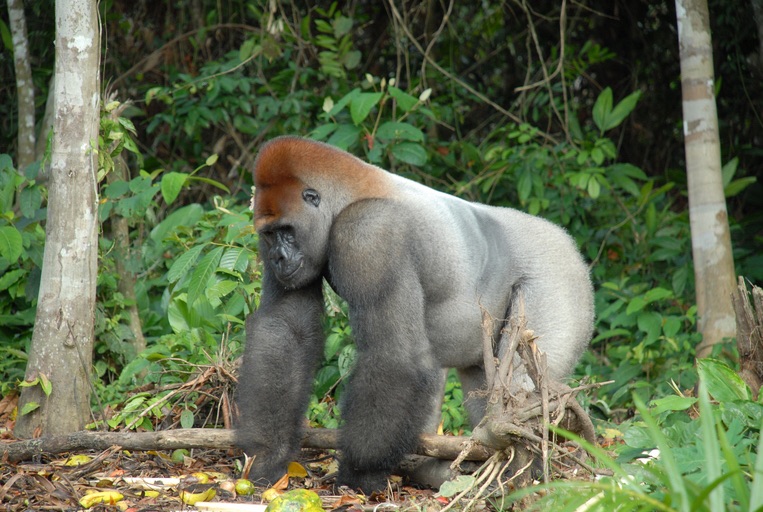
Western Lowland Gorilla, an endangered species, in the the Congo River basin. [Image Wikipedia]

How

Novelist


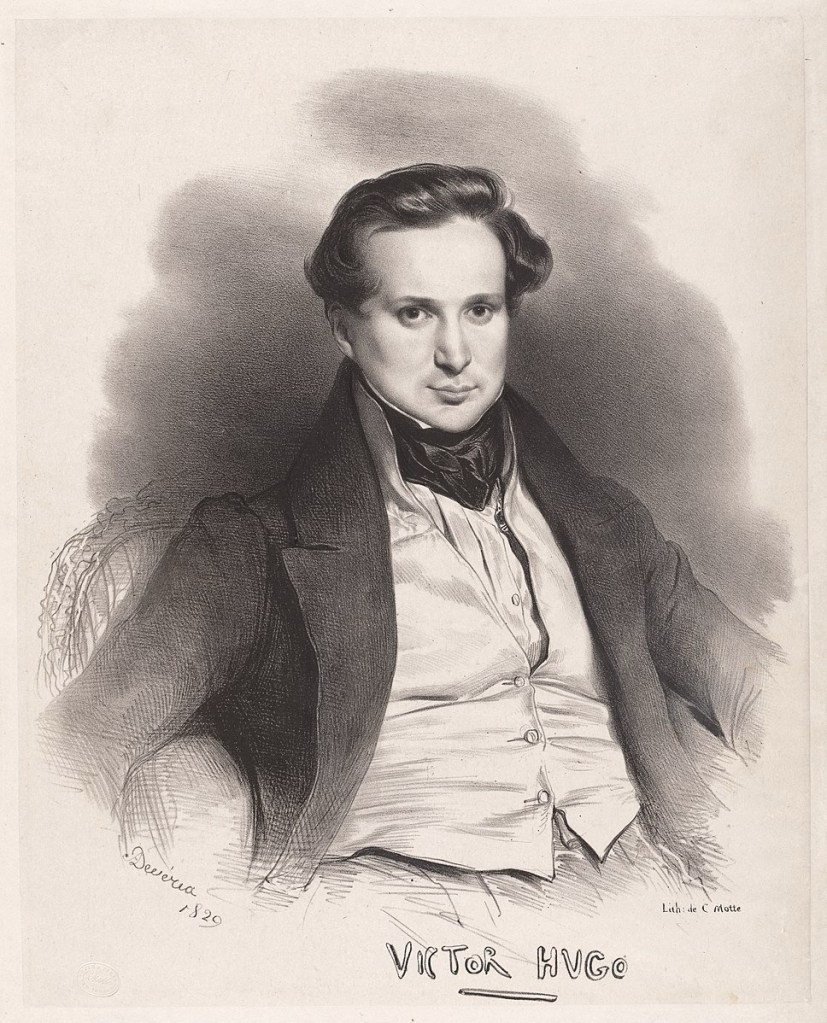
Victor Hugo in 1829, lithograph by Achille Devéria in the collection of the National Gallery of Art, Washington D.C. [Image Wikipedia]

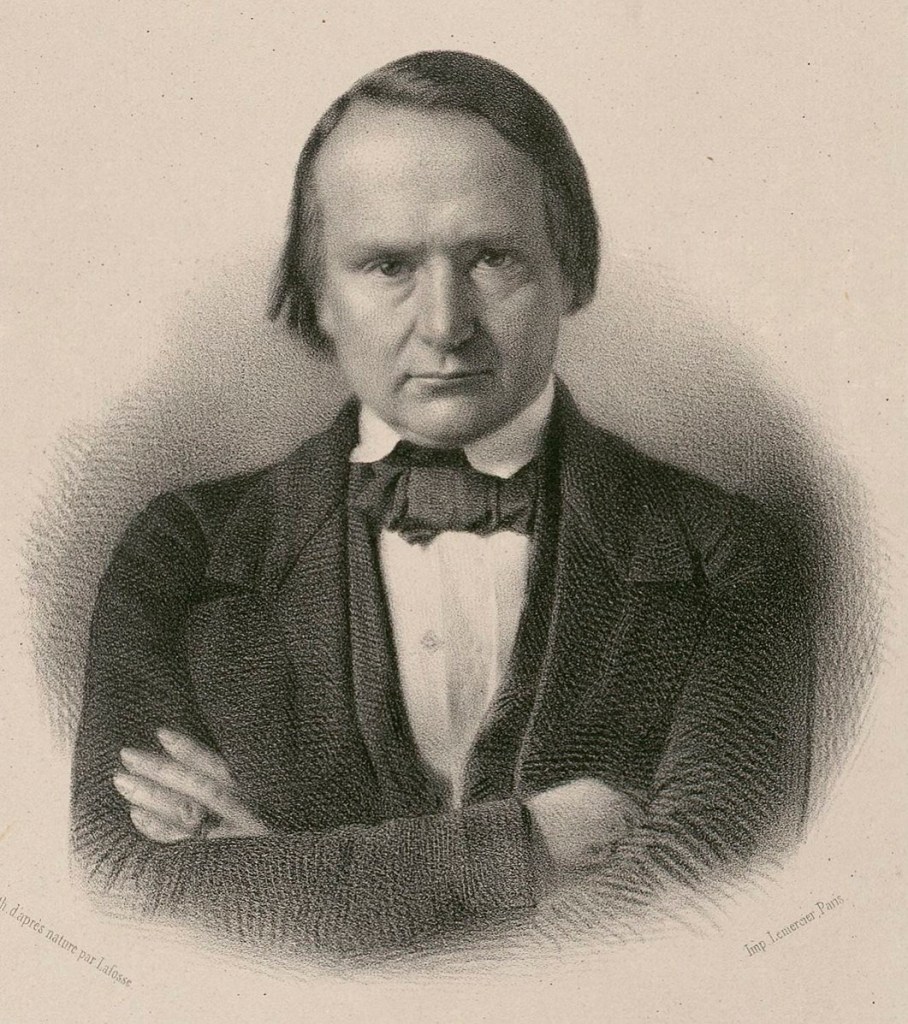
Victor Hugo was a French Romantic author, poet, essayist, playwright, and politician. His most famous works include novels like The Hunchback of Notre-Dame and Les Misérables, as well as poetry collections like Les Contemplations and La Légende des siècles.

Portrait of Victor Hugo, deputy of the Second Republic in 1848, gallery of the representatives of the people of the French National Assembly, Paris. [Image Wikipedia]

Who, What, When, Where, Why and How: 26 February

The following Who, What, When, Where, Why and How all relate to this date: 26 February.

Who

A singer-songwriter born this day in 1932 in Kingsland, Arkansas, US. recorded songs such as Hey, Porter; Cry, Cry, Cry and I Walk the Line and in the 1950s became the top country and western recording artist. He later became a champion for social justice and penal reform.

  • Who is being described?
    • Johnny Cash
    • Jim Reeves
    • Hank Williams

What

From Here to Eternity by James Jones was published today in 1951 and later was adapted into an Academy Award-winning film of the same name.

  • What was the novel mainly about?
    • Roald Amundsen’s South Pole Expedition
    • Roman Catholic Church’s Papal Conclave
    • US Army in Hawaii

When

Grand Canyon
[Image from Wikipedia]

On 26 February the Grand Canyon National Park was established by the US Congress.

  • When was this?
    • 1899
    • 1909
    • 1919 

Where

Napoleon
[Image from Wikipedia]

Napoleon escaped exile from an island on this day in 1815 and made his way to Paris where, on his arrival on 20 March, a period now known as the Hundred Days began.

  • Where was the island situated?
    • South Atlantic Ocean 
    • English Channel
    • Mediterranean Sea

Why

The Berlin West Africa Conference concluded on the 26 February 1885.

  • Why had it been convened some 3 months previously?
    • German Empire sought all territory between the Niger and Zambezi Rivers
    • Portugal wished to control the Congo Basin
    • Great Britain desired sole control of West Africa south of the Sahara

How

Victor Hugo, born today in 1802, is, according to Encyclopædia Britannica, renowned in France as one of the country’s greatest poets but that is not the case abroad.

  • How is he widely thought of elsewhere?
    • As a musician
    • As a novelist
    • As a painter

The answers will be posted later today. 
First Impressions—Answer

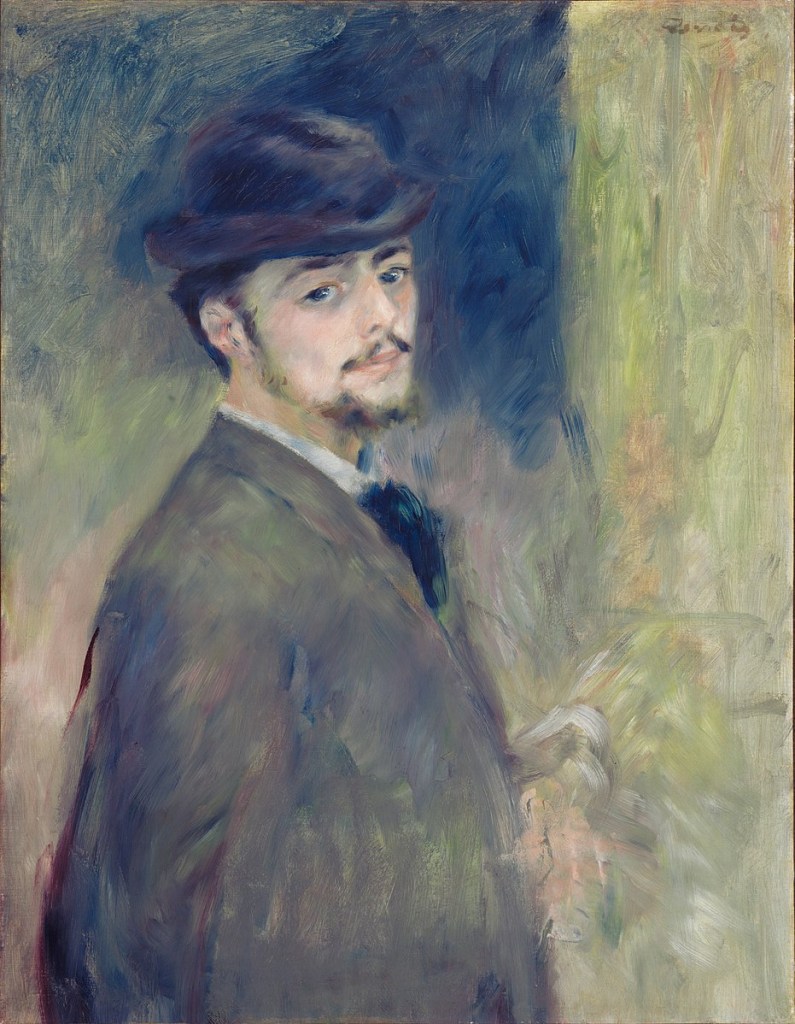
Self-portrait, Pierre-Auguste Renoir (1876)
[Image from Wikipedia]

Pierre-Auguste Renoir

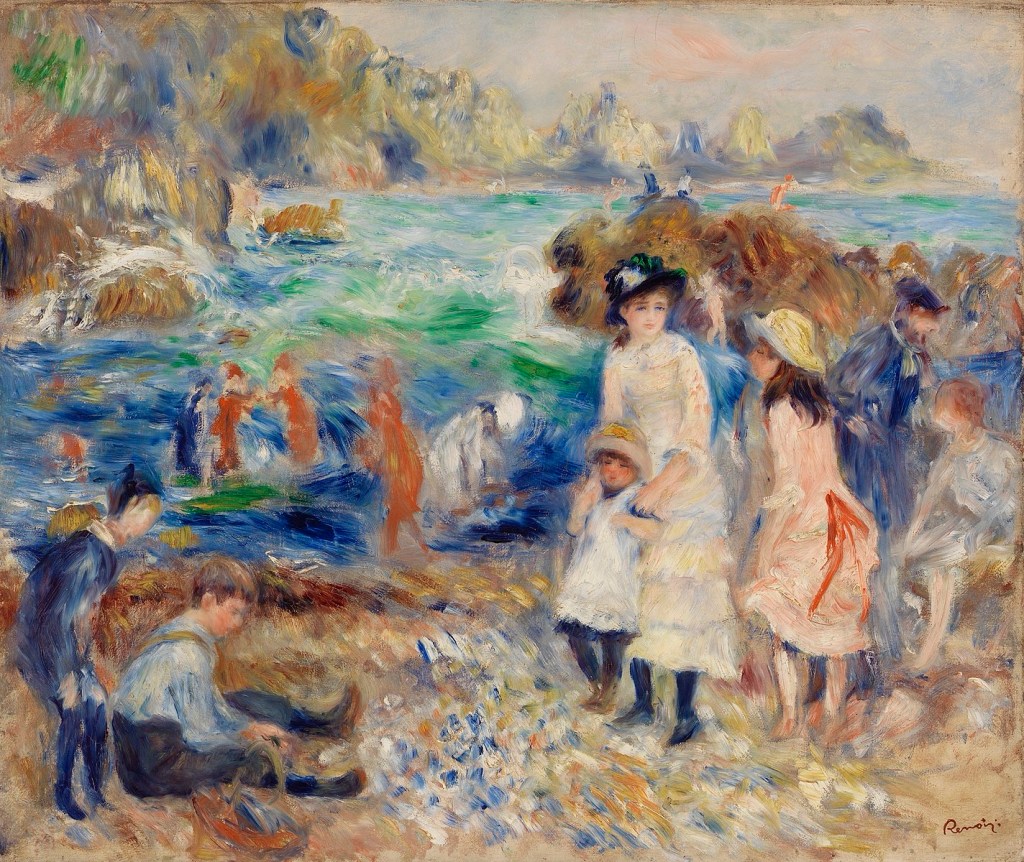
Children at the Beach at Guernsey, Pierre-Auguste Renoir (1883)
[Image from Wikipedia]

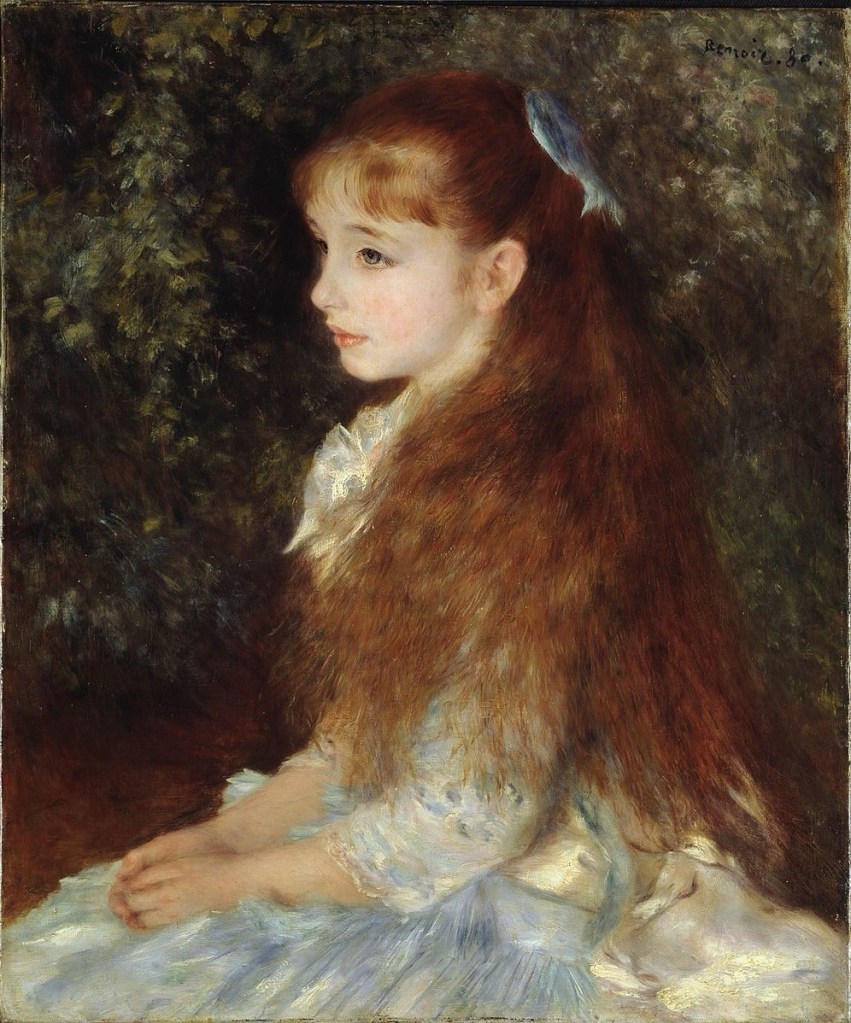
Pierre-Auguste Renoir, born in Limoges, France on 25 February 1841, emerged as a key figure in the Impressionist movement. Moving to Paris early in life, Renoir’s artistic talents blossomed while apprenticed at a porcelain factory before he pursued formal studies at École des Beaux-Arts. His association with artists like Claude Monet and Alfred Sisley helped shape the Impressionist style, characterised by vibrant colours and light. Despite initial career challenges, Renoir’s work eventually garnered acclaim, with his 1876 painting, Dance at Le Moulin de la Galette, epitomising Parisian nightlife and becoming iconic.

Dance at Le Moulin de la Galette, Pierre-Auguste Renoir (1876)
[Image from Wikipedia]

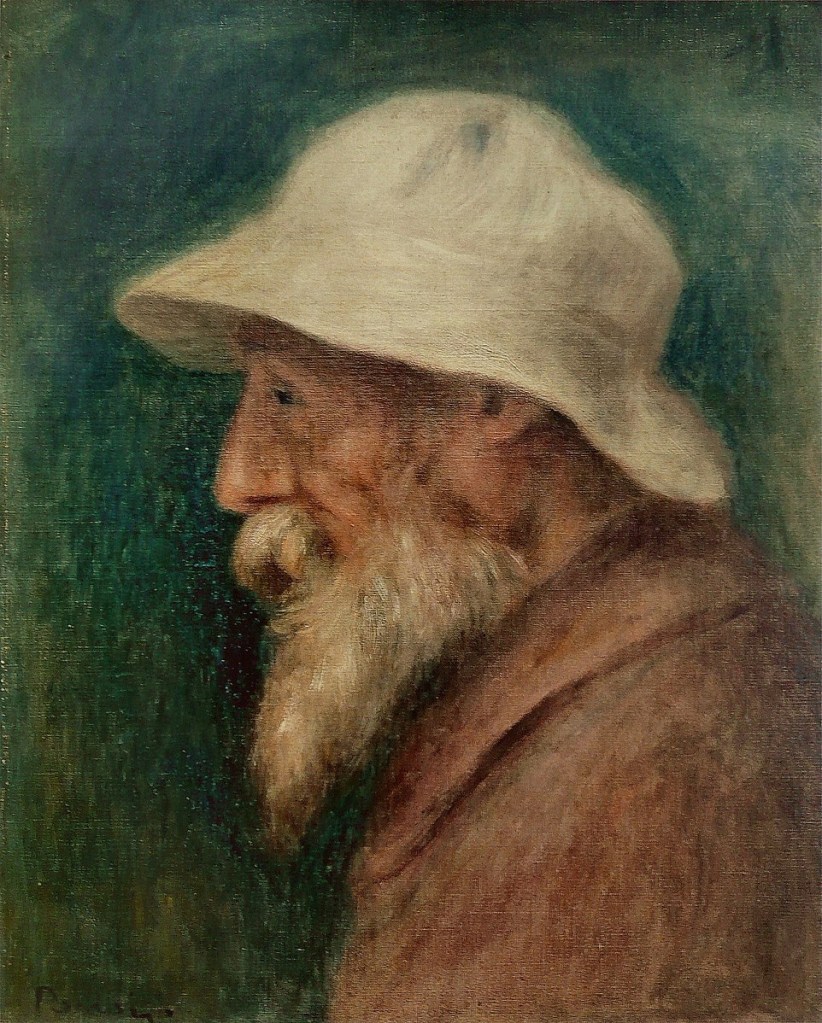
In the mid-1880s, after a transformative trip to Italy where he studied Renaissance masters, Renoir shifted from pure Impressionism to a more classical style. He married Aline Victorine Charigot in 1890, fathering three sons, including the filmmaker Jean Renoir. Even as rheumatoid arthritis afflicted him later in life, his determination saw him continue painting with the help of assistants, developing new techniques to adapt to his condition. Renoir’s prolific career produced thousands of paintings, celebrated for their sensuality and domesticity, leaving a lasting legacy on art. His conviction that 

“the pain passes, but the beauty remains” 

captures the enduring impact of his work, preserved in collections worldwide.

Self-portrait, Pierre-Auguste Renoir (1910)
[Image from Wikipedia]

85th CDMYW RDS—NSWRS

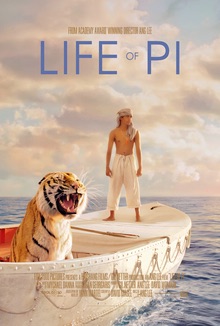
Life of Pi promotional poster[Image from Wikipedia]
  1. Abraham Lincoln
  2. Jennifer Lawrence
  3. Silver Linings Playbook
  4. Argo
  5. Life of Pi
  6. Ang Lee

The post title 85th CDMYW RDS—NSWRS is in full 85th Academy Awards—Answers.

The Academy Awards, known as the Oscars, are prestigious film accolades presented annually by the Academy of Motion Picture Arts and Sciences (AMPAS) in the United States. These awards recognise excellence in cinematic achievements as judged by the Academy’s voting members.

Jennifer Lawrence (2012)
[Image from Wikipedia]

First presented in 1929, the Oscars ceremony is the oldest entertainment awards event, having been televised since 1953. The awards are symbolised by a gold-plated statuette called Oscar, depicting a knight in Art Deco style.

The Academy presents awards in 23 categories, including Best Picture, Actor, and Actress. Additional accolades include scientific and technical awards, special achievement awards, honorary awards and the Jean Hersholt Humanitarian Award.

To be eligible for an Oscar, a film must be publicly screened in Los Angeles County for at least one week between 1 January and 31 December. Different submission requirements exist for foreign-language films, documentaries and short films, while music awards necessitate form submission by the artists.

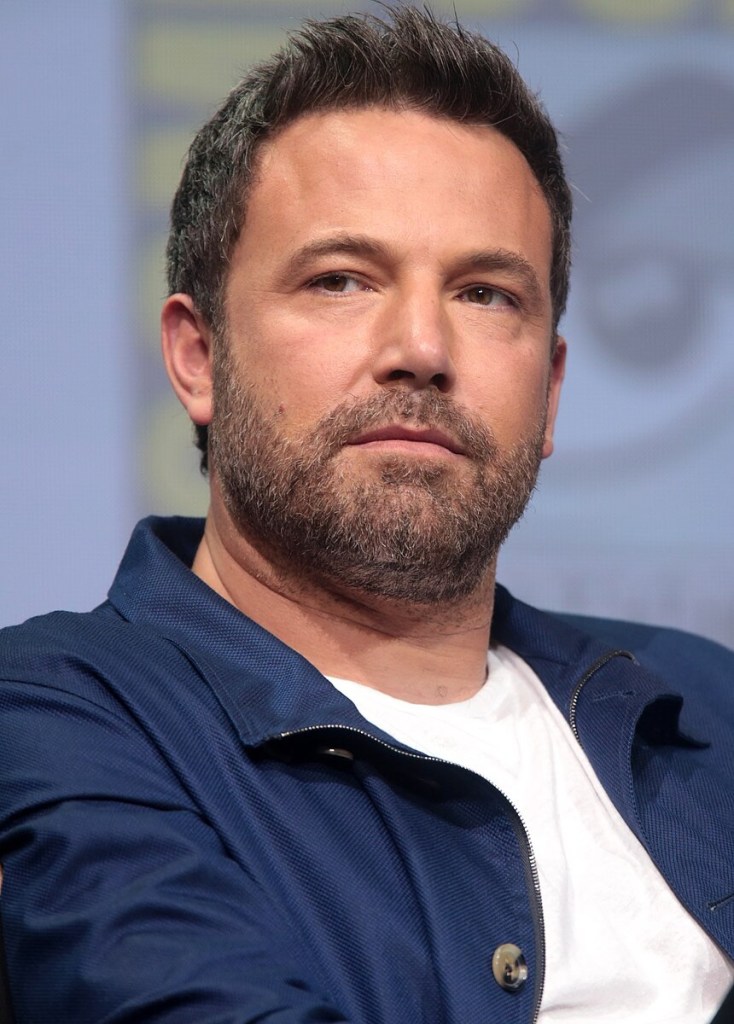
Ben Affleck
[Image from Wikipedia]

The awards ceremony, often held in February or March, is a live-televised event where the major categories, known as the Academy Awards of Merit, are handed out. The first ceremony was held on 16 May 1929, with about 270 guests at The Hollywood Roosevelt Hotel, followed by a post-awards party at the Mayfair Hotel. Back then, tickets cost $5, and fifteen statuettes were awarded for achievements in the 1927–28 period.

Initially, winners were announced three months before the ceremony, with newspapers publishing results at 11:00 pm on the awards night. However, after The Los Angeles Times revealed winners before the 1940 ceremony, the Academy adopted the use of sealed envelopes from 1941 onwards.

Oscar is a registered trademark of AMPAS, and the awards continue to be a hallmark of excellence in the film industry.

85th CDMYW RDS

Oscar Statuette
[Image from Academy Awards Picture Blogspot]

The 85th Academy Awards took place on 24 February 2013 and below are some questions based on the awards made that evening. 

After each question, a series of CNSN NTS (consonants) is displayed in the correct order as a hint to the answer. Fill in the missing vowels to reveal the solution. For example, if an answer was Benedict Cumberbatch the clue could be shown as BND CTC MBRB TCH or if Daniel Day-Lewis the clue could be DNLD YLWS

On 24 February 2013 at the 85th Academy Awards…

  1. Daniel Day-Lewis won the Best Actor award for his role in a Steven Spielberg film and his portrayal of a famous historical character. Use the nine consonant clue below to help identify that famous character as…
    • [clue] BR HMLN C LN
  2. The Best Actress Oscar was for the role of Tiffany Maxwell played by…
    • [clue] JN NF RLWR NC
  3. Tiffany Maxwell, mentioned at Q2 above, was a character in this film…
    • [clue] SL V RLNN GSP LYBK
  4. The Best Picture winner, which starred Ben Affleck as a CIA officer, was… 
    • [clue] RG
  5. The Best Director winner’s film was based on Yann Martel’s 2001 novel of the same name. The book and film are both named…
    • [clue] LFFP
  6. The film at Q5 above won the Best Director Oscar for…
    • [clue] NGL

The answers will be posted later today.
The post title 85th CDMYW RDS is of course 85th aCaDeMY aWaRDS.

Well, here’s another nice mess you’ve gotten me into!—Answer

  1. Ulverston, Lancashire*, England
  2. Arthur Stanley Jefferson
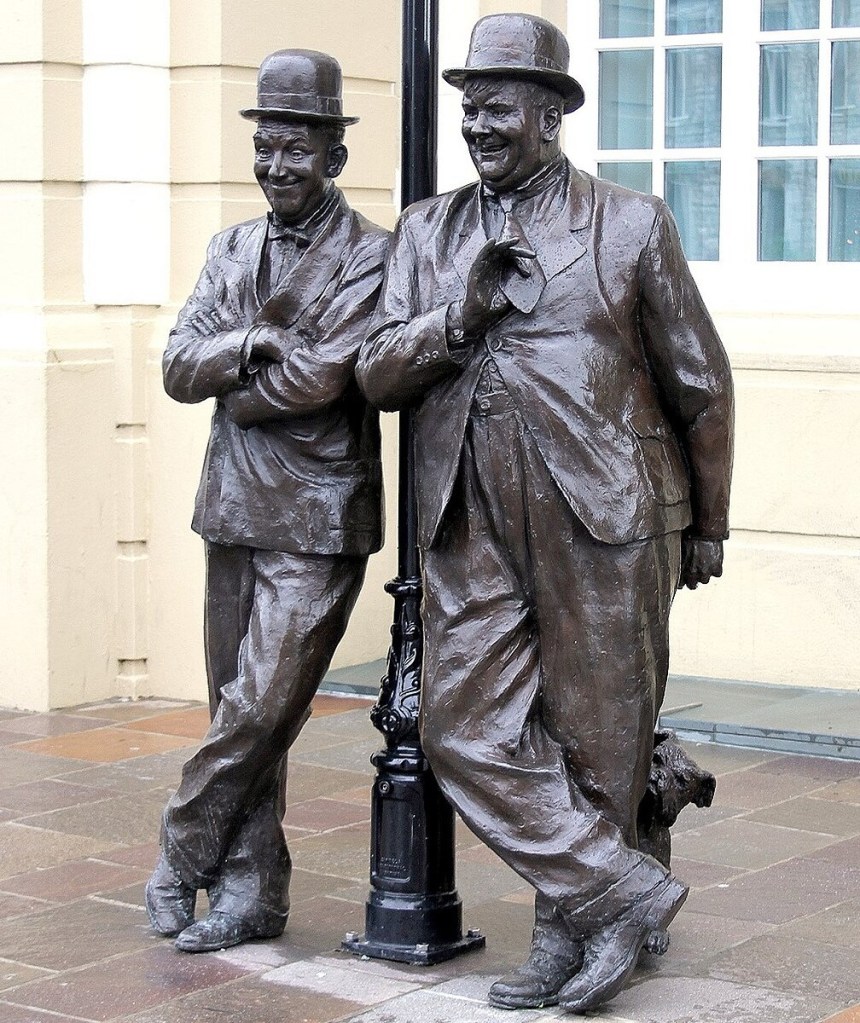
Statue of Stan and Ollie in Ulverston.
[Image from Wikipedia]

[*Ulverston was in Lancashire at the time of his birth but is now in Cumbria]

Stan Laurel, born Arthur Stanley Jefferson, was a pivotal figure in comedy, renowned for his performance and partnership with Oliver Hardy in over 100 films, including shorts, features and cameos. Laurel’s journey into entertainment began in the music hall, where he honed his comedic skills by developing iconic devices such as the bowler hat and nonsensical understatement, all while understudying for Charlie Chaplin in Fred Karno’s London Comedians. His film career kicked off in 1917, with his final appearance in 1951. Laurel and Hardy first collaborated on The Lucky Dog in 1921 and officially became a team by 1927, maintaining their partnership until Hardy’s death in 1957. Their humorous style was famously described by Laurel as

two minds without a single thought.

Their 1932 short, The Music Box under Hal Roach’s production, earned them an Academy Award, further solidifying their status as the greatest comedy duo in film history. Laurel, originally a music hall comedian, found success in comedy shorts before transitioning into a director and gag writer role, often headlining most of their productions at Roach Studios. Meanwhile, Norvell Hardy, who later adopted the name Oliver, entered show business after managing a cinema, eventually appearing in over 200 short films before his collaboration with Laurel.

The duo’s partnership flourished with Roach’s All-Stars, where their chemistry was recognized, leading to their official team-up in 1927. Their comedic formula revolved around two brainless friends, with Laurel as the guileless troublemaker and Hardy as the meticulous man thwarted by misplaced faith in his partner. Their sound films showcased their genius: Laurel’s British accent and Hardy’s Southern tones added depth to their characters, and Laurel’s inventive use of audio gags became a hallmark of their work.

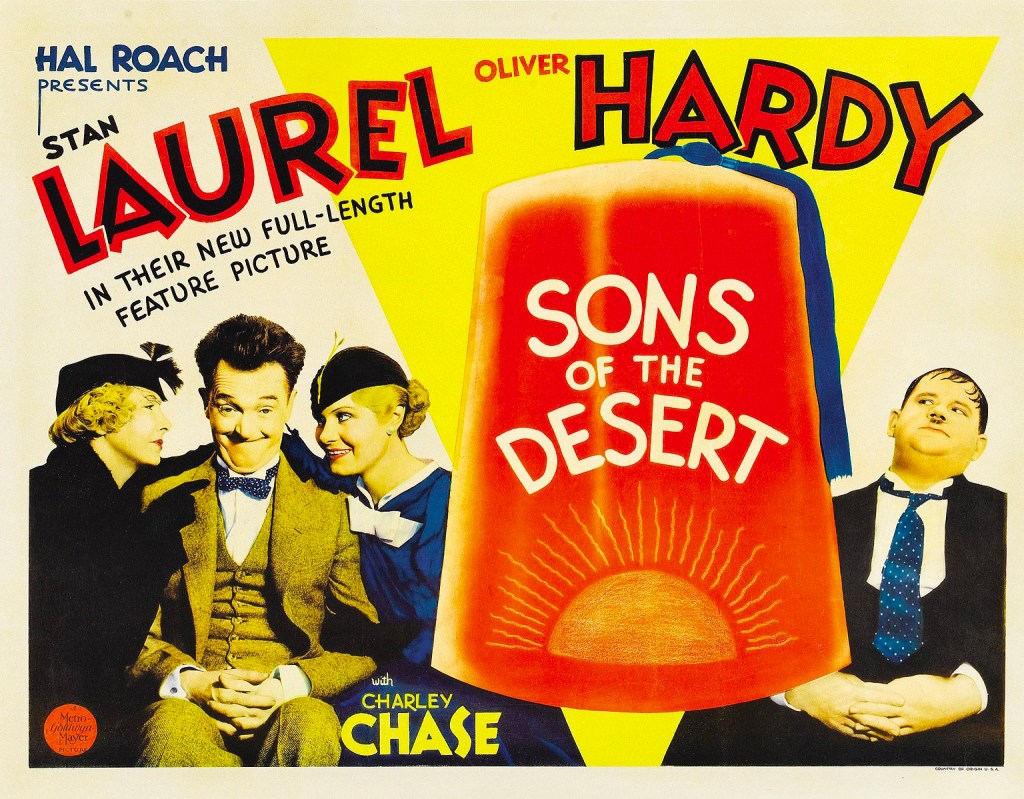
While Laurel was known for his head-scratching, whimpering cries, and blank stares, Hardy was characterized by his flowery speech, explosive double takes, and sympathetic looks to the camera. As the duo ventured into feature films driven by economic necessity, they gifted us with a string of classics, beginning with Pardon Us in 1931 and continuing through 1940 with thirteen more remarkable films, including the highly acclaimed Sons of the Desert (1933), often regarded as their finest feature-length work. This period solidified their legacy in the annals of film history.

Theatrical poster for Sons of the Desert.
[Image from Wikipedia]

Fittingly, their best-known catchphrase provided the final line of their final film Atoll K (1951)—also known as Robinson Crusoeland (UK) and Utopia (US)—with Ollie telling Stan,,,

Well, here’s another nice mess you’ve gotten me into!

…as Stan whimpers in response.