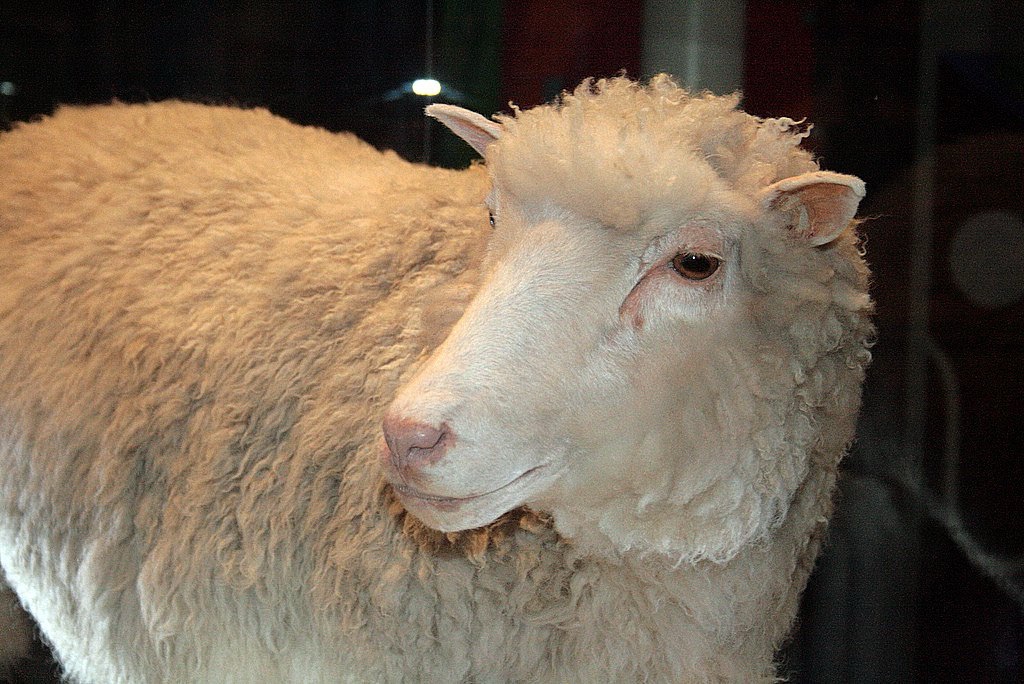
Dolly, a female Finn Dorset sheep, lived from 1996 to 2003 and made history as the first mammal cloned from an adult somatic cell. Her birth on 5 July 1996, was announced by British developmental biologist Ian Wilmut and his colleagues at the Roslin Institute near Edinburgh, Scotland, on 22 February 1997. This significant milestone in science dispelled the long-standing belief that adult mammals could not be cloned and sparked a debate about the potential applications and ethical implications of mammalian cloning technology. The process of creating Dolly involved nuclear transfer, where a cell was extracted from her mammary gland, proving that cloning from a mature cell originating from a specific body part was possible.
When asked about Dolly’s name Professor Wilmut said,
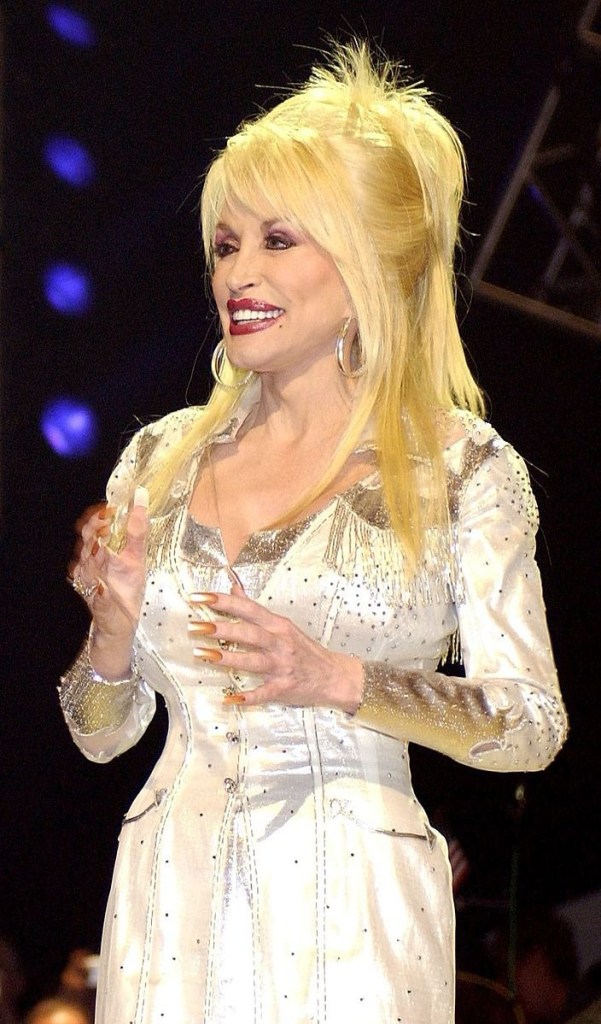
Dolly is derived from a mammary gland cell and we couldn’t think of a more impressive pair of glands than Dolly Parton’s
It was announced on 22 February 1997 that the previous July, Dolly, a female sheep, had been born. She was the first mammal cloned from an adult somatic cell.
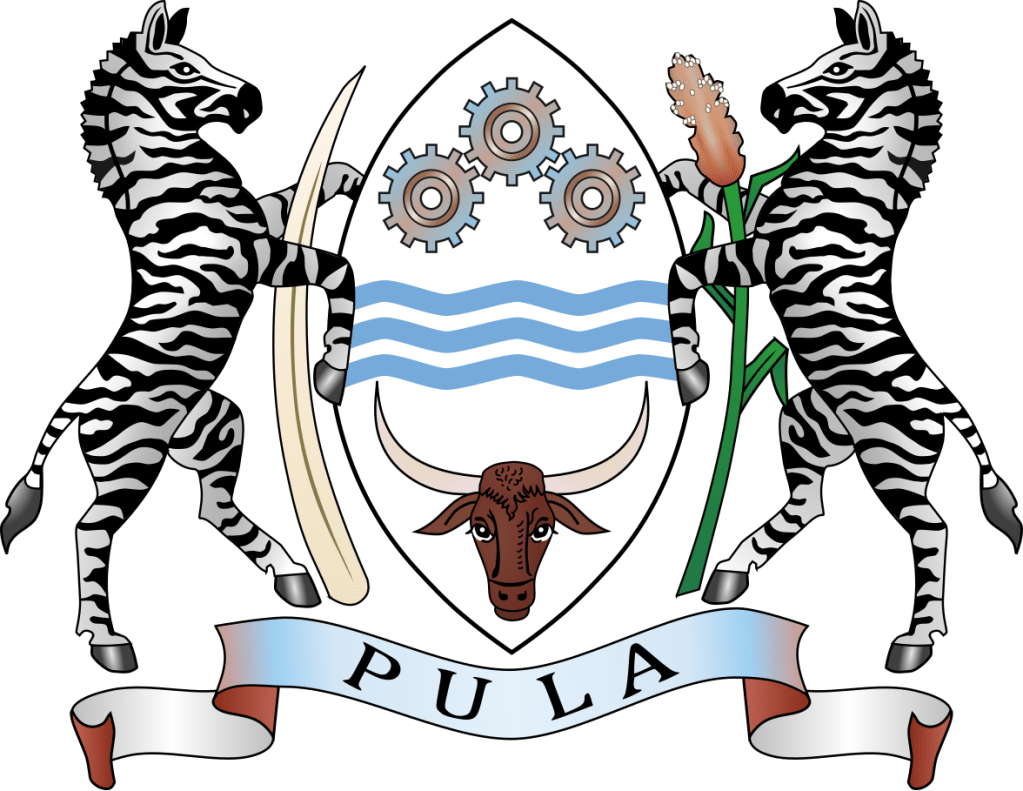
The motto Pula, which means rain and also blessing, is the name of Botswana’s currency.
On the 21 February 1966 the Earl of Longford, the British Colonial Secretary, announced that Bechuanaland, a British protectorate, would gain independence on 30th September 1966, subsequently being renamed Botswana.
This landlocked country in Southern Africa is bordered by Namibia (including the Caprivi Strip) to the west and north, Zambia and Zimbabwe to the northeast, and South Africa to the southeast and south. Botswana’s borders feature a minor section along the Zambezi River with Zambia, while its boundary along the Chobe River with Namibia was settled in a 1999 International Court of Justice ruling favoring Botswana. Despite remaining one of the least densely populated nations globally, with over 2.4 million people inhabiting an area similar in size to France, Botswana, named after its dominant Tswana ethnic group, has transitioned from being one of the world’s poorest and least-developed states to a peaceful and increasingly prosperous democratic state. Approximately 70 percent of its flat, topographically consistent territory forms part of the Kalahari Desert.
The British Colonial Secretary, announced on 21 February 1966 that a British protectorate would gain independence later in the year and be renamed Botswana.
What was the name of the British protectorate?
Barotseland
Bechuanaland
Nyasaland
Botswana has a one word motto Pula, what does it mean in English?
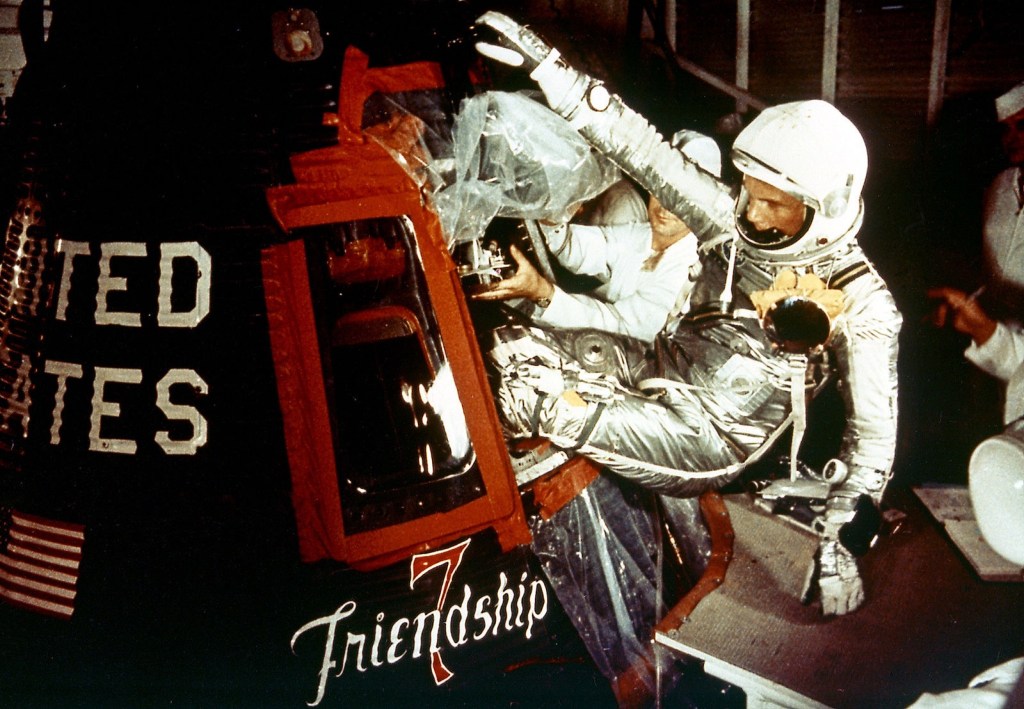
John Glenn boarding Friendship 7. [Image from Wikipedia]
On February 20, 1962, John Glenn, aboard Friendship 7, made history as the first American to orbit the Earth. This achievement was a significant milestone for NASA, following the successes of the Soviet space program.
John H. Glenn, Jr., the eldest of the Mercury Seven—the seven astronauts chosen by NASA for Project Mercury spaceflight training—completed three orbits of the Earth, landing safely in the Atlantic Ocean. His flight lasted 4 hours and 56 minutes.
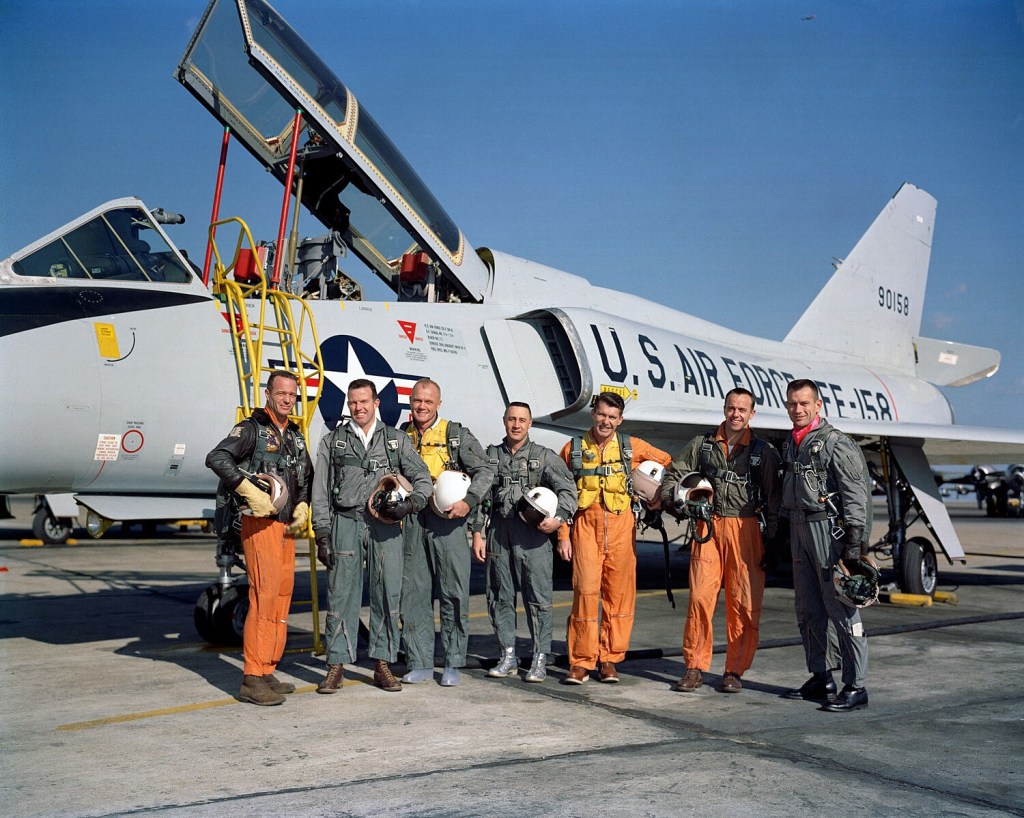
The Mercury Seven astronauts with a U.S. Air Force Convair F-106B Delta Dart aircraft at Langley Air Force Base. From left to right: Scott Carpenter, Gordon Cooper, John Glenn, Gus Grissom, Wally Schirra, Alan Shepard and Deke Slayton. [Image from Wikipedia]
In 1959, NASA had selected Glenn and six other military test pilots as the nation’s first astronauts, and the Friendship 7 flight made Glenn the third American and the fifth person to venture into space.
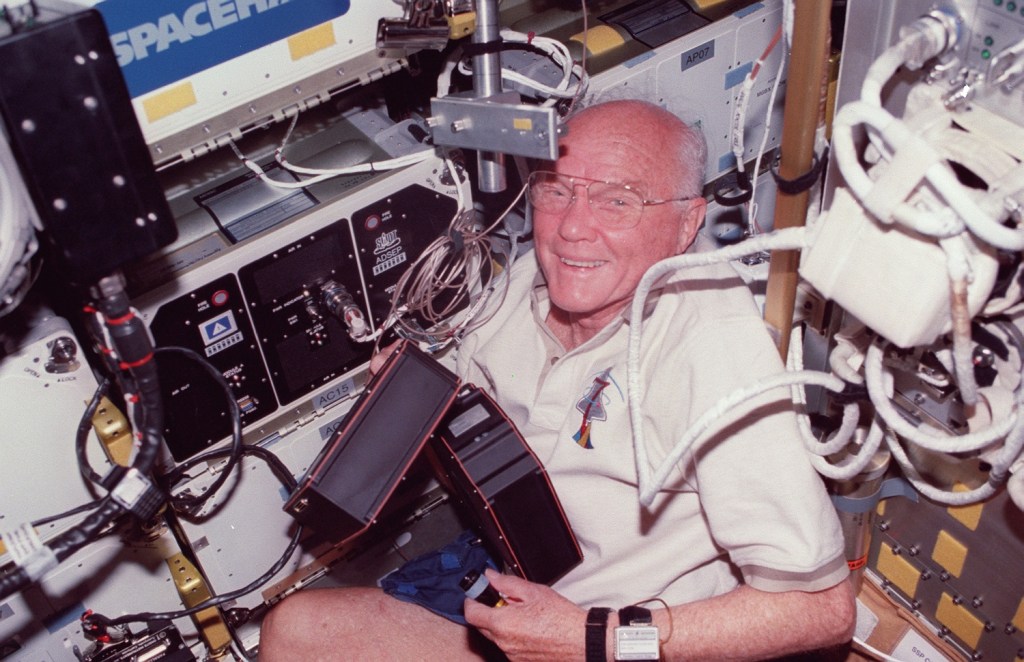
Senator-astronaut John Glenn on the shuttle Discovery.(1998) [Image fromWikipedia]
Even at the remarkable age of 77 in 1998, Glenn continued to inspire generations by becoming the oldest human to travel in space. His unwavering dedication and remarkable achievements were a testament to his enduring legacy.
The following comment is attributed to John Glenn…
I guess the question I’m asked the most often is: “When you were sitting in that capsule listening to the count-down, how did you feel?” Well, the answer to that one is easy. I felt exactly how you would feel if you were getting ready to launch and knew you were sitting on top of two million parts — all built by the lowest bidder on a government contract.
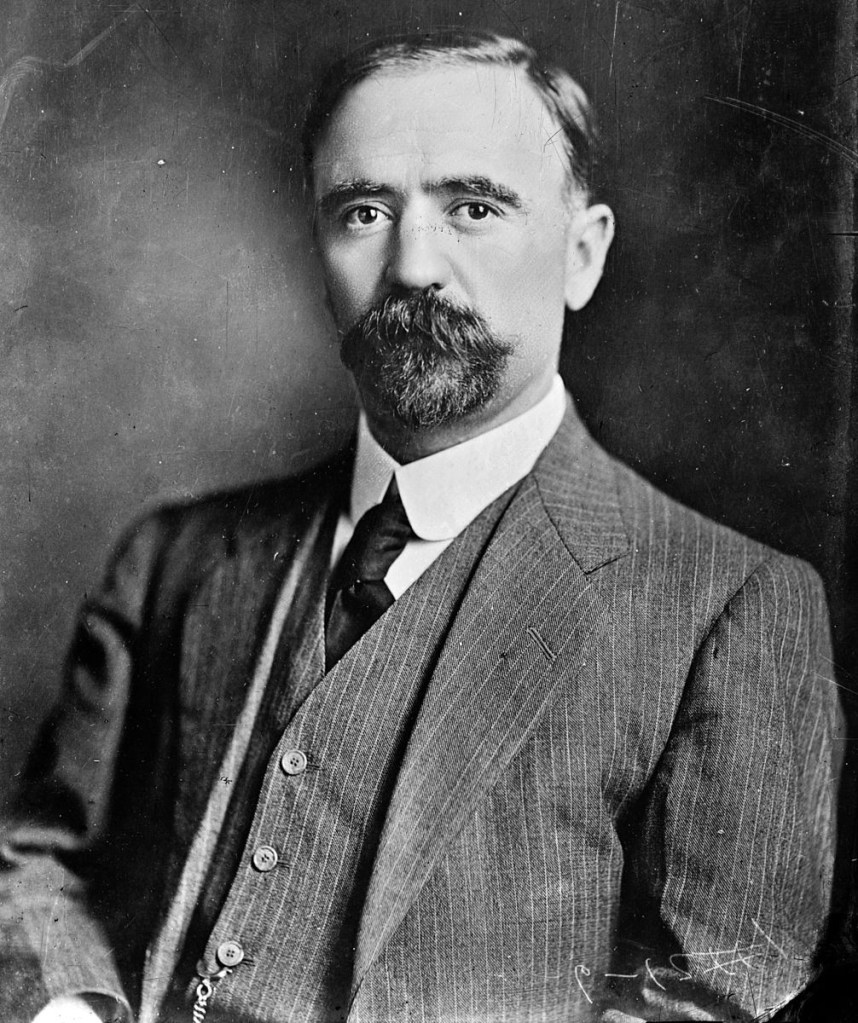
President Francisco Madero. 37th President of Mexico. [Image from Wikipedia]
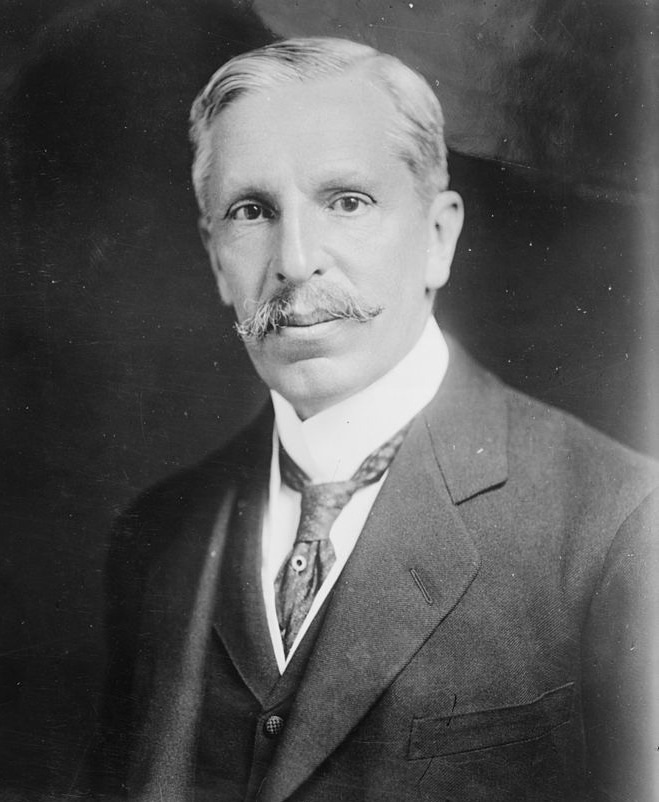
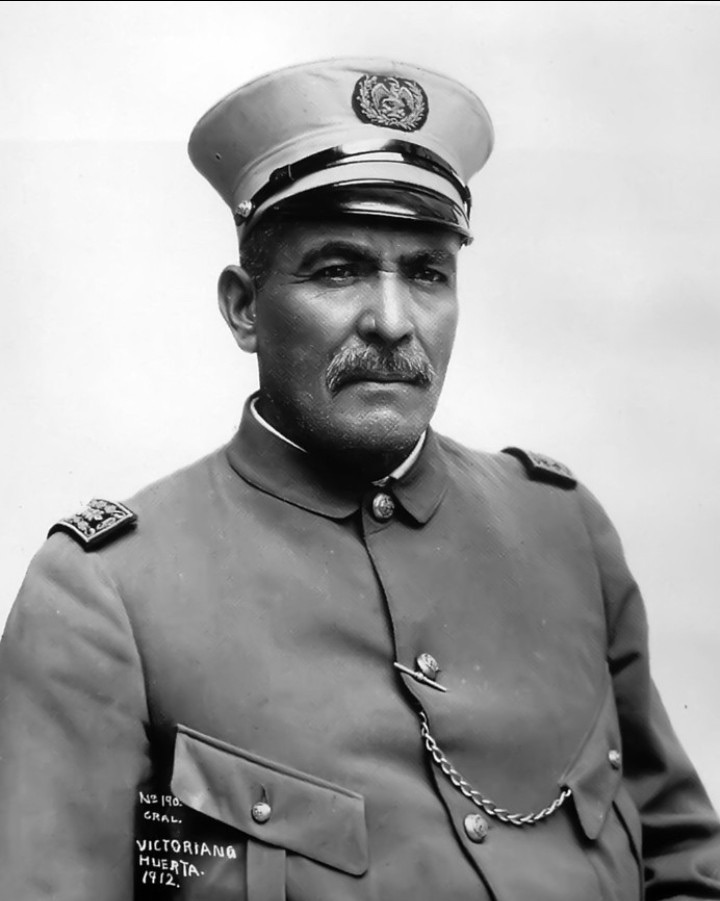
Pedro Lascuráin’s 45-minute presidency, unlike other brief period in office, was entirely intentional. Lascuráin played a crucial role in the Mexican Revolution, which involved the transfer of power from President Francisco Madero to dictator Victoriano Huerta. Here’s how it unfolded.
Pedro Lascuráin. 38th President of Mexico. [Image from Wikipedia]
As the minister of foreign affairs, Lascuráin held the third position—after the president and vice president—in the line of succession to the presidency. However, Huerta exploited this position to his advantage. He orchestrated a fake battle to create unrest and persuade Madero and his vice president to resign. Tragically, they were later murdered while attempting to flee Mexico. Lascuráin ascended to the presidency, but his tenure was marked by only one significant act: appointing Huerta as a member of his cabinet. Subsequently, he promptly resigned, paving the way for the next in line, his new cabinet minister, Victoriano Huerta.
Victoriano Huerta. 39th President of Mexico. [Image from Wikipedia]
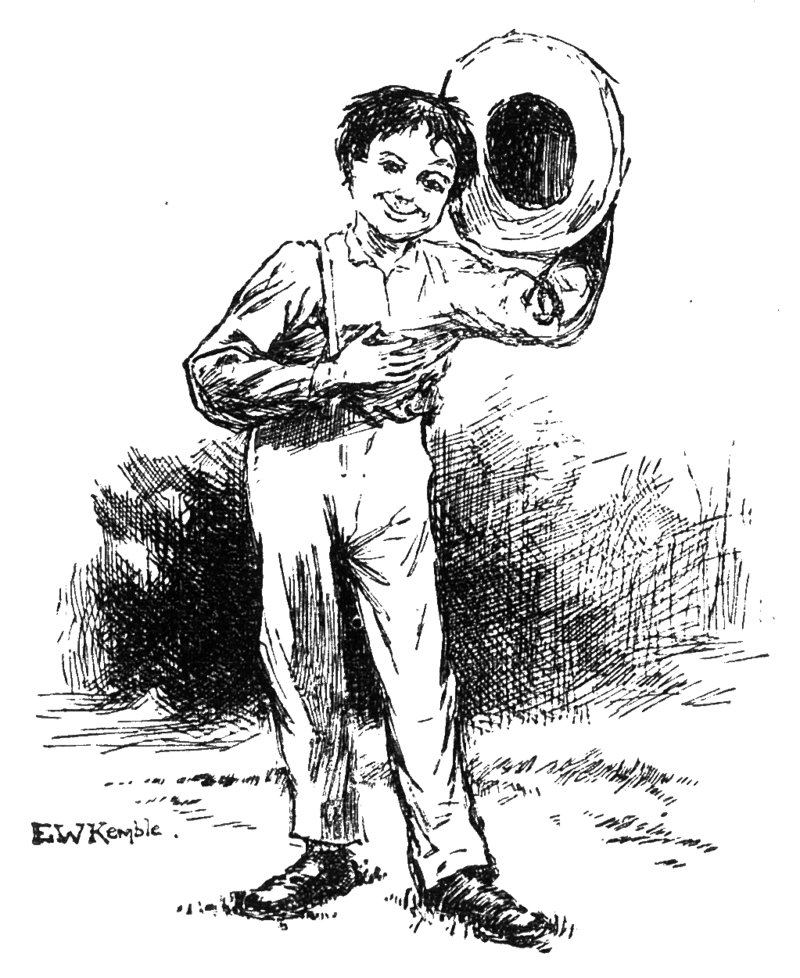
Adventures of Huckleberry Finn, a novel by Mark Twain, was published in the UK in 1884 and the US in 1885. The book’s narrator, Huckleberry Finn, uses simple language to describe scenes, characters, and narrate the story with humour and irony.
Huck runs away from his abusive father and travels down the Mississippi River with Jim, a runaway slave. Along the way, he meets various characters and learns to overcome racial prejudices and respect Jim. The book describes the river and surrounding forests, showcasing Huck’s good nature and humour. However, it also highlights human cruelty, both individual acts and societal institutions like slavery.
Twain’s novel, along with The Adventures of Tom Sawyer, revolutionised children’s and American literature by presenting a realistic portrayal of boyhood. It’s a classic of American realism, especially for its depiction of the pre-Civil War South through dialect. This realism sparked controversy in the late 20th century, with some finding the language offensive. Despite Huck’s friendship with Jim, the book was considered racist. The publication of a bowdlerised version in 2011 generated further debate and was deemed equally unacceptable.




 Quizology.Online