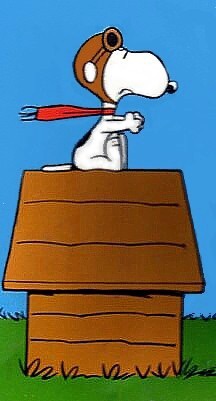
[Image from Wikipedia]
When the final Peanuts strip ran on 13 February 2000 how many strips had been published in total?
A. 11,231
B. 14,564
C. 17,897
The answer will be posted later today.
B. Mary I
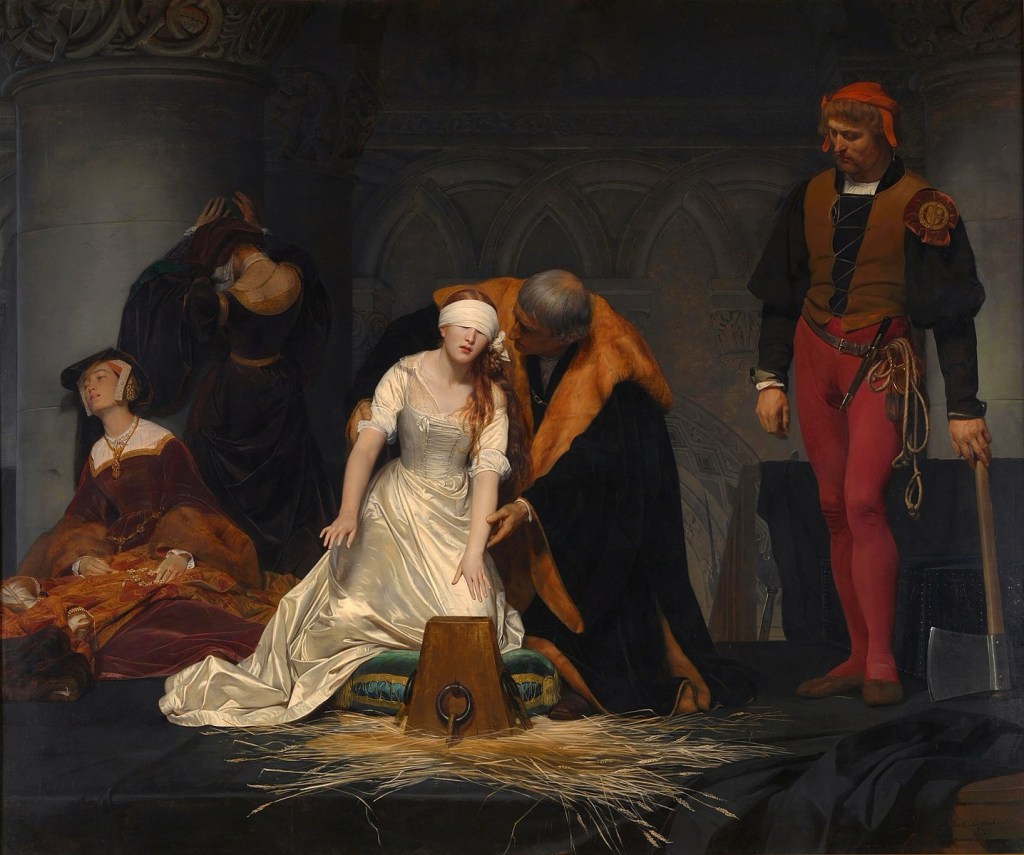
Lady Jane Grey, also known as Lady Jane Dudley, was proclaimed queen of England and reigned from 10 to 19 July 1553. Known for her beauty and intelligence, she reluctantly allowed herself to be crowned at the age of 15 due to the machinations of unscrupulous politicians. Her subsequent execution at the age of 16 by Mary Tudor evoked widespread sympathy and compassion.
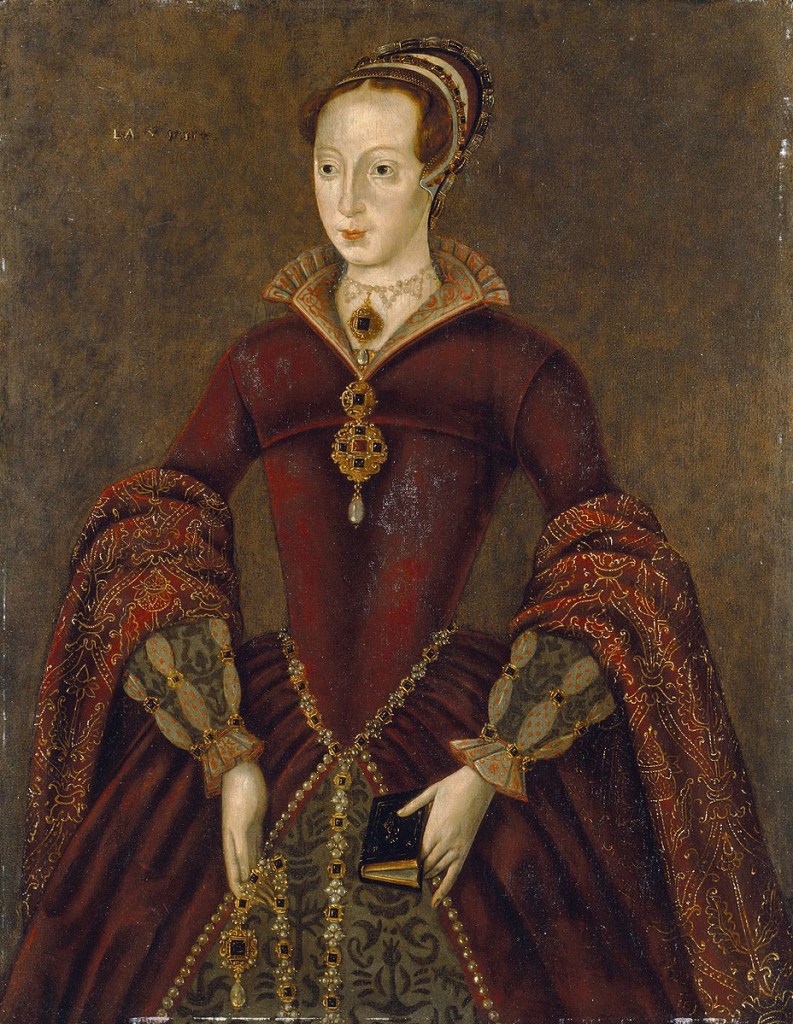
Lady Jane Grey, who reigned as Queen of England for only nine days in 1553, was executed on 12 February 1554. Who was the monarch who ordered her execution?
A. Elizabeth I
B. Mary I
C. Edward VI
The answer will be posted later today.
Firstly: A. 1938
Secondly: C. Robot

On February 11, 1938, BBC Television broadcast a 35-minute adaptation of a section of Karel Čapek’s play R.U.R.—thus becoming the first science fiction piece ever aired on television. Although some low-quality still photographs survive, no recordings of the production are known to exist.
R.U.R. (Rossumovi Univerzální Roboti—(English: Rossum’s Universal Robots)) is a 1920 science fiction play by the Czech writer Karel Čapek. It introduced the word ‘robot’ to the English language and popularised science fiction as a genre. R.U.R. quickly gained influence and was translated into thirty languages by 1923. It was a commercial success in Europe and North America during its time.
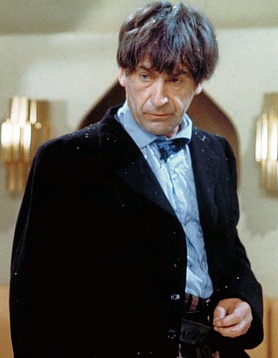
In 1948, the BBC aired another adaptation, this time the entire play, running for 90 minutes but unfortunately, no audio or visual recordings of this version survive either. Patrick Troughton who played the robot Radius in this latter production played another sci-fi character when he became the Second Doctor in the BBC’s Doctor Who in 1966.
Firstly, on 11 February in which year did the first science fiction piece ever aired on television make its debut?
A. 1938
B. 1945
C. 1950
Secondly, the play that was adapted for this television programme had, when originally published in 1920, introduced a new word to the English language. What was that word?
A. Cyborg
B. Droid
C. Robot
The answer will be posted later today.
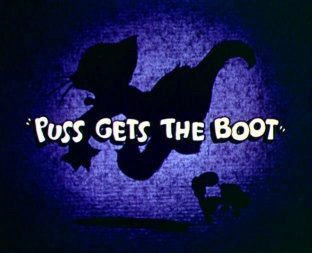
C. Jasper
Puss Gets the Boot is a 1940 American animated short film, the first in the Tom and Jerry series. It is based on the Aesop’s Fable, The Cat and the Mice. It was released to cinemas by Metro-Goldwyn-Mayer on 10 February 1940.
Jasper, a cat, torments a mouse, leading to a series of misadventures. The mouse outwits Jasper, framing him for breaking a flowerpot and later dishes, resulting in Jasper being kicked out of the house. The mouse celebrates his victory, enjoying the spoils of his triumph.

Puss Gets the Boot (10 February 1940) marked the debut of the Tom and Jerry series. In this initial instalment, the mouse remains unnamed, while the feline antagonist is given a name. What is the name of the cat?
A. Jacob
B. Jason
C. Jasper
The answer will be posted later
Norway
The Svalbard Treaty, signed in 1920, recognizes Norway’s sovereignty over the archipelago while granting equal commercial rights to signatories. The treaty restricts military use and establishes a visa-free zone, with 48 parties to the treaty as of 2024.

Svalbard is located in the Arctic Ocean, north of mainland Europe. The largest island, Spitsbergen, is home to the largest settlement, Longyearbyen. Spitsbergen, the original name of the archipelago, comes from Dutch explorer Willem Barentsz, who described the pointed mountains (Dutch, spitse bergen) he saw on the west coast of the main island in 1596.

On 9 February 1920 The Svalbard Treaty (originally the Spitsbergen Treaty) was signed, recognising ___’s sovereignty over the Arctic archipelago of Svalbard.
What nation’s name fills the blank in the above statement?
The answer will be posted later today.
Firstly: C. Jules Verne
Secondly: Around the World in Eighty Days
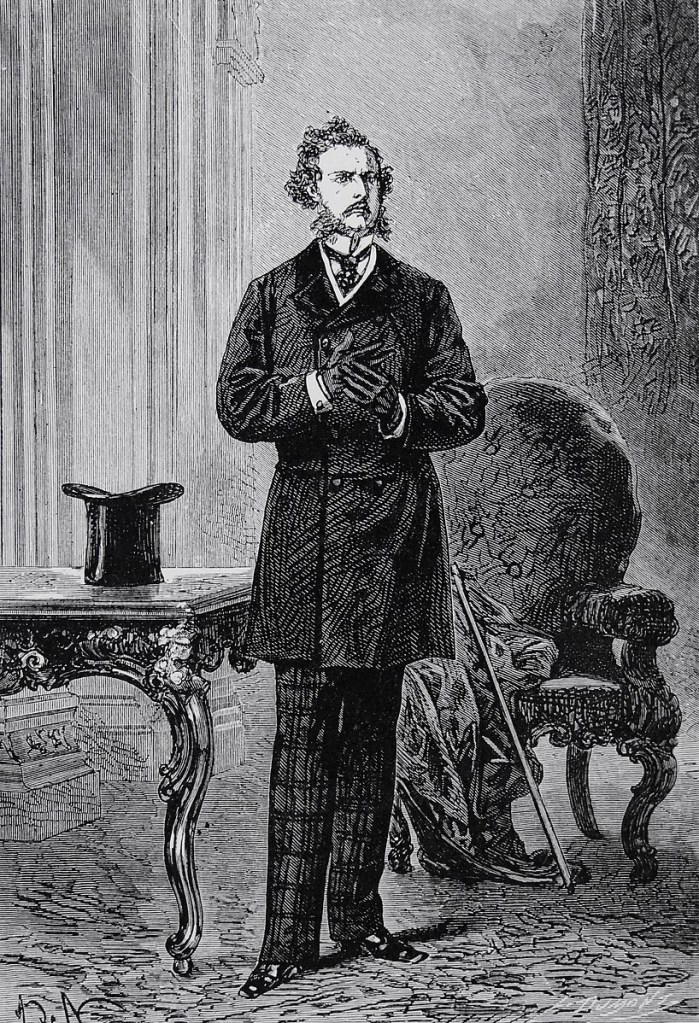
Phileas Fogg, a wealthy Englishman, embarks on a journey around the world to win a wager. Along the way, he rescues Aouda from sati (being burned on her late husband’s funeral pyre) and encounters Detective Fix, who believes Fogg is a bank robber. Despite facing numerous challenges and delays, Fogg returns to London just in time to win the wager and marry Aouda.
The three authors were all born on February 8th: Dickens in 1812, Verne in 1828 and Lewis in 1885.
 Quizology.Online