Tag: africa

  • Out of Africa — Answers

    Here are the answers to today’s questions.
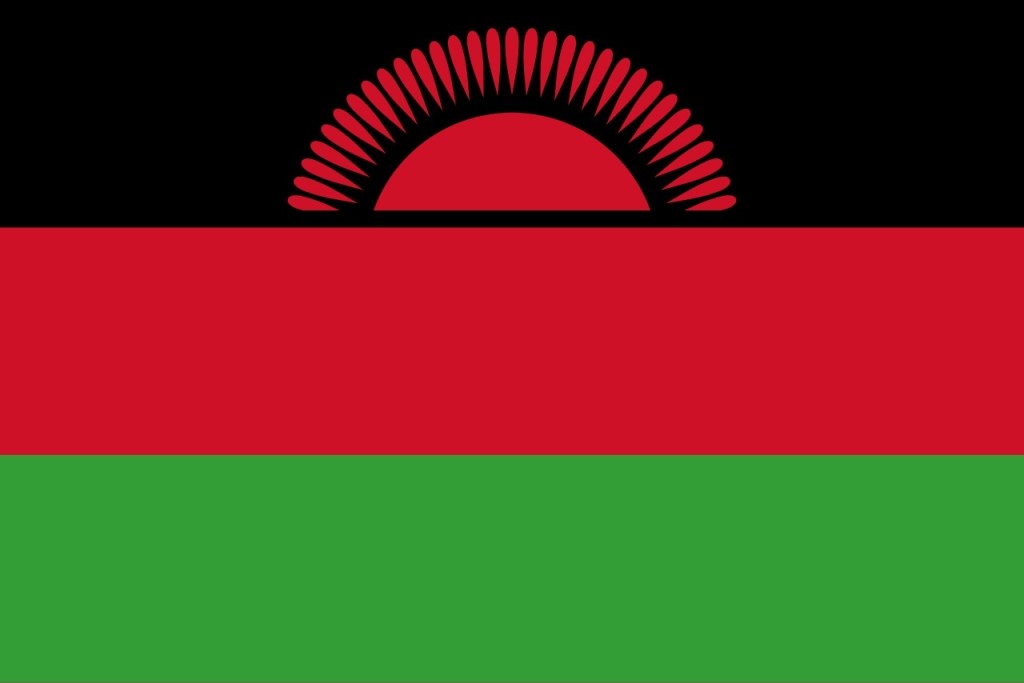
    Flag of Malawi.
    Image Wikimedia Commons

    Today’s first question relates to July 6th. The remainder are not date-related but follow a theme originating with the first.


    One

    On this day in 1964, the country represented by the flag above gained independence. Which country is it, and what nine-letter name was it known by immediately before independence?

    Answer: Nyasaland.

    The British established the Nyasaland Districts Protectorate in 1891, later renamed Nyasaland. Colonial rule prioritised European settlers, neglecting African welfare and agriculture, leading to migration and opposition to the Federation of Rhodesia and Nyasaland. This fuelled nationalism, culminating in independence on 6 July 1964 when it was renamed Malawi. 


    Two

    Rockjumpers are native to southern Africa. What best describes them: bird, mammal, or reptile?

    Answer: Birds.

    Rockjumpers are medium-sized birds endemic to southern Africa, with two species: the Cape rockjumper and the Drakensberg rockjumper. They differ in size and plumage, with non-overlapping ranges. They run and jump among rocks and grass while hunting insects.


    Three

    Which African percussion instrument was the original default ringtone for the iPhone?

    Answer: Marimba.

    The original iPhone Marimba ringtone is a clean line-out recording that is iconic and often used for incoming calls. It is a short sound, lasting about 7 seconds.


    Four

    Who was the Scottish explorer who introduced Europeans to West Africa through his book Travels in the Interior Districts of Africa: James Bruce, David Livingstone or Mungo Park? 

    Answer: Mungo Park.

    Mungo Park (1771–1806) was a Scottish explorer who pioneered African exploration. He theorised the Niger and Congo rivers merged, though later proven incorrect. Park’s influential book, Travels in the Interior Districts of Africa, introduced Europeans to West Africa, setting a standard for future explorers and colonial ambitions. Park died on the Niger River during his second expedition. The Royal Scottish Geographical Society award the Mungo Park medal annually in his honour.


    Five

    The African monkey gets its name from its crescent-shaped browband, which resembles the bow of a Roman goddess. What is it known as?

    Answer: Diana monkey (Cercopithecus Diana).

    The Diana monkey’s crescent-shaped broadband is said to resemble the the shape of the bow carried by the Roman goddess Diana. It is endangered due to habitat destruction and hunting as bushmeat. It can be found in West Africa, from Sierra Leone to Côte d’Ivoire.
  • Out of Africa

    Flag of ?
    Image Wikimedia Commons

    Today’s first question relates to July 6th. The remainder are not date-related but follow a theme originating with the first.


    One

    On this day in 1964, the country represented by the flag above gained independence. Which country is it, and what nine-letter name was it known by immediately before independence?


    Two

    Rockjumpers are native to southern Africa. What best describes them: bird, mammal, or reptile?


    Three

    Which African percussion instrument was the original default ringtone for the iPhone?


    Four

    Who was the Scottish explorer who introduced Europeans to West Africa through his book Travels in the Interior Districts of Africa: James Bruce, David Livingstone or Mungo Park? 


    Five

    The African monkey gets its name from its crescent-shaped browband, which resembles the bow of a Roman goddess. What is it known as?


    Good luck! I’ll post the answers later.


  • A Drop in the Ocean — Answers

    Here’s the answers to my earlier questions.
    All of today’s questions are related to the date, April 28th.

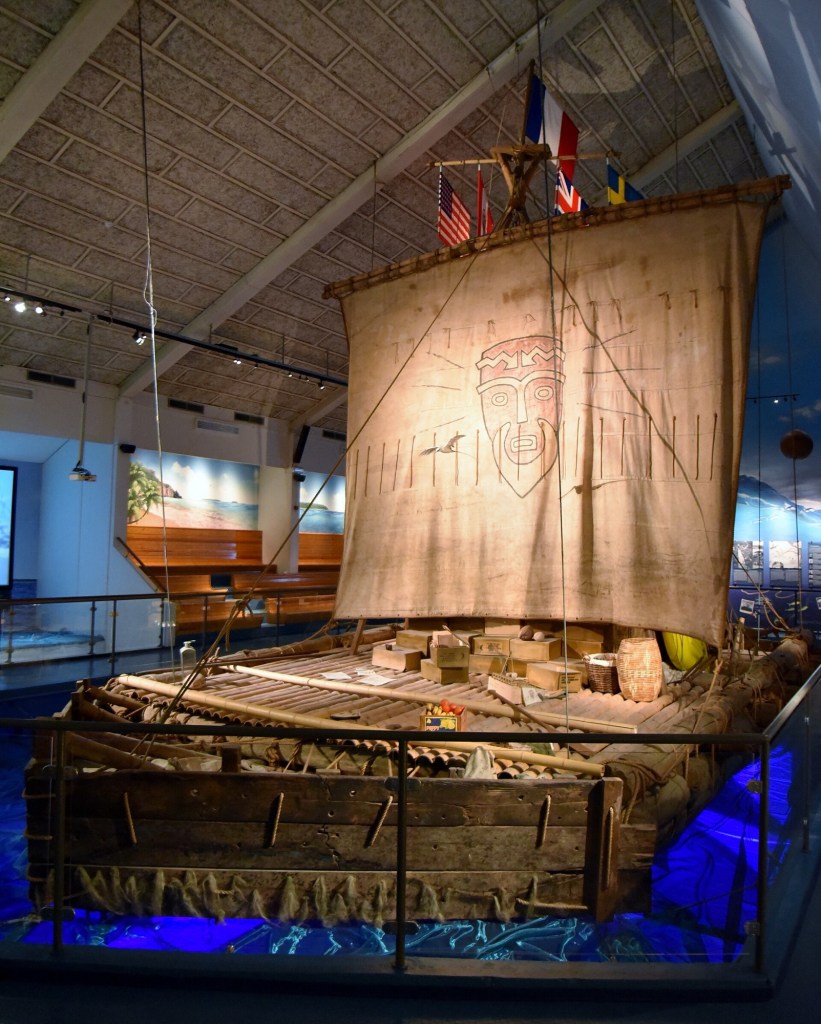
    Kon-Tiki, on display inside the Kon-Tiki Museum, Oslo.
    Image Wikimedia Commons

    One

    In 1947, Thor Heyerdahl set sail in Kon-tiki, a handmade balsa wood raft, in an attempt to reach the islands of Polynesia. From what country did he set out?

    Answer: Peru.

    Thor Heyerdahl and five companions sailed the Kon-Tiki raft from South America to Polynesia in 1947, demonstrating the possibility of ancient American colonisation. The Kon-Tiki expedition, led by Heyerdahl, aimed to prove that pre-Columbian South Americans could have reached Polynesia by raft. Funded by private loans and equipment donations, the expedition successfully sailed 6,900 km across the Pacific Ocean in 101 days. Although Heyerdahl’s hypothesis of a Caucasian people reaching Polynesia has been rejected, the journey’s feasibility was demonstrated. The Kon-Tiki is now preserved in a museum in Oslo.


    Two

    In 1923, Wembley Stadium opened in London. What was it initially named?

    Answer: Empire Stadium.

    The original Wembley Stadium, or Empire Stadium, in London, was a renowned football venue that hosted the FA Cup final, the 1966 World Cup final, and Euro 1996. Demolished in 2003, it also hosted five European Cup finals, two European Cup Winners’ Cup finals and the 1948 Summer Olympics. Wembley was a key rugby league venue, hosting the Challenge Cup Final from 1929, and it also welcomed various sports, including speedway, stock car racing and American football. It hosted events such as the Horse of the Year Show, Live Aid, and concerts by Michael Jackson, Queen and U2, and is linked to an urban legend about a buried locomotive.


    Three

    Born in 1758, the fifth president of the United States is commemorated by a city at these coordinates: 6°18′48″N 10°48′5″W. Which city is it and in which country is it situated?

    Answer: Monrovia, Liberia.

    Monrovia, Liberia’s capital, sits on the Atlantic coast and serves as a political, administrative, economic and cultural centre. Established in 1822 by the American Colonisation Society as a settlement for formerly enslaved and freeborn African Americans, it was named after James Monroe and became the capital in 1847. The city’s population reached 1.76 million in 2022 with the metropolitan area exceeding 2.2 million.


    Four

    Born in 1948, Terry Pratchett is best known for a series of novels which began in 1983 with The Colour of Magic, and introduced Great A’Tuin, Berilia, Tubul, Great T’Phon and Jerakeen. In the prologue of The Colour of Magic… 

    1. What one word describes Great A’Tuin? 
    2. What are Berilia, Tubul, Great T’Phon and Jerakeen?

    Answers

    1. Turtle
    2. Elephants

    Wikipedia describes Discworld as follows

    The Discworld is the fictional world where English writer Sir Terry Pratchett’s Discworld fantasy novels take place. It consists of an interstellar planet-sized disc, which sits on the backs of four huge elephants, themselves standing on the back of a world turtle, named Great A’Tuin, as it slowly swims through space.


    Five

    A piece of paper found in China in 1986 has been dated to which century: Second century BCE; First century CE or Third century CE?

    Answer: Second century BCE.

    In 1986, archaeologists discovered over 400 artefacts in nearly 2,000-year-old Chinese tombs, including the world’s oldest surviving paper map fragment. Found in Fangmatan, Gansu Province, this second-century BCE map forced a rewrite of paper-making history.


  • A Drop in the Ocean


    All of today’s questions are related to the date, April 28th.

    Kon-Tiki, on display inside the Kon-Tiki Museum, Oslo.
    Image Wikimedia Commons

    One

    In 1947, Thor Heyerdahl set sail in Kon-tiki, a handmade balsa wood raft, in an attempt to reach the islands of Polynesia. From what country did he set out?


    Two

    In 1923, Wembley Stadium opened in London. What was it initially named?


    Three

    Born in 1758, the fifth president of the United States is commemorated by a city at these coordinates: 6°18′48″N 10°48′5″W. Which city is it and in which country is it situated?


    Four

    Born in 1948, Terry Pratchett is best known for a series of novels which began in 1983 with The Colour of Magic, and introduced Great A’Tuin, Berilia, Tubul, Great T’Phon and Jerakeen. In the prologue of The Colour of Magic… 

    1. What one word describes Great A’Tuin? 
    2. What are Berilia, Tubul, Great T’Phon and Jerakeen?

    Five

    A piece of paper found in China in 1986 has been dated to which century: Second century BCE; First century CE or Third century CE?


    Good luck! I’ll post the answers later.


  • Aquarius — Answers

    Here are the answers to the earlier questions.

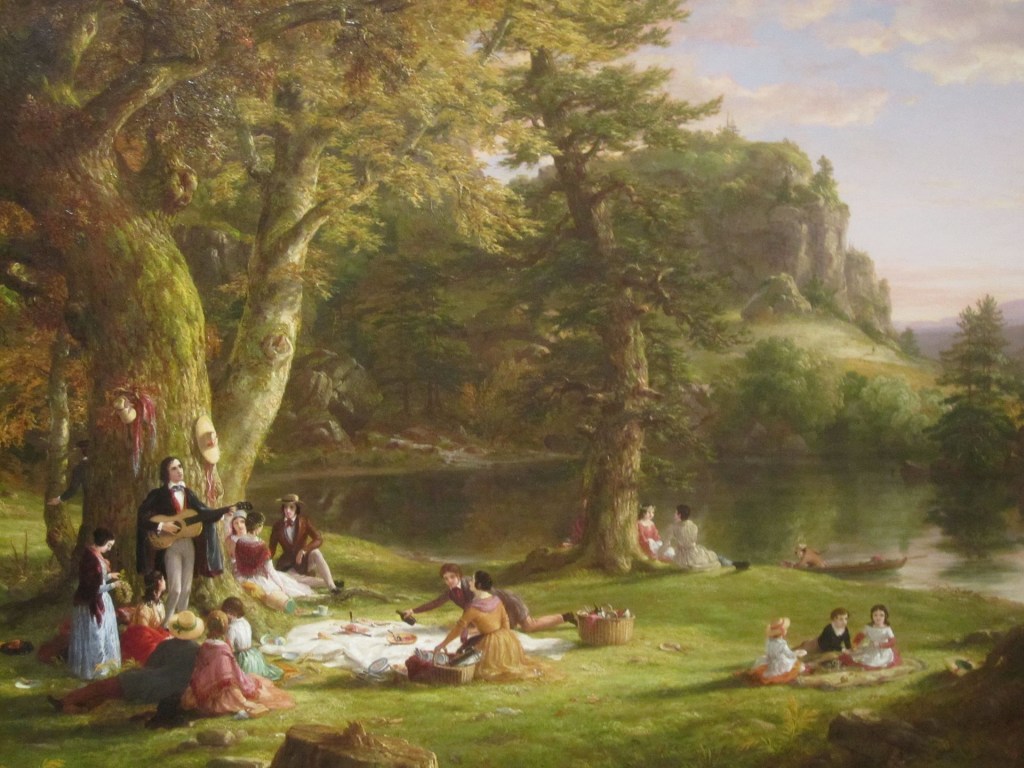
    The Picnic (1846) by Thomas Cole. See questions five.
    Image Wikimedia Commons

    Today’s first question is related to the date, April 14th, and the answer is an acronym. The following questions are not date-related but are all in a similar abbreviated vein, be they acronyms, initialisms, or abbreviations.

    One

    Juice is an European Space Agency spacecraft launched in April 2023 to study Ganymede, Callisto, and Europa for potential habitability. What four words does Juice represent?

    Answer: Jupiter Icy Moon Explorer.

    Juice was originally JUICE, a complicated acronym for JUpiter ICy moons Explorer. ESA has since simplified the name to Juice, the Jupiter Icy Moons Explorer. (The Planetary Society). Juice was launched in April 2023 to study Jupiter’s icy moons Ganymede, Callisto, and Europa for potential habitability. It will reach Jupiter in July 2031 and enter orbit around Ganymede in December 2034.


    The remaining questions while not date-related continue the same abbreviated theme.

    Two

    Soweto, an urban complex in Gauteng province, South Africa, has a name that was derived from what? 

    Answer: South-Western Townships.

    Soweto, the largest Black urban complex in South Africa, originated from shantytowns and slums. It became notable for the 1976 Soweto Rebellion, a protest against Afrikaans in schools. Initially designated for Black residents by the apartheid government, Soweto is in Gauteng province, bordering Johannesburg. The name is formed from SOuth-WEstern TOwnships. Post-apartheid, municipal services were decentralised, dividing Soweto between two Greater Johannesburg regions, highlighting its historical and socio-political importance.


    Three

    What does the acronym NATO stand for, and in what decade was it founded? 

    Answer: North Atlantic Treaty Organisation; 1940s.

    NATO, founded in 1949 to counter Soviet threats, evolved into a cooperative-security entity with 32 members, focusing on collective defence under Article 5. First invoked after the 9/11 attacks, it expanded by 16 members, including former Warsaw Pact states. Relations with Russia deteriorated post-Crimea and Ukraine invasion, leading to Finland and Sweden’s membership. NATO intervened in conflicts like Bosnia and Afghanistan, with headquarters in Brussels. Members pledge 5% GDP to defence, ensuring readiness.


    Four

    Doctor Who flits about the universe in all its dimensions in the TARDIS. What six words does this name represent?

    Answer: Time And Relative Dimensions In Space.

    The TARDIS — Time And Relative Dimensions In Space — a fictional time machine and spacecraft from the British sci-fi series Doctor Who, debuted in 1963. It typically resembles a police box, a British telephone kiosk from the 1940s and 50s, and is “bigger on the inside.” The police box shape is now more linked to the TARDIS than its original purpose. The TARDIS’s name and design are BBC trademarks, though initially created by the Metropolitan Police Service.


    Five

    In computing, especially in customer support, what six words does the error PICNIC translate to?

    Answer: Problem in chair not in computer.

    Some User Errors are … 

    • PICNIC ‘Problem in chair, not in computer’
    • PEBMAC: ‘Problem exists between monitor and chair’
    • IBM Error ‘Idiot in machine error’

    Aquarius

    The post title is itself an acronym, albeit a rather convoluted one:
    Abbreviations Quiz: Users Adroitness Regarding Initialisms Under Scrutiny.


  • Aquarius

    The Picnic (1846) by Thomas Cole. See questions five.
    Image Wikimedia Commons

    Today’s first question is related to the date, April 14th, and the answer is an acronym. The following questions are not date-related but are all in a similar abbreviated vein, be they acronyms, initialisms, or abbreviations.

    One

    Juice is an European Space Agency spacecraft launched in April 2023 to study Ganymede, Callisto, and Europa for potential habitability. What four words does Juice represent?


    The remaining questions while not date-related continue the same abbreviated theme.

    Two

    Soweto, an urban complex in Gauteng province, South Africa, has a name that was derived from what? 


    Three

    What does the acronym NATO stand for, and in what decade was it founded? 


    Four

    Doctor Who flits about the universe in all its dimensions in the TARDIS. What six words does this name represent?


    Five

    In computing, especially in customer support, what six words does the error PICNIC translate to?


    Good luck! I’ll post the answers later.


  • My Way — Answers

    Here are the answers to my earlier questions.

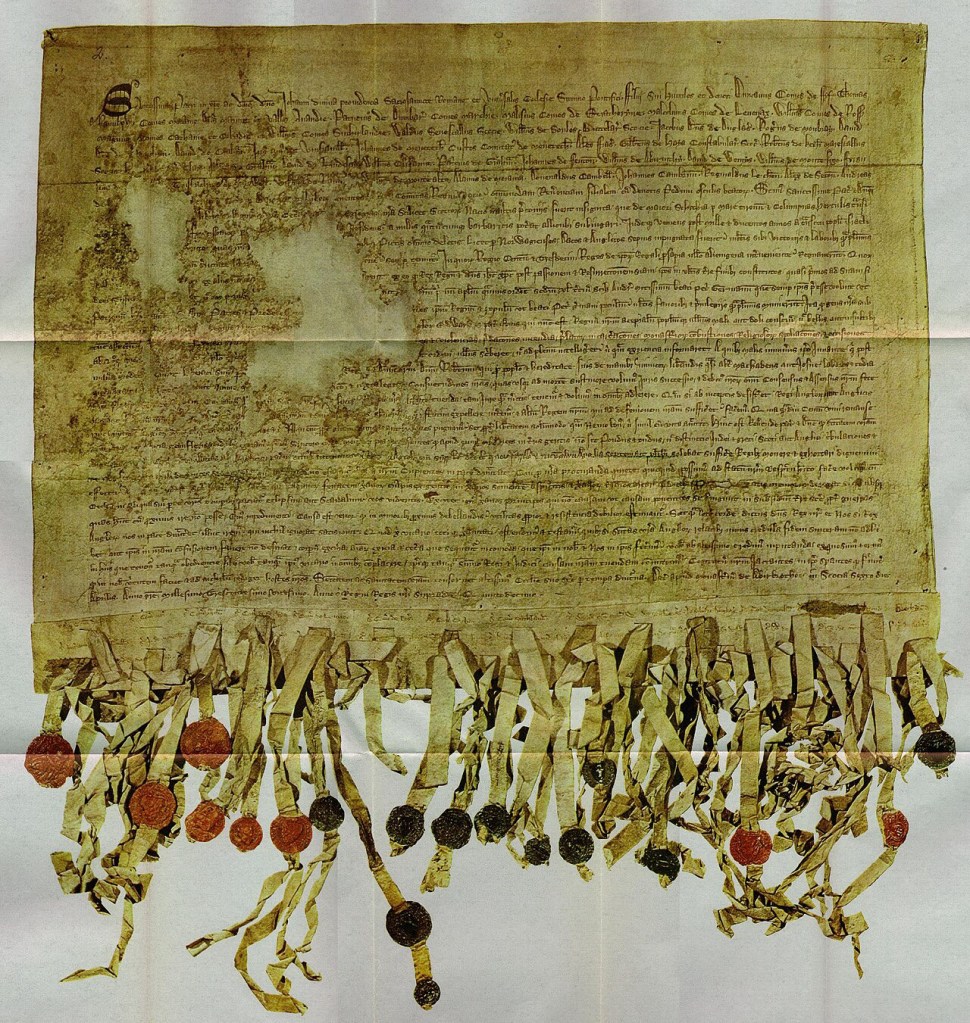
    The Declaration of Arbroath.
    The ‘Tyninghame’ copy
    National Library of Scotland
    Image Wikimedia Commons

    The first question concerns a national declaration and is linked to today’s date, April 6th. The other questions aren’t date-related but continue the declaration theme with some slightly more modern examples.

    One

    On this day in 1320, the Declaration of Arbroath was signed. It declared and asserted the independence of which nation? 

    Answer: Scotland.

    The Declaration of Arbroath, written in 1320 by Scottish barons and addressed to Pope John XXII, asserted Scotland’s independence and right to self-defence against English subjugation. Believed to have been written by Bernard of Kilwinning, it was sealed by fifty-one magnates and nobles and remained largely unknown until the late 17th century when it was printed and translated into English. The Declaration strengthened Robert the Bruce’s position, and although he secured independence through the Treaty of Northampton in 1328, his successor faced the same struggle.


    Two

    In 1918, Estonia declared independence after the collapse of one empire and before a second invasion. Which empires were they?

    Answer: Russian Empire and German Empire.

    Following the collapse of the Russian Empire in 1917, Estonia declared independence on 24 February 1918, forming the Estonian Provisional Government. German occupation followed, but they relinquished power to the Estonian government on 19 November 1918 after their surrender at the end of the First World War.


    Three

    A 1965 Declaration of Independence, which was the first unilateral break from the United Kingdom by one of its colonies since the United States in 1776, was made by what colony? Secondly, what is that former colony now known as?

    Answer: Rhodesia; Zimbabwe.

    Rhodesia’s Unilateral Declaration of Independence (UDI) in 1965, a move by the white minority government to break away from British rule, was deemed illegal by the UK, Commonwealth, and UN. This led to international isolation and economic sanctions, with Rhodesia receiving support from South Africa and Portugal. The conflict escalated into the Rhodesian Bush War, ultimately leading to the country’s reconstitution as Zimbabwe in 1980.


    Four

    In 1822 and in 1877, Greece and Romania both declared their independence from the same empire. What was that empire? 

    Answer: Ottoman Empire.

    Greek merchants, inspired by the Modern Greek Enlightenment, promoted Greek nationalism, leading to the Greek War of Independence with the Ottomans. With assistance from France, Russian Empire and the United Kingdom, the Greeks gained control of Central Greece, resulting in the recognition of the Greek state in 1830. Meanwhile, Romania achieved independence from the Ottoman Empire during the Russo-Turkish War (1877–78) by signing a treaty with Russia and joining the Russian Army in the fight against the Ottomans.


    Five

    In 1918, Czechoslovakia declared independence form what empire? 

    Answer: Austro-Hungarian Empire.

    The Czechoslovak Declaration of Independence published on 18 October 1918, declared the independence of the Czechoslovak Nation from the Austro-Hungarian Empire. This empire had encompassed the Czech and Slovak lands for nearly four centuries and its downfall followed World War I.


  • My Way

    The Declaration of Arbroath.
    The ‘Tyninghame’ copy
    Image Wikimedia Commons

    The first question concerns a national declaration and is linked to today’s date, April 6th. The other questions aren’t date-related but continue the declaration theme with some slightly more modern examples.

    One

    On this day in 1320, the Declaration of Arbroath was signed. It declared and asserted the independence of which nation? 


    Two

    In 1918, Estonia declared independence after the collapse of one empire and before a second invasion. Which empires were they?


    Three

    A 1965 Declaration of Independence, which was the first unilateral break from the United Kingdom by one of its colonies since the United States in 1776, was made by what colony? Secondly, what is that former colony now known as?


    Four

    In 1822 and in 1877, Greece and Romania both declared their independence from the same empire. What was that empire? 


    Five

    In 1918, Czechoslovakia declared independence form what empire? 

    Good luck! I’ll post the answers later.


  • Islands in the Stream — Answers

    Here are the answers to my earlier questions.

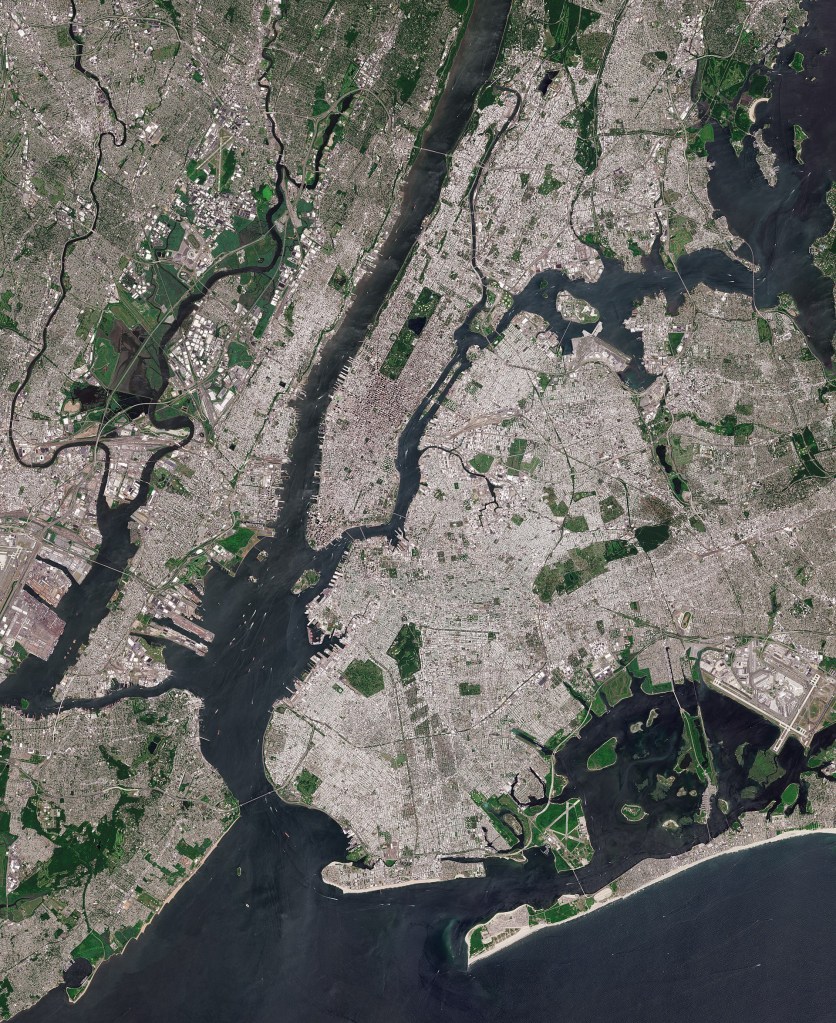
    See question three. Aerial view of the New York City metropolitan area.
    Image Wikimedia Commons

    The first question concerns an island and is linked to today’s date, April 5th. The other questions aren’t date-related but continue the island theme including a wee bonus at the end.

    One

    On 5 April 1946, Soviet military forces ended their year-long occupation of what island in the Baltic Sea?

    Answer: Bornholm, Denmark.

    On 9 May 1945, Soviet forces captured Bornholm after German commander Gerhard von Kamptz refused to surrender, preferring the Western Allies. Soviet air raids destroyed over 800 houses and killed 10 civilians. The Soviet Union occupied Bornholm for 11 months post-World War II, despite its location east of the agreed East-West dividing line. Initially seen as a bargaining chip for Soviet influence in Denmark, the occupation aimed to secure Western goodwill and focus resources on the war with Japan and Eastern Europe’s reconstruction. The Soviets withdrew on 5 April 1946, reinforcing Denmark’s alignment with the west.


    Not date related anymore but continuing the island theme.

    Two

    Of what island nation is Antananarivo the capital city?

    Answer: Madagascar.

    Madagascar, the fourth largest island, is situated off the southeastern coast of Africa. Although close to Africa, its population, language, and culture are more akin to Indonesia, while its unique wildlife and vegetation differ significantly from the continent. As an island nation in the Indian Ocean, Madagascar is celebrated for its unique biodiversity due to its long isolation. It gained independence from France in 1960 but has since faced political instability, transitioning through four republics. Despite economic growth, Madagascar remains a least-developed country with notable income disparities and a low quality of life for many.


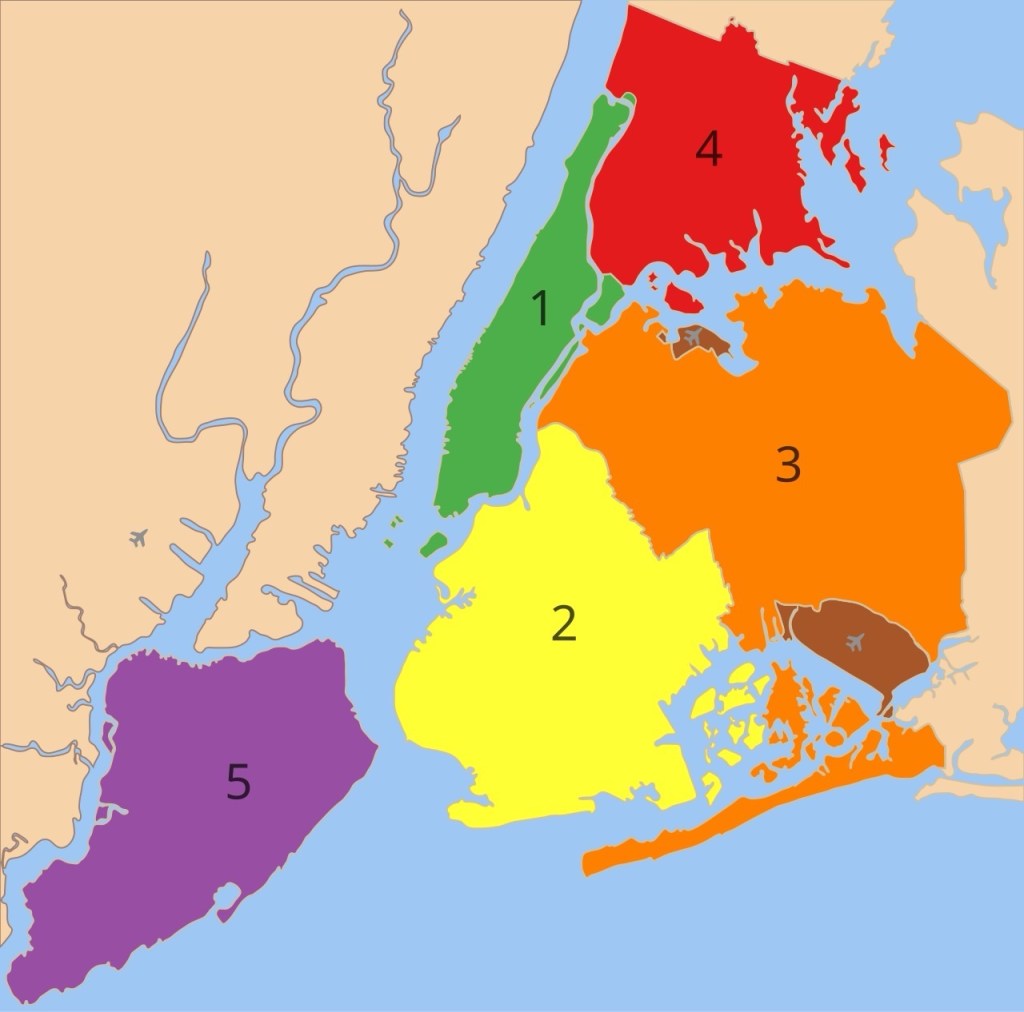
    New York City’s Five Boroughs: 1. Manhattan; 2. Brooklyn; 3. Queens; 4. The Bronx and 5. Staten Island. JFK and La Guardia Airports are shown (brown) in lower and upper Queens.
    Image Wikimedia Commons

    Three

    Brooklyn and Queens, two of New York’s five boroughs, are mainly located on what island? 

    Answer: Long Island.

    Brooklyn and Queens are both at the western end of Long Island. The Bronx is the only borough mostly on the mainland. The remaining boroughs are Manhattan, chiefly on Manhattan Island, and Staten Island.


    Four

    What two distinct islands are home to the Althing and the Tynwald, the oldest legislatures in the world?

    Answers: Iceland; Isle of Man.

    Guinness World Records describe the Althing and the Tynwald thus…

    The oldest recorded legislative body is the Icelandic Althing, founded in AD930. This body, which originally comprised 39 local chieftains at Thingvellir, was abolished in 1800 but restored by Denmark to a consultative status in 1843 and a legislative status in 1874. It is often cited as the oldest existing parliament. However, the legislative assembly with the oldest continuous history is the Isle of Man Tynwald, which may have its origins in the late ninth century and hence possibly pre-date the Althing.
    — Guinness World Records


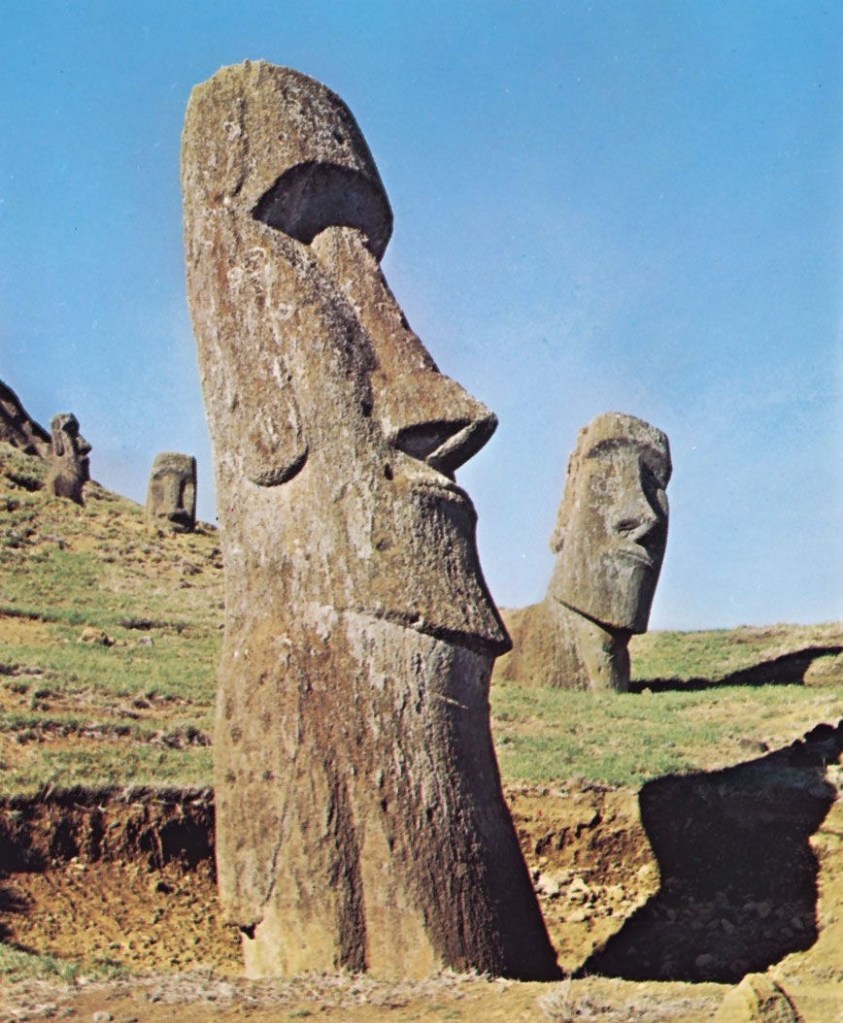
    Sculptures cut from volcanic rock, Easter Island.
    Image Encyclopædia Britannica

    Five

    On what island are these sculptures located?

    Answer: Easter Island.

    Easter Island, a special territory of Chile in the eastern Pacific Ocean, is renowned for its nearly 1,000 moai statues created by the early Rapa Nui people. Originally called Rapa Nui, the island has a mixed population predominantly of Polynesian descent. In 1995, UNESCO named Easter Island a World Heritage Site, with much of the island protected within Rapa Nui National Park.


    Islands in the Stream

    Today’s post title managed to top the U.S. Billboard Hot 100 as well as several other national charts in 1983-84. What performer(s) achieved this success, and who wrote the song?

    Answer: Kenny Rogers and Dolly Parton; (songwriters were) Barry, Robin and Maurice Gibb.

    Islands in the Stream, a Bee Gees song recorded by Kenny Rogers and Dolly Parton, reached number one on the Billboard Hot 100 and topped the Country and Adult Contemporary charts. It was certified triple Platinum by the RIAA.


  • Islands in the Stream

    See question three. Aerial view of the New York City metropolitan area.
    Image Wikimedia Commons

    The first question concerns an island and is linked to today’s date, April 5th. The other questions aren’t date-related but continue the island theme including a wee bonus at the end.

    One

    On 5 April 1946, Soviet military forces ended their year-long occupation of what island in the Baltic Sea?


    Not date related anymore but continuing the island theme.

    Two

    Of what island nation is Antananarivo the capital city?


    Three

    Brooklyn and Queens, two of New York’s five boroughs, are mainly located on what island? 


    Four

    What two distinct islands are home to the Althing and the Tynwald, the oldest legislatures in the world?


    Image Encyclopædia Britannica

    Five

    On what island are these sculptures located?


    Islands in the Stream

    Today’s post title managed to top the U.S. Billboard Hot 100 as well as several other national charts in 1983-84. What performer(s) achieved this success, and who wrote the song?

    Good luck! I’ll post the answers later.