Answers to the questions in the earlier post are shown in bold below.
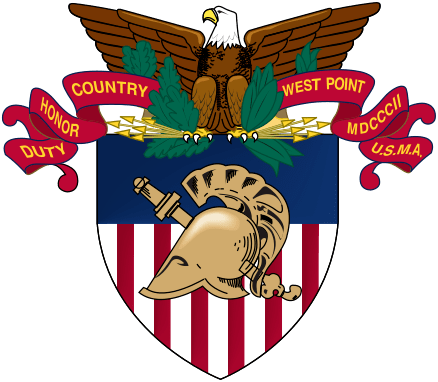
US Military Academy, West Point, Coat of Arms Image Wikipedia
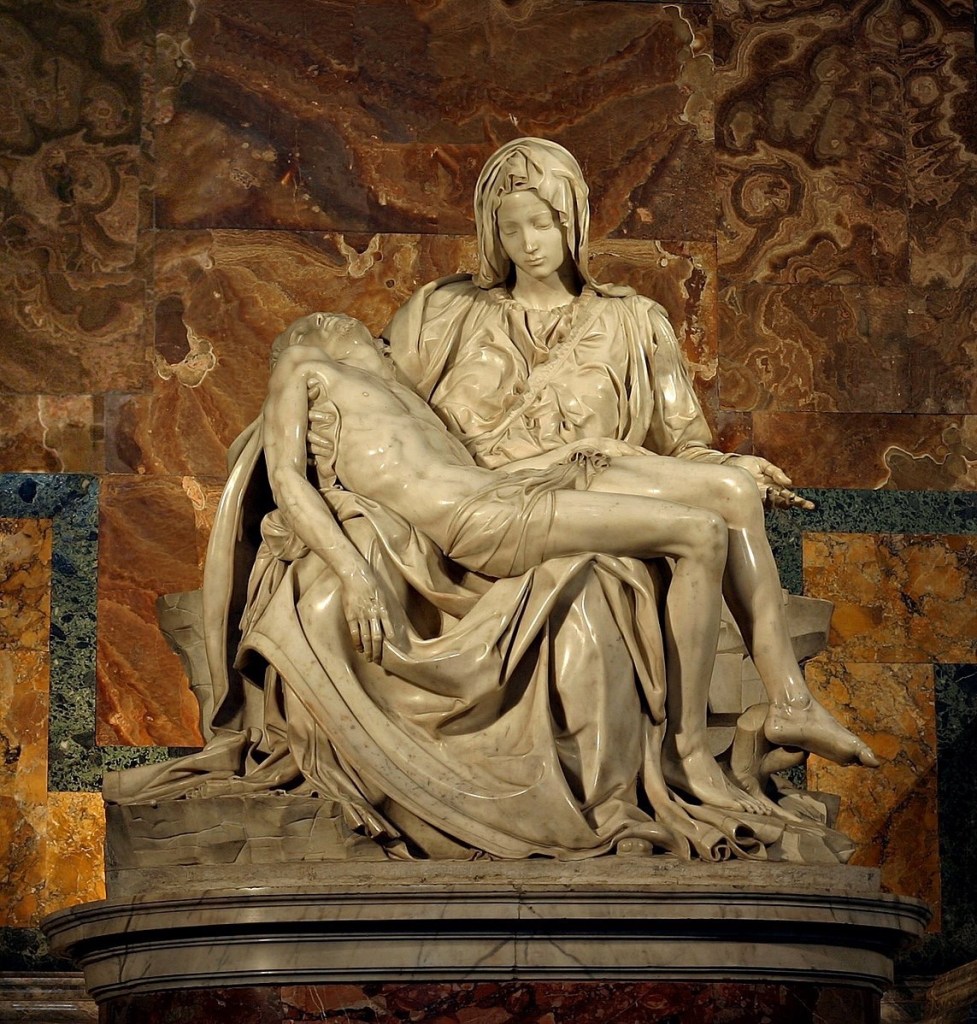
West Point military academy—Edgar Allan Poe attended the United States Military Academy at West Point in 1830. His time there was marked by academic success in subjects like mathematics, but he struggled with the strict military discipline. Poe deliberately sought dismissal by neglecting his duties and violating academy regulations. His tenure at West Point was brief, lasting less than a year, but it significantly influenced his literary career, as he turned his focus entirely to writing after leaving the academy. Pietà (1498–1499), by Michaelangelo. St. Peter’s Basilica, Vatican City Image Wikipedia
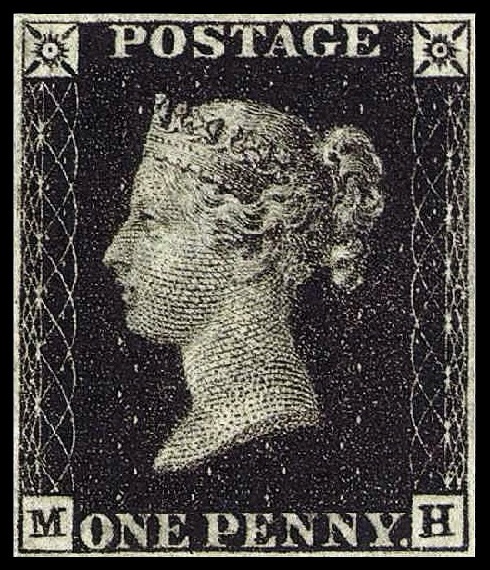
1475—Michelangelo di Lodovico Buonarroti Simoni (1475–1564), known simply as Michelangelo, was an influential Italian sculptor, painter, architect and poet of the High Renaissance. Born in Florence, his work drew inspiration from classical antiquity, leaving a profound impact on Western art. Renowned for masterpieces like the Sistine Chapel ceiling and the statue of David, Michelangelo epitomised the Renaissance man alongside Leonardo da Vinci. His exceptional talents spanned multiple disciplines, and extensive surviving records highlight his artistic journey. Celebrated by contemporaries, Michelangelo remains one of the most documented and revered artists of the 16th century. Penny Black with Queen Victoria profile. Image Wikipedia
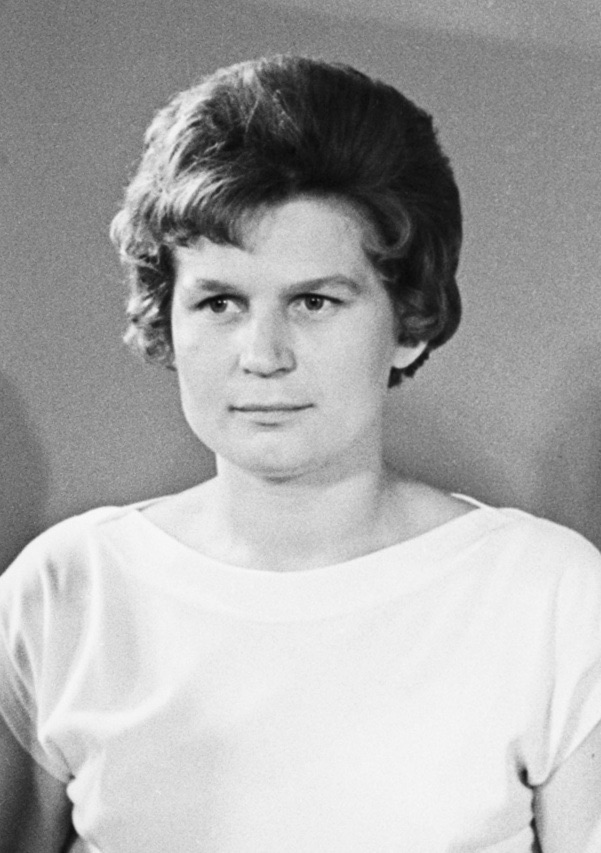
Victoria, queen of Great Britain —The Penny Black, introduced in the United Kingdom on 1 May 1840 and valid from 6 May, was the world’s first adhesive postage stamp for public postal use. Featuring Queen Victoria’s profile, it revolutionised postal services based on Sir Rowland Hill’s proposal to simplify complex, costly rates. Prior to this, recipients paid postage based on distance and sheet count. The Penny Black marked a shift to sender-paid postage, enabling letters up to ½ ounce (14 grams) to be delivered nationwide for a uniform rate of one penny, streamlining and democratising communication across distances. Valentina Tereshkova. Image Wikipedia
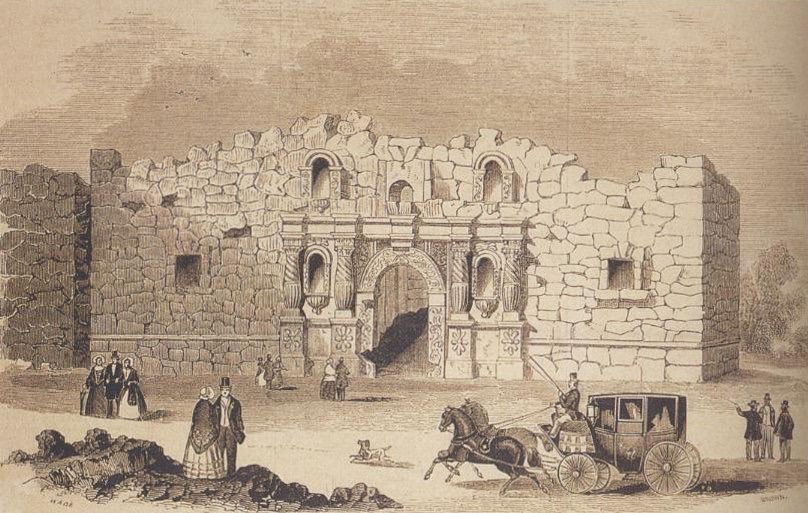
Valentina Tereshkova—Valentina Tereshkova, a Russian engineer and former Soviet cosmonaut, was the first woman in space, completing a solo mission on Vostok 6 in 1963. It was her only space flight. This is a drawing of the Alamo Mission in San Antonio. It was first printed in 1854 in Gleason’s Pictorial Drawing Room Companion and was reprinted in Frank Thompson’s 2005 “The Alamo”, p 106. Image Wikipedia
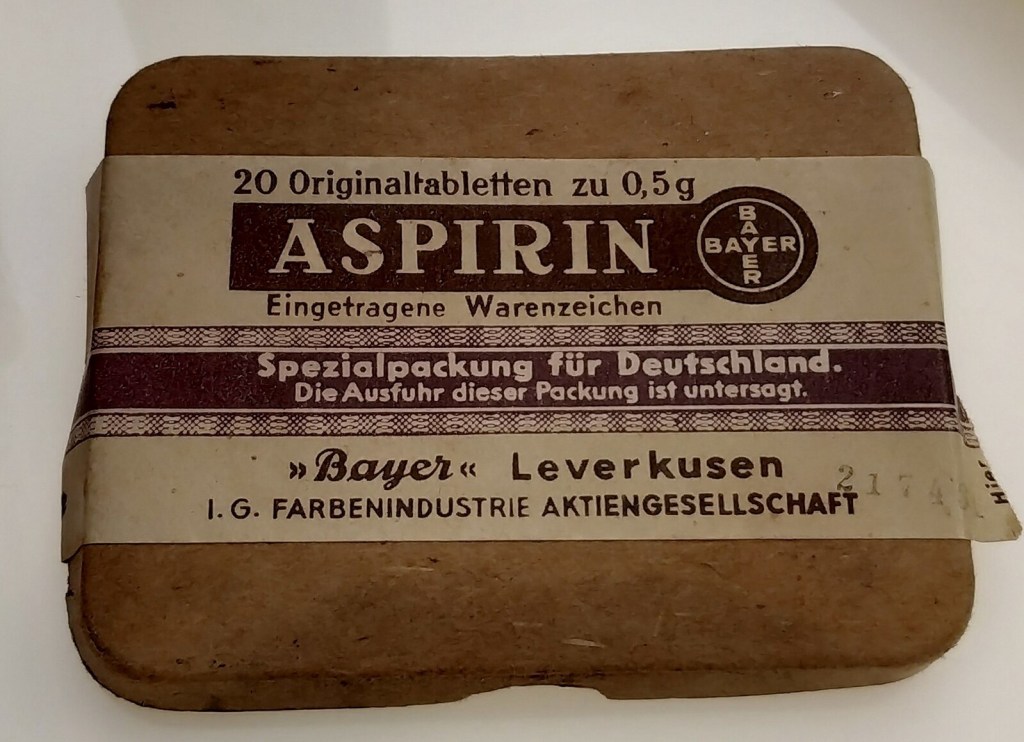
13 days—The Siege of the Alamo took place from 23 February to 6 March 1836 during the Texas Revolution. Mexican forces led by General Antonio López de Santa Anna besieged the Alamo Mission in San Antonio, defended by Texian rebels including James Bowie, William B. Travis and Davy Crockett. Despite fierce resistance, the Texians were vastly outnumbered. After 13 days of relentless bombardment and attacks, the Mexican army overran the mission, killing nearly all defenders. The defeat became a rallying cry, “Remember the Alamo!”, inspiring Texian forces to eventual victory in the revolution. Old Package of Aspirin, 20 tabs 0.5 g Image Wikipedia
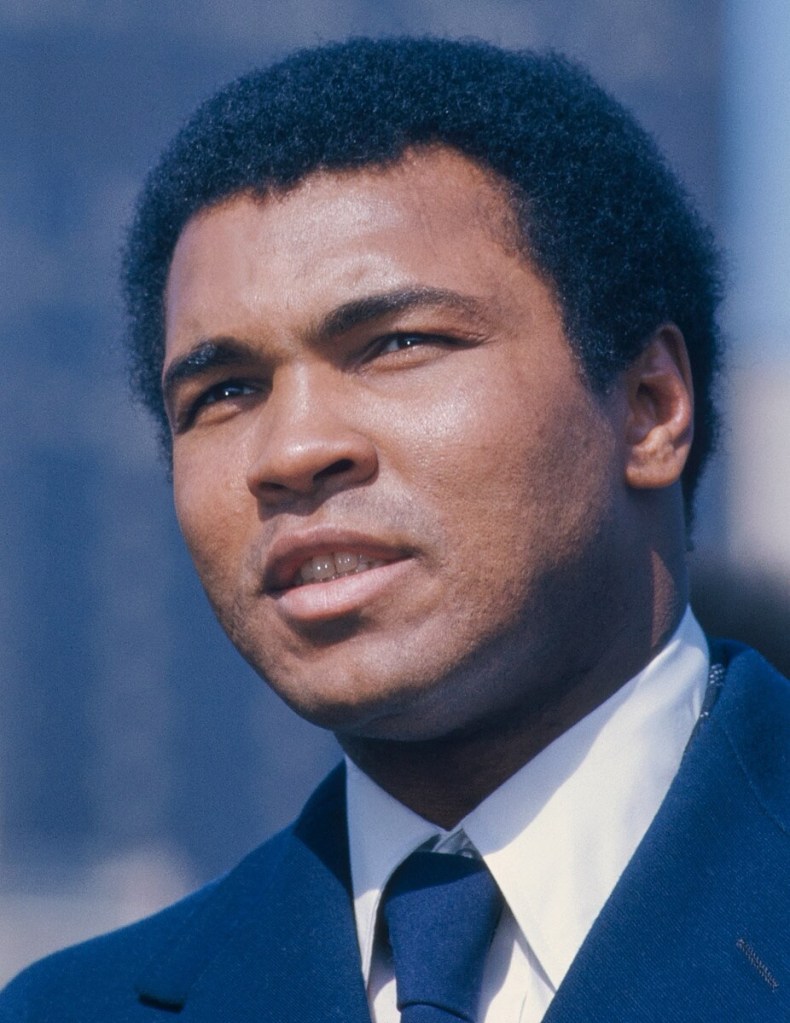
Aspirin—Aspirin, a genericized trademark for acetylsalicylic acid (ASA), is a nonsteroidal anti-inflammatory drug (NSAID) used to alleviate pain, fever, and inflammation and as an antithrombotic. It treats specific inflammatory conditions like Kawasaki disease, pericarditis, and rheumatic fever. Long-term use helps prevent heart attacks, ischaemic strokes and blood clots in high-risk individuals. Effects for pain or fever usually start within 30 minutes. Aspirin functions like other NSAIDs but uniquely suppresses platelet function. Muhammad Ali. Image Wikipedia
Cassius Clay—In 1964, Cassius Clay stunned the world by defeating Sonny Liston to win the heavyweight championship, defying the odds as an underdog. Just two days after his historic victory, Clay made headlines again by announcing his conversion to the Nation of Islam. This pivotal decision marked a profound personal transformation, as he embraced the teachings of Elijah Muhammad. On 6 March 1964, he adopted the name Muhammad Ali, symbolising his new identity and faith. Ali’s name change reflected not just a religious shift but a declaration of self-determination, which resonated throughout his illustrious boxing career and beyond. World Premiere Poster, 1853 Image Wikipedia
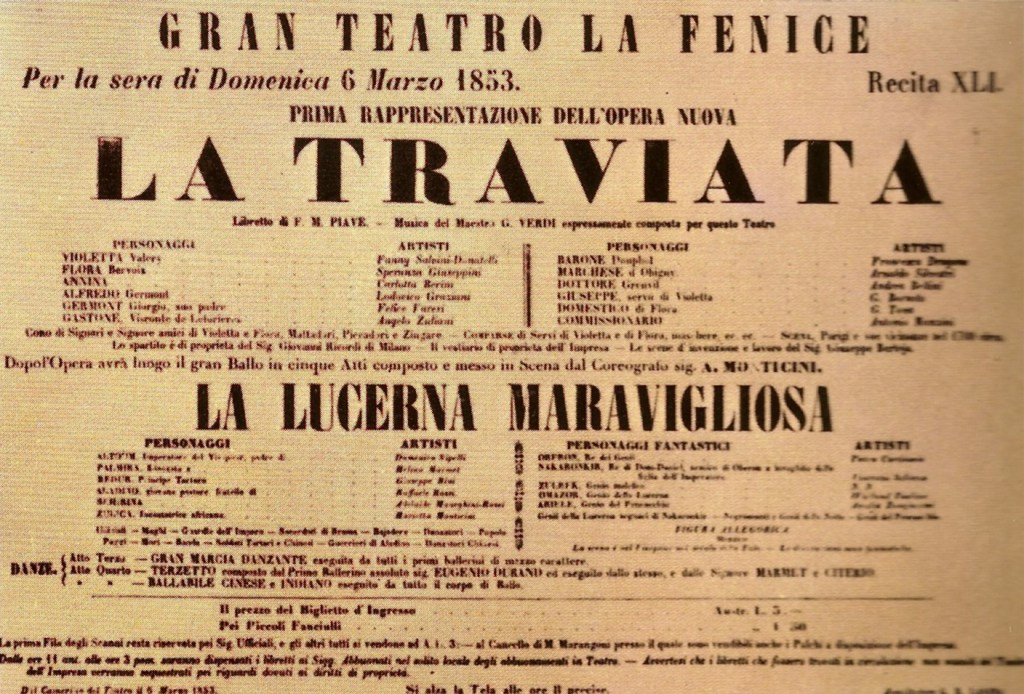
Fiasco—La traviata premiered at La Fenice, Venice, in March 1853, amidst Verdi’s lingering apprehensions. The production faced hurdles from the start: Verdi disagreed with the casting of 38-year-old Fanny Salvini-Donatelli as Violetta, feeling she was ill-suited for the role of a youthful, consumptive heroine. Despite Verdi’s protests, no changes were made. The opening act received applause, but enthusiasm waned in the second act, where performances by baritone Felice Varesi and tenor Lodovico Graziani met with disapproval. Verdi later lamented in a letter, “La traviata last night a failure. Was the fault mine or the singers’? Time will tell.” He further said, “It was a fiasco!” Eleanor Roosevelt with female reporters at her first White House press conference on March 6, 1933. Credit: FDR Presidential Library & Museum Image via National Woman’s History Museum
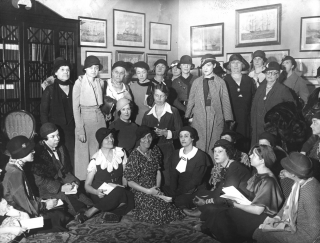
Eleanor Roosevelt—Eleanor Roosevelt recounted to journalist Lorena Hickok that the first White House press conference for women reporters, held on 6 March 1933—two days after FDR’s inauguration—was held in the Red Room. Thirty-five women attended, but there weren’t enough chairs, so some sat on the floor. These weekly conferences, open only to women, helped preserve their jobs and ensured news access. As Mrs Roosevelt noted without fresh stories, women reporters risked losing their jobs. The conferences focused on topics of interest to women, avoiding politics. Over twelve years, 348 conferences provided the First Lady with a national audience and significant publicity. Dmitri Mendeleev. Image Wikipedia
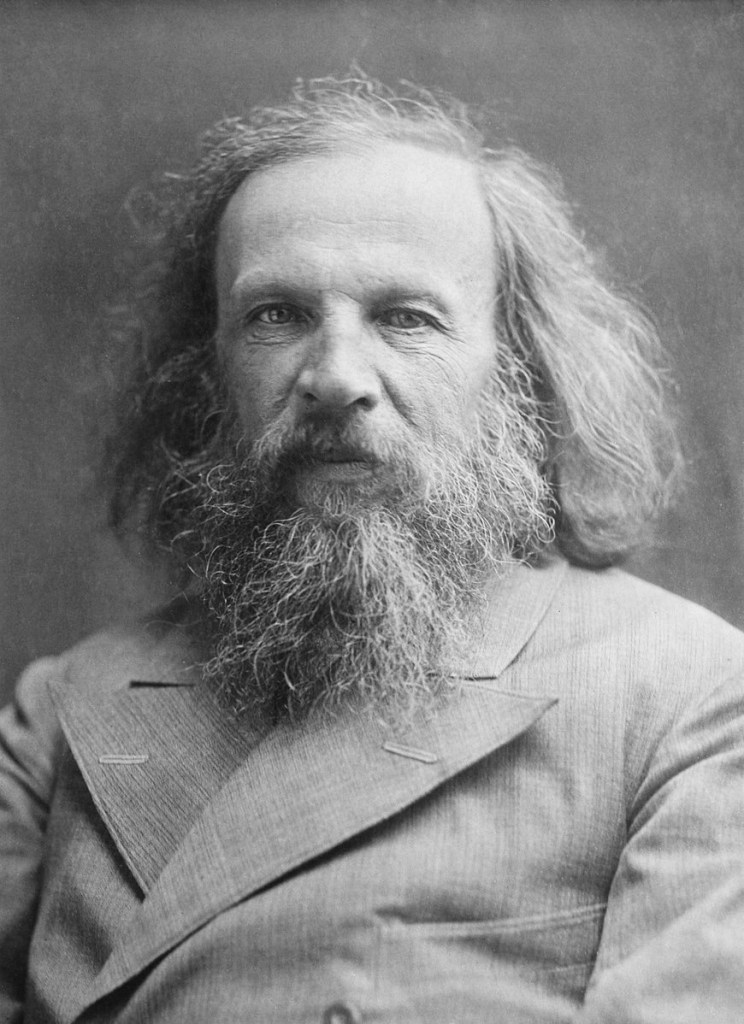
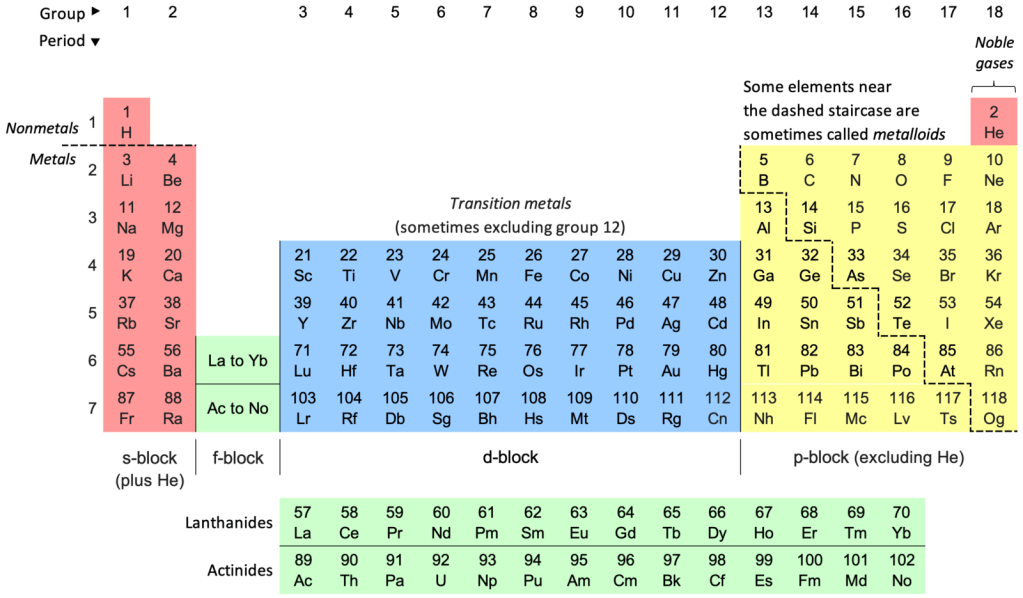
1869—On 6 March 1869, a scientist presented to the Russian Chemical Society about how elements’ properties relate to their atomic weights. He found that elements arranged by atomic weight show a pattern in their properties. Similar elements often have similar atomic weights or a regular increase in weight. Elements in groups based on atomic weight also match their valencies and chemical properties. He noted that widely spread elements have small atomic weights and that atomic weight influences an element’s nature. He predicted the discovery of new elements and suggested that atomic weights could help predict element properties.
Coloured periodic table showing the most common sets of elements (2023) Image WikipediaPietà (1498–1499), by Michaelangelo. St. Peter’s Basilica, Vatican City Image Wikipedia
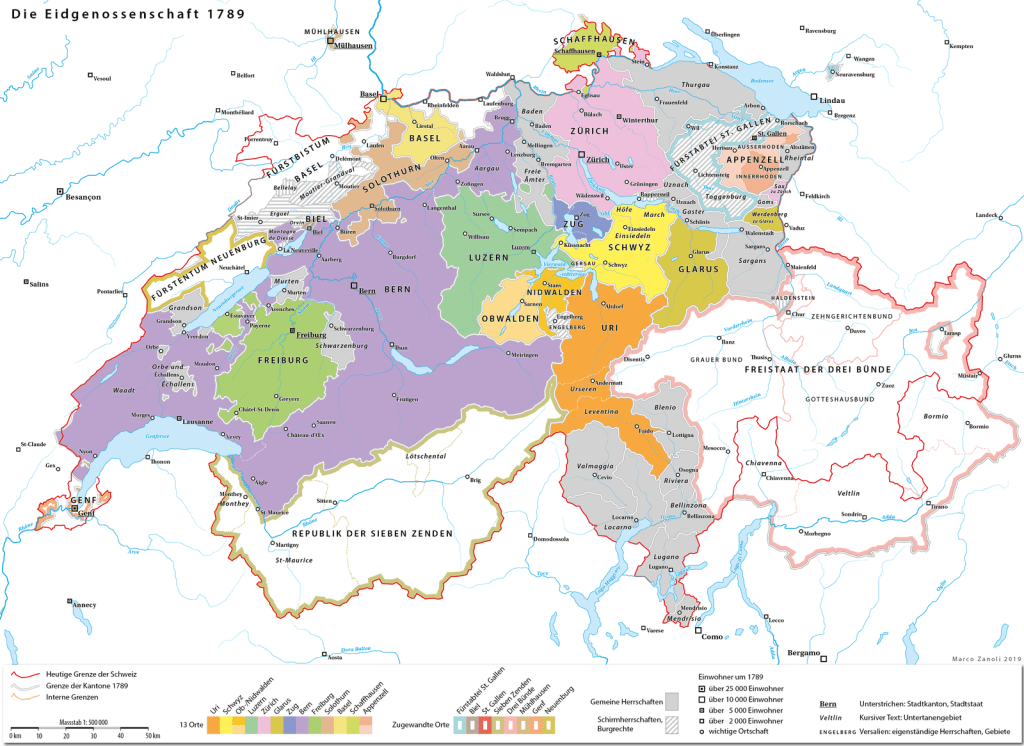
Map of the Old Swiss Confederacy, 1789 Image Wikipedia
The answers to the four questions posted earlier are in bold below.
Switzerland—The period of the thirteen cantons in Swiss history, from 1513 to 1798, involved the Old Swiss Confederacy, a loose union of thirteen sovereign cantons united for mutual defence and foreign policy. These cantons were diverse in religion and culture, with some Catholic and others Protestant post-Reformation. The confederacy expanded in the 16th century due to its mercenary strength, gaining autonomy from the Holy Roman Empire while maintaining cantonal independence through treaties. Internal conflicts like the Wars of Kappel highlighted religious divisions, yet peace and neutrality prevailed. The era ended with the French invasion in 1798, leading to the Helvetic Republic and centralised governance.
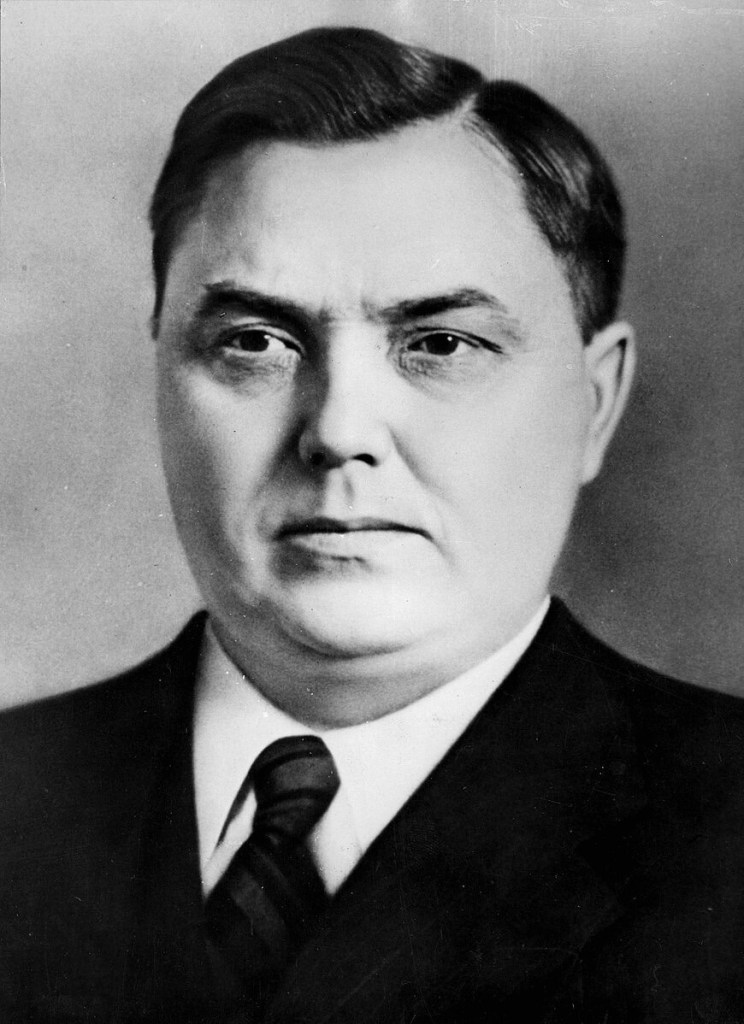
Georgy Malenkov Image Wikipedia
Georgy Maximilianovich Malenkov—Georgy Malenkov served as the Premier of the Soviet Union from 1953 to 1955, succeeding Joseph Stalin. He aimed to improve the economy by focusing on consumer goods and agriculture, but faced opposition within the Communist Party. Malenkov also sought to decentralise the administration and reduce secret police power, but his reforms were resisted. In 1955, he resigned after a power struggle with Nikita Khrushchev, being replaced by Nikolai Bulganin. His tenure marked a brief shift towards economic reforms and a more open political atmosphere, which was reversed after his departure.
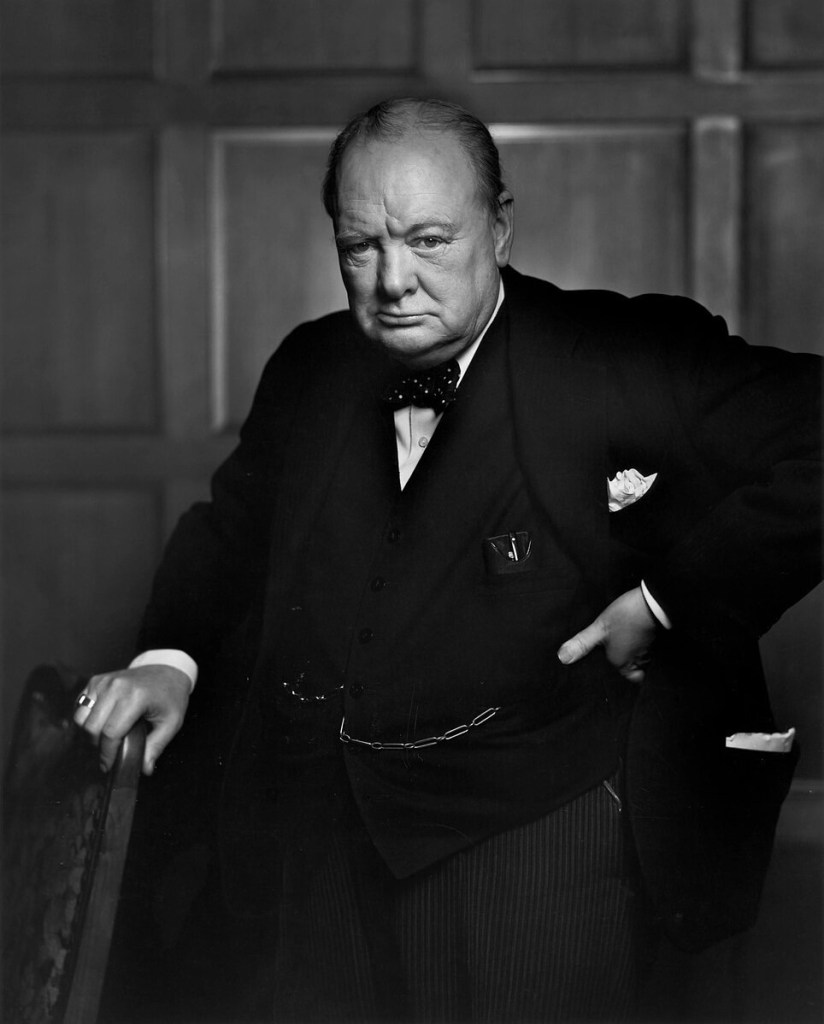
Winston Churchill, 1941 Image Wikipedia
Winston Churchill—Churchill’s Iron Curtain speech, delivered on March 5, 1946, at Westminster College, Fulton, Missouri, highlighted the need for the US and Britain to counter Soviet communism, which had created a political and ideological barrier across Europe. The term “iron curtain” described the USSR’s post-World War II isolation of eastern and central Europe from the West. Post-war, Western leaders were divided on how to engage with the Soviet Union, with some fearing Stalin’s expansionism and others believing in potential peace. Churchill and American diplomat George Kennan advocated for a containment policy, opposing Soviet expansion and advocating for Western military counterpressure. The relevant paragraph from his speech reads… “From Stettin in the Baltic to Trieste in the Adriatic an iron curtain has descended across the Continent. Behind that line lie all the capitals of the ancient states of Central and Eastern Europe. Warsaw, Berlin, Prague, Vienna, Budapest, Belgrade, Bucharest and Sofia, all these famous cities and the populations around them lie in what I must call the Soviet sphere, and all are subject in one form or another, not only to Soviet influence but to a very high and, in some cases, increasing measure of control from Moscow.” (The National Archives, full text.)
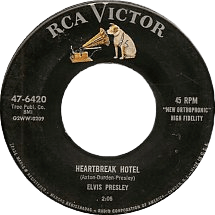
Heartbreak Hotel. Image Wikipedia
Heartbreak Hotel—Heartbreak Hotel by Elvis Presley, released on January 27, 1956, was his first single with RCA Victor. Written by Mae Boren Axton, Tommy Durden, and Presley, it was inspired by a newspaper article about a man’s suicide. Recorded on January 10, 1956, with the Blue Moon Boys, Chet Atkins, and Floyd Cramer, it features an eight-bar blues progression and heavy reverberation. The song topped multiple charts, became Presley’s first million-seller, and was certified double platinum. It was inducted into the Grammy Hall of Fame in 1995 and named one of Rolling Stone’s 500 Greatest Songs of All Time in 2004.
Here are the answers to the questions posed earlier today plus some additional information.
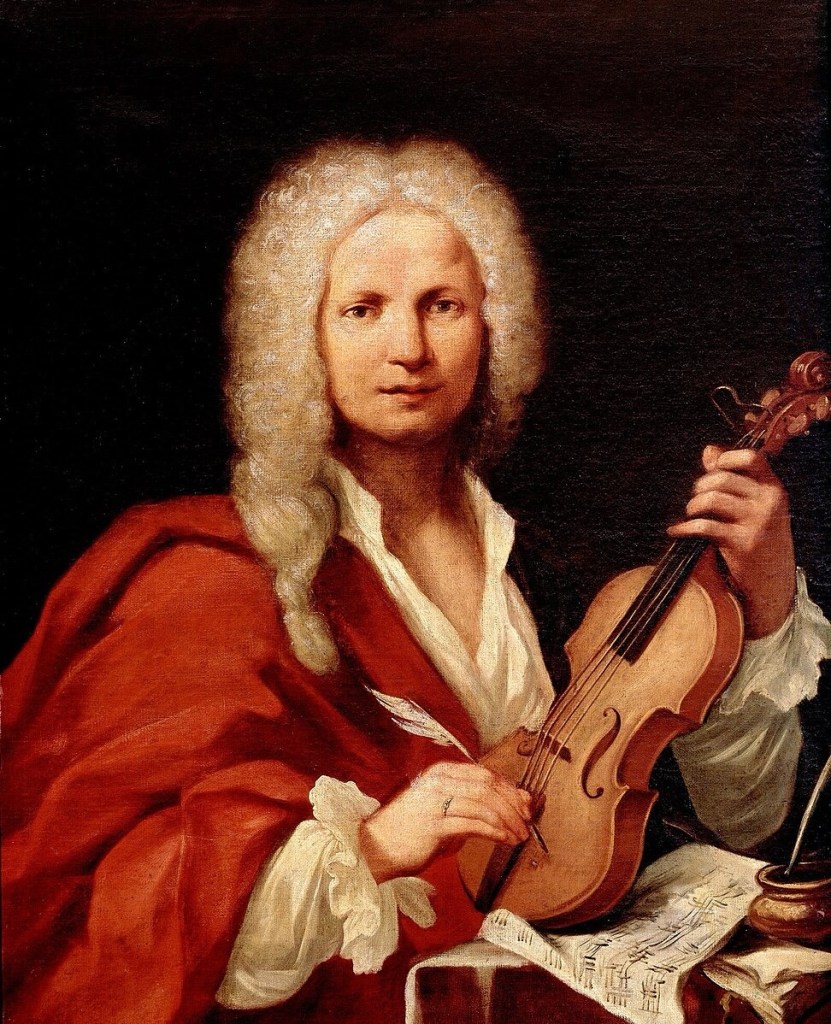
A portrait in oils in the Museo Internazionale e Biblioteca della Musica di Bologna is generally believed to be of Vivaldi. Image Wikipedia
Venice, Republic of Venice (now Italy)—Antonio Lucio Vivaldi (1678–1741) was a pivotal Italian composer and violinist of the Baroque era, known for his innovative contributions to orchestration, violin technique and the concerto form. Born in Venice, he was ordained a priest in 1703, earning the nickname Il Prete Rosso—the red priest. Vivaldi worked at the Ospedale della Pietà, composing numerous concertos, sacred works, and over fifty operas, including the famous The Four Seasons. Despite initial success, his popularity declined in the 1730s. He moved to Vienna in 1740, seeking royal support, but died in poverty. His works were rediscovered in the 1920s, reviving interest in his music.
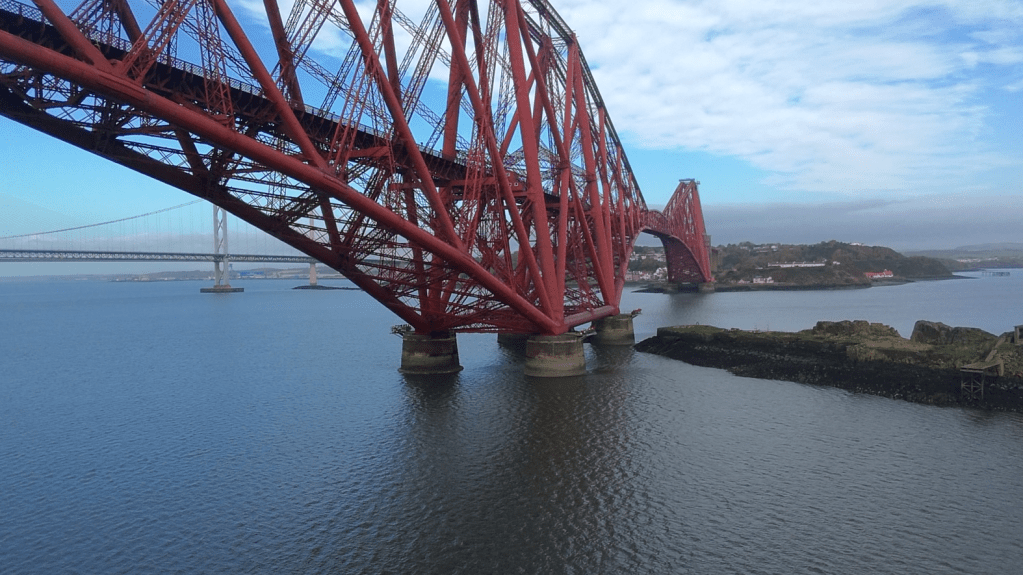
Forth Bridge pier off Inchgarvie Island. The Forth Road Bridge can be seen in the background. Image Wikipedia
Edinburgh—The Forth Bridge, a cantilever railway bridge over the Firth of Forth (Estuary of the River Forth) in Scotland, was designed by Sir John Fowler and Sir Benjamin Baker in the late 1880s and opened on 4 March 1890. Initially criticised for its aesthetics, it is now a symbol of Scotland and a UNESCO World Heritage Site. Located 9 miles west of Edinburgh, it carries the Edinburgh–Aberdeen line, is 8,094 feet (2467 m) long and features three 1,348 ft (411 m) cantilevers and two 351 ft (107 m) suspended spans, with a total clear span of 1,699 ft (518 m). Constructed with 58,000 tons of steel at a cost of £3,000,000 (£493,000,000 in 2025). Recent research by the Queensferry Historian Group has discovered that 78 men died during the construction of the bridge.
A plaque honoring Perkins at Boston’s Logan Airport. Image Wikipedia
Franklin D. Roosevelt—Frances Perkins was appointed Secretary of Labor on 4 March 1933. Born on 10 April 1880, in Boston she was a pioneering American workers-rights advocate and the first woman in the U.S. cabinet, serving as Secretary of Labour from 1933 to 1945 under President Franklin D. Roosevelt. A key figure in the New Deal coalition, she focused on labour issues and social security policy, developing the Social Security Act in 1935. Perkins championed reforms like the minimum wage, maximum workweek, and child labour restrictions. Educated at Mount Holyoke College, Wharton School, and Columbia University, she passed away on 14 May 1965, in New York.
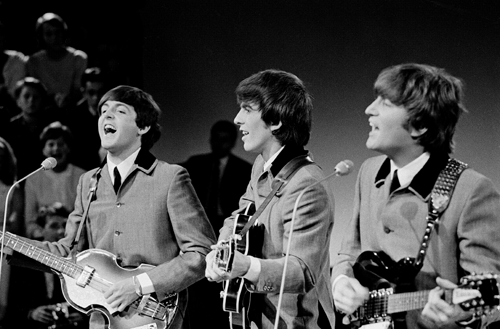
Paul McCartney, George Harrison and John Lennon during a Beatles performance for Dutch television, 1964. Image Wikipedia
John Lennon, Beatles—In 1966, during a controversial interview, John Lennon of the Beatles made a bold statement that would spark widespread debate and backlash around the world. Lennon asserted that the band had become “more popular than Jesus”. This comment was part of a larger discussion about the changing role of religion and the cultural influence of rock music, particularly among the youth of the 1960s. The remark was initially unnoticed in the UK but gained significant attention in the United States, leading to protests and record burnings by those who viewed the statement as blasphemous. Despite the uproar, the Beatles continued to dominate the music scene and influence the cultural landscape, solidifying their legacy as one of the most iconic bands in history.
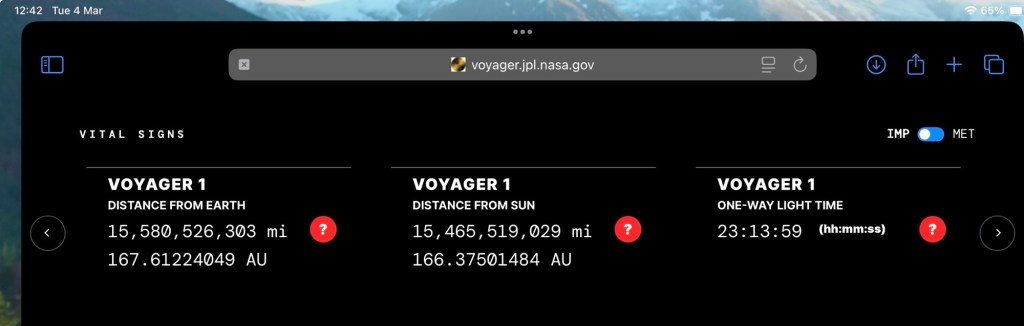
Voyager 1—Voyager 1, launched by NASA on September 5, 1977, is a pioneering interplanetary probe that visited Jupiter and Saturn, becoming the first spacecraft to reach interstellar space. Part of a twin mission with Voyager 2, it utilised a rare planetary alignment for a multiplanet tour. Voyager 1 discovered Jupiter’s ring and volcanic activity on Io, and revealed Saturn’s ring structures. It carries a gold-plated phonograph record with Earth’s images and sounds. By 2012, it entered interstellar space and is now the most distant human-made object. It is expected to operate until 2030.
Distance from Earth screenshot, 12:42 4 March 2025* Image JPL NASA Voyager
Frances Perkins was the first woman ever to serve in a presidential cabinet in the United States. Which president appointed her as the fourth US Secretary of Labor?
Calvin Coolidge
Herbert Hoover
Franklin D. Roosevelt
On 4 March 1966, it was claimed during an interview that we are ‘more popular than Jesus’. Who made this claim?
John Lennon of the Beatles
Cass Elliot of the Mamas & the Papas
Mick Jagger of the Rolling Stones
On this day in 1979 the first photograph of the rings of Jupiter (below) was sent back to Earth by what spacecraft?
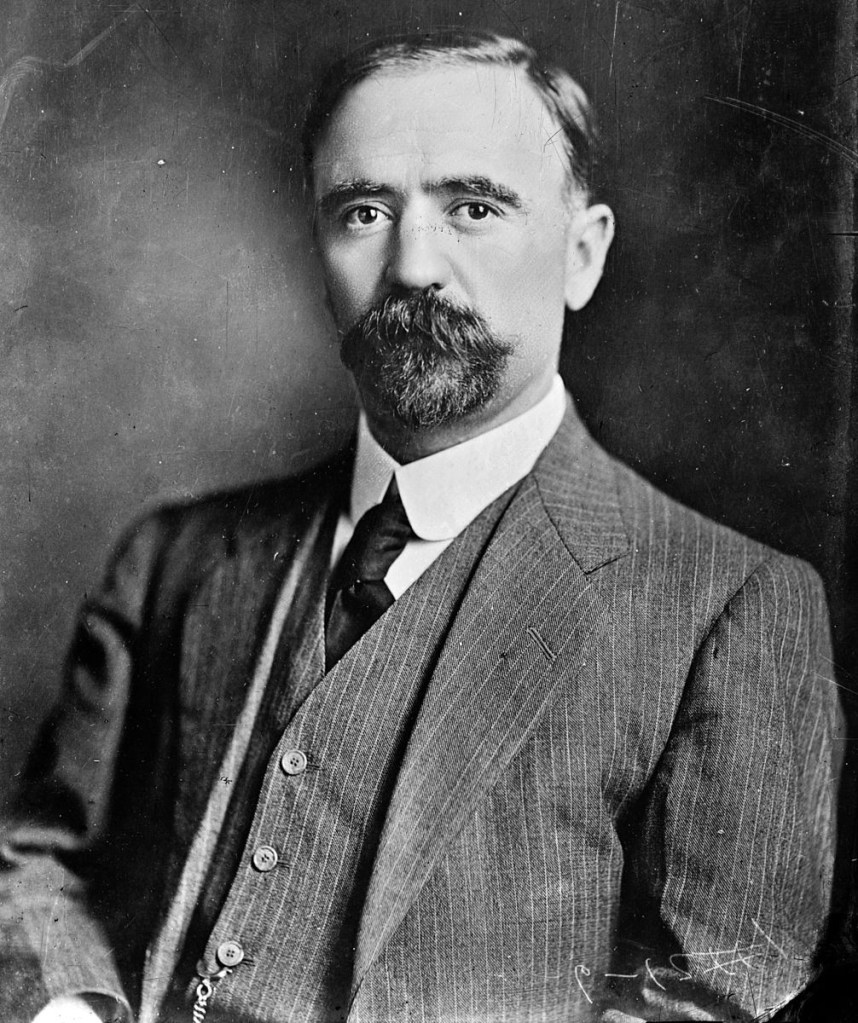
President Francisco Madero. 37th President of Mexico. [Image from Wikipedia]
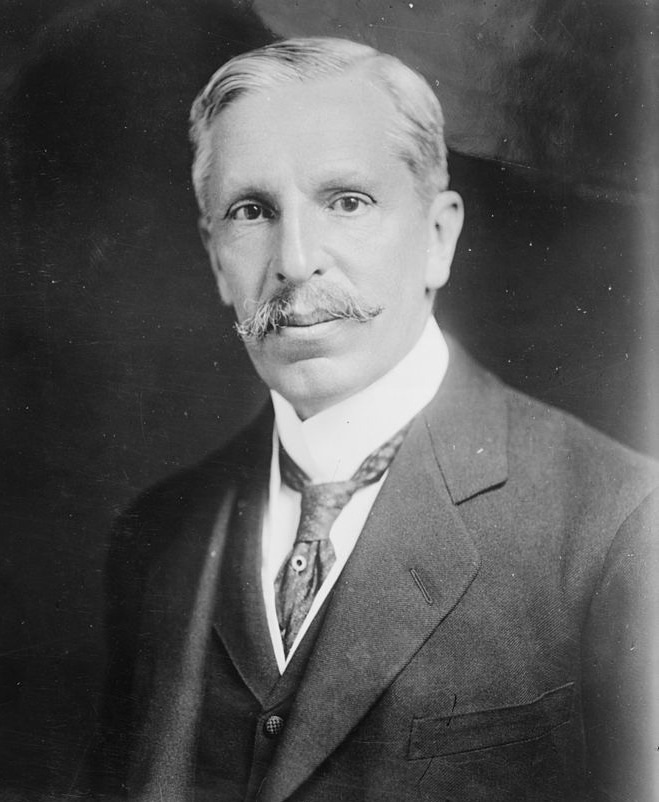
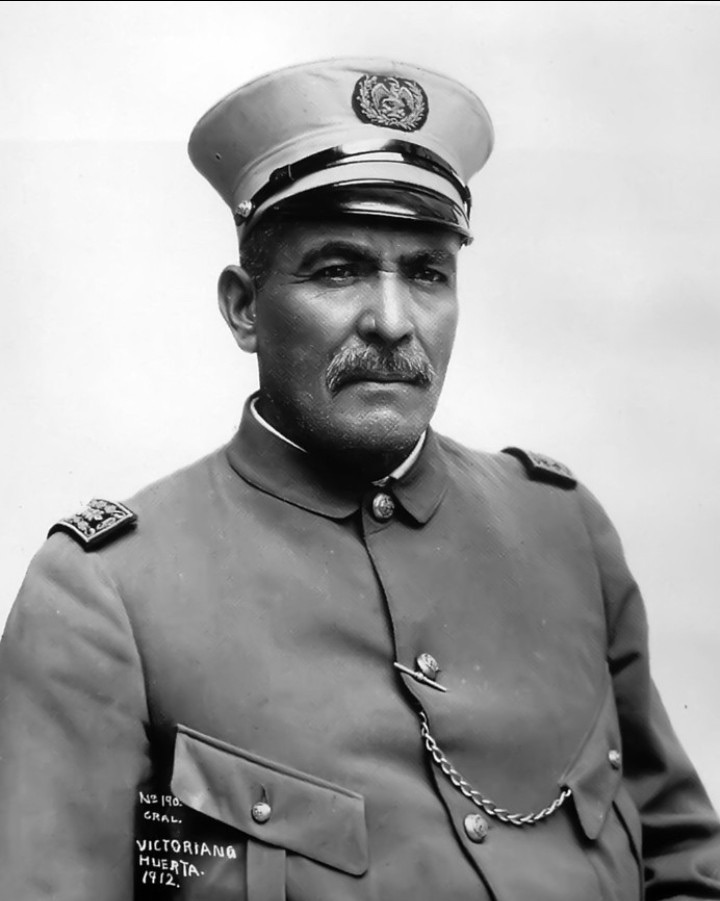
Pedro Lascuráin’s 45-minute presidency, unlike other brief period in office, was entirely intentional. Lascuráin played a crucial role in the Mexican Revolution, which involved the transfer of power from President Francisco Madero to dictator Victoriano Huerta. Here’s how it unfolded.
Pedro Lascuráin. 38th President of Mexico. [Image from Wikipedia]
As the minister of foreign affairs, Lascuráin held the third position—after the president and vice president—in the line of succession to the presidency. However, Huerta exploited this position to his advantage. He orchestrated a fake battle to create unrest and persuade Madero and his vice president to resign. Tragically, they were later murdered while attempting to flee Mexico. Lascuráin ascended to the presidency, but his tenure was marked by only one significant act: appointing Huerta as a member of his cabinet. Subsequently, he promptly resigned, paving the way for the next in line, his new cabinet minister, Victoriano Huerta.
Victoriano Huerta. 39th President of Mexico. [Image from Wikipedia]






 Quizology.Online