All of the following have a connection to today, 30 March.
On this day in 1945, British rock musician Eric Clapton was born. In 1968, Clapton appeared in a temporary supergroup with John Lennon. Which of the following was the name of the supergroup?
The Dirty Mac
The Dirty Look
The Dirty Laundry
On this day in 1981, President Ronald Reagan was the victim of a failed assassination attempt by John Hinckley, Jr. An obsession with whom was the motivation behind Hinckley’s attack on the President?
Carrie Fisher
Jane Fonda
Jodie Foster
William H. Seward, the Secretary of State under U.S. President Andrew Johnson, signed the Alaska Purchase on 30th March. This treaty ceded Russian North America to the United States. Who was the Russian Tsar at the time of the purchase?
Alexander II
Catherine II
Nicholas II
Today in 2025, Elizabeth, the Queen Mother, passed away in her sleep at Windsor at the age of 101. She was the queen consort of the United Kingdom of Great Britain and Ireland from 1936 to 1952 and the mother of Queen Elizabeth II. Where was her childhood home and the birthplace of her second daughter, Princess Margaret?
Edinburgh Castle
Glamis Castle
Eilean Donan Castle
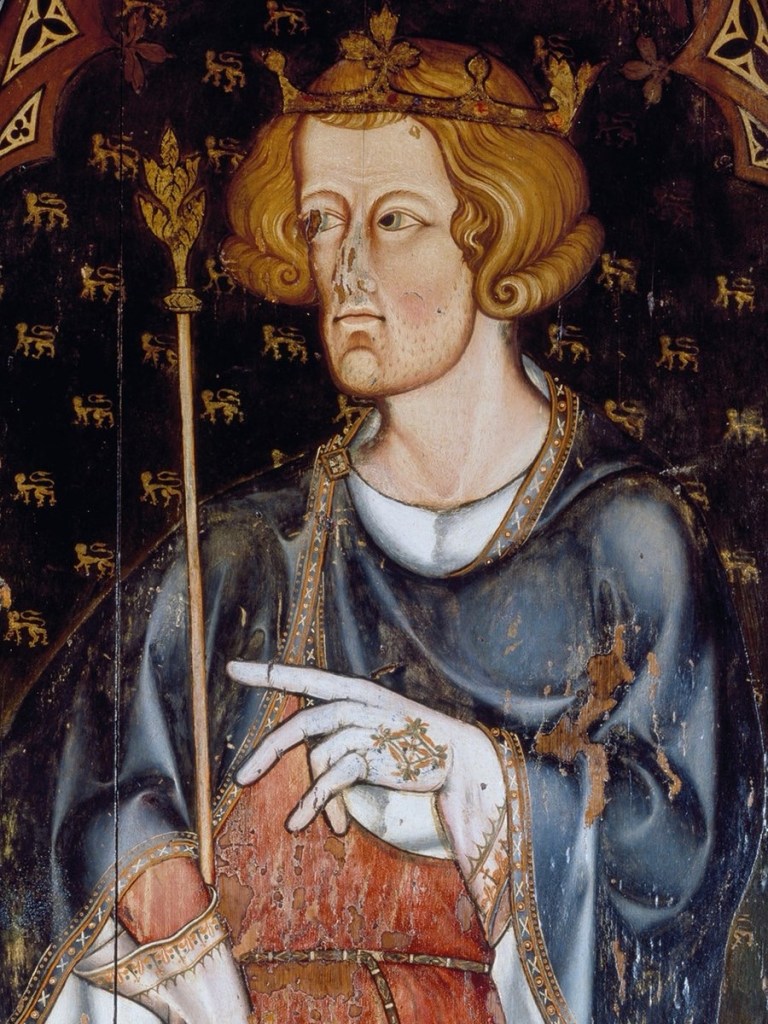
On this day in 1296, England’s King Edward I sacked a town that had changed hands over a dozen times from the 12th to the 15th century. Which town was it?
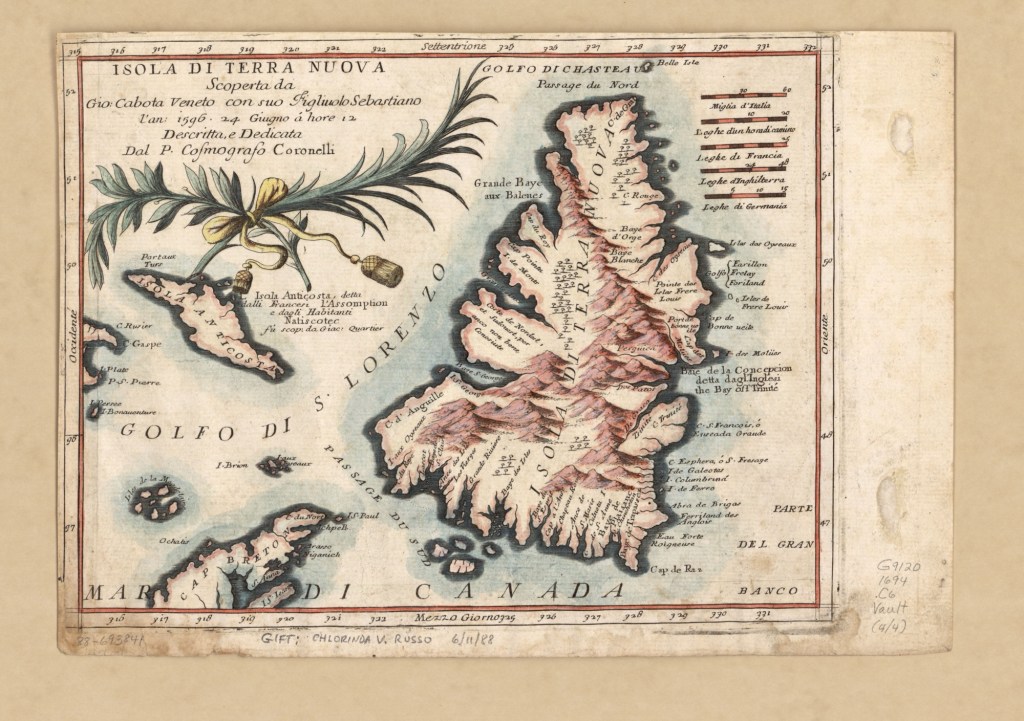
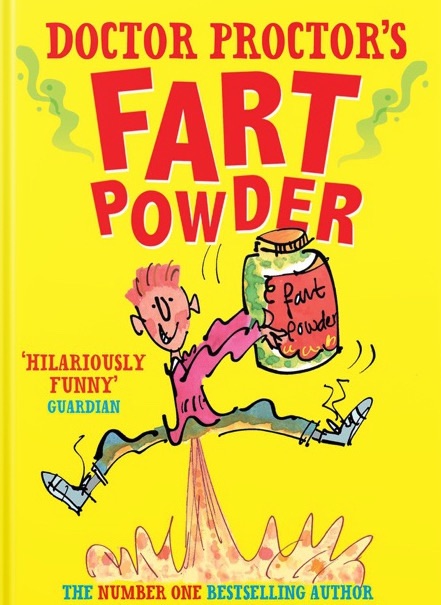
Jo Nesbø—a Norwegian author and musician, is best known for his crime novels featuring Inspector Harry Hole. He has also written children’s books, including Doctor Proctor’s Fart Powder and a retelling of Shakespeare’s Macbeth. Map of Newfoundland by Vincenzo Coronelli, 1692. Library of Congress/Wikipedia
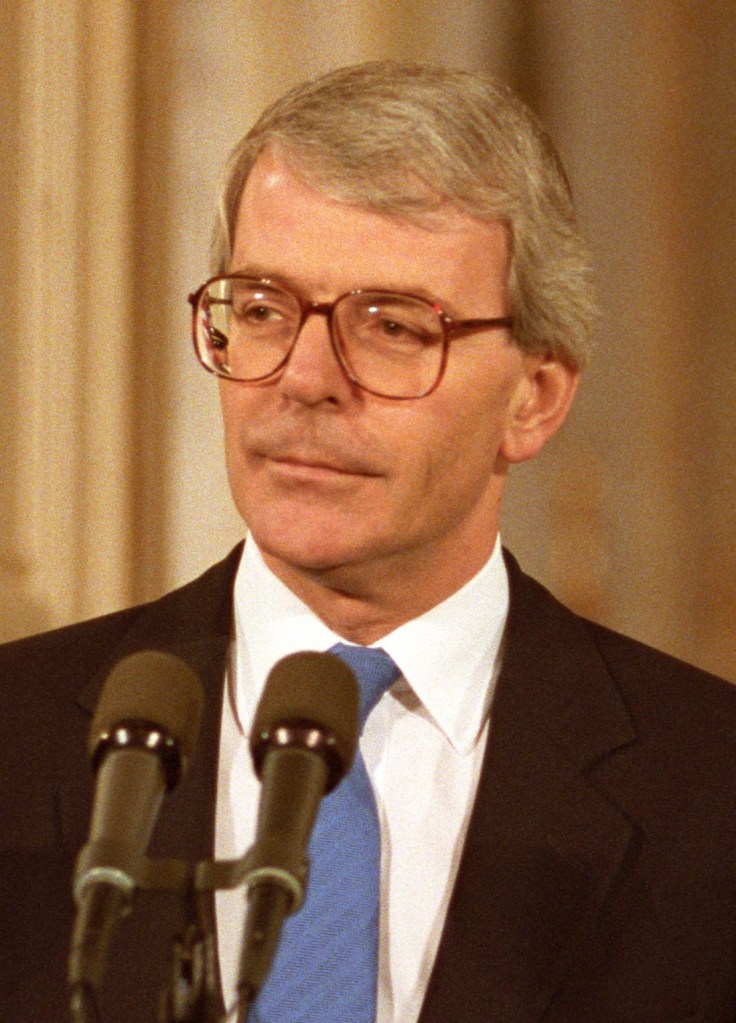
Newfoundland—The British colonies of Nova Scotia, New Brunswick, and the Province of Canada were united as the new Dominion of Canada. At the same time, the Province of Canada was split into Ontario and Quebec. Newfoundland did not become a Canadian province until 31 March 1949. John Major, 1993. Wikipedia
John Major—a British politician, served as Prime Minister from 1990 to 1997, leading the Conservative Party and overseeing the UK’s negotiations over the Maastricht Treaty. Despite an economic recovery, his government faced unpopularity and lost the 1997 general election to the Labour Party. His father had been a circus performer and music hall entertainer. A terracotta general. Wikipedia
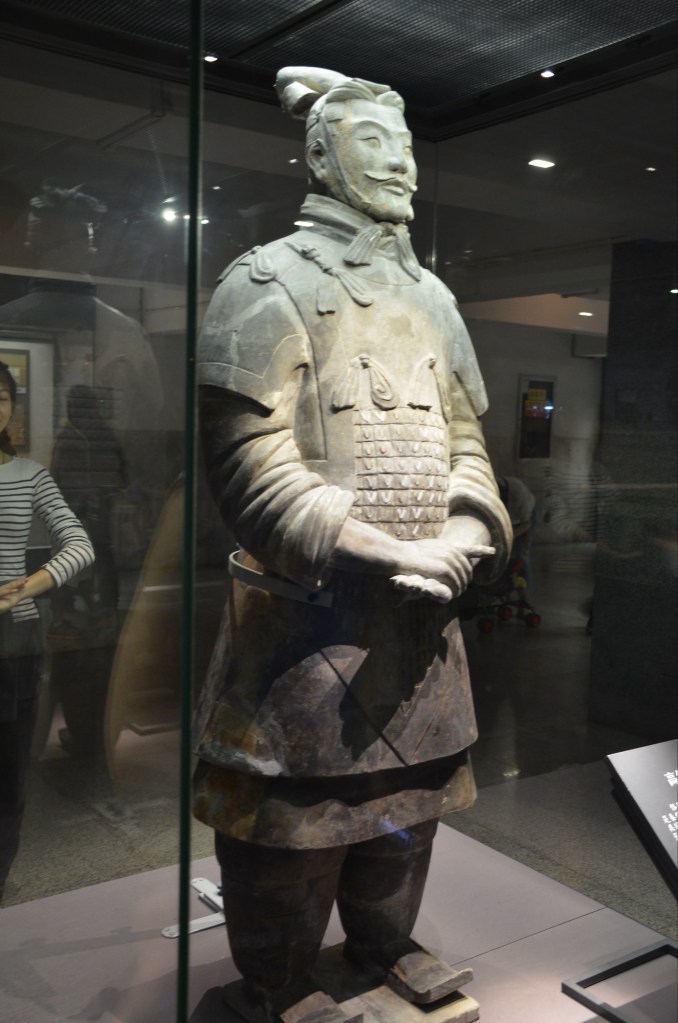
210–209 BCE—The Terracotta Army, a collection of life-size sculptures depicting the armies of Qin Shi Huang, was discovered in 1974 by local farmers in Lintong County, China. The figures, dating from the late 200s BCE, include warriors, chariots, and horses, and are estimated to number over 8,000. Letita Tyler. WikipediaJulia Gardiner Tyler. Wikipedia
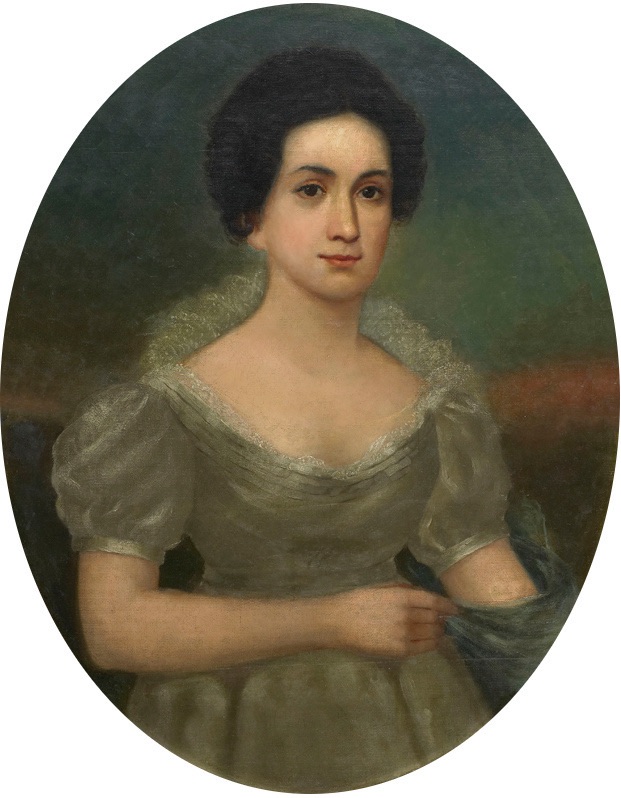
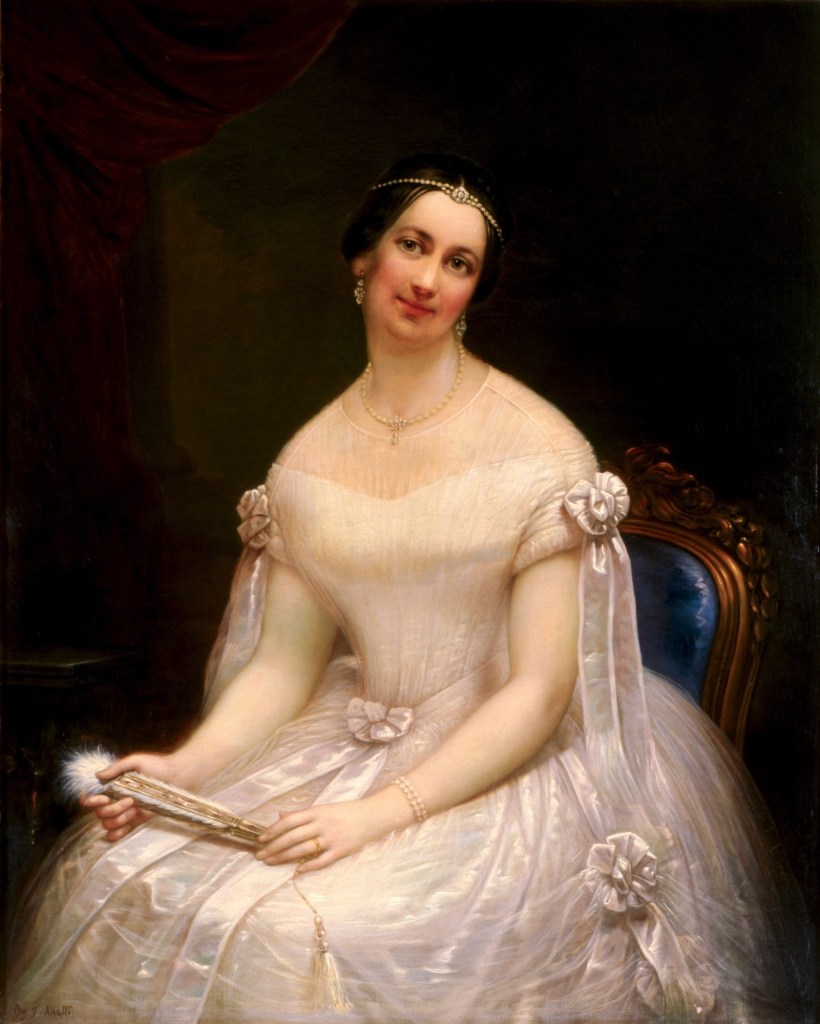
John Tyler—Born on 29 March 1790, John Tyler served as President from 1841 to 1845, taking office upon the death of President William Henry Harrison. Tragically, First Lady Letitia Tyler became the first president’s wife to die in the White House. In 1844, Tyler made history by marrying Julia Gardiner, becoming the first president to marry while in office.
All of the following are connected to today’s date, 29 March.
Doctor Proctor’s Fart Powder, originally published in 2007, was the first children’s book by which author whose birthday it is today?
Henning Mankell
Jo Nesbø
Dag Solstad
On this day in 1867, the British North America Act united colonies in a new Dominion of Canada. Which of these was NOT included in this new Dominion?
Newfoundland
Nova Scotia
New Brunswick
A former British prime minister who was born this day, wrote a book about the history of cricket, More Than a Game: The Story of Cricket’s Early Years and another about music hall, My Old Man: A Personal History of Music Hall. Who is this prime minister?
John Major
Tony Blair
Gordon Brown
The Terracotta Army, a collection of life-size sculptures depicting the armies of Qin Shi Huang, was discovered in 1974 by local farmers in Lintong County, China. The figures date from when?
210–209 BCE
406–407 CE
1153–1154 CE
A US President born on this day holds the distinction of being connected to two firsts during his tenure in office. Tragically, his wife became the first First Lady to pass away within the White House walls. A few years later, he made history as the first president to marry while in office. Can you identify this president?
John Tyler
James Buchanan
Millard Fillmore
Doctor Proctor’s Fart Powder, Front cover (cropped).
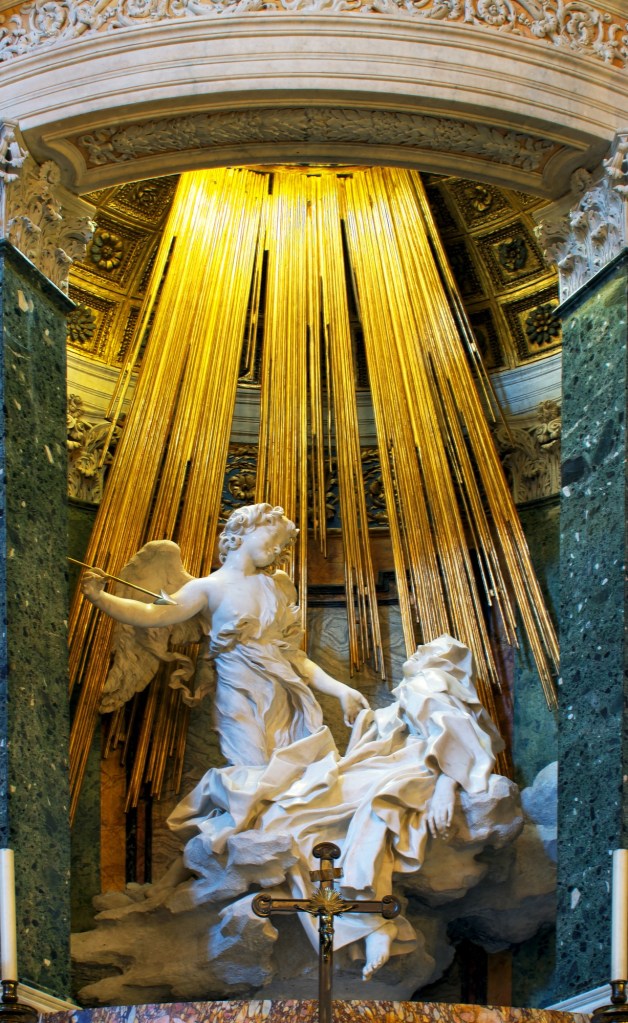
Bernini—Gian Lorenzo Bernini’s The Ecstasy of St. Teresa, depicting Teresa of Ávila’s mystical experience is in the Cornaro Chapel in Santa Maria della Vittoria, Rome. The chapel was commissioned by Federigo Cardinal Cornaro and St. Teresa is surrounded by sculptures of the cardinal and his family. Teresa of Ávila was born 28 March 1515. Istanbul. Wikipedia
Istanbul—Istanbul, Turkey’s largest city, was the capital of the Byzantine and Ottoman Empires. Located on a peninsula between Europe and Asia, it has been a strategic city for over 2,500 years. The city’s name evolved from Byzantium to Constantinople, and finally to Istanbul in 1930. Virginia Woolf. Wikipedia
Virginia Woolf—Virginia Woolf, an English writer, is known for her novels, essays, and letters. Her works, including Mrs. Dalloway and To the Lighthouse, influenced the genre through their non-linear narrative. Three Mile Island on the Susquehanna River. Wikipedia
Susquehanna River—The Three Mile Island accident near Harrisburg, Pennsylvania, in 1979 was the most serious nuclear power accident in US history. A valve malfunction caused a partial core meltdown, but fortunately, radioactive gases did not pose a threat to the surrounding population.
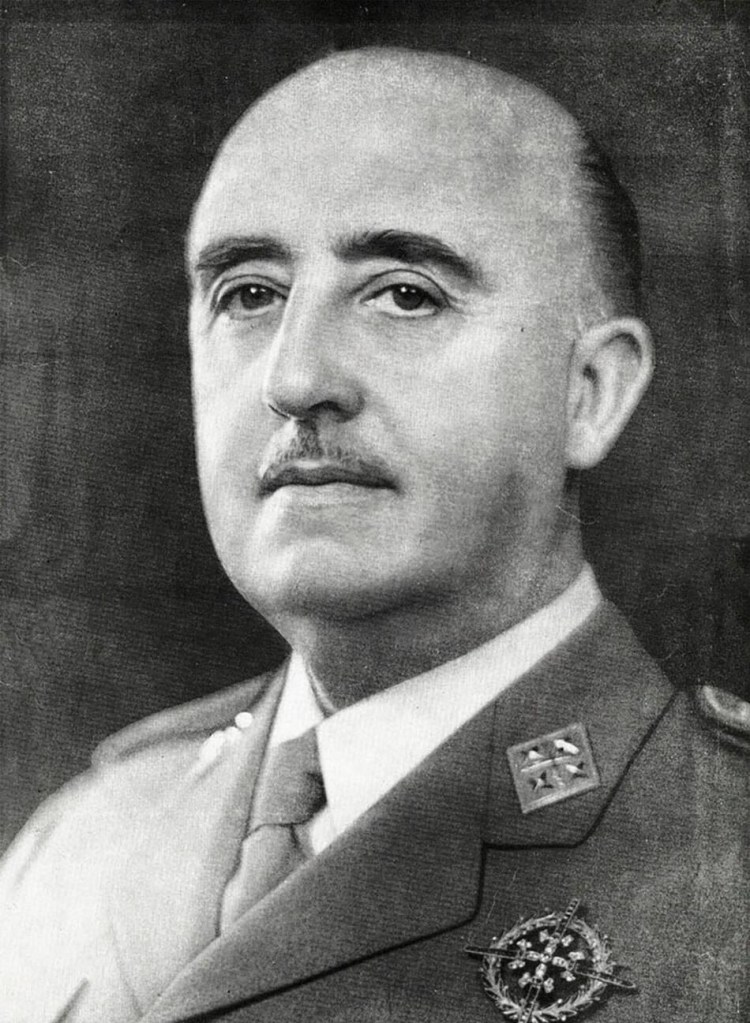
Spanish Civil War—The Spanish Civil War (1936-1939) was a conflict between the Nationalists, supported by Italy and Germany, and the Republicans, aided by the Soviet Union and International Brigades. The Nationalists, led by General Francisco Franco, emerged victorious, establishing a dictatorship that lasted until his death in 1975.
The Ecstasy of St. Teresa, shown above, is in the Cornaro Chapel, Santa Maria della Vittoria, Rome. Whose work is the sculpture?
Bernini
Donatello
Michelangelo
This city, dating back to c657 BCE, underwent name changes under the Romans in the 4th century and again in 1930. Can you name it?
Baghdad
Istanbul
Sofia
This author, who passed away on this day in 1941, is best known for her novels Mrs. Dalloway (1925) and To the Lighthouse (1927). Who is she?
Rebecca West
Katherine Mansfield
Virginia Woolf
The Three Mile Island nuclear power plant experienced an accident on 28 March 1979 that resulted in radioactive leakage. On what river does the plant stand?
Atchafalaya River
Susquehanna River
Willamette River
On this day in 1939, General Franco, the leader of the Nationalist forces during a civil war, captured his nation’s capital city. This was one of the last events before he declared victory. What civil war?
Austrian Civil War
Greek Civil War
Spanish Civil War
Good luck! I will post the answers later today.
Three Mile Island nuclear generating station, 1979. Wikipedia
Sophia Myles—Wikipedia describes her as “an English actress… best known in film for portraying Lady Penelope Creighton-Ward in Thunderbirds(2004), Isolde in Tristan & Isolde (2006), Darcy in Transformers: Age of Extinction (2014), Erika in Underworld(2003) and Underworld: Evolution (2006), and Freya in Outlander (2008)”.
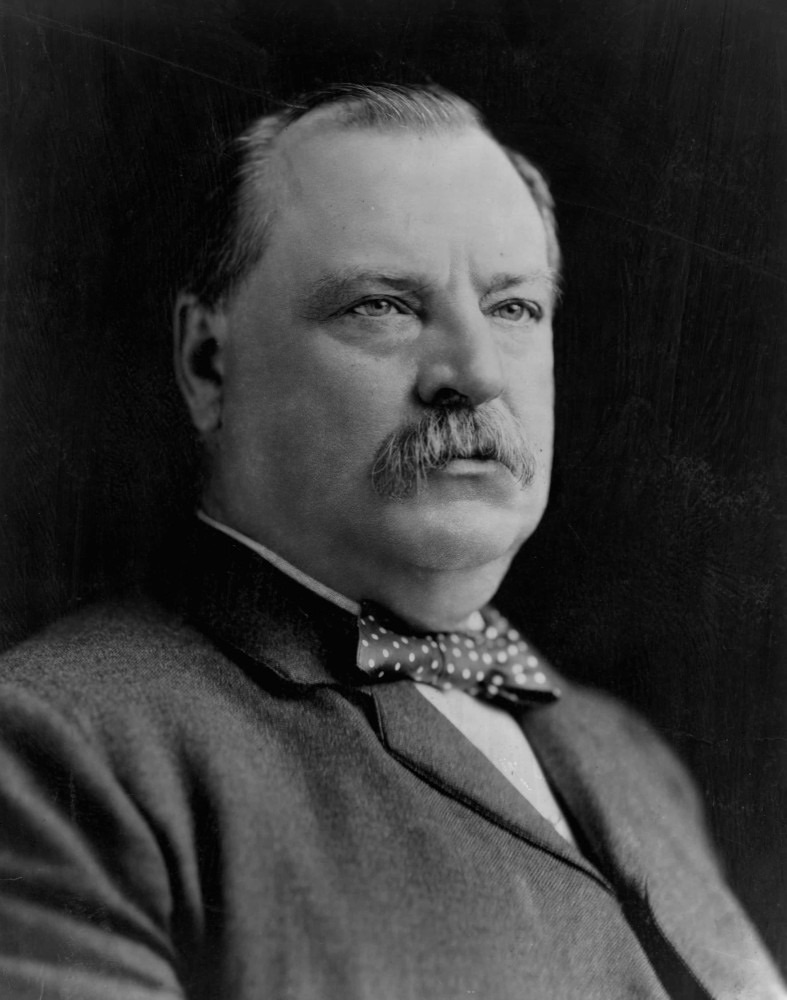
Caldwell, New Jersey—Stephen Grover Cleveland, the 22nd and 24th US President, was the first Democrat elected after the Civil War and the first to serve two non-consecutive terms. Known for his honesty and principled approach, he blocked legislative excesses during his first term and championed political reform, fiscal conservatism, and classical liberalism, gaining support from both Democrats and Republicans. His presidency saw significant legislation such as the Interstate Commerce Act and the Dawes Act. However, his stance on government intervention during the economic collapse and the legacy of the Dawes Act have resulted in mixed assessments of his legacy. Wilfred Owen Wikipedia
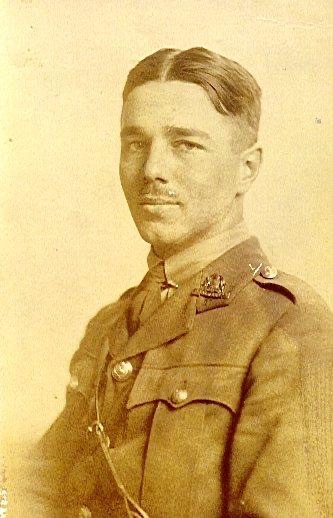
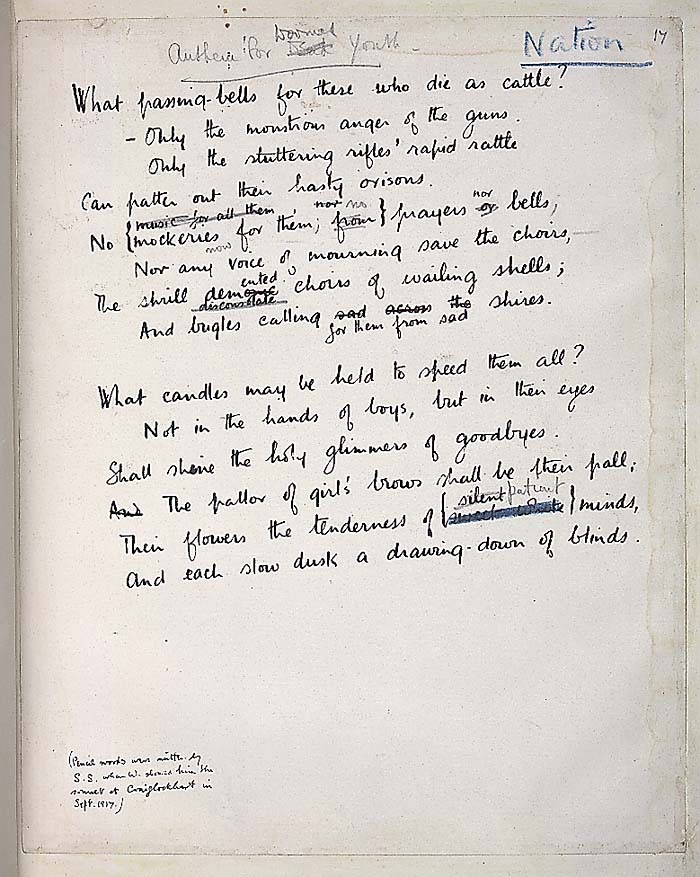
Wilfred Owen, an English poet and soldier, expressed anger at war’s cruelty and waste through his poetry. Based on his World War I experiences, his war poetry was about the horrors of trenches and gas warfare. At only 25 years of age, he was killed in action at the Battle of the Sambre on 4 November 1918, exactly a week before the war’s end. His best-known works— most of which were published posthumously— are Anthem for Doomed Youth, Dulce et Decorum est, Futility, and Spring Offensive.
Final draft of Anthem for Doomed Youth by Wilfred Owen, penned by the author. WikipediaHonoree Queen Latifah speaks at the Kennedy Center Honors dinner at the State Department in Washington, D.C., Saturday, December 2, 2023. (Official State Department photo by Freddie Everett) Wikipedia
Queen Latifah—American musician and actress. She rose to fame in the late 1980s with her debut album, All Hail the Queen, which blended diverse styles and feminist themes. The name Latifah is Arabic for “delicate” or “sensitive”.
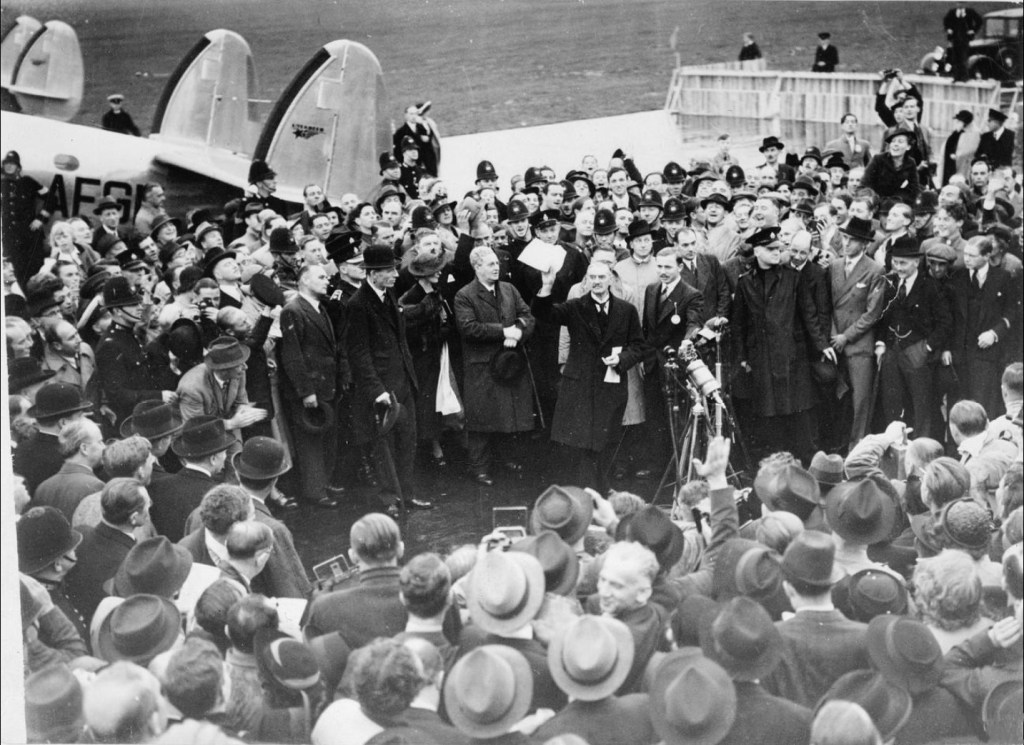
Neville Chamberlain—Prime Minister of the UK from 1937 to 1940—is known for his policy of appeasement towards Hitler’s Germany. He served in various government positions, including Chancellor of the Exchequer, before becoming Prime Minister. Despite signing the Munich Agreement with Hitler in 1938, the latter’s invasion of Poland less than a year later compelled Chamberlain to declare war on Germany.
Chamberlain holding up the paper signed by both Hitler and himself on his return to Great Britain from Munich, Germany. Wikipedia
Sheelah’s Day
Sheelah’s Day is celebrated on 18 March, the day after Saint Patrick’s Day, and is observed in the Irish diaspora in Australia and Canada. Although there are no Sheelahs included in my post today, all of the questions are about people born on 18 March.
Sheelah’s Day is celebrated on 18 March the day after Saint Patrick’s Day and is observed in the Irish diaspora in Australia and Canada. No Sheelah’s included here today but all of the following are about people born on 18 March.
Born 1980. Actress who links the following roles: Penelope (in 2004), Isolde (2006), Erika (2003 and 2006), Darcy (2014) and Freya (2008). Who is she?
Born 1837, Grover Cleveland, served as the 22nd and 24th president of the United States. Where was he born?
Amherst, New Hampshire
Brighton, New York
Caldwell, New Jersey
Anthem for Doomed Youth was written by a war poet born this day in 1893. Who was he?
Rupert Brook
Wilfred Owen
Siegfried Sassoon
Who is Dana Elaine Owens, born 18 March 1970, a musician and actress, better known as?
Lauryn Hill
Missy Elliott
Queen Latifah
Born today in 1869, this British prime minister returned from Germany with a “piece of paper” promising to “have brought you back peace — but a peace I hope with honour.” Who was he?
Here, in bold, are the answers to my earlier post.
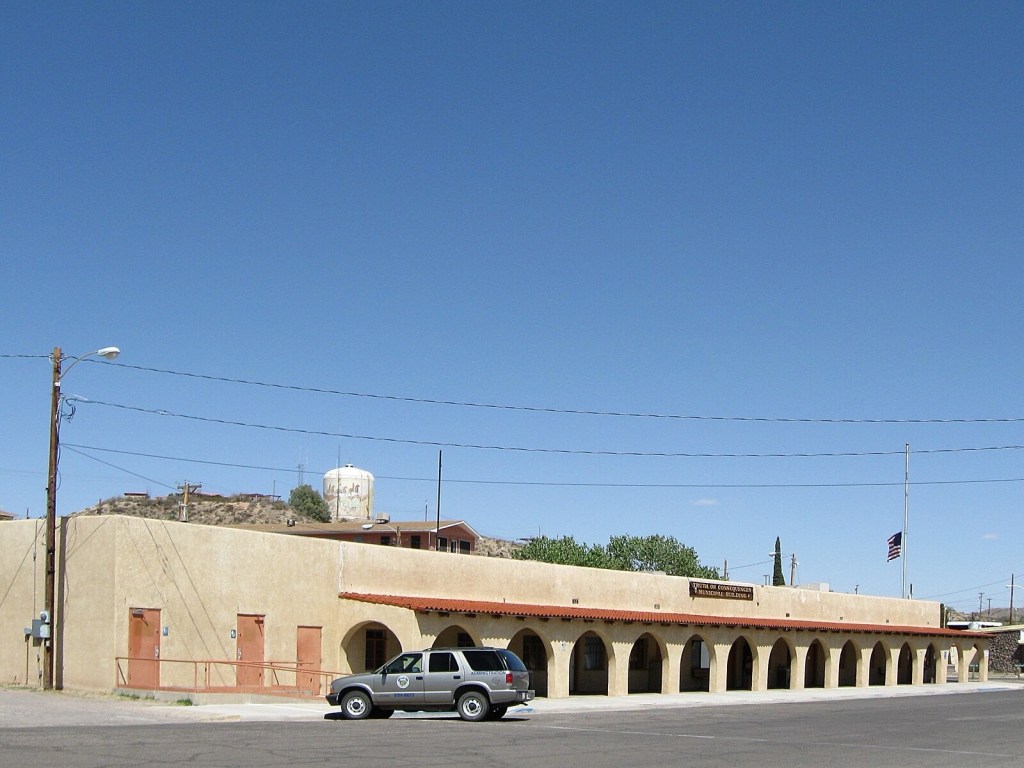
False—It changed name to Truth or Consequence (not Tacos or Chocolate) in 1950 after the radio show of the same name ran a competition for a town or city to do so; the prize being that the show would be broadcast from the winner—the first settlement to change their town’s name.
False—Nothing to do with First Lady’s. It was chosen because it sounded like the French for help me, m’aider and was picked in 1920 by the head of radio in air traffic control at Croydon Aerodrome (then the world’s busiest) as most of their flights were from France.
False—No, not Martin Luther King. It was about the assassination of JFK.
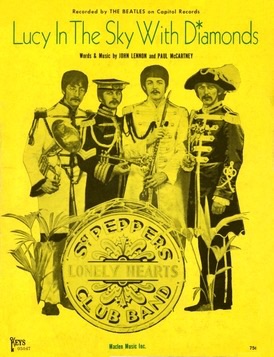
False—Not the Inca Empire. Hernán Cortés conquered the Aztec Empire in what is now central Mexico in 1521 not the Inca’s in what is now Peru. Lucy in the Sky with Diamonds Wikipedia
True—Lucy was named after the Beatles song, Lucy in the Sky with Diamonds.
False—Pete Conrad, Apollo 12 was the third person to walk on the Moon. Michael Collins was the command module pilot of Apollo 11 and did not land on the Moon but remained in orbit while Neil Armstrong and Buzz Aldrin landed on the lunar surface. Goldeneye Estate Wikipedia
False—Not Skyfall. Fleming’s house and estate were both named GoldenEye and are now a hotel complex.
True—It is a neighbourhood on the West Side of Midtown Manhattan.
False—Not Coprophagia which is dung-eating. Lalochezia is the release of stress etc by swearing.
False—It wasn’t Please Mister Postman. The third number one, I Want to Hold Your Hand, was released in November 1963 with the B-side This Boy.
Pete Conrad Conrad descends the Lunar Module ladder, moments before becoming the third human to walk on the Moon. Wikipedia
For some variety a selection of true or false questions unconnected to today.
Hot Springs, New Mexico. Wikipedia
True or false: the American city of Hot Springs, New Mexico is now known as ‘T or C’ after changing its name to Tacos or Chocolate in 1950.
True or false: Mayday, the international distress signal, was chosen in honour of the then US First Lady.
True or false: in 2020, Murder Most Foul was released as a single by Bob Dylan. The murder referred to in the title was the assassination of Martin Luther King in 1967.
True or false: Hernán Cortés was a Spanish conquistador who conquered the Inca Empire in the Americas in 1521.
True or false: Lucy the 3.2 million-year-old skeleton found in Ethiopia was named after a Beatles song.
True or false: the Apollo astronaut Michael Collins was the third person to walk on the Moon.
True or false: Ian Fleming, the author who created James Bond, had a home on Jamaica’s north coast named Skyfall.
True or false: there is a neighbourhood of New York City called Hell’s Kitchen.
True or false: relief of stress, pain and frustration by swearing is known as coprophagia.
True or false: The Beatles third UK No. 1 hit I Want to Hold Your Hand was released with the B-side Please Mister Postman.
Good luck! The answers will be posted later today.
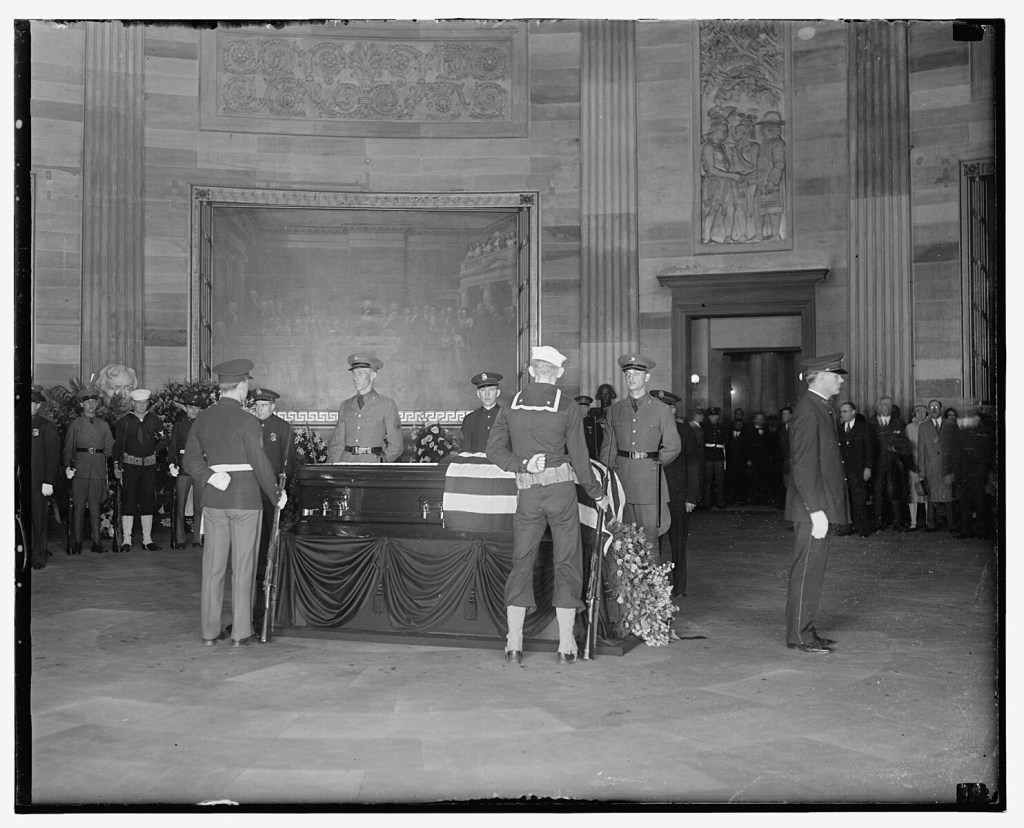
William Howard Taft—Taft lay in state at the United States Capitol rotunda. On 11 March, he became the first president and first member of the Supreme Court to be buried at Arlington National Cemetery. James Earle Fraser sculpted his grave marker out of Stony Creek granite. Ned Ludd Wikipedia
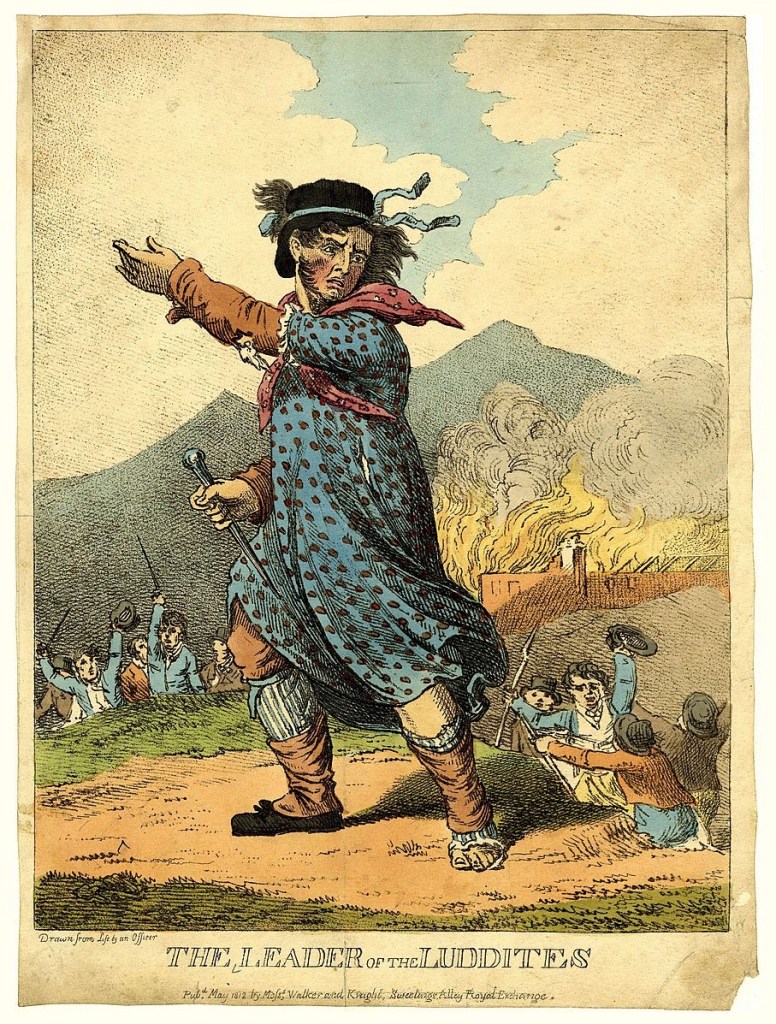
Someone’s name—Ned Ludd, allegedly a weaver from near Leicester in England, is famously linked to the destruction of knitting frames in 1779. This act, reportedly due to being whipped or taunted, is first mentioned in The Nottingham Review on 20 December 1811, though its truth is unverified. John Blackner’s 1811 book offers a different account of a lad named “Ludlam,” who, instructed by his father to “square his needles,” destroyed them with a hammer. The story spread, and whenever frames were sabotaged, people humorously attributed it to “Ned Ludd,” contributing to the legend of the Luddites.
1959—In the 1950s, Hawaiʻi’s political landscape shifted as descendants of immigrant labourers, U.S. citizens, broke the plantation owners’ power by voting against the Hawaiʻi Republican Party, supported by plantation owners, and for the Democratic Party of Hawaiʻi. This shift led to Democratic dominance in territorial and state politics for over 40 years. Residents campaigned for statehood to gain full congressional and Electoral College representation. Initially, Hawaiʻi was expected to be a Republican stronghold, prompting its admission alongside Alaska, a Democratic stronghold. However, by 2017, Hawaiʻi generally voted Democratic, while Alaska typically voted Republican, contrary to initial predictions.
Penicillin—Penicillin, discovered in 1928 by Alexander Fleming from the Penicillium mold, was found to inhibit bacterial growth, specifically Staphylococcus aureus. Howard Florey and Ernst Boris Chain later isolated and purified it, making it therapeutically available by 1941. Naturally occurring penicillins, like penicillin G and V, differ in acid stability and administration methods. Semisynthetic versions offer enhanced properties. Penicillins operate by disrupting bacterial cell wall synthesis, targeting actively replicating bacteria without harming human cells. Bacterial resistance led to penicillinase-resistant variants, though challenges like MRSA persist. Side effects include hypersensitivity reactions, ranging from mild rashes to rare, severe anaphylactic shock.
Flag of Lithuania. Wikipedia
Lithuania—On 11 March 1990, Lithuania’s Supreme Council declared independence, becoming the first Soviet-occupied state to do so. In response, the Soviets imposed a 74-day economic blockade on 20 April 1990, causing shortages of essential goods. Despite the blockade, Lithuania maintained its independence declaration. Tensions escalated in January 1991 when a coup attempt was made using Soviet forces, but it failed due to strong public resistance, resulting in 14 deaths and hundreds of injuries. The Medininkai Massacre occurred on 31 July 1991, with 7 border guards killed. Lithuania was admitted to the United Nations on 17 September 1991.