Tag: art

  • Hatches and Despatches

    I am…

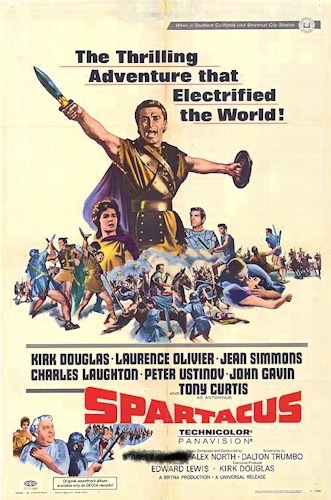
    See question 10. Poster for the film Spartacus (1960)
    Wikipedia

    Ten questions about people who were either born or sadly died on the 7 March—each answer will follow these two words: “I am…”
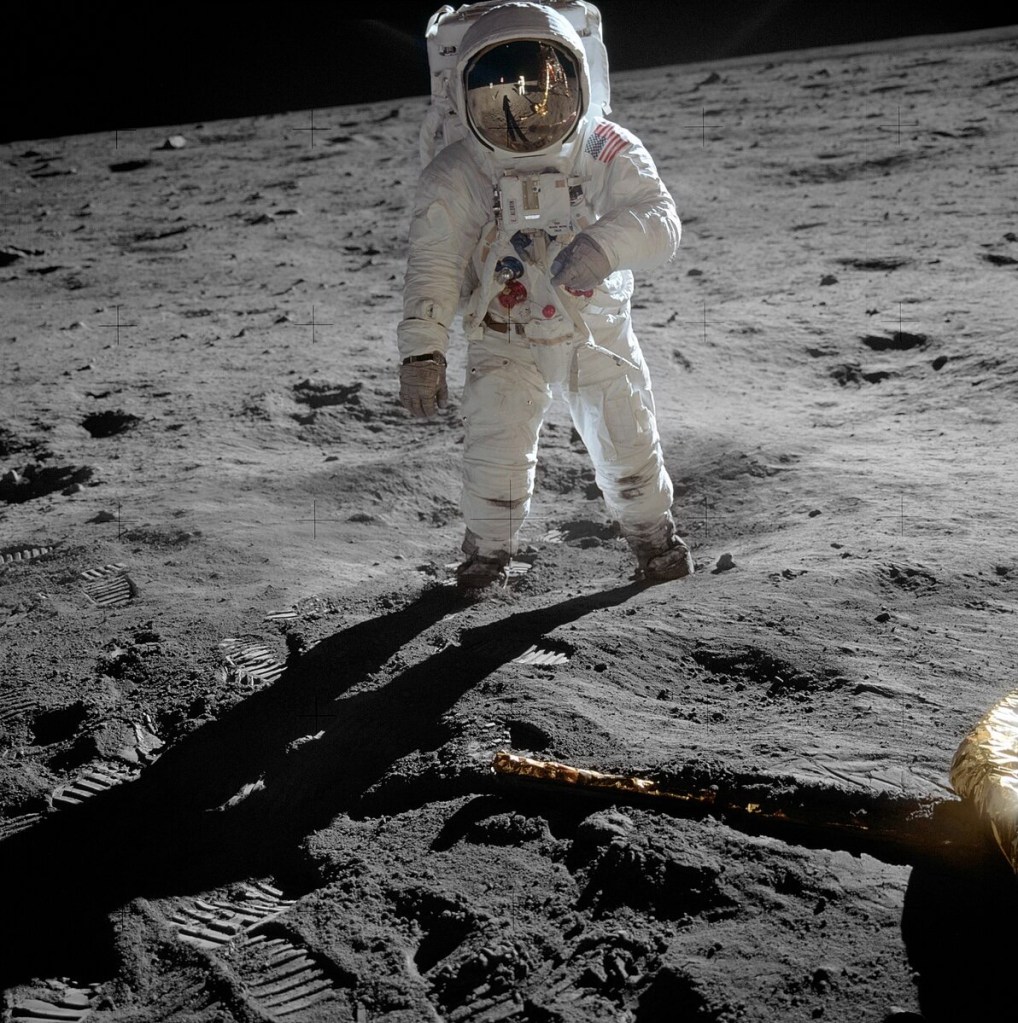
    Question 1. The second man to walk on the Moon.
    Wikipedia
    1. Born today in 1956 in Los Angeles, California, I played the second man to walk on the moon in From the Earth to the Moon (1998). I did voice work on the animated series Family GuyRobot Chicken and SuperMansion. I am…
      • Bryan Cranston
      • Patrick Warburton
      • Hulk Hogan
        Question 2. Monarch of the Glen.
        Wikipedia
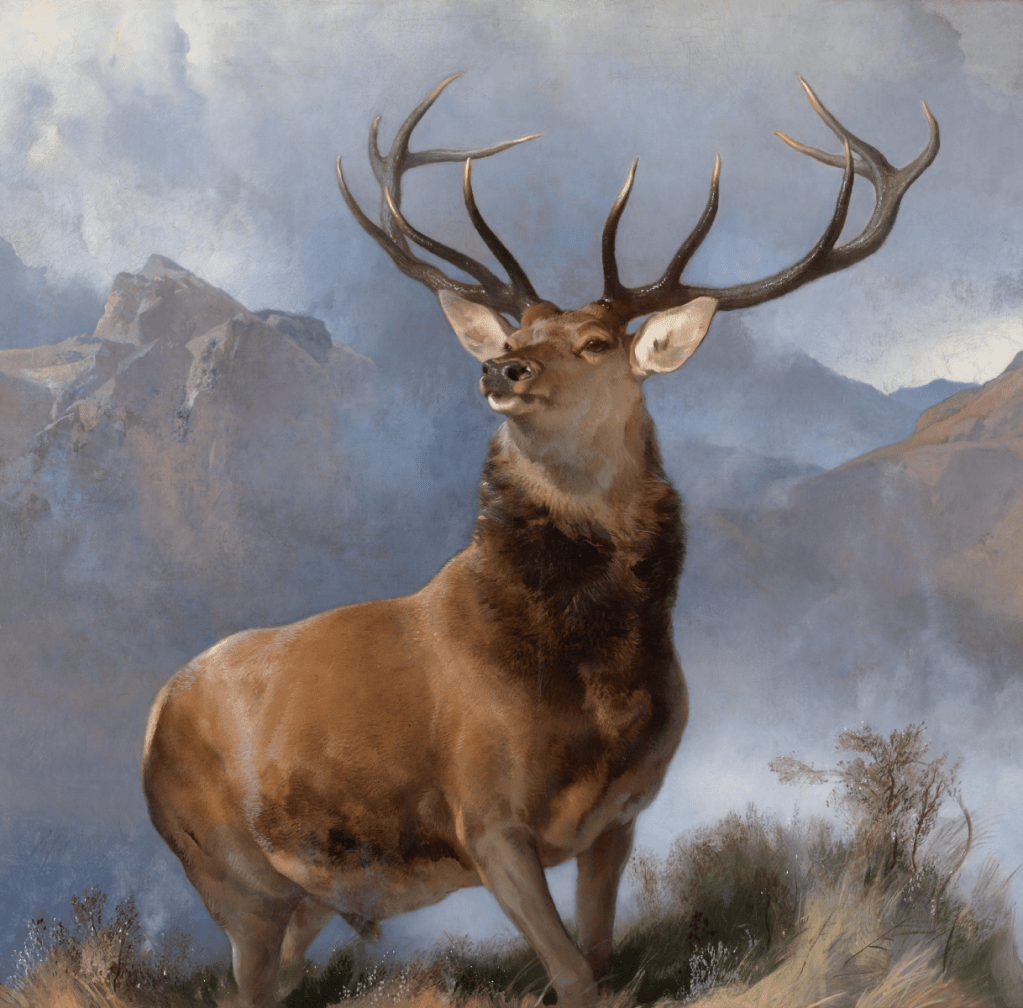
    2. Born 7 March 1802, I am British painter and sculptor best known for my paintings of animals such as the Monarch of the Glen (above). I am…
      • Frank Knight
      • Edwin Landseer
      • Langford Monroe
    3. Died today in 1809. I am a French balloonist who, with the American physician John Jeffries, made the first aerial crossing of the English Channel. I am…
      • Jean Pierre Alfred Nadal
      • Jacques-Étienne Montgolfier
      • Jean-Pierre Blanchard
    4. Born today in 1970, I am an actor and appeared as as Evelyn Carnahan in the Hollywood action films The Mummy (1999) and its sequel. I was Tessa Abbott-Quayle in the 2005 film adaptation of John le Carré’s The Constant Gardener. I am…
      • Abigail Cruttenden
      • Olivia d’Abo
      • Rachel Weisz
    5. Born this day in 1952, I am a West Indian cricketer described by Encyclopædia Britannica as “arguably the finest batsman of his generation”. I am…
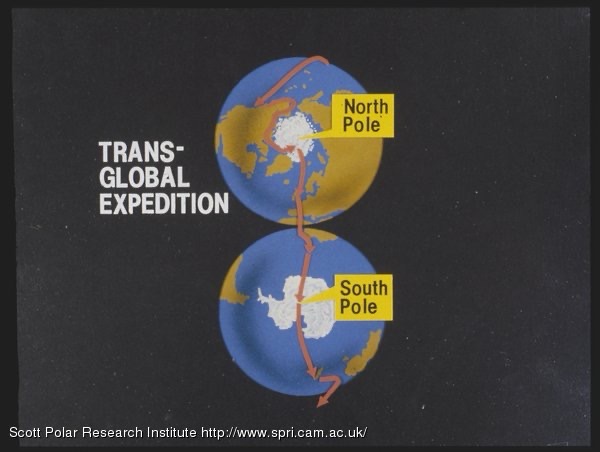
    6. Born today in 1944, I am a British adventurer and explorer who, as part of the Transglobe Expedition circumnavigated the world via the North and South Pole. I also ran seven marathons on seven continents in seven consecutive days. I am…
      • Benedict Allen
      • Ranulph Fiennes
      • Gino Watkins
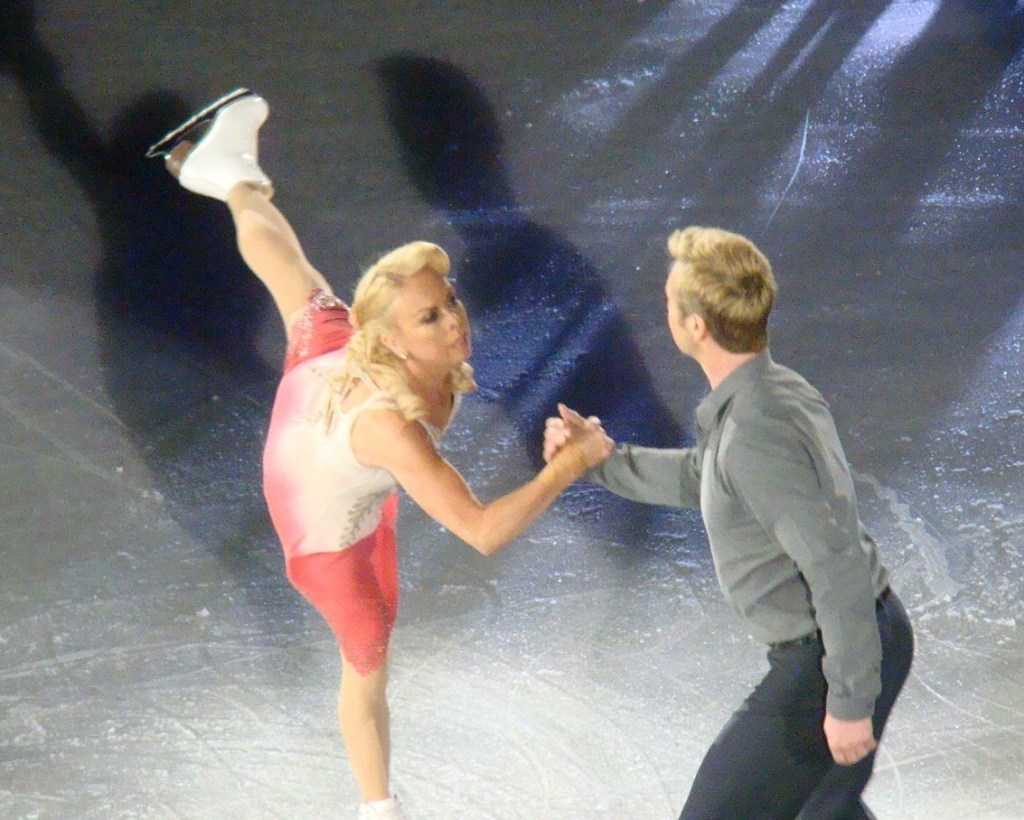
        Question 7. Jayne Torville and Christopher Dean, Dancing on Ice, 2011
        Wikipedia
    7. Born 7 March 1875, I am a composer probably best known for
      Boléro (1928) which gained new popular following after featuring in the film 10 (1979) and the 1984 Olympics when used by ice-dancers Torvill and Dean. I am…
      • Antonín Dvořák
      • Maurice Ravel
      • John Philip Sousa
    8. Born this in 1998, I am a poet and activist who gained international fame when I read my poem The Hill We Climb at Joe Biden’s 2021 presidential inauguration. I am…
      • Amanda Gorman
      • Amanda Grayson
      • Amanda Hunsaker
    9. Born today in 1960, I’m a former American tennis player of Czech descent who was very successful in the 1980s and early 1990s. As a right-hander, I was known for my powerful forehand. I won eight Grand Slam titles, including three consecutive US Open championships from 1985 to 1987. I am…
      • Goran Ivanišević
      • Ivan Lendl
      • Ilie Năstase
    10. Died this day in 1999 in England. In 1960, I took over direction of Spartacus, the slave revolt epic set in Ancient Rome; I am also known for my Odyssey. I am…
      • David Lean
      • Stanley Kubrick
      • Otto Preminger

    The births and deaths used in my Hatches and Despatches post were all listed in Encyclopædia Britannica’s Biographies on This Day in History: March 7.

    Good luck! The answers will be posted later today.
  • Fabulous Fantastic Fiascoes—Answers

    Answers to the questions in the earlier post are shown in bold below.

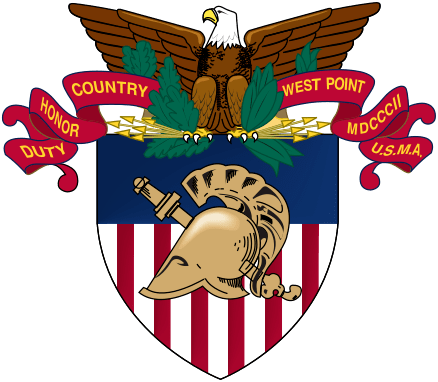
    US Military Academy, West Point, Coat of Arms
    Image Wikipedia
    1. West Point military academy—Edgar Allan Poe attended the United States Military Academy at West Point in 1830. His time there was marked by academic success in subjects like mathematics, but he struggled with the strict military discipline. Poe deliberately sought dismissal by neglecting his duties and violating academy regulations. His tenure at West Point was brief, lasting less than a year, but it significantly influenced his literary career, as he turned his focus entirely to writing after leaving the academy.
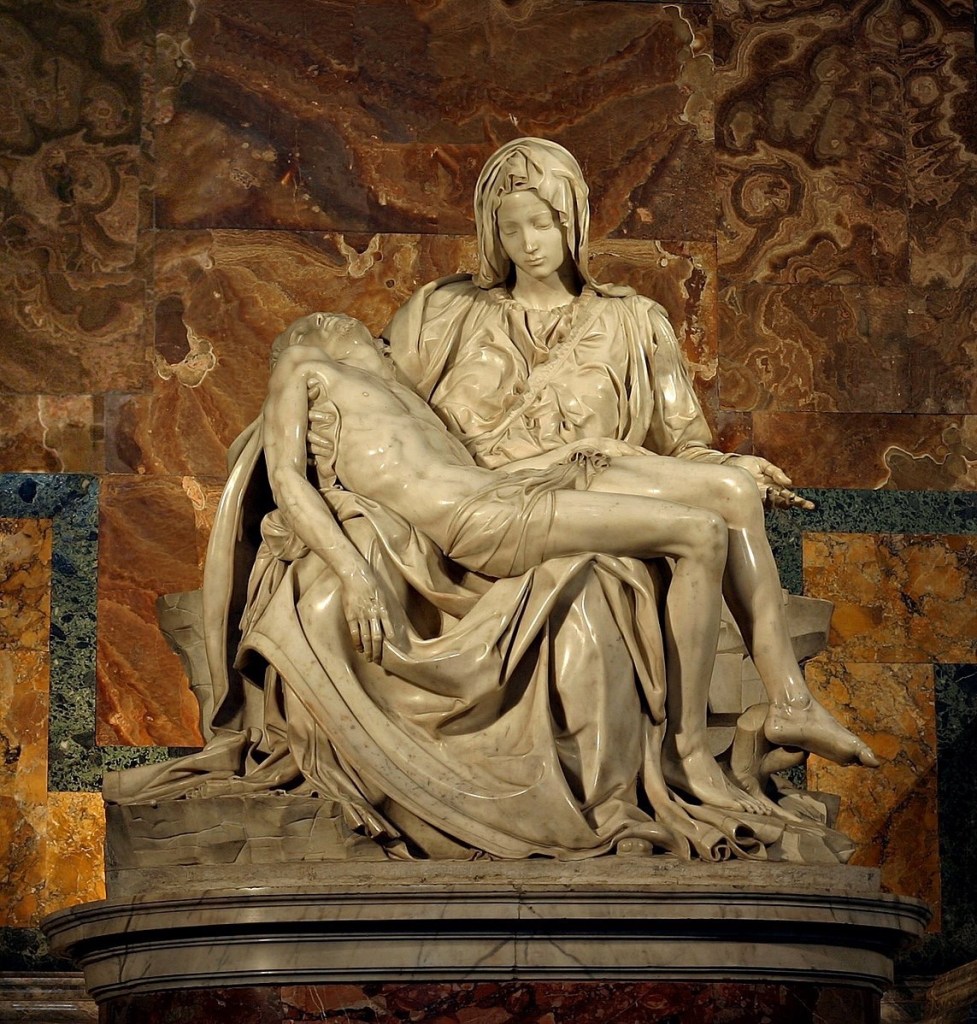
      Pietà (1498–1499), by Michaelangelo. St. Peter’s Basilica, Vatican City
      Image Wikipedia
    2. 1475—Michelangelo di Lodovico Buonarroti Simoni (1475–1564), known simply as Michelangelo, was an influential Italian sculptor, painter, architect and poet of the High Renaissance. Born in Florence, his work drew inspiration from classical antiquity, leaving a profound impact on Western art. Renowned for masterpieces like the Sistine Chapel ceiling and the statue of David, Michelangelo epitomised the Renaissance man alongside Leonardo da Vinci. His exceptional talents spanned multiple disciplines, and extensive surviving records highlight his artistic journey. Celebrated by contemporaries, Michelangelo remains one of the most documented and revered artists of the 16th century.
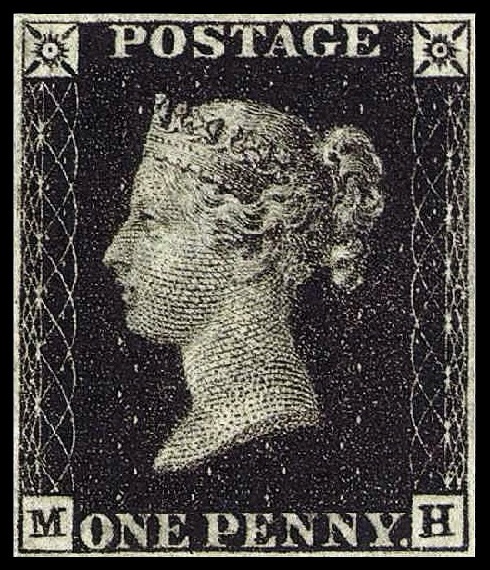
      Penny Black with Queen Victoria profile.
      Image Wikipedia
    3. Victoria, queen of Great Britain —The Penny Black, introduced in the United Kingdom on 1 May 1840 and valid from 6 May, was the world’s first adhesive postage stamp for public postal use. Featuring Queen Victoria’s profile, it revolutionised postal services based on Sir Rowland Hill’s proposal to simplify complex, costly rates. Prior to this, recipients paid postage based on distance and sheet count. The Penny Black marked a shift to sender-paid postage, enabling letters up to ½ ounce (14 grams) to be delivered nationwide for a uniform rate of one penny, streamlining and democratising communication across distances.
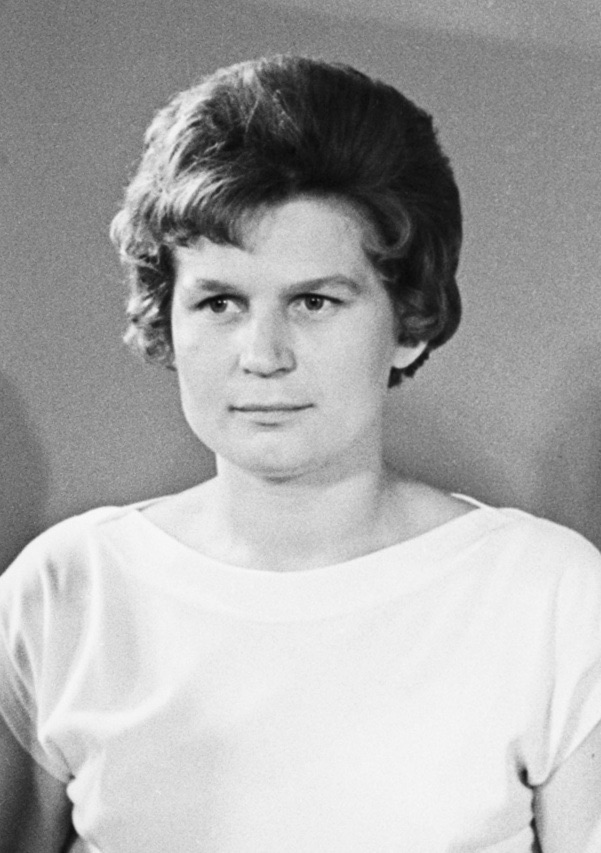
      Valentina Tereshkova.
      Image Wikipedia
    4. Valentina Tereshkova—Valentina Tereshkova, a Russian engineer and former Soviet cosmonaut, was the first woman in space, completing a solo mission on Vostok 6 in 1963. It was her only space flight.
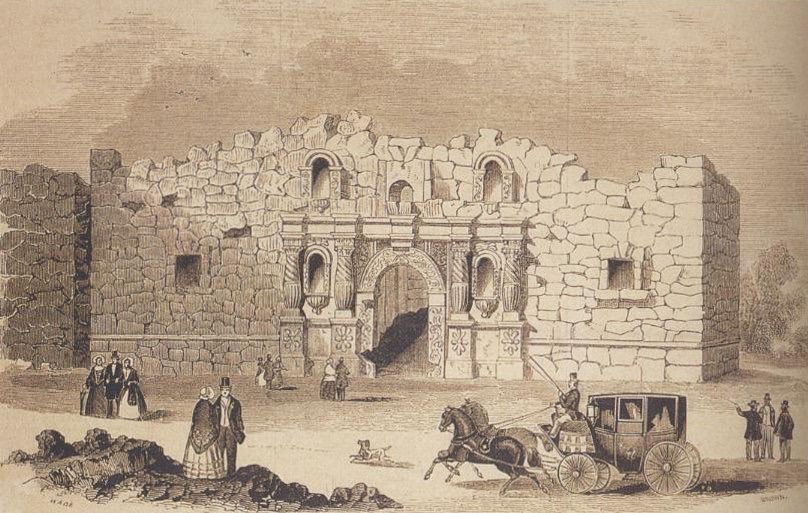
      This is a drawing of the Alamo Mission in San Antonio. It was first printed in 1854 in Gleason’s Pictorial Drawing Room Companion and was reprinted in Frank Thompson’s 2005 “The Alamo”, p 106.
      Image Wikipedia
    5. 13 days—The Siege of the Alamo took place from 23 February to 6 March 1836 during the Texas Revolution. Mexican forces led by General Antonio López de Santa Anna besieged the Alamo Mission in San Antonio, defended by Texian rebels including James Bowie, William B. Travis and Davy Crockett. Despite fierce resistance, the Texians were vastly outnumbered. After 13 days of relentless bombardment and attacks, the Mexican army overran the mission, killing nearly all defenders. The defeat became a rallying cry, “Remember the Alamo!”, inspiring Texian forces to eventual victory in the revolution.
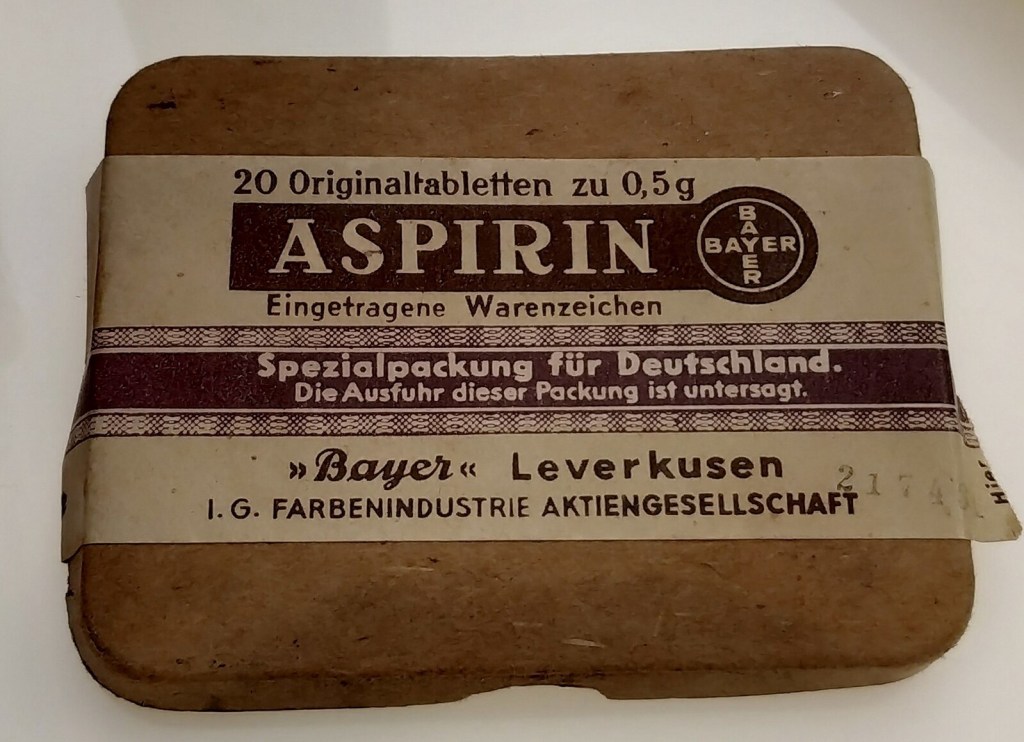
      Old Package of Aspirin, 20 tabs 0.5 g
      Image Wikipedia
    6. Aspirin—Aspirin, a genericized trademark for acetylsalicylic acid (ASA), is a nonsteroidal anti-inflammatory drug (NSAID) used to alleviate pain, fever, and inflammation and as an antithrombotic. It treats specific inflammatory conditions like Kawasaki disease, pericarditis, and rheumatic fever. Long-term use helps prevent heart attacks, ischaemic strokes and blood clots in high-risk individuals. Effects for pain or fever usually start within 30 minutes. Aspirin functions like other NSAIDs but uniquely suppresses platelet function.
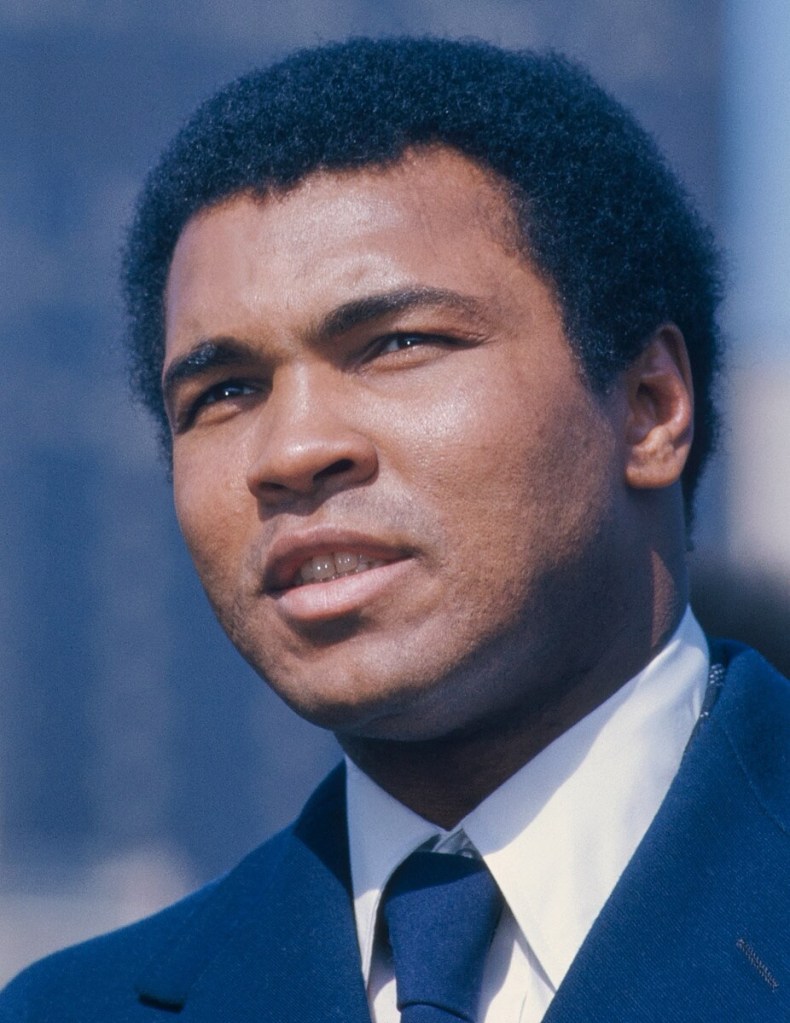
      Muhammad Ali.
      Image Wikipedia
    7. Cassius Clay—In 1964, Cassius Clay stunned the world by defeating Sonny Liston to win the heavyweight championship, defying the odds as an underdog. Just two days after his historic victory, Clay made headlines again by announcing his conversion to the Nation of Islam. This pivotal decision marked a profound personal transformation, as he embraced the teachings of Elijah Muhammad. On 6 March 1964, he adopted the name Muhammad Ali, symbolising his new identity and faith. Ali’s name change reflected not just a religious shift but a declaration of self-determination, which resonated throughout his illustrious boxing career and beyond.
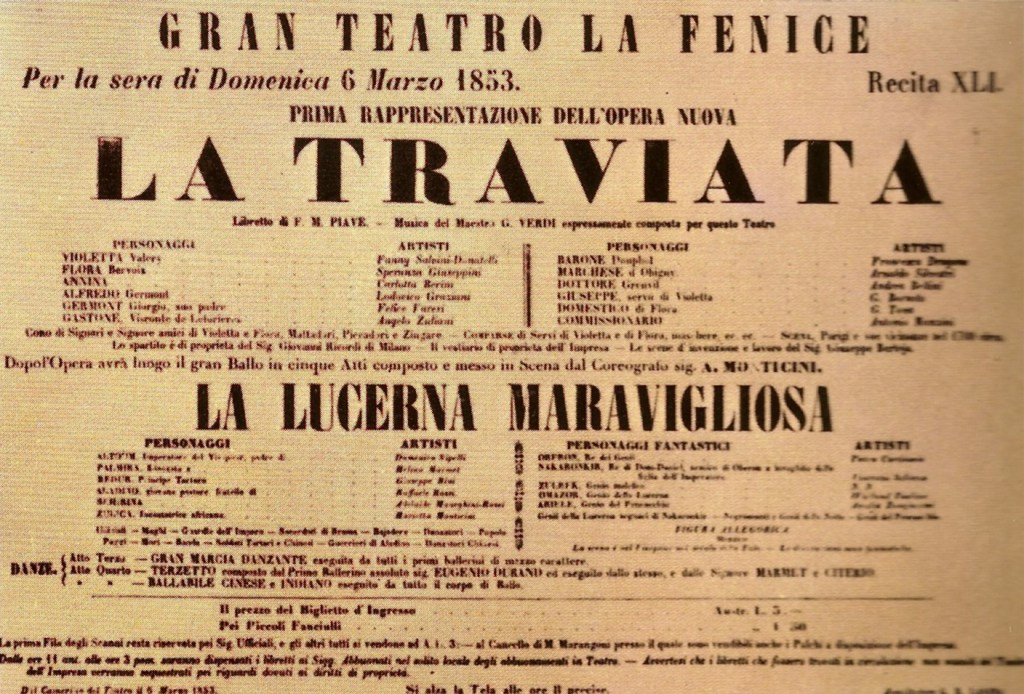
      World Premiere Poster, 1853
      Image Wikipedia
    8. FiascoLa traviata premiered at La Fenice, Venice, in March 1853, amidst Verdi’s lingering apprehensions. The production faced hurdles from the start: Verdi disagreed with the casting of 38-year-old Fanny Salvini-Donatelli as Violetta, feeling she was ill-suited for the role of a youthful, consumptive heroine. Despite Verdi’s protests, no changes were made. The opening act received applause, but enthusiasm waned in the second act, where performances by baritone Felice Varesi and tenor Lodovico Graziani met with disapproval. Verdi later lamented in a letter, “La traviata last night a failure. Was the fault mine or the singers’? Time will tell.” He further said, “It was a fiasco!”
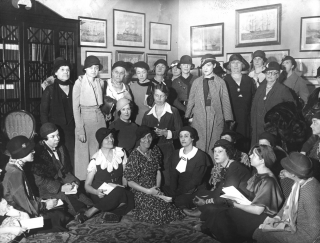
      Eleanor Roosevelt with female reporters at her first White House press conference on March 6, 1933.
      Credit: FDR Presidential Library & Museum
      Image via National Woman’s History Museum
    9. Eleanor Roosevelt—Eleanor Roosevelt recounted to journalist Lorena Hickok that the first White House press conference for women reporters, held on 6 March 1933—two days after FDR’s inauguration—was held in the Red Room. Thirty-five women attended, but there weren’t enough chairs, so some sat on the floor. These weekly conferences, open only to women, helped preserve their jobs and ensured news access. As Mrs Roosevelt noted without fresh stories, women reporters risked losing their jobs. The conferences focused on topics of interest to women, avoiding politics. Over twelve years, 348 conferences provided the First Lady with a national audience and significant publicity.
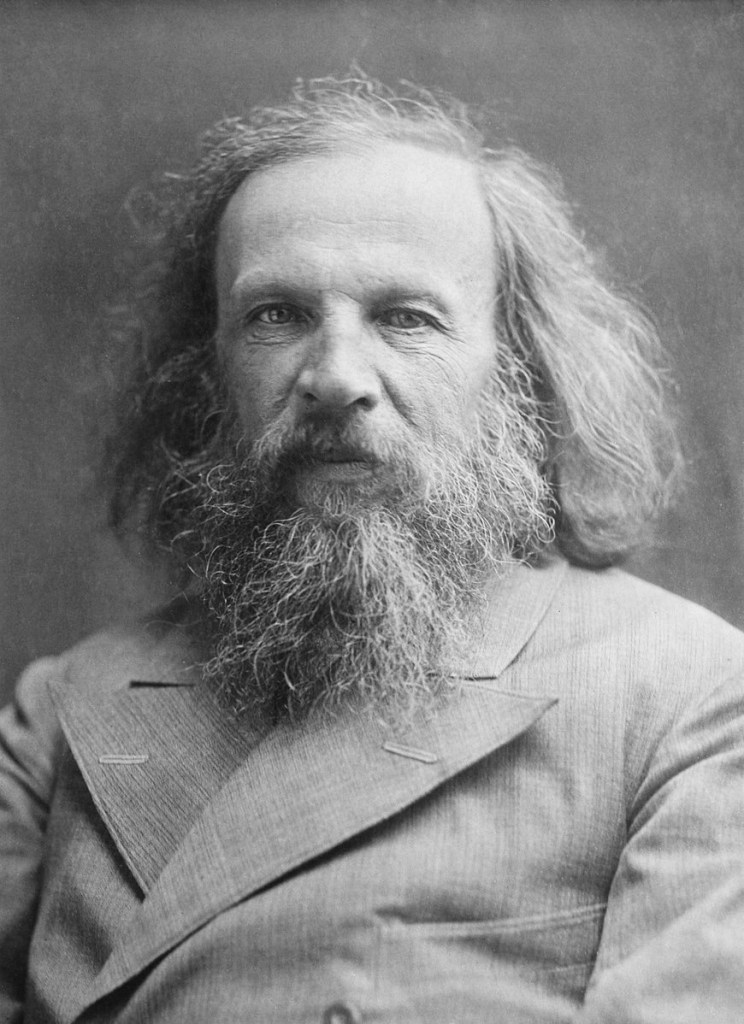
      Dmitri Mendeleev.
      Image Wikipedia
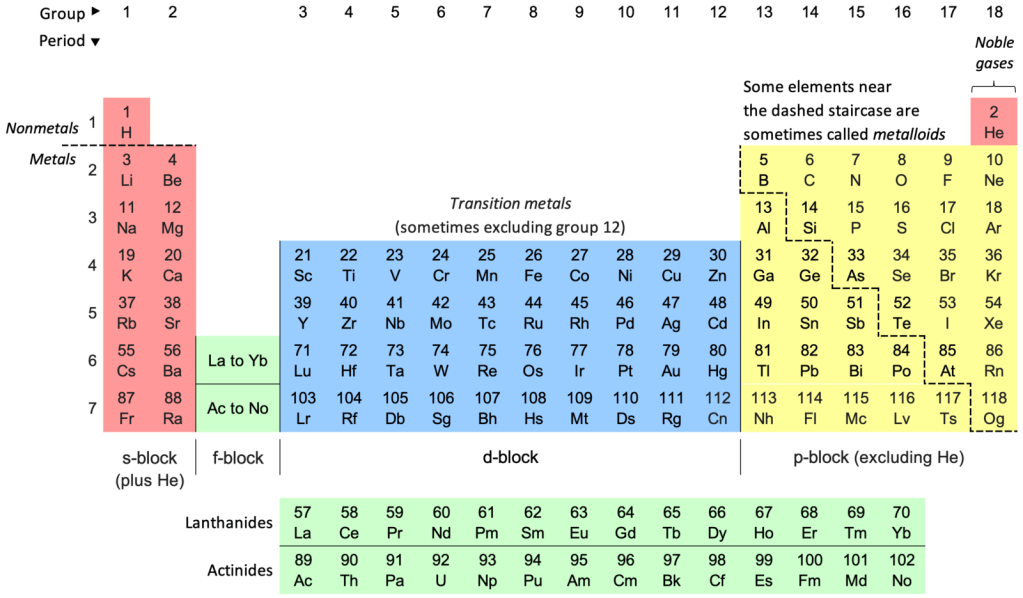
    10. 1869—On 6 March 1869, a scientist presented to the Russian Chemical Society about how elements’ properties relate to their atomic weights. He found that elements arranged by atomic weight show a pattern in their properties. Similar elements often have similar atomic weights or a regular increase in weight. Elements in groups based on atomic weight also match their valencies and chemical properties. He noted that widely spread elements have small atomic weights and that atomic weight influences an element’s nature. He predicted the discovery of new elements and suggested that atomic weights could help predict element properties.
    Coloured periodic table showing the most common sets of elements (2023)
    Image Wikipedia
    Pietà (1498–1499), by Michaelangelo. St. Peter’s Basilica, Vatican City
    Image Wikipedia
  • Fabulous Fantastic Fiascoes

    Michelangelo.
    Image Wikipedia
    1. On this day in 1831, American writer Edgar Allan Poe was court-martialled for disobedience and expelled from…
      • Annapolis naval academy
      • Marine Corps Base Quantico
      • West Point military academy
    2. Italian Renaissance artist Michelangelo was born on 6 March in…
      • 1375
      • 1475
      • 1575
    3. On 6 March 1840, the world’s first adhesive postage stamp, the Penny Black, went into use featuring an image of…
      • Jonas Furrer, president of Switzerland
      • Victoria, queen of Great Britain
      • Martin Van Buren, president of the US
    4. The first female to travel in space was born on this day in 1937, she was…
      • Valentina Ponomaryova
      • Svetlana Savitskaya
      • Valentina Tereshkova 
    5. The Alamo, San Antonio fell and was captured today in 1836 following a siege which had lasted…
      • 3 days
      • 13 days
      • 31 days
    6. On 6 March 1899, acetylsalicylic acid is patented by Felix Hoffmann at the German company Bayer under the genericized trademark…
      • Aspirin
      • Ibuprofen
      • Paracetamol 
    7. This day in 1964 a boxer changed his name to Muhammad Ali. He had had changed his name from…
      • Augustus Amber
      • Balbinus Beryl
      • Cassius Clay
    8. Today in 1853, La traviata, by Giuseppe Verdi, was premiered at La Fenice opera house in Venice. The composer later described it as…
      • Fabulous
      • Fantastic
      • Fiasco
    9. The first First Lady to hold an official press conference in the White House did so on 6 March. She was…
      • Eleanor Roosevelt
      • Jackie Kennedy
      • Pat Nixon
    10. At a meeting of the Russian Chemical Society, Russian chemist Dmitri Mendeleev presented the first periodic table on this day in …
      • 1869
      • 1895
      • 1921

    Good luck! The answers will be posted later today.
  • First Impressions—Answer

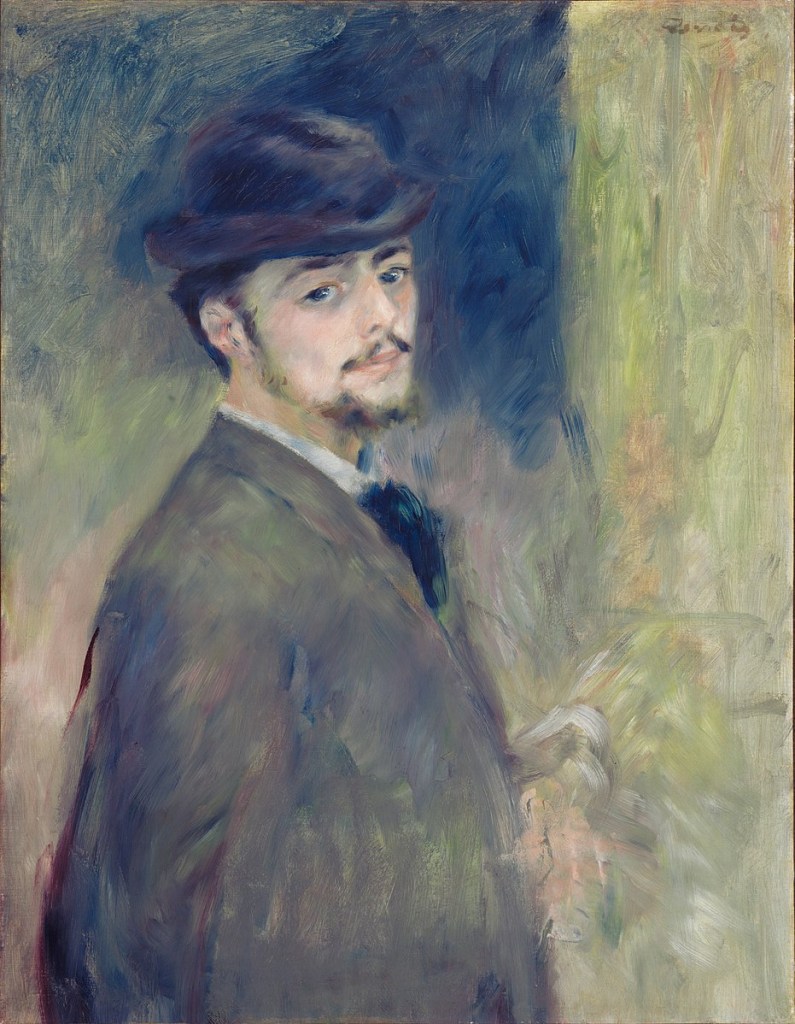
    Self-portrait, Pierre-Auguste Renoir (1876)
    [Image from Wikipedia]

    Pierre-Auguste Renoir

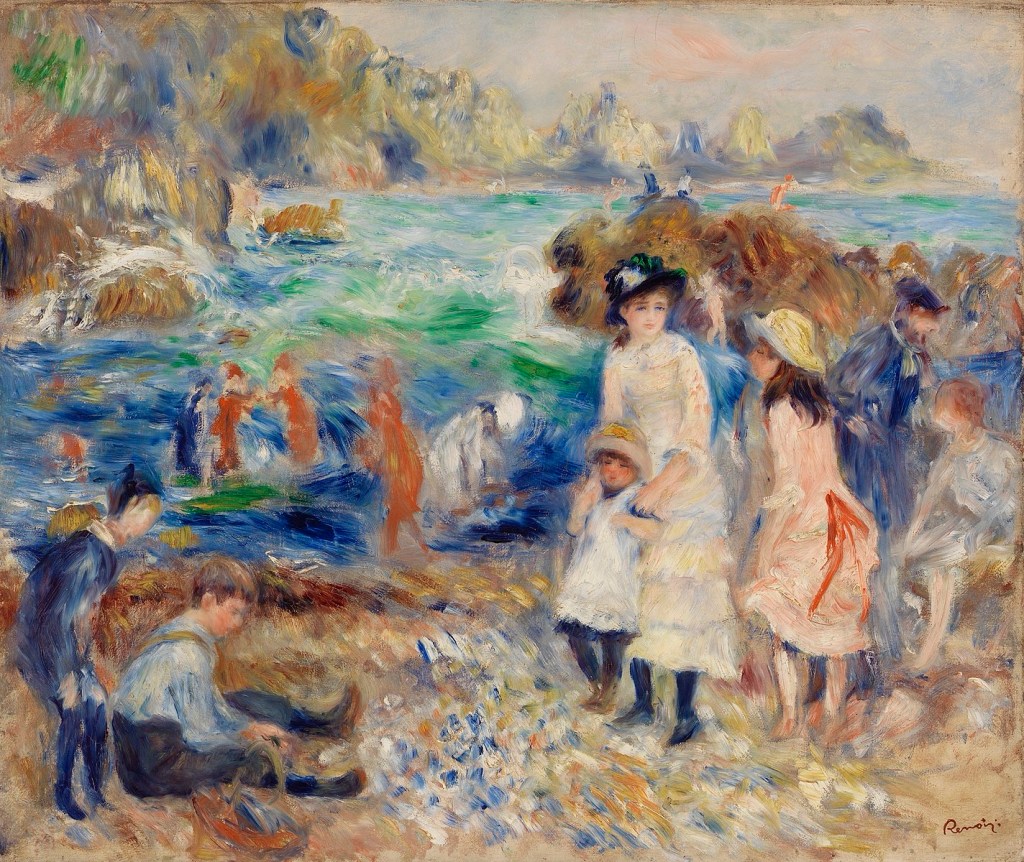
    Children at the Beach at Guernsey, Pierre-Auguste Renoir (1883)
    [Image from Wikipedia]

    Pierre-Auguste Renoir, born in Limoges, France on 25 February 1841, emerged as a key figure in the Impressionist movement. Moving to Paris early in life, Renoir’s artistic talents blossomed while apprenticed at a porcelain factory before he pursued formal studies at École des Beaux-Arts. His association with artists like Claude Monet and Alfred Sisley helped shape the Impressionist style, characterised by vibrant colours and light. Despite initial career challenges, Renoir’s work eventually garnered acclaim, with his 1876 painting, Dance at Le Moulin de la Galette, epitomising Parisian nightlife and becoming iconic.

    Dance at Le Moulin de la Galette, Pierre-Auguste Renoir (1876)
    [Image from Wikipedia]

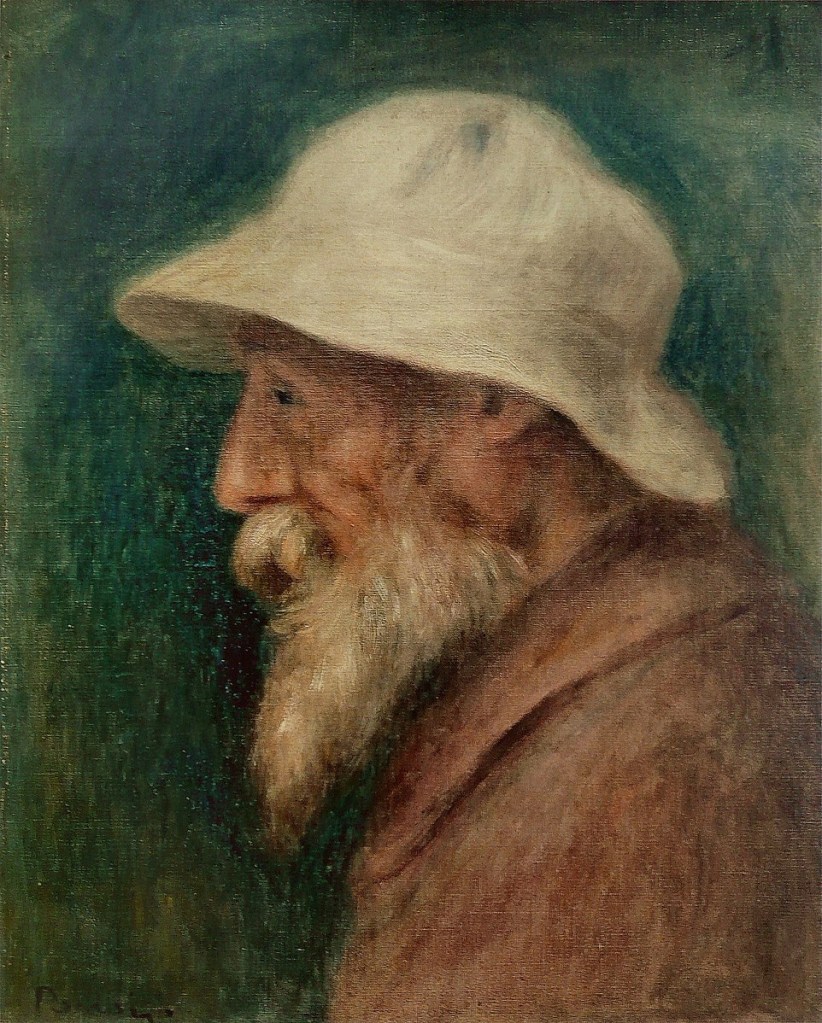
    In the mid-1880s, after a transformative trip to Italy where he studied Renaissance masters, Renoir shifted from pure Impressionism to a more classical style. He married Aline Victorine Charigot in 1890, fathering three sons, including the filmmaker Jean Renoir. Even as rheumatoid arthritis afflicted him later in life, his determination saw him continue painting with the help of assistants, developing new techniques to adapt to his condition. Renoir’s prolific career produced thousands of paintings, celebrated for their sensuality and domesticity, leaving a lasting legacy on art. His conviction that 

    “the pain passes, but the beauty remains” 

    captures the enduring impact of his work, preserved in collections worldwide.

    Self-portrait, Pierre-Auguste Renoir (1910)
    [Image from Wikipedia]
  • First Impressions

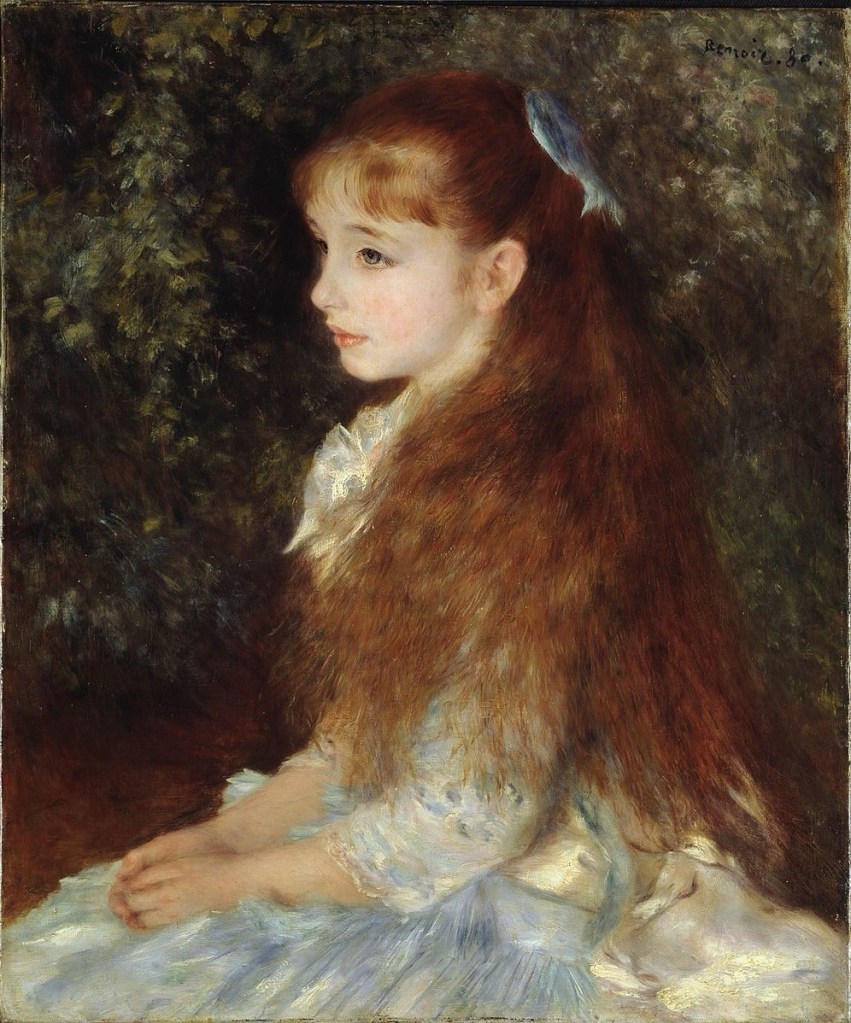
    Portrait of Irène Cahen d’Anvers (1880)
    [Image from Wikipedia]
    1. The Portrait of Irène Cahen d’Anvers (1880), shown above, is by which French painter who was born at Limoges on 25 February 1841?
      • Paul Cézanne
      • Claude Monet
      • Pierre-Auguste Renoir

    The answer will be posted later today.