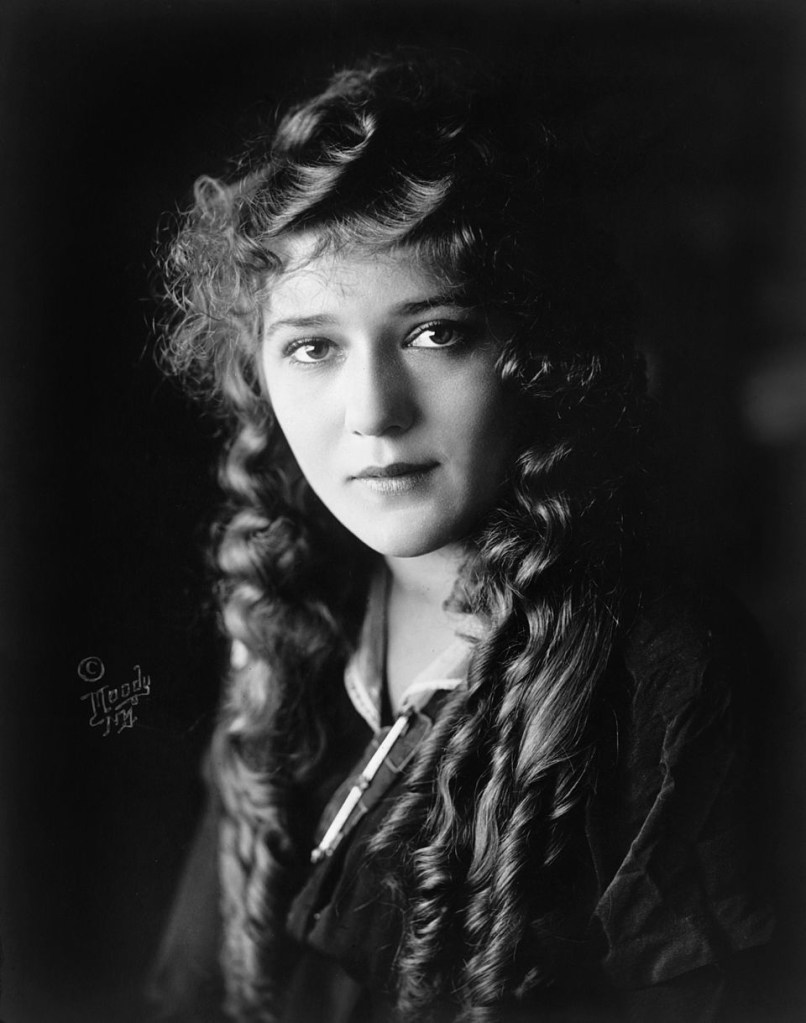
Mary Pickford—Mary Pickford, born Gladys Louise Smith, was a Canadian-American actress and producer who became a pioneer in the American film industry. Known as “America’s Sweetheart” and “The Queen of the Movies,” she gained fame through silent films such as The Poor Little Rich Girl and Rebecca of Sunnybrook Farm. Pickford co-founded United Artists alongside D.W. Griffith, Charlie Chaplin and Douglas Fairbanks. After retiring from acting in 1933, she focused on her work with United Artists and engaged in various charitable activities. Venus de Milo. Wikipedia
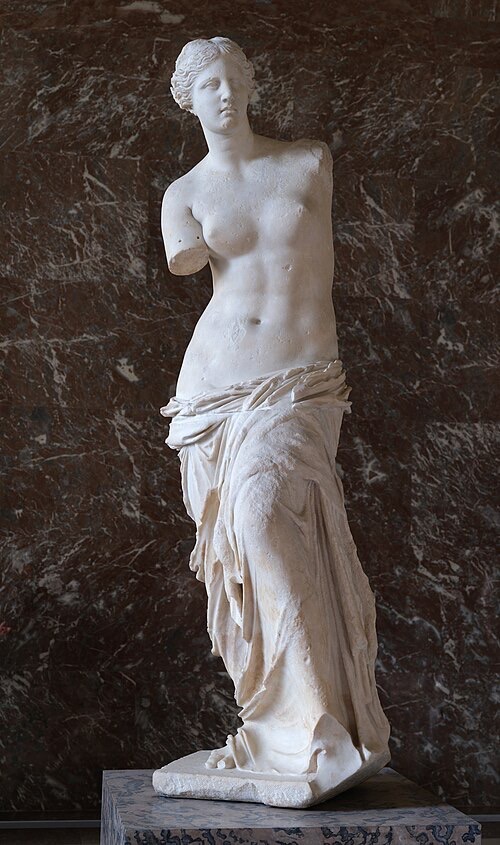
Aphrodite—The Venus de Milo, a larger-than-life marble statue of Aphrodite carved by Alexandros around 150 BCE, was discovered on Melos in 1820. Inspired by a 4th-century Corinthian statue, it exemplifies Hellenistic sculptural tradition. Missing both arms and with an uncertain original position, the Parian marble sculpture has been displayed at the Louvre since 1821 and has inspired many artistic works and cultural references.
Between the 6th and 4th centuries BCE— Siddhartha Gautama, known as the Buddha, established Buddhism in South Asia during the 6th or 4th century BCE. He advocated for a Middle Way between excessive indulgence and strict asceticism to achieve liberation from suffering. Buddhism developed into Theravada, Mahayana and Vajrayana traditions, expanding from India to Southeast and East Asia. Born in Lumbini, Nepal, and passing away in Kusinara, India, the Buddha’s teachings were spread by his followers, who commemorate significant events in his life, such as his birth, enlightenment and nirvana. Isambard Kingdom Brunel, who designed the SS Great Western, pictured with launching chains of the SS Great Eastern. Wikipedia
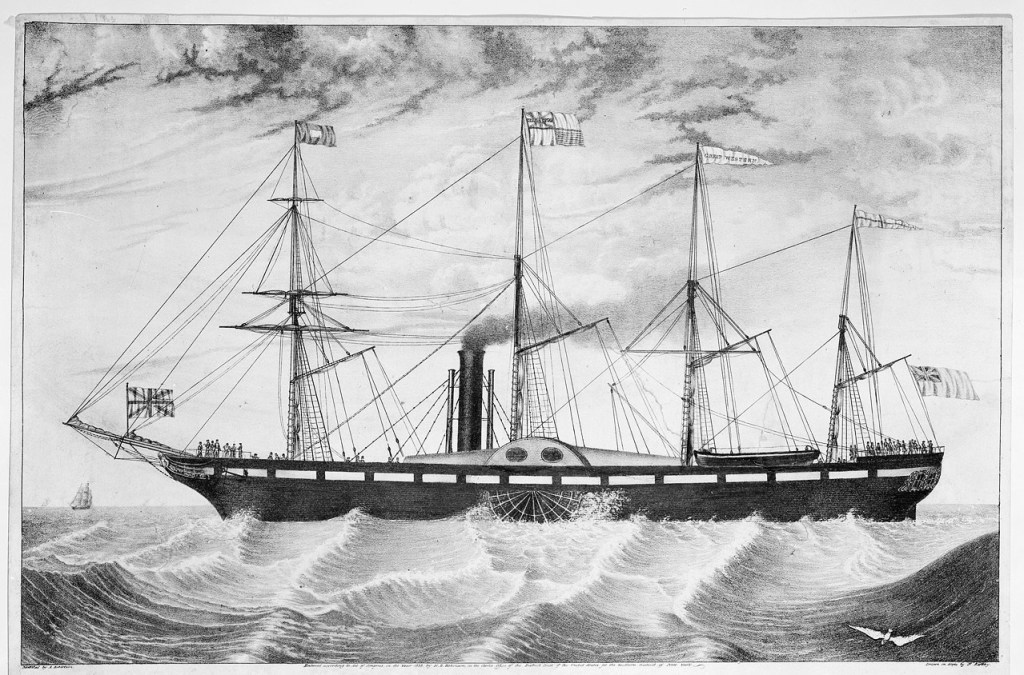
SSGreat Western—The SS Great Western, designed by Isambard Kingdom Brunel, was the first steamship built for transatlantic crossings. Wooden-hulled, it was the largest passenger ship from 1837 to 1839 and served as a model for future paddle-steamers.
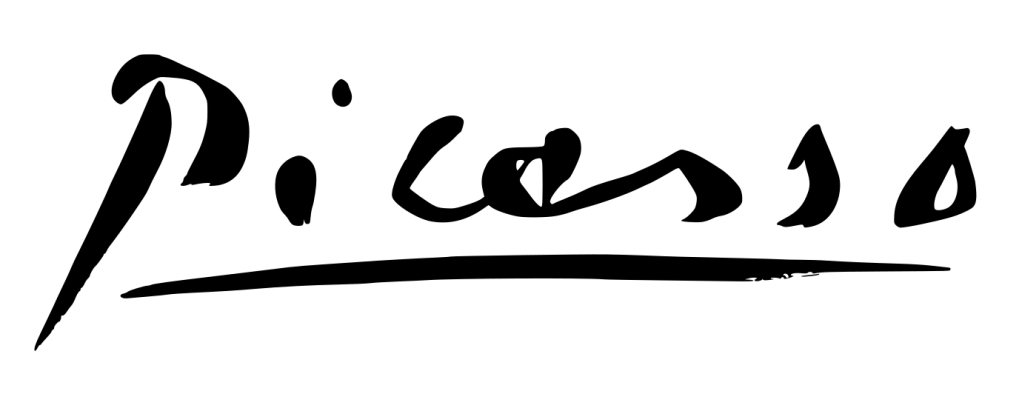
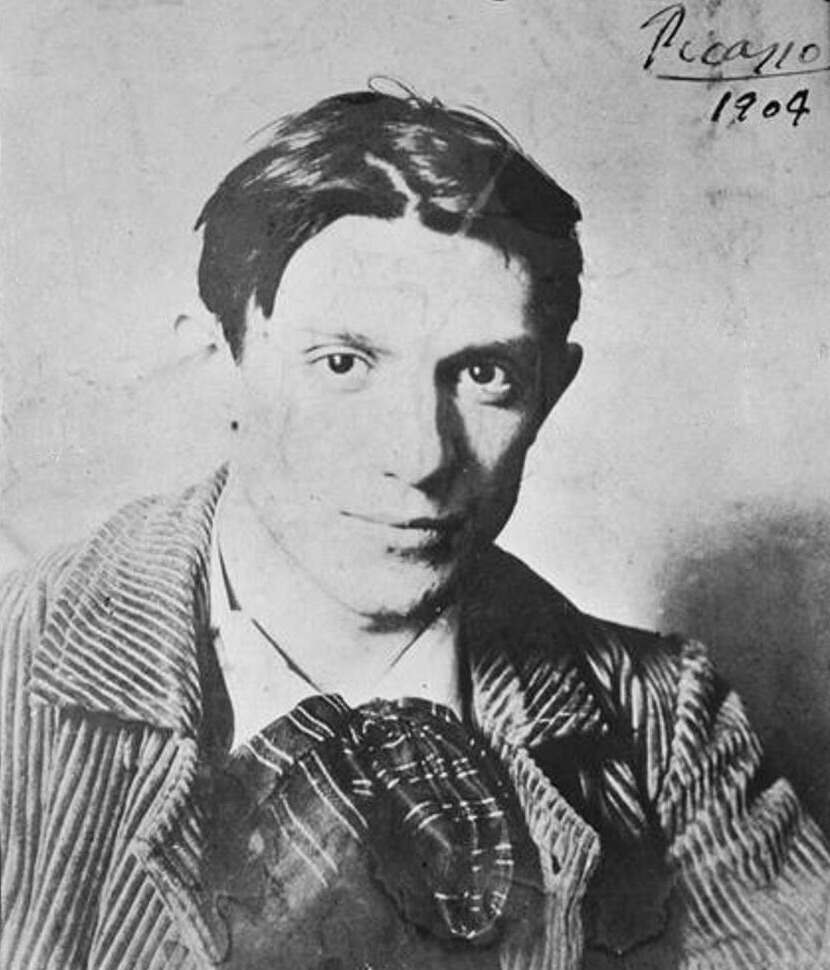
P. Ruiz— Encyclopædia Britannica states that Picasso’s baptismal names are “Pablo Diego José Francisco de Paula Juan Nepomuceno Crispín Crispiniano María de los Remedios de la Santísima Trinidad Ruiz Picasso”; Ruiz and Picasso being respectively his father’s and mother’s surnames. It further states in regard to his signing his works, “As a youth, Picasso was known as Pablo Ruiz, and he signed his earliest paintings P. Ruiz. By the turn of the 20th century he was using P.R. Picasso for paintings and drawings, but in late 1901 he finally settled on simply Picasso as his signature.”
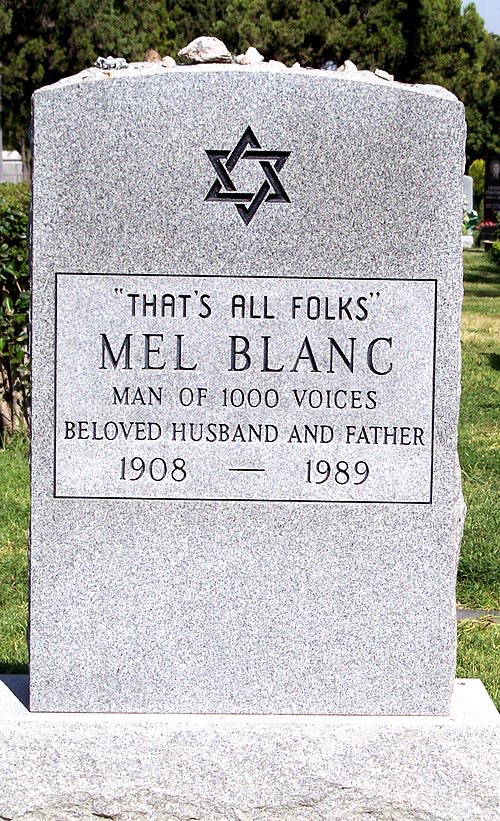
Gladys Louise Smith was born on 8 April 1892 in Toronto, Canada, and later, as an actress in the silent era, became known as “Queen of the Movies” and “America’s Sweetheart“. What name did she use professionally?
Marion Davies
Lillian Gish
Mary Pickford
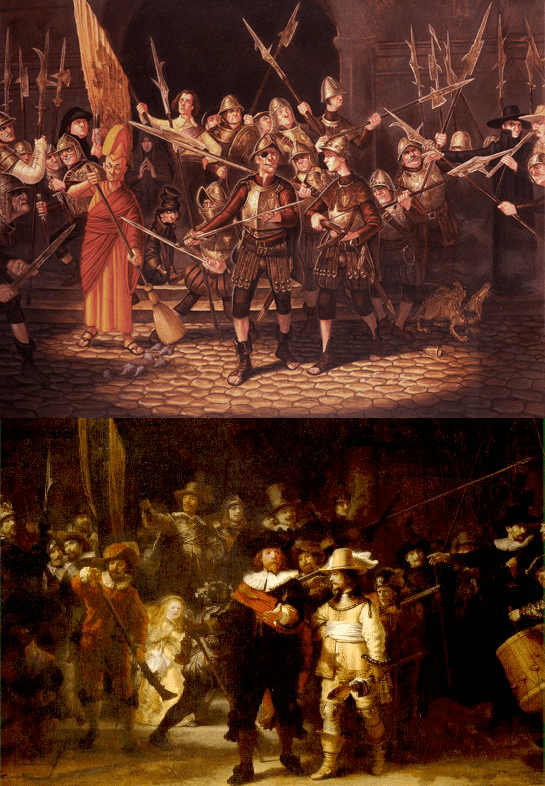
Fragments of the ancient statue Venus de Milo were found in pieces on the island of Melos in the Aegean Sea on 8 April 1920. Who is the statue believed to represent?
Aphrodite
Artemis
Athena.
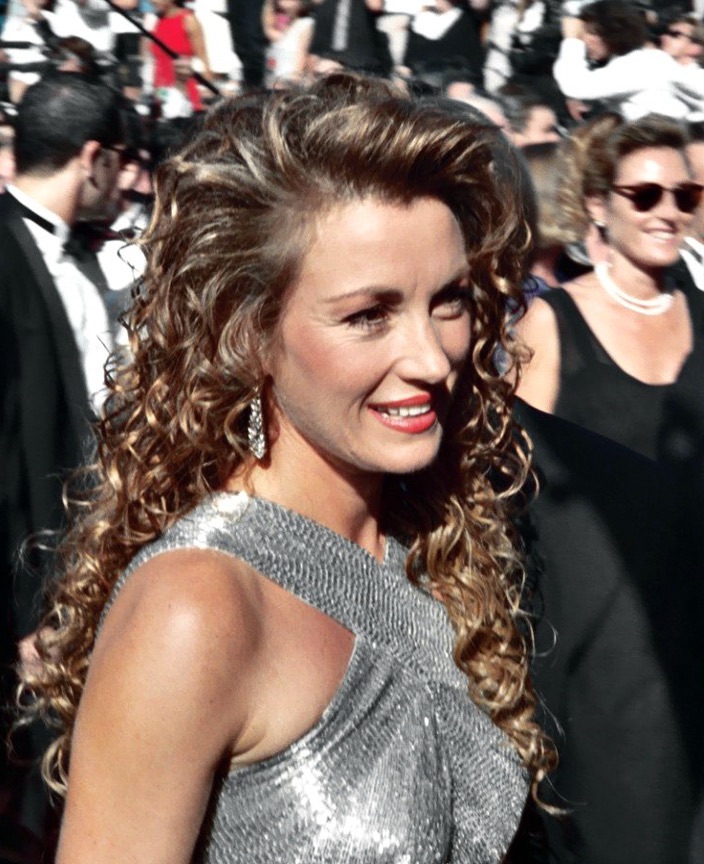
A majority of Japanese Buddhists celebrate the birth of Buddha on 8 April, when is he believed to have lived?
Between the 6th and 4th centuries BCE
Between the 2nd century BCE and 2nd century CE
Between the 4th and 6th centuries CE
SS Great ? (See question 4)
On 8 April 1838, the first purpose-built and regular transatlantic steamer embarked on its maiden voyage. The ship, a wooden-hulled paddle steamer, was named what?
SS Great Britain
SS Great Eastern
SS Great Western
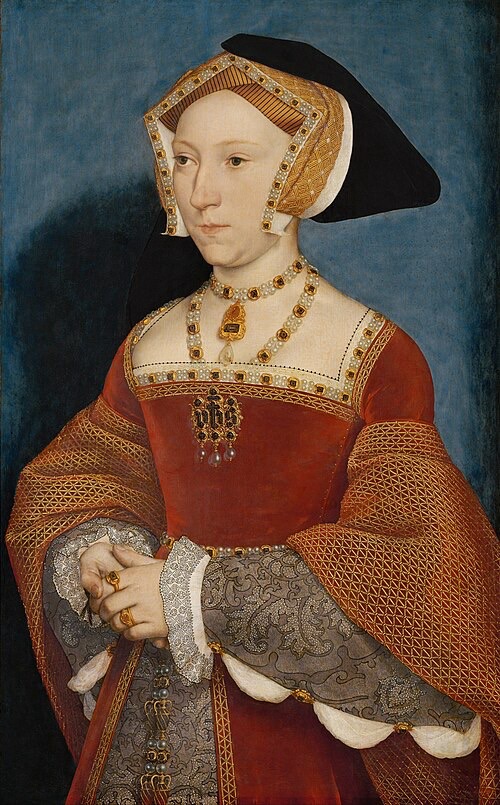
The artist Pablo Picasso died on 8 April 1973. Which of these was how he signed his earliest works?
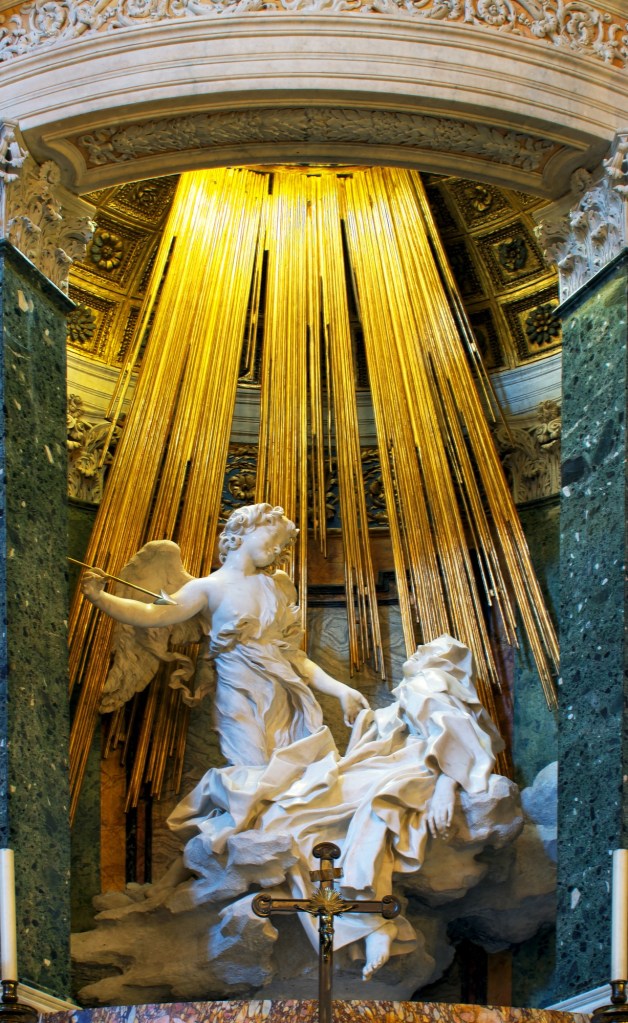
Bernini—Gian Lorenzo Bernini’s The Ecstasy of St. Teresa, depicting Teresa of Ávila’s mystical experience is in the Cornaro Chapel in Santa Maria della Vittoria, Rome. The chapel was commissioned by Federigo Cardinal Cornaro and St. Teresa is surrounded by sculptures of the cardinal and his family. Teresa of Ávila was born 28 March 1515. Istanbul. Wikipedia
Istanbul—Istanbul, Turkey’s largest city, was the capital of the Byzantine and Ottoman Empires. Located on a peninsula between Europe and Asia, it has been a strategic city for over 2,500 years. The city’s name evolved from Byzantium to Constantinople, and finally to Istanbul in 1930. Virginia Woolf. Wikipedia
Virginia Woolf—Virginia Woolf, an English writer, is known for her novels, essays, and letters. Her works, including Mrs. Dalloway and To the Lighthouse, influenced the genre through their non-linear narrative. Three Mile Island on the Susquehanna River. Wikipedia
Susquehanna River—The Three Mile Island accident near Harrisburg, Pennsylvania, in 1979 was the most serious nuclear power accident in US history. A valve malfunction caused a partial core meltdown, but fortunately, radioactive gases did not pose a threat to the surrounding population.
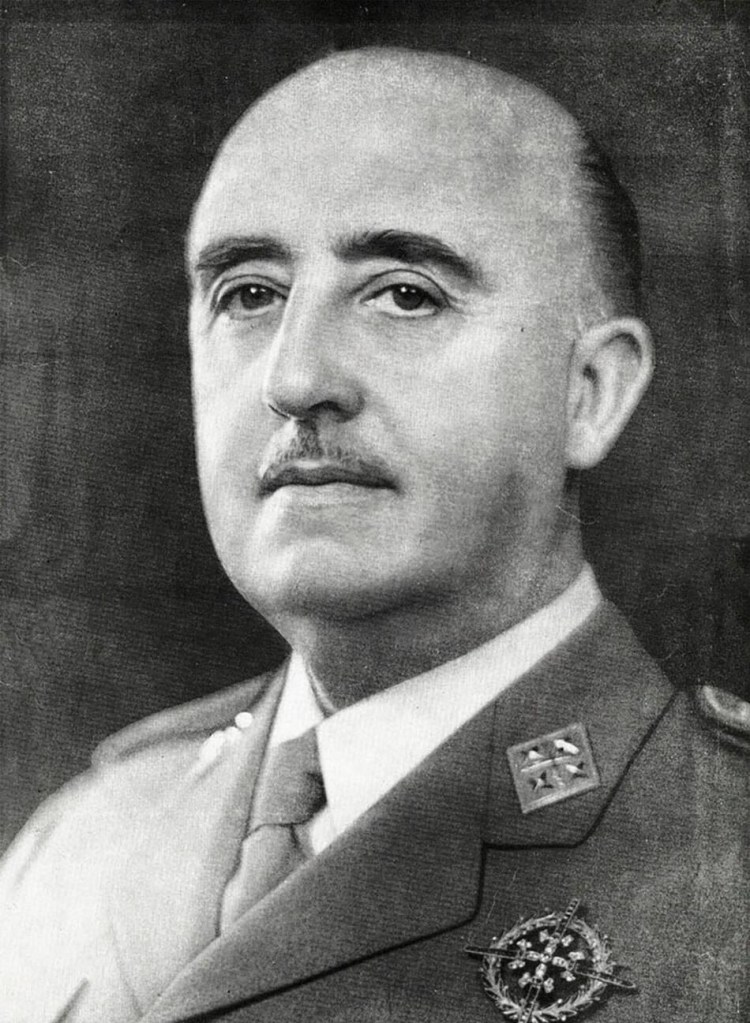
Spanish Civil War—The Spanish Civil War (1936-1939) was a conflict between the Nationalists, supported by Italy and Germany, and the Republicans, aided by the Soviet Union and International Brigades. The Nationalists, led by General Francisco Franco, emerged victorious, establishing a dictatorship that lasted until his death in 1975.
The Ecstasy of St. Teresa, shown above, is in the Cornaro Chapel, Santa Maria della Vittoria, Rome. Whose work is the sculpture?
Bernini
Donatello
Michelangelo
This city, dating back to c657 BCE, underwent name changes under the Romans in the 4th century and again in 1930. Can you name it?
Baghdad
Istanbul
Sofia
This author, who passed away on this day in 1941, is best known for her novels Mrs. Dalloway (1925) and To the Lighthouse (1927). Who is she?
Rebecca West
Katherine Mansfield
Virginia Woolf
The Three Mile Island nuclear power plant experienced an accident on 28 March 1979 that resulted in radioactive leakage. On what river does the plant stand?
Atchafalaya River
Susquehanna River
Willamette River
On this day in 1939, General Franco, the leader of the Nationalist forces during a civil war, captured his nation’s capital city. This was one of the last events before he declared victory. What civil war?
Austrian Civil War
Greek Civil War
Spanish Civil War
Good luck! I will post the answers later today.

Three Mile Island nuclear generating station, 1979. Wikipedia
The answers to the questions posted earlier are shown in bold.
Bryan Cranston, Comic-Con, San Diego, 2012 Wikipedia
Bryan Cranston—Bryan Lee Cranston is an acclaimed American actor renowned for his roles as Walter White in Breaking Bad and Hal in Malcolm in the Middle. He has won six Primetime Emmy Awards, two Tony Awards and two Golden Globes, with nominations for an Academy Award and a BAFTA. Cranston’s Breaking Bad performance earned him four Emmys and a Golden Globe, and he also won for Outstanding Drama Series as a producer. On stage, he won a Tony for All the Way and another for Network. Notable films include Trumbo, Saving Private Ryan, and Godzilla.
Sir Edwin Landseer By Francis Grant. National Portrait Gallery Wikipedia
Edwin Landseer—Landseer, born in London to engraver John Landseer and Jane Potts, was a prodigious artist recognised early on. He studied under his father and Benjamin Robert Haydon, who encouraged dissections to understand animal anatomy. Landseer’s association with the Royal Academy began at 13, exhibiting as an “Honorary Exhibitor,” becoming an Associate at 24, and an Academician in 1831. He was acquainted with Charles Robert Leslie and visited Scotland in 1824, which influenced him. In 1823, he painted Georgiana Russell, Duchess of Bedford, with whom he had an affair. Knighted in 1850, he declined the Royal Academy Presidency in 1866. Suffering from mental health issues, he was declared insane in 1872.
Crossing of the Strait of Dover by Blanchard and Jefferies, 1785. Wikipedia
Jean-Pierre Blanchard—Jean-Pierre Blanchard (1753–1809) was a French inventor and pioneer of gas balloon flight. He achieved fame with a hydrogen balloon flight in Paris in 1784 and later crossed the English Channel in 1785, earning praise from Louis XVI. Blanchard toured Europe, demonstrating balloons and parachutes, using the latter for a successful escape in 1793. In 1792, he conducted the first balloon flight in the Americas, observed by President George Washington. Blanchard married Sophie Blanchard in 1804 and died of a heart attack in 1808. His widow continued balloon demonstrations until her accidental death.
Rachel Weisz Wikipedia
Rachel Weisz—Rachel Weisz is an acclaimed English actress known for her roles in both independent films and blockbusters. She began her career in the early 1990s, gaining recognition with her film debut in Death Machine (1994) and winning a Critics’ Circle Theatre Award for Design for Living. Her breakthrough came with The Mummy series (1999-2001). Weisz won an Academy Award for The Constant Gardener (2005) and a Laurence Olivier Award for A Streetcar Named Desire (2009). She continued to excel in films like The Bourne Legacy (2012) and The Favourite (2018),winning a BAFTA for the latter.
Viv Richards Wikipedia
Viv Richards—Sir Vivian Richards is a retired Antiguan cricketer celebrated as one of the greatest batsmen ever. Representing the West Indies from 1974 to 1991, he was pivotal in their 1975 and 1979 World Cup victories and a runner-up in 1983. Richards made his Test debut in 1974 and scored 8,540 runs in 121 matches, becoming the West Indies’ leading run-scorer. Despite eye surgery in 1984, he continued to excel. Knighted in 1999, he was named a Cricketer of the Century by Wisden in 2000 and inducted into the ICC Hall of Fame in 2009.
Ranulph Fiennes at the Celebrating Captain Scott’s Legacy: 100 Years of Discovery and Diplomacy in Antarctica event in London. Wikipedia
Ranulph Fiennes—Sir Ranulph Twisleton-Wykeham-Fiennes is a renowned British explorer, writer and poet, holding several endurance records. He served in the British Army for eight years, including counter-insurgency work in Oman. Fiennes is celebrated for being the first to visit both the North and South Poles by surface means and the first to cross Antarctica on foot. In 2009, at 65, he summited Mount Everest. Recognised by the Guinness Book of World Records in 1984 as the world’s greatest living explorer, he has authored numerous books on his adventures and explorers like Robert Falcon Scott and Ernest Shackleton.
Maurice Ravel Wikipedia
Maurice Ravel—Maurice Ravel was a distinguished French composer, pianist, and conductor, often associated with Impressionism alongside Claude Debussy, though both distanced themselves from the label. His work gained international acclaim in the 1920s and 1930s, earning him the title of France’s greatest living composer. Ravel’s compositions are celebrated for their intricate harmonies and innovative orchestration, exemplified in Boléro (1928) and his arrangement of Mussorgsky’s Pictures at an Exhibition (1922). Despite facing bias at the Paris Conservatoire, he developed a unique style blending modernism, baroque, neoclassicism and jazz, known for its clarity and experimentation.
Amanda Gorman steps to the podium to recite her inaugural poem, “The Hill We Climb,” during the 59th Presidential Inauguration ceremony in Washington, Jan. 20, 2021. (DOD Photo by Navy Petty Officer 1st Class Carlos M. Vazquez II) Wikipedia
Amanda Gorman—Amanda Gorman is an American poet, activist and model known for addressing issues like oppression, feminism, race, and marginalisation. She was the first National Youth Poet Laureate and published The One for Whom Food Is Not Enough in 2015. Gorman gained global fame in 2021 for her poem The Hill We Climb at Joe Biden’s inauguration, leading to best-selling books and a management contract. She was featured in Time magazine’s 100 Next list and became the first poet to perform at the Super Bowl, delivering Chorus of the Captains at Super Bowl LV.
Ivan Lendl, 1984. Wikipedia
Ivan Lendl—Ivan Lendl is a Czech-American former professional tennis player and coach, celebrated as one of the greatest in the sport. He held the world No. 1 ranking for 270 weeks and won 94 singles titles, including eight majors. Lendl is the only player with a match-winning percentage over 90% in five different years and leads head-to-head against rivals Jimmy Connors and John McEnroe. Known as the ‘Father Of Modern Tennis’, he pioneered aggressive baseline power tennis. Post-retirement, he coached Andy Murray to three major titles and a world No. 1 ranking.
Stanley Kubrick—Stanley Kubrick (1928–1999) was an acclaimed American filmmaker known for his meticulous attention to detail, innovative cinematography and dark humour. Born in New York City, he developed an early interest in literature, photography, and film, teaching himself filmmaking after high school. Kubrick’s notable works include The Killing, Paths of Glory, Spartacus, Lolita, Dr. Strangelove, 2001: A Space Odyssey, A Clockwork Orange, Barry Lyndon, The Shining and Full Metal Jacket. He moved to England in 1961, where he maintained artistic control over his films, often using groundbreaking techniques. Kubrick’s legacy includes numerous award nominations and critical acclaim.
Production photo of director Stanley Kubrick (left, seated) and actor Tony Curtis (right) on the set of the 1960 film Spartacus. Wikipedia
See question 10. Poster for the film Spartacus (1960) Wikipedia
Ten questions about people who were either born or sadly died on the 7 March—each answer will follow these two words: “I am…”
Question 1. The second man to walk on the Moon. Wikipedia
Born today in 1956 in Los Angeles, California, I played the second man to walk on the moon in From the Earth to the Moon (1998). I did voice work on the animated series Family Guy, Robot Chicken and SuperMansion. I am…
Bryan Cranston
Patrick Warburton
Hulk Hogan
Question 2. Monarch of the Glen. Wikipedia
Born 7 March 1802, I am British painter and sculptor best known for my paintings of animals such as the Monarch of the Glen (above). I am…
Frank Knight
Edwin Landseer
Langford Monroe
Died today in 1809. I am a French balloonist who, with the American physician John Jeffries, made the first aerial crossing of the English Channel. I am…
Jean Pierre Alfred Nadal
Jacques-Étienne Montgolfier
Jean-Pierre Blanchard
Born today in 1970, I am an actor and appeared as as Evelyn Carnahan in the Hollywood action films The Mummy (1999) and its sequel. I was Tessa Abbott-Quayle in the 2005 film adaptation of John le Carré’s The Constant Gardener. I am…
Abigail Cruttenden
Olivia d’Abo
Rachel Weisz
Born this day in 1952, I am a West Indian cricketer described by Encyclopædia Britannica as “arguably the finest batsman of his generation”. I am…
Born today in 1944, I am a British adventurer and explorer who, as part of the Transglobe Expedition circumnavigated the world via the North and South Pole. I also ran seven marathons on seven continents in seven consecutive days. I am…
Benedict Allen
Ranulph Fiennes
Gino Watkins
Question 7. Jayne Torville and Christopher Dean, Dancing on Ice, 2011 Wikipedia
Born 7 March 1875, I am a composer probably best known for Boléro (1928) which gained new popular following after featuring in the film 10 (1979) and the 1984 Olympics when used by ice-dancers Torvill and Dean. I am…
Antonín Dvořák
Maurice Ravel
John Philip Sousa
Born this in 1998, I am a poet and activist who gained international fame when I read my poem The Hill We Climb at Joe Biden’s 2021 presidential inauguration. I am…
Amanda Gorman
Amanda Grayson
Amanda Hunsaker
Born today in 1960, I’m a former American tennis player of Czech descent who was very successful in the 1980s and early 1990s. As a right-hander, I was known for my powerful forehand. I won eight Grand Slam titles, including three consecutive US Open championships from 1985 to 1987. I am…
Goran Ivanišević
Ivan Lendl
Ilie Năstase
Died this day in 1999 in England. In 1960, I took over direction of Spartacus, the slave revolt epic set in Ancient Rome; I am also known for my Odyssey. I am…
Answers to the questions in the earlier post are shown in bold below.
US Military Academy, West Point, Coat of Arms Image Wikipedia
West Point military academy—Edgar Allan Poe attended the United States Military Academy at West Point in 1830. His time there was marked by academic success in subjects like mathematics, but he struggled with the strict military discipline. Poe deliberately sought dismissal by neglecting his duties and violating academy regulations. His tenure at West Point was brief, lasting less than a year, but it significantly influenced his literary career, as he turned his focus entirely to writing after leaving the academy. Pietà (1498–1499), by Michaelangelo. St. Peter’s Basilica, Vatican City Image Wikipedia
1475—Michelangelo di Lodovico Buonarroti Simoni (1475–1564), known simply as Michelangelo, was an influential Italian sculptor, painter, architect and poet of the High Renaissance. Born in Florence, his work drew inspiration from classical antiquity, leaving a profound impact on Western art. Renowned for masterpieces like the Sistine Chapel ceiling and the statue of David, Michelangelo epitomised the Renaissance man alongside Leonardo da Vinci. His exceptional talents spanned multiple disciplines, and extensive surviving records highlight his artistic journey. Celebrated by contemporaries, Michelangelo remains one of the most documented and revered artists of the 16th century. Penny Black with Queen Victoria profile. Image Wikipedia
Victoria, queen of Great Britain —The Penny Black, introduced in the United Kingdom on 1 May 1840 and valid from 6 May, was the world’s first adhesive postage stamp for public postal use. Featuring Queen Victoria’s profile, it revolutionised postal services based on Sir Rowland Hill’s proposal to simplify complex, costly rates. Prior to this, recipients paid postage based on distance and sheet count. The Penny Black marked a shift to sender-paid postage, enabling letters up to ½ ounce (14 grams) to be delivered nationwide for a uniform rate of one penny, streamlining and democratising communication across distances. Valentina Tereshkova. Image Wikipedia
Valentina Tereshkova—Valentina Tereshkova, a Russian engineer and former Soviet cosmonaut, was the first woman in space, completing a solo mission on Vostok 6 in 1963. It was her only space flight. This is a drawing of the Alamo Mission in San Antonio. It was first printed in 1854 in Gleason’s Pictorial Drawing Room Companion and was reprinted in Frank Thompson’s 2005 “The Alamo”, p 106. Image Wikipedia
13 days—The Siege of the Alamo took place from 23 February to 6 March 1836 during the Texas Revolution. Mexican forces led by General Antonio López de Santa Anna besieged the Alamo Mission in San Antonio, defended by Texian rebels including James Bowie, William B. Travis and Davy Crockett. Despite fierce resistance, the Texians were vastly outnumbered. After 13 days of relentless bombardment and attacks, the Mexican army overran the mission, killing nearly all defenders. The defeat became a rallying cry, “Remember the Alamo!”, inspiring Texian forces to eventual victory in the revolution. Old Package of Aspirin, 20 tabs 0.5 g Image Wikipedia
Aspirin—Aspirin, a genericized trademark for acetylsalicylic acid (ASA), is a nonsteroidal anti-inflammatory drug (NSAID) used to alleviate pain, fever, and inflammation and as an antithrombotic. It treats specific inflammatory conditions like Kawasaki disease, pericarditis, and rheumatic fever. Long-term use helps prevent heart attacks, ischaemic strokes and blood clots in high-risk individuals. Effects for pain or fever usually start within 30 minutes. Aspirin functions like other NSAIDs but uniquely suppresses platelet function. Muhammad Ali. Image Wikipedia
Cassius Clay—In 1964, Cassius Clay stunned the world by defeating Sonny Liston to win the heavyweight championship, defying the odds as an underdog. Just two days after his historic victory, Clay made headlines again by announcing his conversion to the Nation of Islam. This pivotal decision marked a profound personal transformation, as he embraced the teachings of Elijah Muhammad. On 6 March 1964, he adopted the name Muhammad Ali, symbolising his new identity and faith. Ali’s name change reflected not just a religious shift but a declaration of self-determination, which resonated throughout his illustrious boxing career and beyond. World Premiere Poster, 1853 Image Wikipedia
Fiasco—La traviata premiered at La Fenice, Venice, in March 1853, amidst Verdi’s lingering apprehensions. The production faced hurdles from the start: Verdi disagreed with the casting of 38-year-old Fanny Salvini-Donatelli as Violetta, feeling she was ill-suited for the role of a youthful, consumptive heroine. Despite Verdi’s protests, no changes were made. The opening act received applause, but enthusiasm waned in the second act, where performances by baritone Felice Varesi and tenor Lodovico Graziani met with disapproval. Verdi later lamented in a letter, “La traviata last night a failure. Was the fault mine or the singers’? Time will tell.” He further said, “It was a fiasco!” Eleanor Roosevelt with female reporters at her first White House press conference on March 6, 1933. Credit: FDR Presidential Library & Museum Image via National Woman’s History Museum
Eleanor Roosevelt—Eleanor Roosevelt recounted to journalist Lorena Hickok that the first White House press conference for women reporters, held on 6 March 1933—two days after FDR’s inauguration—was held in the Red Room. Thirty-five women attended, but there weren’t enough chairs, so some sat on the floor. These weekly conferences, open only to women, helped preserve their jobs and ensured news access. As Mrs Roosevelt noted without fresh stories, women reporters risked losing their jobs. The conferences focused on topics of interest to women, avoiding politics. Over twelve years, 348 conferences provided the First Lady with a national audience and significant publicity. Dmitri Mendeleev. Image Wikipedia
1869—On 6 March 1869, a scientist presented to the Russian Chemical Society about how elements’ properties relate to their atomic weights. He found that elements arranged by atomic weight show a pattern in their properties. Similar elements often have similar atomic weights or a regular increase in weight. Elements in groups based on atomic weight also match their valencies and chemical properties. He noted that widely spread elements have small atomic weights and that atomic weight influences an element’s nature. He predicted the discovery of new elements and suggested that atomic weights could help predict element properties.
Coloured periodic table showing the most common sets of elements (2023) Image WikipediaPietà (1498–1499), by Michaelangelo. St. Peter’s Basilica, Vatican City Image Wikipedia
Self-portrait, Pierre-Auguste Renoir (1876) [Image from Wikipedia]
Pierre-Auguste Renoir
Children at the Beach at Guernsey, Pierre-Auguste Renoir (1883) [Image from Wikipedia]
Pierre-Auguste Renoir, born in Limoges, France on 25 February 1841, emerged as a key figure in the Impressionist movement. Moving to Paris early in life, Renoir’s artistic talents blossomed while apprenticed at a porcelain factory before he pursued formal studies at École des Beaux-Arts. His association with artists like Claude Monet and Alfred Sisley helped shape the Impressionist style, characterised by vibrant colours and light. Despite initial career challenges, Renoir’s work eventually garnered acclaim, with his 1876 painting, Dance at Le Moulin de la Galette, epitomising Parisian nightlife and becoming iconic.
Dance at Le Moulin de la Galette, Pierre-Auguste Renoir (1876) [Image from Wikipedia]
In the mid-1880s, after a transformative trip to Italy where he studied Renaissance masters, Renoir shifted from pure Impressionism to a more classical style. He married Aline Victorine Charigot in 1890, fathering three sons, including the filmmaker Jean Renoir. Even as rheumatoid arthritis afflicted him later in life, his determination saw him continue painting with the help of assistants, developing new techniques to adapt to his condition. Renoir’s prolific career produced thousands of paintings, celebrated for their sensuality and domesticity, leaving a lasting legacy on art. His conviction that
“the pain passes, but the beauty remains”
captures the enduring impact of his work, preserved in collections worldwide.
Self-portrait, Pierre-Auguste Renoir (1910) [Image from Wikipedia]