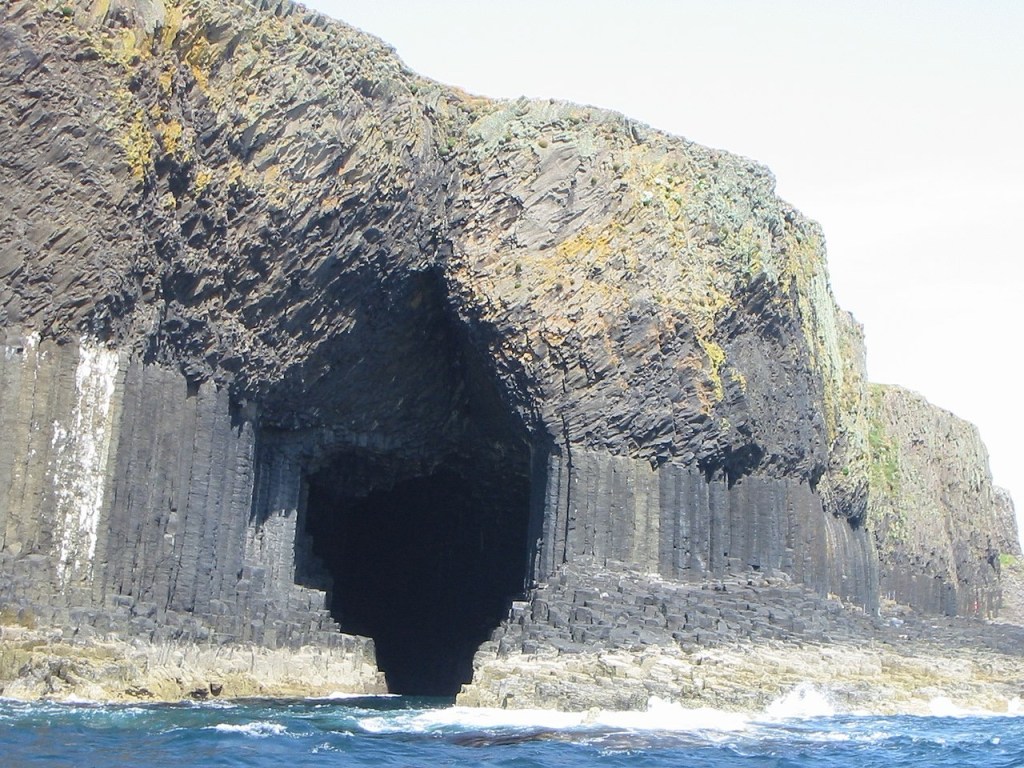
A German composer who was born this day in 1809 wrote an 1830 overture which has been credited with popularising Fingal’s Cave as a tourist destination. Who was the composer, and in what country is the cave located?
Two
In a Beatles’ song, the lyrics in verses I and III respectively mention a barber showing photographs and a fireman with an hourglass. Where are these characters located?
Three
An unexpected pairing led to this 1987 song, which has been described as ‘a spectacular blend of rock and opera, celebrating both the city of __ and the Olympic spirit with its grandiose composition’. What is both the name of the city and the song; and what are the names of the rock legend and world-famous soprano who formed the pairing?
Four
What place is in the title of a 1938 novel by Graham Greene and a 1974 song by Queen?
Five
Sinfonia Antartica, which premiered in 1953 incorporated music from the 1948 film Scott of the Antarctic. Who composed Sinfonia Antartica?
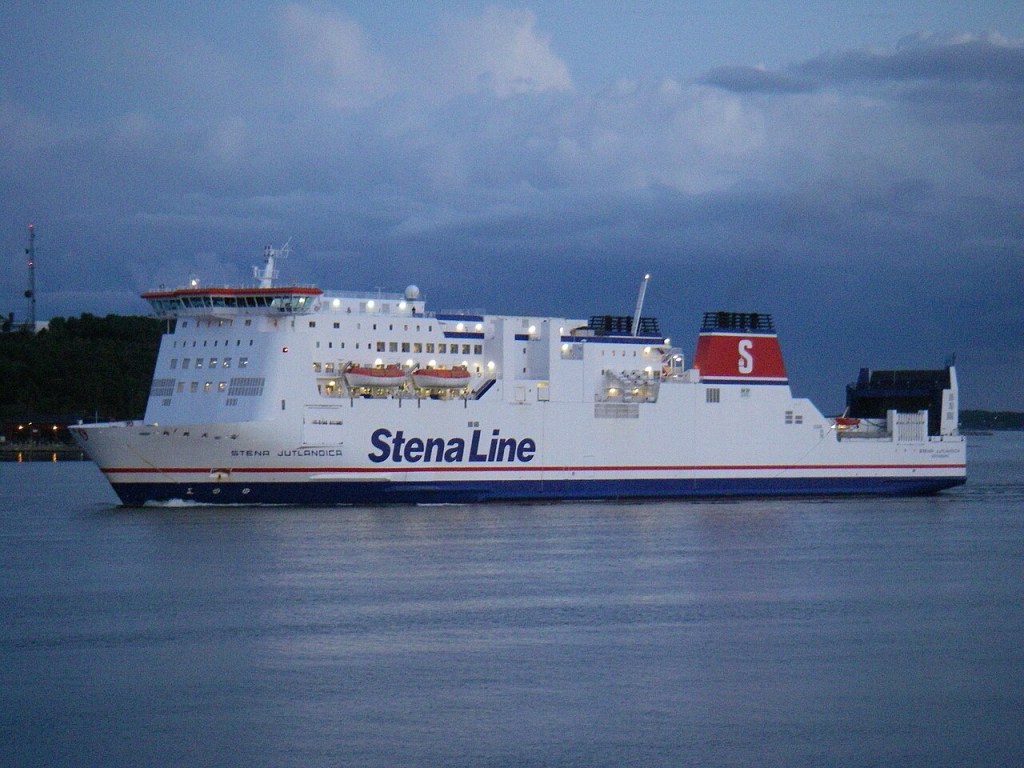
True or false: ferries operating between Gothenburg, Sweden, and Frederikshavn in Denmark cross the Kattegat.
Answer: True
The Swedish company Stena Line operates between Gothenburg/Frederikshavn in Denmark. The Kattegat is a 140-mile (225 km) long strait which is linked to the North Sea by the Skagerrak and to the Baltic Sea by the Øresund.
Two
True or false: Humphrey Bogart’s character name in The African Queen (1951) was Charlie Allnut.
Answer: True
The African Queen was a John Huston film based on C.S. Forester’s 1935 novel of the same name. Bogart starred as Charlie Allnut alongside Katharine Hepburn as Rose Sayer.
Three
True or false: Harald Hardrada was the king of England who died at the Battle of Hastings on 14 October 1066.
Answer: False
Hardrada was an epithet of Harald Sigurdsson, king of Norway, who did die in England that year, but on 25 September 1066 when he was defeated by the forces of Harold Godwinson at the Battle of Stamford Bridge. Godwinson, aka Harold II, king of England, died at the Battle of Hastings on 14 October 1066 to be succeeded by William I (William the Conqueror).
Four
True or false: the film The Exorcist was based on the novel of the same name written by Stephen King.
Answer: False
The Exorcist (1973) is a horror film about a young girl’s demonic possession and the priests’ exorcism attempt. It was based on a screenplay by William Peter Blatty, which itself was based on his 1971 novel of the same name.
Five
True or false: pangolins are only native to Africa.
Answer: False
Pangolins are armoured placental mammals found in tropical Asia and Africa. They are nocturnal, feed mainly on termites, and defend themselves by rolling into a ball. Pangolins are the only mammals covered in scales and are threatened by poaching not only for meat but for their scales, which are used in traditional medicine. They are also believed to be a potential intermediate host for the coronavirus SARS-CoV-2.
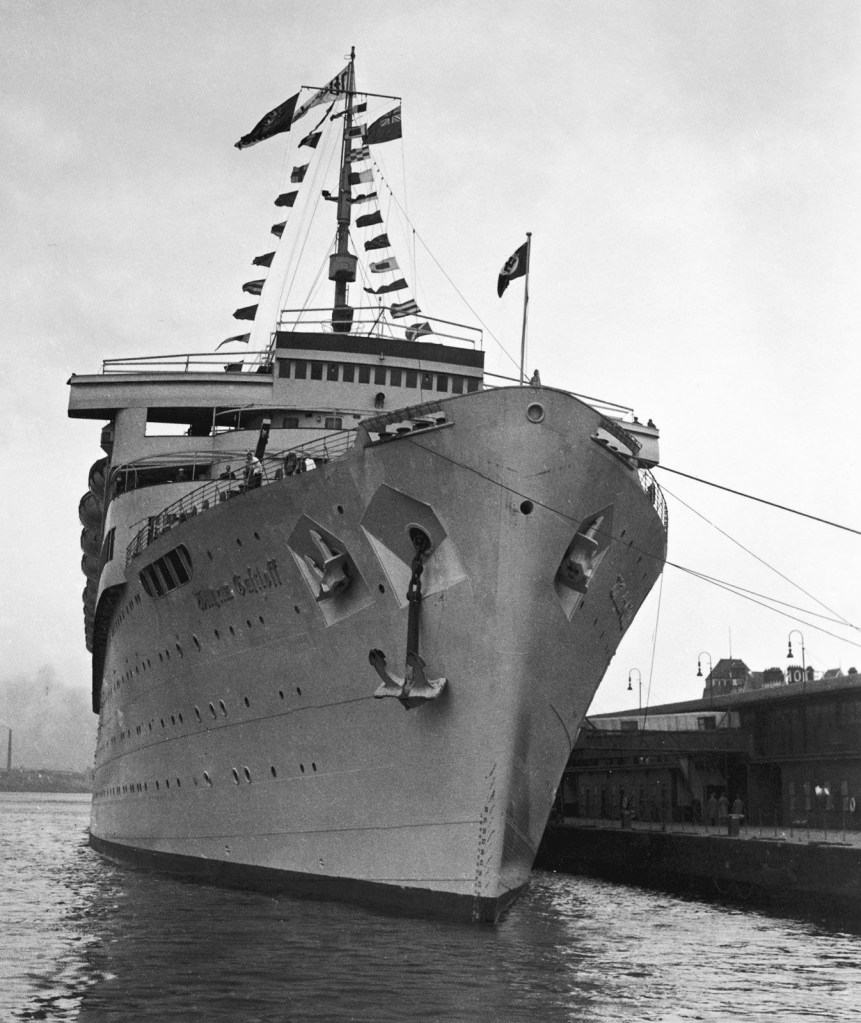
On 30 January 1945, the greatest maritime disaster in history occurred as the German ocean liner Wilhelm Gustloff was sunk. In what body of water was this sinking, and approximately how many people perished?
Answer: Baltic Sea; ≈ 9,000 lives were lost
The MV Wilhelm Gustloff, a German ocean liner originally built as a cruise ship for the Nazi Strength Through Joy organisation, was sunk by a Soviet submarine S-13 in the Baltic Sea on 30 January 1945, during Operation Hannibal. The ship, carrying an estimated 10,000 people, including refugees and military personnel, sank in one hour after being hit by three torpedoes. This disaster resulted in the greatest maritime disaster in history, with an estimated 8,761 to 9,343 casualties. Despite the high civilian death toll, the sinking is not considered a war crime due to the presence of military personnel and weapons on board.
Two
On this day in 1847, Yerba Buena became what North American city?
Answer: San Francisco
Yerba Buena (good herb), now San Francisco, was claimed by the US in 1846 during the Mexican-American War. The city became a US military territory in 1848 and was admitted to the Union as a state in 1850.
Three
Charles I, king of England, Scotland, and Ireland, was executed in London. In what decade did this occur?
Answer: 1640s
Charles I, King of England, Scotland, and Ireland from 1625 to 1649, believed in the divine right of kings and clashed with Parliament over his policies, including taxation without consent and religious reforms. His actions led to the English Civil War, his defeat, and his execution for high treason in 1649. The monarchy was abolished but restored in 1660 with his son, Charles II.
Four
Oliver Cromwell was one of the regicides responsible for Charles I’s execution. What happened to Cromwell two years after his own death?
Answer: He was disinterred and ritually executed.
Oliver Cromwell, who had died in 1658, was subjected to a posthumous execution. His body was disinterred, hanged at Tyburn, and beheaded. Then it was thrown into a pit and his head placed on a spike at the end of Westminster Hall facing the spot where Charles I had been executed.
Five
On this day in 1931 City Lights premiered. The film was written, produced, directed by, and starred whom?
Answer: Charlie Chaplin
City Lights is a 1931 American romantic comedy-drama film written, produced, directed by, and starring Charlie Chaplin. The film, which follows the Tramp’s misadventures, was released with a synchronised musical score and sound effects despite the rise of talking pictures. City Lights was a critical and commercial success, and is considered one of Chaplin’s greatest films.
Good Herb
The post title is the translation of Yerba Buena, which is now the city of San Francisco. See question two.
On 30 January 1945, the greatest maritime disaster in history occurred as the German ocean liner Wilhelm Gustloff was sunk. In what body of water was this sinking, and approximately how many people perished?
Two
On this day in 1847, Yerba Buena became what North American city?
Three
Charles I, king of England, Scotland, and Ireland, was executed in London. In what decade did this occur?
Four
Oliver Cromwell was one of the regicides responsible for Charles I’s execution. What happened to Cromwell two years after his own death?
Five
On this day in 1931 City Lights premiered. The film was written, produced, directed by, and starred whom?
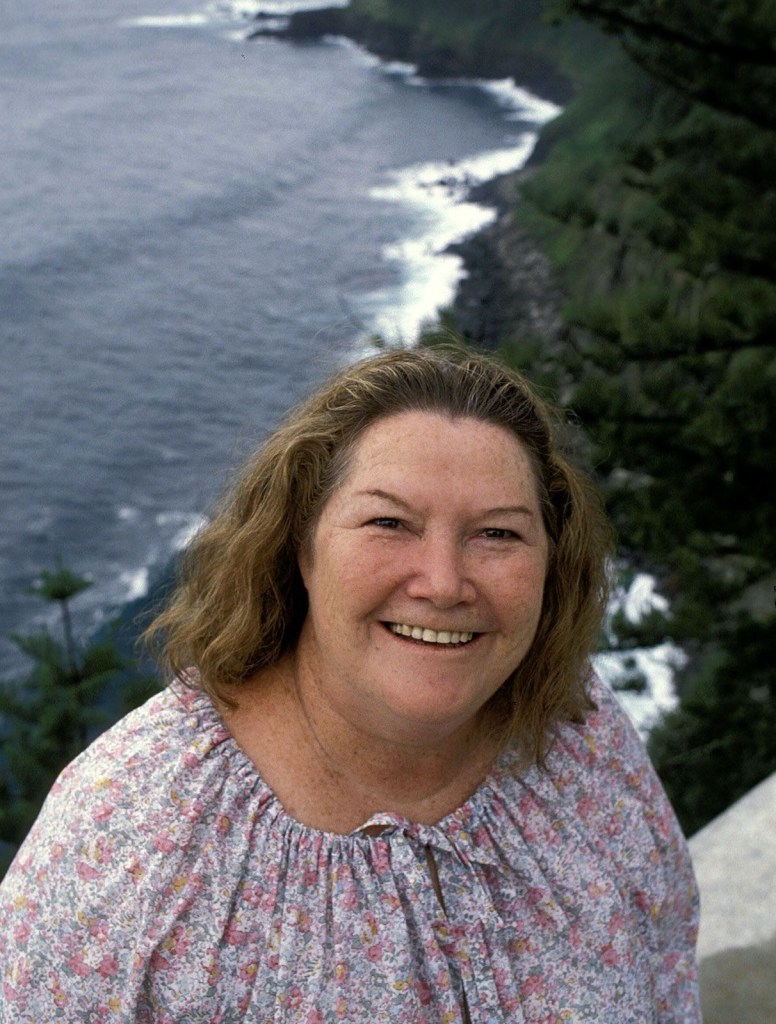
Australian novelist Colleen McCullough was best known for what romance set in a fictional Drogheda—named after Drogheda, Ireland—a sheep station in the Australian Outback?
Answer: The Thorn Birds
The Thorn Birds, a 1977 novel by Colleen McCullough, is a family saga set on an Australian sheep station. It is the best-selling book in Australian history and inspired an eponymous television series, which became one of the most-watched mini-series of all time. Colleen McCullough died today in 2015, aged 77.
Two
Who, born today in 1966, scored their somewhat controversial 1,000th career goal while playing for Vasco da Gama against Sport Recife in 2007?
Answer: Romário
Romário’s 1,000th career goal, scored from a penalty kick for Vasco da Gama, sparked debate due to his inclusion of goals from friendlies and unofficial games. While celebrated in Brazil, the milestone’s validity was questioned internationally. After his football career ended, he became a politician, advocating for people with disabilities.
Three
Oprah Winfrey was born on January 29, 1954, but in which U.S. state was she born?
Answer: Mississippi
Born in Kosciusko, Mississippi Oprah Winfrey, an American media mogul, is best known for her influential talk show, The Oprah Winfrey Show. She is the richest Black woman and was once the world’s only Black billionaire.
Four
Released in cinemas today in 1964, Dr. Strangelove… but what was the full title?
Answer: Dr. Strangelove or: How I Learned to Stop Worrying and Love the Bomb
Dr. Strangelove is a 1964 political satire black comedy film directed by Stanley Kubrick. The film, loosely based on the novel Red Alert, parodies Cold War fears of nuclear war and stars Peter Sellers in three roles. It is widely considered one of the greatest and most influential films ever made.
Five
Who, born on this day in 1939, an Australian journalist and author, has used the pseudonyms Rose Blight and Dr. G?
Answer: Germaine Greer
Germaine Greer, an Australian writer and public intellectual, is a prominent and controversial figure in feminism. She was the columnist Rose Blight in Private Eye and Dr. G in Oz.
Five questions about events related to today’s date, January 29th.
One
Australian novelist Colleen McCullough was best known for what romance set in a fictional Drogheda—named after Drogheda, Ireland—a sheep station in the Australian Outback?
Two
Who, born today in 1966, scored their somewhat controversial 1,000th career goal while playing for Vasco da Gama against Sport Recife in 2007?
Three
Oprah Winfrey was born on January 29, 1954, but in which U.S. state was she born?
Four
Released in cinemas today in 1964, Dr. Strangelove… but what was the full title?
Five
Who, born on this day in 1939, an Australian journalist and author, has used the pseudonyms Rose Blight and Dr. G?
In July 1985, Live Aid was held simultaneously at two venues on either side of the Atlantic. What were the venues?
Answer: Wembley Stadium, London and JFK Stadium, Philadelphia
Live Aid, a benefit concert held simultaneously at Wembley Stadium in London and JFK Stadium in Philadelphia on July 13, 1985, was organised by Boomtown Rats frontman Bob Geldof and Ultravox vocalist Midge Ure. The event attracted an estimated 1.5 billion television viewers and raised millions of dollars for famine relief in Ethiopia.
Two
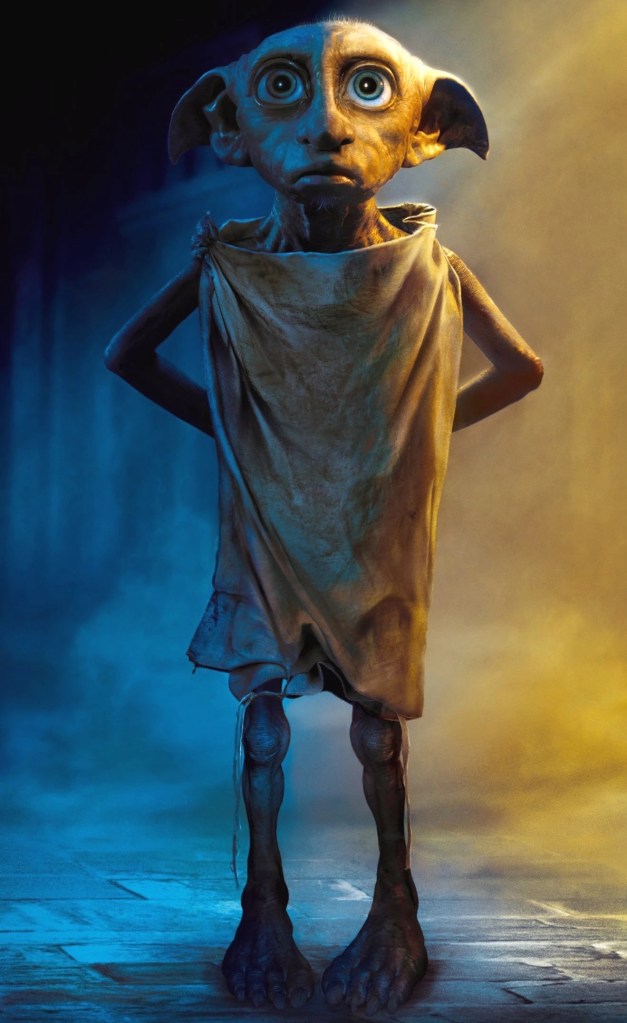
Dobby, the house-elf from Harry Potter, was in the news a couple of years ago when the National Trust asked fans not to leave memorabilia at the site of his grave at Freshwater West Beach, Pembrokeshire, Wales. What one item associated with Dobby and Harry Potter have fans been leaving?
Answer: Sock
Many fans have been leaving a sock for Dobby, referencing the fact that it was a sock Harry Potter used to trick Lucius Malfoy to set the house-elf free. Freshwater West, a ‘Site of Special Scientific Interest’, is home to large grey seals, harbour porpoises, and some of the world’s largest seabird populations. The National Trust asks visitors to leave no trace – no socks included.
Three
What creature, from Greek mythology, is being described here: ‘a creature with the head, arms, and torso of a man and the body and legs of a horse’?
Answer: Centaur
Centaurs, creatures from Greek mythology with the upper body of a human and the lower body of a horse, were known for their wild nature and inhabited various regions in Thessaly and beyond. They also appear in Roman mythology and medieval bestiaries. In modern fiction, centaurs appear in C.S. Lewis’s Chronicles of Narnia and J.K. Rowling’s Harry Potter.
Four
What song opens ‘We’re caught in a trap, I can’t walk out’?
Answer: Suspicious Minds
Mark James’s 1968 song Suspicious Minds initially failed to chart, but Elvis Presley later recorded it, transforming it into a number one hit and earning it a Grammy Hall of Fame induction.
Five
An African dictator who was in office as the President between January 1971 and April 1979 declared himself the uncrowned King of Scotland. Who was this dictator, and what country did he rule?
Answer: Idi Amin; Uganda
Idi Amin, a Ugandan military officer, ruled as a dictator from 1971 to 1979 after overthrowing President Milton Obote. His regime was marked by human rights abuses, economic collapse, and international isolation. Amin, who had become known as ‘The Butcher of Uganda’, was ousted by Tanzanian forces in 1979 and lived in exile until his death in 2003.
In July 1985, Live Aid was held simultaneously at two venues on either side of the Atlantic. What were the venues?
Two
Dobby, the house-elf from Harry Potter, was in the news a couple of years ago when the National Trust asked fans not to leave memorabilia at the site of his grave at Freshwater West Beach, Pembrokeshire, Wales. What one item associated with Dobby and Harry Potter have fans been leaving?
Three
What creature, from Greek mythology, is being described here: ‘a creature with the head, arms, and torso of a man and the body and legs of a horse’?
Four
What song opens ‘We’re caught in a trap, I can’t walk out’?
Five
An African dictator who was in office as the President between January 1971 and April 1979 declared himself the uncrowned King of Scotland. Who was this dictator, and what country did he rule?
Here are the answers to my earlier post. According to the Oxford English Dictionary ‘gallimaufry’ originated: mid-16th century: from archaic French galimafrée ‘unappetizing dish’, perhaps from Old French galer ‘have fun’ + Picard mafrer ‘eat copious quantities’.
Today we have gallimaufry, ‘a confused jumble or medley of things’.
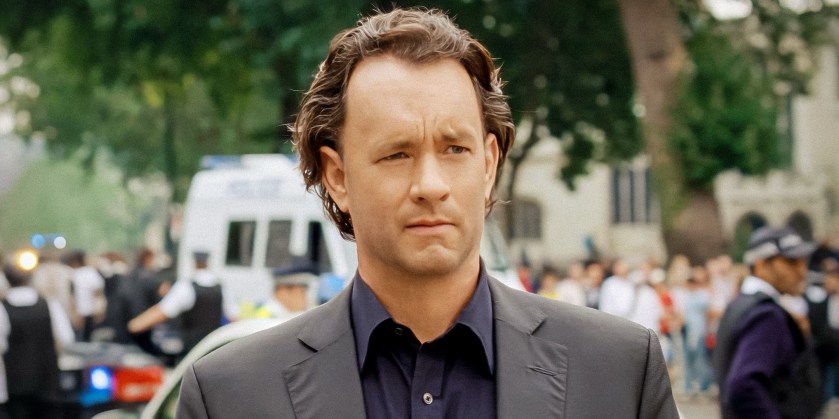
Robert Langdon, The Da Vinci Code. Image Screenrant
One
What ’S’ is a subject in which Professor Robert Langdon specialises at Harvard in the novel and film The Da Vinci Code?
Answer: Symbology
Langdon is Professor of Religious Iconology and Symbology at Harvard University. The Oxford English Dictionary defines symbology as ‘the study or use of symbols’ or ‘symbols collectively’.
Two
What ‘S’ is the town of Freddie Mercury’s birth?
Answer: Stone Town (in Zanzibar)
Freddie Mercury, born Farrokh Bulsara in Stone Town, in the British Protectorate of Zanzibar (now Tanzania) in 1946. He spent a large part of his childhood in India, where he attended St. Peter’s School and formed a band, the Hectics.
Three
What ‘W’ does an oenophile love?
Answer: Wine
Oenophile is defined as ‘a connoisseur of wines’. Its origins are from the mid-19th century: from Greek oinos ‘wine’ + -phile. Oxford English Dictionary.
Four
What ‘A’ is the name of the submarine commanded by Gene Hackman’s character in Crimson Tide?
Answer: Alabama (USS Alabama)
The film centres on a conflict between a submarine commander and his XO over a missile launch order, mirroring a Cuban Missile Crisis incident onboard the Soviet submarine B-59.
Five
‘G’ was the first initial of the author of The Canterbury Tales. What are this writer’s first and last names?
Answer: Geoffrey Chaucer
Geoffrey Chaucer, an English poet and writer, is best known for The Canterbury Tales and is considered the ‘father of English literature.’ The Canterbury Tales, an anthology of twenty-four stories written by Chaucer between 1387 and 1400, are widely regarded as his magnum opus and a paramount work of English literature. The tales, presented as part of a fictional storytelling contest, are incomplete, with Chaucer’s intention being to write four stories from the perspective of each of the 30 pilgrims.