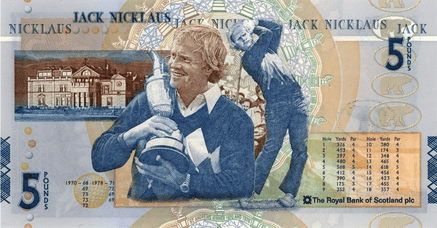
This note was issued on 14 July 2005, the opening day of the Open Golf Championship at St Andrews, and celebrated the remarkable career of Jack Nicklaus, who won the Open three times, including twice at St Andrews. It was the first British banknote to feature a living non-royal person. Wikipedia
Six—Nicklaus won six Masters, the last being in 1986. Nicknamed “the Golden Bear”, he won 117 professional tournaments, including a record 18 major championships, and is considered one of the greatest golfers of all time. This note was issued on 14 July 2005, the opening day of the Open Golf Championship at St Andrews, and celebrated the remarkable career of Jack Nicklaus, who won the Open three times, including twice at St Andrews. It was the first British banknote to feature a living non-royal person. Mars Odyssey Patch. Wikipedia
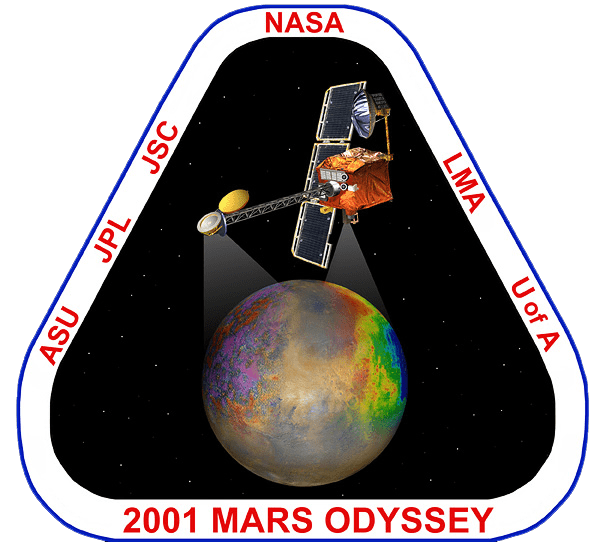
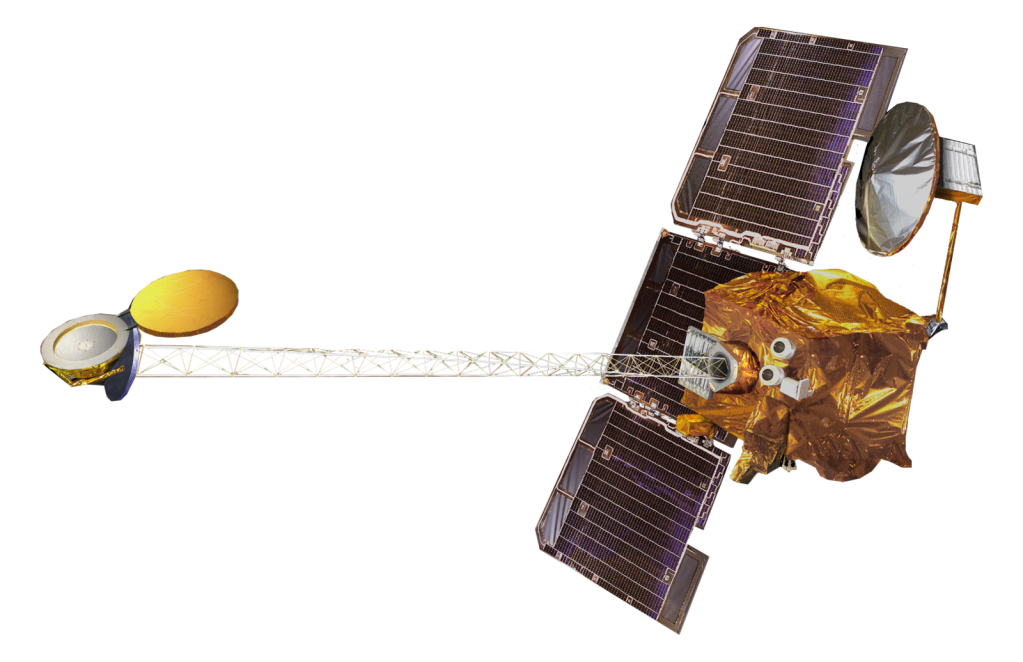
24 October 2001—The Mars Odyssey orbiter, launched in 2001, studies water, ice, geology, and radiation on Mars and acts as a communication relay. The mission was planned to last 32 months but has been expanded by more than 20 years and is expected to end later in 2025.
Geneva, Switzerland—The World Health Organisation (WHO) is a specialised agency of the United Nations that coordinates international public health responses. Established in 1948, the WHO promotes health and safety, provides technical assistance, sets international health standards, and advocates for universal health care coverage. The organisation is governed by the World Health Assembly and funded primarily by member states and private donors. Francis Ford Coppola. Wikipedia
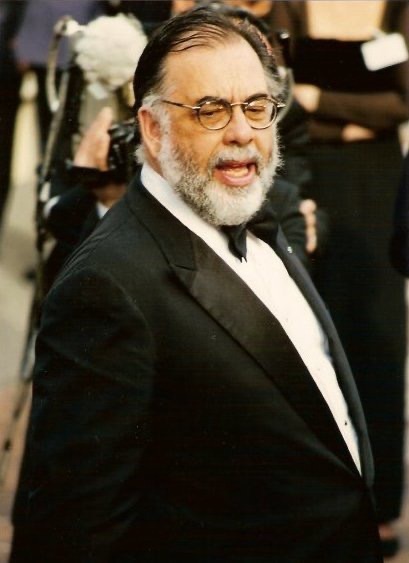
Francis Ford Coppola—an American filmmaker known for his work in the New Hollywood movement. He is celebrated for directing films like The Godfather trilogy, Apocalypse Now and The Conversation, which have earned him numerous awards and accolades.
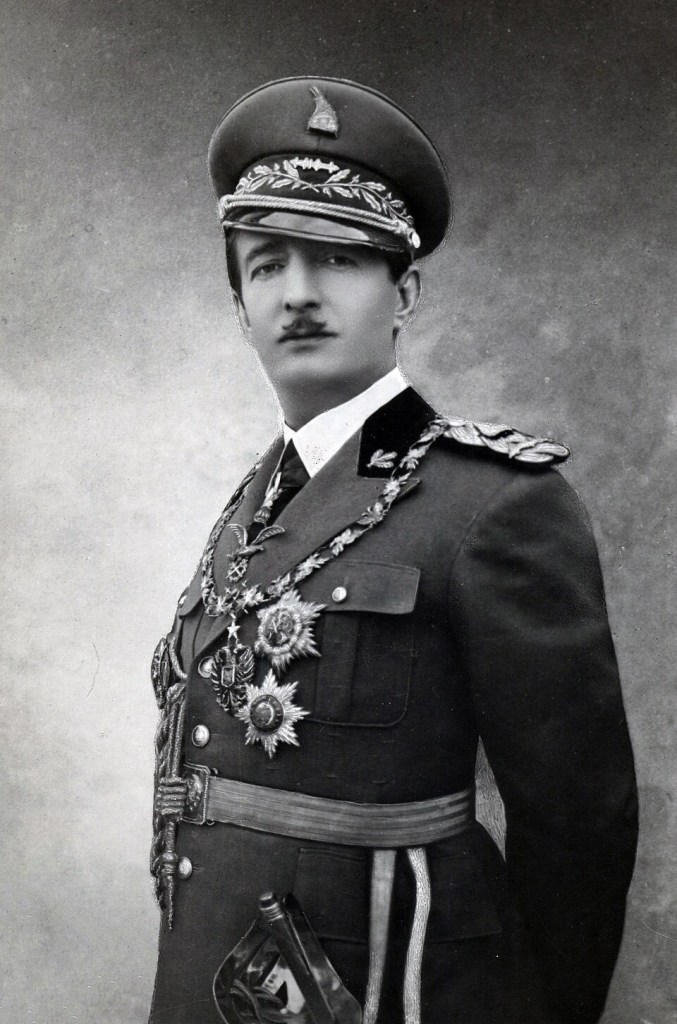
Albania—Italy invaded Albania in 1939, leading to the creation of an Italian protectorate and the exile of King Zog. During World War II, Italy’s ambitions for Greater Albania, encompassing Albanian-majority regions, were realised until Nazi Germany took control in 1943. Albanian partisans liberated it from Nazi occupation in 1944.
All of the events below happened today, 7 April, in various years.
Artist’s rendering, from NASA, of the Mars Odyssey spacecraft, in mission configuration. Wikipedia
Jack Nicklaus won his first Masters tournament on 7 April 1963 at the age of 23; how many Masters titles did he win during his career?
Four
Five
Six
The Mars Odyssey spacecraft was launched today in 2001. When did it reach Mars orbit?
15 July 2001
24 October 2001
1 February 2002
On this day in 1948, the World Health Organization, a specialised agency of the UN, was formally established. Where is it based?
Geneva, Switzerland
New York, US
Vienna, Austria
Born today in 1939, who directed the 1979 film Apocalypse Now?
Francis Ford Coppola
Wolfgang Petersen
Martin Scorsese
On 7 April 1939, Benito Mussolini made ___ a protectorate, forcing King Zog I into exile and replacing him with King Victor Emmanuel II. What missing country completes this sentence?
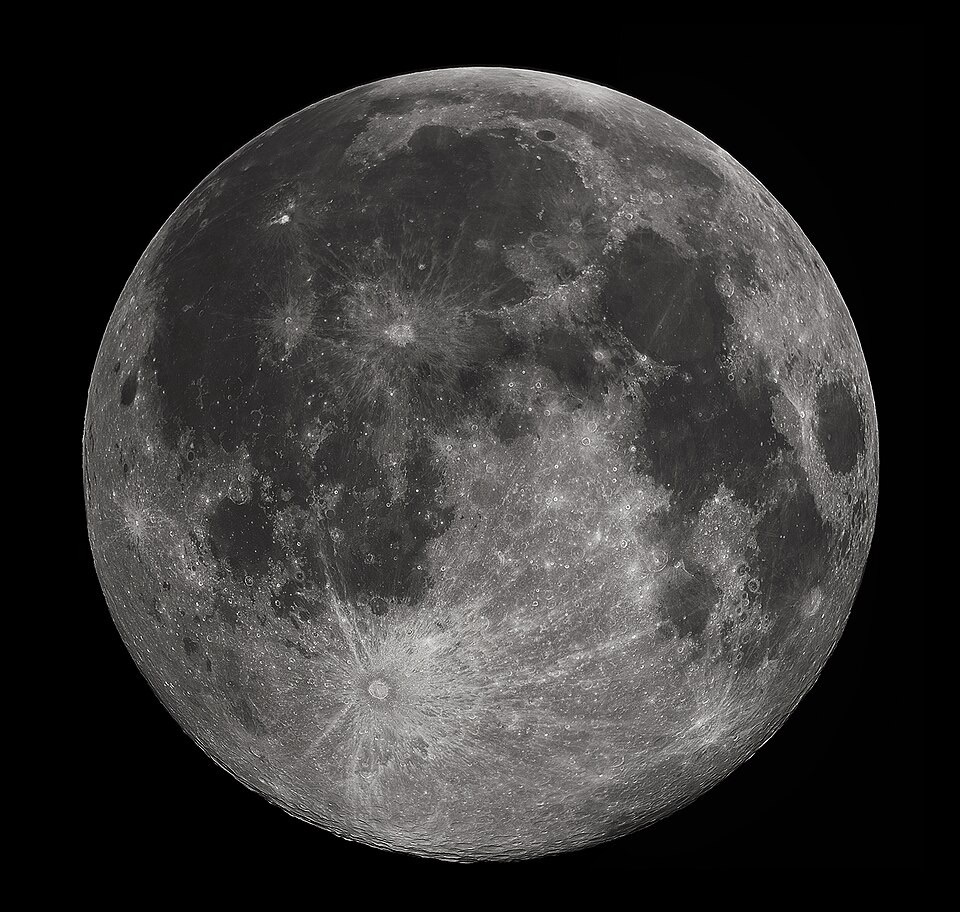
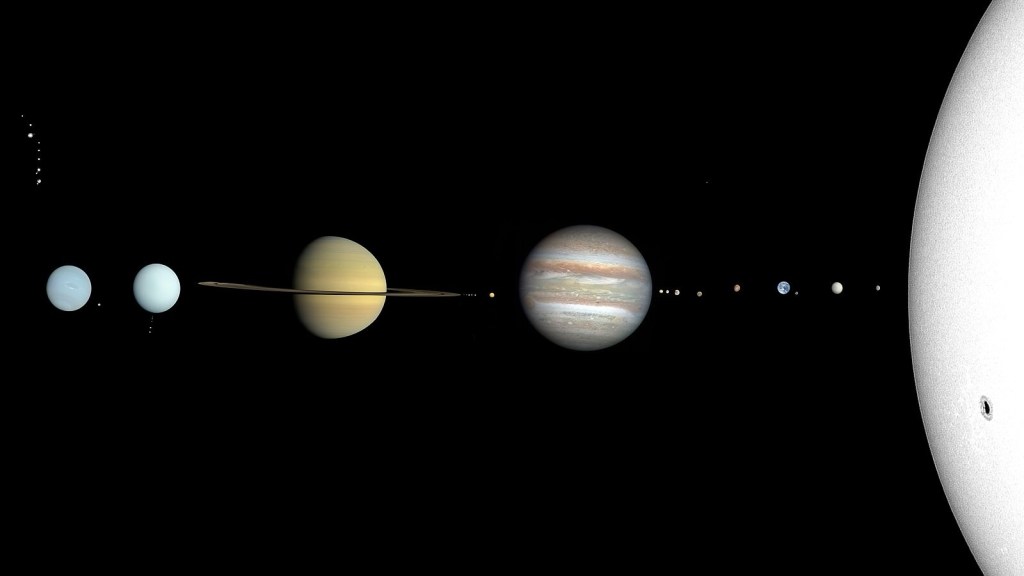
Moon—The Moon, Earth’s satellite, is different from planets like Mercury and Mars. While the Moon orbits the Earth, Mercury and Mars, like Earth, orbit the Sun. Lotus Cars logo. Wikipedia
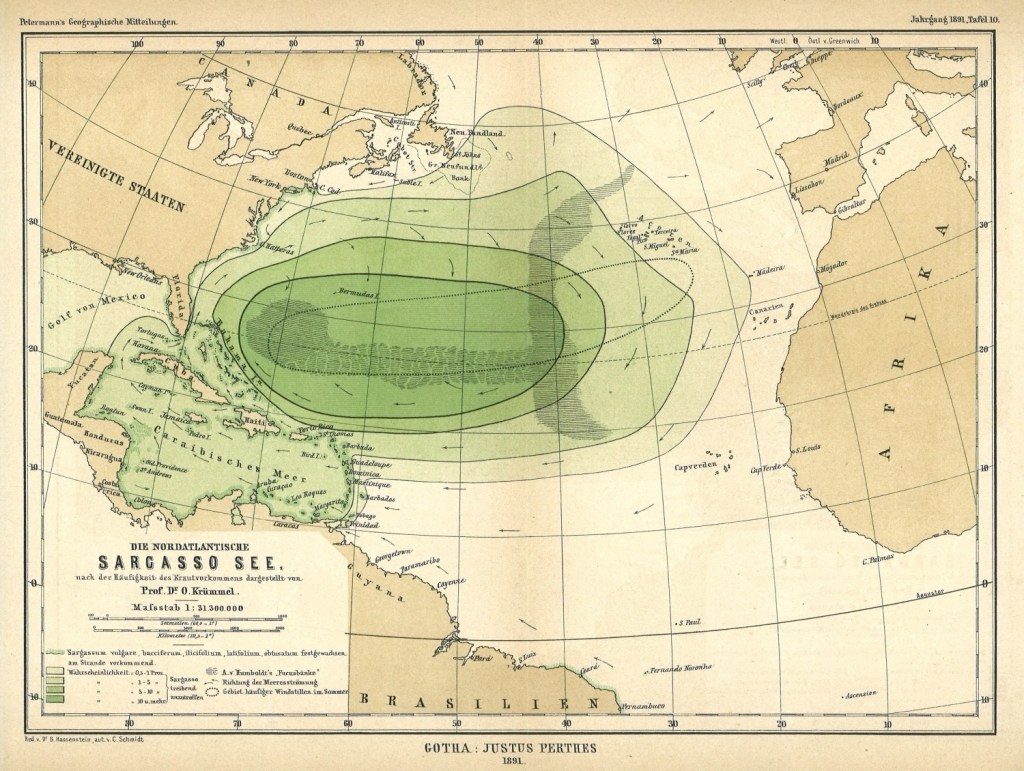
Emira—it has a petrol engine and is not electric, unlike the Eletre and Emeya. Lotus Group is a British manufacturer of luxury sports cars and electric vehicles. It comprises Lotus Cars, Lotus Tech and Lotus Engineering. Currently majority-owned by Geely, Lotus has a history of Formula One racing and producing iconic cars like the Lotus Seven and Elise. Sargasso Sea. 1891 Krummel Petermanns lores/Wikipedia
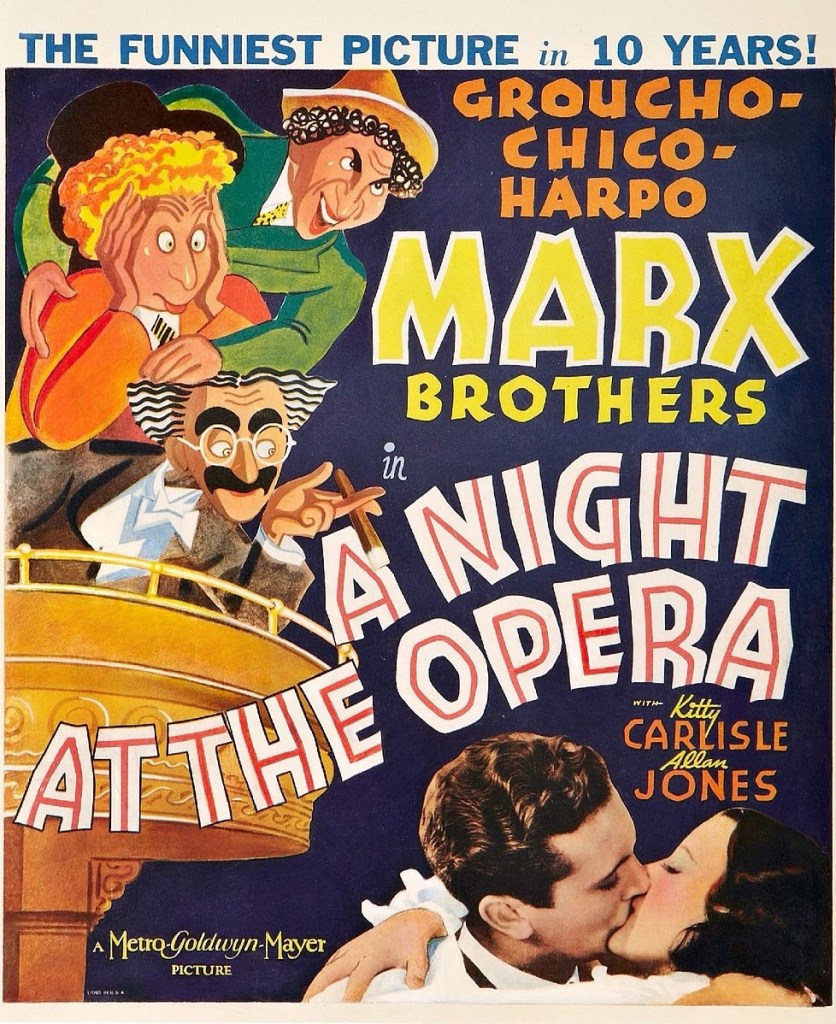
Sargasso—aka Sargasso Sea is a marine ecosystem whereas the others are both land-based. The Sargasso Sea, a region of the Atlantic Ocean bounded by four currents, is distinguished by its brown Sargassum seaweed and calm blue water. The Gobi Desert, the sixth largest desert globally, is a vast cold desert and grassland area located in northern China and southern Mongolia. In contrast, the Atacama Desert in Chile is renowned as the driest nonpolar desert, characterised by its extreme aridity due to a temperature inversion, the rain shadow effect created by two mountain ranges, and the influence of the Humboldt ocean current. Poster for the 1935 film A Night at the Opera. Wikipedia
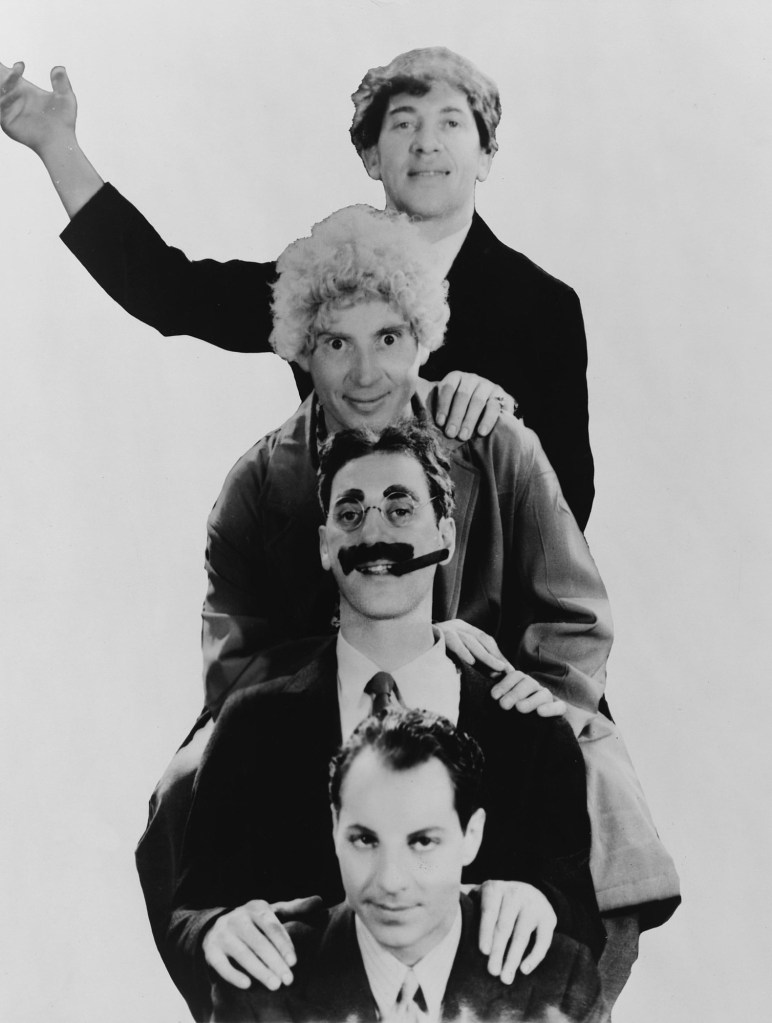
A Kind of Magic—A Day at the Races, like Queen’s previous album, A Night at the Opera, takes its name from Marx Brothers films. On the other hand, although A Kind of Magic has a film connection, it is not to a film title; it takes its name from a Connor MacLeod quote from the film Highlander: “Hey, it’s a kind of magic!” The Devil’s Alternative by Frederick Forsyth WikipediaDeception Point by Dan Brown WikipediaDigital Fortress by Dan Brown Wikipedia
The Devil’s Alternative—was written by British novelist Frederick Forsyth. Deception Point and Digital Fortress are two stand-alone novels by Dan Brown which, unlike The Da Vinci Code, Angels and Demons etc, do not feature Robert Langdon.
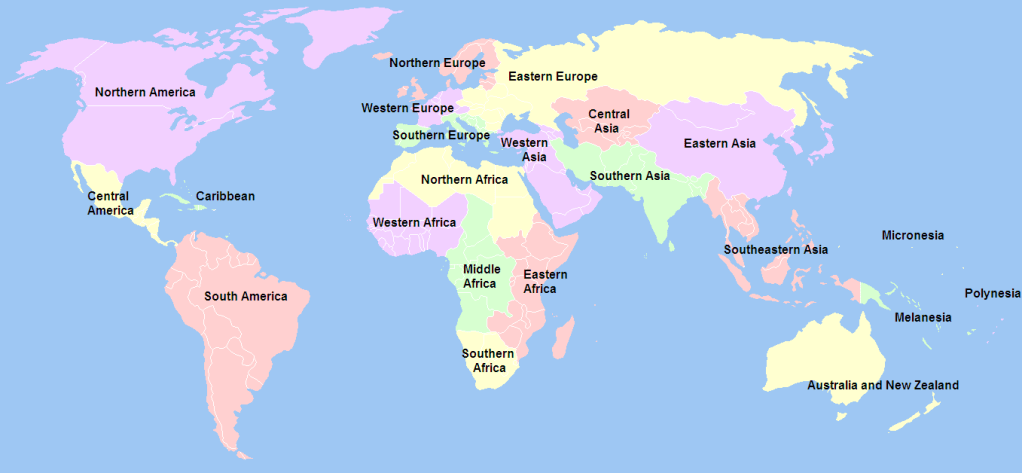
Botswana—Botswana is in Southern Africa while the others are in Asia—Brunei is in Southeast Asia and Bhutan in South Asia. They are all small countries and both Botswana and Bhutan are landlocked while Brunei has a coastline.
Sub-regional map of the World. The UN geoscheme/Wikipedia
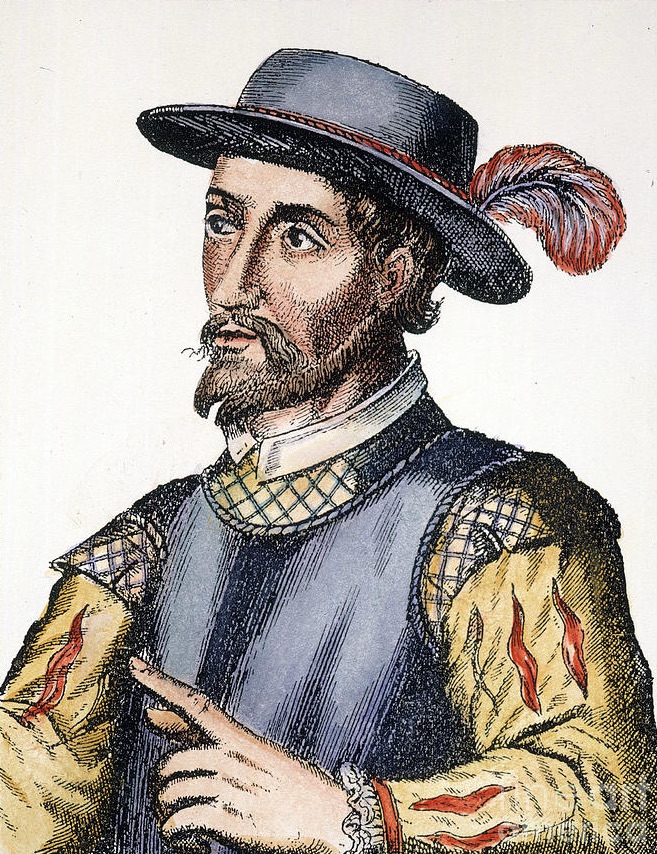
Juan Ponce de León—a Spanish explorer, founded the first European settlement on Puerto Rico and is credited with being the first European to reach Florida in 1513. He named the region Florida due to its lush vegetation and discovery during Easter. A photographic portrait of Hans Christian Andersen by Thora Hallager, 1869. Wikipedia
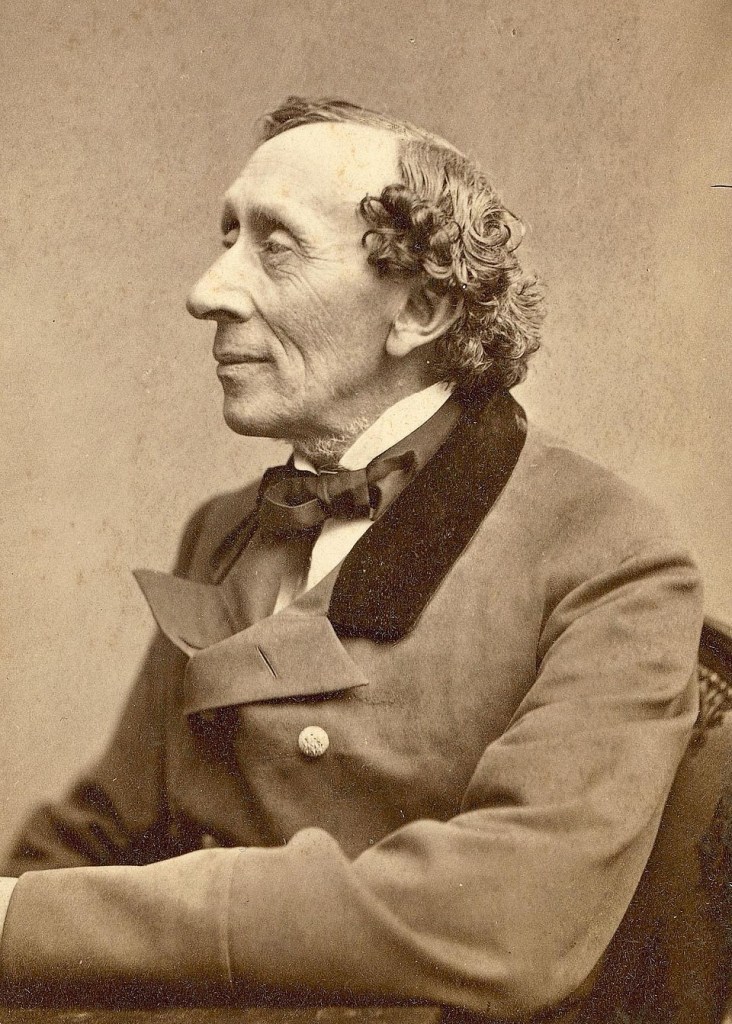
Hans Christian Andersen—Hans Christian Andersen, a Danish author, is best known for his fairy tales, including The Emperor’s New Clothes and The Little Mermaid. His stories, translated into over 125 languages, have inspired numerous adaptations. Richard Strauss, 1894. Wikipedia
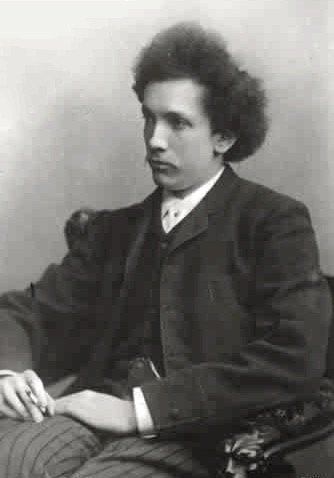
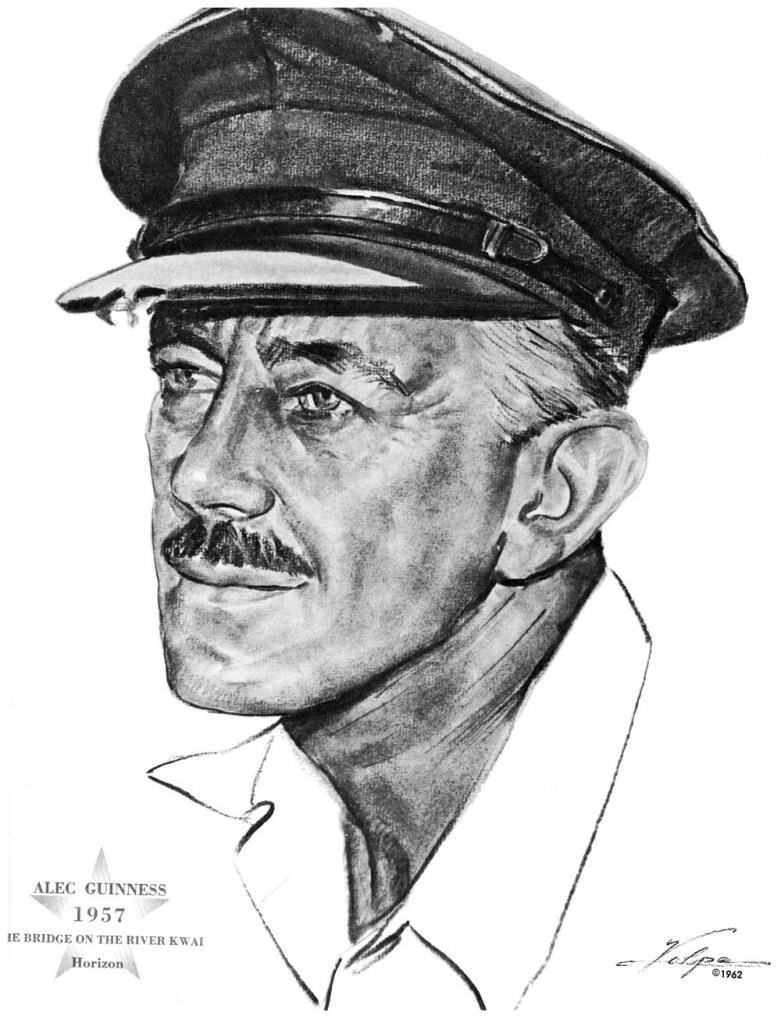
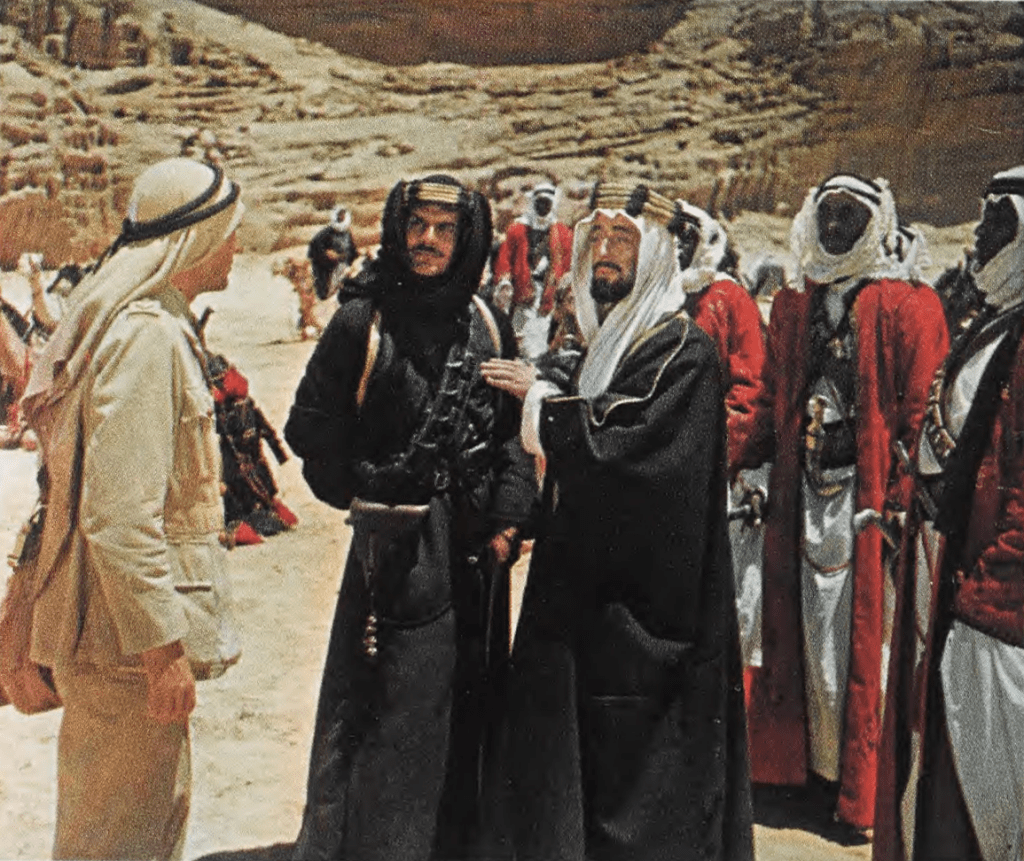
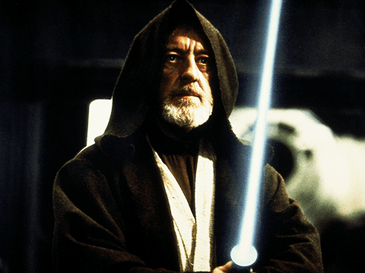
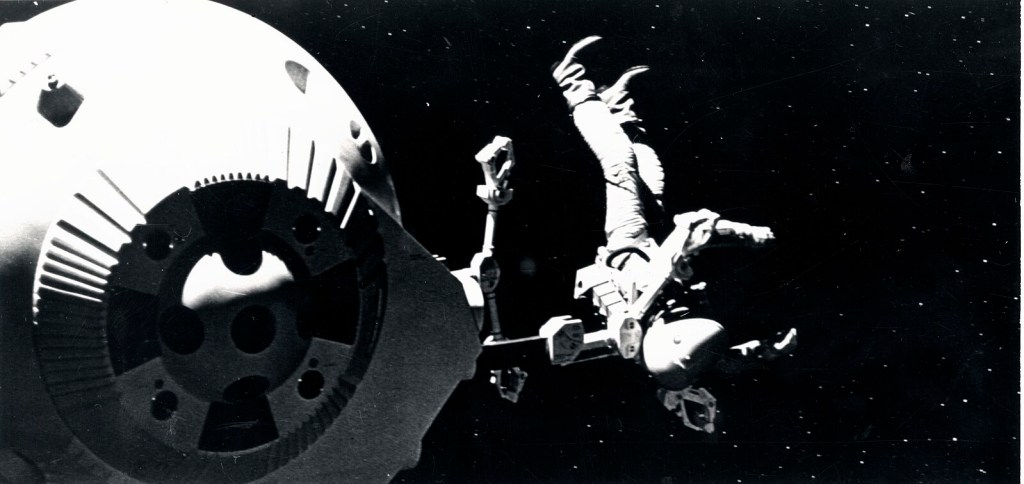
Richard Strauss—Strauss’s Thus Spoke Zarathustra is used for the dramatic opening scene of the film depicting an alignment of the Sun, the Earth and the Moon and which has been called the greatest movie opening ever. 2001: A Space Odyssey is a 1968 film by Stanley Kubrick, based on Arthur C. Clarke’s stories. It explores human evolution, technology and artificial intelligence through a journey to Jupiter involving a malfunctioning computer, HAL 9000, and a mysterious monolith. Col. Nicholson, The Bridge on the River Kwai, 1957. WikipediaPrince Faisal, 3rd from left, in Lawrence of Arabia, 1962. WikipediaObi-Wan Kenobi, Star Wars, 1977. Wikipedia
Alec Guinness—Kwai: played Colonel Nicholson in The Bridge on the River Kwai (1957); Hejaz: Prince Faisal in Lawrence of Arabia (1962); London: George Smiley in both Tinker, Tailor, Soldier, Spy (1979) and Smiley’s People (1982); Tatooine: in the original three Star Wars films, Ben Kenobi—aka Obi-Wan Kenobi. A British actor, he was known for his diverse and acclaimed stage and screen performances. He won an Academy Award, a BAFTA, a Golden Globe, and a Tony Award; he was knighted by Queen Elizabeth II in 1959.
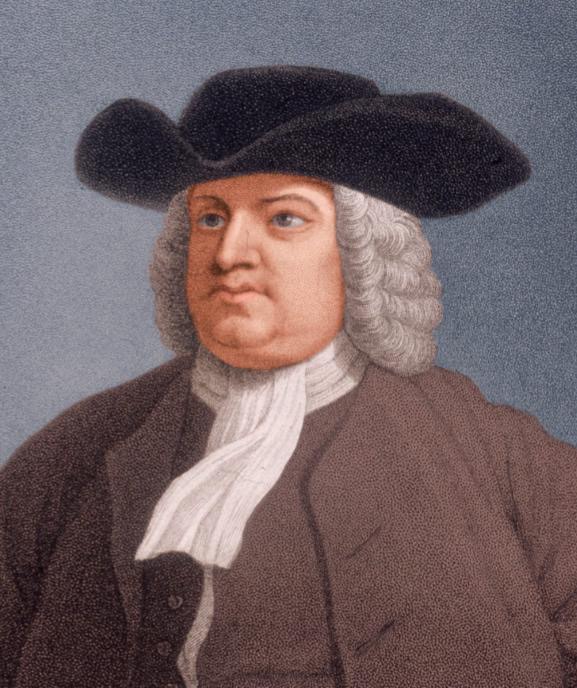
Quaker—William Penn, seeking a haven for Quakers, secured a charter from King Charles II granting him over 45,000 square miles of land in North America. This land, named Pennsylvania, became a haven for Quakers, guaranteeing religious freedom and other liberties.
On 2 April 1513, an explorer landed on the coast of what is now Florida, he is believed to be the first European to land in Florida. Who was this explorer?
Sebastian Cabot
Hermenegildo de Brito Capelo
Juan Ponce de León
Born this day in 1805, an author who is probably best known for works such as The Red Shoes, The Ugly Duckling and Thumbelina. Who is he?
Hans Christian Andersen
Jacob Grimm
George MacDonald
Today in 1968, Stanley Kubrick’s 2001: A Space Odyssey had its world premiere. The film was noted for its use of classical music such as the dramatic Thus Spoke Zarathustra for the opening scene of the film. Who composed this piece of music?
Camille Saint-Saëns
Richard Strauss
Igor Stravinsky
Born today in 1914, what actor links these film and television locations: River Kwai, Hejaz, London and Tatooine?
Peter Cushing
Alec Guinness
James Earl Ray
On 2 April 1681, England’s King Charles II proclaimed the charter he had granted in March to William Penn for his colony of Pennsylvania in North America. What word best describes this colony?
The answers to my earlier post are shown in bold below..
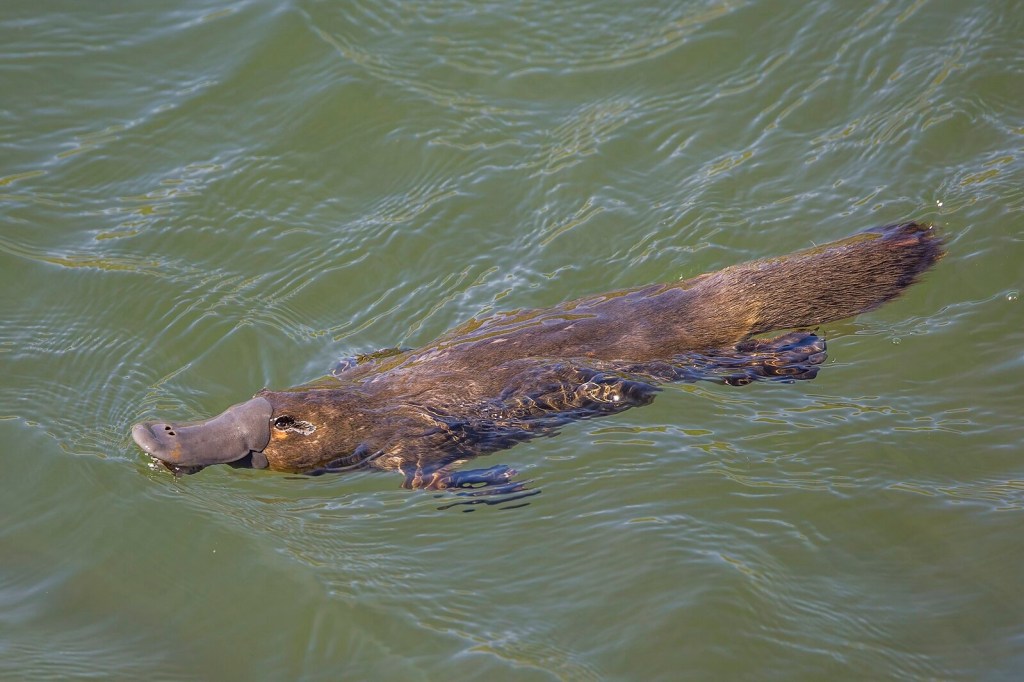
Duck-billed platypus (Ornithorhynchus anatinus), Scottsdale, TAS, Australia. Wikipedia
True—Male platypuses have spurs on their hind feet that deliver painful venom making them one of only a few species of venomous mammals. Harriet Beecher Stowe by Alanson Fisher (1807 – 1884). Google Art Project/Wikipedia
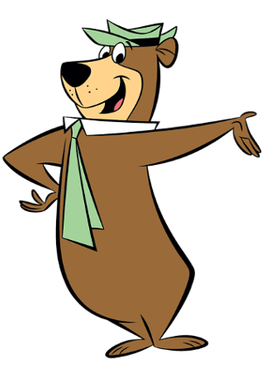
False—Harriet Beecher Stowe was born in Litchfield, Connecticut. Stowe, an American writer and philanthropist, is best known for her novel Uncle Tom’s Cabin, which significantly impacted public opinion against slavery and is considered a contributing factor to the American Civil War. Growing up in a family of intellectuals and abolitionists, Stowe’s experiences in Cincinnati, Ohio, and her interactions with fugitive slaves deeply influenced her writing. Yogi Bear. Hanna-Barbera Productions/Wikipedia
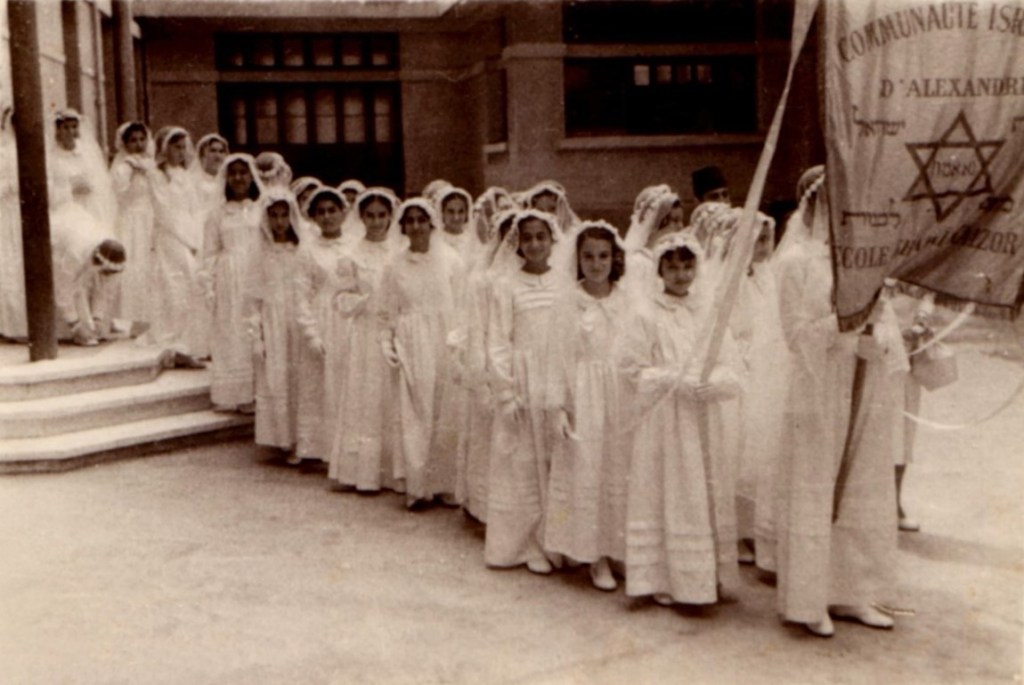
False—Yogi first appeared on Hanna-Barbera’s The Huckleberry Hound Show in 1958. Jewish girls during Bat Mitzva in Alexandria, Egypt (before 1967). Nebi Daniel Association/Wikipedia
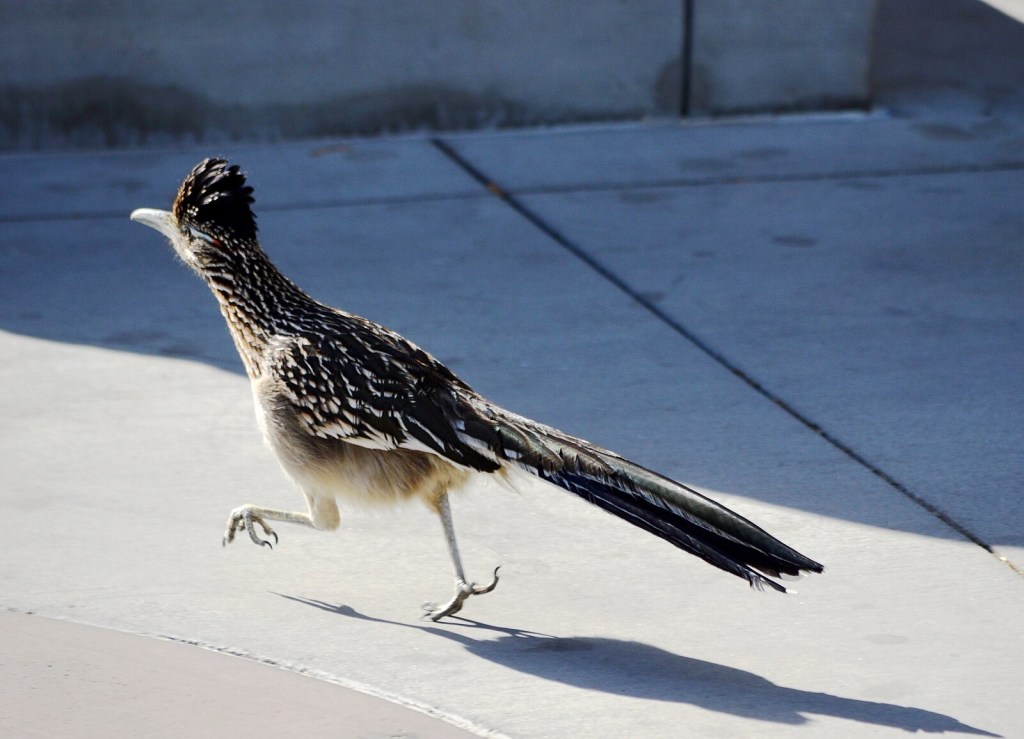
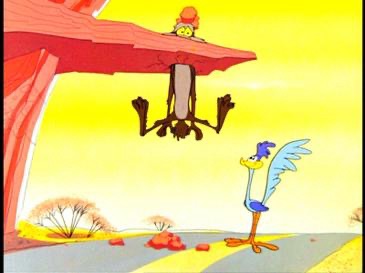
True—a bat mitzvah is a solemn ceremony held in some synagogues where a girl of 12 to 13 years of age is formally accepted as an adult member of the Jewish community. It is equivalent to a boy’s bar mitzvah. Roadrunner. Wikipedia
True—Roadrunners, or chaparral birds, are two species of fast-running ground cuckoos found in deserts across the southwestern and south-central United States, Mexico and Central America. The roadrunner, popularised by Warner Bros. cartoons, is depicted as faster than coyotes, but in reality, coyotes are twice as fast. The cartoons also perpetuate the misconception that roadrunners say “meep, meep”.
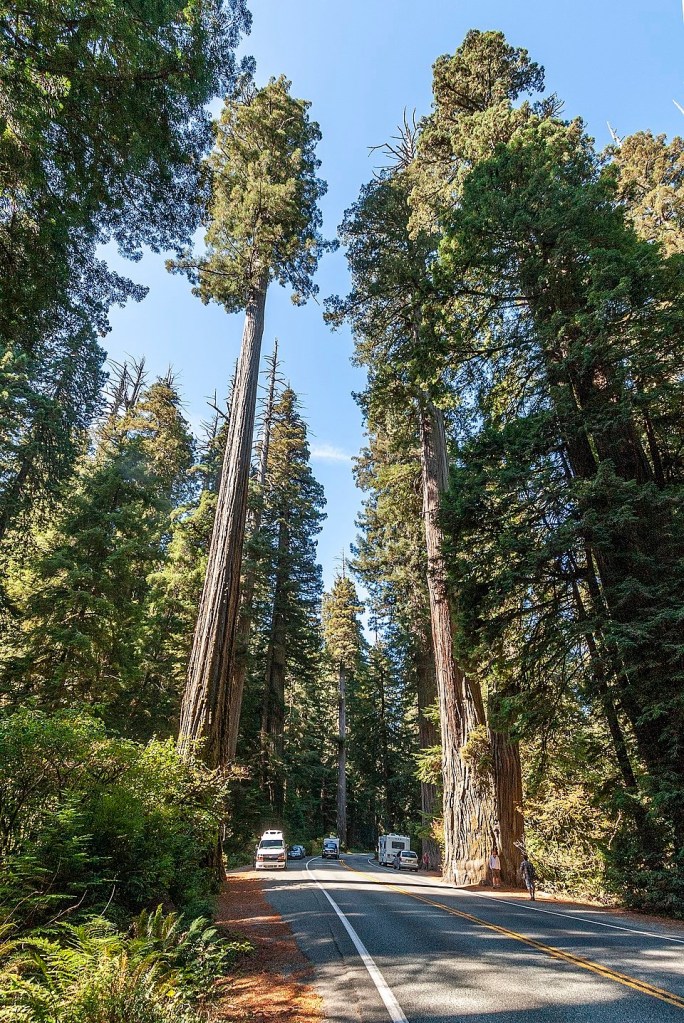
The Simpson-Reed Grove of coast redwoods (Sequoia sempervirens) on US Route 199, California, USA. Wikipedia
False—Sequoia is a genus of redwood coniferous trees. Bigfoot, or Sasquatch, is a large, hairy mythical creature said to inhabit forests in North America. It holds significant cultural importance in American and Canadian folklore.
Spaghetti tree
Why Spaghetti Tree? The BBC’s 1957 April Fools’ Day hoax, broadcast on the current-affairs programme Panorama, featured a convincing three-minute segment showcasing a family in southern Switzerland harvesting spaghetti from “spaghetti trees”. The report, which claimed the eradication of the dreaded spaghetti weevil had resulted in a bumper crop, was given credibility by being voiced by respected journalist Richard Dimbleby. At the time, spaghetti was relatively unfamiliar to the British public, prompting many viewers to contact the BBC for tips on cultivating their own spaghetti trees. This cleverly executed prank has since been hailed by CNN as
“undoubtedly the biggest hoax that any reputable news establishment ever pulled.”
—CNN.
The Spaghetti tree hoax on BBC’s Panorama current-affairs programme was voiced by respected journalist Richard Dimbleby. Wikipedia
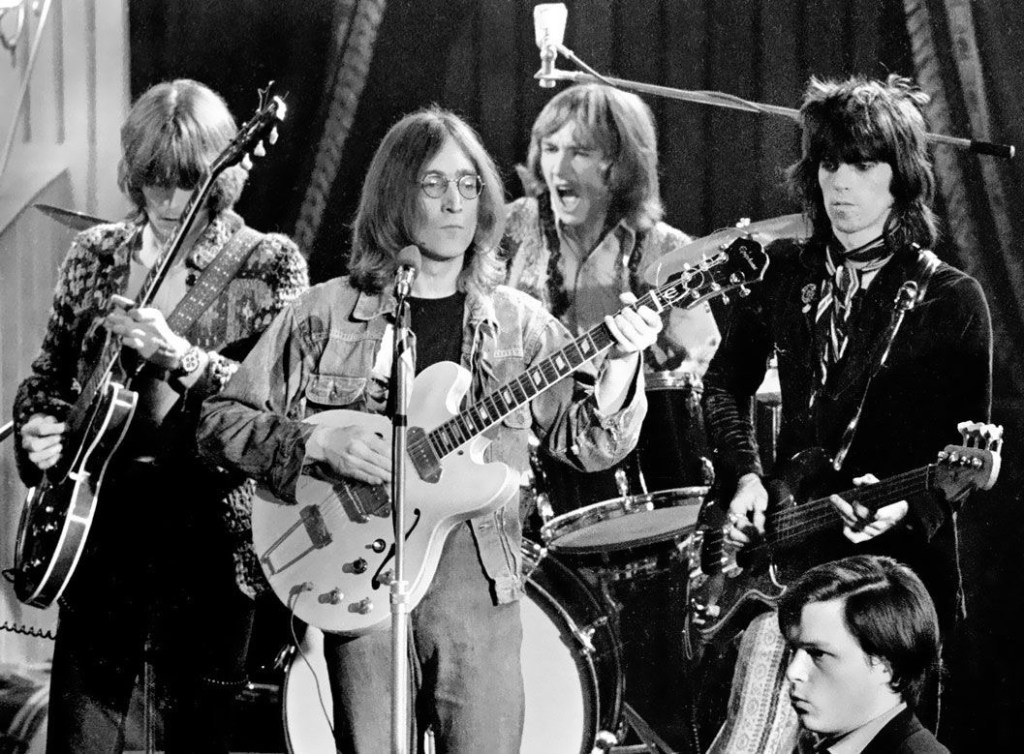
The Dirty Mac. Eric Clapton, John Lennon, Mitch Mitchell and Keith Richards performing in the Rolling Stones Rock and Roll Circus in 1968. (Director Michael Lindsay-Hogg in the foreground.) Wikipedia
The answers to my earlier post are shown in bold below..
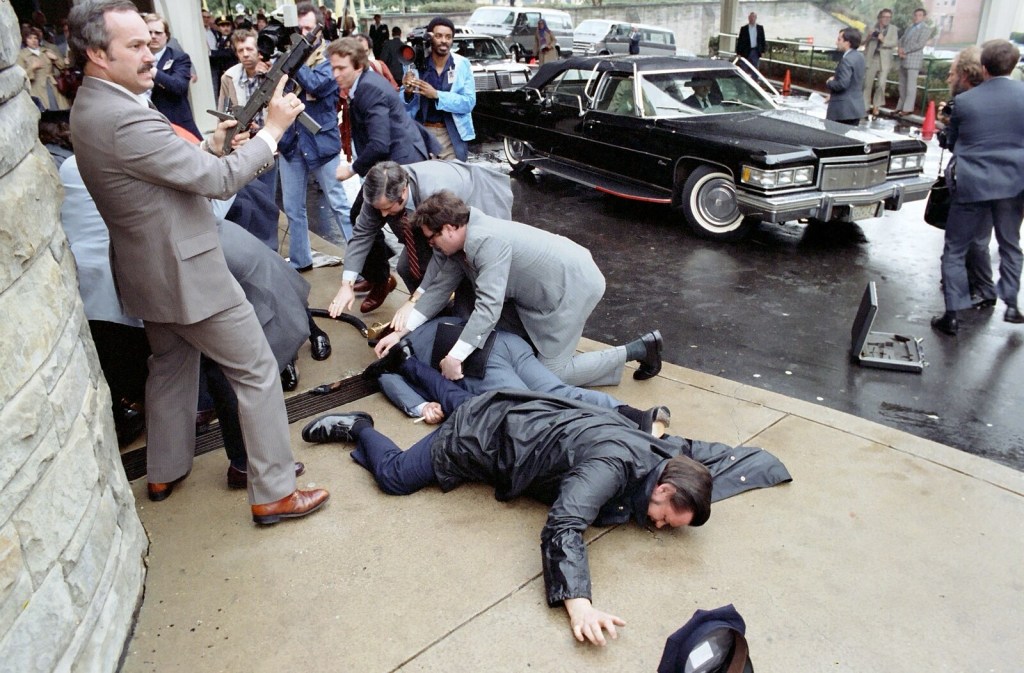
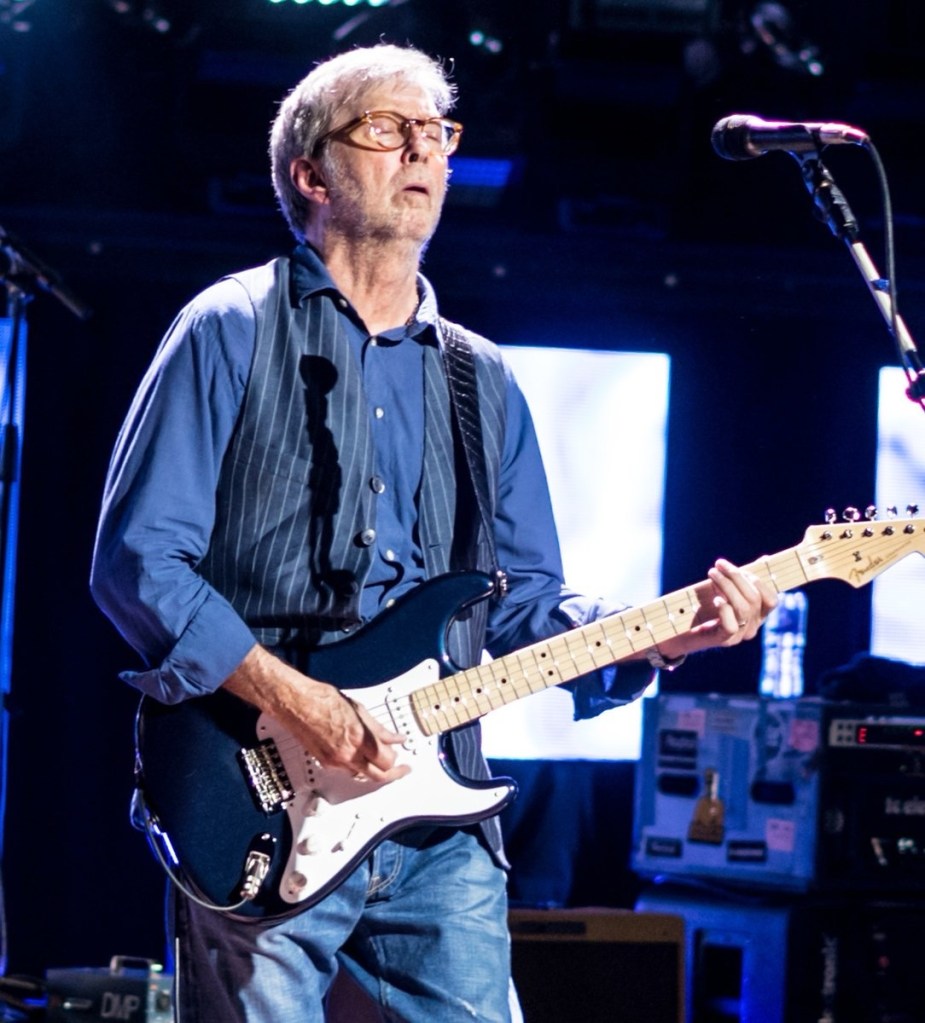
The Dirty Mac—The Dirty Mac, a supergroup featuring John Lennon, Eric Clapton, Keith Richards, and Mitch Mitchell, performed Yer Blues and Whole Lotta Yoko on The Rolling Stones Rock and Roll Circus in 1968. The special, featuring other notable acts, was not released until 1996. Secret Service agents cover Press Secretary James Brady and the police officer Thomas Delahanty during the assassination attempt of Reagan. WikipediaJohn Hinckley Jr. WikipediaJodie Foster, 1989. Wikipedia
Jodie Foster—On 30 March 1981, John Hinckley Jr. shot and wounded US President Ronald Reagan in Washington, D.C. Reagan underwent emergency surgery and recovered, while White House press secretary James Brady, Secret Service agent Tim McCarthy, and D.C. police officer Thomas Delahanty were also injured. Driven by erotomania and an obsession with Jodie Foster, Hinckley attempted to assassinate the President to impress her. He was found not guilty by reason of insanity and spent time in a psychiatric hospital until 2016, when he was released to the care of his mother and under supervision. He was granted an unconditional release in 2022. Alexander II, Emperor of All Russia. Wikipedia
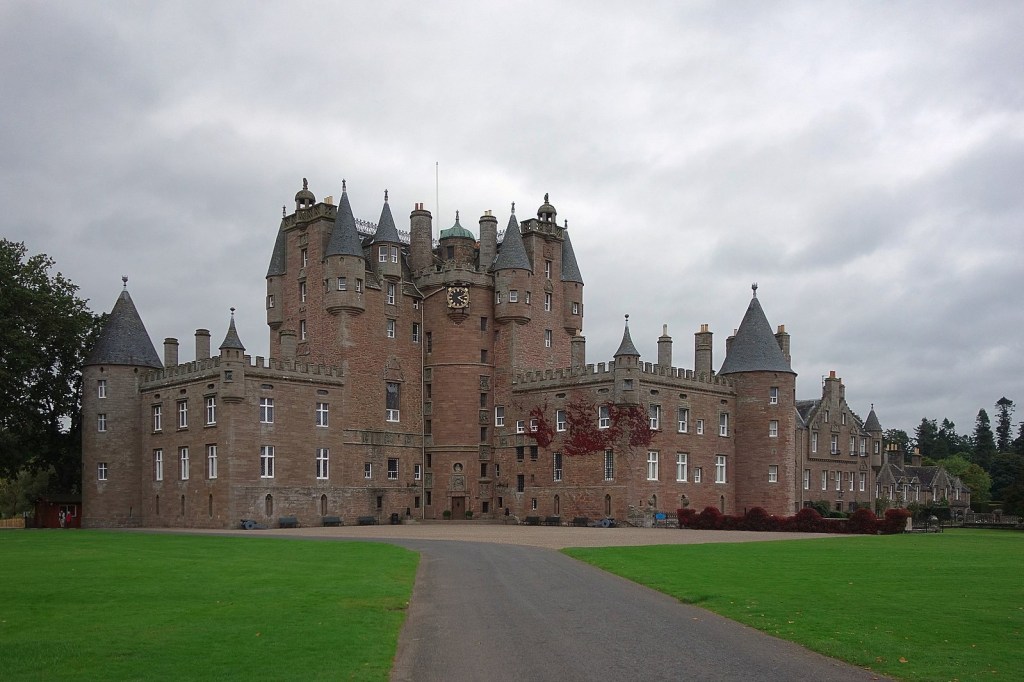
Alexander II—In 1867, the United States purchased Alaska from Russia for $7.2 million. The purchase, negotiated by Secretary of State William H. Seward, was ratified by the Senate in May and became effective in October. Despite initial scepticism, Alaska became a state in 1959. Glamis Castle. Wikipedia
Glamis Castle—Glamis Castle, in Angus, Scotland, is the ancestral home of the Earl of Strathmore and Kinghorne. It has been the Lyon family residence since the 14th century, and it holds significant historical importance as the childhood home of Elizabeth Angela Marguerite Bowes-Lyon, better known as Queen Elizabeth, The Queen Mother. Notably, it was also the birthplace of her youngest daughter, Princess Margaret in 1930.
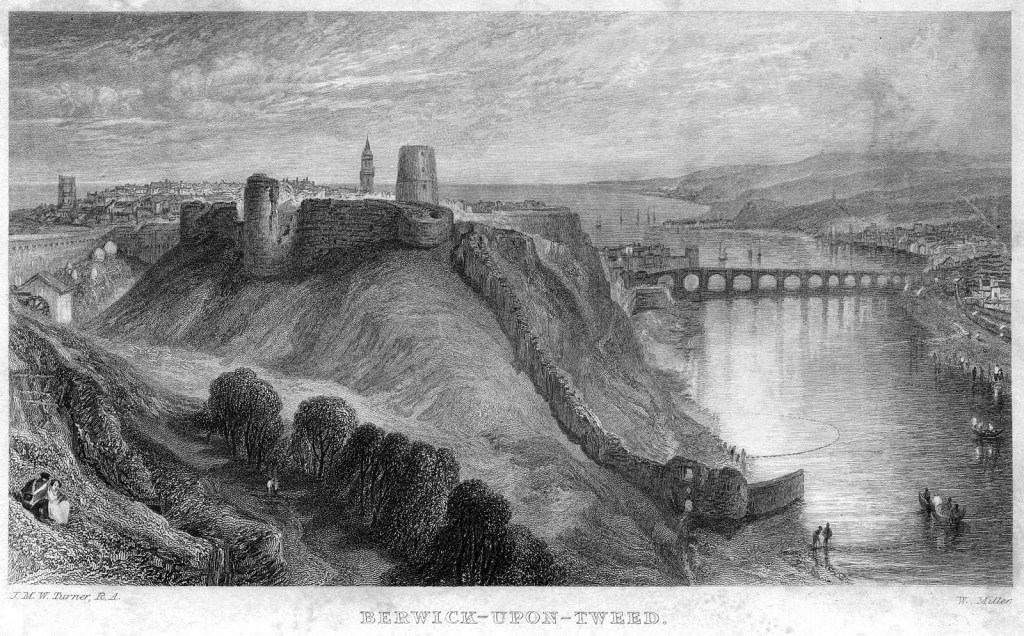
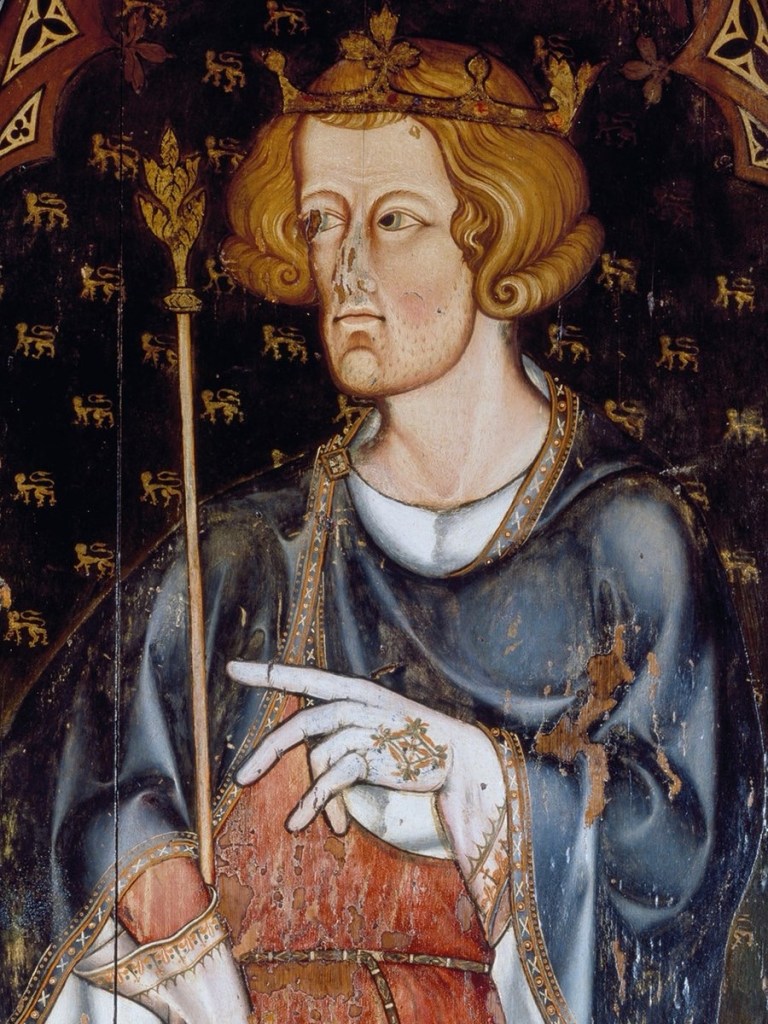
Berwick-upon-Tweed—a border town between England and Scotland, changed hands 13 times before being surrendered to England in 1482. Its ramparts, originally built by Edward I and rebuilt by Elizabeth I, are in good repair.
19th-century engraving of Berwick Castle by William Miller after J. M. W. Turner, with Berwick Old Bridge from 1624 in the background. Wikipedia
All of the following have a connection to today, 30 March.
On this day in 1945, British rock musician Eric Clapton was born. In 1968, Clapton appeared in a temporary supergroup with John Lennon. Which of the following was the name of the supergroup?
The Dirty Mac
The Dirty Look
The Dirty Laundry
On this day in 1981, President Ronald Reagan was the victim of a failed assassination attempt by John Hinckley, Jr. An obsession with whom was the motivation behind Hinckley’s attack on the President?
Carrie Fisher
Jane Fonda
Jodie Foster
William H. Seward, the Secretary of State under U.S. President Andrew Johnson, signed the Alaska Purchase on 30th March. This treaty ceded Russian North America to the United States. Who was the Russian Tsar at the time of the purchase?
Alexander II
Catherine II
Nicholas II
Today in 2025, Elizabeth, the Queen Mother, passed away in her sleep at Windsor at the age of 101. She was the queen consort of the United Kingdom of Great Britain and Ireland from 1936 to 1952 and the mother of Queen Elizabeth II. Where was her childhood home and the birthplace of her second daughter, Princess Margaret?
Edinburgh Castle
Glamis Castle
Eilean Donan Castle
On this day in 1296, England’s King Edward I sacked a town that had changed hands over a dozen times from the 12th to the 15th century. Which town was it?






 Quizology.Online