Tag: entertainment

  • Peter Pan Helping Children Grow Up—Answer

    JM Barrie

    …is the writer who created Peter Pan
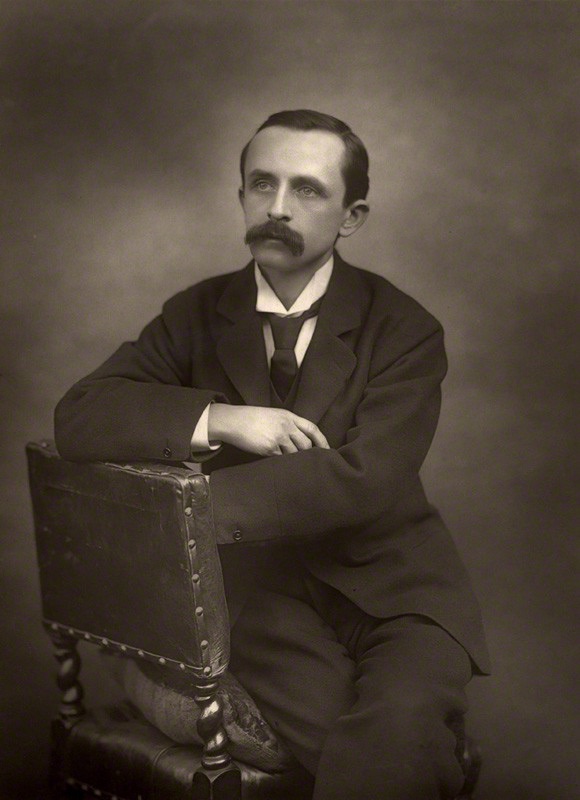
    JM Barrie
    [Image from Wikipedia]

    Background

    In April 1929, J. M. Barrie granted the copyright of his Peter Pan works to the hospital, requesting that the income remain undisclosed. This decision allowed the hospital to control the rights and receive royalties from performances, publications, and adaptations of the play and novel. Over the years, numerous performances and adaptations have been produced under the hospital’s license. Additionally, the hospital’s trustees commissioned a sequel, Peter Pan in Scarlet, by Geraldine McCaughrean, which was published in 2006.

    After the copyright expired the hospital was granted a perpetual right to collect royalties by the UK government.

    Further information can be found at Great Ormond Street Hospital’s website.
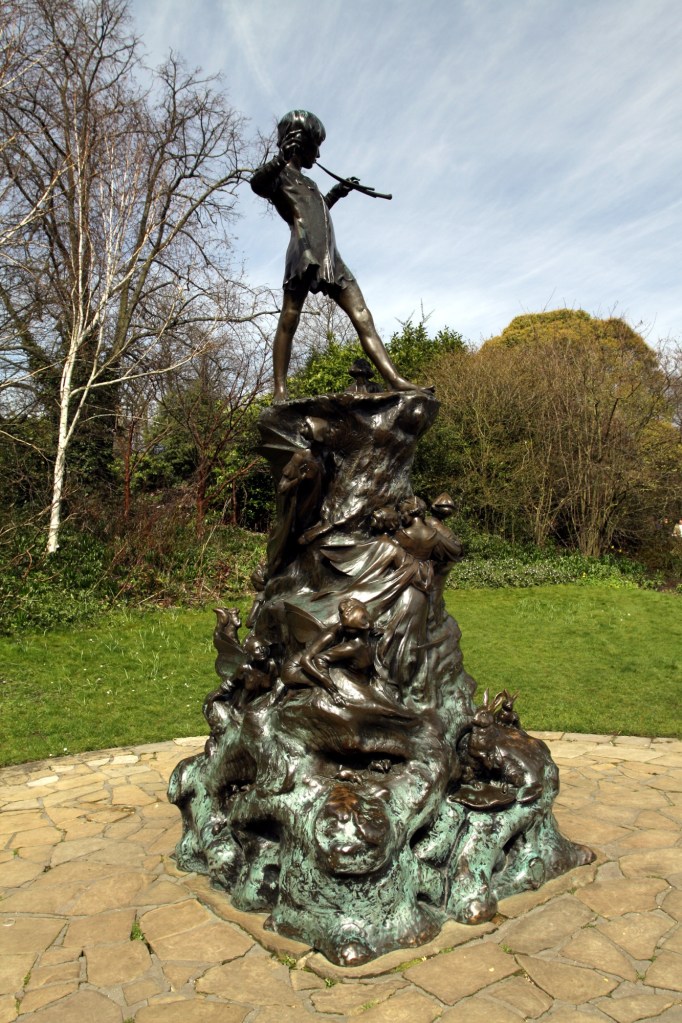
  • Peter Pan Helping Children Grow Up

    On February 14, 1852, Great Ormond Street Hospital for Children, the first in England to offer inpatient beds for children, opened its doors in London.

    In 1929, a writer generously donated all his rights to Peter Pan to the hospital, and they continue to receive royalties from the work to this day. Can you name the generous writer?

    The answer will be posted later today.

  • Peanuts—Answer

    C. 17,897

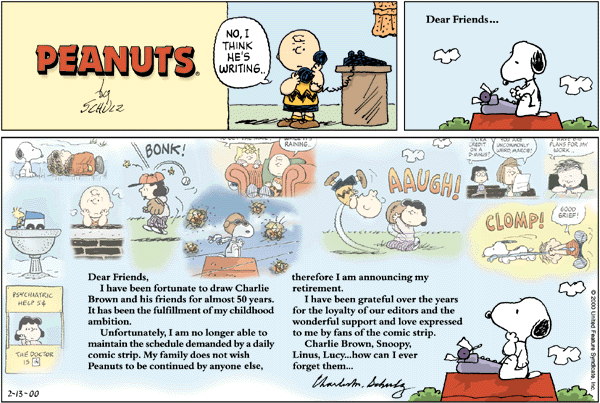
    The final Peanuts strip, as illustrated here, was published on 13 February 2000, the night after Charles M. Schulz succumbed to a heart attack.

  • Peanuts

    When the final Peanuts strip ran on 13 February 2000 how many strips had been published in total?

    A. 11,231

    B. 14,564

    C. 17,897

    The answer will be posted later today.

  • Double Firsts—Answer

    Firstly: A. 1938

    Secondly: C. Robot

    On February 11, 1938, BBC Television broadcast a 35-minute adaptation of a section of Karel Čapek’s play R.U.R.—thus becoming the first science fiction piece ever aired on television. Although some low-quality still photographs survive, no recordings of the production are known to exist.

    R.U.R. (Rossumovi Univerzální Roboti—(English: Rossum’s Universal Robots)) is a 1920 science fiction play by the Czech writer Karel Čapek. It introduced the word ‘robot’ to the English language and popularised science fiction as a genre. R.U.R. quickly gained influence and was translated into thirty languages by 1923. It was a commercial success in Europe and North America during its time.

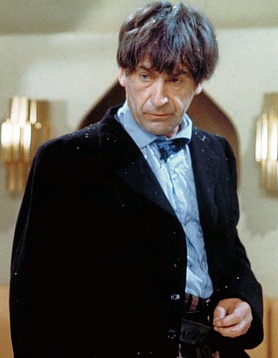
    In 1948, the BBC aired another adaptation, this time the entire play, running for 90 minutes but unfortunately, no audio or visual recordings of this version survive either. Patrick Troughton who played the robot Radius in this latter production played another sci-fi character when he became the Second Doctor in the BBC’s Doctor Who in 1966. 

  • Double Firsts

    Firstly, on 11 February in which year did the first science fiction piece ever aired on television make its debut?

    A. 1938

    B. 1945

    C. 1950

    Secondly, the play that was adapted for this television programme had, when originally published in 1920, introduced a new word to the English language. What was that word?

    A. Cyborg

    B. Droid

    C. Robot

    The answer will be posted later today.

  • Puss Gets the Boot—Answer

    C. Jasper

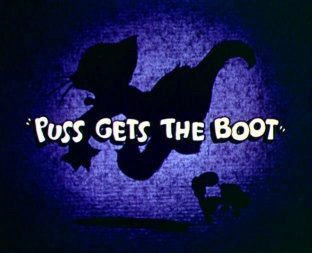
    Puss Gets the Boot is a 1940 American animated short film, the first in the Tom and Jerry series. It is based on the Aesop’s Fable, The Cat and the Mice. It was released to cinemas by Metro-Goldwyn-Mayer on 10 February 1940.

    Jasper, a cat, torments a mouse, leading to a series of misadventures.  The mouse outwits Jasper, framing him for breaking a flowerpot and later dishes, resulting in Jasper being kicked out of the house.  The mouse celebrates his victory, enjoying the spoils of his triumph.

  • Puss Gets the Boot

    Puss Gets the Boot (10 February 1940) marked the debut of the Tom and Jerry series. In this initial instalment, the mouse remains unnamed, while the feline antagonist is given a name. What is the name of the cat?

    A. Jacob
    B. Jason
    C. Jasper

    The answer will be posted later

  • Animated Oscar—Answer

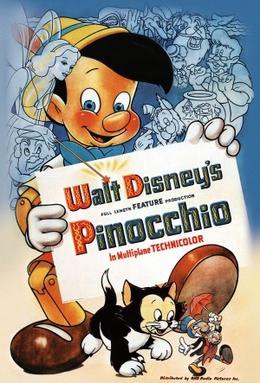
    Pinocchio

    Pinocchio, a classic animated musical fantasy film from 1940 brought to life by Walt Disney Productions. It’s loosely based on Carlo Collodi’s beloved 1883 Italian children’s novel, The Adventures of Pinocchio. This was Disney’s second animated feature film after Snow White and the Seven Dwarfs (1937).

    Pinocchio made history as the first animated feature to win a competitive Academy Award! It won two awards: Best Original Score, Best Music, and Best Original Song for When You Wish Upon a Star.

  • Animated Oscar

    On February 7, 1940, a Walt Disney animation made its debut at the Centre Theatre in New York City. This movie went on to become the first animated feature to win an Academy Award. 

    What was the film?