Tag: politics

  • Fabulous Fantastic Fiascoes

    Michelangelo.
    Image Wikipedia
    1. On this day in 1831, American writer Edgar Allan Poe was court-martialled for disobedience and expelled from…
      • Annapolis naval academy
      • Marine Corps Base Quantico
      • West Point military academy
    2. Italian Renaissance artist Michelangelo was born on 6 March in…
      • 1375
      • 1475
      • 1575
    3. On 6 March 1840, the world’s first adhesive postage stamp, the Penny Black, went into use featuring an image of…
      • Jonas Furrer, president of Switzerland
      • Victoria, queen of Great Britain
      • Martin Van Buren, president of the US
    4. The first female to travel in space was born on this day in 1937, she was…
      • Valentina Ponomaryova
      • Svetlana Savitskaya
      • Valentina Tereshkova 
    5. The Alamo, San Antonio fell and was captured today in 1836 following a siege which had lasted…
      • 3 days
      • 13 days
      • 31 days
    6. On 6 March 1899, acetylsalicylic acid is patented by Felix Hoffmann at the German company Bayer under the genericized trademark…
      • Aspirin
      • Ibuprofen
      • Paracetamol 
    7. This day in 1964 a boxer changed his name to Muhammad Ali. He had had changed his name from…
      • Augustus Amber
      • Balbinus Beryl
      • Cassius Clay
    8. Today in 1853, La traviata, by Giuseppe Verdi, was premiered at La Fenice opera house in Venice. The composer later described it as…
      • Fabulous
      • Fantastic
      • Fiasco
    9. The first First Lady to hold an official press conference in the White House did so on 6 March. She was…
      • Eleanor Roosevelt
      • Jackie Kennedy
      • Pat Nixon
    10. At a meeting of the Russian Chemical Society, Russian chemist Dmitri Mendeleev presented the first periodic table on this day in …
      • 1869
      • 1895
      • 1921

    Good luck! The answers will be posted later today.
  • Fiddler’s Bridge Rings—Answers

    Here are the answers to the questions posed earlier today plus some additional information.

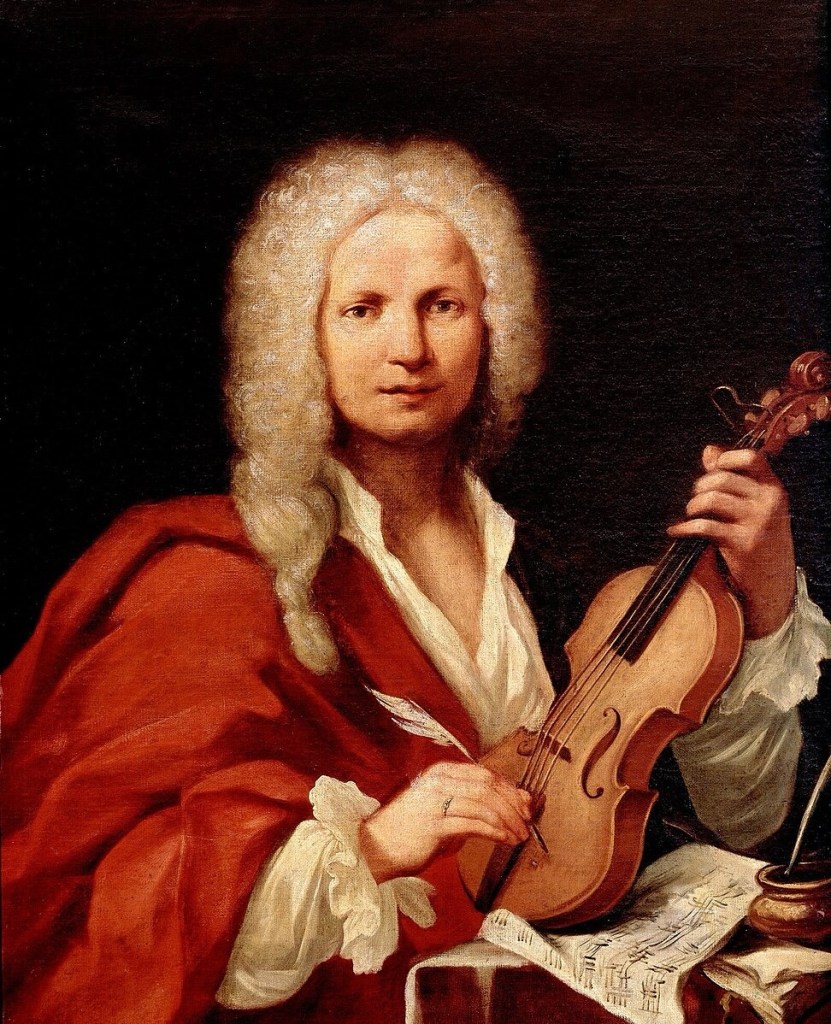
    A portrait in oils in the Museo Internazionale e Biblioteca della Musica di Bologna is generally believed to be of Vivaldi.
    Image Wikipedia
    1. Venice, Republic of Venice (now Italy)—Antonio Lucio Vivaldi (1678–1741) was a pivotal Italian composer and violinist of the Baroque era, known for his innovative contributions to orchestration, violin technique and the concerto form. Born in Venice, he was ordained a priest in 1703, earning the nickname Il Prete Rosso—the red priest. Vivaldi worked at the Ospedale della Pietà, composing numerous concertos, sacred works, and over fifty operas, including the famous The Four Seasons. Despite initial success, his popularity declined in the 1730s. He moved to Vienna in 1740, seeking royal support, but died in poverty. His works were rediscovered in the 1920s, reviving interest in his music.
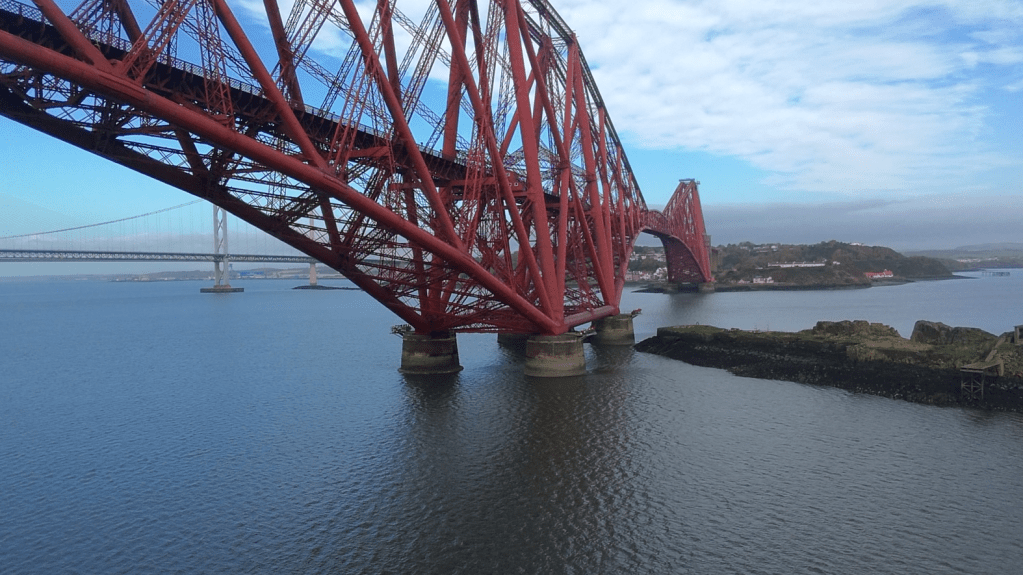
      Forth Bridge pier off Inchgarvie Island. The Forth Road Bridge can be seen in the background.
      Image Wikipedia
    2. Edinburgh—The Forth Bridge, a cantilever railway bridge over the Firth of Forth (Estuary of the River Forth) in Scotland, was designed by Sir John Fowler and Sir Benjamin Baker in the late 1880s and opened on 4 March 1890. Initially criticised for its aesthetics, it is now a symbol of Scotland and a UNESCO World Heritage Site. Located 9 miles west of Edinburgh, it carries the Edinburgh–Aberdeen line, is 8,094 feet (2467 m) long and features three 1,348 ft (411 m) cantilevers and two 351 ft (107 m) suspended spans, with a total clear span of 1,699 ft (518 m). Constructed with 58,000 tons of steel at a cost of £3,000,000 (£493,000,000 in 2025). Recent research by the Queensferry Historian Group has discovered that 78 men died during the construction of the bridge.
      A plaque honoring Perkins at Boston’s Logan Airport.
      Image Wikipedia
    3. Franklin D. Roosevelt—Frances Perkins was appointed Secretary of Labor on 4 March 1933. Born on 10 April 1880, in Boston she was a pioneering American workers-rights advocate and the first woman in the U.S. cabinet, serving as Secretary of Labour from 1933 to 1945 under President Franklin D. Roosevelt. A key figure in the New Deal coalition, she focused on labour issues and social security policy, developing the Social Security Act in 1935. Perkins championed reforms like the minimum wage, maximum workweek, and child labour restrictions. Educated at Mount Holyoke College, Wharton School, and Columbia University, she passed away on 14 May 1965, in New York.
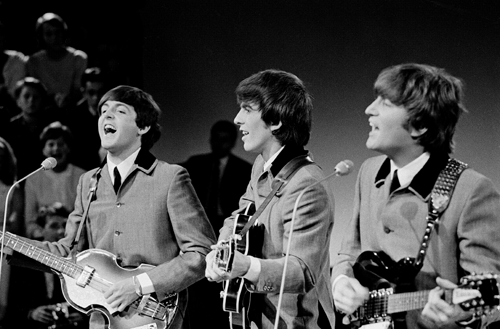
      Paul McCartney, George Harrison and John Lennon during a Beatles performance for Dutch television, 1964.
      Image Wikipedia
    4. John Lennon, Beatles—In 1966, during a controversial interview, John Lennon of the Beatles made a bold statement that would spark widespread debate and backlash around the world. Lennon asserted that the band had become “more popular than Jesus”. This comment was part of a larger discussion about the changing role of religion and the cultural influence of rock music, particularly among the youth of the 1960s. The remark was initially unnoticed in the UK but gained significant attention in the United States, leading to protests and record burnings by those who viewed the statement as blasphemous. Despite the uproar, the Beatles continued to dominate the music scene and influence the cultural landscape, solidifying their legacy as one of the most iconic bands in history.
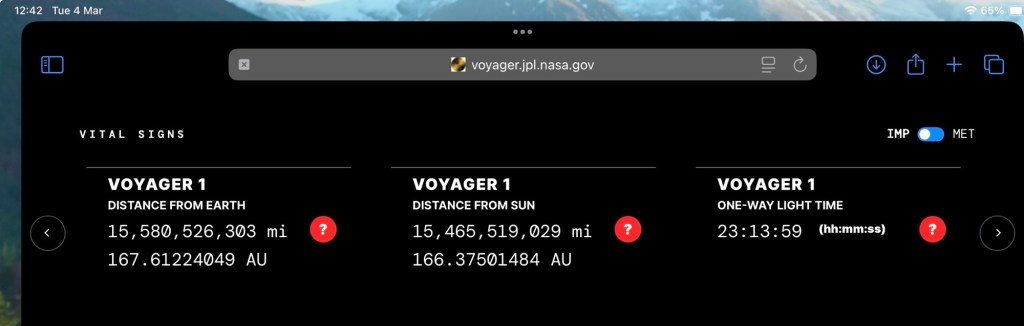
    5. Voyager 1—Voyager 1, launched by NASA on September 5, 1977, is a pioneering interplanetary probe that visited Jupiter and Saturn, becoming the first spacecraft to reach interstellar space. Part of a twin mission with Voyager 2, it utilised a rare planetary alignment for a multiplanet tour. Voyager 1 discovered Jupiter’s ring and volcanic activity on Io, and revealed Saturn’s ring structures. It carries a gold-plated phonograph record with Earth’s images and sounds. By 2012, it entered interstellar space and is now the most distant human-made object. It is expected to operate until 2030.
    Distance from Earth screenshot, 12:42 4 March 2025*
    Image JPL NASA Voyager

    *Voyager Live information can be viewed at JPL NASA Voyager.

  • Fiddler’s Bridge Rings

    Image Wikipedia

    Here are some questions based on this day in history.

    1. Antonio Vivaldi, composer and virtuoso violinist was born on 4 March 1678. Where was he born?
      • Vigo, Kingdom of Galicia (now Spain)
      • Vienna, Austria
      • Venice, Republic of Venice (now Italy) 
    2. What Scottish city is located about nine miles east of the bridge, which opened this day in 1890, pictured above? 
      • Aberdeen
      • Dundee
      • Edinburgh
      Frances Perkins
      Image Wikipedia
    3. Frances Perkins was the first woman ever to serve in a presidential cabinet in the United States. Which president appointed her as the fourth US Secretary of Labor?
      • Calvin Coolidge
      • Herbert Hoover
      • Franklin D. Roosevelt 
    4. On 4 March 1966, it was claimed during an interview that we are ‘more popular than Jesus’. Who made this claim?
      • John Lennon of the Beatles
      • Cass Elliot of the Mamas & the Papas
      • Mick Jagger of the Rolling Stones
    5. On this day in 1979 the first photograph of the rings of Jupiter (below) was sent back to Earth by what spacecraft?
      • Voyager 1
      • Galileo
      • Pioneer 11
    Jupiter.
    Image Wikipedia

    Good luck! The answers will be posted later today.
  • Who, What, When, Where, Why and How: 26 February—Answers

    Who

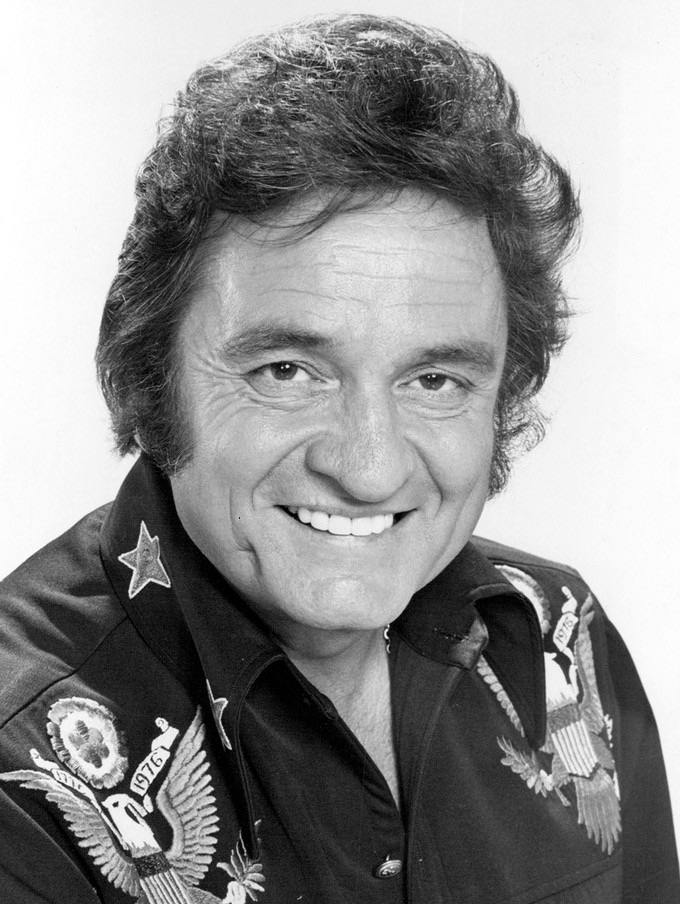
    Johnny Cash

    Johnny Cash. [Image Wikipedia]

    Johnny Cash’s music explored sorrow, moral dilemmas, and redemption, featuring a deep bass-baritone voice and the Tennessee Three’s distinctive sound.  His free prison concerts and all-black stage attire solidified his iconic status.


    What

    US Army in Hawaii

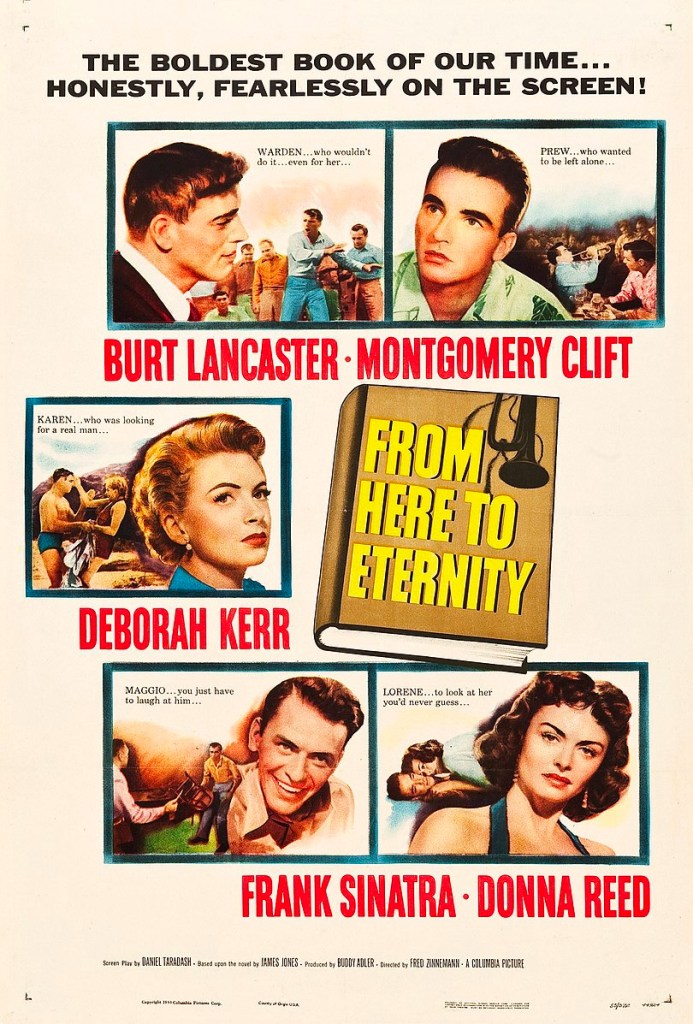
    From Here to Eternity, US theatrical release poster for the 1951 film. [Image Wikipedia]

    James Jones’s debut novel, From Here to Eternity, is set in Hawaii in 1941 and follows the lives of US Army infantry company members. The novel, loosely based on Jones’s experiences, won the National Book Award and was adapted into a successful film.


    When

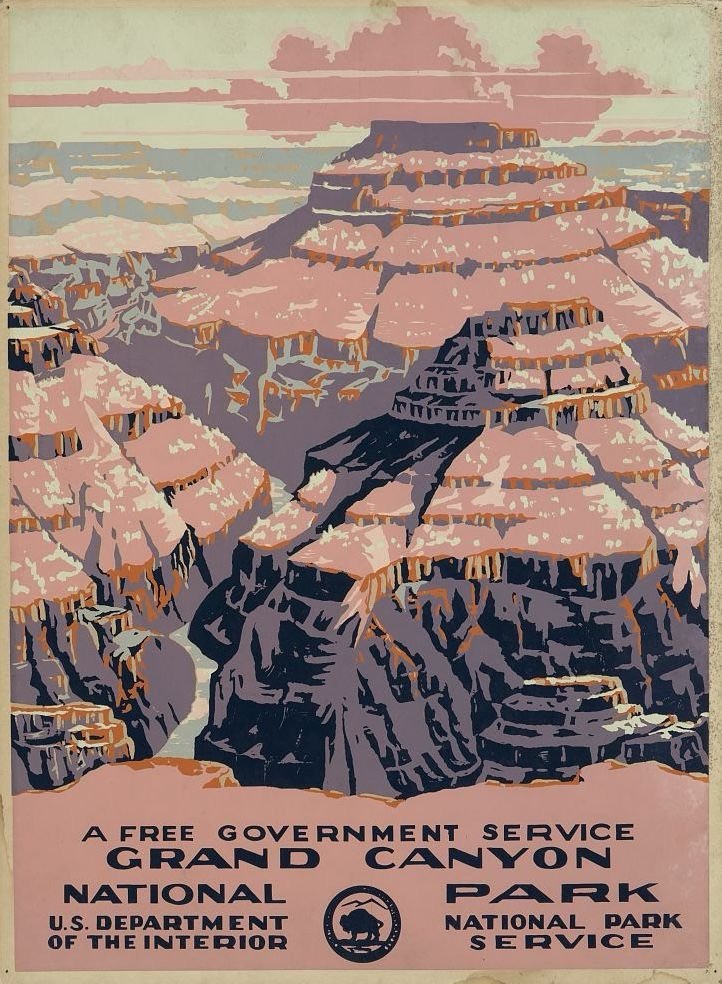
    1919

    Grand Canyon National Park poster (1938).
    [Image Wikipedia]

    Grand Canyon National Park in Arizona features the Grand Canyon, a natural wonder of the Colorado River.  The park, spanning over 1.2 million acres, welcomes millions of visitors annually.


    Where

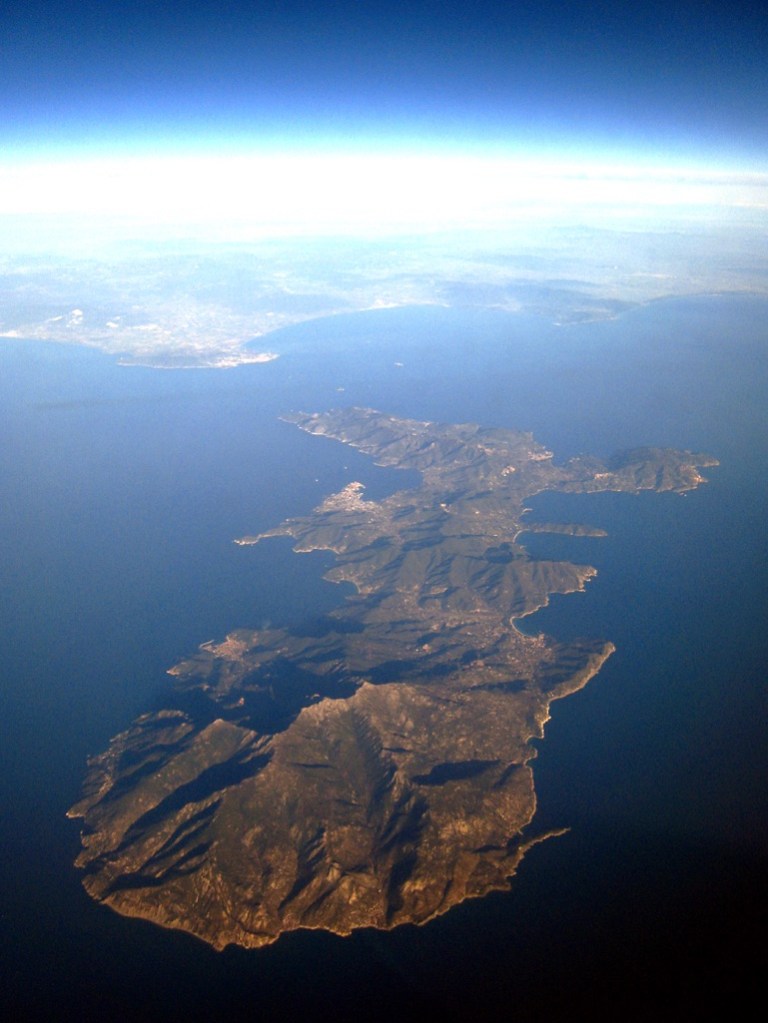
    Mediterranean Sea

    Elba. [Image Wikipedia]

    Elba is a Mediterranean island in Tuscany, Italy, known for its natural beauty and historical significance as Napoleon’s first exile site. It is the largest island in the Tuscan Archipelago and part of the Arcipelago Toscano National Park.

    Elba, shown here in the Tyrrhenian Sea part of the Mediterranean Sea. [Image Wikipedia]

    Why 

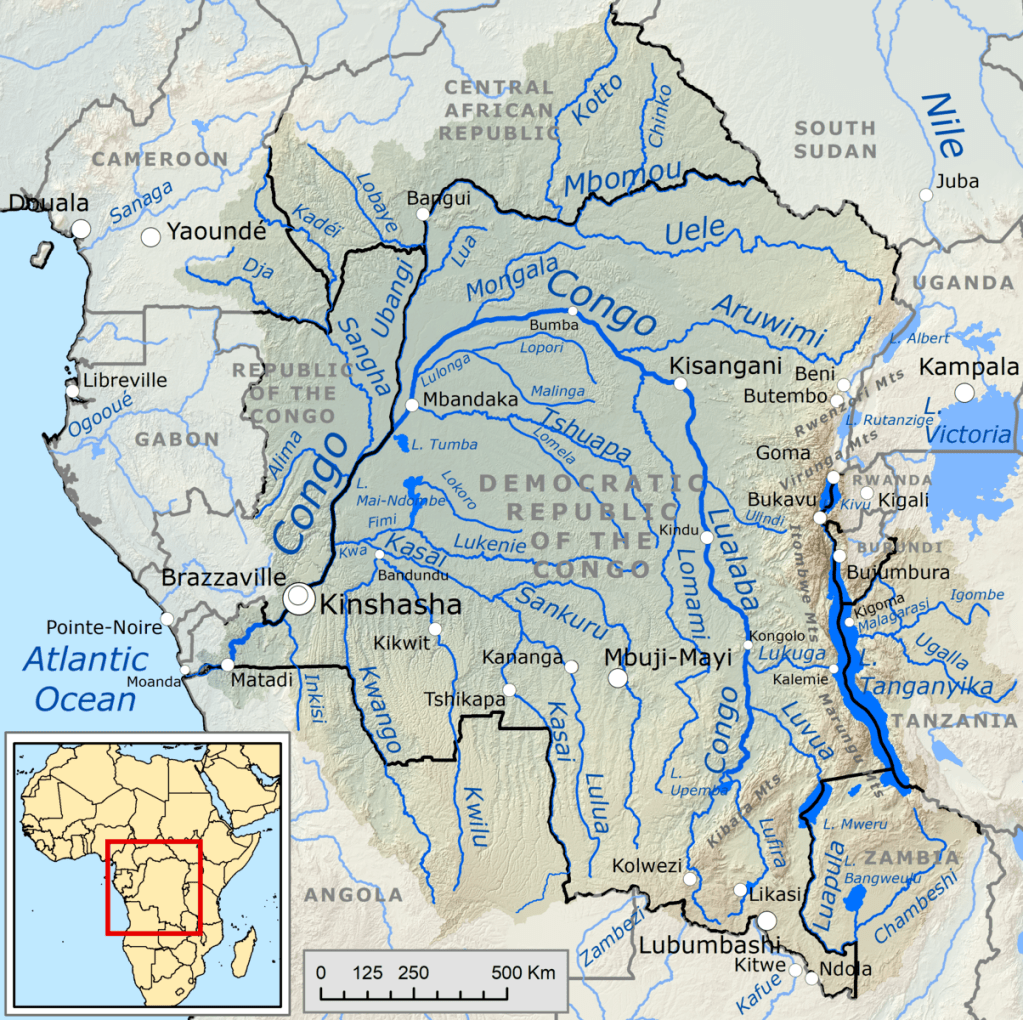
    Portugal wished to control the Congo Basin

    Map showing the Congo River drainage basin.
    [Image Wikipedia]

    The Berlin Conference of 1884–1885, organised by Otto von Bismarck, regulated European colonisation and trade in Africa. The conference concluded with the signing of the General Act of Berlin. The Berlin Conference, initiated by Portugal and supported by Britain, brought together 14 nations to establish a joint policy for Africa.

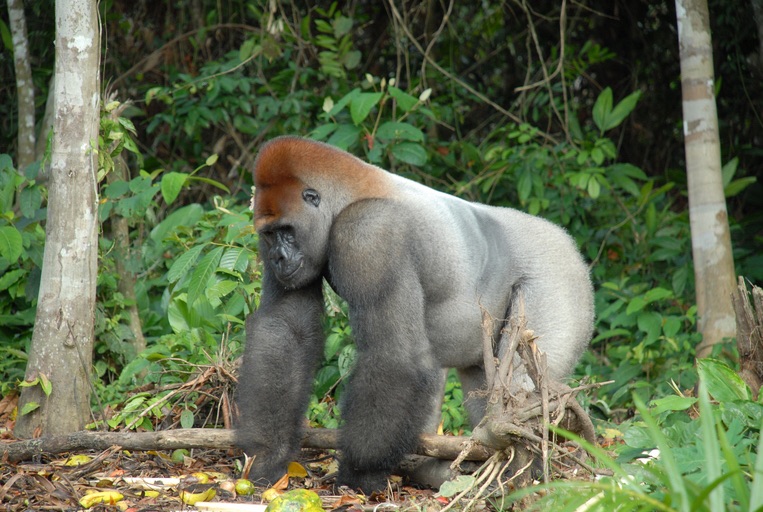
    Western Lowland Gorilla, an endangered species, in the the Congo River basin. [Image Wikipedia]

    How

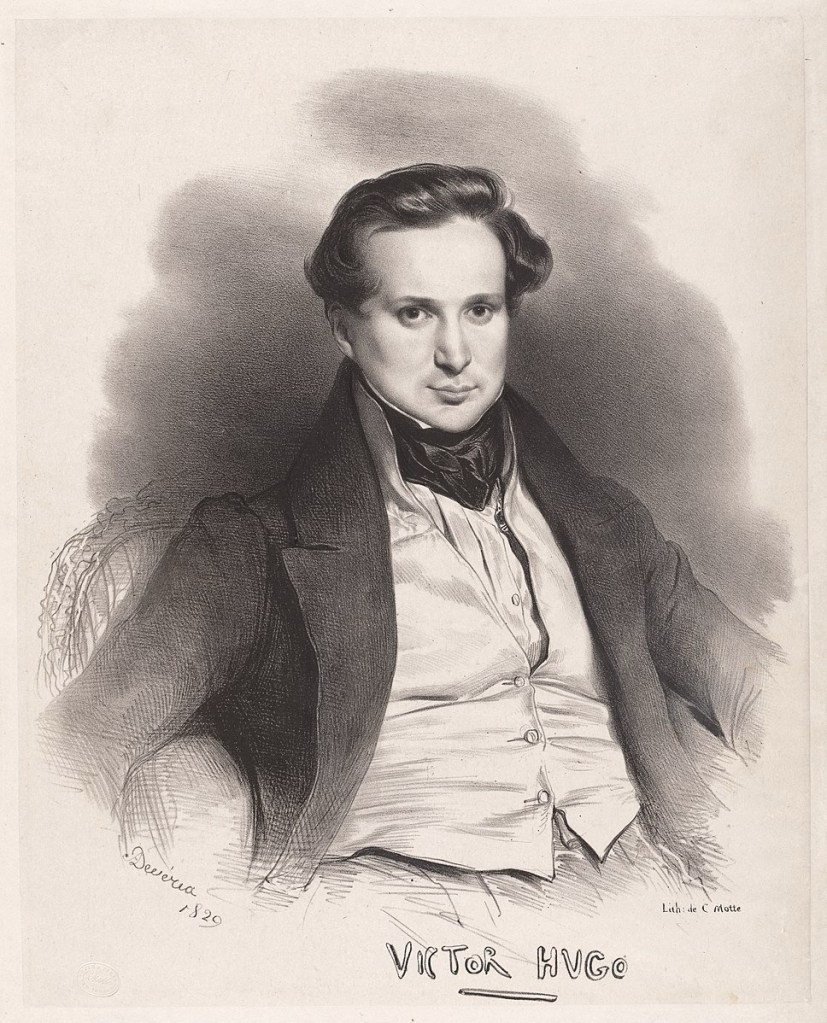
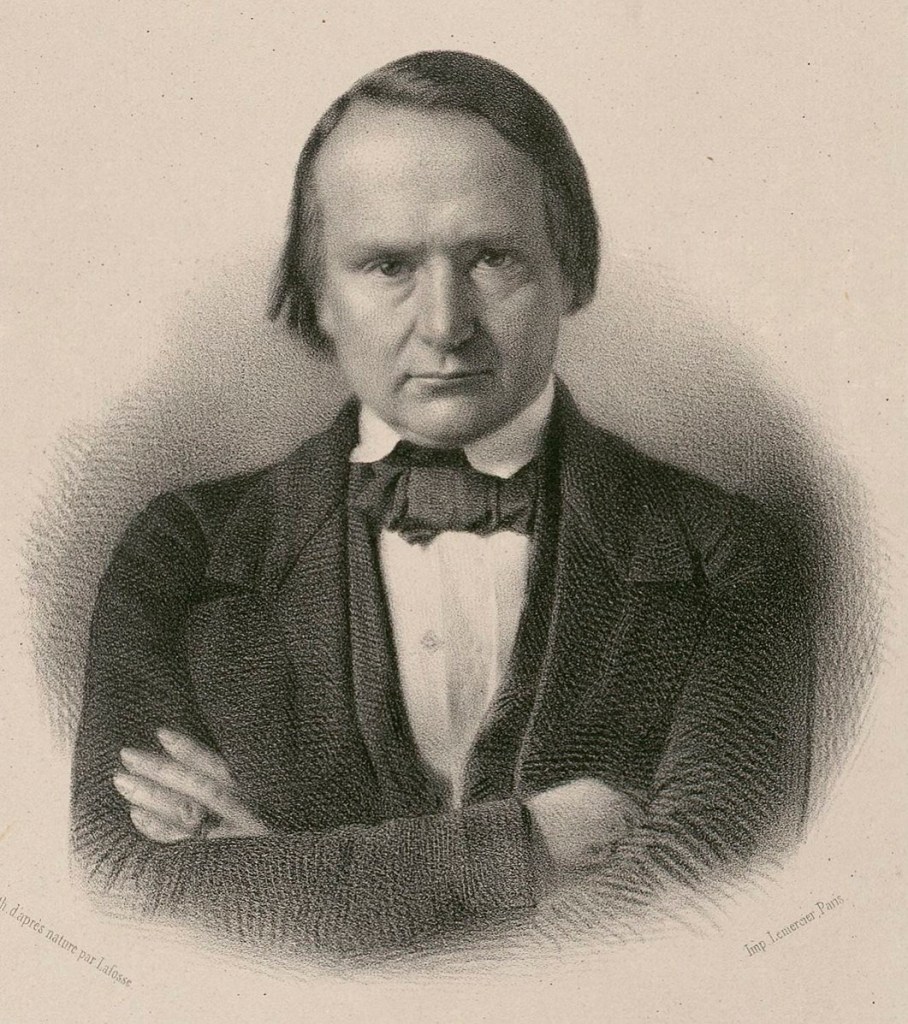
    Novelist


    Victor Hugo in 1829, lithograph by Achille Devéria in the collection of the National Gallery of Art, Washington D.C. [Image Wikipedia]

    Victor Hugo was a French Romantic author, poet, essayist, playwright, and politician. His most famous works include novels like The Hunchback of Notre-Dame and Les Misérables, as well as poetry collections like Les Contemplations and La Légende des siècles.

    Portrait of Victor Hugo, deputy of the Second Republic in 1848, gallery of the representatives of the people of the French National Assembly, Paris. [Image Wikipedia]
  • Blessed Be This Noble Land—Answer

    1. Bechuanaland
    2. Rain

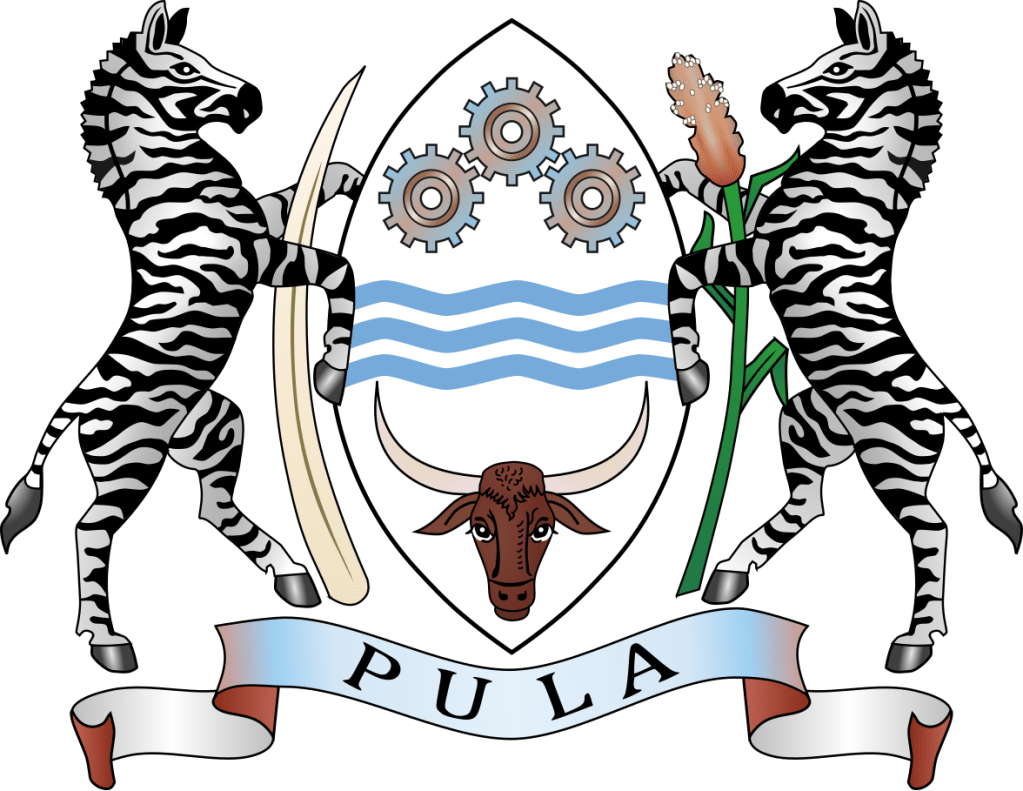
    The title of this post Blessed Be This Noble Land is the national anthem of Botswana.

    Coat of Arms of Botswana.
    [Image from Wikipedia]

    The motto Pula, which means rain and also blessing, is the name of Botswana’s currency.

    On the 21 February 1966 the Earl of Longford, the British Colonial Secretary, announced that Bechuanaland, a British protectorate, would gain independence on 30th September 1966, subsequently being renamed Botswana.

    This landlocked country in Southern Africa is bordered by Namibia (including the Caprivi Strip) to the west and north, Zambia and Zimbabwe to the northeast, and South Africa to the southeast and south. Botswana’s borders feature a minor section along the Zambezi River with Zambia, while its boundary along the Chobe River with Namibia was settled in a 1999 International Court of Justice ruling favoring Botswana. Despite remaining one of the least densely populated nations globally, with over 2.4 million people inhabiting an area similar in size to France, Botswana, named after its dominant Tswana ethnic group, has transitioned from being one of the world’s poorest and least-developed states to a peaceful and increasingly prosperous democratic state. Approximately 70 percent of its flat, topographically consistent territory forms part of the Kalahari Desert.

  • Blessed Be This Noble Land

    Coat of Arms of Botswana.
    [Image from Wikipedia]

    The British Colonial Secretary, announced on 21 February 1966 that a British protectorate would gain independence later in the year and be renamed Botswana.

    1. What was the name of the British protectorate?
      • Barotseland
      • Bechuanaland
      • Nyasaland
    2. Botswana has a one word motto Pula, what does it mean in English?
      • Lion
      • Rain
      • Self

    The answers will be posted later today.

  • Brief Encounter—Answer

    45 minutes

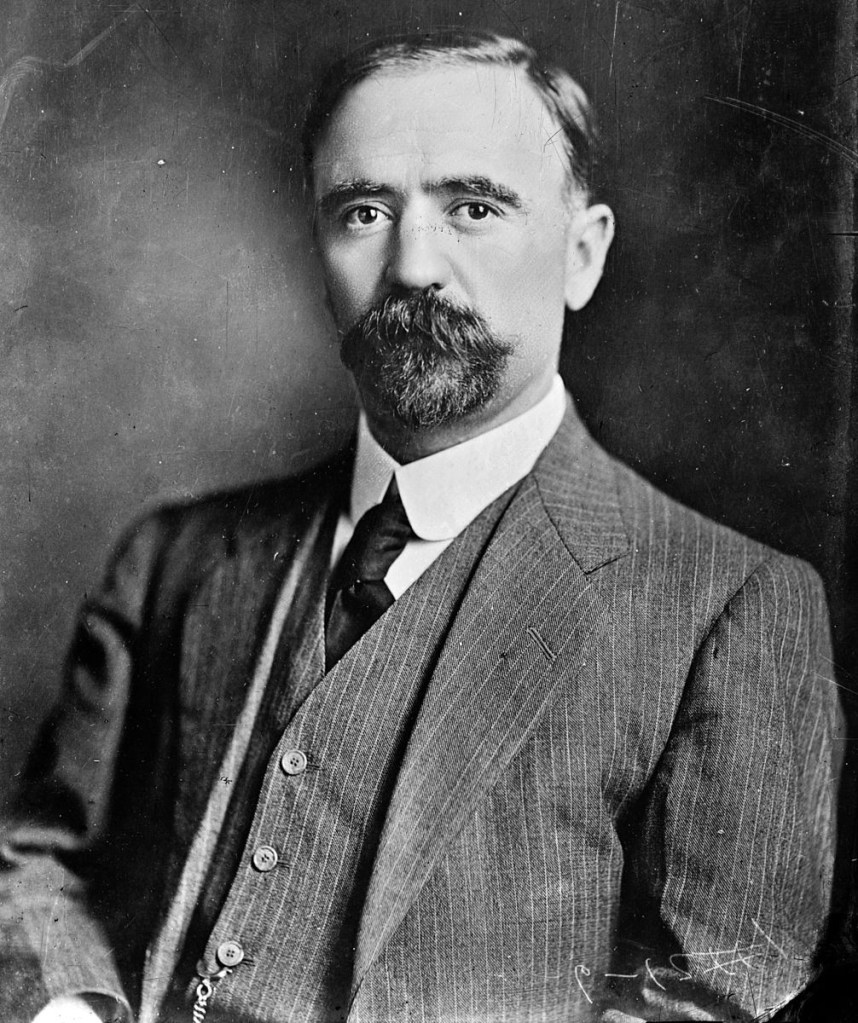
    President Francisco Madero. 37th President of Mexico.
    [Image from Wikipedia]

    Pedro Lascuráin’s 45-minute presidency, unlike other brief period in office, was entirely intentional. Lascuráin played a crucial role in the Mexican Revolution, which involved the transfer of power from President Francisco Madero to dictator Victoriano Huerta. Here’s how it unfolded.

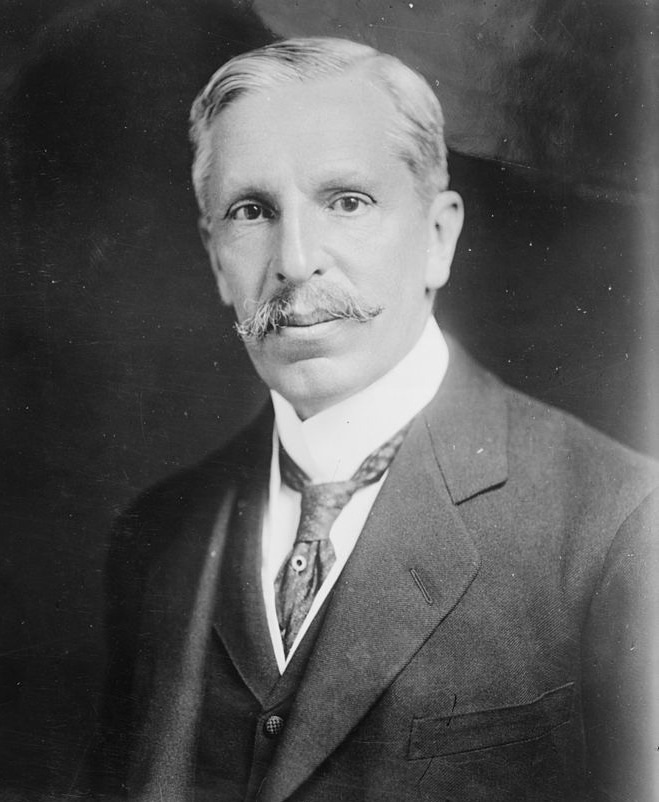
    Pedro Lascuráin. 38th President of Mexico.
    [Image from Wikipedia]

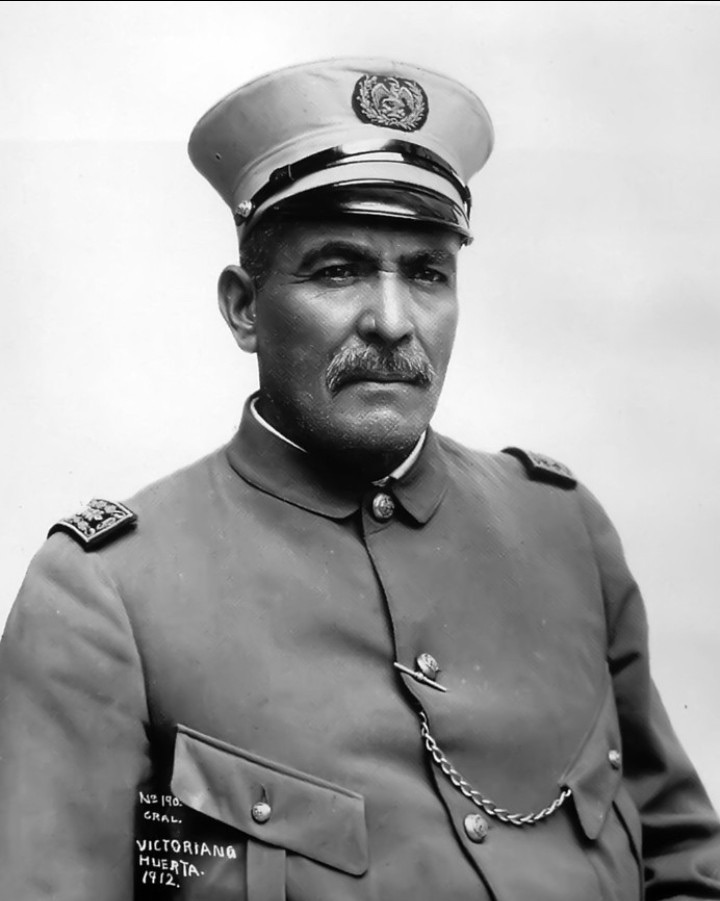
    As the minister of foreign affairs, Lascuráin held the third position—after the president and vice president—in the line of succession to the presidency. However, Huerta exploited this position to his advantage. He orchestrated a fake battle to create unrest and persuade Madero and his vice president to resign. Tragically, they were later murdered while attempting to flee Mexico. Lascuráin ascended to the presidency, but his tenure was marked by only one significant act: appointing Huerta as a member of his cabinet. Subsequently, he promptly resigned, paving the way for the next in line, his new cabinet minister, Victoriano Huerta.

    Victoriano Huerta. 39th President of Mexico.
    [Image from Wikipedia]
  • Brief Encounter

    Pedro Lascuráin
    [Image from Wikipedia]

    Pedro Lascuráin became president of Mexico on 19 February 1938.

    • The duration of his presidency was…
      • 45 minutes
      • 45 hours
      • 45 days

    The answer will be posted later.

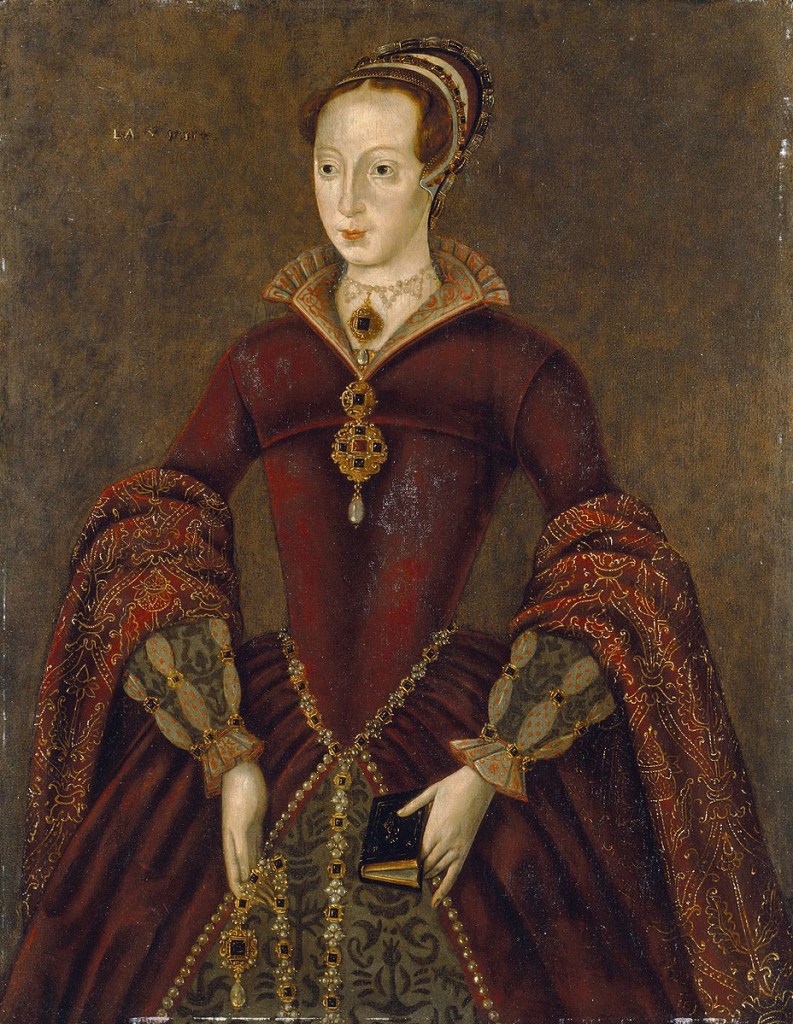
  • Nine Days—Answer


    B. Mary I

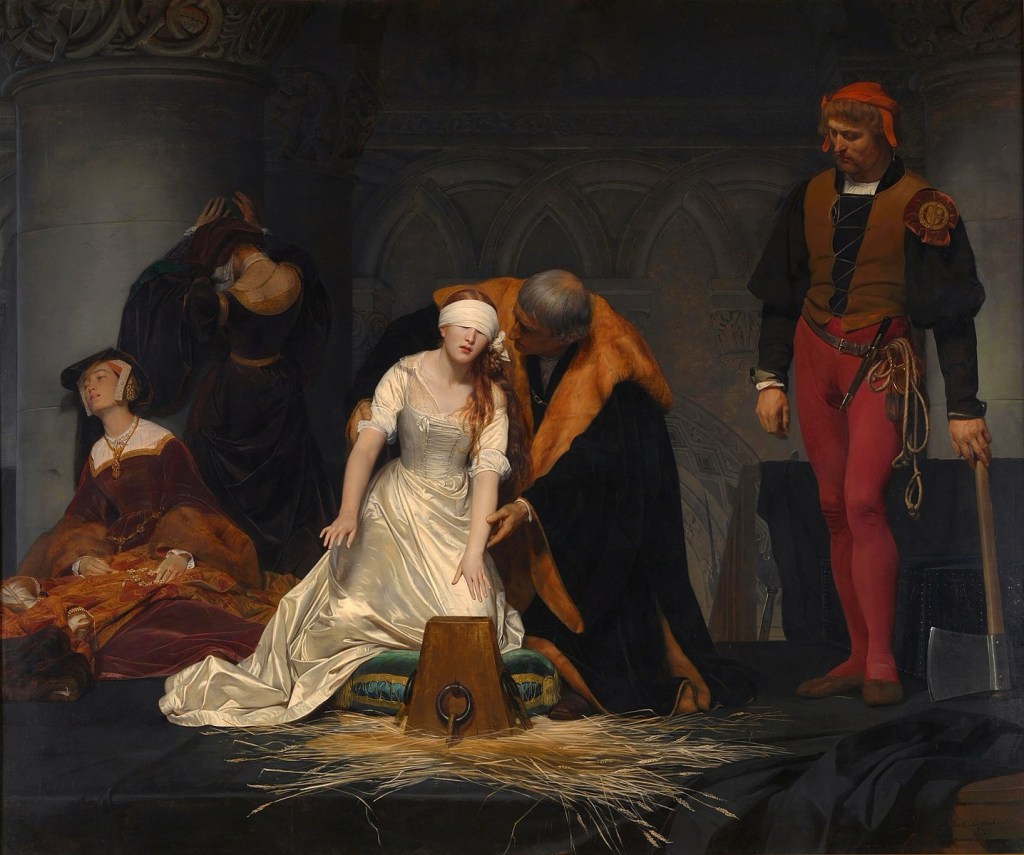
    Lady Jane Grey, also known as Lady Jane Dudley, was proclaimed queen of England and reigned from 10 to 19 July 1553. Known for her beauty and intelligence, she reluctantly allowed herself to be crowned at the age of 15 due to the machinations of unscrupulous politicians. Her subsequent execution at the age of 16 by Mary Tudor evoked widespread sympathy and compassion.

  • Nine Days

    Lady Jane Grey, who reigned as Queen of England for only nine days in 1553, was executed on 12 February 1554. Who was the monarch who ordered her execution?


    A. Elizabeth I

    B. Mary I

    C. Edward VI

    The answer will be posted later today.