These questions all relate to today’s date, February 5th. Each question has a year or decade as the first part of the answer, followed by a supplementary question.
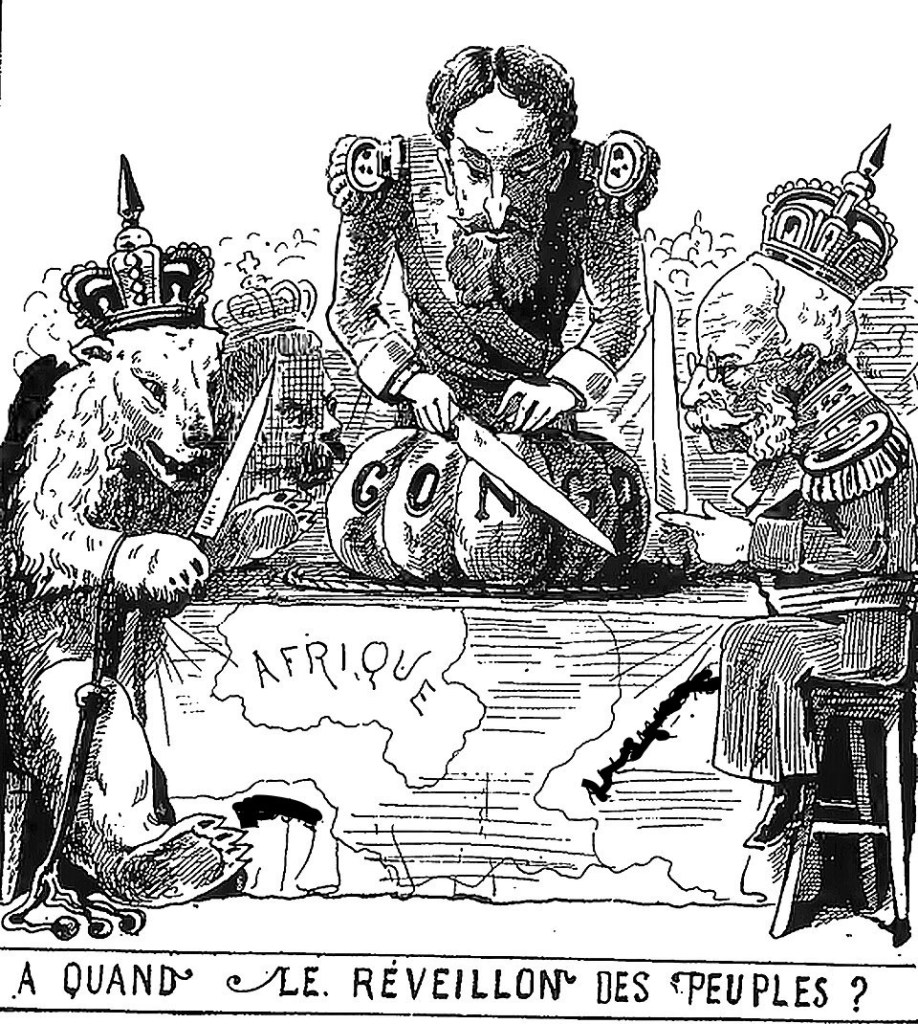
Contemporary cartoon. Image Wikimedia Commons
One
In what decade did a European monarch establish the Congo Free State in West Africa? Who was the monarch, and what was the European country?
Two
On this day in what year did Apollo 14 land on the Moon, and name any one of the three astronauts who flew on that mission or all three if you can?
Three
On this day, the New Hermitage Museum opened in Russia. In what decade did it open, and what—at that time—was the name of the city it is located in?
Four
United Artists, the American film production company, was founded on this day in what decade? Secondly, name any two of the four founders?
Five
The creation of the first synthetic plastic was announced on this date. In what decade was this announcement made, and what was the name of this synthetic plastic?
Here are the answers to my earlier posted questions.
All of today’s questions relate to February 4th, and each of them has at least one place in the answer, although there may be other requirements to the answer.
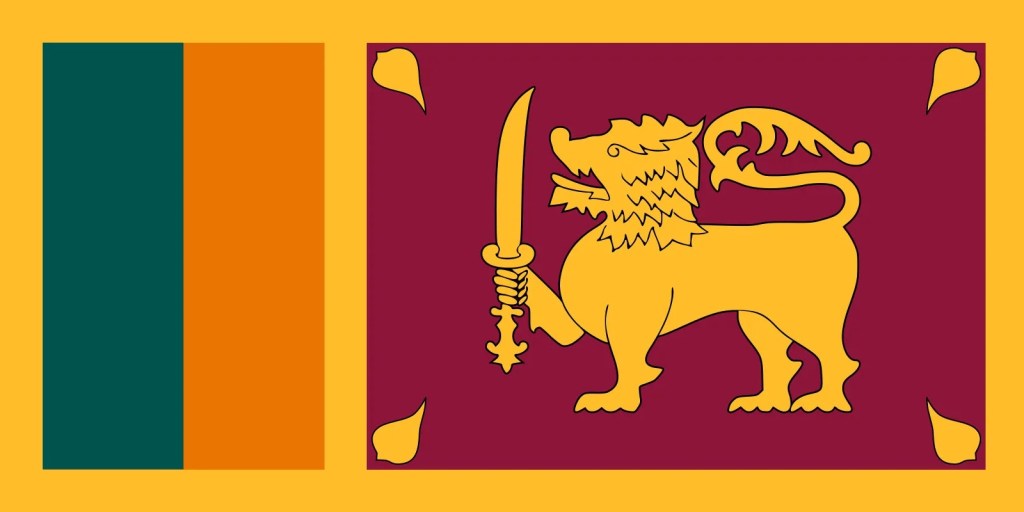
The flag shown above represents a modern country which gained independence from Great Britain on this date in 1948. What was the country’s name at independence, and to what was that name changed in 1972?
Answer: Ceylon; Sri Lanka.
Sri Lanka, officially the Democratic Socialist Republic of Sri Lanka, is an island country in South Asia. It gained independence from British rule in 1948 and became a republic in 1972. Despite a prolonged civil war, Sri Lanka has emerged as a developing country with a strategically important location in the Indian Ocean.
Two
Roman emperor Septimius Severus died at Eboracum on this date in 211 CE. What modern city was Roman Eboracum, and in what country is it located?
Answer: York, England, United Kingdom
Septimius Severus led a military campaign in Caledonia, facing hardships but achieving significant gains before his death in 211. His death led to the abandonment of the campaign and the withdrawal of Roman forces from Caledonia.
Three
The Yalta Conference opened on this day in 1945 in the final stages of Second World War and was the second meeting of the ‘Big Three’ allied leaders. On what peninsula is Yalta located and who were the three allied leaders?
Answer: Crimean Peninsula; Franklin. D Roosevelt, Winston Churchill and Joseph Stalin.
Yalta, a resort city on Crimea’s south coast, is today internationally recognised as part of Ukraine but controlled by Russia. It is known for its historic significance, including the 1945 Yalta Conference held in February 1945, which was a meeting of the US, UK, and Soviet Union leaders to discuss the postwar reorganisation of Germany and Europe. The conference aimed to establish collective security and self-determination for liberated European nations.
Four
In what year was Facebook founded, and which university campus did it originally launch from?
Answer: 2004, Harvard University.
Facebook was founded on this day in 2004 by Mark Zuckerberg and a small group of fellow students while they were attending Harvard University. It originally began as a social networking site exclusively for Harvard students before quickly expanding to other universities and eventually becoming a global platform with billions of users worldwide.
Five
Charles Lindbergh was born on this day in 1902. He was an American aviator who made the first non-stop solo transatlantic flight in his aircraft, Spirit of St. Louis. In what decade did he make this flight, and where were his departure and destination locations?
Answer: 1920s; Roosevelt Field, Long Island, New York, United States to Le Bourget Aerodrome, Paris, France.
Charles Lindbergh completed the first solo transatlantic flight, departing from Roosevelt Field on Long Island and landing at Le Bourget Aerodrome in Paris. The flight, lasting over 33 hours, involved navigating through fog, icing, and fatigue, with Lindbergh relying on dead reckoning for navigation. Upon landing, he was greeted by a massive crowd, who damaged the Spirit of St. Louis in their excitement.
All of today’s questions relate to February 4th, and each of them has at least one place in the answer, although there may be other requirements to the answer.
Image Wikimedia Commons
One
The flag shown above represents a modern country which gained independence from Great Britain on this date in 1948. What was the country’s name at independence, and to what was that name changed in 1972?
Two
Roman emperor Septimius Severus died at Eboracum on this date in 211 CE. What modern city was Roman Eboracum, and in what country is it located?
Three
The Yalta Conference opened on this day in 1945 in the final stages of Second World War and was the second meeting of the ‘Big Three’ allied leaders. On what peninsula is Yalta located and who were the three allied leaders?
Four
In what year was Facebook founded, and which university campus did it originally launch from?
Five
Charles Lindbergh was born on this day in 1902. He was an American aviator who made the first non-stop solo transatlantic flight in his aircraft, Spirit of St. Louis. In what decade did he make this flight, and where were his departure and destination locations?
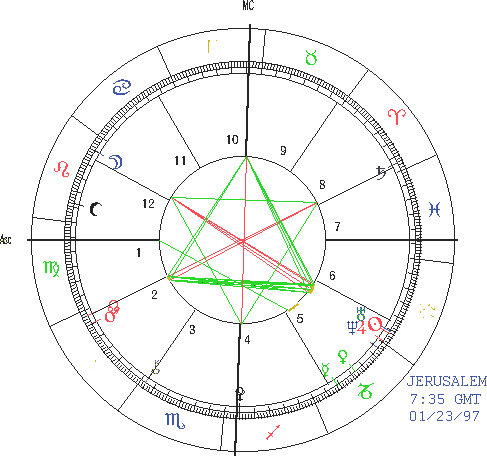
Some astrologers believed that a 1997 planetary alignment with the Sun and Moon, which had not occurred since 1475, indicated the beginning of a new age. What age?
In 1229, Pope Gregory IX first mentioned the town of Aboa in his bull; Aboa is the Latin name of Turku. This date is increasingly considered the founding of Turku. In what modern country is Turku?
Answer: Finland
Turku, Finland’s oldest city, is the regional capital of Southwest Finland. With a population of approximately 207,000, it is the country’s third-most populous urban area. Turku, a bilingual municipality, is a significant business and cultural centre, known for its rich history, vibrant food scene, and as a major port city.
Three
In 1957, American inventor Walter Frederick Morrison sold the rights to his disc to the Wham-O toy company. What did they later rename it?
Answer: Frisbee
A frisbee, also known as a flying disc, is a gliding toy used for recreational and competitive throwing and catching. It is typically made of plastic and has a pronounced lip, allowing it to fly with reduced drag and increased lift.
Four
In 1998, which corporation announced the creation of Mozilla, a free software community?
Answer: Netscape Communications Corporation
Netscape announced its Communicator browser software would be free and open-source in 1998, leading to the creation of the Mozilla project. Initially a technology provider, Mozilla later focused on developing independent applications like Firefox and Thunderbird, and expanded into mobile platforms and other projects.
Five
In 1977, the television miniseries Roots debuted in the United States. The series was an adaptation of whose best-selling novel, and what was that novel’s full title?
Answer: Alex Haley
Roots is a 1977 American television miniseries based on Alex Haley’s novel, Roots: The Saga of an American Family. The series, which aired on ABC, received critical acclaim and numerous awards, including nine Primetime Emmy Awards. It was followed by a sequel, Roots: The Next Generations, and a remake commissioned by the History Channel in 2016.
Some astrologers believed that a 1997 planetary alignment with the Sun and Moon, which had not occurred since 1475, indicated the beginning of a new age. What age?
Two
In 1229, Pope Gregory IX first mentioned the town of Aboa in his bull; Aboa is the Latin name of Turku. This date is increasingly considered the founding of Turku. In what modern country is Turku?
Three
In 1957, American inventor Walter Frederick Morrison sold the rights to his disc to the Wham-O toy company. What did they later rename it?
Four
In 1998, which corporation announced the creation of Mozilla, a free software community?
Five
In 1977, the television miniseries Roots debuted in the United States. The series was an adaptation of whose best-selling novel, and what was that novel’s full title?
In what decade did the television comedy Happy Days premiere in the United States?
Answer: 1970s
Happy Days, a popular American sitcom that aired from 1974 to 1984, depicted an idealised view of 1950s and 60s America. The show’s most memorable character, Fonzie, became a pop culture icon, leading to several spin-off shows and launching the careers of its stars.
Two
The first national public museum in the world, opened in 1759, boasts a collection of over eight million artefacts. What museum?
Answer: British Museum
The British Museum was founded in 1753 and opened its doors in 1759. It was the first national museum to cover all fields of human knowledge, open to visitors from across the world.
Enlightenment ideals and values – critical scrutiny of all assumptions, open debate, scientific research, progress and tolerance – have marked the Museum since its foundation.
The Museum is driven by an insatiable curiosity for the world, a deep belief in objects as reliable witnesses and documents of human history, sound research, as well as the desire to expand and share knowledge. — British Museum
Three
The 2016 film Sully, starring Tom Hanks as Captain Chesley ‘Sully’ Sullenberger III, depicts his remarkable landing of a crippled aircraft in a river. Which river did the aircraft land in, and who directed the film?
Answer: Hudson River; Clint Eastwood
On 15 January 2009, US Airways flight 1549, an Airbus A320, made an emergency landing in the Hudson River after both engines were damaged by a flock of geese shortly after takeoff from LaGuardia Airport. Captain Chesley Sullenberger successfully ditched the plane, resulting in no fatalities but five serious injuries. The National Transportation Safety Board concluded Sullenberger’s decision to land in the river was appropriate.
Four
Born in Atlanta, Georgia, on this date in 1929 and dying at the age of 39 in 1968 in Memphis, Tennessee, this American religious leader became the youngest person to win the Nobel Peace Prize in 1964. Who was this?
Answer: Martin Luther King Jr.
Martin Luther King Jr. was a prominent American civil rights activist and Baptist minister who led the civil rights movement from 1955 until his assassination in 1968. He advocated for civil rights for people of colour through nonviolent resistance, achieving significant legislative gains like the Civil Rights Act of 1964 and the Voting Rights Act of 1965. King was awarded the Nobel Peace Prize in 1964 and posthumously received the Presidential Medal of Freedom and Congressional Gold Medal. Martin Luther King Day is observed on the third Monday in January and a memorial dedicated to him stands in the National Mall, Washington, DC.
Five
In 2001, Wikipedia saw its debut. The free Internet-based encyclopaedia was initially launched as a feature of Nupedia prior to being relaunched as an independent entity a few days later. Who were the two founders?
Answer: Jimmy Wales; Larry Sanger
Wikipedia, launched in 2001 as a complement to the expert-written Nupedia, quickly grew into the largest encyclopedia ever assembled. While initially experiencing rapid growth, the English Wikipedia’s growth rate in terms of new articles and editors peaked around 2007 and has since stabilised after a period of decline. Despite concerns about a decline in active editors and page views, Wikipedia remains a widely used and influential resource.
Brace for Impact
The title refers to Captain Sullenberger’s announcement to his passengers in the final approach of flight 1549 to the Hudson River, ‘This is the captain. Brace for impact.’
In what decade did the television comedy Happy Days premiere in the United States?
Two
The first national public museum in the world, opened in 1759, boasts a collection of over eight million artefacts. What museum?
Three
The 2016 film Sully, starring Tom Hanks as Captain Chesley ‘Sully’ Sullenberger III, depicts his remarkable landing of a crippled aircraft in a river. Which river did the aircraft land in, and who directed the film?
Four
Born in Atlanta, Georgia, on this date in 1929 and dying at the age of 39 in 1968 in Memphis, Tennessee, this American religious leader became the youngest person to win the Nobel Peace Prize in 1964. Who was this?
Five
In 2001, Wikipedia saw its debut. The free Internet-based encyclopaedia was initially launched as a feature of Nupedia prior to being relaunched as an independent entity a few days later. Who were the two founders?
iPhone was unveiled by Steve Jobs on January 9, 2007, and went on sale later that year. It transformed the phone into a handheld computer, fusing communication, entertainment and internet access. Since its release, it has evolved with improved cameras, faster processors, and new features like face recognition.
Two
In 1982, Catherine, princess of Wales was born. What was her maiden surname?
Middleditch
Middlesmyth
Middleton
Answer: 3. Middleton
Catherine, Princess of Wales, born Catherine Elizabeth Middleton, is the consort of Prince William, heir apparent to the British throne. She became Princess of Wales in 2022, following the death of Queen Elizabeth II. Catherine is known for her warmth and relatability, and is actively involved in various charities, particularly those focused on children and mental health.
Three
Which traditional American folk song, recorded by Joan Baez on her 1960 debut album, became one of her signature performances and helped spark the 1960s folk revival?
This Land Is Your Land
Silver Dagger
John Henry
Answer: 2. Silver Dagger
Joan Baez was born this day in 1941. Her first album, Joan Baez (1960), was recorded in just a few days and featured only her voice and acoustic guitar. Despite its simplicity, it became a landmark folk record and influenced countless artists—including a young Bob Dylan—by bringing traditional ballads like Silver Dagger to a wide, modern audience.
Four
In 1816, Humphrey Davy tested what device at Hebburn Colliery in England?
Safety fuse
Safety helmet
Safety lamp
Answer: 3. Safety lamp
The Davy lamp, invented in 1815 by Sir Humphry Davy, is a safety lamp used in flammable atmospheres, particularly coal mines. It consists of a wick lamp enclosed in a mesh screen, acting as a flame arrestor to prevent explosions. Despite its initial promise, the Davy lamp’s unreliability and the false sense of security it provided contributed to an increase in mine accidents, highlighting the need for improved ventilation and safer practises.
Five
Born in 1913, Richard Nixon, the 37th President of the United States. During his presidency Nixon became associated with what group of tradesmen?
Carpenters
Mechanics
Plumbers
Answer: 3. Plumbers
The Watergate Plumbers, a covert group formed during Richard Nixon’s presidency, aimed to suppress leaks of classified information, especially the Pentagon Papers. Their most notorious involvement was the Watergate break-in, which ultimately led to Nixon’s resignation.
In 1982, Catherine, princess of Wales was born. What was her maiden surname?
Middleditch
Middlesmyth
Middleton
Three
Which traditional American folk song, recorded by Joan Baez on her 1960 debut album, became one of her signature performances and helped spark the 1960s folk revival?
This Land Is Your Land
Silver Dagger
John Henry
Four
In 1816, Humphrey Davy tested what device at Hebburn Colliery in England?
Safety fuse
Safety helmet
Safety lamp
Five
Born in 1913, Richard Nixon, the 37th President of the United States. During his presidency Nixon became associated with what group of tradesmen?
The first ‘official’ commercial transatlantic telephone service was established on this date. In what decade, and between what two cities, was the connection made?
Answer: 1920s; New York City, United States and London, United Kingdom
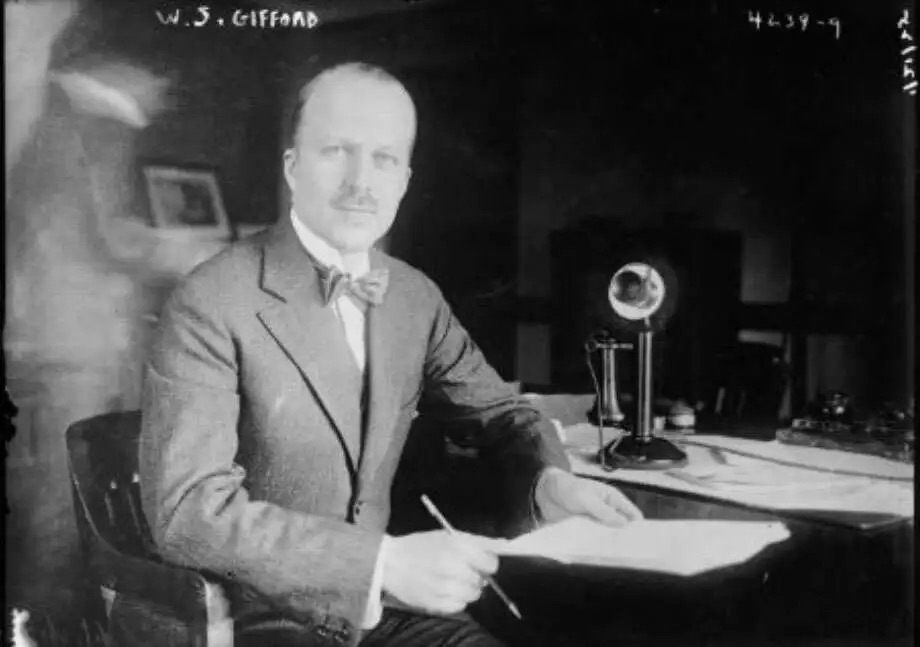
On January 6 and 7, 1927, the first transatlantic telephone conversations took place between the United States and London. The initial test call, a casual conversation about the weather and travel distances, was followed by a formal ‘official’ inauguration call between AT&T President W.S. Gifford and Sir Evelyn P. Murray, head of the British General Post Office. This historic achievement marked the beginning of a new era of global communication. The previous day, the across-the-ocean ‘test’ conversation was also recorded for the purposes of history — ‘How’s the weather over in London?’. These calls travelled over 3,000 miles, via wire from New York City to a radio transmitter at Rocky Point, Long Island, New York, and then via radio waves—to a radio receiving station at Rugby, England, and finally via wire from there to London. The return conversation went from London via wire to Cupar, Scotland, from there via radio waves to a receiving station at Houlton, Maine, and finally via wire back to New York City. — Sourced from Library of Congress
Two
The first observation of the Galilean moons was made with two being visible. Who made this first observation and in what century was it made?
Answer: Galileo Galilei; 17th century
The Galilean moons, discovered by Galileo in 1610, are the four largest moons of Jupiter: Ganymede, Callisto, Io and Europa. They are planetary-mass moons, larger than any dwarf planet, and Ganymede is the largest moon in the Solar System. Their discovery challenged the geocentric Ptolemaic world system and demonstrated the importance of the telescope.
Three
In 1985, which country’s space agency launched the Sakigake spacecraft, the first deep space probe launched by a nation other than the United States or the Soviet Union?
Answer: Japan
Sakigake, a practice mission for Japan’s Suisei, flew by Comet Halley, providing data on the comet and Earth’s magnetic tail.
Four
What first three-letter distress signal was established in 1904, only to be replaced two years later by SOS?
Answer: CQD
CQD, one of the first radio distress signals, was adopted by the Marconi International Marine Communication Company on 7 January 1904. SOS, agreed upon by the International Radio Telegraphic Convention in 1906, was merely a distinctive Morse code sequence of three dots, three dashes and three dots with no spaces between the letters. Although not an abbreviation, SOS is often associated with phrases like ‘save our souls’ or ‘save our ship’.
Five
In 1954, the Georgetown-IBM experiment at the head office of IBM in New York City was the first public demonstration of a computer doing which of these?
Performing arithmetic and complex mathematical calculations
Scanning text and graphics
Translating from one input language to another output language
Answer: 3. Translating from one input language to another output language
The Georgetown–IBM experiment, a 1954 demonstration of machine translation, showcased the automatic translation of over sixty Russian sentences into English. Developed by Georgetown University and IBM, the experiment utilised a limited vocabulary and grammar rules, focusing on specific domains like politics and science. While the demonstration received widespread attention and encouraged government investment, progress in machine translation was slower than anticipated.