Tag: transport

  • Cars, boats and telegraphy | Answers

    Here are some questions relating to today, 25 April.
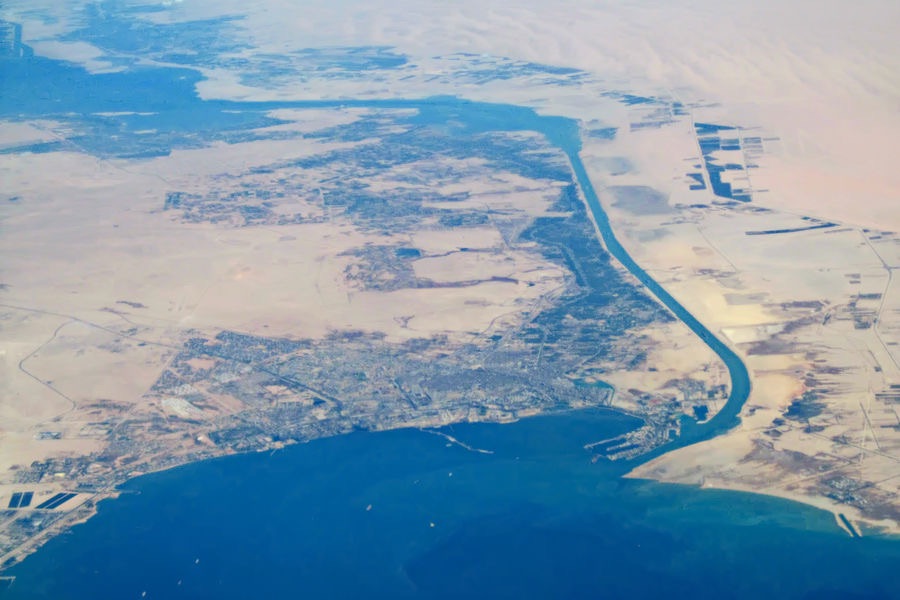
    See #2. Aerial view of the Suez Canal at Suez.
    Image Wikipedia
    1. On 25 April 1901, New York became the first US state to mandate license plates with a law ordering automobiles and motorcycles to display “the separate initials of the owner’s name placed upon the back thereof in a conspicuous place.” But where was the first place to legally require a registration or licence plate?
      • France—France introduced registration plates in 1893, followed by Germany and the Netherlands. The US began requiring plates in 1903, with New York being the first state (this was after NY first requiring in 1901 that the owner’s initials be clearly visible on the back of the vehicle).
    2. Today in 1859, construction of the Suez Canal officially began. How many countries does it pass through?
      • One—Egypt. The Suez Canal, a 120-mile (193 km) artificial waterway in Egypt, connects the Mediterranean and Red Seas, providing a direct trade route between Europe and Asia. Constructed between 1859 and 1869, it is operated by the Suez Canal Authority and offers a significant shortcut for vessels, reducing travel time between the Arabian Sea and Europe. Utilising several lakes, it is one of the world’s busiest shipping lanes. The canal’s strategic importance has led to historical events like its nationalisation in 1956 and closure during the Six-Day War.
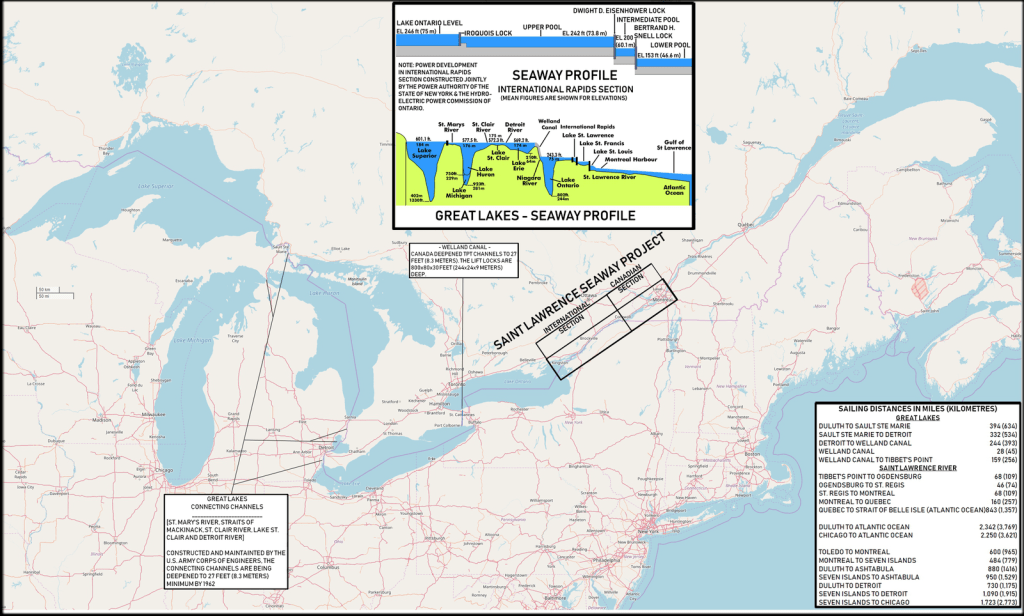
        The Great Lakes and Saint Lawrence Seaway.
        Image Wikipedia
    3. Today in 1959, exactly 100 years after work began on the Suez Canal (see #2 above), the Saint Lawrence Seaway opened, completing the link from the Atlantic Ocean to the Great Lakes and allowing ocean-going ships to reach the westernmost point of Lake Superior. What distance is the westernmost point of Lake Superior from the Atlantic Ocean?
      • 2,340 miles/3,766 km—The Saint Lawrence Seaway, a joint Canada-US project, connects the Atlantic Ocean to the Great Lakes. It opened North America’s industrial and agricultural heartlands to deep-draft ocean vessels and forged the final link in a 2,340 miles/3,766 km long waterway from Duluth, Minnesota, to the Atlantic by clearing a throughway in an 186-mile/299 km stretch of the St. Lawrence River between Montreal and Lake Ontario.
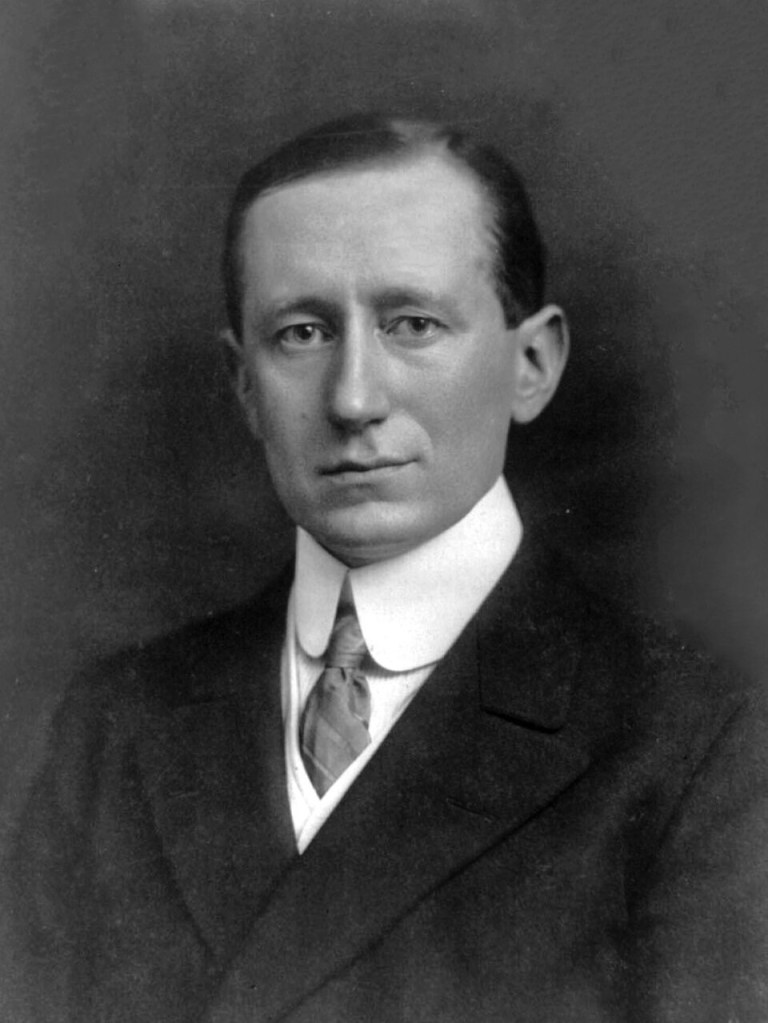
        Guglielmo Marconi.
        Image Wikipedia
  • On this day in 1874, a physicist and Nobel Prize laureate (Physics, 1909) was born. He invented a successful system of radio telegraphy. Who was he?
    • Guglielmo Marconi—an Italian electrical engineer and physicist, invented the wireless telegraph, or radio, in 1896, and received the Nobel Prize for Physics in 1909. He later worked on shortwave wireless communication, the foundation of modern long-distance radio. Marconi’s early experiments in Italy led him to London, where he received support and filed his first radio patent in 1896. He founded the Marconi Company in the UK and was ennobled as a marquess in 1929.
  • On 25 April 1990, Violeta Barrios de Chamorro became Central America’s first female president. What country was she president of?
    • Nicaragua—Violeta Chamorro, became Central America’s first female president in 1990, serving until 1997. After her husband, Pedro Chamorro, was assassinated by the Somoza dictatorship in 1978, she took over his newspaper, La Prensa, and became a symbol of opposition against the Sandinista government that overthrew the Somozas. As president, Chamorro reversed Sandinista policies, privatised state industries and promoted national reconciliation. Her presidency was marked by economic strife and social unrest, but she successfully ended hyperinflation and re-established international banking relationships.
  • Flag of Nicaragua.
    Image Wikipedia
  • Cars, boats and telegraphy

    Here are some questions relating to today, 25 April.

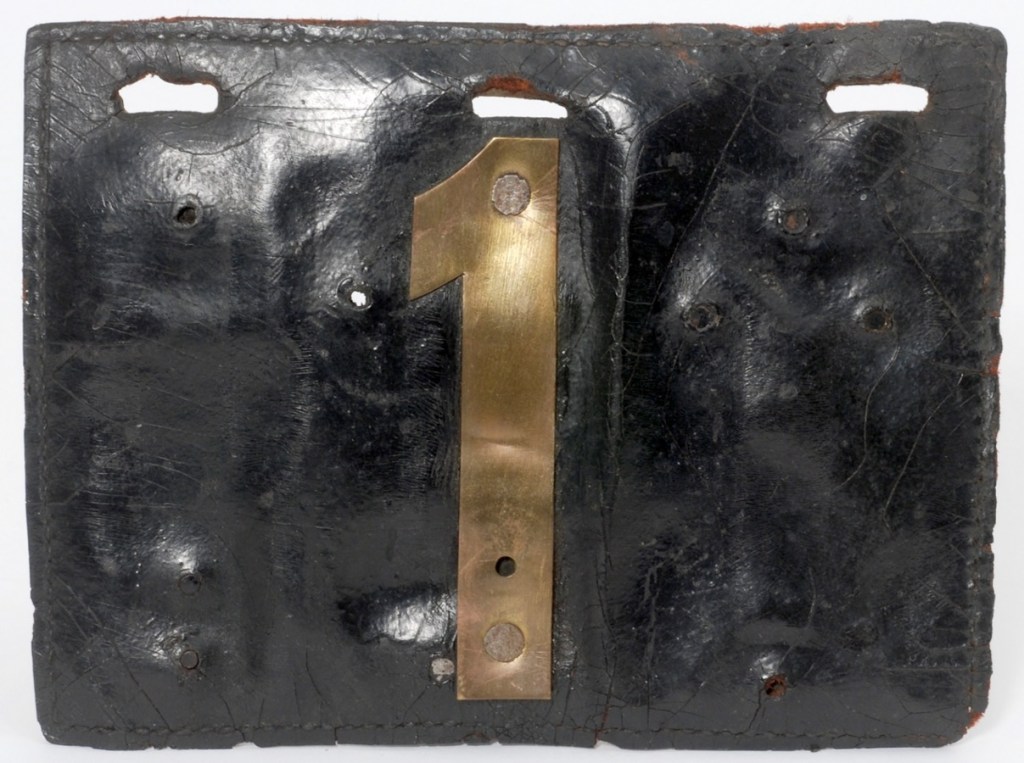
    See #1. The first automobile license plate issued in the State of Minnesota, 1903.
    Image Wikipedia
    1. On 25 April 1901, New York became the first US state to mandate license plates with a law ordering automobiles and motorcycles to display “the separate initials of the owner’s name placed upon the back thereof in a conspicuous place.” But where was the first place to legally require a registration or licence plate?
      • Belgium
      • France
      • United Kingdom
    2. Today in 1859, construction of the Suez Canal officially began. How many countries does it pass through?
      • One
      • Two
      • Three
    3. Today in 1959, exactly 100 years after work began on the Suez Canal (see #2 above), the Saint Lawrence Seaway opened, completing the link from the Atlantic Ocean to the Great Lakes and allowing ocean-going ships to reach the westernmost point of Lake Superior. What distance is the westernmost point of Lake Superior from the Atlantic Ocean?
      • 1,230 miles/1,979 km
      • 1,785 miles/2,873 km
      • 2,340 miles/3,766 km
    4. On this day in 1874, a physicist and Nobel Prize laureate (Physics, 1909) was born. He invented a successful system of radio telegraphy. Who was he?
      • Alessandro Volta
      • Enrico Fermi
      • Guglielmo Marconi
    5. On 25 April 1990, Violeta Barrios de Chamorro became Central America’s first female president. What country was she president of?
      • Guatemala
      • Honduras
      • Nicaragua

    Good luck! I will post the answers later today.

  • Number Crunching

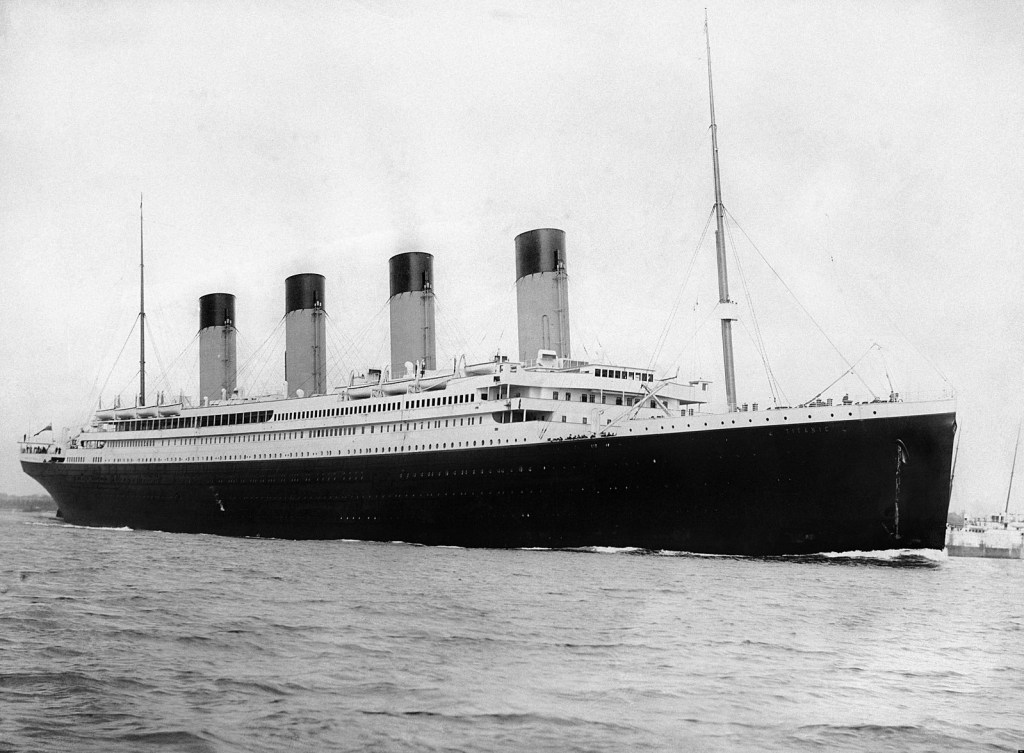
    See #2 below. RMS Titanic departing Southampton on 10 April 1912. Wikipedia

    Today’s post is all about today’s date, 14 April, and all the answers are numbers.

    1. What two words are missing from this text regarding an April 14, 1881 gunfight: The ___ Dead in ___ Seconds Gunfight?
      • Four and five
      • Five and ten
      • Six and fifteen.
    2. In 1912, the British passenger liner RMS Titanic struck an iceberg in the North Atlantic, causing it to begin sinking. Where was it when it struck the iceberg?
      • 220 miles (350 km) south of Iceland
      • 370 miles (600 km) southeast of Newfoundland
      • 590 miles (950 km) northwest of the Azores.
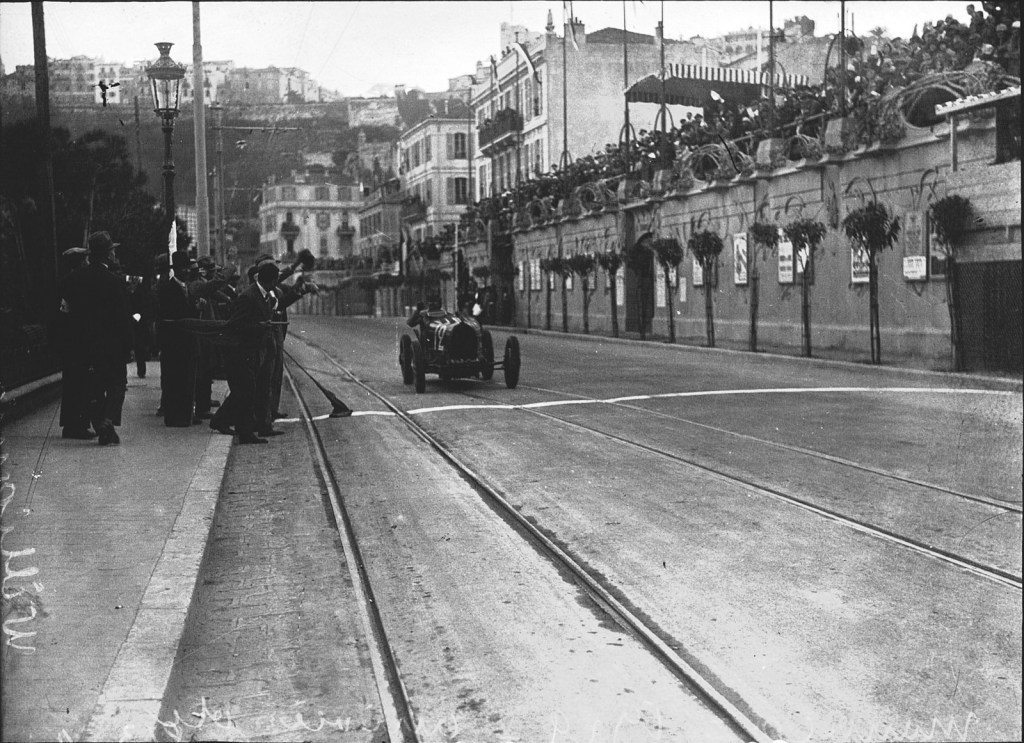
        William Grover-Williams at the 1929 Monaco Grand Prix. Wikipedia
    3. In motor racing, the inaugural Monaco Grand Prix took place on this date when a number of invited participants started the race. In what year did this inaugural race take place and how many drivers participated?
      • 1923 and 10 drivers
      • 1929 and 16 drivers
      • 1934 and 12 drivers.
    4. On 14 April 1865, Abraham Lincoln, the President of the United States, was shot by John Wilkes Booth at Ford’s Theatre in Washington, DC. What number President was Lincoln and how many days later was his assassin killed?
      • 14th President and 17 days
      • 15th President and 9 days
      • 16th President and 12 days.
    5. Today in 1986, the heaviest hailstones ever recorded fell on the Gopalganj district of Bangladesh, resulting in fatalities. How heavy were the individual hailstones and how many people died?
      • 0.5 kg (1.1 lb) and 47 persons
      • 0.75 kg (1.65 lb) and 64 persons
      • 1 kg (2.2 lb) and 92 persons.
    6. On this day, Mark Antony was defeated at the Battle of Forum Gallorum. This was some 13 years before his death, so when was the battle?
      • 43 BCE
      • 3CE
      • 43 CE

    Good luck! As usual, I will post answers later today.

  • Silence is Golden | Answers

    The answers to my earlier post are shown in bold below.

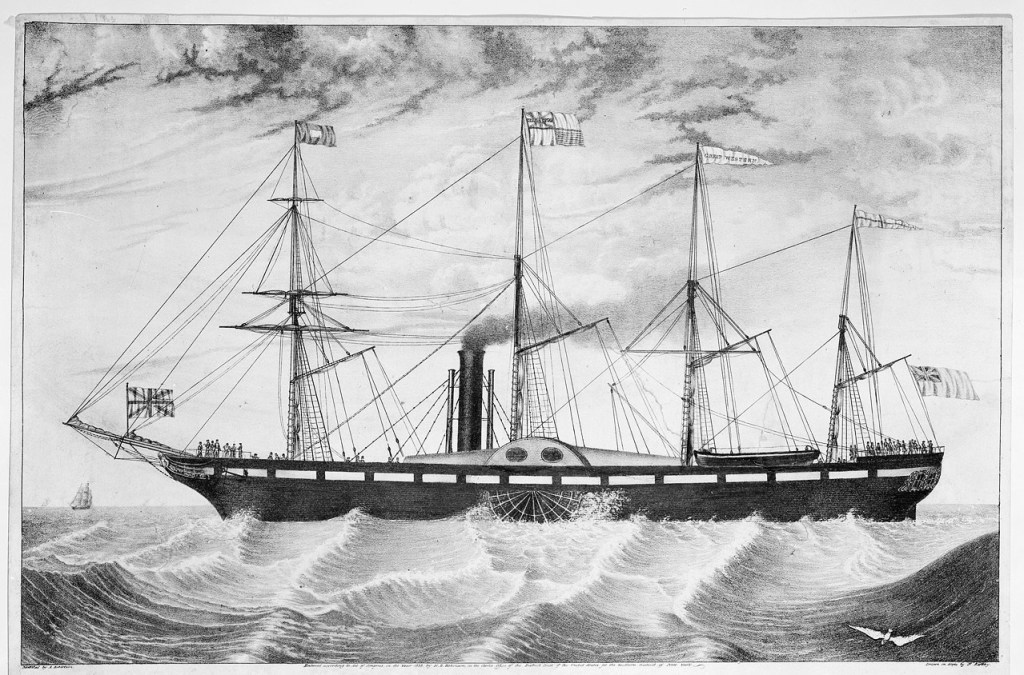
    SS Great Western. Wikipedia
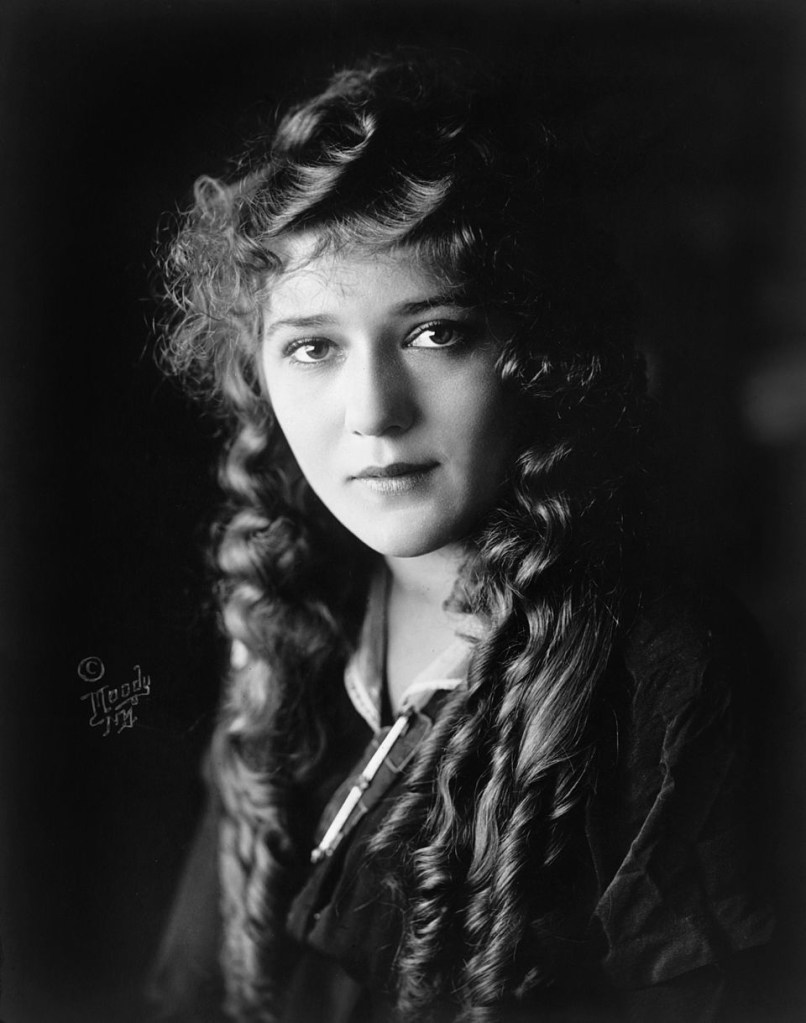
    1. Mary Pickford—Mary Pickford, born Gladys Louise Smith, was a Canadian-American actress and producer who became a pioneer in the American film industry. Known as “America’s Sweetheart” and “The Queen of the Movies,” she gained fame through silent films such as The Poor Little Rich Girl and Rebecca of Sunnybrook Farm. Pickford co-founded United Artists alongside D.W. Griffith, Charlie Chaplin and Douglas Fairbanks. After retiring from acting in 1933, she focused on her work with United Artists and engaged in various charitable activities.
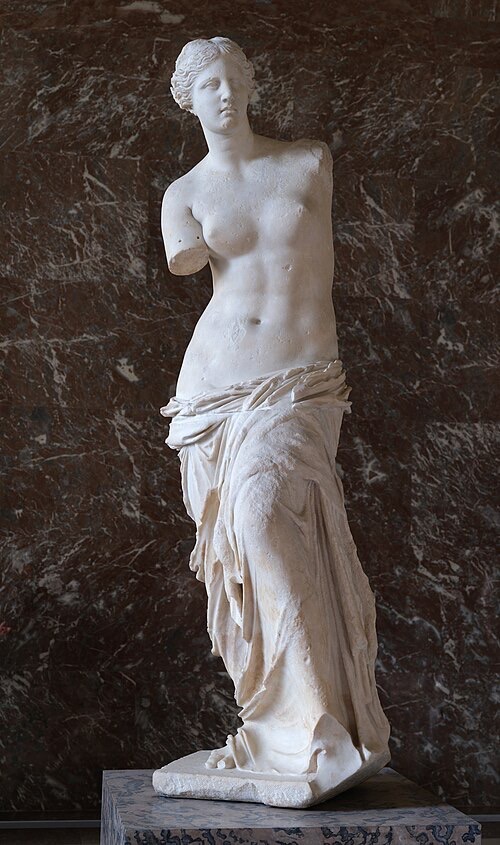
      Venus de Milo. Wikipedia
    2. Aphrodite—The Venus de Milo, a larger-than-life marble statue of Aphrodite carved by Alexandros around 150 BCE, was discovered on Melos in 1820. Inspired by a 4th-century Corinthian statue, it exemplifies Hellenistic sculptural tradition. Missing both arms and with an uncertain original position, the Parian marble sculpture has been displayed at the Louvre since 1821 and has inspired many artistic works and cultural references.
    3. Between the 6th and 4th centuries BCE— Siddhartha Gautama, known as the Buddha, established Buddhism in South Asia during the 6th or 4th century BCE. He advocated for a Middle Way between excessive indulgence and strict asceticism to achieve liberation from suffering. Buddhism developed into Theravada, Mahayana and Vajrayana traditions, expanding from India to Southeast and East Asia. Born in Lumbini, Nepal, and passing away in Kusinara, India, the Buddha’s teachings were spread by his followers, who commemorate significant events in his life, such as his birth, enlightenment and nirvana.
      Isambard Kingdom Brunel, who designed the SS Great Western, pictured with launching chains of the SS Great Eastern. Wikipedia
    4. SS Great Western—The SS Great Western, designed by Isambard Kingdom Brunel, was the first steamship built for transatlantic crossings. Wooden-hulled, it was the largest passenger ship from 1837 to 1839 and served as a model for future paddle-steamers.
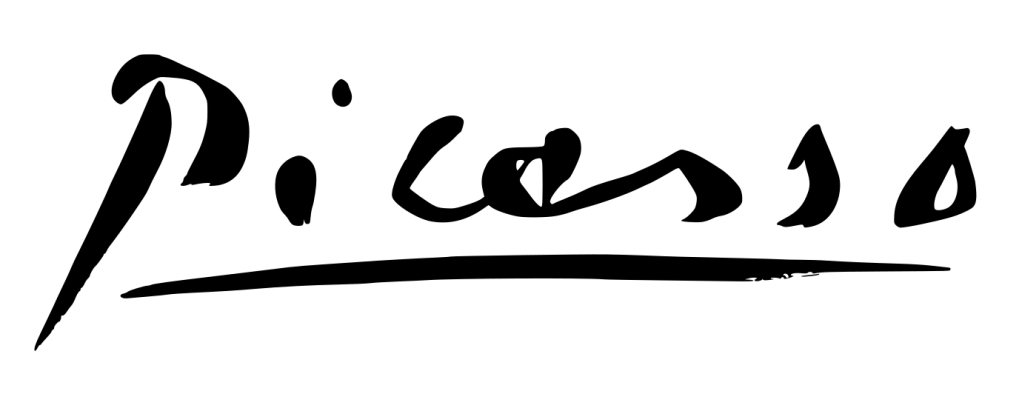
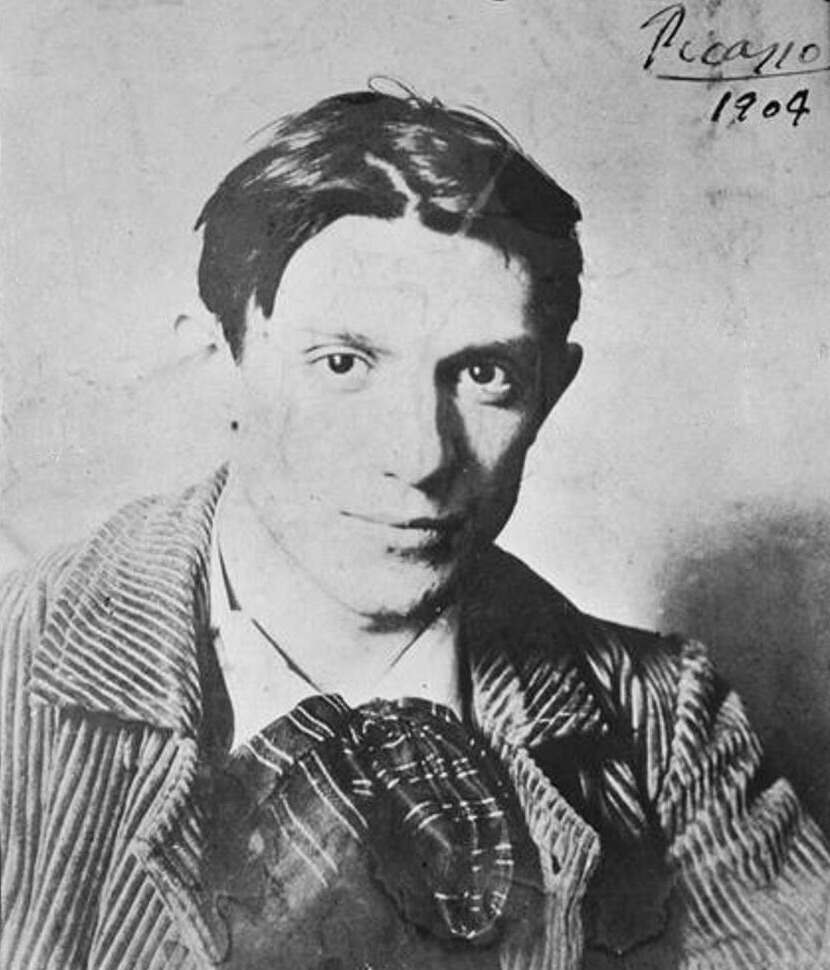
    5. P. RuizEncyclopædia Britannica states that Picasso’s baptismal names are “Pablo Diego José Francisco de Paula Juan Nepomuceno Crispín Crispiniano María de los Remedios de la Santísima Trinidad Ruiz Picasso”; Ruiz and Picasso being respectively his father’s and mother’s surnames. It further states in regard to his signing his works, “As a youth, Picasso was known as Pablo Ruiz, and he signed his earliest paintings P. Ruiz. By the turn of the 20th century he was using P.R. Picasso for paintings and drawings, but in late 1901 he finally settled on simply Picasso as his signature.”
    Picasso’s later signature. Wikipedia
  • Silence is Golden

    Gladys Louise Smith, aka ? (See question 1)
    1. Gladys Louise Smith was born on 8 April 1892 in Toronto, Canada, and later, as an actress in the silent era, became known as “Queen of the Movies” and “America’s Sweetheart“. What name did she use professionally?
      • Marion Davies
      • Lillian Gish
      • Mary Pickford
    2. Fragments of the ancient statue Venus de Milo were found in pieces on the island of Melos in the Aegean Sea on 8 April 1920. Who is the statue believed to represent?
      • Aphrodite
      • Artemis
      • Athena.
    3. A majority of Japanese Buddhists celebrate the birth of Buddha on 8 April, when is he believed to have lived?
      • Between the 6th and 4th centuries BCE
      • Between the 2nd century BCE and 2nd century CE
      • Between the 4th and 6th centuries CE
      SS Great ? (See question 4)
    4. On 8 April 1838, the first purpose-built and regular transatlantic steamer embarked on its maiden voyage. The ship, a wooden-hulled paddle steamer, was named what?
      • SS Great Britain
      • SS Great Eastern
      • SS Great Western
    5. The artist Pablo Picasso died on 8 April 1973. Which of these was how he signed his earliest works?
      • P.R.P.
      • P. Ruiz
      • P. Picasso
    Pablo Picasso, 1904. Wikipedia

    Good luck! I will post the answers later today.

  • Odd One Out | Answers

    The answers to my earlier post are shown in bold below.

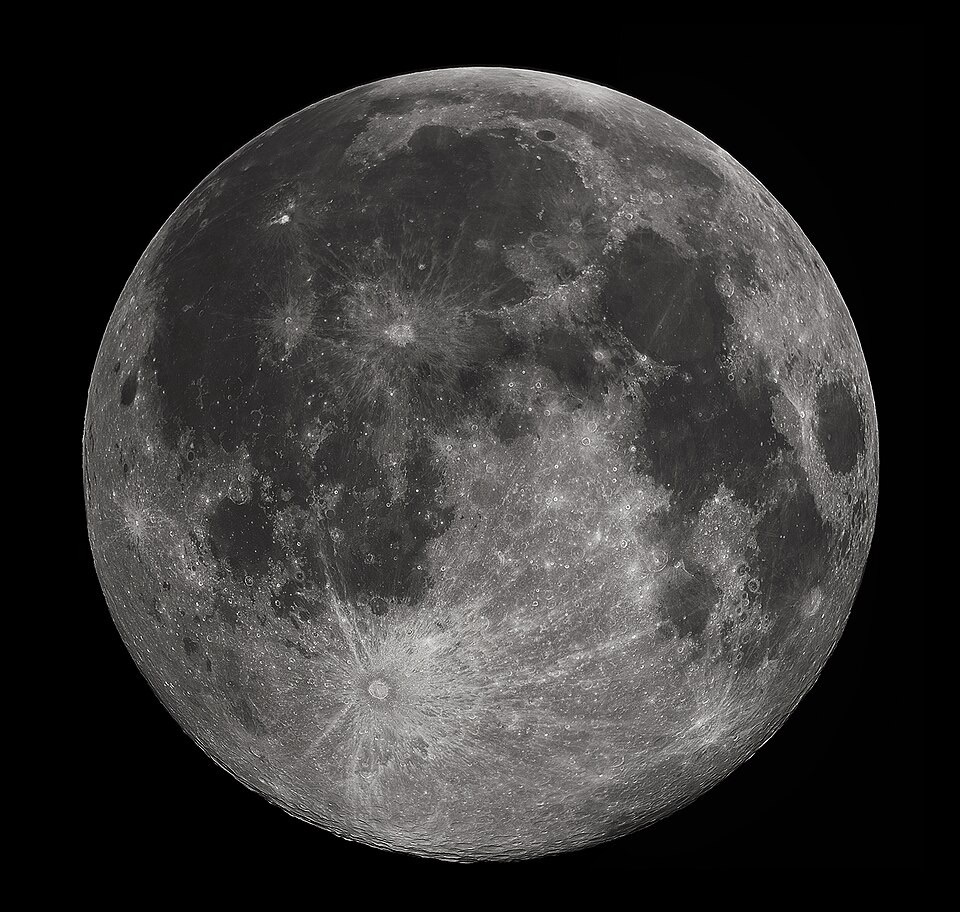
    Moon. Wikipedia
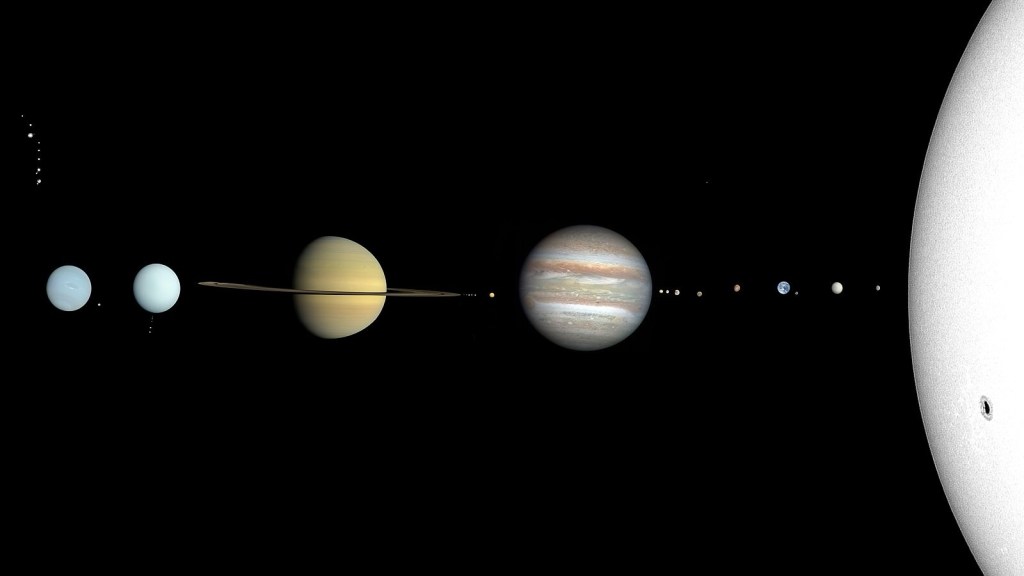
    1. Moon—The Moon, Earth’s satellite, is different from planets like Mercury and Mars. While the Moon orbits the Earth, Mercury and Mars, like Earth, orbit the Sun.
      Lotus Cars logo. Wikipedia
    2. Emira—it has a petrol engine and is not electric, unlike the Eletre and Emeya. Lotus Group is a British manufacturer of luxury sports cars and electric vehicles. It comprises Lotus Cars, Lotus Tech and Lotus Engineering. Currently majority-owned by Geely, Lotus has a history of Formula One racing and producing iconic cars like the Lotus Seven and Elise.
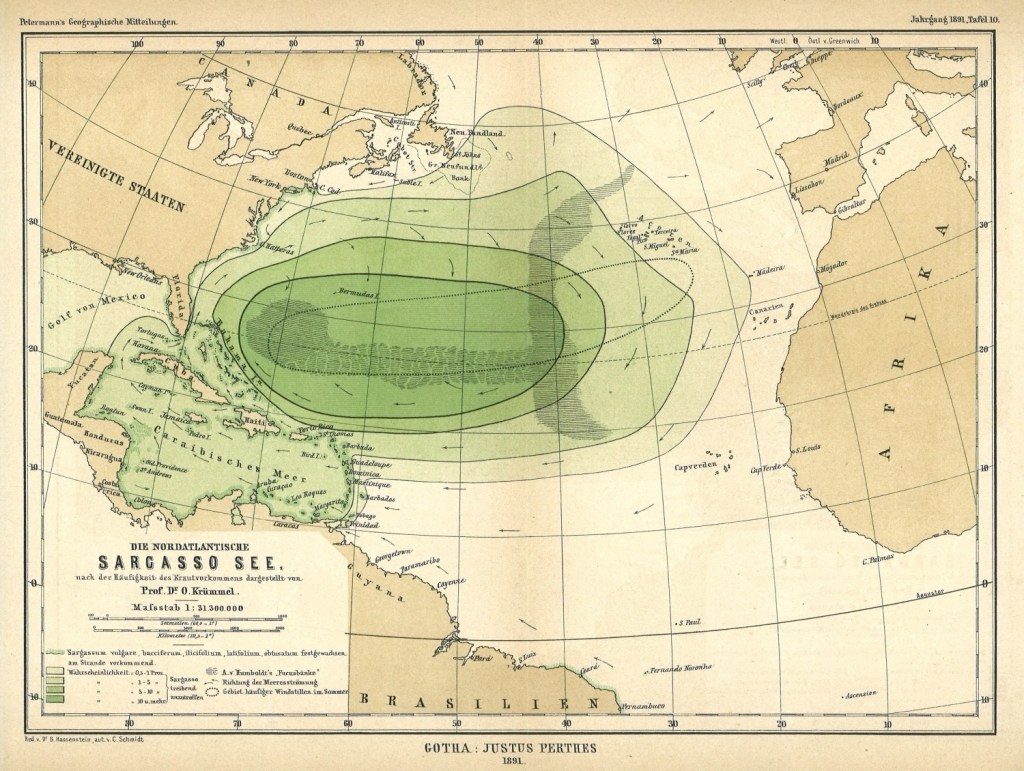
      Sargasso Sea.
      1891 Krummel Petermanns lores/Wikipedia
    3. Sargasso—aka Sargasso Sea is a marine ecosystem whereas the others are both land-based. The Sargasso Sea, a region of the Atlantic Ocean bounded by four currents, is distinguished by its brown Sargassum seaweed and calm blue water. The Gobi Desert, the sixth largest desert globally, is a vast cold desert and grassland area located in northern China and southern Mongolia. In contrast, the Atacama Desert in Chile is renowned as the driest nonpolar desert, characterised by its extreme aridity due to a temperature inversion, the rain shadow effect created by two mountain ranges, and the influence of the Humboldt ocean current.
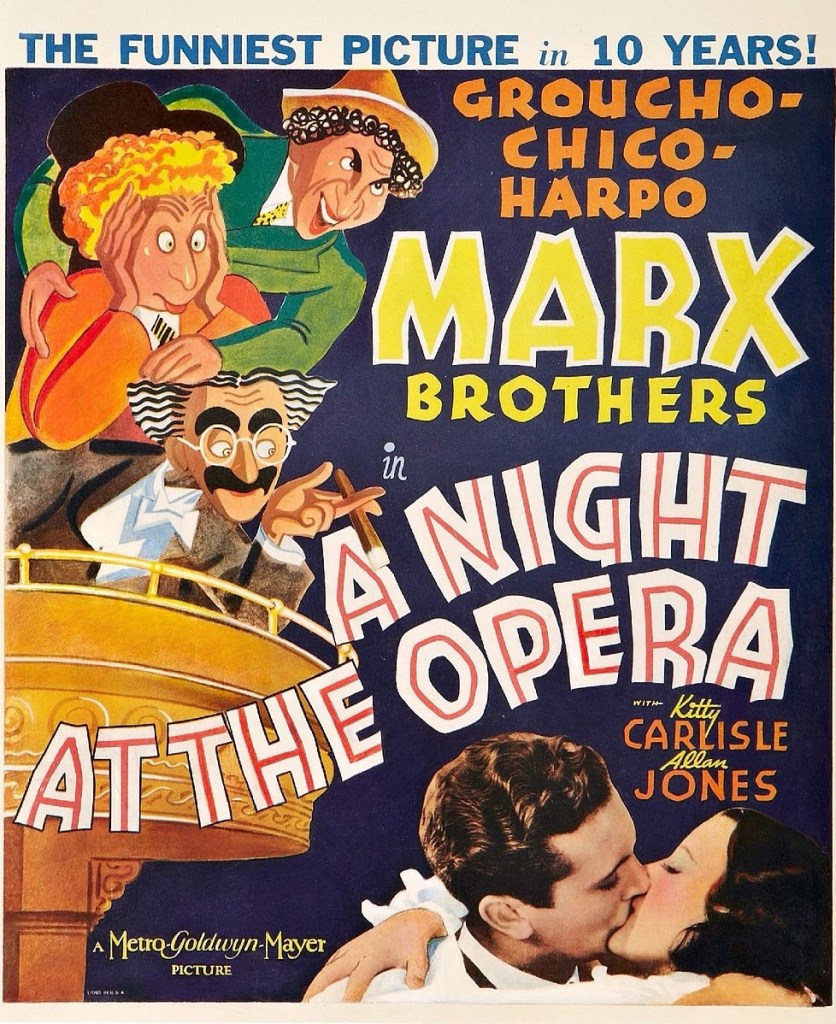
      Poster for the 1935 film A Night at the Opera. Wikipedia
    4. A Kind of MagicA Day at the Races, like Queen’s previous album, A Night at the Opera, takes its name from Marx Brothers films. On the other hand, although A Kind of Magic has a film connection, it is not to a film title; it takes its name from a Connor MacLeod quote from the film Highlander: “Hey, it’s a kind of magic!”
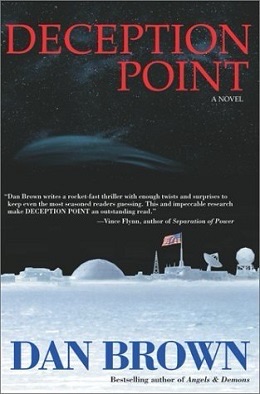
    5. The Devil’s Alternative—was written by British novelist Frederick Forsyth. Deception Point and Digital Fortress are two stand-alone novels by Dan Brown which, unlike The Da Vinci Code, Angels and Demons etc, do not feature Robert Langdon.
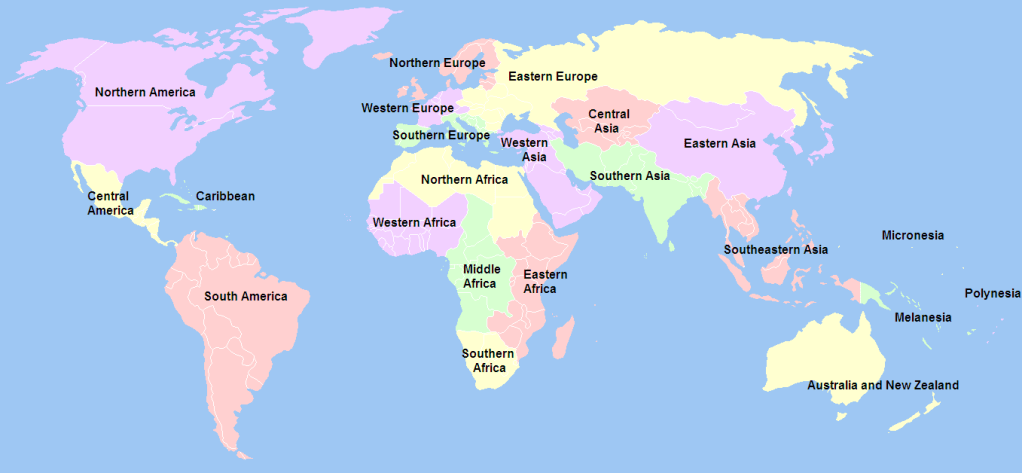
    6. Botswana—Botswana is in Southern Africa while the others are in Asia—Brunei is in Southeast Asia and Bhutan in South Asia. They are all small countries and both Botswana and Bhutan are landlocked while Brunei has a coastline.
    Sub-regional map of the World.
    The UN geoscheme/Wikipedia
  • Odd One Out

    Solar System. Wikipedia
    1. Which of these is the odd one out when it comes to the solar system?
      • Mercury
      • Mars
      • Moon
    2. These are all models of Lotus cars, but which is the odd one out?
      • Eletre
      • Emeva
      • Emira
    3. Of these three large ecosystems, one is fundamentally different from the others. Which is the odd one out?
      • Atacama
      • Gobi
      • Sargasso
    4. One of these was NOT a Marx Brothers film while two were; which is the odd one out?
      • A Day at the Races
      • A Kind of Magic
      • A Night at the Opera
    5. One of these novels was NOT written by Dan Brown, the author of The Da Vinci Code, whereas the others were; which one is the odd one out?
      • Deception Point
      • The Devil’s Alternative
      • Digital Fortress
    6. In continental terms, which of these countries is the odd one out?
      • Bhutan
      • Botswana
      • Brunei

    Good Luck! I will post the answers later today.

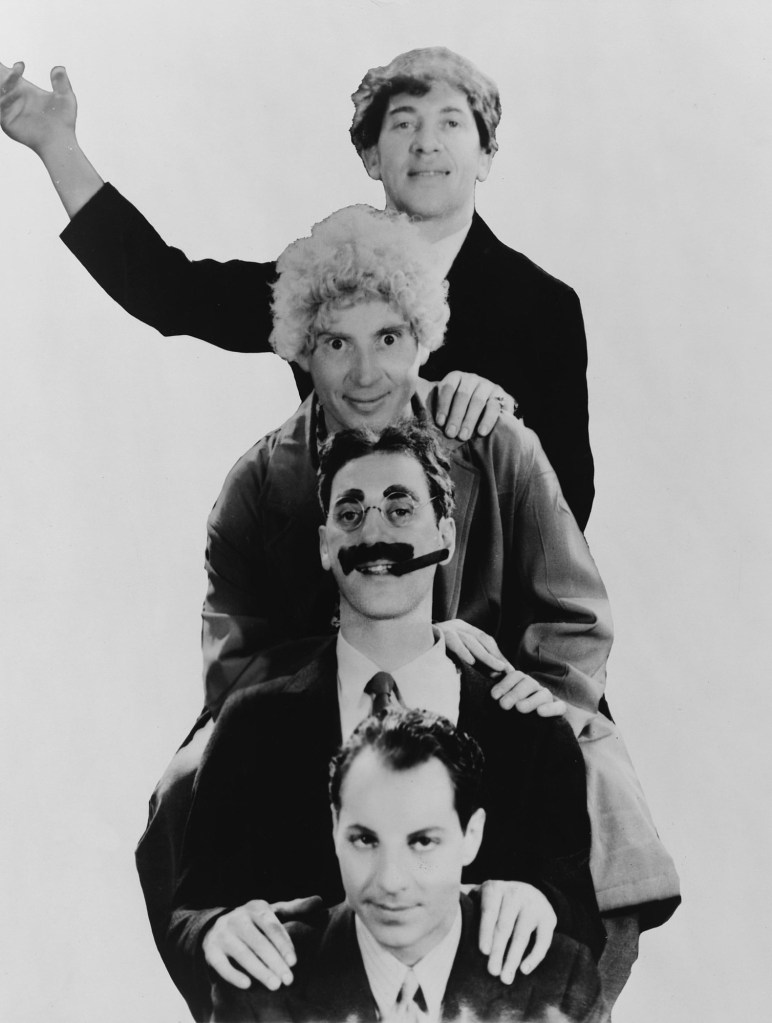
    Marx Brothers from top to bottom: Chico, Harpo, Groucho and Zeppo. Wikipedia
  • From Barbie’s Big Break to Sputnik’s Canine Crew—Answers

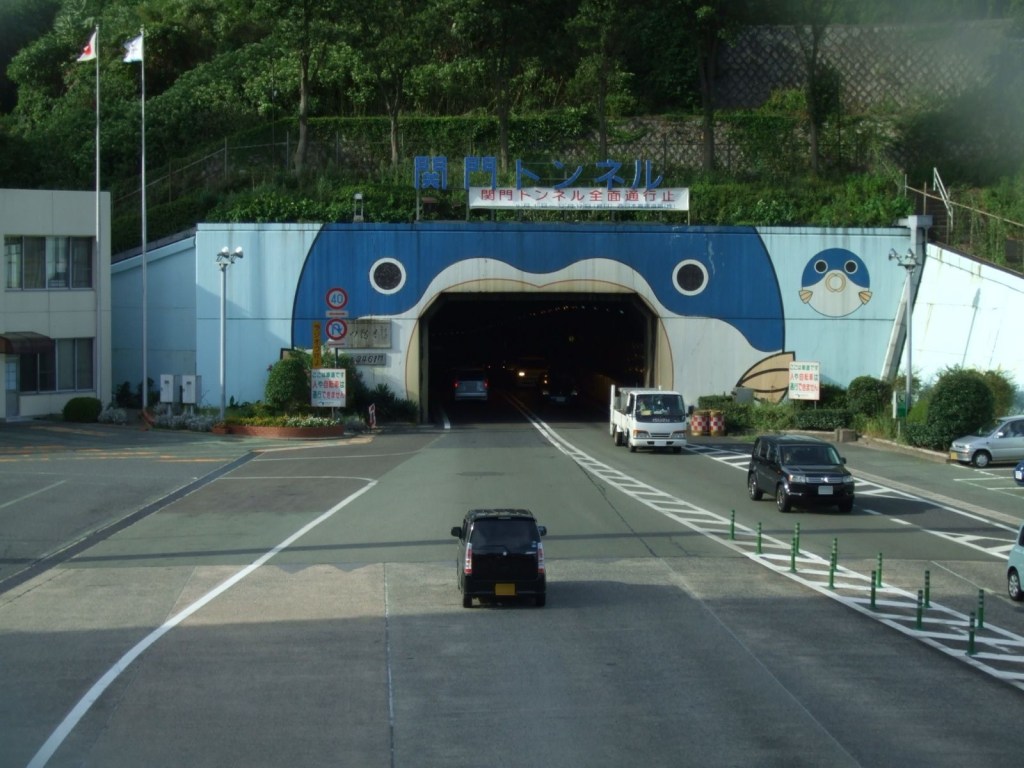
    Kanmon Roadway Tunnel Moji side entrance, Route 2, Moji-ku, Kitakyushu, Fukuoka, Japan
    Wikipedia

    This is the correct order 1. Kanmon tunnel 1958, 2. Barbie in 1959 and 3. Sputnik 9 in 1961.

    1. The Kanmon tunnels, connecting Honshu and Kyushu. The first (railway tunnel) was the world’s first under-ocean tunnel. A highway and pedestrian tunnel was built in the 1950s using improved equipment with the roadway tunnel opening 9 March 1958.
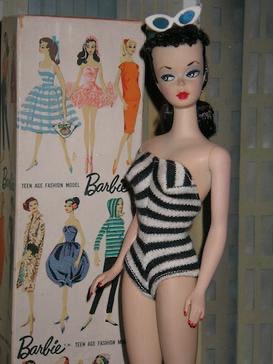
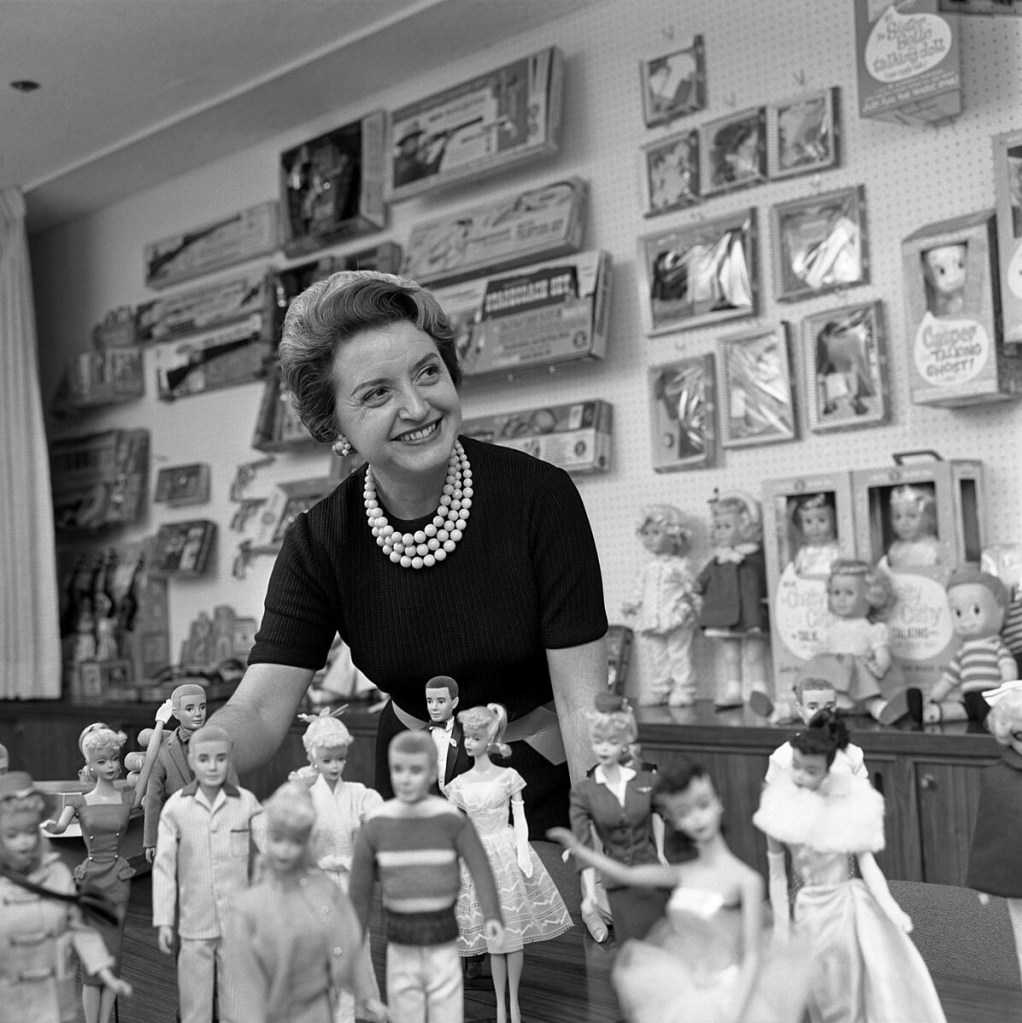
      Ruth Handler, executive of Mattel Toy company, posing with collection of Barbie dolls, 1961
      Wikipedia
    2. Barbie, introduced by Mattel on 9 March 1959, is an iconic 11-inch doll modelled after the German Bild Lilli doll. Despite initial controversy over her figure, Barbie was marketed to children, becoming a symbol of financial independence with diverse careers. Over the years, Mattel expanded the Barbie line to include friends, siblings, and diverse versions, addressing criticisms of materialism and unrealistic body proportions. Barbie has inspired art and literature and remains a global brand, though not accepted in some Muslim countries. In 2023, a film directed by Greta Gerwig was released. Barbie continues to be a popular collectible, with annual sales exceeding a billion dollars.
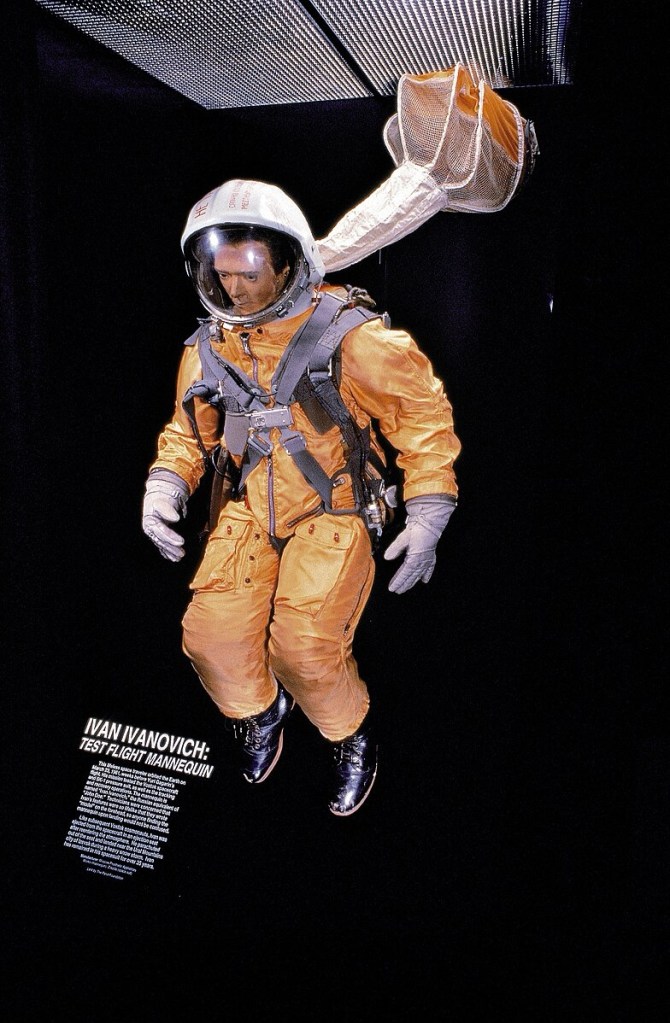
      This test flight mannequin named “Ivan Ivanovich” orbited the Earth in 1961.
      Now on display at the National Air and Space Museum.
      Wikipedia
    3. Sputnik 9 (its western name), officially Korabl-Sputnik 4, launched on 9 March 1961 at 06:29:00 UTC from Baikonur Cosmodrome using a Vostok-K rocket. It reached low Earth orbit but was deorbited after one orbit, reentering on its first pass over the Soviet Union. The spacecraft landed at 08:09:54 UTC and was successfully recovered. A mannequin was ejected during descent to test the ejection seat, descending separately under a parachute. The dog, Chernushka, was recovered unharmed inside the capsule.
  • From Barbie’s Big Break to Sputnik’s Canine Crew

    Barbie.
    Wikipedia

    Put these three events from 9 March in chronological order by year with the earliest first.

    1. Kanmon roadway tunnel opened to traffic. When it was built, it held the title of the longest undersea highway in the world. 
    2. The Barbie doll makes its debut at the American International Toy Fair in New York.
    3. Sputnik 9 successfully launches—carrying a dog and a human dummy—demonstrating that the Soviet Union was ready to begin human spaceflight.

    Good luck! The answers will be posted later.

  • Hay-Pauncefote Treaties—Answer

    C. Panama Canal 

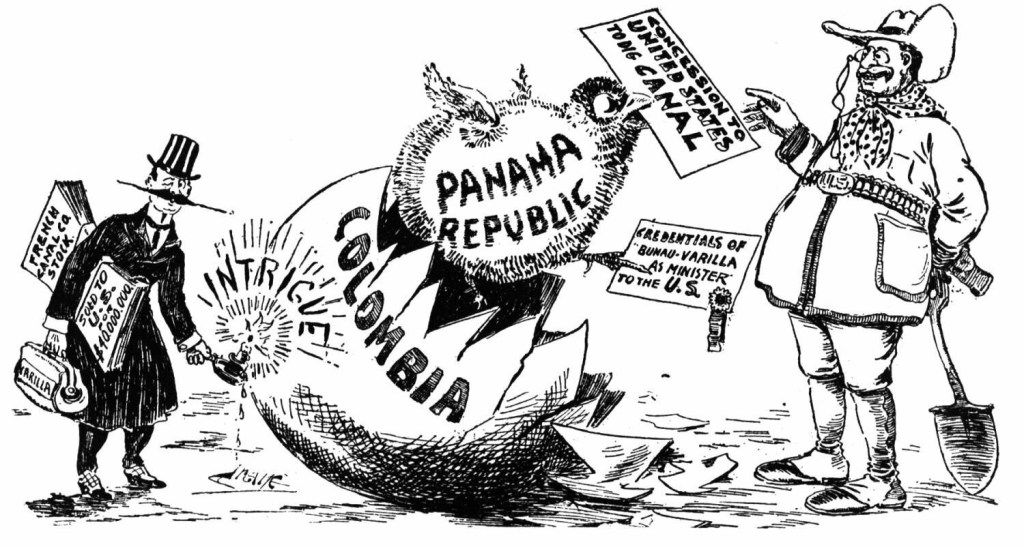
    The Hay-Pauncefote Treaties were two significant agreements between the United States and the United Kingdom, signed in the early 20th century, that facilitated the construction of the Panama Canal. These treaties addressed the control and management of the canal, which was a pivotal development in global maritime trade.

    First Hay-Pauncefote Treaty (1900)

    The first treaty was signed on 5 February 1900 by U.S. Secretary of State John Hay and British Ambassador to the United States, Lord Julian Pauncefote. This treaty aimed to supersede the Clayton-Bulwer Treaty of 1850, which had stipulated that neither country would have exclusive control over a canal across Central America. However, the U.S. Senate rejected this treaty due to concerns over restrictions on American control and fortification of the canal.

    Second Hay-Pauncefote Treaty (1901)

    The second treaty, successfully signed on 18 November 1901, resolved these issues by giving the United States the exclusive right to construct, operate, and fortify the Panama Canal. It stipulated that the canal should be open to the vessels of all nations on equal terms and without discrimination, whilst assuring that the canal would be neutral and available for peaceful use by all.

    The Hay-Pauncefote Treaties marked a significant turning point in U.S.-British relations and set the stage for the construction of the Panama Canal, which greatly enhanced global maritime commerce by providing a quicker route between the Atlantic and Pacific Oceans.