Here are the answers to the questions posed earlier today.
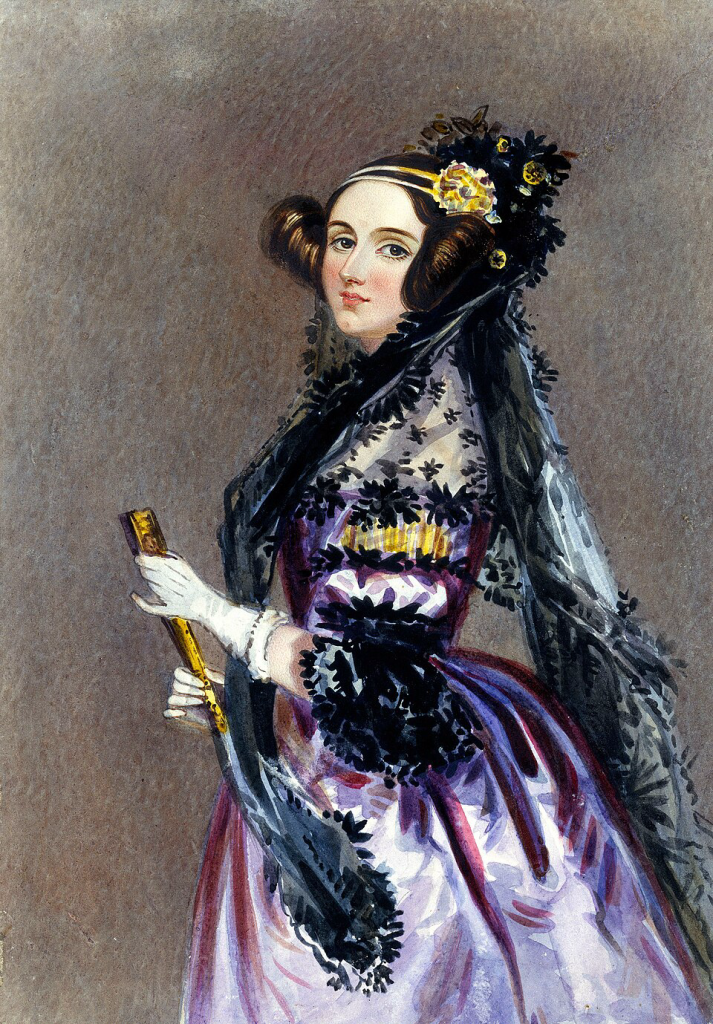
Image Wikipedia
One
Is it true or false that Apple launched the iPod in 2006?
Answer: False
The 23 October 2001, was the date the iPod was first launched. Apple’s iPod, a series of portable media players, was sold from 2001 to 2022, with an estimated 450 million units sold. The iPod branding was used for the media player on iPhones and iPads until iOS 5, when it was separated into Music and Videos apps.
Two
Who is considered the ‘father of the computer’?
Answer: Charles Babbage
Charles Babbage is widely recognised as the “father of the computer” for his pioneering work in designing the first mechanical computer, the Difference Engine (1820s). He also conceptualised the Analytical Engine (1830s) incorporating many features of modern computers. His ideas laid the foundation for the development of digital programmable computers.
Three
What does ‘HTTP’ stand for in a web address?
Answer: Hypertext Transfer Protocol
HTTP, proposed by Tim Berners-Lee in 1989, is a foundational protocol for data exchange on the World Wide Web. It evolved from HTTP/1.0 (1996) to HTTP/1.1 (1997), introducing persistent connections and HTML decompression. HTTP/2 (2015) improved speed with binary data, while HTTP/3 (2022) uses QUIC for lower latency. HTTPS, adding encryption, is used by over 85% of websites. HTTP/3 supports 30.9% of websites as of February 2024.
Four
Who is often regarded as the world’s first computer programmer?
Answer: Ada Lovelace
Ada Lovelace, daughter of the poet Lord Byron, wrote the first algorithm intended for a machine — Babbage’s Analytical Engine — in 1843. She foresaw computers as more than calculating devices, imagining their creative potential over a century before the digital age began.

Image Wikipedia
Five
Which manufacturer first offered a production car with a built-in satellite navigation system for public sale, and in what year was it available for purchase?
Answer: Mazda
Released in 1990, the Mazda Eunos Cosmo was the first production car equipped with a GPS-based navigation system. It featured a touchscreen display and digital maps stored on CD-ROMs — revolutionary technology at the time. The Cosmo was a showcase of luxury and innovation, years ahead of its rivals in in-car electronics.
 Quizology.Online
Leave a comment