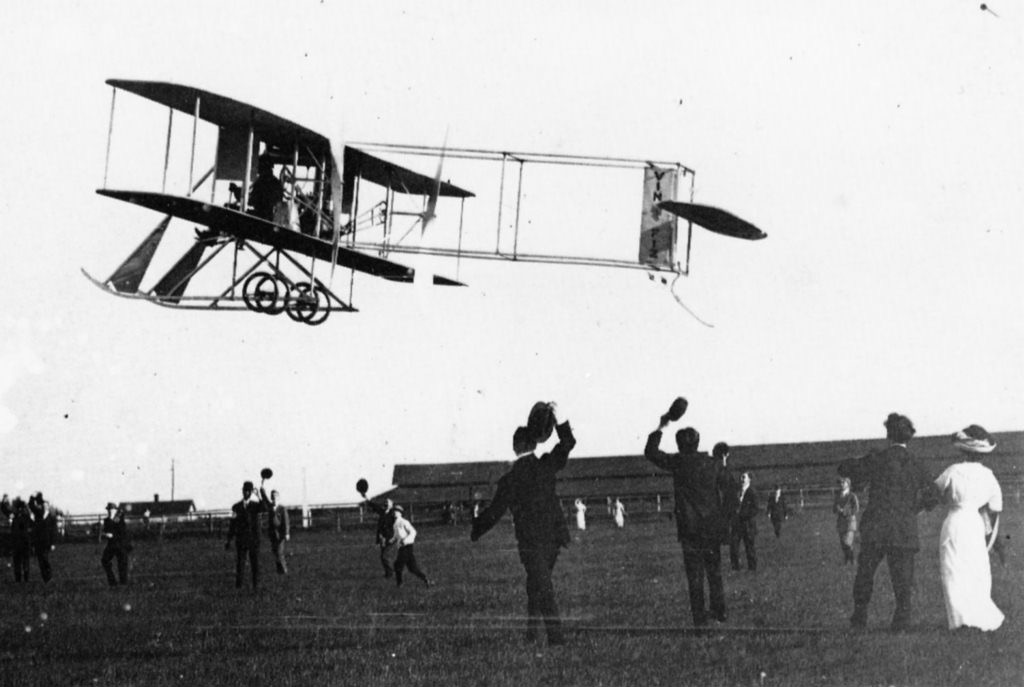
See question two. A Wright Model EX takes off from Sheepshead Bay, NY. Image Wikimedia Commons
Today there are six questions to get us to the end of the alphabet.
One
Now. . . those three curses – Avada Kedavra, Imperius, and Cruciatus – are known as the … Curses.
— Professor Moody, Harry Potter and the Goblet of Fire, Chapter 14.
What ‘U’ is the word removed from before the word ‘Curses’ in the above quote from JK Rowling’s Harry Potter and the Goblet of Fire? Secondly, what subject is being taught to the class when the quote is used?
Two
What ‘V’, the first aeroplane to fly coast to coast across the United States, was named after a sponsor’s soft drink? What company made the aircraft, and in what cities were the starting point and official destination of the flight?
Three
What ‘W’, a 19th-century battle, was known at the time as both the Battle of Mont Saint-Jean and La Belle Alliance? In what present-day country was it fought?
Four
What ‘X’ was a film directed by Matthew Vaughn that was released in 2011, and who in this film plays a character with a surname also beginning with ‘X’?
Five
What ‘Y’, a present-day city, did the Roman Empire know as Eboracum? How many Roman emperors died at Eboracum?
Six
What ‘Z’ was the regal name of the last king of Albania and in what two decades did he reign?
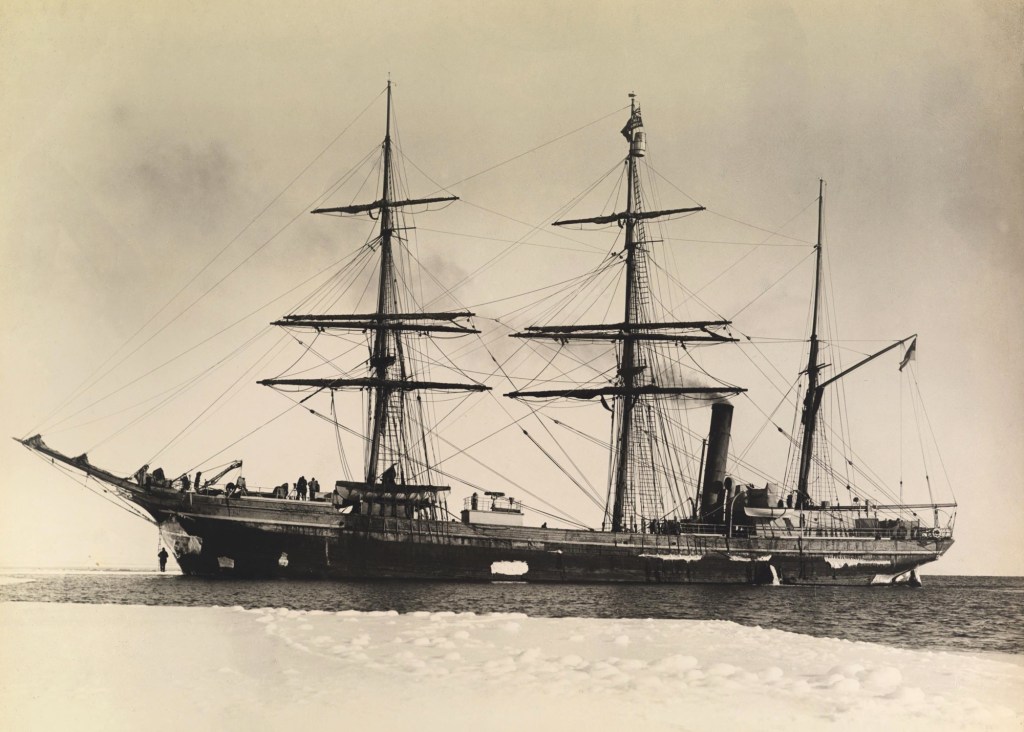
Expedition ship Terra Nova during the British Antarctic Expedition, c.1911. Image Wikimedia Commons
Today’s Answers
Day 4 of our continuing theme.
One
What ‘P’ links a creature from Greek myth and Bénouville Bridge, Normandy?
Answer: Pegasus.
Pegasus is a winged white stallion in Greek mythology, sired by Poseidon and born from Medusa after she was decapitated by Perseus. He later ascended to heaven to serve Zeus by bringing lightning and thunder from Olympus.
Pegasus Bridge, originally the Bénouville Bridge, is a historic road crossing over the Caen Canal in Normandy. Built in 1934, it became famous during the Second World War when a British glider-borne force captured it intact on 6 June 1944 to limit German counter-attacks after the Normandy invasion. Renamed in honour of the operation and the shoulder emblem worn by British airborne forces, the original bridge is now a war memorial at the Memorial Pegasus museum, having been replaced by a modern bascule bridge in 1994.
Two
What ‘Q’ is a capital city; sits on the equator; and is amongst the highest capitals by elevation? Of what country is this city the capital, and what other country’s two capitals vie with this one as highest capitals?
Answers: Quito, Ecuador; Bolivia.
Quito, formally known as San Francisco de Quito, serves as the capital and second-largest city of Ecuador. Its population is estimated at 1.7 million within the city and 2.8 million across the metropolitan area. Situated in a valley on the eastern slopes of the active stratovolcano Pichincha in the Andes at 2,850 metres (9,350 ft), Quito ranks as either the highest or second-highest national capital globally, depending on whether La Paz or Sucre is regarded as Bolivia’s capital.
Three
Which ‘R’ was somewhat of a maverick before becoming a saint, then adopted a licence to kill on seven occasions? Who is the actor, and in which television production did Tony Curtis appear as a co-star?
Answers: Roger Moore; The Persuaders!.
Sir Roger George Moore was an English actor best known as the third actor to portray James Bond, starring in seven feature films between 1973 and 1985. On television, he played the lead role of Simon Templar in The Saint, starred in the American Western Maverick, and appeared alongside Tony Curtis in The Persuaders!.
Four
What ‘S’, in 1991, superseded SALT, which dated from the sixties? The answers are both an acronym and its meaning.
Answers: START; Strategic Arms Reduction Treaty.
The START I treaty, proposed by U.S. President Ronald Reagan, led to the removal of about 80% of strategic nuclear weapons by late 2001. Following the Soviet Union’s collapse, Russia, Belarus, Ukraine, and Kazakhstan agreed to its terms. After START I there were START II, III and then the New START Treaty in 2010, which extended nuclear weapon reductions until its expiration in February 2026, despite Russia suspending its participation in 2023.
Five
What ‘T’ was Captain Robert F. Scott’s ship on his ill-fated trip to Antarctica? Which explorer beat him to the South Pole by a few weeks?
Answers: Terra Nova; Roald Amundsen.
Captain Robert Falcon Scott and his party of five reached the South Pole on January 17, 1912, only to find Roald Amundsen had arrived first. On their return journey, a planned meeting with supporting dog teams failed, and the entire party died from exhaustion, starvation, and extreme cold just miles from their next supply depot. When their bodies were discovered, they were found with the first Antarctic fossils, which later proved the continent was once forested and connected to other landmasses.
See question five. Expedition ship … during the British Antarctic Expedition, c.1911. Image Wikimedia Commons
Day 4 of our continuing theme.
One
What ‘P’ links a creature from Greek myth and Bénouville Bridge, Normandy?
Two
What ‘Q’ is a capital city; sits on the equator; and is amongst the highest capitals by elevation? Of what country is this city the capital, and what other country’s two capitals vie with this one as highest capitals?
Three
Which ‘R’ was somewhat of a maverick before becoming a saint, then adopted a licence to kill on seven occasions? Who is the actor, and in which television production did Tony Curtis appear as a co-star?
Four
What ‘S’, in 1991, superseded SALT, which dated from the sixties? The answers are both an acronym and its meaning.
Five
What ‘T’ was Captain Robert F. Scott’s ship on his ill-fated trip to Antarctica? Which explorer beat him to the South Pole by a few weeks?
What ‘K’ was the given name of Pope John Paul II who was elected pope at the October 1978 conclave? In what month and year had the previous conclave taken place?
Answers: Karol; August 1978.
Pope John Paul I was elected on 26 August 1978 and died 33 days later. John Paul II, who died in 2005 and was canonised in 2014, was born Karol Józef Wojtyła and was the first non-Italian pope for 455 years. He is credited with helping to end communist rule in Europe and expanding the Catholic Church’s influence globally.
Two
What ‘L’ was one of the Seven Wonders of the Ancient World depicted, with the Colosseum, in the Octo Mundi Miracula? Name any of these Ancient Seven which still remain?
Answers: Lighthouse of Alexandria; One: Pyramid of Giza.
The Octo Mundi Miracula (1572) lists seven classical structures plus the Colosseum: the Great Pyramid of Giza, Colossus of Rhodes, Lighthouse of Alexandria, Mausoleum at Halicarnassus, Temple of Artemis at Ephesus, Statue of Zeus at Olympia and Hanging Gardens of Babylon. Only the Pyramid remains; other lists differ.
Three
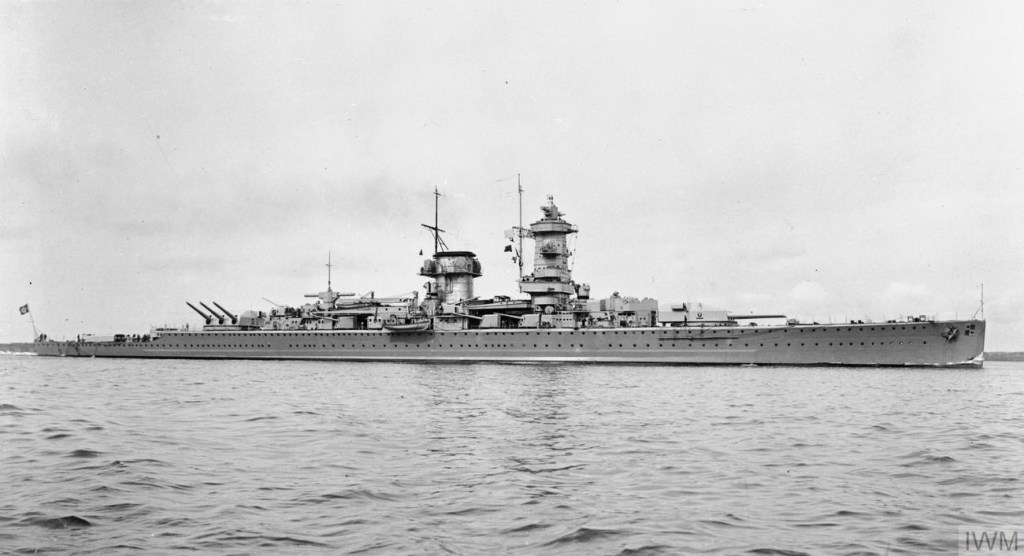
What ‘M’ is a port in which the German warship Admiral Graf Spee had taken refuge prior to being scuttled in 1939? In what country is the port located?
Answers: Montevideo, Uruguay.
Admiral Graf Spee, a German Panzerschiff, sank nine vessels before the Battle of the River Plate. Damaged, it was scuttled at Montevideo by Hans Langsdorff.
Four
What ’N’ is a demonym which best refers to William the Conqueror, and who did he defeat at the Battle of Hastings in 1066?
Answers: Norman; Harold Godwinson aka Harold II.
William the Conqueror was Norman. While the Normans were descendants of Vikings who had settled in Normandy (now a region in modern-day France), they had adopted the French language and customs by the time of William’s reign.
Five
In the film Indiana Jones and the Kingdom of the Crystal Skull, Indiana Jones is shown lecturing students about Skara Brae, a stone-built Neolithic settlement located in an archipelago. What ‘O’ is the name of this archipelago, and in what country is it located?
Answers: Orkney Islands; Scotland, UK.
Skara Brae, a Neolithic settlement on Orkney’s west coast, was revealed by a storm and occupied from 3180 BC to 2500 BC. Ten structures remain within this UNESCO site, managed by Historic Environment Scotland and partners; visitors are welcome year-round.
What ‘K’ was the given name of Pope John Paul II who was elected pope at the October 1978 conclave? In what month and year had the previous conclave taken place?
Two
What ‘L’ was one of the Seven Wonders of the Ancient World depicted, with the Colosseum, in the Octo Mundi Miracula? Name any of these Ancient Seven which still remain?
Three
What ‘M’ is a port in which the German warship Admiral Graf Spee had taken refuge prior to being scuttled in 1939? In what country is the port located?
Four
What ’N’ is a demonym which best refers to William the Conqueror, and who did he defeat at the Battle of Hastings in 1066?
Five
In the film Indiana Jones and the Kingdom of the Crystal Skull, Indiana Jones is shown lecturing students about Skara Brae, a stone-built Neolithic settlement located in an archipelago. What ‘O’ is the name of this archipelago, and in what country is it located?
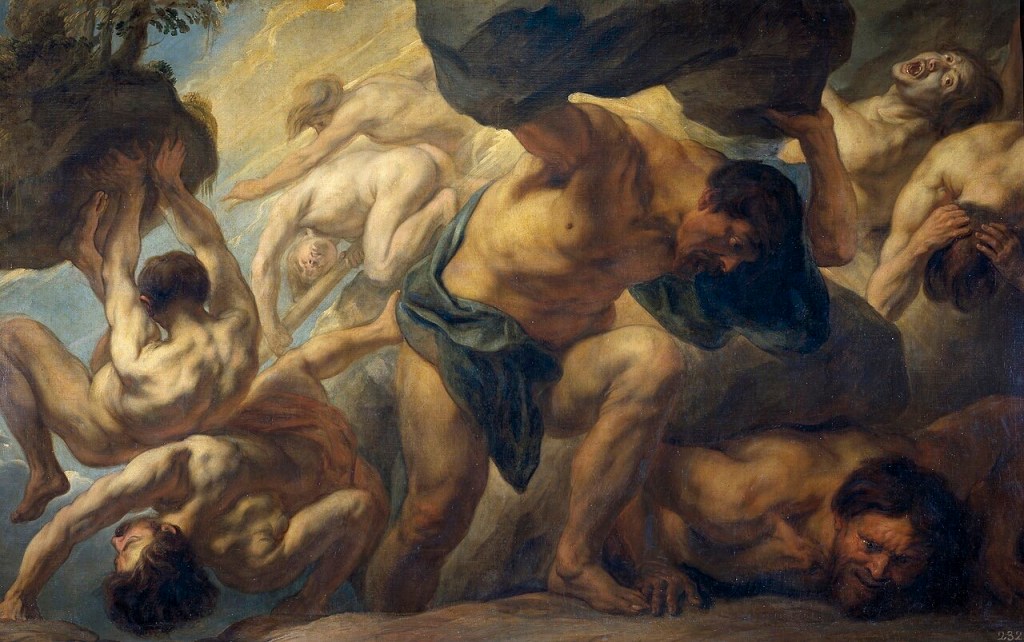
Fall of the Titans. Oil on canvas by Jacob Jordaens, 1638. Image Wikimedia Commons
Today’s Answers
One
What ‘F’ was the Norse God of fertility?
Answer: Freyr
Freyr, a Vanir god linked to kingship and fertility, is depicted in the Rällinge statuette and associated with Sweden. He possesses Gullinbursti and Skíðblaðnir, marries Gerðr after surrendering his sword, and will be killed by Surtr at Ragnarök.
Two
What ‘G’ is a goddess in Greek myth who was the mother of the 12 Titans?
Answer: Gaia
The Titans, twelve children of Uranus and Gaia, preceded the Olympians. Cronus ruled until Zeus and the Olympians defeated them in the Titanomachy; most were imprisoned in Tartarus, though Oceanus and Helios remained free.
Three
What ‘H’, a neighbourhood in an American city, is where Alicia Keys was born?
Answers: Hell’s Kitchen.
Hell’s Kitchen, or Clinton, is a Manhattan West Side area bordered by 34th or 41st Street, 59th Street, Eighth Avenue and the Hudson River. Once Irish-American and working-class, gentrification since the 1980s raised rents. It hosts LGBTQ communities, the Actors Studio and diverse eateries.
Four
What ‘I’, a round of the Formula 1 World Drivers’ Championship, is named after a country, but the circuit itself is located elsewhere. Where is the circuit, and what is the name of the Grand Prix?
Answers: Imola, Italy; San Marino Grand Prix.
The Imola Circuit, an FIA Grade One track in Emilia-Romagna, hosted Formula One from 1980 to 2006 and returned in 2020 after reconstruction. Named after Enzo and Dino Ferrari, it saw fatal accidents, chicanes and cancellations, including floods in 2023. It also hosts other motor and cycling events.
Five
What ‘J’ wrote the song Woodstock, which appeared on the album Déjà Vu in March 1970 and was featured on Ladies of the Canyon the following month? Who released these two albums?
Answer: Joni Mitchell wrote “Woodstock” and released Ladies of the Canyon. Déjà Vu was released by Crosby, Stills, Nash & Young.
Joni Mitchell wrote Woodstock after Graham Nash described the 1969 festival at Max Yasgur’s farm; her version appeared in 1970. Crosby, Stills, Nash & Young and Matthews Southern Comfort achieved major success, symbolising 1960s counterculture.
Fall of the Titans. Oil on canvas by Jacob Jordaens, 1638. Image Wikimedia Commons
One
What ‘F’ was the Norse God of fertility?
Two
What ‘G’ is a goddess in Greek myth who was the mother of the 12 Titans?
Three
What ‘H’, a neighbourhood in an American city, is where Alicia Keys was born?
Four
What ‘I’, a round of the Formula 1 World Drivers’ Championship, is named after a country, but the circuit itself is located elsewhere. Where is the circuit, and what is the name of the Grand Prix?
Five
What ‘J’ wrote the song Woodstock, which appeared on the album Déjà Vu in March 1970 and was featured on Ladies of the Canyon the following month? Who released these two albums?
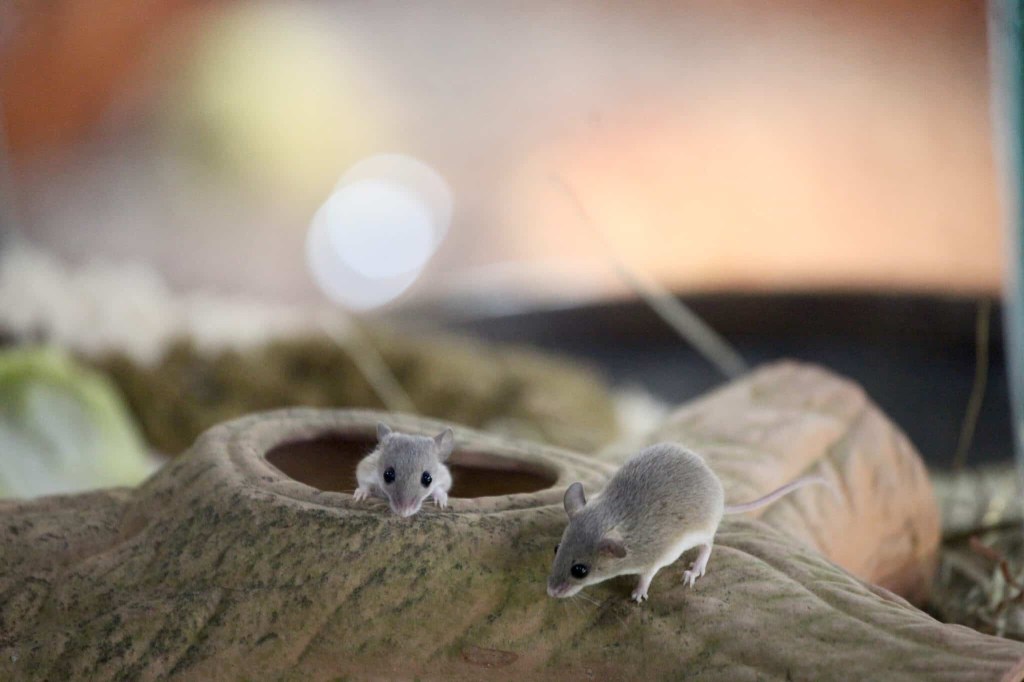
African pygmy mouse, one of the world’s smallestt rodents. See question three. Image A-Z Animals
Very straightforward today.
One
What ‘A’ best describes -273.15º C and −459.67º F?
Answer: Absolute zero.
Absolute zero is 0 K (−273.15 °C), the lowest theoretically possible temperature; it can’t be reached in practice.
Two
What ‘B’ is defined as ‘vision using two eyes with overlapping fields of view, allowing good perception of depth’?
Answer: Binocular vision.
Binocular vision is the brain’s ability to combine what both eyes see into one image, helping with depth perception and judging distance.
Three
What ‘C’ is the world’s largest living rodent, and on what continent are they endemic?
Answer: Capybara; South America.
Capybaras (Hydrochoerus) are large semiaquatic rodents ranging from Panama to Argentina; Hydrochoerus hydrochaeris is the largest living rodent, whereas the lesser capybara (H. isthmius) is smaller. Both are classified as least concern for endangerment, maintain a vegetarian diet, swim to evade predators, and serve as sources of food and leather.
Four
What ‘D’ is the first part of the small intestine?
Answer: Duodenum.
The duodenum is the shortest small intestine section in most vertebrates, including mammals, reptiles and birds, and may be the main iron absorption site in mammals. In humans, this hollow tube links the stomach to the jejunum and comprises four parts.
Five
What ‘E’ is Mozilla Thunderbird?
Answer: E-mail client.
Mozilla Thunderbird is a free, open-source personal information manager operated by MZLA Technologies Corporation and managed by the elected Thunderbird Council. It provides email, calendar, contacts, RSS, chat and news across multiple platforms and was modelled on Firefox.
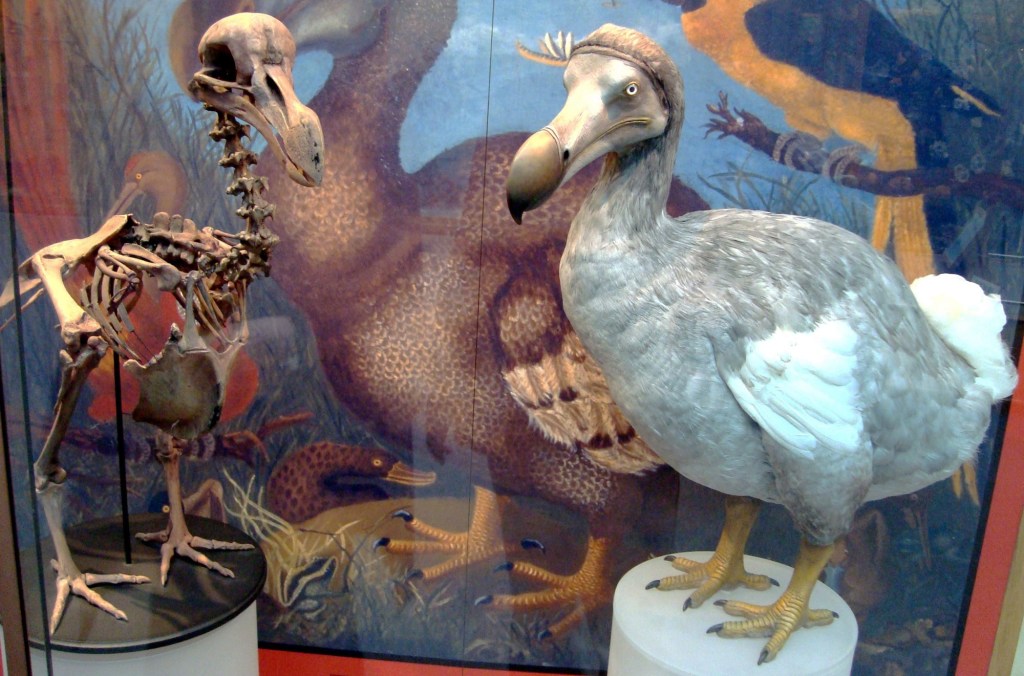
Cast and model of dodo. Oxford University Natural History Museum. Image Wikimedia Commons
Today’s questions have no date connection, but there is a theme.
One
This Sebastian Faulks novel published in 1993 is partly set during a major conflict. What is the novel and in what conflict is it partly set?
Answer: Birdsong; First World War.
Sebastian Faulks’s Birdsong follows Stephen Wraysford in the First World War and Elizabeth Benson in the 1970s. It explores trauma and historical recovery, earning acclaim and ranking 13th in the Big Read. Adaptations include radio, television and stage versions.
Two
Columbine, pertaining to the family Columbidae, refers to what?
Answer: Doves (and/or) Pigeons.
Columbine, pertaining to birds of the family Columbidae (doves and pigeons) from French Colombine, from Italian Colombina, feminine of colombino ‘dove-like’, from colombo ‘dove’.
Three
The dodo is an extinct flightless bird. To where was it native, and in what century was one last seen alive?
Answer: Mauritius; 17th century.
The dodo, native to Mauritius, was a flightless bird linked to the Rodrigues solitaire and the Nicobar pigeon. After 1598, hunting and habitat loss occurred, and the bird was last seen in 1662; the species has become a symbol of extinction. Although people often blame human hunting, the main cause was the introduction of cats, dogs, macaques, pigs, and rats, which raided nests and competed for scarce food.
Four
The UK’s Hawker Siddeley Harrier evolved from the Hawker P.1127 prototype and which evaluation aircraft? Which branch of the US military also took delivery of more than 100 of these V/STOL aircraft?
Answer: Kestrel; US Marine Corps.
The Hawker Siddeley Harrier GR.1/GR.3 and AV-8A were the first V/STOL close-support and reconnaissance aircraft, derived from the P.1127 and Kestrel. The GR.1 entered RAF service on 18 April 1969 at RAF Wittering; the USMC acquired 102 AV-8A and 8 TAV-8A between 1971 and 1976.
Five
Three birds feature on the Australian coat of arms; how many can you name?
Answer: Emu, shrike & black swan.
The Australian Commonwealth Coat of Arms features six animal figures representing five different types of animals: a kangaroo, an emu, two lions (representing New South Wales and Tasmania), an Australian piping shrike (South Australia), and a black swan (Western Australia).