Here are the answers to the questions posted earlier.
The first question concerns today’s date, November 13th. The subsequent questions follow a theme based on the first.
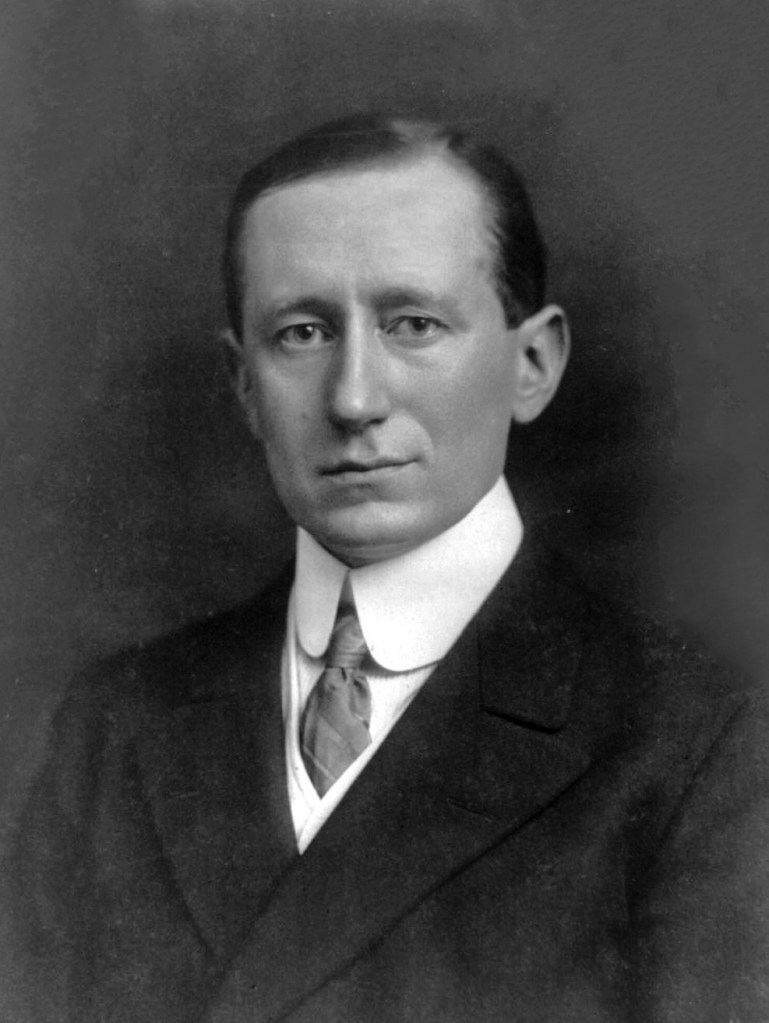
Image Wikipedia
One
On 13 November 1965, which critic reportedly became the first person to say the word ‘f**k’ on British television during a discussion on the BBC-1 show BBC-3?
Answer: Kenneth Tynan
The incident caused a storm of controversy, prompting the BBC to issue a public apology. Although later research indicates the word had been used at least twice before, this event is still widely cited as the first major public controversy over profanity on British TV.
Two
Which pioneering inventor is often credited as the ‘father of radio’ or the ‘father of long-distance radio communication’, and in what decade did he transmit the first transatlantic wireless signal?
Answer: Guglielmo Marconi; 1900s
Marconi successfully transmitted the first transatlantic wireless signal in 1901 from Cornwall, England, to Newfoundland, Canada — a major leap in global communication.
Three
Which European country launched the world’s first regular television service in 1935?
Answer: Germany
Fernsehsender Paul Nipkow, operated by the Nazi regime, was broadcast from Berlin and featured newsreels and cultural programming shown in ‘television rooms’ for public viewing.
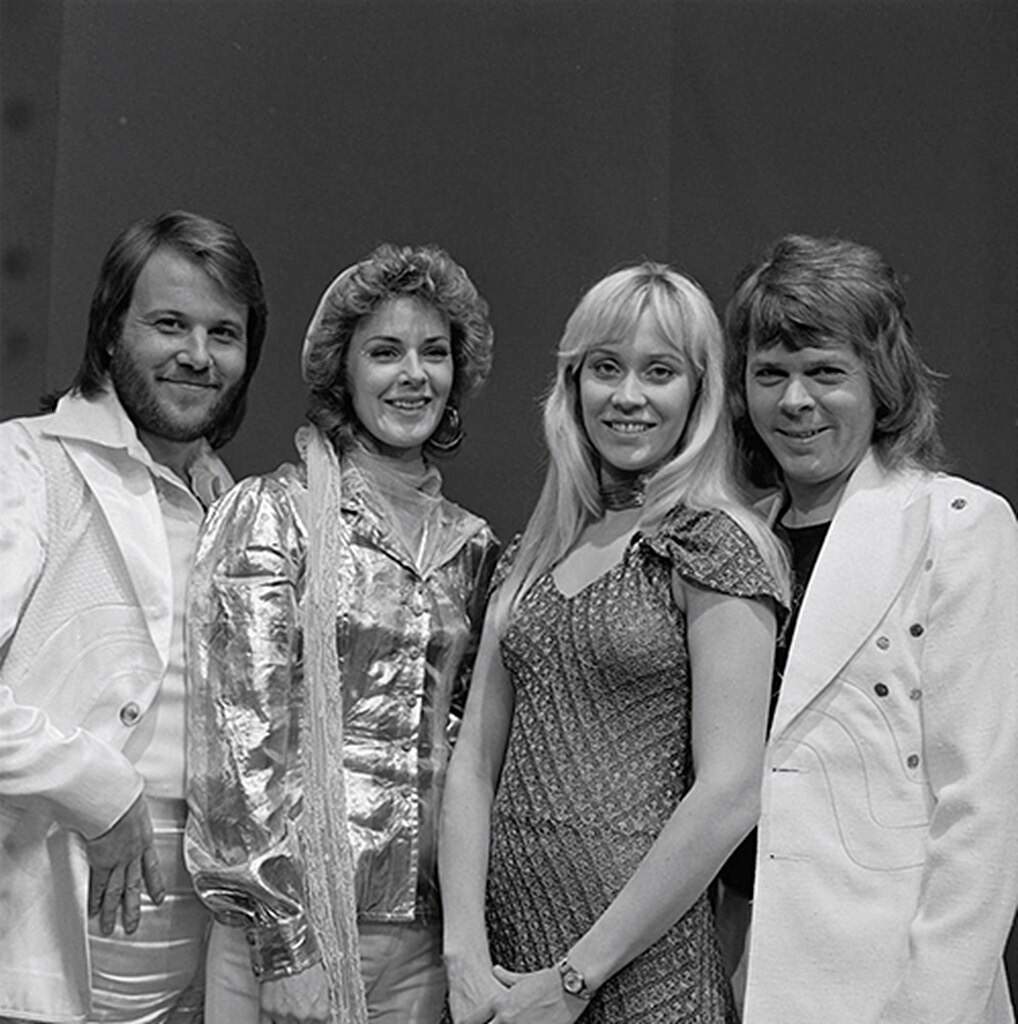
Image Wikipedia
Four
Could you identify this annual television broadcast? First aired in the 1950s, it’s not a sporting event but a cultural one. It now attracts over 160 million viewers annually. What is it?
Answer: The Eurovision Song Contest
First held in 1956, Eurovision now reaches an audience of over 160 million worldwide and has launched international careers — notably that of ABBA and Celine Dion.
Five
RCA introduced the first mass produced colour television set for sale to the American public. What did the initials RCA stand for, and in what decade did this occur?
Answer: Radio Corporation of America; 1950s
This occurred in 1954 when the RCA CT-100 colour TV cost $1,000 — equivalent to about $11,000 today — and few could afford it, delaying widespread adoption of colour broadcasting.
 Quizology.Online
Leave a comment