Of Brownyis and of Bogolis
The post title is from the epigraph in Tam o’ Shanter.
Here are the answers to the questions I posted earlier.
Today’s questions begin with a person born on this day and continue in a theme from there.
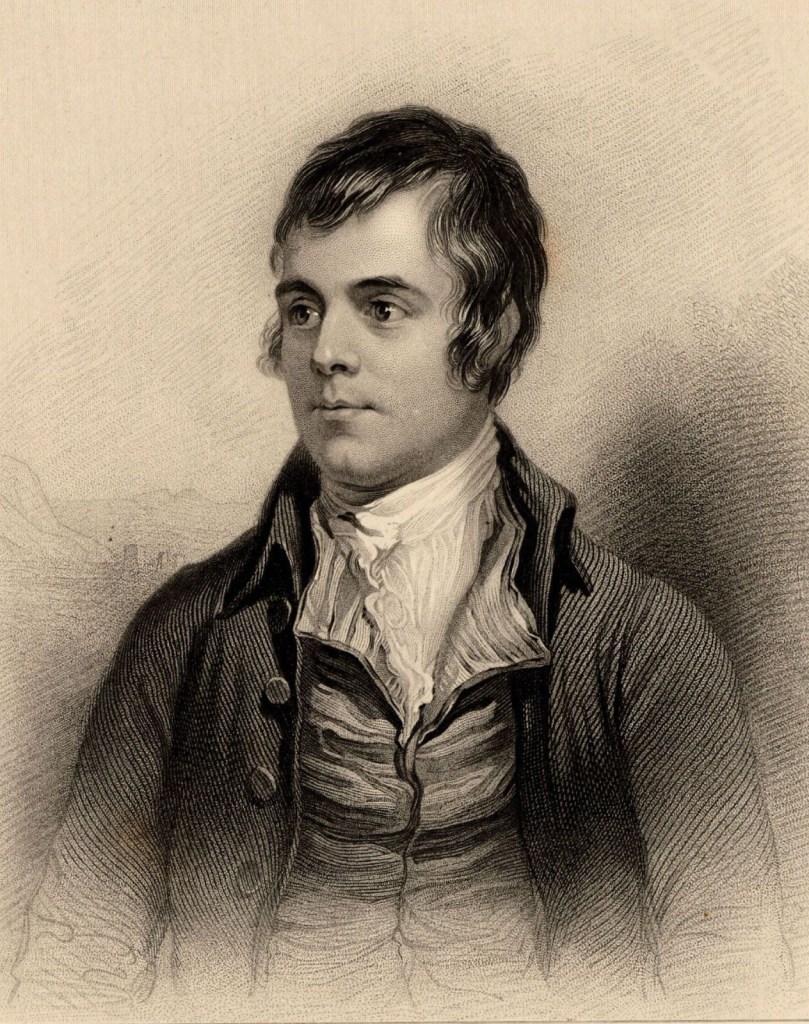
Image Encyclopædia Britannica
One
Robert Burns, the national poet of Scotland, was born in Alloway, Ayrshire on this day. In what century did he life?
Answer: 18th century
Robert Burns, Scotland’s national poet, was born in 1759 to a struggling farmer. Witnessing his father’s hardships fuelled Burns’ rebellion against the social order and his satirical writing. He received some formal education and was influenced by 18th-century English writers, Scottish folk songs, and his own experiences. He died in 1796.
Two
The title character in a Robert Burns narrative poem had a horse, Maggie, which was left without a tail — ‘And left poor Maggie scarce a stump’ — who was this title character?
Answer: Tam o’ Shanter
Tam o’ Shanter by Robert Burns tells of Tam, who, after a long drinking session, rides home late at night and encounters witches and the Devil dancing in a haunted church. His drunken curiosity nearly kills him, and he escapes only by fleeing across a river, losing his horse’s tail.
Three
In The Catcher in the Rye, Holden Caulfield bases his fantasy of being a ‘catcher in the rye’ on a misheard line from a song. What song?
Answer: Comin’ Thro’ the Rye
Holden mishears the lyric ‘If a body meet a body coming through the rye’ as ‘If a body catch a body coming through the rye’, and the mishearing symbolises his desire to protect the innocence of children by saving them from the loss of childhood and the corruption of the adult world.
Four
Where did Robert Burns die in 1796, and where is he buried?
Answer: Dumfries
Living in Dumfries, Robert Burns died aged 37, possibly due to a rheumatic heart condition and a bacterial infection, and was initially buried in St. Michael’s Churchyard before being moved to the Burns Mausoleum in the same churchyard. His son, Maxwell, was born on the day of his funeral. In 1834, his widow, Jean Armour, was buried beside him.
Five
What item was Burns describing with these words?
Fair fa’ your honest, sonsie face,
Great Chieftain o’ the Puddin-race!
Answer: Haggis
The quote in the question is from Burns’s Address to a Haggis (1786) and might be translated from Scots into English as ‘Good luck to your honest, cheerful face, / Great leader of the sausage race!’.
Address to a Haggis is described by Burns Country as —
A humorous and celebratory poem by Robert Burns, addressed to a haggis, a traditional Scottish dish made of sheep’s stomach. The poem praises the haggis as a symbol of Scottish identity and culture, and contrasts it with the French cuisine of the elite.
The full text of Address to a Haggis is shown below.
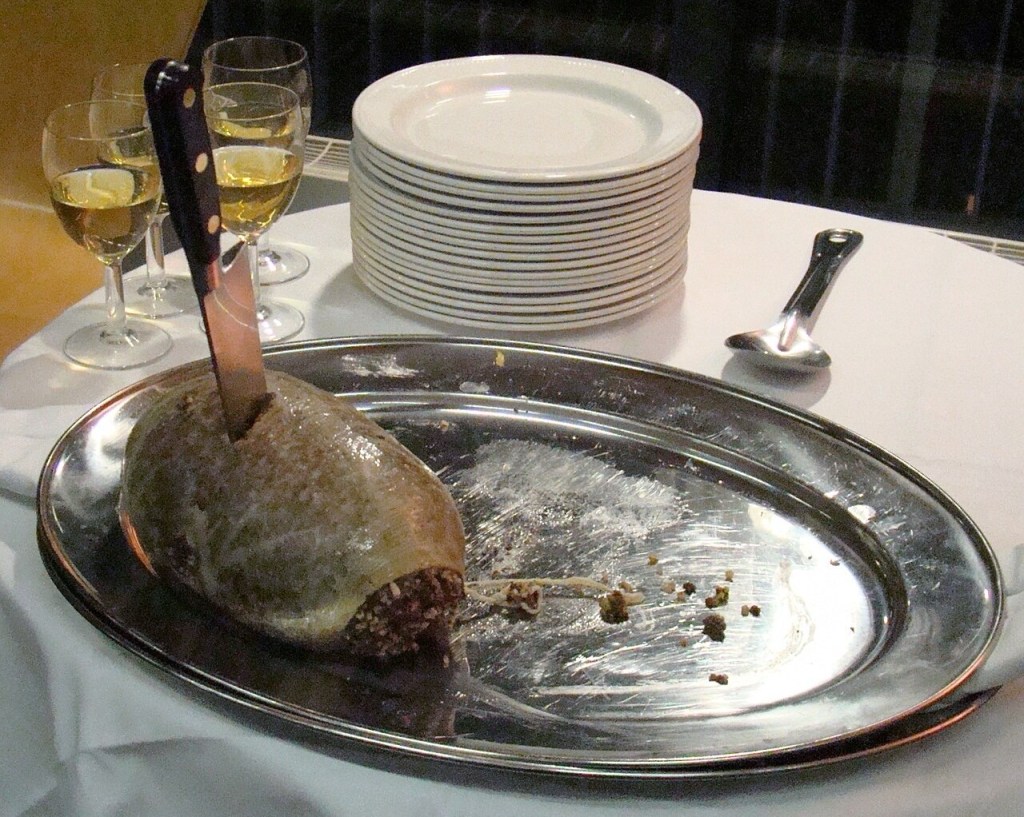
‘His knife see Rustic-labour dight,
An’ cut ye up wi’ ready slight,
Trenching your gushing entrails bright,
Like onie ditch;
And then, O what a glorious sight,
Warm-reekin, rich!’
Image Wikimedia Commons
Verse Scottish Poetry Library
Address to a Haggis (1786)
Fair fa’ your honest, sonsie face,
Great Chieftain o’ the Puddin-race!
Aboon them a’ ye tak your place,
Painch, tripe, or thairm:
Weel are ye wordy of a grace
As lang ‘s my arm.The groaning trencher there ye fill,
Your hurdies like a distant hill,
Your pin wad help to mend a mill
In time o’ need,
While thro’ your pores the dews distil
Like amber bead.His knife see Rustic-labour dight,
An’ cut ye up wi’ ready slight,
Trenching your gushing entrails bright,
Like onie ditch;
And then, O what a glorious sight,
Warm-reekin, rich!Then, horn for horn, they stretch an’ strive:
Deil tak the hindmost, on they drive,
Till a’ their weel-swall’d kytes belyve
Are bent like drums;
Then auld Guidman, maist like to rive,
Bethankit hums.Is there that owre his French ragout,
Or olio that wad staw a sow,
Or fricassee wad mak her spew
Wi’ perfect sconner,
Looks down wi’ sneering, scornfu’ view
On sic a dinner?Poor devil! see him owre his trash,
As feckless as a wither’d rash,
His spindle shank a guid whip-lash,
His nieve a nit;
Thro’ bluidy flood or field to dash,
O how unfit!But mark the Rustic, haggis-fed,
The trembling earth resounds his tread,
Clap in his walie nieve a blade,
He’ll make it whissle;
An’ legs, an’ arms, an’ heads will sned,
Like taps o’ thrissle.Ye Pow’rs wha mak mankind your care,
And dish them out their bill o’ fare,
Auld Scotland wants nae skinking ware
That jaups in luggies;
But, if ye wish her gratefu’ prayer,
Gie her a Haggis!
 Quizology.Online
Leave a comment