On 16 August 1923, the UK named the Ross Dependency. On what continent is the Ross Dependency?
Two
Born in 1888, a military strategist and archaeological scholar also authored Seven Pillars of Wisdom. Who is he, and what by-name is he commonly known?
Three
On 16 August 1858, a new transatlantic telegraph cable was inaugurated. The inaugural event involved an exchange of greetings between the Heads of State of the United Kingdom and the United States. Who were these two Heads of State?
Four
Madonna, the singer and actress, celebrates her birthday on August 16th. In which city and state was she born?
Five
On this day in 1876, Richard Wagner’s penultimate opera in his Ring cycle premiered at the Bayreuth Festspielhaus. What was the name of the opera?
Bunker on the Old Course, St Andrews. Image Lee Abbamonte
One
Golf courses traditionally include hazards like bunkers (sand traps). Is it true or false that the word ‘bunker’ originates from the Flemish dialect of Dutch?
— Answer: False
The word bunker originates from the Scots language.
OED’s earliest evidence for bunker is from before 1758, in the writing of Allan Ramsay, poet.
Bunker
1 a large container or compartment for storing fuel: a coal bunker.
2 a reinforced underground shelter, typically for use in wartime.
3 a hollow filled with sand, used as an obstacle on a golf course.
– ORIGIN mid 16th century (originally Scots, denoting a seat or bench): perhaps related to bunk1.
— Oxford English Dictionary
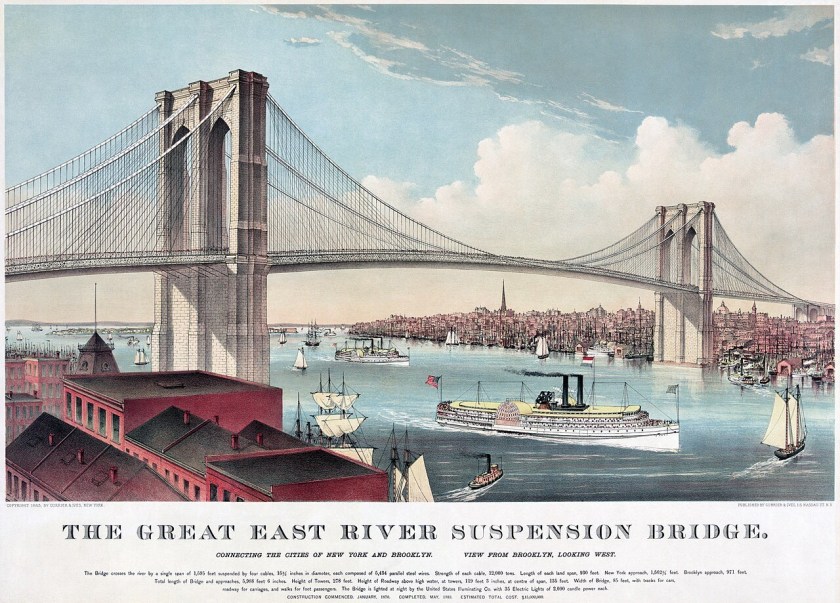
Brooklyn Bridge. Chromolithograph of the “Great East River Suspension Bridge” by Currier and Ives, created in 1883. Image Wikipedia
Two
Is it true or false that vaults constructed within the ramps of New York’s Brooklyn Bridge were used as arsenals storing weapons for the National Guard?
— Answer: False
The New York City government rented out vaults under the Manhattan anchorage of the bridge starting in 1876 to fund maintenance. These vaults, used for wine storage due to their consistent temperature, were closed during WWI and Prohibition but reopened later. By the late 20th-century the spaces were being used as storage for maintenance equipment.
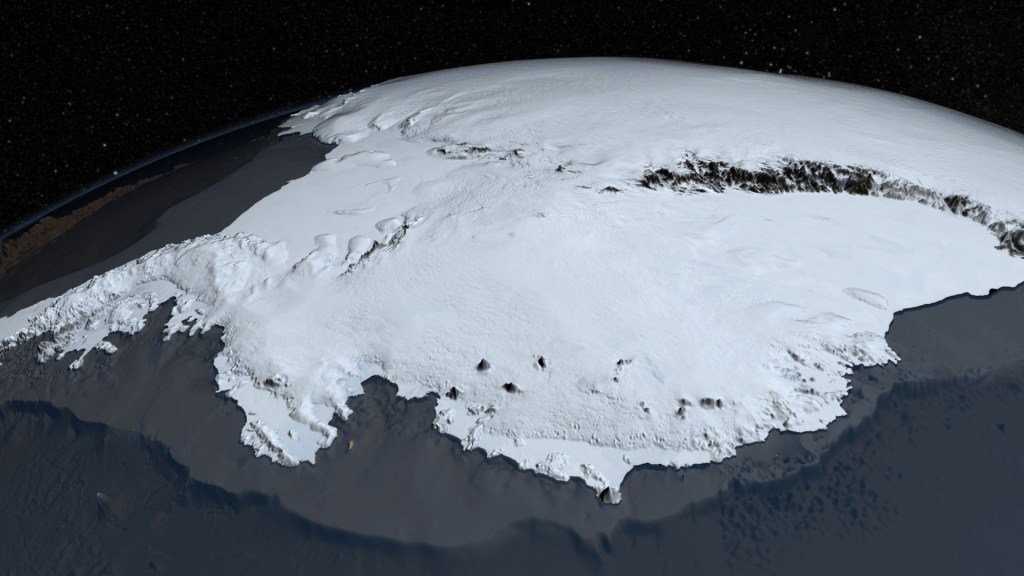
This 3D topographical view of Antarctica gives an idea of its high elevations and mountains with ice that covers them. A topographical map shows the elevation and other features of a land surface in greater detail. Credit: NASA
Three
The South Pole is significantly colder than the North Pole during both summer and winter, as shown in a comparison of their average temperatures. Is the foregoing statement true or false?
The North Pole is located in the Arctic Ocean, which is mostly covered in sea ice due to its cold climate. This sea ice floats over water, affecting its thickness as the ocean warms the air and the water below the ice changes temperature. In contrast, Antarctica is a dry, high continent with extremely thick ice, up to 3 miles (5 kilometres), forming a plateau above sea level. The ice sits on tall mountains, and as altitude increases, the air becomes colder. The South Pole is significantly colder than the North Pole due to strong winds surrounding Antarctica, which prevent warmer air from mixing with the cold polar air. These winds are unimpeded by land, unlike around the Arctic, where land slows down the winds, allowing warmer air from the south to occasionally mix with the polar air, making the Arctic relatively warmer.
Four
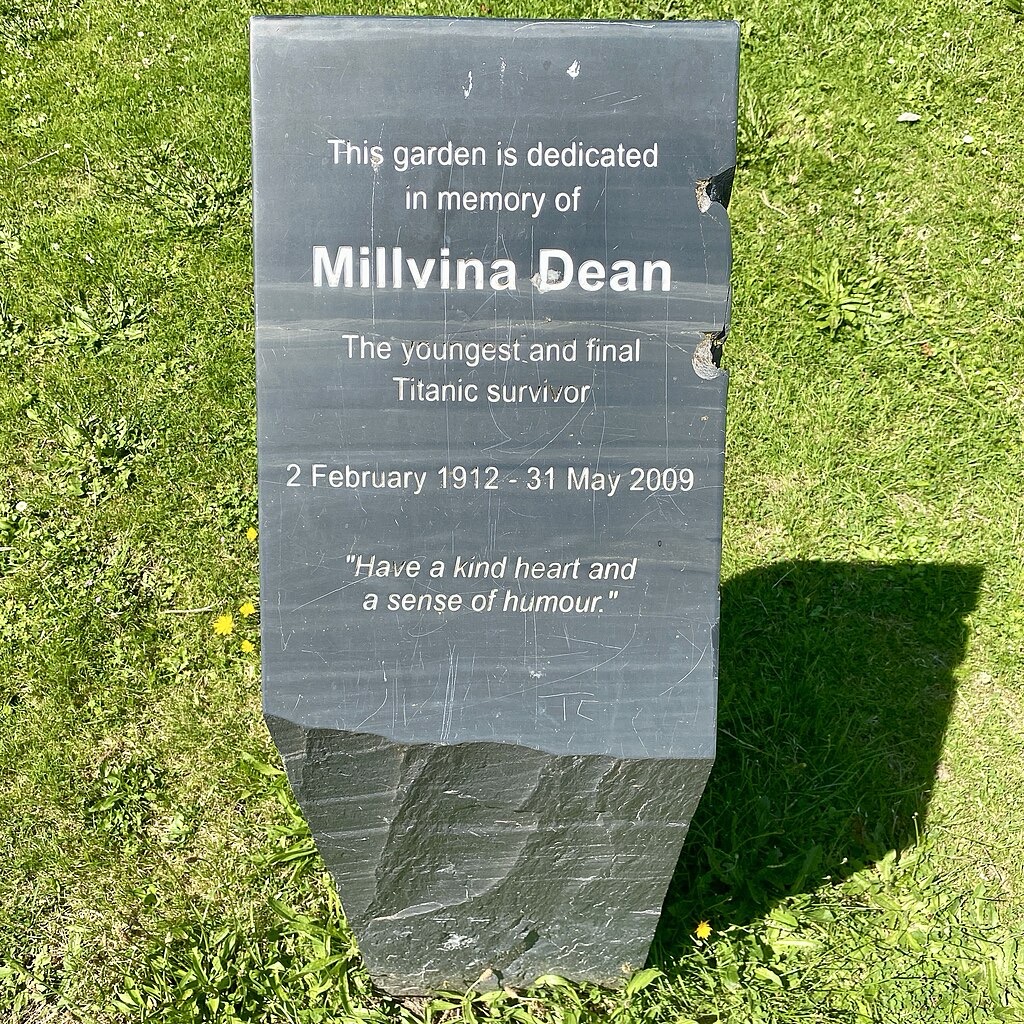
Millvina Dean Memorial Stone, Southampton, UK. Image Wikipedia
Is it true or false that the last survivor of the RMS Titanic died in 2009?
— Answer: True
Millvina Dean, the last living survivor of the Titanic, was born in 1912 and boarded the ship as a nine-week-old infant with her family. After the Titanic sank, her mother returned to England with Millvina and her brother, as their father perished. Millvina became involved in Titanic-related events in her later years, but declined to see the film Titanic and criticised the BBC for a Doctor Who episode featuring a similar ship.
Five
The US State of New Hampshire had a law which required margarine to be dyed pink. Is this statement true or false?
— Answer: True
Margarine, created in 1869 as a cost-effective substitute for butter, encountered significant resistance from the American dairy industry. Although it was favoured by the lower classes, margarine was taxed and prohibited in various states, with critics arguing it endangered the American lifestyle. By 1902, 32 states imposed restrictions on margarine’s colour, with Vermont, New Hampshire, and South Dakota requiring pink dye. The Supreme Court eventually invalidated the ‘pink laws’ but maintained the ban on yellow margarine.
We have five random true or false questions today.
One
Golf courses traditionally include hazards like bunkers (sand traps). Is it true or false that the word ‘bunker’ originates from the Flemish dialect of Dutch?
Two
Is it true or false that vaults constructed within the ramps of New York’s Brooklyn Bridge were used as arsenals storing weapons for the National Guard?
Three
The South Pole is significantly colder than the North Pole during both summer and winter, as shown in a comparison of their average temperatures. Is the foregoing statement true or false?
Four
Is it true or false that the last survivor of the RMS Titanic died in 2009?
Five
The US State of New Hampshire had a law which required margarine to be dyed pink. Is this statement true or false?
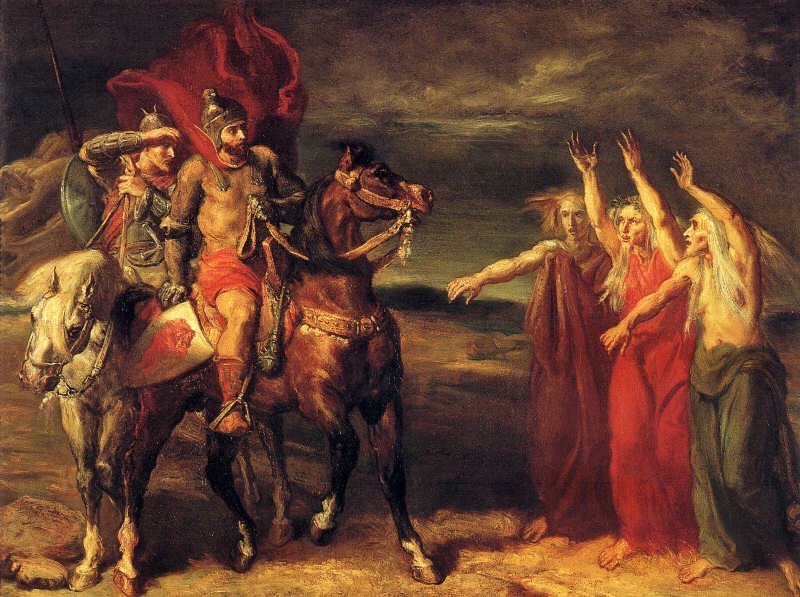
Macbeth and Banquo meeting the witches on the heath by Théodore Chassériau (1819–1856). Image Wikipedia
One
On 14 August, King Duncan I of Scotland was killed in battle by his cousin, Macbeth, who then succeeded him. This event occurred in the what century?
— Answer: 11th century
Unlike the ‘King Duncan’ of Shakespeare’s Macbeth, the historical Duncan appears to have been a young man. After his grandfather Malcolm’s death on 25 November 1034, Duncan succeeded him as king without apparent opposition. In August 1040, Duncan led an army into Moray, Macbeth’s domain, and was killed in action at the Battle of Bothnagowan.
Two
In the 1995 made-for-television movie, Catherine Zeta-Jones plays Sophie, a young Prussian princess who marries an immature future Tsar. The film’s title is what Sophie eventually becomes known as. What is the film’s title?
— Answer: Catherine the Great
Catherine the Great, reigning empress of Russia from 1762 to 1796, modernised the country, expanded its territory, and fostered a cultural renaissance. Despite her Enlightenment ideals, serfdom persisted, leading to rebellions. Catherine’s reign saw the founding of cities, universities, and theatres, and the establishment of Russia as a great power.
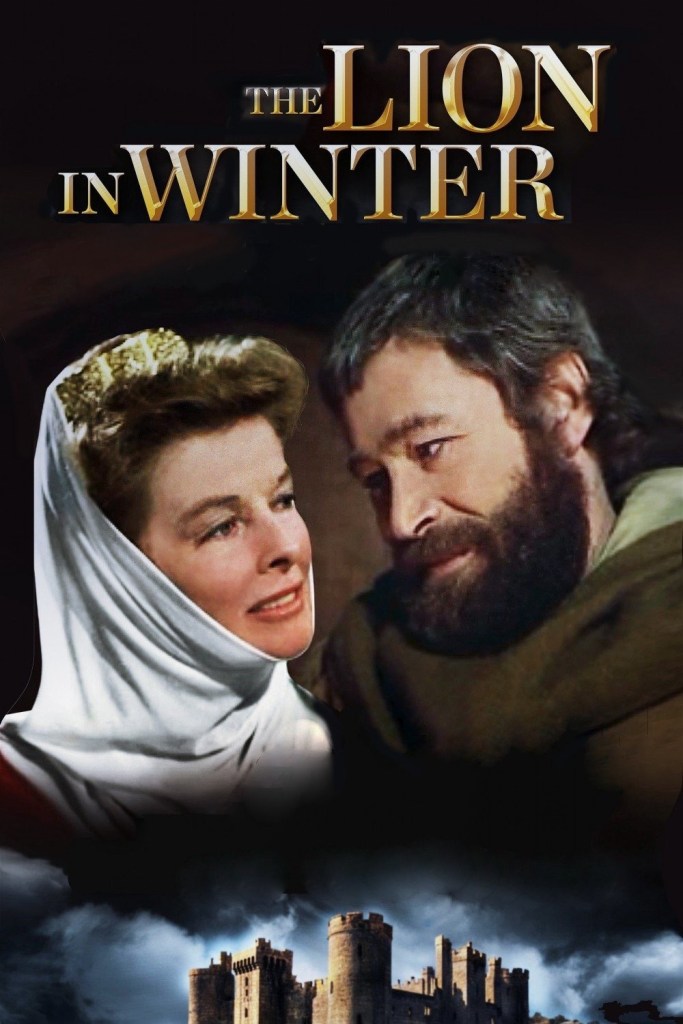
Katharine Hepburn won the best actress Oscar for her role as Henry II’s queen in this 1968 film. What was the film and what was the queen’s name?
— Answer: The Lion in Winter and Eleanor of Aquitaine
The play is set at Christmas 1183 at Henry II of England’s castle in Chinon, France. It follows the power struggles between Henry, his wife Eleanor, their sons, and the King of France, Philip II Augustus.
Four
In this 2023 film, Catherine Walker plays an Archduchess of Austria who becomes the French Queen, while Vanessa Kirby is an Empress Consort and first wife of the title character. What is the film?
— Answer: *Napoleon *
Ridley Scott’s 2023 film Napoleon, starring Joaquin Phoenix and Vanessa Kirby, depicts the French leader’s rise to power and his relationship with Joséphine. The film received mixed reviews, praised for its battle sequences and performances but criticised for its pacing and historical accuracy.
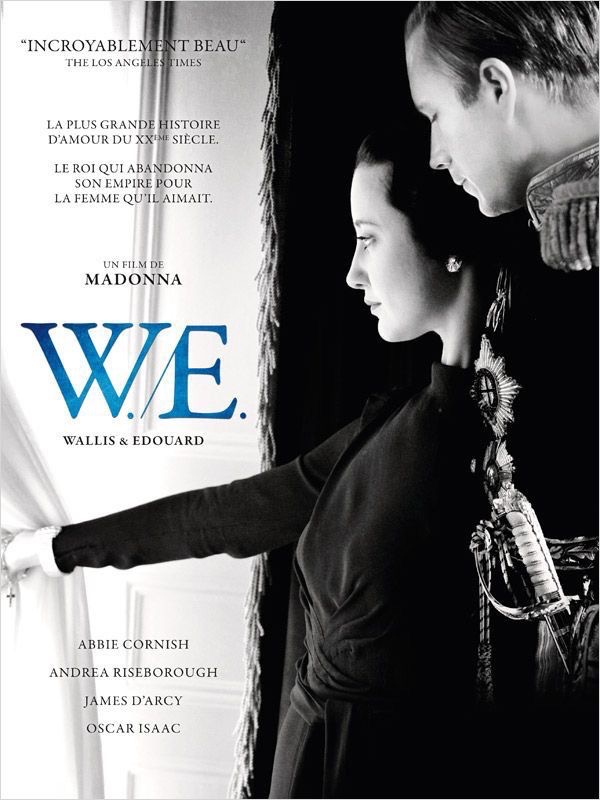
Madonna’s 2011 film W.E. is a historical romance involving what 20th-century royal couple?
— Answer: King Edward VIII and Wallis Simpson (who became the Duke and Duchess of Windsor)
Edward VIII’s relationship with Wallis Simpson, a twice-divorced American, caused a constitutional crisis. Despite attempts to find a solution, including a morganatic marriage, the Church of England and most politicians opposed the union. Edward chose to abdicate the throne on 11 December 1936, prioritising his love for Simpson over his royal duties.
The first question is related to today’s date, August 14th. It is about two monarchs who featured prominently in a work by William Shakespeare. The other questions are also about real monarchs who have been portrayed in fiction.
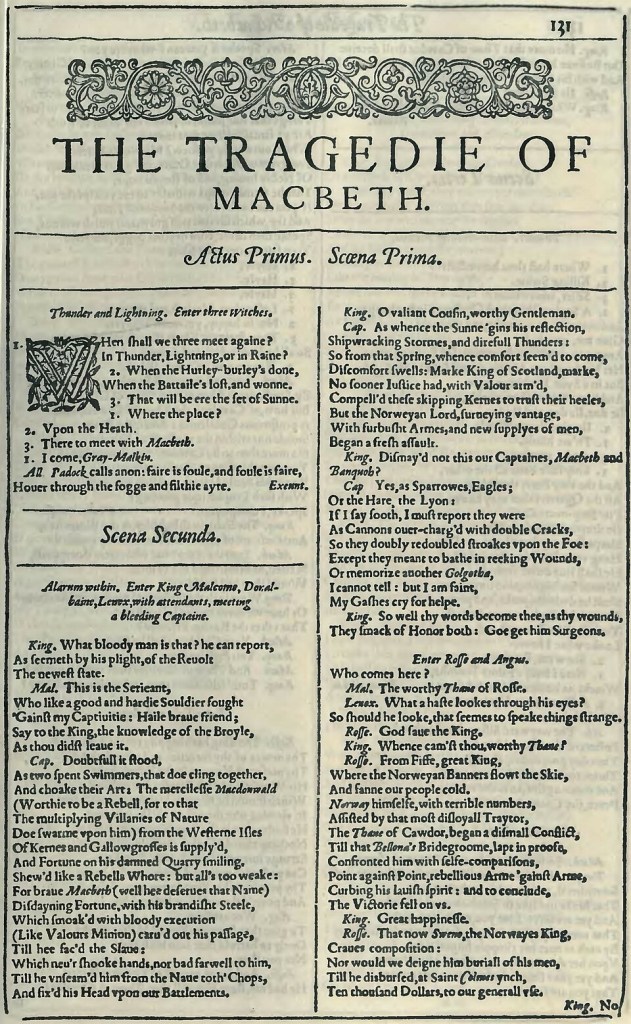
The first page of Shakespeare’s Macbeth from the First Folio. Image Wikipedia
One
On 14 August, King Duncan I of Scotland was killed in battle by his cousin, Macbeth, who then succeeded him. This death and succession occurred in the what century?
Two
In the 1995 made-for-television movie, Catherine Zeta-Jones plays Sophie, a young Prussian princess who marries an immature future Tsar. The film’s title is what Sophie eventually becomes known as. What is the film’s title?
Three
Katharine Hepburn won the best actress Oscar for her role as Henry II’s queen in this 1968 film. What was the film and what was the queen’s name?
Four
In this 2023 film, Catherine Walker plays an Archduchess of Austria who becomes the French Queen, while Vanessa Kirby is an Empress Consort and first wife of the title character. What is the film?
Five
Madonna’s 2011 film W.E. is a historical romance involving what 20th-century royal couple?
Phoebe Ann Mosey was born this day in 1860. Named ‘Little Sure Shot’ by Sitting Bull, she was a star in Buffalo Bill’s Wild West Show. What was her stage name?
— Answer: Annie Oakley
Oakley never failed to delight her audiences, and her feats of marksmanship were truly incredible. At 30 paces she could split a playing card held edge-on, she hit dimes tossed into the air, she shot cigarettes from her husband’s lips, and, a playing card being thrown into the air, she riddled it before it touched the ground
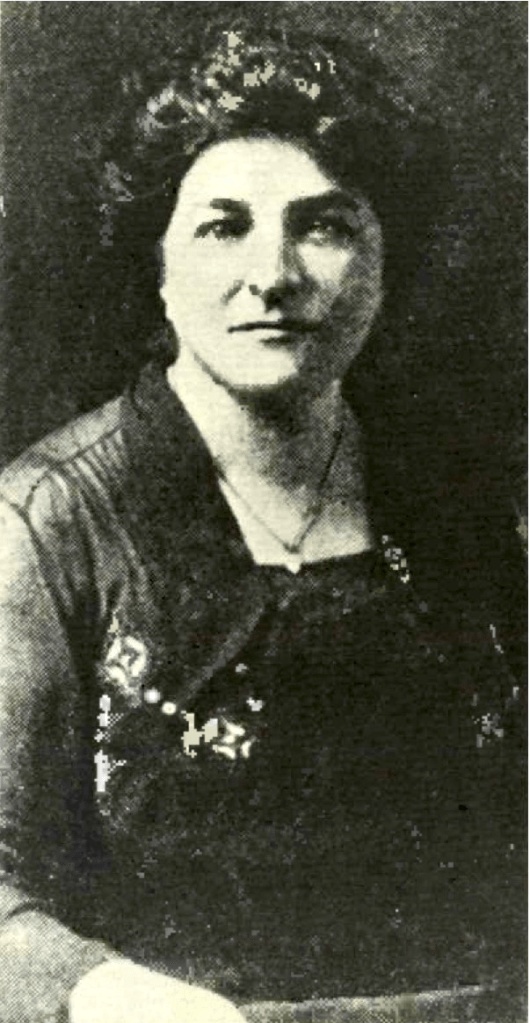
Opha May Johnson (2 Feb 1900 – Jan 1976) was the first woman to enlist in the United States Marine Corps. This is a photo of her shortly after enlisting, c. 1918. Image Wikipedia
Women were permitted to enlist in the United States Marine Corps for the first time on August 13th. In which decade of the 20th century did this occur?
— Answer: 1910s (1918)
Women first enlisted in the Marine Corps in 1918, Private Opha May Johnson being the first woman to enlist. Although deactivated after the First World War there was a significant increase during World War II. The Women’s Armed Services Integration Act of 1948 made women a permanent part of the Marine Corps.
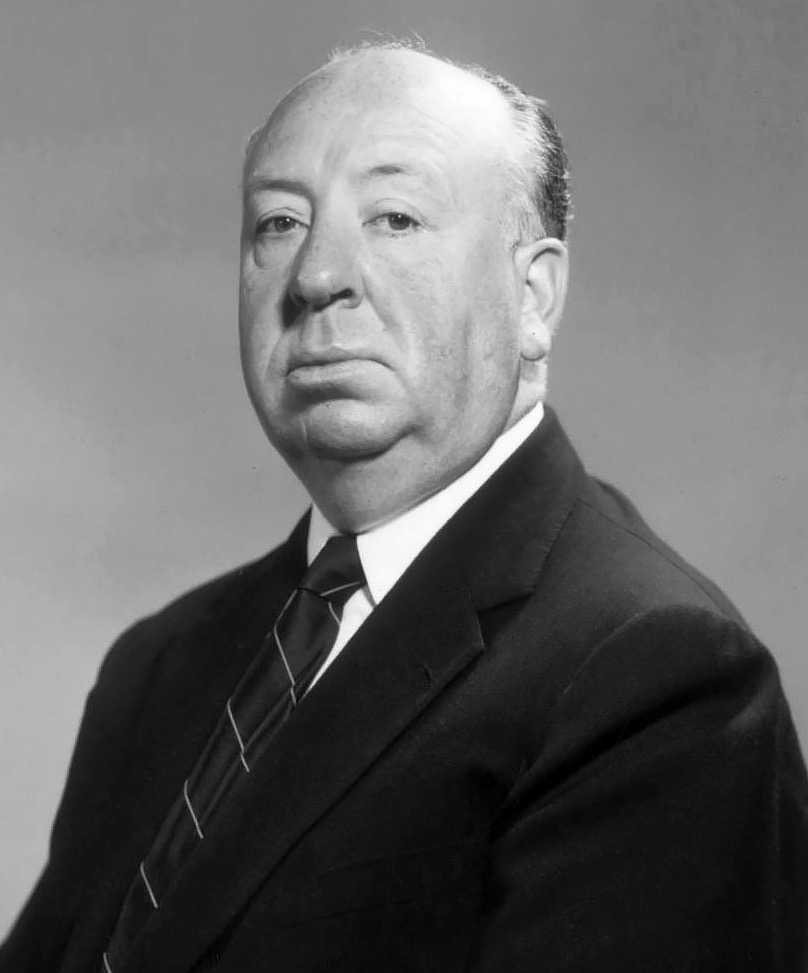
Opha May Johnson monument, St. Paul’s Rock Creek Cemetery, Washington, D.C. Image WikipediaAlfred Hitchcock’s birthplace. Image Wikipedia
Four
Alfred Hitchcock, the renowned film director and producer, was born today in 1899. In which city was he born?
— Answer: London, UK
Alfred Hitchcock, an English-born American director, was renowned for his suspenseful films and TV programmes, characterised by a macabre sense of humour and a bleak view of humanity.
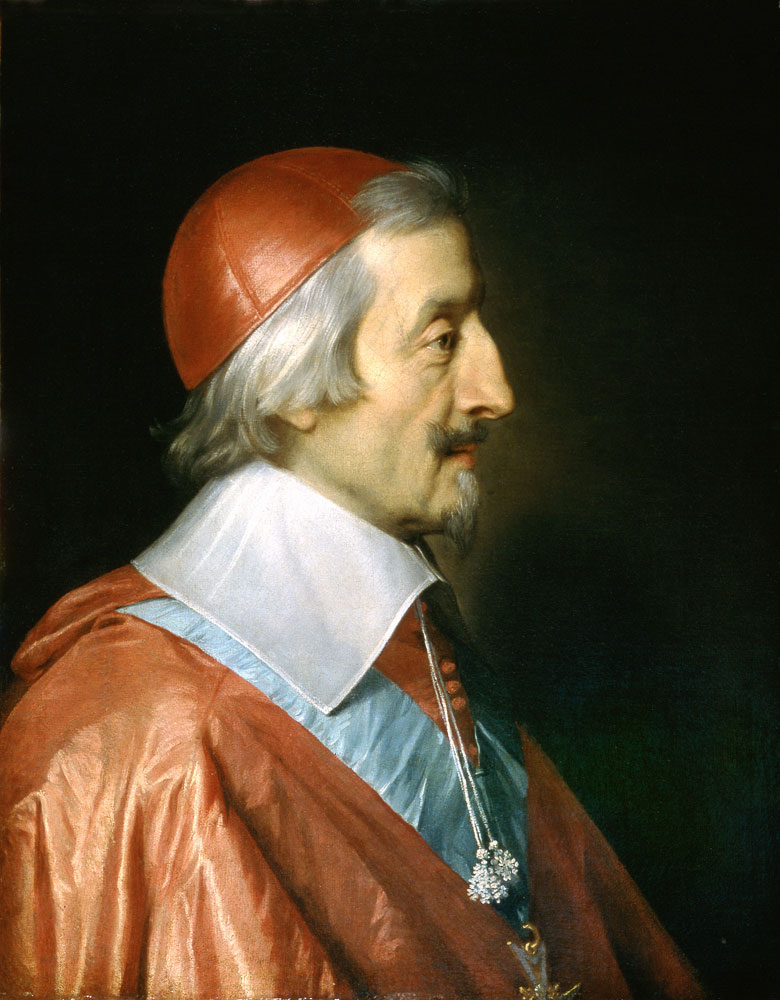
On 13 August 1624, Cardinal Richelieu was appointed principal minister in France. Who was the monarch who made this appointment?
— Answer: Louis XIII
Cardinal Richelieu (1585–1642) served as the chief minister to King Louis XIII of France from 1624 to 1642. His primary objectives, which he largely achieved, were the establishment of royal absolutism in France and the end of Spanish-Habsburg dominance in Europe.
Alfred Hitchcock, c. 1960s. (Question 4) Image Wikipedia
One
What Cold War event led to 13 August 1961 being known as Barbed Wire Sunday?
Two
Phoebe Ann Mosey was born this day in 1860. Named ‘Little Sure Shot’ by Sitting Bull, she was a star in Buffalo Bill’s Wild West Show. What was her stage name?
Three
Women were permitted to enlist in the United States Marine Corps for the first time on August 13th. In which decade of the 20th century did this occur?
Four
Alfred Hitchcock, the renowned film director and producer, was born today in 1899. In which city was he born?
Five
On 13 August 1624, Cardinal Richelieu was appointed principal minister in France. Who was the monarch who made this appointment?
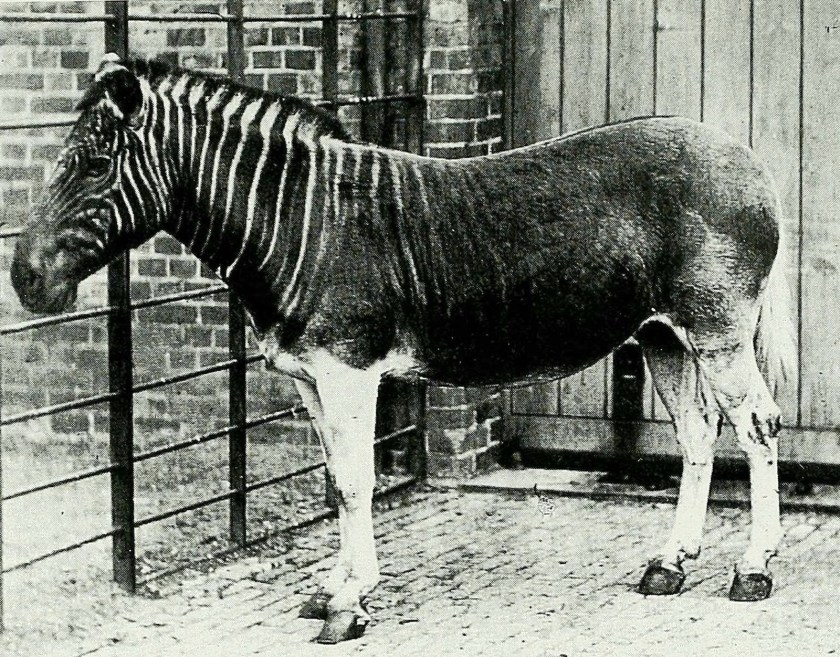
A quagga died in Amsterdam Zoo on 12 August 1883. Native to South Africa, the quagga was a type of…
Answer: Zebra
The quagga, a subspecies of plains zebra, was native to South Africa, where it was found in vast herds on the great plains, but is now extinct. It had a reddish-brown body with dark stripes and a white underside.
Two
What ‘Q’ links the novelist Herman Melville with Special Agent Dana Scully?
Answer: Queequeg
Queequeg, a Polynesian royal with facial tattoos, befriends Ishmael in Moby-Dick and becomes a harpooner on the Pequod. In The X-Files Scully names her dog Queequeg after the Moby-Dick character and used the name as her email handle and home alarm password.
Three
In which fictional series does Max Quordlepleen, a comedian and host, appear hosting a show at Milliways?
Answer: The Hitchhikers Guide to the Galaxy
‘Ladies and gentlemen,’ he said, ‘the Universe as we know it has been in existence for over one hundred and seventy thousand million billion years and will be ending in a little over half an hour. So, welcome to Milliways, the Restaurant at the End of the Universe!’
With a gesture he deftly conjured another round of spontaneous applause. With another gesture he cut it. “I am your host for tonight,” he said, “my name is Max Quordlepleen.” — The Restaurant at the End of the Universe, The Ultimate Hitchhikers Guide to the Galaxy (Pan Books).
Four
What ‘Q’ is a capital city which sits on the equator and is officially known as San Francisco de …
Answer: Quito
Officially known as San Francisco de Quito, the capital of Ecuador, is the highest national capital city in the world. It is the political and cultural centre of Ecuador, with a rich history dating back to its incorporation into the Inca Empire in the late 15th century.
Five
Quirinus Quirrell is a character in the works of which novelist?
Answer: J.K. Rowling
In J.K. Rowling’s Harry Potter stories, Quirinus Quirrell, Defence Against the Dark Arts professor, is possessed by Voldemort during Harry’s first year at Hogwarts. Harry defeats Quirrell, allowing Dumbledore to arrive and Voldemort to flee, resulting in Quirrell’s death.
The first question relates to today’s date, August 12th, and contains a word beginning with a ‘Q’. The rest of the questions follow a ‘Q’ theme, either with a ‘Q’ in the question or answer.
One
A quagga died in Amsterdam Zoo on 12 August 1883. Native to South Africa, the quagga was a type of…
Two
What ‘Q’ links the novelist Herman Melville with Special Agent Dana Scully?
Three
In which fictional series does Max Quordlepleen, a comedian, appear hosting a show at Milliways?
Four
What ‘Q’ is a capital city which sits on the equator and is officially known as San Francisco de …
Five
Quirinus Quirrell is a character in the works of which novelist?
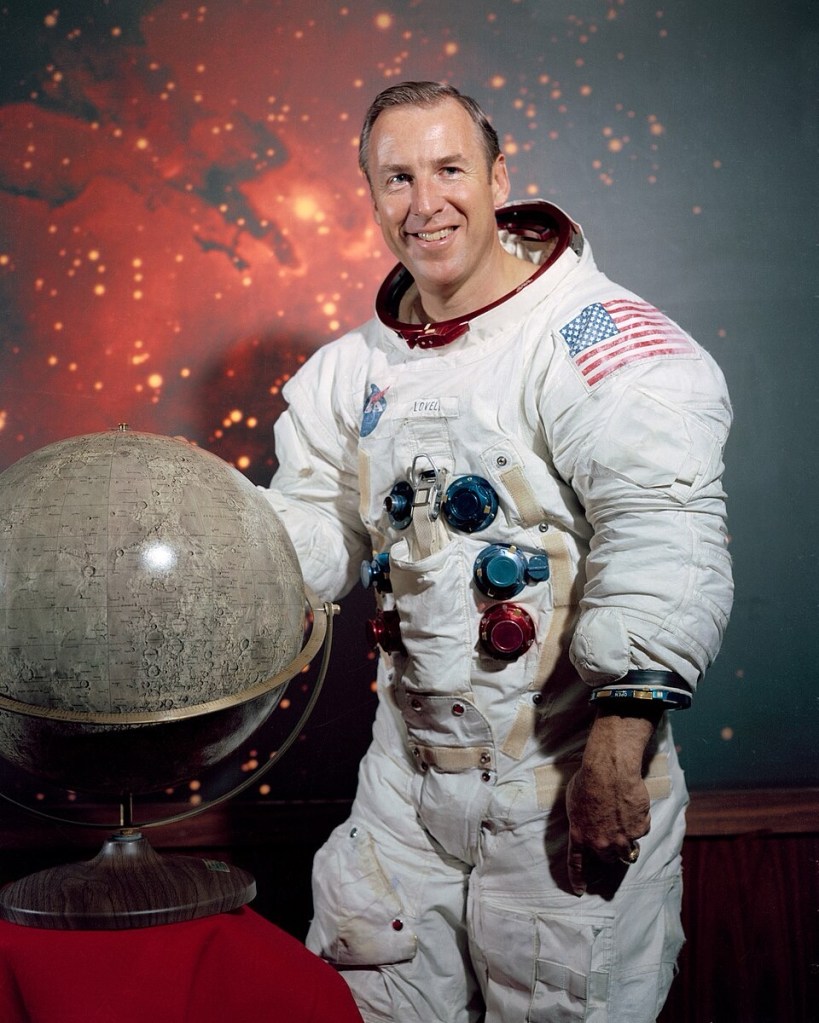
Jim Lovell, Gemini 7, Gemini 12, Apollo 8 and Apollo 13. (March 25, 1928—August 7, 2025). Image Wikipedia
One
In 1968, what became the first crewed spacecraft to reach the Moon, orbit it and return?
Answer: Apollo 8
Apollo 8, launched on 21 December 1968, became the first human spaceflight to reach the Moon. During its mission, the crew orbited the Moon ten times, conducting various tasks such as photography and navigation, while also transmitting telecasts worldwide. The spacecraft safely splashed down in the Pacific Ocean on 27 December, 147 hours after launch. This question was prompted by the death of Jim Lovell, aged 97, on 7 August 2025. He flew to the Moon and back twice but never landed.
Two
The 1999 Open Championship was decided in a play-off between Jean Van de Velde and which two other players?
Answer: Justin Leonard and Paul Lawrie
Jean Van de Velde, ranked 152nd, nearly won the 1999 Open Championship but famously collapsed on the 18th hole. His triple-bogey seven led to a playoff, which he lost to Paul Lawrie.
What word is missing from the end of the above quote?
Answer: Christianity
Nietzsche’s quote suggests that he viewed both Christianity and alcohol as ‘narcotics’, substances or influences that dull the senses and provide an escape from reality.
Four
Which Canadian province is named after the fourth daughter of Queen Victoria, born in 1848?
The above quote is the opening line of which poem?
Answer: Anthem for Doomed Youth
Wilfred Owen’s poem Anthem for Doomed Youth, written in 1917, vividly captures the horrors of war. Enlisting in the British army in 1915, Owen was sent to France with the Lancashire Fusiliers to fight in the trenches during World War I. In 1917, during his first six months of battle, his troop was gassed and forced to sleep in an open field of snow. One incident involved Owen spending several days huddled in a foxhole near the body of a fallen soldier. These experiences profoundly impacted Owen as a poet, leading to rapid maturity. The poems written after January 1917 are characterised by anger at war’s brutality, and pity for those who ‘die as cattle’.






 Quizology.Online