Here are five questions that are related to today’s date, April 3rd. There is also a bonus question at the end.
One
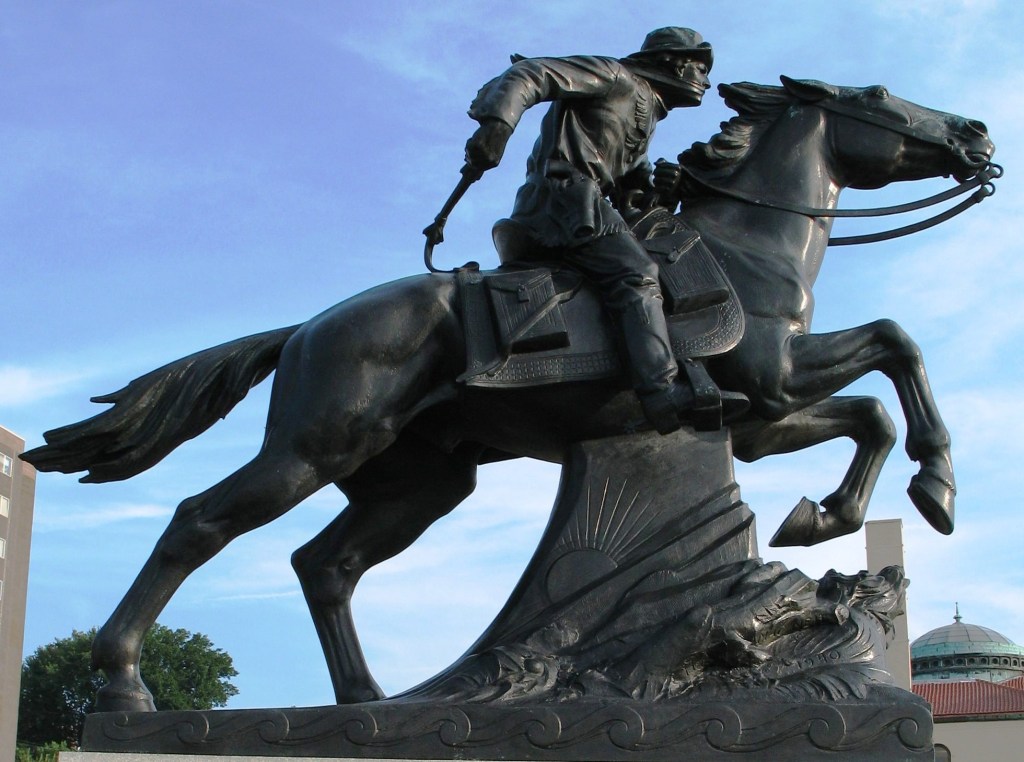
The United States Pony Express, inaugurated in 1860, commenced its first run from one city to another. Can you name both cities in the order of travel of this first run?
Two
On this day the first flight over Mount Everest took place. In what decade did this occur?
Three
The first public handheld mobile (cellular) phone call was made on this day. In what year did this occur and what telecommunications company made the call?
Four
In 2007, a conventional-train world record was set by a TGV train. In what country was this record set, and to the nearest 5 mph (5 km/h) what was the record-setting speed achieved?
Five
Sir Robert Walpole is regarded as the first prime minister of Great Britain. In what decade did he assume this office?
Ride ‘Em Cowboy
Today’s title alludes to the riders employed by the Pony Express but it was also the title of a 1942 comedy. What duo starred in it?
Five questions with the answers beginning with the letters from A to E, with each letter being used only once, but they are not in alphabetical order.
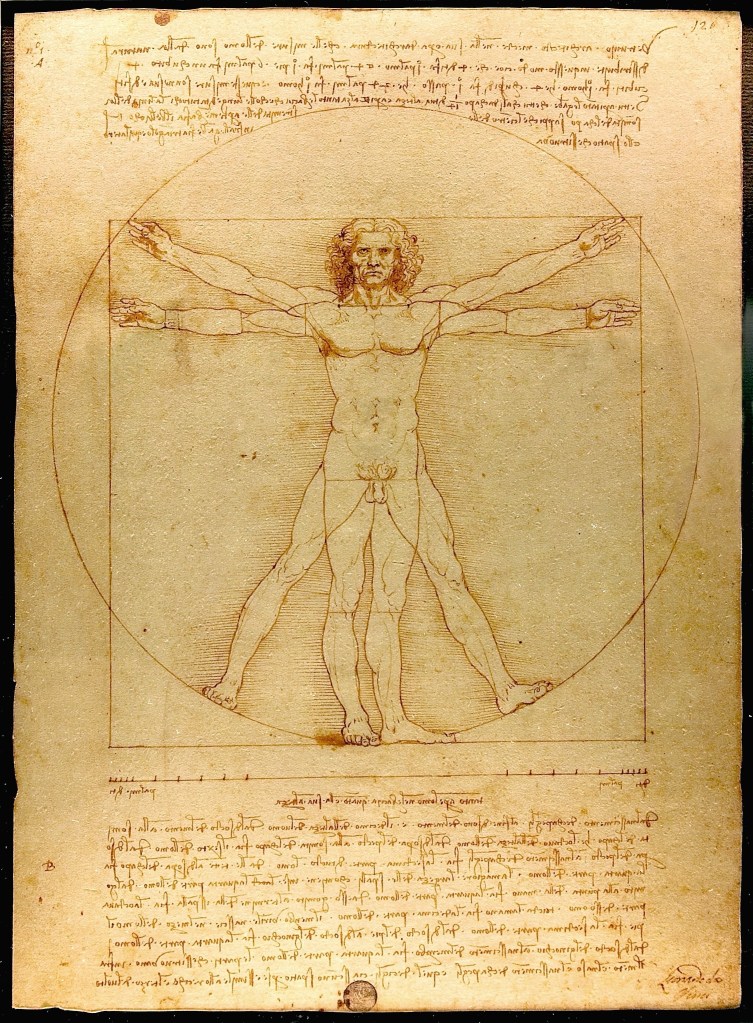
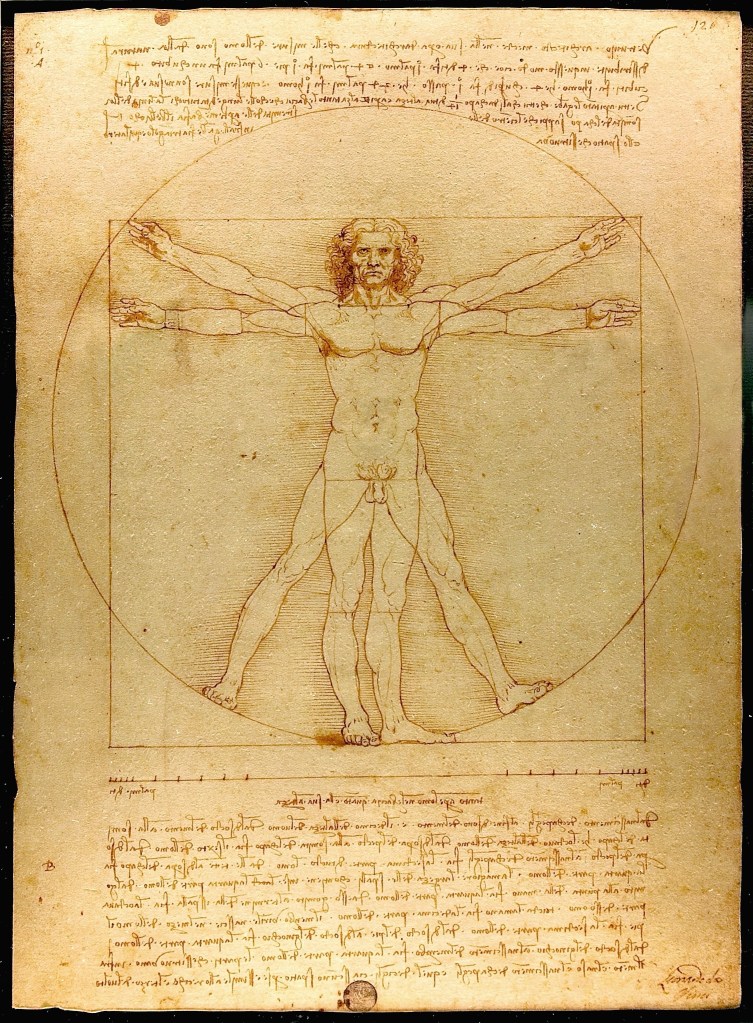
See question two. Death in the Afternoon. Image A Couple Cooks
One
Who wrote, produced, and directed Moulin Rouge (2001) and Australia (2008)?
Answers: Baz Luhrman.
Baz Luhrmann is an Australian film director, producer, writer, and actor known for his Red Curtain Trilogy and other films like Australia, The Great Gatsby, and Elvis. He is also involved in opera, theatre, music, and the recording industries, with Grammy-nominated soundtracks and his own record label.
Two
An absinthe-Champagne cocktail was invented by an author and shares its name with his 1932 non-fiction book about a sport in a southern European nation. Who is the author, and what is the book and cocktail’s shared name?
Answers: Ernest Hemingway; Death in the Afternoon.
Death in the Afternoon, a 1932 non-fiction book by Ernest Hemingway, explores Spanish bullfighting, fear, and courage. Its namesake, a cocktail invented by Hemingway, is made with absinthe and Champagne. The drink, known for its decadence and high strength, can be made with absinthe alternatives like Absente or Pernod.
Three
Which chemical element derives its name from the Latin for ‘coal’?
Answer: Carbon.
Carbon, symbol C and atomic number 6, a non-metal which has two main forms, diamond and graphite, and which also occurs in impure form in charcoal, soot and coal. It is the 15th most abundant element in Earth’s crust and the fourth most abundant in the universe.
Four
Which small dog breed, which is not a terrier, is sometimes known as the monkey terrier?
Answer: Affenpinscher.
The Affenpinscher, a German toy dog breed, originated as a ratter and is now a popular companion worldwide. The breed, whose name is sometimes translated from German as ‘Monkey Terrier’, is believed to be ancestral to the Griffon Bruxellois and Miniature Schnauzer.
Five
The Malawian city of Blantyre was named after the Scottish birthplace of which missionary and explorer (1813-73)?
Answer: David Livingstone
Blantyre, Malawi’s second-largest city and commercial centre, was founded in 1876 by the Church of Scotland. It grew rapidly due to its role in colonial trade and became a major manufacturing centre. The city’s development was influenced by various factors, including commerce, industry, and administration, and it was merged with Limbe in 1956.
Five questions with the answers beginning with the letters from A to E, with each letter being used only once, but they are not in alphabetical order.
See question two. Image A Couple Cooks
One
Who wrote, produced, and directed Moulin Rouge (2001) and Australia (2008)?
Two
An absinthe-Champagne cocktail was invented by an author and shares its name with his 1932 non-fiction book about a sport in a southern European nation. Who is the author, and what is the book and cocktail’s shared name?
Three
Which chemical element derives its name from the Latin for ‘coal’?
Four
Which small dog breed, which is not a terrier, is sometimes known as the monkey terrier?
Five
The Malawian city of Blantyre was named after the Scottish birthplace of which missionary and explorer (1813-73)?
A diploid cell resulting from the fusion of two haploid gametes; a fertilized ovum.
— Oxford English Dictionary
Two
What is northernmost of New York City’s five boroughs?
Brooklyn
Queens
The Bronx
Answer: The Bronx.
The Bronx, the northernmost borough of New York City, is coextensive with Bronx County. It is bordered by Westchester County to the north, Manhattan to the south and west, and Queens to the south and east. The Bronx is known for its diverse population, historic landmarks like Yankee Stadium, and significant open spaces including the Bronx Zoo and Pelham Bay Park.
Three
Which of these is found on the human body?
Anthracite rim
Vermillion border
Zinfandel margin
Answer: Vermillion border.
The transition from the colour of your lips to the colour of your normal skin is called the vermilion border and humans are the only creatures on Earth that have it.
Four
WhIch vessel achieved a historic milestone by becoming the first crewed vessel to reach the bottom of Challenger Deep in the Mariana Trench – the deepest point on Earth’s seabed?
Trieste
Deepsea Challenger
Limiting Factor
Answer: Trieste
In January 1960, the Trieste, piloted by Jacques Piccard and USN Lieutenant Don Walsh, descended to the ocean floor in the Challenger Deep, reaching a depth of 10,911 metres. The descent took almost five hours, and they spent twenty minutes on the ocean floor before ascending due to a crack in the outer window.
Five
Which of these is a fairy creature from Celtic myth?
Children of the Watch
Cat-sith
Crow jedi
Answer: Cat-sith
The cat-sìth, a fairy creature from Celtic mythology, resembles a large black cat with a white spot on its chest. It is said to haunt the Scottish Highlands and may have been inspired by the Scottish wildcat or Kellas cats.
What is northernmost of New York City’s five boroughs?
Brooklyn
Queens
The Bronx
Three
Which of these is found on the human body?
Anthracite rim
Vermillion border
Zinfandel margin
Four
WhIch vessel achieved a historic milestone by becoming the first crewed vessel to reach the bottom of Challenger Deep in the Mariana Trench – the deepest point on Earth’s seabed?
Trieste
Deepsea Challenger
Limiting Factor
Five
Which of these is a fairy creature from Celtic myth?
Here are the answers to the questions I posted earlier.
These are five questions which are related to today, February 5th.
Section of the border between East and West Germany. Image Wikimedia Commons
One
The term ‘Iron Curtain’ described the political and physical boundary dividing Europe from the end of World War II until the end of the Cold War. Who popularised its use in a speech at Westminster College, Fulton, Missouri, on 5 March 1946?
Answer: Winston Churchill.
…an iron curtain has descended across the Continent. Behind that line lie all the capitals of the ancient states of Central and Eastern Europe. — Winston Churchill, Former British prime minister, 5 March 1946, Westminster College, Fulton, Missouri
The Iron Curtain was a political and physical boundary dividing Europe from 1945 to 1990/1991, symbolising the ideological divide between the Soviet-controlled Eastern Bloc and the Western nations. Popularised by Winston Churchill in 1946, the term originally described physical barriers but later encompassed broader cultural and ideological differences. The Iron Curtain largely dissolved in 1989-90 with the fall of communism.
Two
A 31-year-old American country singer, who was born Virginia Patterson Hensley in Virginia, died in a 1963 plane crash in Tennessee. She had enjoyed an eight-year recording career, which included two number ones as well as other major chart hits. By what name was she known professionally?
Answer: Patsy Cline.
Patsy Cline, born Virginia Patterson Hensley, was an American singer known for her crossover success from country to pop music. She achieved major hits like Walkin’ After Midnight and I Fall to Pieces, becoming a trailblazer for women in country music. Although, she died in a plane crash in 1963, her legacy endures through her influential music and posthumous recognition.
Three Cigarettes in an Ashtray
The post title, Three Cigarettes in an Ashtray, was the title of a Patsy Cline single from 1957.
Three
In 1616, 73 years after publication, On the Revolutions of the Heavenly Spheres (De revolutionibus orbium coelestium) was added to the Index of Forbidden Books (Index Librorum Prohibitorum) by the Sacred Congregation of the Index. Which astronomer had written On the Revolutions of the Heavenly Spheres?
Answer: Nicolaus Copernicus
Copernicus’s book placed the Sun rather than the Earth at the centre, meaning the Earth and other planets orbited the Sun. The Index Librorum Prohibitorum, active from 1560 to 1966, was a list of publications deemed heretical or immoral by the Catholic Church. It banned thousands of books, including works by theologians, astronomers, philosophers, and unapproved Bible editions, to protect church members from potentially disruptive ideas.
Four
In 1942 Japanese forces captured what is now Jakarta, Indonesia. At that time, what was the city called and of where was it the capital?
Answers: Batavia; Dutch East Indies.
Batavia, now known as Jakarta, was founded in 1619 by the Dutch East India Company (VOC) as a strategic trading post in the Dutch colonial empire. It became the capital of the Dutch East Indies and was pivotal for their trade routes, especially in spices and other commodities. Following Indonesia’s declaration of independence in 1945, Batavia was renamed Jakarta. The city evolved from a colonial outpost to a major urban centre reflecting Indonesia’s diversity and is a bustling metropolis and the capital of Indonesia. It is a hub for culture, economy, and politics in Southeast Asia.
Five
In 1496, England’s Henry VII issued letters patent authorising a navigator and his sons to explore unknown lands. This led to what is the earliest known exploration of the North American Atlantic coast since the Norse visits to Vinland in the eleventh century. Who was Henry VII’s explorer?
Answer: John Cabot.
John Cabot was an Italian navigator and explorer. His 1497 voyage to North America, commissioned by Henry VII, King of England, is the earliest known European exploration of the region’s coast since the Norse visits to Vinland in the eleventh century. To commemorate the 500th anniversary of Cabot’s expedition, both Canadian and British governments declared Cape Bonavista, Newfoundland, as his first landing site. However, alternative locations have also been suggested.
These are five questions which are related to today, February 5th.
Section of the border between East and West Germany. Image Wikimedia Commons
One
The term ‘Iron Curtain’ described the political and physical boundary dividing Europe from the end of World War II until the end of the Cold War. Who popularised its use in a speech at Westminster College, Fulton, Missouri, on 5 March 1946?
Two
A 31-year-old American country singer, who was born Virginia Patterson Hensley in Virginia, died in a 1963 plane crash in Tennessee. She had enjoyed an eight-year recording career, which included two number ones as well as other major chart hits. By what name was she known professionally?
Three
In 1616, 73 years after publication, On the Revolutions of the Heavenly Spheres (De revolutionibus orbium coelestium) was added to the Index of Forbidden Books (Index Librorum Prohibitorum) by the Sacred Congregation of the Index. Which astronomer had written On the Revolutions of the Heavenly Spheres?
Four
In 1942 Japanese forces captured what is now Jakarta, Indonesia. At that time, what was the city called and of where was it the capital?
Five
In 1496, England’s Henry VII issued letters patent authorising a navigator and his sons to explore unknown lands. This led to what is the earliest known exploration of the North American Atlantic coast since the Norse visits to Vinland in the eleventh century. Who was Henry VII’s explorer?
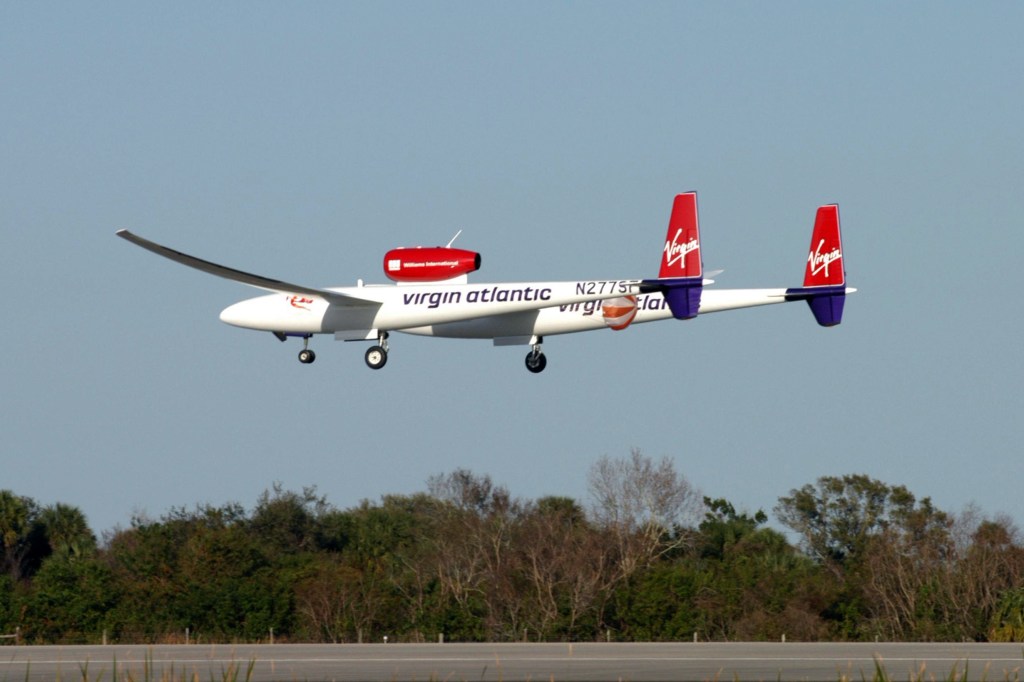
2005, a pilot became the first person to complete a solo, nonstop circumnavigation of the globe without refuelling. The pilot took off from and landed back at one of the several Salinas in the United States. Who was the pilot and specifically from which Salina did he depart and return?
Answers: Steve Fossett; Salina, Kansas.
In 2005, pilot Steve Fossett became the first person to fly solo around the world without stopping or refuelling. He piloted the specially designed GlobalFlyer, equipped with 13 fuel tanks and a 7-foot cockpit. Taking off from Salina, Kansas, on February 28, he successfully completed the journey and returned to Salina approximately 67 hours later on March 3.
Two
Born in Navsari, Gujarat, India in 1839, an Indian industrialist who founded Jamshedpur, established the Taj Mahal Hotel and developed businesses in cotton, steel and hydroelectric power amongst others. Who was he?
Answer: Jamsetji Tata.
Jamsetji Nusserwanji Tata, an Indian industrialist and philanthropist, founded the Tata Group and the city of Jamshedpur. He established key institutions such as the Taj Mahal Hotel, Tata Steel, and Tata Power, significantly impacting India’s industrial and social landscape. Tata was also a prominent philanthropist, establishing the J.N. Tata Endowment and supporting the Indian Institute of Science.
Three
Born in 1962, which athlete set a world record of 7,148 points in the heptathlon?
Answer: Jackie Joyner-Kersee.
Jackie Joyner-Kersee, born in 1962, is a retired American athlete who excelled in the heptathlon and long jump. She won three Olympic gold medals in the heptathlon and one in the long jump, setting world records in both events. In July 1986, she set a world record of 7,148 points in the heptathlon. Beyond her athletic achievements, Joyner-Kersee is known for her philanthropic work, including founding the Jackie Joyner-Kersee Foundation and co-founding Athletes for Hope.
Four
Born in 1968, this physicist and television science presenter who is known for his work on the ATLAS experiment at CERN, played keyboards in live appearances with D:Ream. Who is This?
Answer: Brian Cox.
Brian Cox is an English physicist and musician, known for his work on the ATLAS experiment at CERN and his role as a presenter of science programmes for the BBC. He has co-authored several popular science books and continues to perform music sporadically. Cox’s career spans from being a keyboard player for bands like Dare and D:Ream to becoming a professor of particle physics at the University of Manchester.
Five
Decommissioned on this day in 1980, a U.S. nuclear submarine made history by sailing under the Arctic ice pack and the North Pole in 1958.
What was the name of the submarine?
What was the operational name for the submerged Arctic transit?
The submarine had a namesake from an 1870s novel; what was the novel’s English title?
Who was the author of the novel?
Answers
USS Nautilus
Operations Sunshine
Twenty Thousand Leagues Under the Sea
Jules Verne
A Greek derivative meaning sailor or ship; a tropical mollusk having a many chambered, spiral shell with a pearly interior; and the namesake of Jules Verne’s submersible in his novel 20,000 Leagues Under the Sea. — Navy History and Heritage Command
2005, a pilot became the first person to complete a solo, nonstop circumnavigation of the globe without refuelling. The pilot took off from and landed back at one of the several Salinas in the United States. Who was the pilot and specifically from which Salina did he depart and return?
Two
Born in Navsari, Gujarat, India in 1839, an Indian industrialist who founded Jamshedpur, established the Taj Mahal Hotel and developed businesses in cotton, steel and hydroelectric power amongst others. Who was he?
Three
Born in 1962, which athlete set a world record of 7,148 points in the heptathlon?
Four
Born in 1968, this physicist and television science presenter who is known for his work on the ATLAS experiment at CERN, played keyboards in live appearances with D:Ream. Who is This?
Five
Decommissioned on this day in 1980, a U.S. nuclear submarine made history by sailing under the Arctic ice pack and the North Pole in 1958.
What was the name of the submarine?
What was the operational name for the submerged Arctic transit?
The submarine had a namesake from an 1870s novel; what was the novel’s English title?
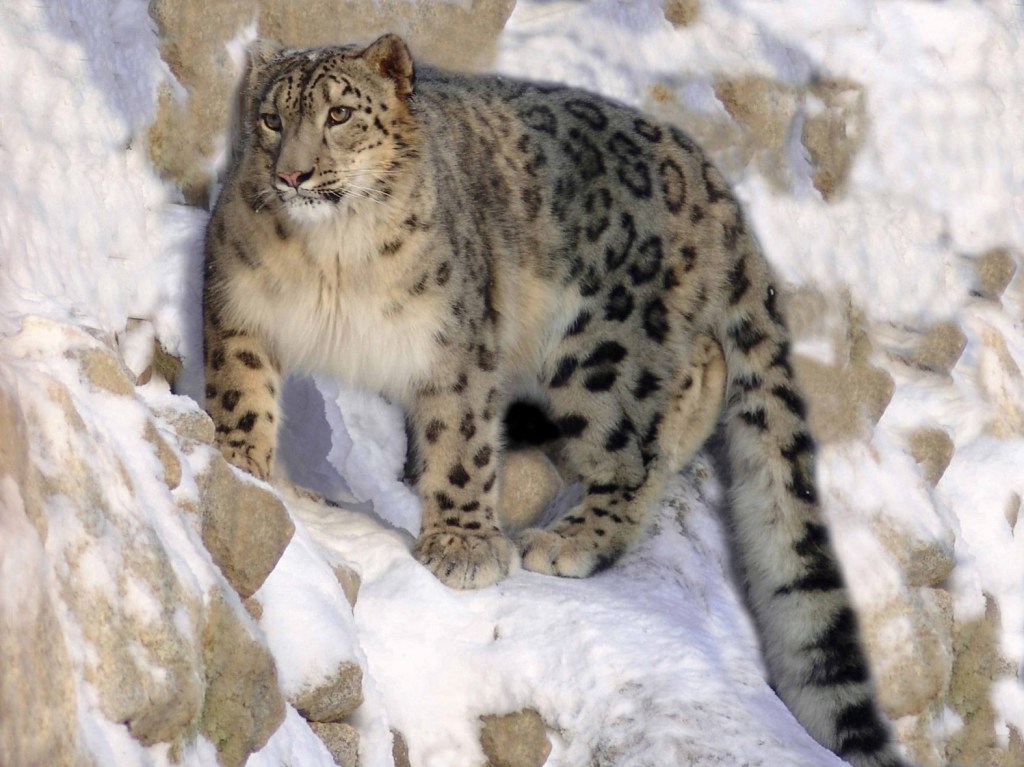
Panthera uncia, native to Central and South Asia, inhabits mountain ranges like the Altai, Hindu Kush, and Himalayas. What is its name in English and by what other name, which could be confused with a measure, was it known?
Answer: Snow leopard; ounce.
The snow leopard (Panthera uncia) is a large cat native to Central and South Asia’s mountain ranges. It is listed as Vulnerable due to poaching and habitat destruction, with fewer than 10,000 mature individuals remaining. The snow leopard is legally protected in most of its range and is culturally significant in Kyrgyzstan.
Two
The acronym SONAR means what?
Answer: Sound navigation and ranging. (SO(und) NA(vigation and) R(anging).
The name of a 2003 Grammy Award winner and the title of a short story by Edgar Allan Poe published in 1839 are linked by a single word. Can you supply the word and the full title of Poe’s short story?
Answer: Usher; The Fall of the House of Usher.
Edgar Allan Poe’s Gothic fiction short story, The Fall of the House of Usher, delves into themes of madness, family and isolation. In 2003, Usher won his second consecutive Grammy Award for Best Male R&B Vocal Performance for U Don’t Have to Call.
Four
What was the name of Captain Robert Falcon Scott’s ship during his ill-fated Antarctic expedition?
Answer: Terra Nova.
The Terra Nova Expedition, led by Captain Robert Falcon Scott, aimed to reach the South Pole and conduct scientific research. Although they achieved this goal on January 17, 1912, they arrived second—a month after Amundsen. Scott and his team tragically died on the Ross Ice Shelf during their return journey, leading to debate about the expedition’s organisation and management.
Five
In December 1969, on a television programme, a Norwegian Blue was purchased, and then an attempt was made to return it. What was the name that this sketch is known by, and in what TV programme was it featured?
The ‘Dead Parrot sketch’ from Monty Python’s Flying Circus satirises poor customer service. It features a customer, Mr Praline, arguing with a shopkeeper about a dead parrot. Mr Praline complains about a deceased parrot he bought. The shopkeeper, using euphemisms for death, sends him to his brother’s shop in Bolton for a refund, but Praline discovers it’s the same shop. The shopkeeper, claiming it’s a prank, is interrupted by a Colonel who orders the sketch to stop.