The answers to my earlier post are shown in bold below and an explanation of the title and a song are at the end.
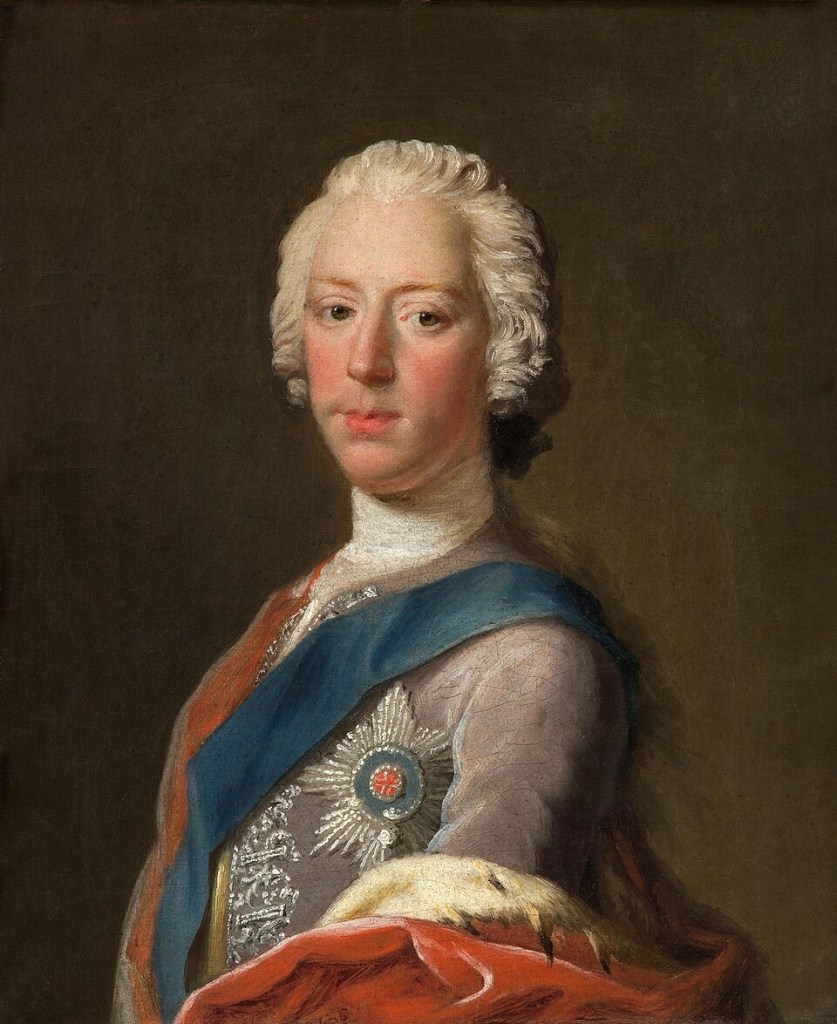
National Galleries of Scotland. Wikipedia
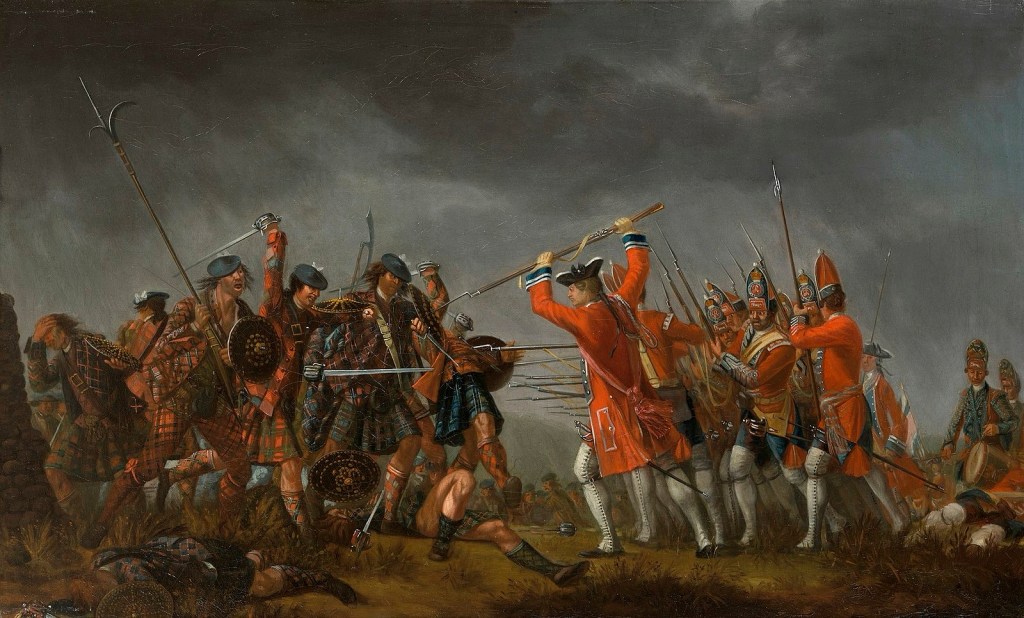
- This battle, the last fought on British soil, took place on 16 April 1746; it was the Battle of…
- The Battle of Culloden—fought on 16 April 1746—was the last Jacobite rising and the last full-scale battle on British soil. Led by Bonnie Prince Charlie (Charles Edward Stuart), the Jacobites, outnumbered and exhausted, were defeated by the Hanoverian forces under the Duke of Cumberland. The battle marked the end of the Highland clan culture and the Stuart dynasty’s last attempt to reclaim the British throne.
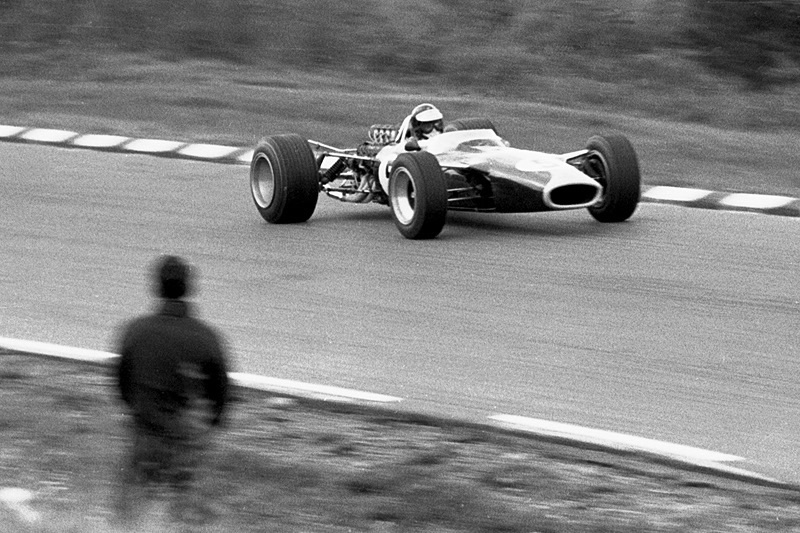
Jim Clark, 1967 US Grand Prix
Watkins Glen, NY. Wikipedia
- The Battle of Culloden—fought on 16 April 1746—was the last Jacobite rising and the last full-scale battle on British soil. Led by Bonnie Prince Charlie (Charles Edward Stuart), the Jacobites, outnumbered and exhausted, were defeated by the Hanoverian forces under the Duke of Cumberland. The battle marked the end of the Highland clan culture and the Stuart dynasty’s last attempt to reclaim the British throne.
- The Scot who won the Formula 1 World Drivers’ Championship for the second time in 1965 was…
- Jim Clark—a Scottish racing driver, competed in Formula One from 1960 to 1968, winning two World Drivers’ Championship titles with Lotus in 1963 and 1965. He set records for most wins, pole positions and fastest laps. Clark also achieved success in American open-wheel racing, winning the Indianapolis 500 in 1965. He began racing in 1956 and tragically died in a racing accident in 1968.
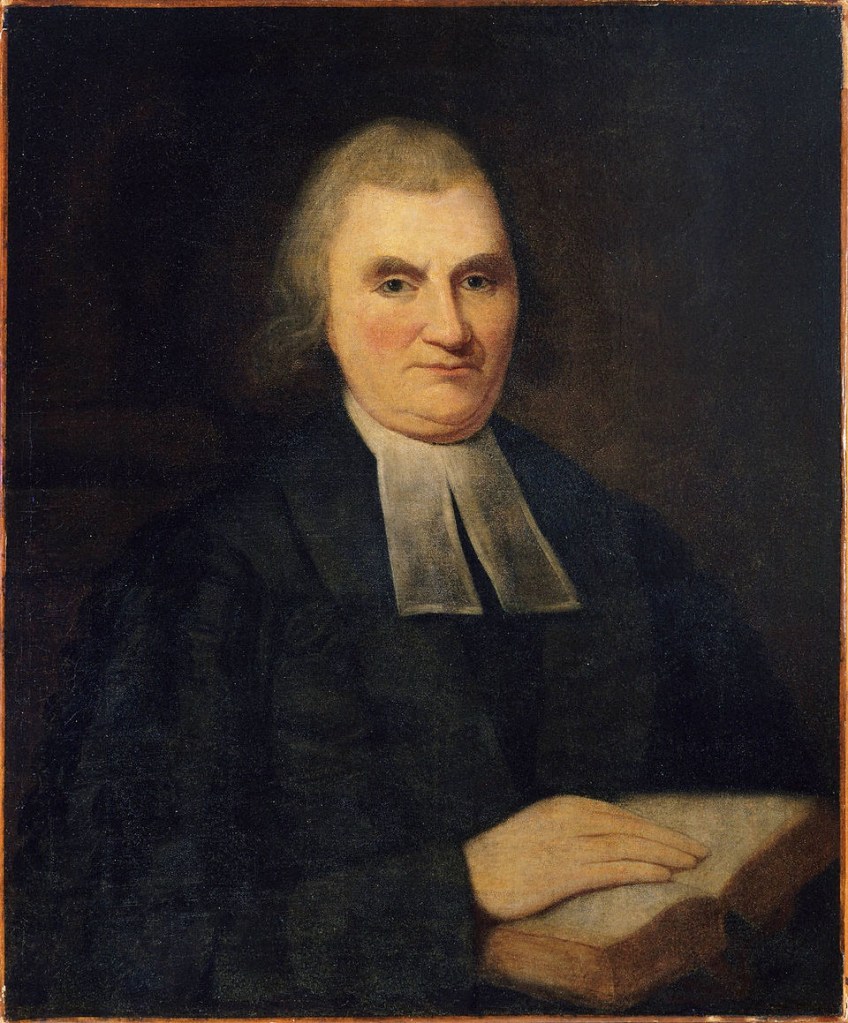
Portrait of John Witherspoon, Presbyterian minister and President of Princeton University. Wikipedia
- Jim Clark—a Scottish racing driver, competed in Formula One from 1960 to 1968, winning two World Drivers’ Championship titles with Lotus in 1963 and 1965. He set records for most wins, pole positions and fastest laps. Clark also achieved success in American open-wheel racing, winning the Indianapolis 500 in 1965. He began racing in 1956 and tragically died in a racing accident in 1968.
- The only clergyman to sign the US Declaration of Independence was a Scottish minister; he was…
- John Witherspoon—was a Scottish-American Presbyterian minister and president of the College of New Jersey, now Princeton University. He was a Founding Father of the United States and the only clergyman to sign the Declaration of Independence. After studying theology at the University of Edinburgh, he served as a pastor in Beith, Ayrshire and Paisley; he was known for his involvement in ecclesiastical debates. In 1768, he crossed the Atlantic to become president of the College of New Jersey, revitalising the institution by expanding its curriculum and increasing enrolment. A staunch supporter of American independence, Witherspoon was active in political affairs, serving in the Continental Congress and advocating for independence. He authored numerous works on religious and political subjects, including Ecclesiastical Characteristics and Considerations on the Nature and Extent of the Legislative Authority of the British Parliament.
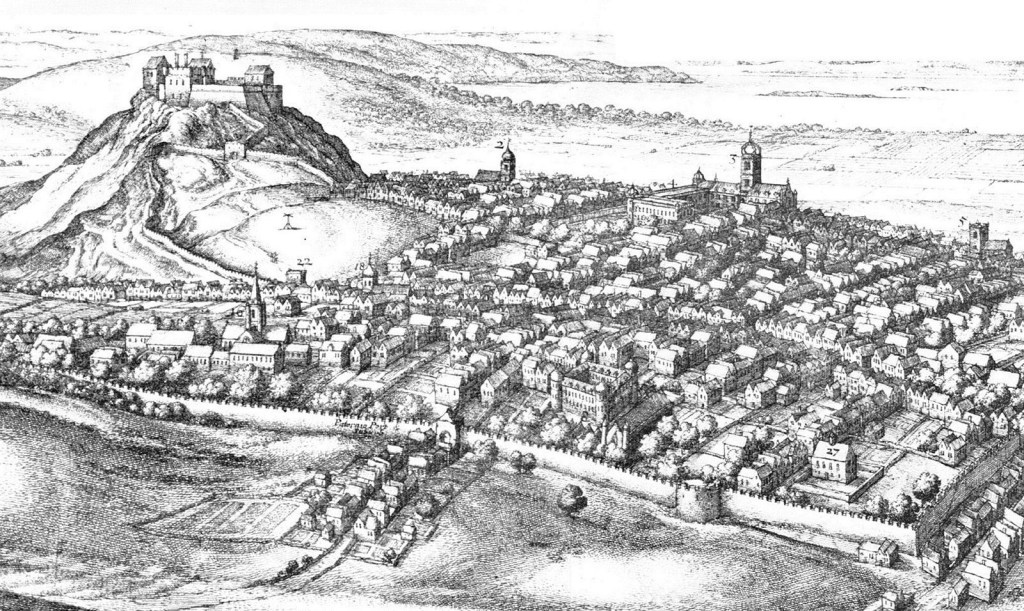
The Citie of Edinburgh from the South (detail) by Wenceslas Hollar (1670). Wikipedia
- John Witherspoon—was a Scottish-American Presbyterian minister and president of the College of New Jersey, now Princeton University. He was a Founding Father of the United States and the only clergyman to sign the Declaration of Independence. After studying theology at the University of Edinburgh, he served as a pastor in Beith, Ayrshire and Paisley; he was known for his involvement in ecclesiastical debates. In 1768, he crossed the Atlantic to become president of the College of New Jersey, revitalising the institution by expanding its curriculum and increasing enrolment. A staunch supporter of American independence, Witherspoon was active in political affairs, serving in the Continental Congress and advocating for independence. He authored numerous works on religious and political subjects, including Ecclesiastical Characteristics and Considerations on the Nature and Extent of the Legislative Authority of the British Parliament.
- The New Zealand city of Dunedin’s Scottish connection, is that it is named after…
- Edinburgh—Dunedin’s name comes from the Scottish Gaelic name for Edinburgh, Dùn Èideann, which means “fort of Edin”. The name “Edin” derives from the Cumbric word Eidyn, referring to the region and its hillfort, Din Eidyn, located at Castle Rock.
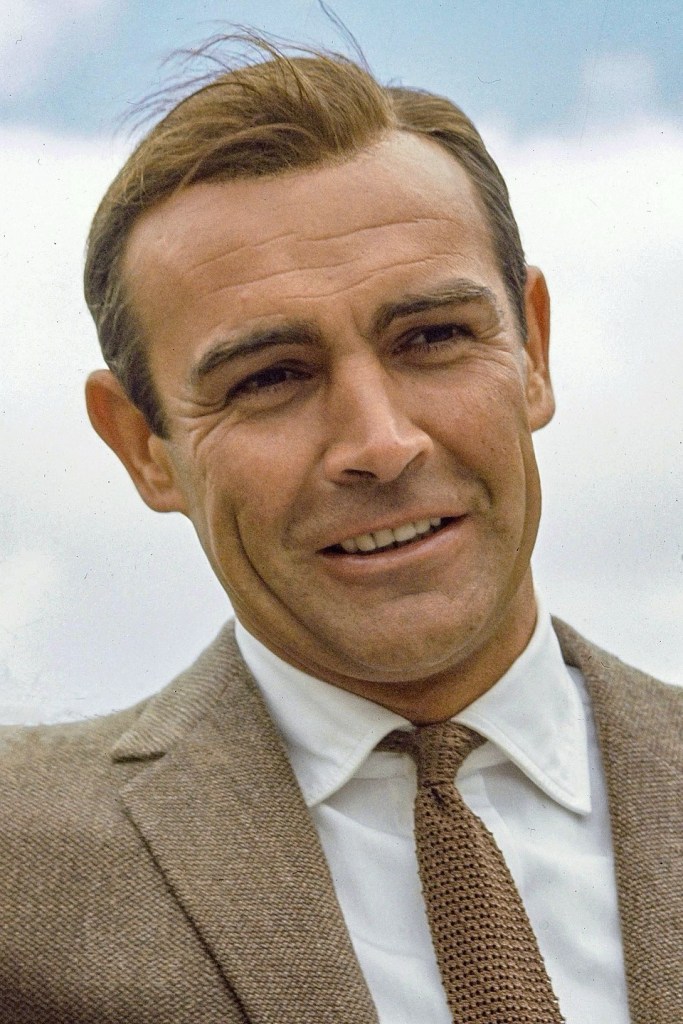
- This Scottish-born actor received an Academy Award for Best Supporting Actor for his role as Jimmy Malone in a 1987 film; he was…
- Sean Connery—Sir Sean Connery, a Scottish actor, gained international fame for his role as James Bond. He also starred in films by Hitchcock, Lumet and Huston, winning an Academy Award—Best Supporting Actor as Jimmy Malone in The Untouchables)—and a knighthood.
Skye Boat Song
The post title is a line taken from the beginning of The Skye Boat Song which was composed in the late 19th century and recalled the journey of Bonnie Prince Charlie from Benbecula, an Atlantic island of the Outer Hebrides, to the Isle of Skye.
Skye Boat Song
Speed bonnie boat like a bird on the wing
Onward the sailors cry
Carry the lad that's born to be king
Over the sea to Skye

Loud the winds howl loud the waves roar
Thunderclaps rend the air
Baffled our foes stand by the shore
Follow they will not dare

Speed bonnie boat like a bird on the wing
Onward the sailors cry
Carry the lad that's born to be king
Over the sea to Skye

Many's the lad fought on that day
Well the claymore could wield
When the night came silently lay
Dead in Culloden's field

Speed bonnie boat like a bird on the wing
Onward the sailors cry
Carry the lad that's born to be king
Over the sea to Skye

Though the waves leap soft shall ye sleep
Ocean's a royal bed
Rock'd in the deep Flora will keep
Watch o'er your weary head

Speed bonnie boat like a bird on the wing
Onward the sailors cry
Carry the lad that's born to be king
Over the sea to Skye

Burned are our homes exile and death
Scattered the loyal men
Yet ere the sword cool in the sheath
Charlie will come again

Speed bonnie boat like a bird on the wing
Onward the sailors cry
Carry the lad that's born to be king
Over the sea to Skye




 Quizology.Online