As usual the answers to my earlier post are shown highlighted below and additionally I have underlined the monetary connection in the relevant answers.
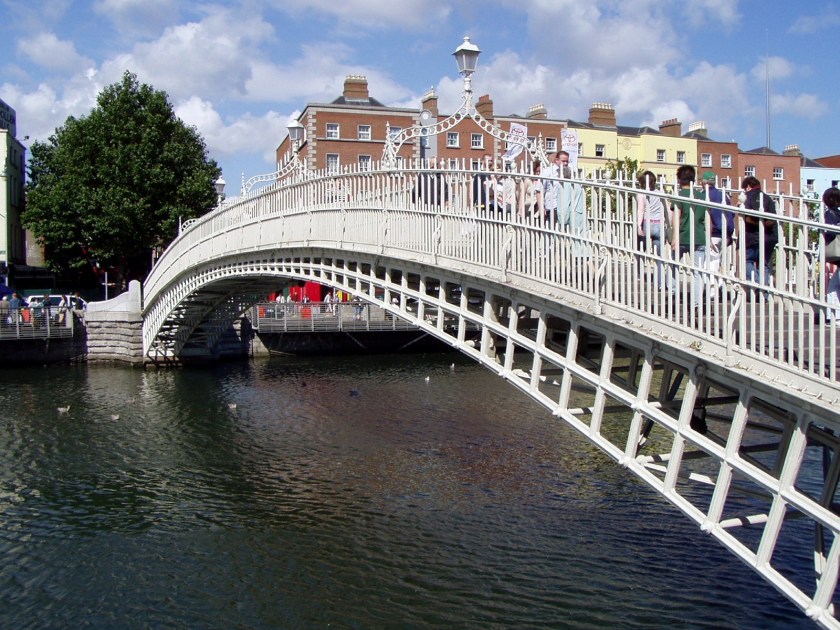
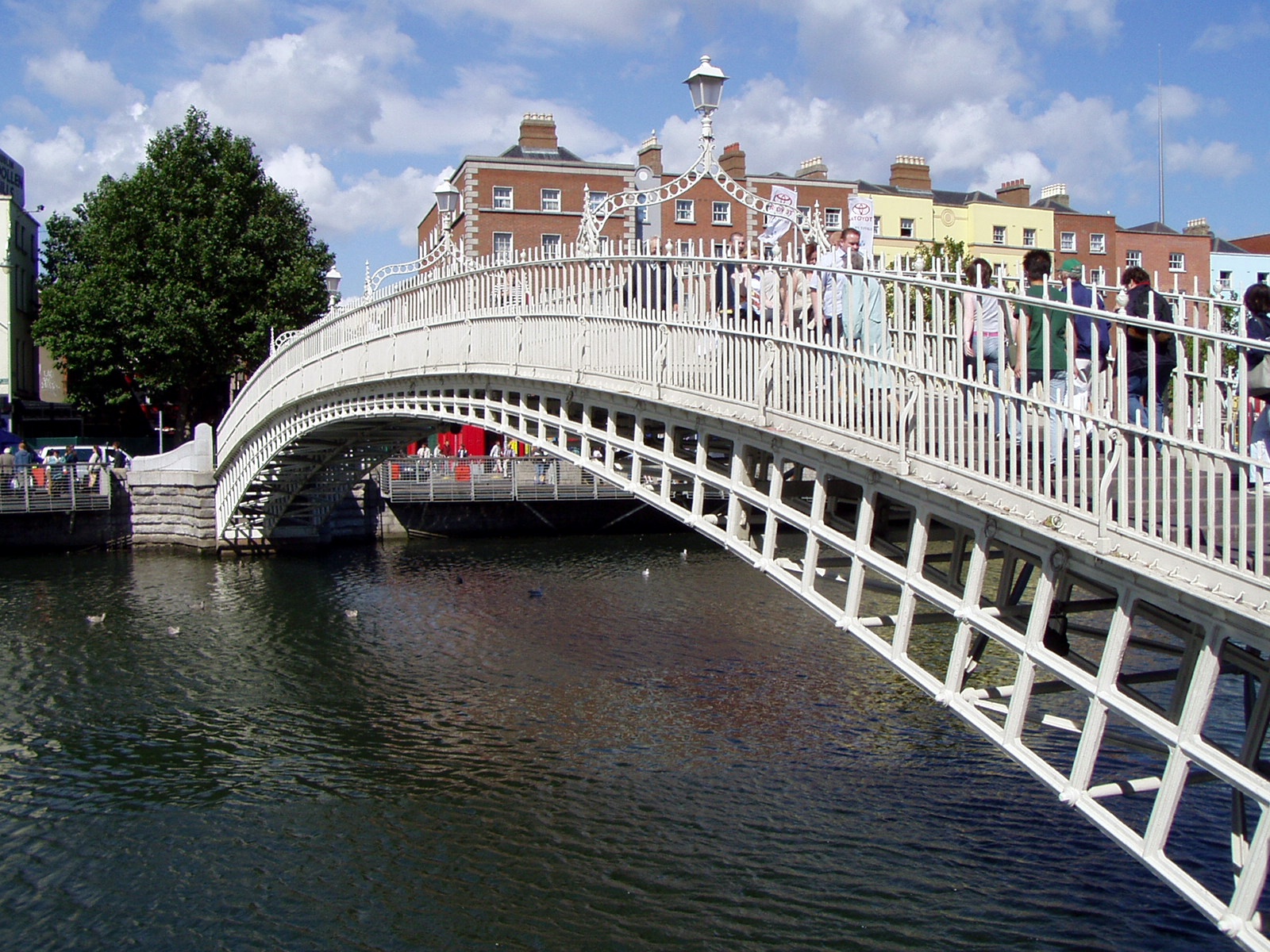
Ha’penny Bridge, River Liffey, Dublin. Image Wikipedia
One
Which pedestrian bridge crossing Dublin’s River Liffey, as shown in the image above, bears a name derived from an old Irish coin?
Answer: Ha’penny Bridge
Ha’penny Bridge. The common name of the bridge derives from the ha’penny toll the bridge’s buider was allowed to charge anyone crossing it for a period of 100 years. Originally named the Wellington Bridge and after the Irish War of Independence renamed as the Liffey Bridge, Droichead na Life, its official name to this day.
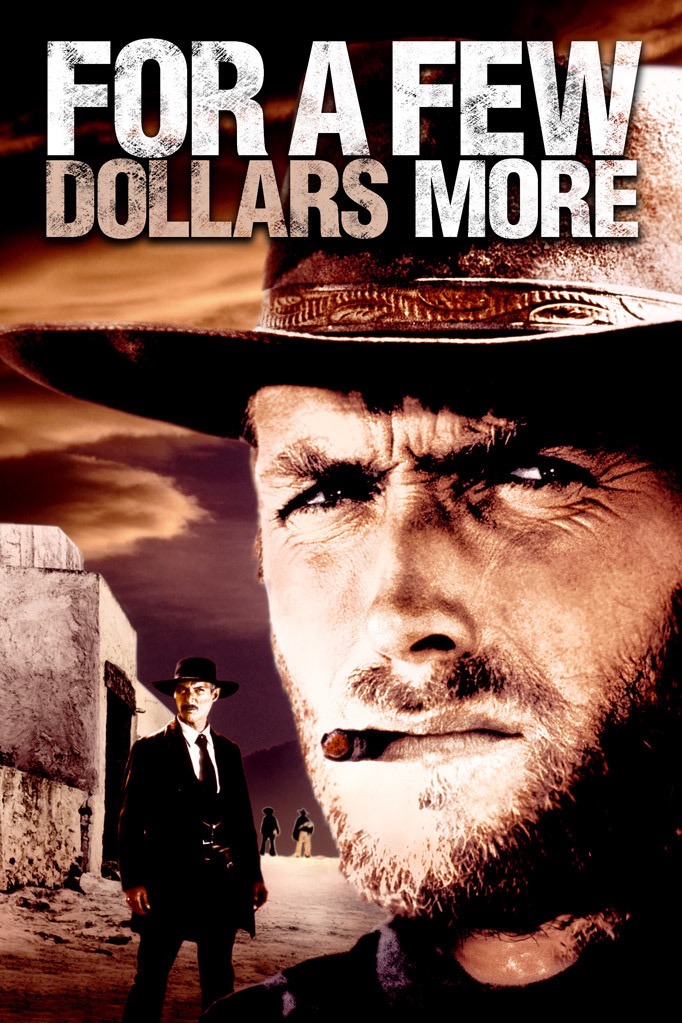
Can you name a 1965 Western film by Sergio Leone, starring Clint Eastwood and Lee Van Cleef as bounty hunters?
Answer: For a Few Dollars More
For a Few Dollars More is a 1965 Spaghetti Western film directed by Sergio Leone, starring Clint Eastwood and Lee Van Cleef as bounty hunters. It was the second instalment of the Dollars trilogy.
There is continent with a name which might derive from words meaning ‘wide-gazing’ or ‘sunset’. Another theory suggests the name is from a Goddess, who was a Phoenician princess. What is this continent?
Answer: Europe
The euro, the currency of the European Union, was introduced in 1999 and became the sole currency of 12 EU member states in 2002. The European Central Bank manages the euro, which is used by 20 EU countries and several non-EU countries. Euro banknotes feature Europa and European symbols, while coins have common and country-specific designs. The euro is the official currency of 20 European Union member states, collectively known as the eurozone. It is also used by several non-EU states and territories, making it the second-largest reserve currency and the second-most traded currency globally. The euro replaced the former European Currency Unit and became the day-to-day currency in 2002.
A 1996 novel by the British writer Ben Elton shares its name with a variety of corn kernel?
Answer: Popcorn
This is the red herring with no monetary connection. Ben Elton’s novel is titled Popcorn.
Popcorn, a variety of corn kernel that expands when heated, is one of the oldest snacks. It is commonly eaten salted, buttered, sweetened, or with artificial flavourings.
The remarkable achievement of a swimmer, the most successful athlete at the 1972 Summer Olympics in Munich, established a record that stood for 36 years. Can you identify the athlete in question?
Answer: Mark Spitz
The mark was most notabally a currency used in Germany until 1999 although Bosnia and Herzegovina currently use the convertible mark as their currency.
Mark Spitz, a retired American competitive swimmer, achieved remarkable success by winning nine Olympic gold medals between 1968 and 1972. Notably, he secured seven Olympic gold medals in Munich, all of which were achieved in world-record times. This remarkable feat stood as a record for an impressive 36 years.
There is a theme related to money today. Four of the answers will contain a coin, a currency etc but there is one red herring which has nothing to do with the theme and is not related to money.
Which pedestrian bridge crossing Dublin’s River Liffey, as shown in the image above, bears a name derived from an old Irish coin?
Two
Can you name a 1965 Western film by Sergio Leone, starring Clint Eastwood and Lee Van Cleef as bounty hunters?
Three
There is continent with a name which might derive from words meaning ‘wide-gazing’ or ‘sunset’. Another theory suggests the name is from a Goddess, who was a Phoenician princess. What is this continent?
Four
A 1996 novel by the British writer Ben Elton shares its name with a variety of corn kernel?
Five
The remarkable achievement of a swimmer, the most successful athlete at the 1972 Summer Olympics in Munich, established a record that stood for 36 years. Can you identify the athlete in question?
The answers to my earlier post are shown highlighted below.
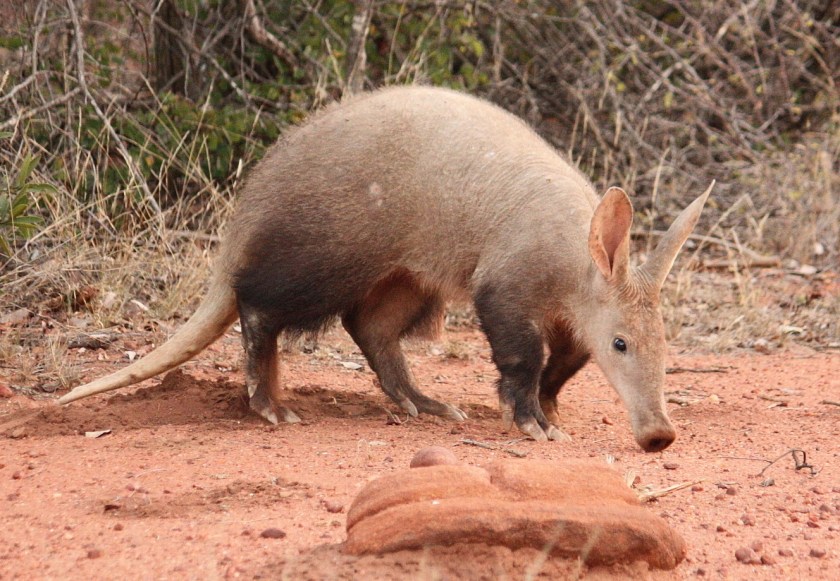
Aardvark (Orycteropus afer) in the Bushveld, Limpopo, South Africa. Image Wikipedia
One
What animal is pictured above?
Aardvark
Bonito
Coypu
Answer: Aardvark
Aardvarks are medium-sized, nocturnal mammals native to Africa, using their long proboscis to sniff out ants and termites. They are the only living species of the family Orycteropodidae and the order Tubulidentata, and are not closely related to pigs or anteaters despite superficial similarities.
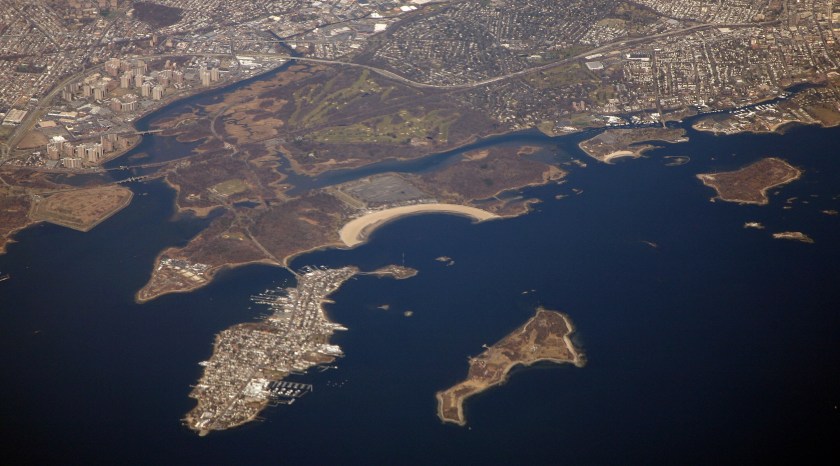
Aerial view of Pelham Bay Park (pictured centre left). Image Wikipedia
Two
According to NYC Parks, the largest public park in New York City is…
Central Park, Manhattan
Marine Park, Brooklyn
Pelham Bay Park, Bronx
Answer: Pelham Bay Park
Pelham Bay Park, the largest public park in New York City, spans 2,765 acres in the Bronx. It features peninsulas, a lagoon, and recreational areas such as Orchard Beach and golf courses. The park has a rich history, having been part of Anne Hutchinson’s colony and later playing a role in the Revolutionary War.
In contrast, Brooklyn’s Marine Park covers 798 acres, while Central Park is an impressive 843 acres.
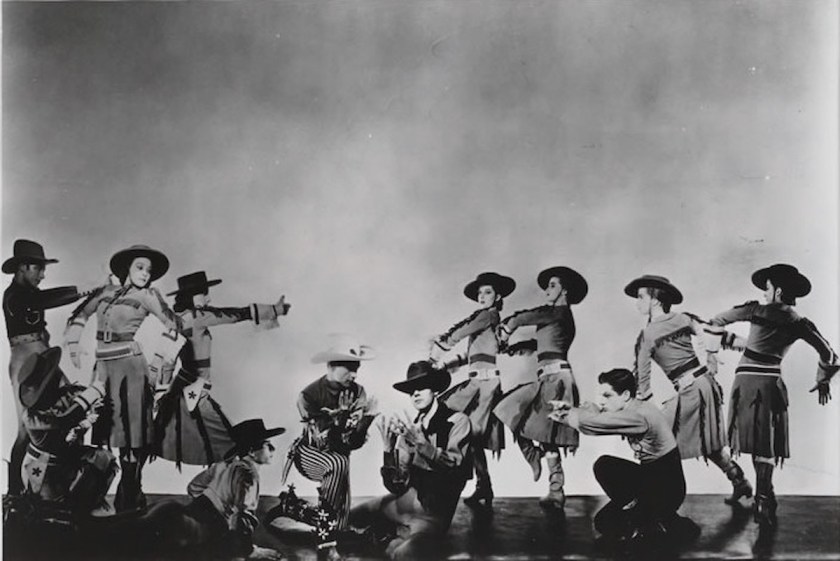
Billy the Kid, ballet by Aaron Copland (Premiere 1938). Image aaroncopland.com
Three
Aaron Copland composed which 1938 ballet?
Billy the Kid
The Gunfight at the OK Corral
Wild Bill
Answer: Billy the Kid
Aaron Copland’s 1938 ballet Billy the Kid, commissioned by Lincoln Kirstein and choreographed by Eugene Loring, is a popular and widely performed piece. It incorporates cowboy tunes and American folk songs, portraying the ‘Wild West’ through the figure of Billy the Kid.
Four
In what year, and where, was Rift Valley fever first identified?
1851, Japan
1931, Kenya
2011, Laos
Answer: 1931, Kenya
The virus was first identified in 1931 during an investigation into an epidemic among sheep in the Rift Valley of Kenya. It is a viral disease transmitted through contact with infected animal blood, raw milk, or mosquito bites. Symptoms range from mild fever and muscle pain to severe complications like blindness, brain infections, and bleeding, with a 50% fatality rate for those with bleeding. Outbreaks occur in Africa and Arabia, typically during rainy periods.
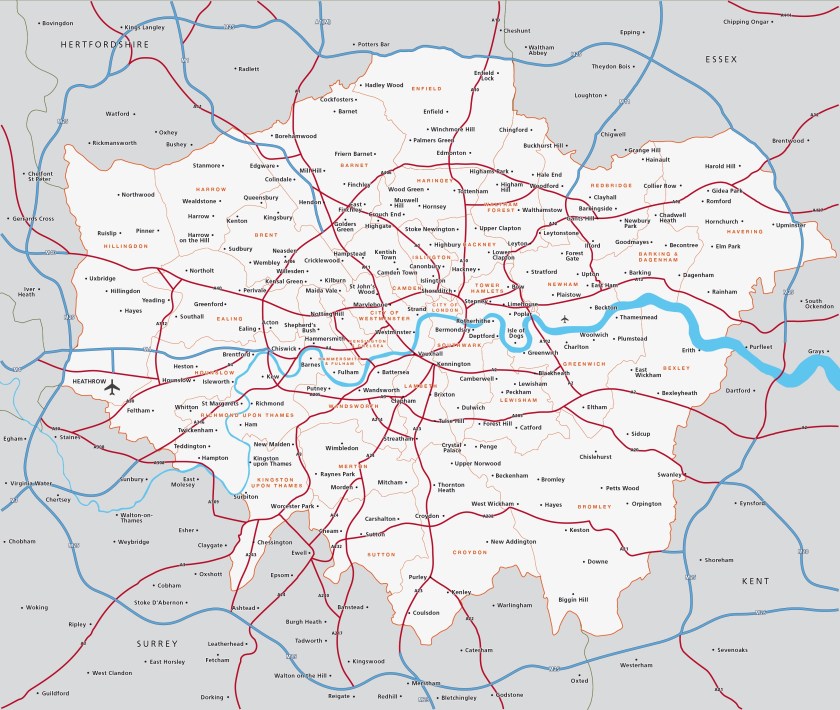
City of London within London (in centre of image). Image Maproom
Five
What is the approximate area of the City of London?
1 square mile
11 square miles
111 square miles
Answer: 1 square mile
The City of London, or “the City,” is the historic centre of London, containing historic sites like St Paul’s Cathedral and the London Stock Exchange. It is the smallest ceremonial county and local government district in England, with an area of 1.12 sq mi, earning it the nickname the Square Mile.
Which Spanish Nobel laureate wrote the novels The Family of Pascual Duarte, The Hive and Christ Versus Arizona?
Camilo José Cela
Mario Vargas Llosa
Patrick Modiano
Answer: Camilo José Cela
Camilo José Cela y Trulock, a Spanish novelist and poet, was awarded the 1989 Nobel Prize in Literature for his prose. He was associated with the Generation of ’36 movement.
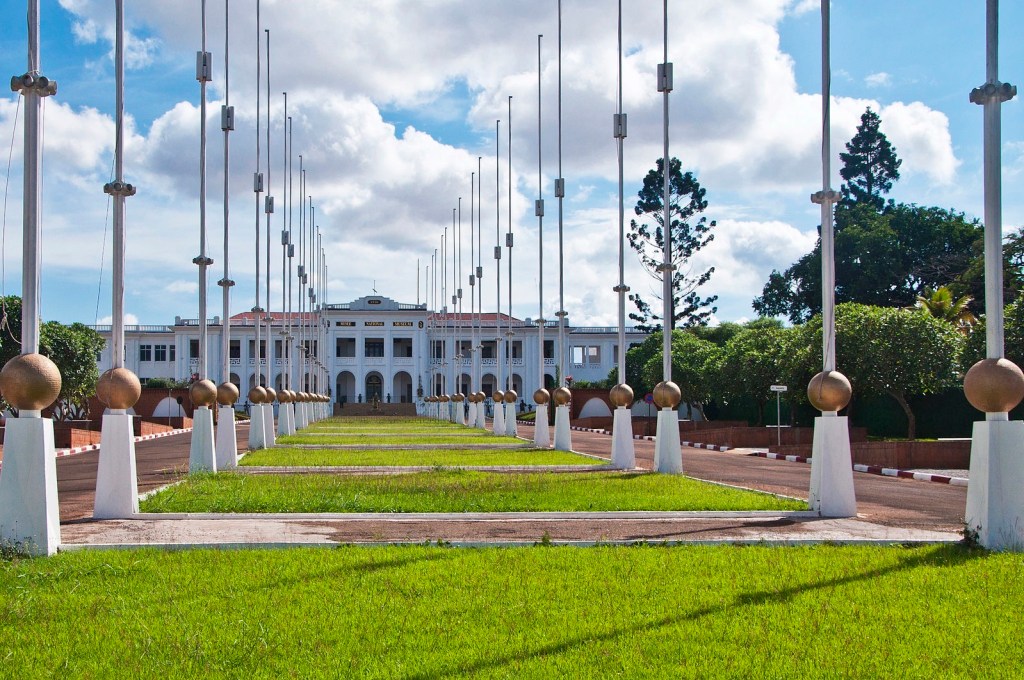
National Museum of Cameroon, Yaoundé. Image Wikipedia
Two
Yaoundé is the capital of which French-speaking West African country?
Answer: Cameroon
Yaoundé, the capital of Cameroon, is the second-largest city with a population of over 2.8 million. Founded as a German trading post in 1887, it became the French colonial capital in 1922 and the seat of government for independent Cameroon in 1960.
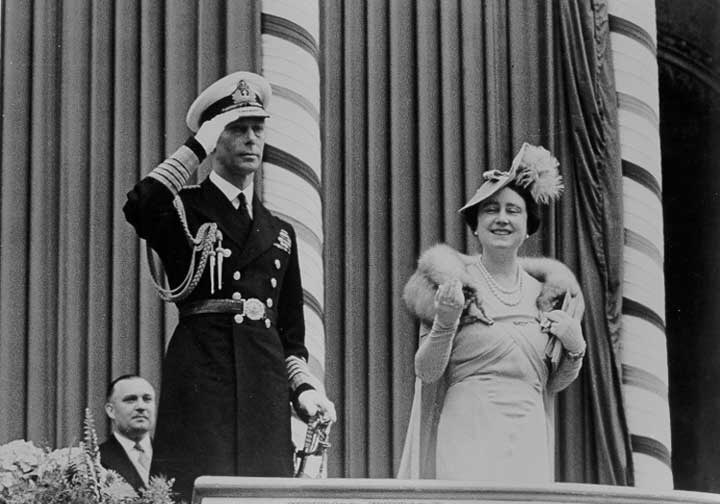
King George VI and Queen Elizabeth acknowledge the crowds at Toronto City Hall during the 1939 Royal Tour of Canada. Image Wikipedia
Three
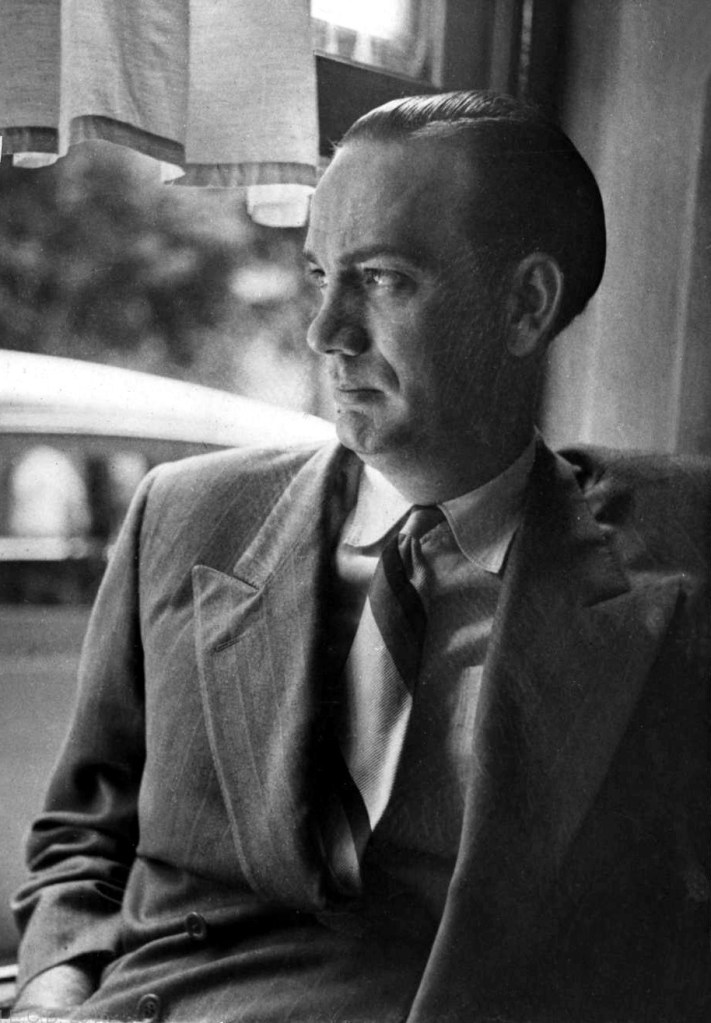
Camilla is Queen Consort of the United Kingdom and the 14 other Commonwealth realms as the wife of King Charles III. Who was the last person to be Queen consort of these realms?
Answer: Elizabeth (Elizabeth Bowes-Lyon wife of George VI and later Queen Elizabeth the Queen Mother)
Elizabeth Bowes-Lyon married Prince Albert, the second son of King George V and Queen Mary. When King Edward VIII abdicated in 1936, Prince Albert became King George VI, and Elizabeth, as his wife, became Queen Consort of the United Kingdom and the British Commonwealth. She was also the last Empress of India. After her husband’s death in 1952, her daughter Elizabeth became queen regnant, or queen in her own right. She reigned as Elizabeth II, and to avoid confusion, her mother was styled as Queen Elizabeth The Queen Mother.
Captain Archibald Haddock, introduced in The Crab with the Golden Claws, is Tintin’s best friend and a seafaring captain. Initially depicted as alcoholic, he becomes more respectable and heroicand quickly evolved into a loyal companion to Tintin. Hergé developed Haddock’s character, giving him a rich ancestry and a home, Marlinspike Hall, to provide a base for future adventures. Haddock’s name was suggested by Hergé’s wife, and his character was based on aspects of Hergé’s friends, adding humour to the Tintin stories.
The Women’s Lacrosse World Cup has been held eleven times, with the United States winning nine of these championships. The remaining two championships were won by which country?
Australia
Belgium
Canada
Answer: Australia
The World Lacrosse Women’s Championship, held every four years, is the international championship of women’s lacrosse. Sponsored by the Federation of International Lacrosse since 2009, it was previously sponsored by the International Federation of Women’s Lacrosse Associations. Australia’s victory over the United States in two finals means the US has been represented in all eleven championship finals.
Which Spanish Nobel laureate wrote the novels The Family of Pascual Duarte, The Hive and Christ Versus Arizona?
Camilo José Cela
Mario Vargas Llosa
Patrick Modiano
Two
Yaoundé is the capital of which French-speaking West African country?
Three
Camilla is Queen Consort of the United Kingdom and the 14 other Commonwealth realms as she is the wife of King Charles III. Who was the last person to be Queen consort of these realms?
Four
The picture at the top of the post is of Tintin’s friend, but what is his full name?
Five
The Women’s Lacrosse World Cup has been held eleven times, with the United States winning nine of these championships. The remaining two championships were won by which country?
The answers to my earlier post are shown highlighted below.
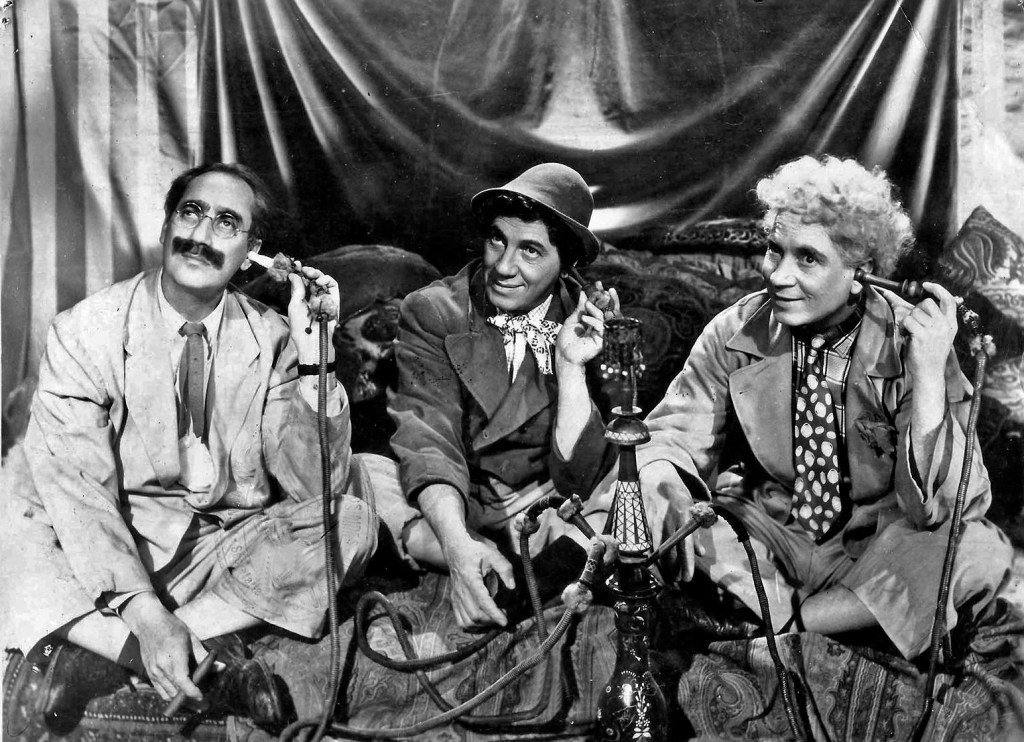
The Marx Brothers. L to R. Groucho, Chico and Harpo. A Night in Casablanca, 1946. Image Wikipedia
One
Out of the three Marx Brothers most commonly seen in films, who was the oldest?
Chico
Groucho
Harpo
Answer: Chico
Chico born March 1887; Harpo, November 1888 and Groucho, October 1890.
Stage names
During a poker game with Art Fisher, the Marx brothers received their stage names. Groucho, Chico and Harpo were all derived from their personalities and interests. Groucho’s notably moody temperament is most commonly attributed to him, while Chico, originally Chicko, gained his reputation for chasing women (or ‘chicks’). Harpo’s name was simply a reference to his harp playing.
Genie in a Bottle, released June 1999, reached No. 1 in record charts in 21 countries for what singer?
Answer Christina Aguilera
Genie in a Bottle is a song by Christina Aguilera, released in 1999 as the lead single from her debut album. The song, which topped charts in 21 countries, explores themes of self-respect and abstinence.
Vitalstatistix is a literary character in what fictional universe?
Answer: Asterix
Chief Vitalstatistix, the Gaulish village chief, is a middle-aged man with a love for food and drink. He is known for his bravery, even-tempered nature, and pride, and is carried on a shield by two unnamed bearers.
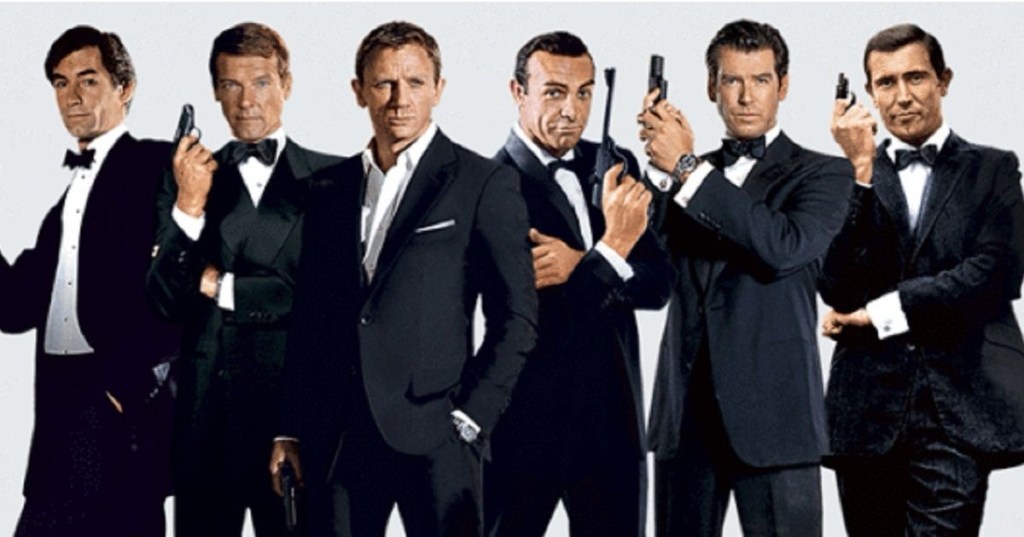
James Bond, a fictional character, is an agent of the British Secret Service, also known as MI6. What do the initials MI stand for?
Answer: Military Intelligence
The Secret Intelligence Service (SIS), commonly known as MI6 (Military Intelligence, Section 6), is the foreign intelligence service of the United Kingdom. Its primary mission is to collect and analyse human intelligence covertly overseas, primarily targeting foreign nationals, to support its Five Eyes partners. SIS is one of the British intelligence agencies, and the Chief of the Secret Intelligence Service (‘C’) is directly accountable to the Foreign Secretary.
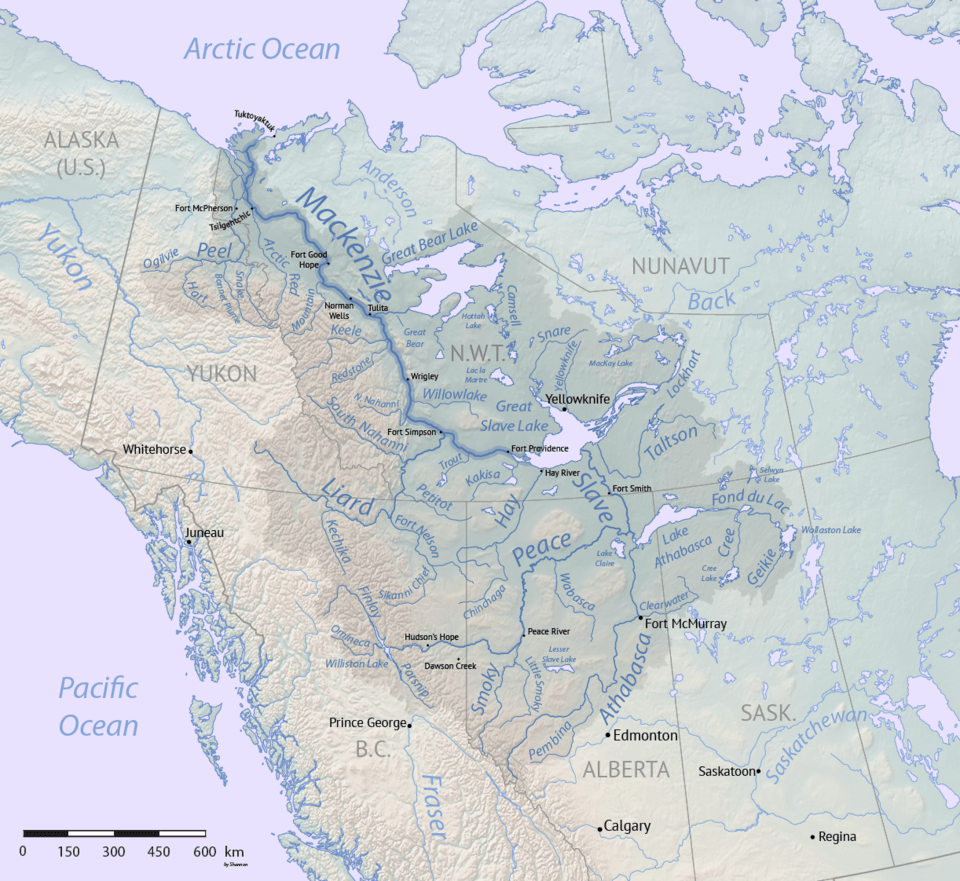
Map of the Mackenzie River system in Canada, made using public domain Natural Earth and Atlas of Canada data. Image Wikipedia/Shannon1
Five
Which of these major North American rivers does not flow into the Pacific Ocean or one of its marginal seas?
Columbia River
Mackenzie River
Yukon River
Answer: Mackenzie River
The Mackenzie River, the longest river system in Canada, flows through the Northwest Territories, draining about 20% of the country. Its main stem is 1,738 kilometres long, flowing north-northwest from Great Slave Lake to the Beaufort Sea, a marginal sea of the Arctic Ocean
The Columbia River flows from the Canadian Rockies into the United States, where it discharges into the Pacific Ocean between the states of Washington and Oregon
The Yukon River rises in British Columbia and flows through Yukon Territory, both in Canada, before crossing into the United States and flowing across the width of Alaska before reaching the Bering Sea, a marginal sea of the Pacific Ocean
The answers to my earlier post are shown highlighted below.
Boeing 737-900. ‘Boeing 100 years strong’, Alaska Airlines. Image Wikipedia
One
On 15 July 1916, in Seattle, Washington, William Boeing and George Conrad Westervelt incorporated…
BoWes Aviation Company
Northwest Airplane Corporation
Pacific Aero Products Company
Answer: Pacific Aero Products Company
William E. Boeing, fascinated by airplanes after seeing one in 1909, bought a shipyard in 1910 and built his first airplane factory. After a crash damaged his Martin seaplane, he built his own, the ‘B&W’, with the help of George Conrad Westervelt and later Wong Tsu. Boeing incorporated his business as Pacific Aero Products Company in 1916 and changed the name to Boeing Airplane Company in 1917.
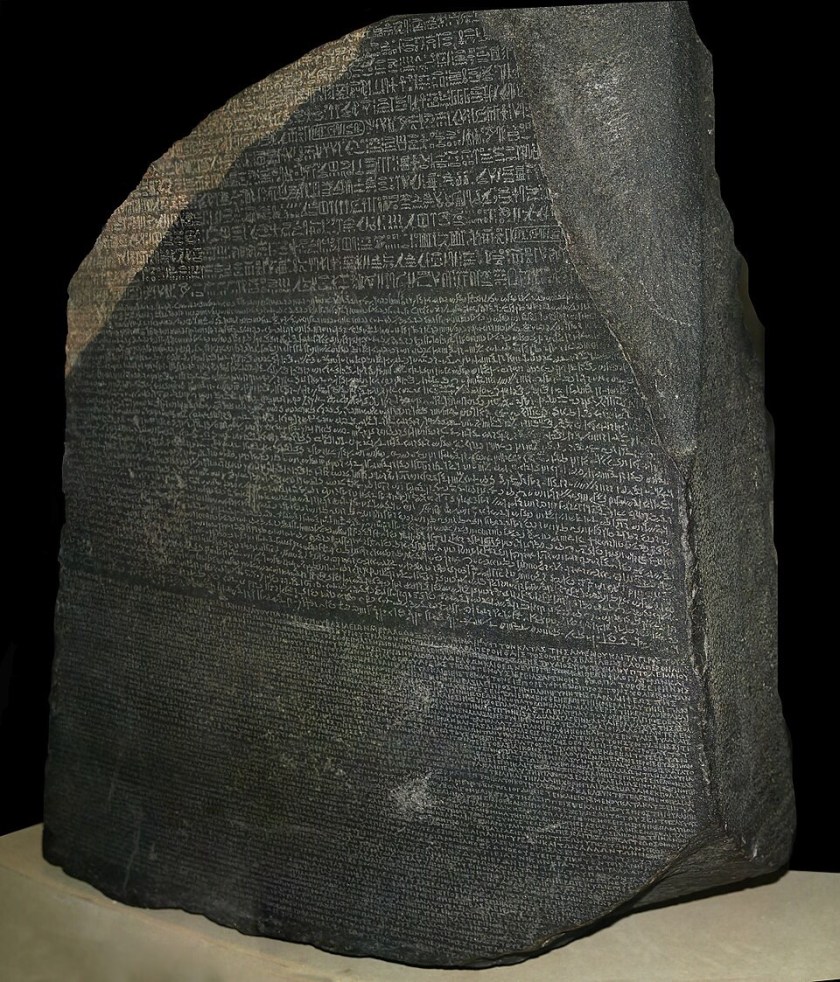
The Rosetta Stone was discovered on 15 July 1799. Where was it found?
Egypt
Greece
Rome
Answer: Egypt
In 1799, French soldiers in Napoleon’s army in Egypt discovered a stone with three inscriptions, including hieroglyphs and Greek, at Fort Julien near Rosetta. The Rosetta Stone, a granodiorite stele, contains a 196 BC decree in hieroglyphic, Demotic and Ancient Greek, aiding in deciphering Egyptian scripts.
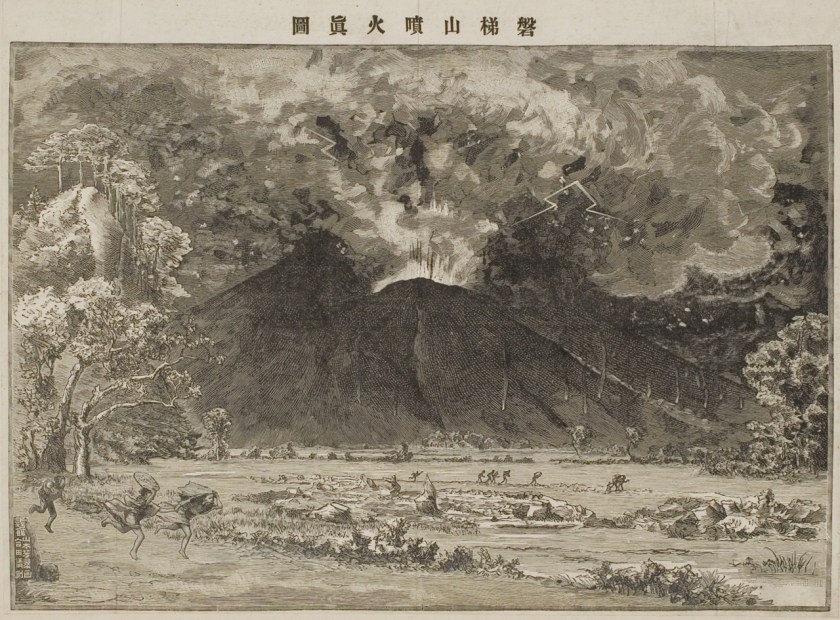
Drawing of the Mount Bandai eruption by Yamamoto Hōsui, 1888. Image Wikipedia
Three
On 15 July 1888, Mount Bandai, a stratovolcano, erupted, resulting in an estimated 500 fatalities. Mount Bandai is located in which country?
Indonesia
Japan
Philippines
Answer: Japan
On 15 July 1888, Mount Bandai in the Iwashiro Province (now part of Fukushima Prefecture) in the Empire of Japan erupted. The eruption, preceded by earthquakes, caused pyroclastic flows that buried villages and devastated the eastern part of the Bandai region. The tragedy resulted in at least 477 fatalities and hundreds of injuries.
Mariner 4: Image No. 11, Mariner Crater. Image NASA
Four
On this day in 1964, a NASA space probe took the first close-up pictures of another planet and began transmitting them back to Earth the following day. What planet was photographed?
Mercury
Venus
Mars
Answer: Mars
Picture No. 11 of the Mariner sequence must surely rank as one of the most remarkable scientific photographs of this age. – ROBERT B. LEIGHTON. Mariner 4 Principal Investigator, Caltech, speaking at the White House. July 29, 1965
Mariner 4: Image No. 11, Mariner Crater (shown above) This photo clearly showed craters upon craters — and nothing else — a “scientifically startling fact,” according to the Mariner imaging team. They saw a desolate landscape that had scarcely changed in 2 to 5 billion years, an environment more like the lifeless Moon than any place on Earth. They called the revelation “profound,” not just for what it suggested about Mars’ past and present, but because it “further enhances the uniqueness of Earth within the solar system.” NASA
Monty Python members Terry Gilliam, Michael Palin and Terry Jones performing The Spanish Inquisition sketch during the 2014 Python reunion. Image Wikipedia
Five
The Spanish Inquisition was officially disbanded on 15 July 1834. How many years had it been in operation?
241
298
356
Answer:
The Spanish Inquisition, established in 1478 by the Catholic Monarchs, aimed to maintain Catholic orthodoxy and replace the Medieval Inquisition. It targeted heretics, particularly those who converted from Judaism and Islam, leading to forced conversions, torture, executions, and mass expulsions. The Inquisition, which lasted until 1834, expanded to other Spanish territories and targeted various offences, resulting in around 150,000 prosecutions and 3,000 to 5,000 executions.












 in the Bushveld, Limpopo, South Africa. Image Wikipedia https://upload.wikimedia.org/wikipedia/commons/f/f0/Orycteropus_afer_175359469.jpg)