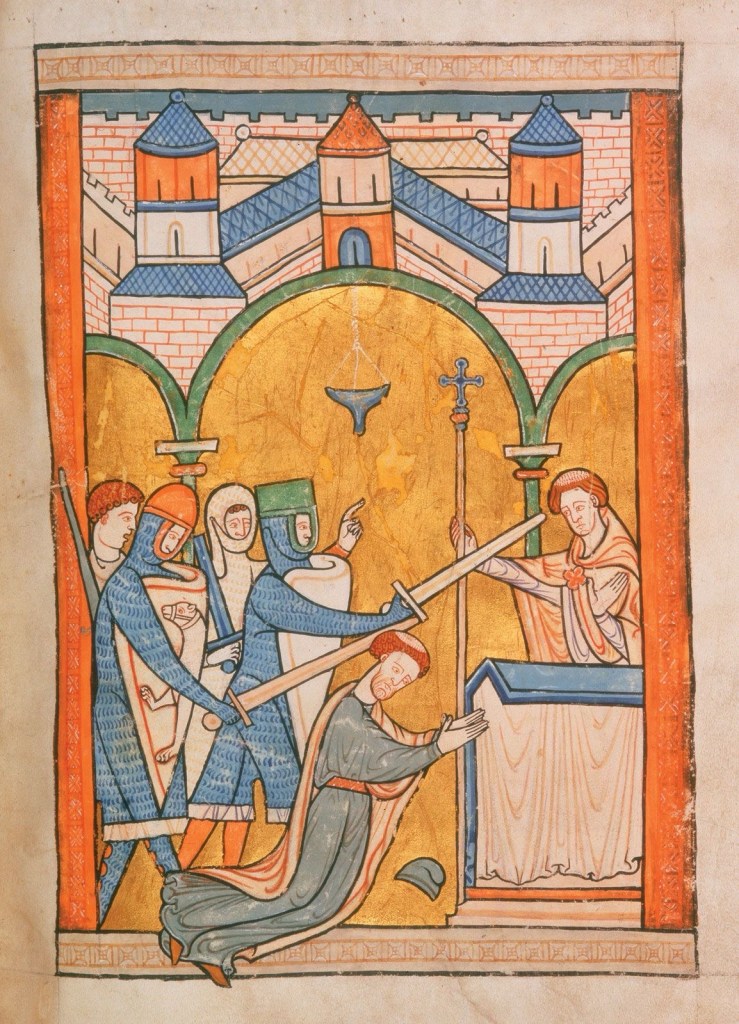
Four knights—Reginald FitzUrse, Hugh de Morville, William de Tracy and Richard le Breton—were responsible for an assassination in England on this date in 1170. Who was the victim of this assassination?
Answer: Thomas Becket
St. Thomas Becket, chancellor of England and archbishop of Canterbury, clashed with King Henry II, leading to his murder in 1170. He is venerated as a saint and martyr in the Roman Catholic Church and the Anglican Communion.
Two
In 1890, the Wounded Knee massacre resulted in 300 Lakota deaths on the Pine Ridge Indian Reservation. Which US state is Wounded Knee located in, and which US regiment was responsible for this massacre?
Answer: South Dakota; 7th Cavalry Regiment
The Wounded Knee massacre is widely regarded as marking the end of the Indian Wars, a series of conflicts between the United States and Native American tribes that spanned much of the 19th century.
Three
In 1911, after gaining independence, the 8th Jebtsundamba Khutughtu was enthroned as Khagan. This took place in which country?
Answer: Mongolia
The 8th Jebtsundamba Khutughtu became both the spiritual and temporal leader of the newly independent state, establishing a theocratic government that lasted until Mongolia fell under strong influence from the Soviet Union.
Four
1860 – The launch of HMS Warrior, with her combination of …, … and …, renders all previous warships obsolete
The above quote from Wikipedia is missing the three factors which rendered previous warships obsolete. What were these factors?
Answer: Screw propeller, iron hull and iron armour
HMS Warrior demonstrated that ironclad, steam-powered warships were superior to traditional wooden sailing vessels, prompting navies worldwide to rapidly abandon older ship designs.
Five
According to his own account, which Native American woman saved the life of English explorer John Smith in 1607 by pleading with her father, the Powhatan leader Wahunsenacawh?
Answer: Pocahontas
Pocahontas was the daughter of Wahunsenacawh, the paramount chief of the Powhatan Confederacy, and her dramatic rescue of John Smith is known primarily from Smith’s own later writings—leading historians to debate how literally the event should be interpreted.
Four knights—Reginald FitzUrse, Hugh de Morville, William de Tracy and Richard le Breton—were responsible for an assassination in England on this date in 1170. Who was the victim of this assassination?
Two
In 1890, the Wounded Knee massacre resulted in 300 Lakota deaths on the Pine Ridge Indian Reservation. Which US state is Wounded Knee located in, and which US regiment was responsible for this massacre?
Three
In 1911, after gaining independence, the 8th Jebtsundamba Khutughtu was enthroned as Khagan. This took place in which country?
Four
1860 – The launch of HMS Warrior, with her combination of …, … and …, renders all previous warships obsolete.
The above quote from Wikipedia is missing the three factors which rendered previous warships obsolete. What were these factors?
Five
According to his own account, which Native American woman saved the life of English explorer John Smith in 1607 by pleading with her father, the Powhatan leader Wahunsenacawh?
Here are the answers to the questions posed in my earlier post.
Today’s questions all relate to December 24th.
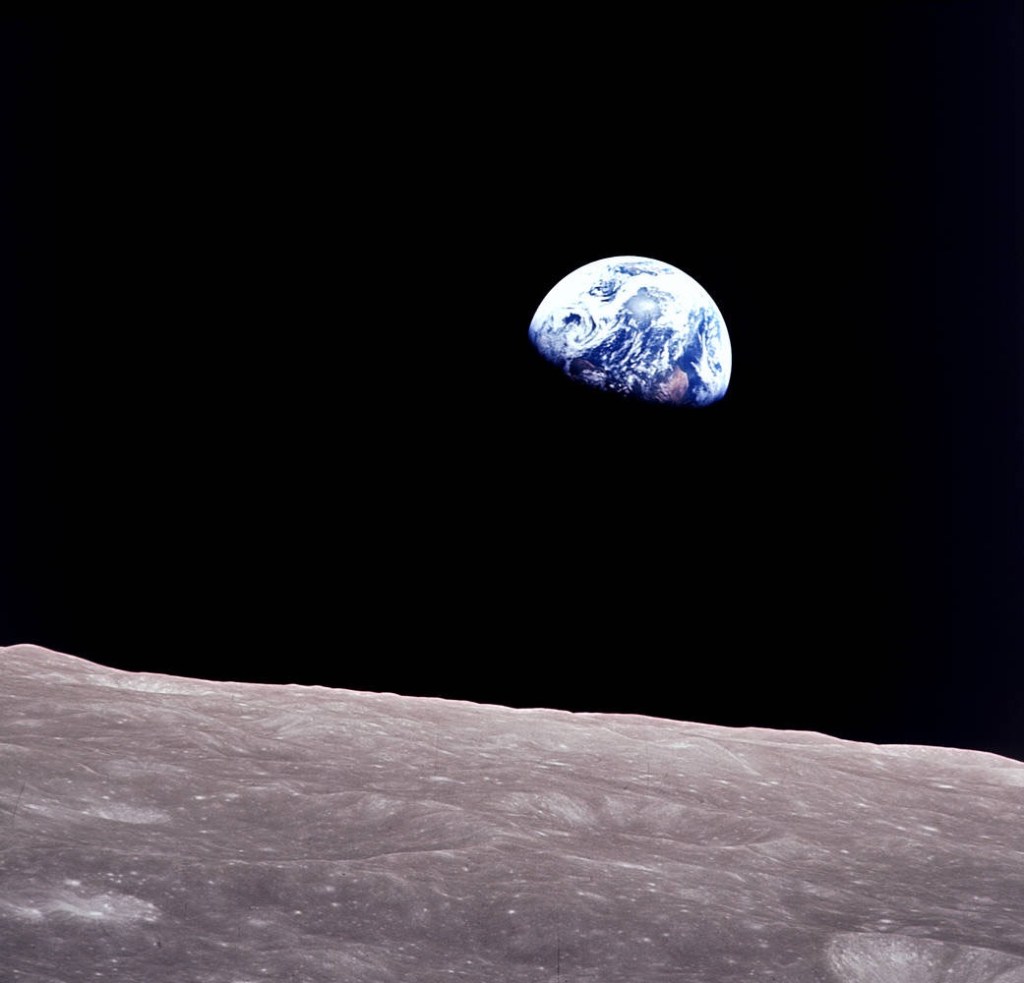
See question 5. Taken aboard Apollo 8 by Bill Anders, this iconic picture shows Earth peeking out from beyond the lunar surface as the first crewed spacecraft circumnavigated the Moon, with astronauts Anders, Frank Borman, and Jim Lovell aboard. Image NASA
One
The Wrong Sort of Bees, published in London’s Evening News on 24 December 1925, introduced a fictional anthropomorphic character to children’s literature and entertainment. Who was this character, and who was the author?
Answer: Winnie-the-Pooh; AA Milne
Winnie-the-Pooh, a fictional teddy bear created by AA Milne and EH Shepard, first appeared in a 1925 children’s story. The character, inspired by Milne’s son’s toy and a bear at London Zoo, became the subject of several books and was later adapted into a successful Disney franchise.
Two
Kiritimati (pronounced Kir-is-Maas) part of the Republic of Kiribati was named by a British naval officer and explorer who visited in 1777. In what ocean is Kiritimati, and who named it?
Answer: Pacific Ocean; Captain James Cook
The name given to it by Captain Cook as he visited on Christmas Eve was Christmas Island. In Gilbertese, ‘Christmas’ is ‘Kiritimati’, the combination ‘ti’ is pronounced as ‘s’.
Three
In which year did the first Christmas truce of World War I occur?
Answer: 1914
The Christmas truce was a series of unofficial ceasefires along the Western Front during World War I.
Four
What armed forces invaded Afghanistan on this day in 1979?
Answer: Soviet Union
Soviet troops invaded Afghanistan in December 1979, supporting the communist government against anti-communist Muslim guerrillas until February 1989.
Five
In 1968, in a television broadcast from space the crew of Apollo 8 read the first ten verses of the Genesis creation narrative from the King James Bible. What specific feat did the Apollo 8 mission achieve?
Answer: The answer is any, or all, of the points listed below
Apollo 8 was the first crewed spacecraft to leave Earth’s gravitational sphere of influence.
It was also the first human spaceflight to reach the Moon.
The crew orbited the Moon ten times without landing.
The three astronauts, Frank Borman, Jim Lovell, and William Anders, were the first humans to see and photograph the far side of the Moon.
They also witnessed and photographed an Earthrise (see image).
On Christmas Eve 1968, the Apollo 8 crew, the first humans to orbit the Moon, read from the Book of Genesis during a live television broadcast from lunar orbit. The reading, which was heard by an estimated one billion people worldwide, was a suggestion from Christine Laitin, the wife of one of those working on the project. Mrs Laitin had been a member of the French Resistance during World War II.
See question 5. Taken aboard Apollo 8 by Bill Anders, this iconic picture shows Earth peeking out from beyond the lunar surface as the first crewed spacecraft circumnavigated the Moon, with astronauts Anders, Frank Borman, and Jim Lovell aboard. Image NASA
One
The Wrong Sort of Bees, published in London’s Evening News on 24 December 1925, introduced a fictional anthropomorphic character to children’s literature and entertainment. Who was this character, and who was the author?
Two
Kiritimati (pronounced Kir-is-Maas) part of the Republic of Kiribati was named by a British naval officer and explorer who visited in 1777. In what ocean is Kiritimati, and who named it?
Three
In which year did the first Christmas truce of World War I occur?
Four
What armed forces invaded Afghanistan on this day in 1979?
Five
In 1968, in a television broadcast from space the crew of Apollo 8 read the first ten verses of the Genesis creation narrative from the King James Bible. What specific feat did the Apollo 8 mission achieve?
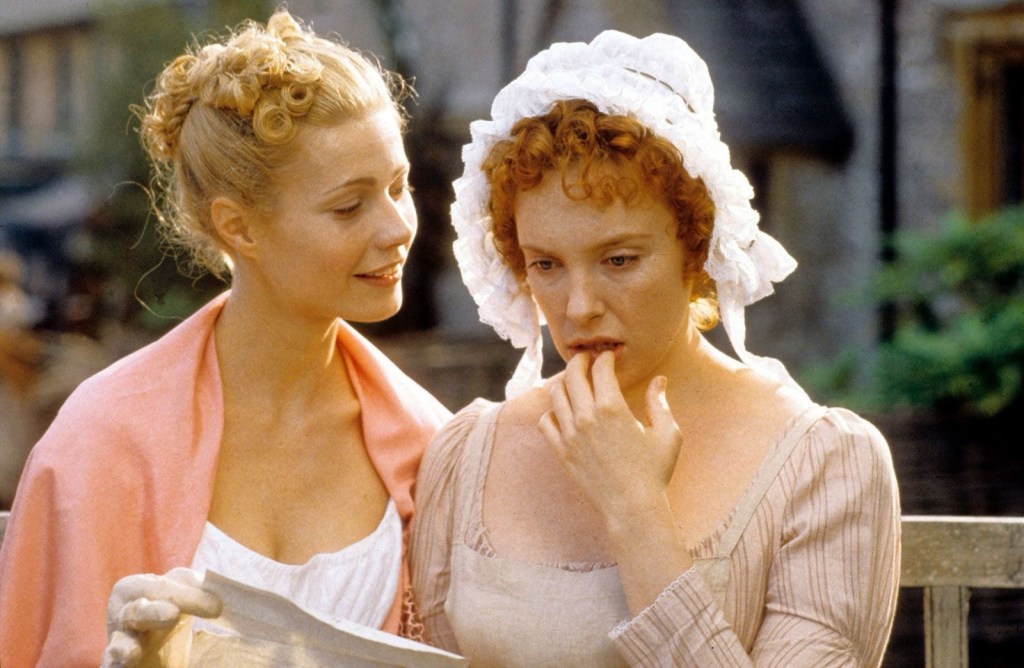
In 1815, Jane Austen published her fourth novel, which was later adapted into a film in 1996. What was the title of the book?
Answer: Emma
Jane Austen’s 1815 novel, Emma, follows the matchmaking misadventures of Emma Woodhouse in the fictional town of Highbury.
Two
Who, born in 1933, became the 125th emperor of Japan in 1989, and how did his reign end in 2019?
Answer: Akihito; abdication
Akihito, the 125th emperor of Japan, reigned from 1989 to 2019. He abdicated in favour of his son, Crown Prince Naruhito.
Three
In 1888, what two artists were involved in ‘the incident at the Yellow House’, and what injury happened to one of them?
Answers: Vincent Van Gogh and Paul Gauguin; Van Gogh cut off part of his left ear
Vincent van Gogh cut off part of his ear in 1888 after a heated argument with fellow artist Paul Gauguin. The incident, possibly linked to van Gogh’s mental health struggles, led to his hospitalisation and Gauguin’s departure from Arles.
Four
In 2001, which South American nation announced the suspension of payments on its external debt marking the largest debt default in history?
Answer: Argentina
Argentina’s economy experienced a severe recession from 1998 to 2002, culminating in a US$93 billion debt default in 2001. This led to a rapid devaluation of the peso, soaring inflation, and a significant drop in GDP.
Five
Joseph Smith, the founder of the Church of Jesus Christ of Latter-day Saints, was born in 1805. Which US state was his birthplace?
Answer: Vermont
Joseph Smith, founder of the Church of Jesus Christ of Latter-day Saints, translated golden plates into the Book of Mormon. His teachings, including revelations and polygamy, were recorded and published.
In 1990, the country whose flag is shown above put into effect its constitution. What is that country?
Answer: Croatia
The Republic of Croatia’s Constitution was promulgated today in 1990. It grants civil rights, including freedom of speech, religion, information, and association, as well as guaranteeing equality of nationalities.
Two
What gate in Berlin was reopened in 1989, having been obstructed and inaccessible during the Cold War?
Answer: Brandenburg Gate
The Brandenburg Gate, a Berlin landmark, symbolises both Germany’s division and reunification. Built in the late 18th century, it was closed off during the Berlin Wall era and reopened in 1989, marking a pivotal moment in German history.
Three
In 1965, Doctor Zhivago premiered. Who played Larissa Ameliava Antipova in the film and whose 1957 novel was the film an adaption?
Answers: Julie Christie; Boris Pasternak
Doctor Zhivago, a 1965 American film directed by David Lean, is a sweeping adaptation of Boris Pasternak’s novel. The film, set against the backdrop of World War I and the Russian Revolution, follows the love story between physician and poet Yury Zhivago and Larissa Ameliava Antipova, ‘Lara’. Despite mixed reviews, the film became a box-office success, known for its grand scale, cinematography, and Maurice Jarre’s score. Boris Pasternak’s novel, Doctor Zhivago, although published in 1957, was banned in the Soviet Union until 1987.
Four
In 1894, Alfred Dreyfus, a French army officer, was sentenced to life imprisonment for treason and sent to Devil’s Island, a remote penal colony, to serve his sentence. Four years later, his case was the subject of a now-famous letter, *J’Accuse…!, *which was published in the French press. Where was Devil’s Island, and who wrote J’Accuse…!?
Answers: French Guiana; Émile Zola
The Devil’s Island penal colony, officially the penal colony of Cayenne, in French Guiana operated from 1852 to 1952. It was notorious for harsh treatment, high mortality rates, and the exile of political prisoners like Captain Dreyfus. Émile Zola’s open letter, J’Accuse…!, published in 1898, accused the French government of antisemitism and the unlawful jailing of Alfred Dreyfus. The letter, published in L’Aurore, sparked international outrage and led to Zola’s prosecution for libel. The letter heightened support for Dreyfus
Five
In 1941, two weeks after Pearl Harbor, the US president and British prime minister met in Washington DC to discuss World War II. Who were these two men?
Answers: Franklin D. Roosevelt and Winston Churchill
The First Washington Conference, attended by Roosevelt and Churchill, prioritised defeating Germany and established the Combined Chiefs of Staff. Allies committed to the Declaration by United Nations, vowing no separate peace and full resource utilisation.
All of these questions are connected to today, December 20th, and all contain the word ‘first’.
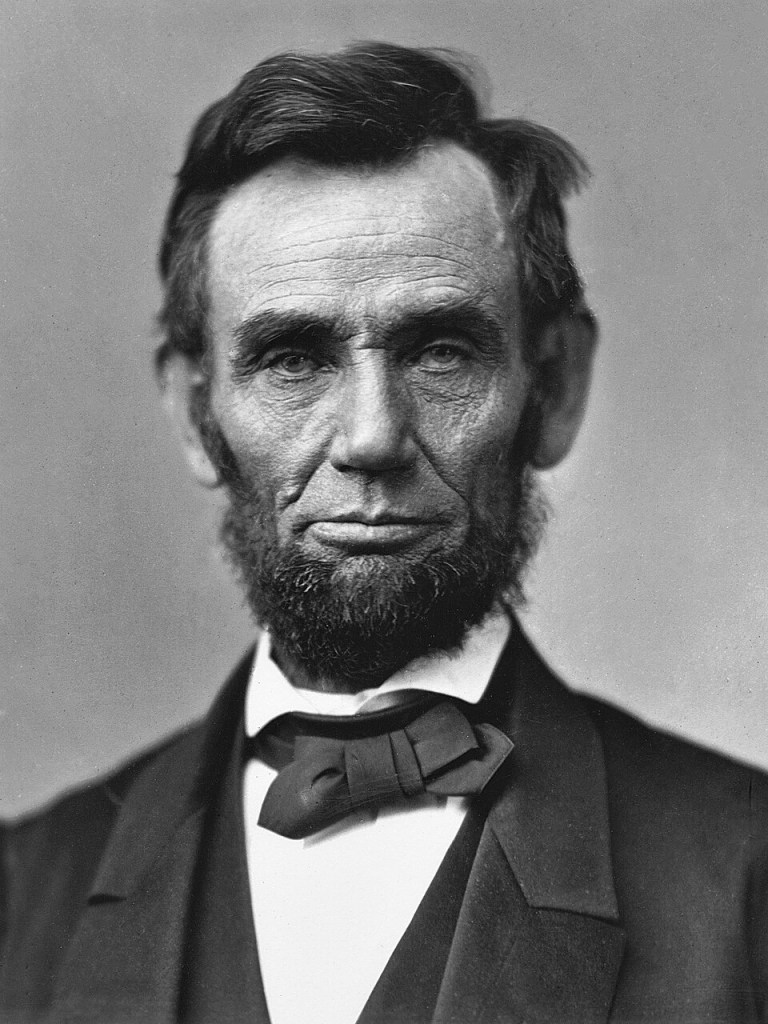
See question 3. Abraham Lincoln, 1863. Image Wikipedia
One
((First voice) I owe everything to George Bailey. Help him, dear Father.
(Second voice) Joseph, Jesus and Mary. Help my friend Mr. Bailey.
(Third voice) Help my son George tonight.
(Fourth voice) He never thinks about himself, God; that’s why he’s in trouble.
(Fifth voice) George is a good guy. Give him a break, God.
(Sixth voice) I love him, dear Lord. Watch over him tonight.
(Seventh voice) Please, God. Something’s the matter with Daddy.
(Eighth voice) Please bring Daddy back.
The individuals quoted praying above form the first lines in a classic film which premiered today in 1946. What was the film?
Answer: It’s a Wonderful Life
It’s a Wonderful Life, a 1946 Christmas film directed by Frank Capra, stars James Stewart as George Bailey. Initially a box office disappointment, the film later became a Christmas classic and is now considered one of the greatest films of all time.
Two
The first tale in an 1812 collection of fairy tales was The Golden Bird. Who published this collection?
Answer: Brothers Grimm
German folklorists Jacob and Wilhelm Grimm, known for Grimm’s Fairy Tales, significantly contributed to folklore study and popularised classic tales. Jacob also made notable contributions to historical linguistics and Germanic philology.
Three
On this date in 1860, following Abraham Lincoln’s election as US president, which state became the first to secede from the Union?
Answer: South Carolina
South Carolina seceded from the Union in 1860, joining the Confederacy and sparking the Civil War. After the war, Reconstruction brought military occupation and disenfranchisement, leading to the rise of Wade Hampton and the ‘Bourbon era’. The conflict between the Up Country and Low Country culminated in the election of Benjamin R. Tillman, who championed agrarian reform, white supremacy, and the disenfranchisement of African Americans.
Four
In what decade was Ethiopia first declared a socialist state under the leadership of Mengistu Haile Mariam?
Answer: 1970s
On 20 December 1974, Mengistu Haile Mariam, an Ethiopian army officer, overthrew the monarchy and established a communist regime. He ruled with an iron fist, implementing the ‘Red Terror Campaign’ and facing armed rebellions, droughts and famines. Facing mounting challenges and dwindling support, Mengistu fled to Zimbabwe in 1991.
Five
In 1996, the horror classic Scream was first released in the United States. Who was the director, and who played the role of Sidney Prescott?
Answers: Wes Craven; Neve Campbell
Scream is a 1996 American slasher film directed by Wes Craven and written by Kevin Williamson. The film, which satirises slasher genre clichés, was a critical and commercial success, grossing approximately $173 million worldwide. It revitalised Craven’s and Drew Barrymore’s careers and spawned a successful franchise.
See question 5. Artist pression of ESA’s Gaia satellite observing the Milky Way, with a background image of the sky compiled from data from more than 1.8 billion stars. Image ESA via Wikipedia
One
… was dead: to begin with. There is no doubt whatever about that.
Published for the first time on this date in 1843, what begins with the quote above and whose surname is missing from the start?
Answer: A Christmas Carol; Marley
A Christmas Carol, a novella by Charles Dickens, recounts the story of Ebenezer Scrooge’s transformation after visits from the ghosts of Christmas Past, Present, and Yet to Come. The novella, published in 1843, was inspired by Dickens’s experiences and the Victorian revival of Christmas traditions. It has never been out of print and has been widely adapted.
Two
Born on this day in 1906, what Soviet leader, along with US President Jimmy Carter, signed the unsuccessful SALT II treaty in Vienna in 1979?
Answer: Leonid Brezhnev
Leonid Brezhnev, a Soviet statesman, led the Soviet Union for 18 years. He prioritised foreign and military affairs, implementing the Brezhnev Doctrine to justify Soviet intervention in Czechoslovakia and expanding the Soviet military-industrial complex. While achieving parity with the US in nuclear weapons and space programmes, Brezhnev’s focus on defence led to economic decline, impacting agriculture, consumer goods and healthcare.
Three
A singer born in Paris, France, on 19 December 1915, came to be known as ‘little sparrow’. Who was she?
Answer: Edith Piaf
Edith Piaf, a French singer and actress, gained international fame for her interpretation of the chanson. Her life, marked by tragedy and hardship, deeply influenced her music, which often reflected themes of loss and love. Despite her struggles with health and addiction, Piaf’s powerful voice and dramatic style captivated audiences, leaving a lasting legacy.
Four
On this day in 1606, Christopher Newport, in command of the Discovery, the Godspeed, and the Susan Constant, sailed from London, England. The following April, they entered a bay—the largest estuary in the United States—and went on to set up the first permanent English settlement in North America. What was the name of the bay and the colony?
Answer: Chesapeake Bay; Jamestown
Newport, a member of the colony’s governing body, led a total five voyages between Virginia and England, bringing supplies and settlers to the Jamestown colony between 1606 and 1611.
Five
In 2013, the European Space Agency launched a spacecraft that could be described as a space telescope or astronomical observatory. Named after the personification of Earth in Greek mythology, what was its name?
Answer: Gaia
Gaia, the Greek personification of Earth, is the mother of Uranus, Pontus, the Titans, Cyclopes and Giants.
From 27 July 2014 to 15 January 2025, Gaia has made more than three trillion observations of two billion stars and other objects throughout our Milky Way galaxy and beyond, mapping their motions, luminosity, temperature and composition. Gaia’s extraordinarily precise three-dimensional map will provide the data needed to tackle an enormous range of important questions related to the origin, structure and evolutionary history of our galaxy.
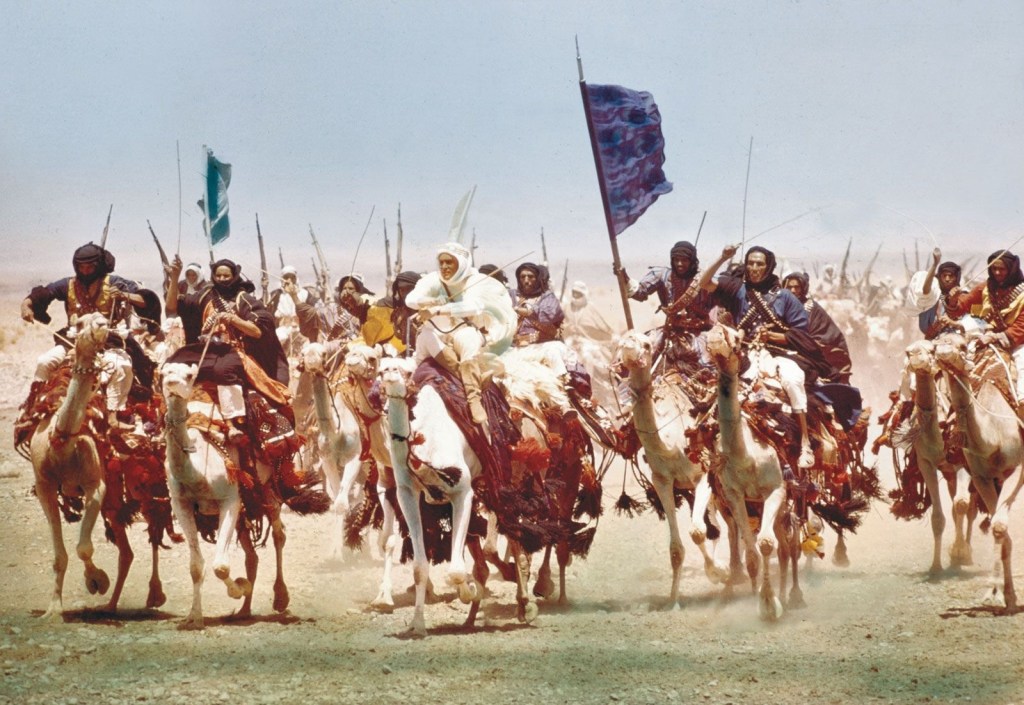
In 1962, David Lean’s Lawrence of Arabia, which went on to became one of the most celebrated epics in the history of cinema, had its world premiere. Who starred as _ _ Lawrence, and what two initials are missing before his surname?
Answer: Peter O’Toole (as) T.E. (Lawrence)
Lawrence of Arabia is a 1962 British historical epic biographical adventure drama film directed by David Lean. It portrays Thomas Edward Lawrence’s experiences in the Ottoman provinces during World War I and his involvement in the Arab National Council. The film, which won seven Academy Awards including Best Picture and Best Director, is widely regarded as one of the greatest films ever made. It follows Lawrence’s journey from a military cartographer to a leader of the Arab Revolt against the Turks, and is renowned for its stunning desert landscapes, shot on location in Jordan, Spain and Morocco.
Two
Which government officially surrendered on this day in 1932 after a month-long battle against thousands of large flightless birds, and what were the birds?
Answer: Australian; Emus
The Emu War was a brief and unsuccessful 1932 military operation in Australia aimed at controlling the emu population, which was damaging crops in Western Australia. Three members of the Royal Australian Artillery were tasked with culling approximately 20,000 emus using machine guns, but the weapons and tactics were ineffective. Despite petitions from local farmers, the campaign, which lasted from November to December, resulted in fewer than 1,000 emus being killed and became a subject of national and international ridicule.
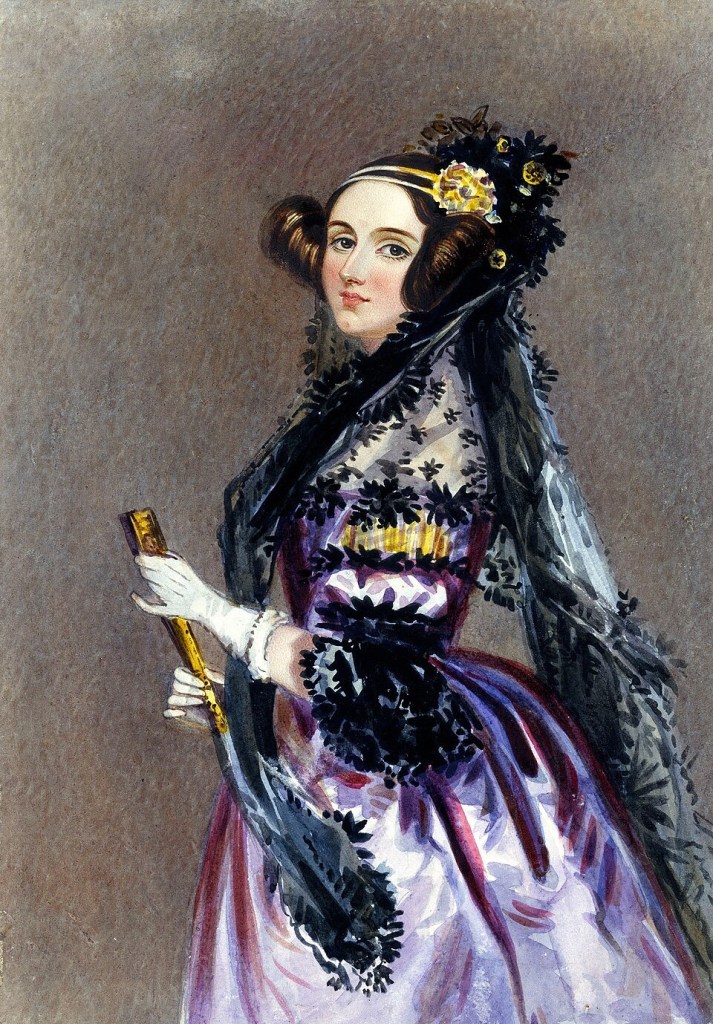
Portrait of Ada, Countess of Lovelace (Ada Lovelace), c1840. Image Wikipedia
Three
Ada Lovelace, often regarded as the first computer programmer, was born in Marylebone, London. In which decade was she born, and who was her famous father?
Answer: 1810s; Lord Byron
Born in 1815, Ada Lovelace, the daughter of the poet Lord Byron, was an English mathematician and writer renowned for her work on Charles Babbage’s Analytical Engine. She recognised its potential beyond mere calculation and developed a vision of computers’ capabilities, leading to her being considered the first computer programmer. Her contributions are celebrated on Ada Lovelace Day.
Four
In 1948, the General Assembly of the United Nations adopted the Universal Declaration of Human Rights. Which former First Lady of the United States chaired the United Nations Commission on Human Rights that was responsible for the drafting of the document?
Answer: Eleanor Roosevelt
The Universal Declaration of Human Rights (UDHR), adopted by the UN General Assembly in 1948, is a foundational document of international human rights law. Drafted by a team including John Humphrey, Eleanor Roosevelt and René Cassin, it comprises 30 articles outlining civil, political, economic, social, and cultural rights. Although not legally binding, the UDHR has achieved significant moral authority and has influenced numerous international treaties and national constitutions.
Five
The first part of the first edition of the Encyclopædia Britannica, the English-language general encyclopaedia, was published and advertised for sale on this day. In what century and in what city did this occur?
Answer: 18th century; Edinburgh,Scotland, United Kingdom
The Encyclopædia Britannica, a general-knowledge English-language encyclopaedia, was first published in Edinburgh, Scotland, in 1768 by a group of Scottish gentlemen. Initially released in three volumes, it introduced a “new plan” by combining treatises on arts and sciences with short articles on technical terms, catering to both serious students and those seeking quick reference material. William Smellie, an Edinburgh printer, is credited with devising this plan and writing or compiling many of the articles. The encyclopaedia transitioned from print to digital in 2012 due to strong competition from digital encyclopaedias like Microsoft Encarta and Wikipedia, yet it maintained its reputation for authoritative and scholarly content and is now available exclusively online.
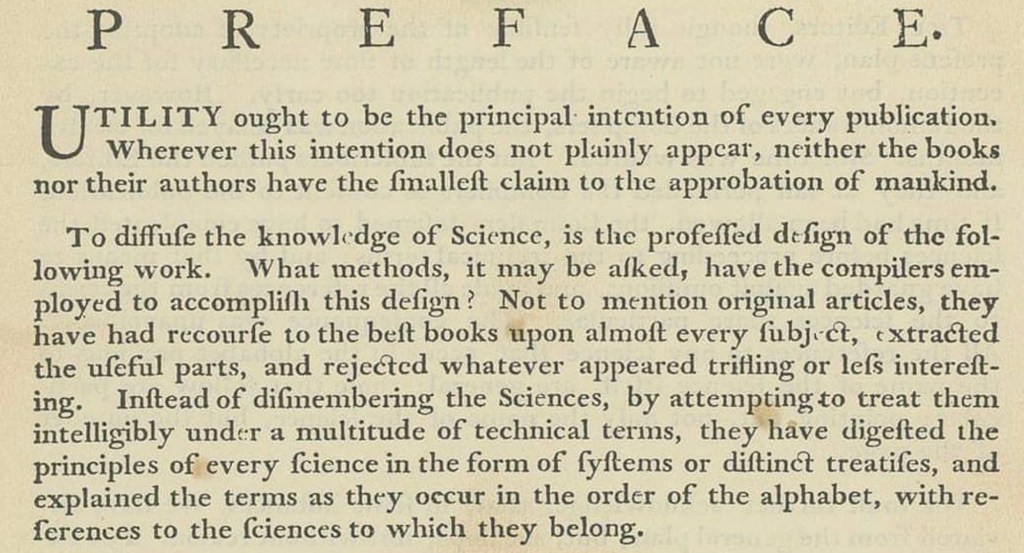
Utility ought to be the principal intention of every publication.
The title of today’s post is the first sentence of the preface to the first edition of Encyclopædia Britannica.
“UTILITY ought to be the principal intention of every publication. Wherever this intention does not plainly appear, neither the books nor their authors have the smallest claim to the approbation of mankind” . So begins the preface to Britannica’s 1st edition, which began publication 250 years ago this month (on December 10, 1768). Encyclopædia Britannica via Instagram


 Quizology.Online