Image Wikipedia
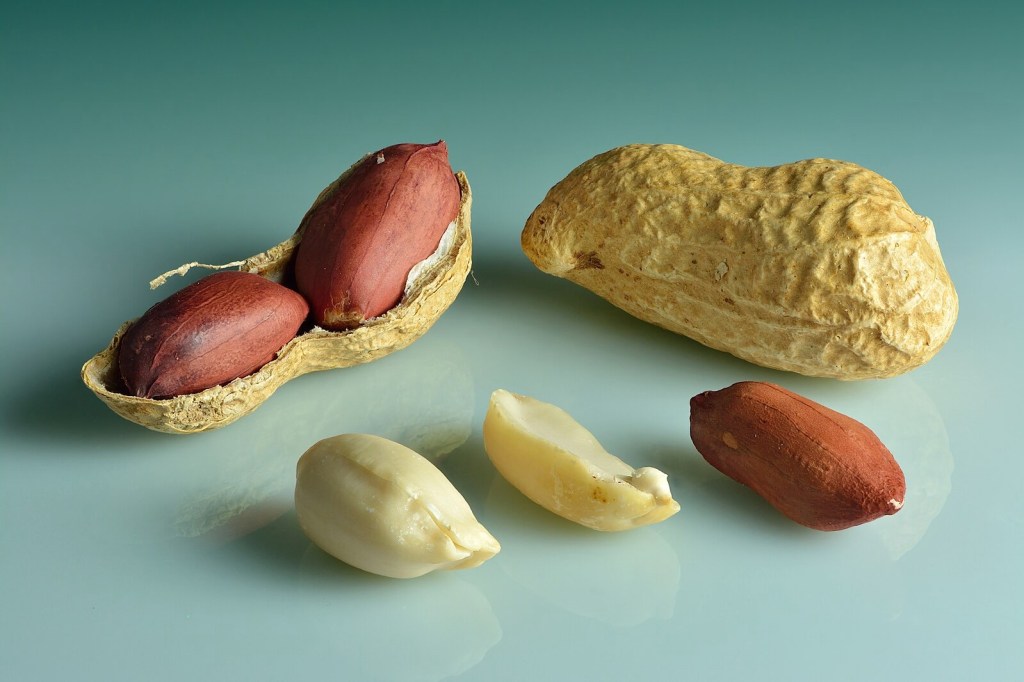
Image Wikipedia
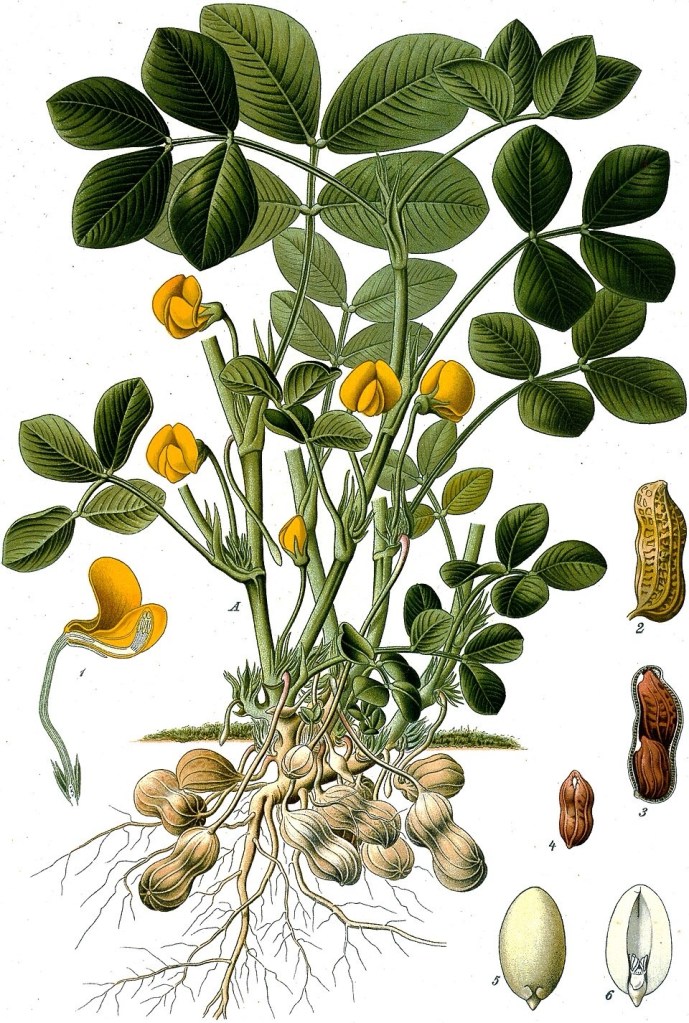
- US President Jimmy Carter was a farmer, what type of farming was he involved in?
- Peanut—Jimmy Carter, the first US president born in a hospital, grew up in Plains, Georgia, and later Archery. He attended the US Naval Academy, graduating in 1946, and served in the Navy until 1953, including a stint in the nuclear submarine programme. After his father’s death, Carter returned to Georgia to take over the family peanut business, facing challenges but eventually becoming successful.
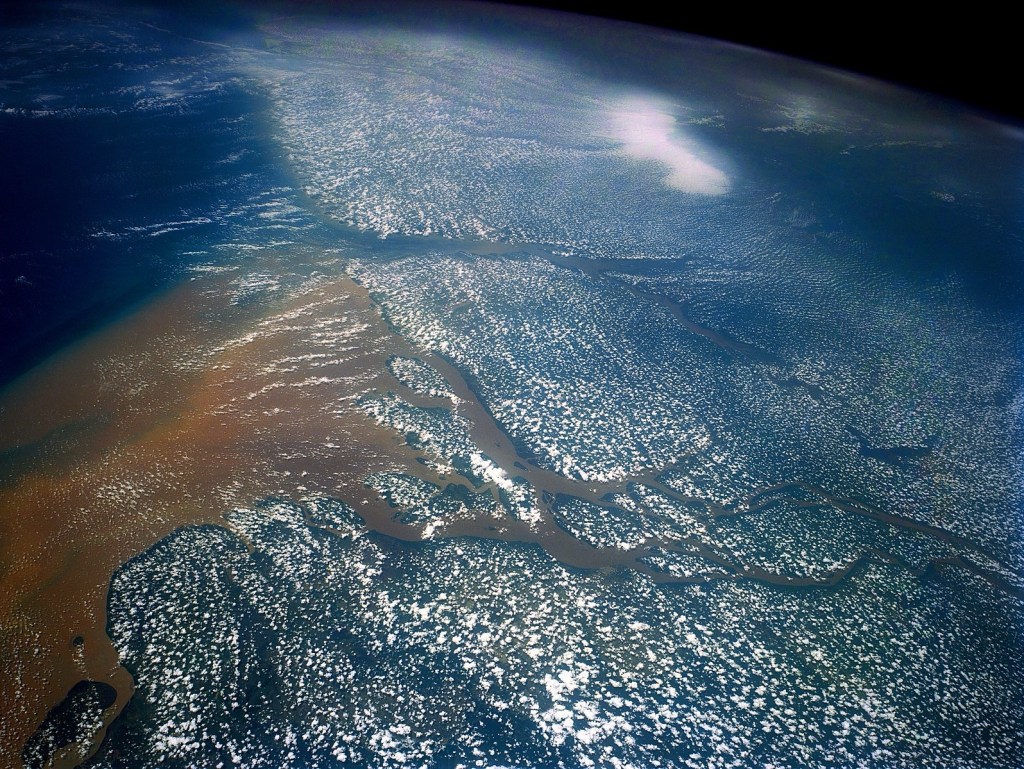
Amazon, which has the greatest discharge of any river, discharging into the Atlantic Ocean.
Image NASA/Wikipedia
- Peanut—Jimmy Carter, the first US president born in a hospital, grew up in Plains, Georgia, and later Archery. He attended the US Naval Academy, graduating in 1946, and served in the Navy until 1953, including a stint in the nuclear submarine programme. After his father’s death, Carter returned to Georgia to take over the family peanut business, facing challenges but eventually becoming successful.
- What the second-largest river on earth by discharge?
- Ganges—is second at 43,950 m$^3$/s following the Amazon’s 224,000| m$^3$/s. The Yangtze comes fifth with 31,900 m$^3$/s and the Mississippi tenth at 21,300 m$^3$/s.
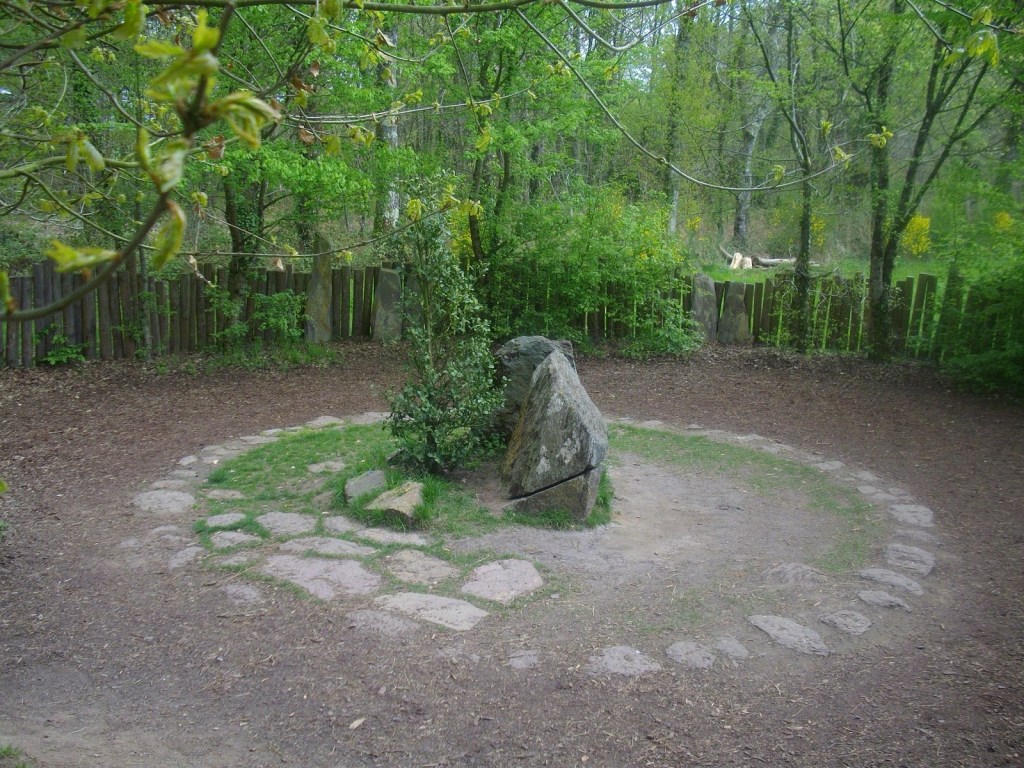
Tomb of Merlin, Forest of Paimpont (Brocéliande).
Image Wikipedia
- Ganges—is second at 43,950 m$^3$/s following the Amazon’s 224,000| m$^3$/s. The Yangtze comes fifth with 31,900 m$^3$/s and the Mississippi tenth at 21,300 m$^3$/s.
- Brittany’s Brocéliande Forest (aka Paimpont Forest) is the site of the tomb of which legendary magical figure?
- Merlin—The forest of Brocéliande, first mentioned in Chrétien de Troyes’s Arthurian romance, is associated with Merlin and Morgan le Fay in later works. Its exact location is debated, with theories placing it in Brittany, specifically near Quintin or in Paimpont forest, with the latter being considered most likely.
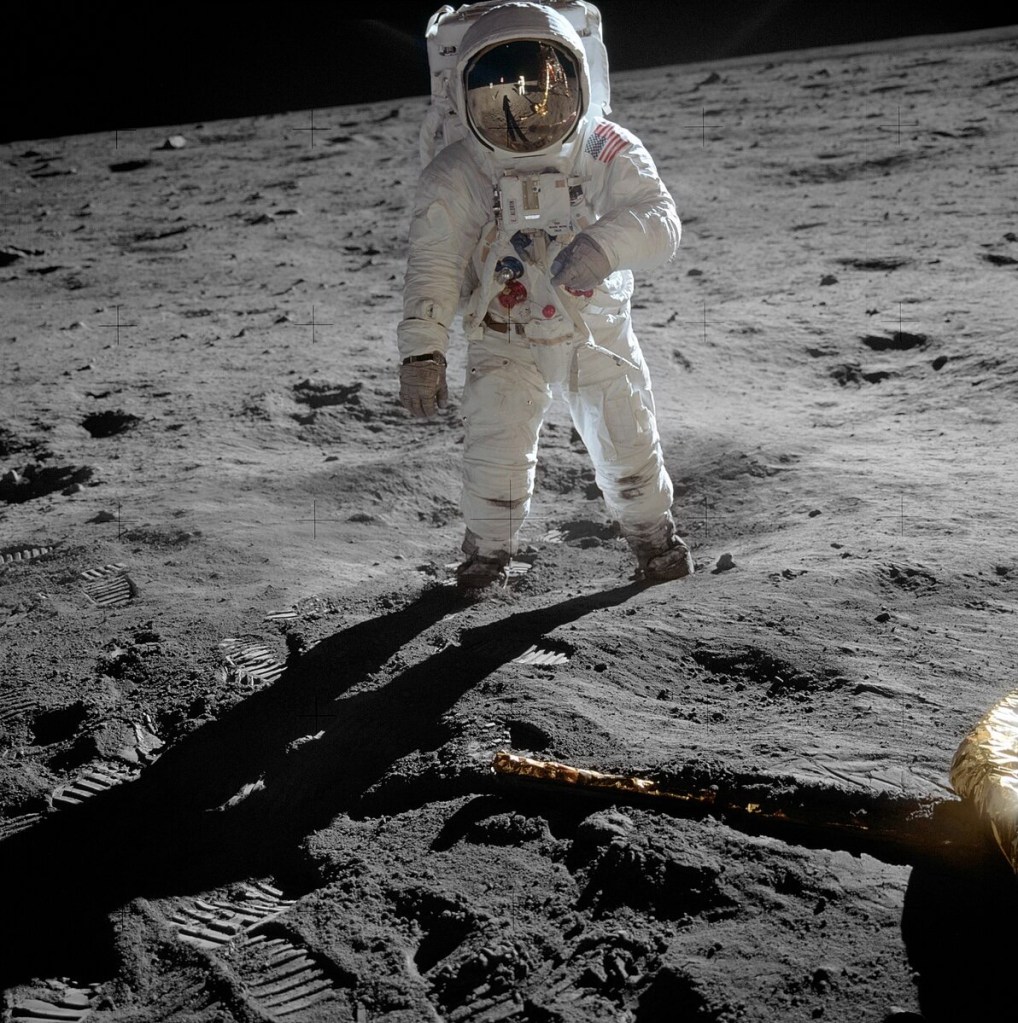
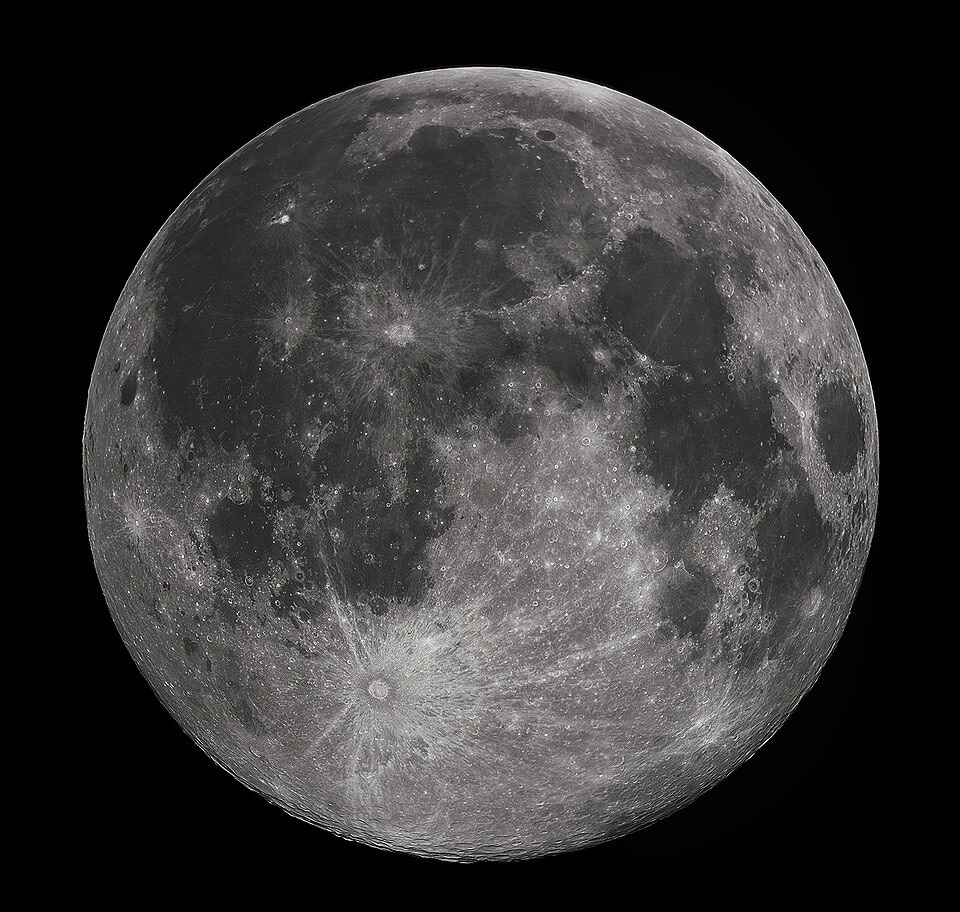
Buzz Aldrin, Apollo 11, on Lunar Surface wearing an Omega Speedmaster.
Image Wikipedia
- Merlin—The forest of Brocéliande, first mentioned in Chrétien de Troyes’s Arthurian romance, is associated with Merlin and Morgan le Fay in later works. Its exact location is debated, with theories placing it in Brittany, specifically near Quintin or in Paimpont forest, with the latter being considered most likely.
- In 1969, the first wrist watch to be worn on the Moon was manufactured by…
- Omega—Buzz Aldrin became the first person to wear a watch on the Moon, wearing the Omega Speedmaster Professional Chronograph. Although Neil Armstrong was the first to set foot on the Moon, he left his 105.012 Speedmaster inside the Lunar Module Eagle as a backup because the LM’s electronic timer had malfunctioned. Aldrin wore his Speedmaster, making it the first watch ever worn on the Moon.
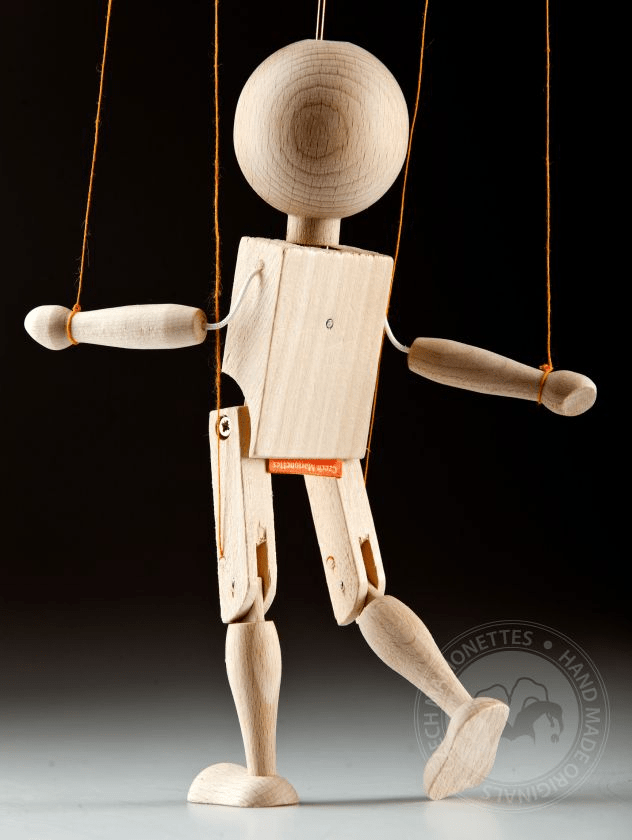
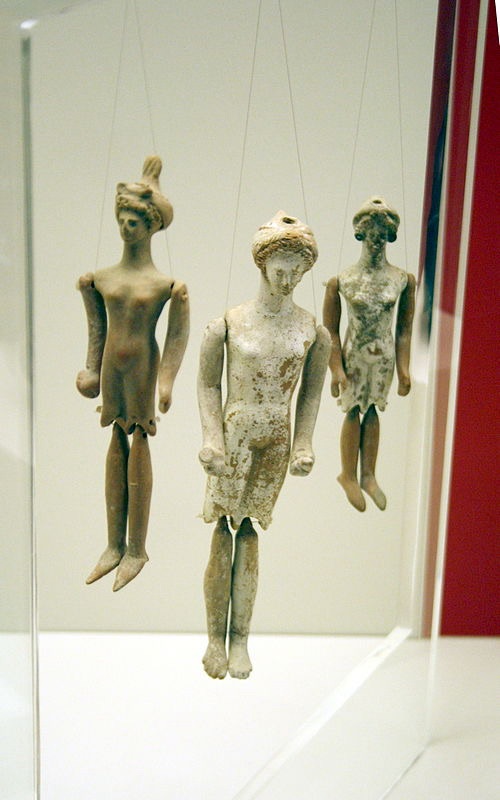
Marionette, is a puppet worked by strings.
Image Pinterest.
- Omega—Buzz Aldrin became the first person to wear a watch on the Moon, wearing the Omega Speedmaster Professional Chronograph. Although Neil Armstrong was the first to set foot on the Moon, he left his 105.012 Speedmaster inside the Lunar Module Eagle as a backup because the LM’s electronic timer had malfunctioned. Aldrin wore his Speedmaster, making it the first watch ever worn on the Moon.
- A person who’s actions are controlled by another could be described as a …
- Quockerwodger—which is best described as follows:
The term quockerwodger, although referring to a wooden toy figure which jerks its limbs about when pulled by a string, has been supplemented with a political meaning. A pseudo-politician, one whose strings of action are pulled by somebody else, is now often termed a quockerwodger.
— John Camden Hotten. A Dictionary of Modern Slang, Cant, and Vulgar Words (1859)
- Quockerwodger—which is best described as follows: