Quizology.Online

“There is much pleasure to be gained from useless knowledge.”

— Bertrand Russell

Tag: history

  • Blessed Be This Noble Land—Answer

    1. Bechuanaland
    2. Rain

    The title of this post Blessed Be This Noble Land is the national anthem of Botswana.

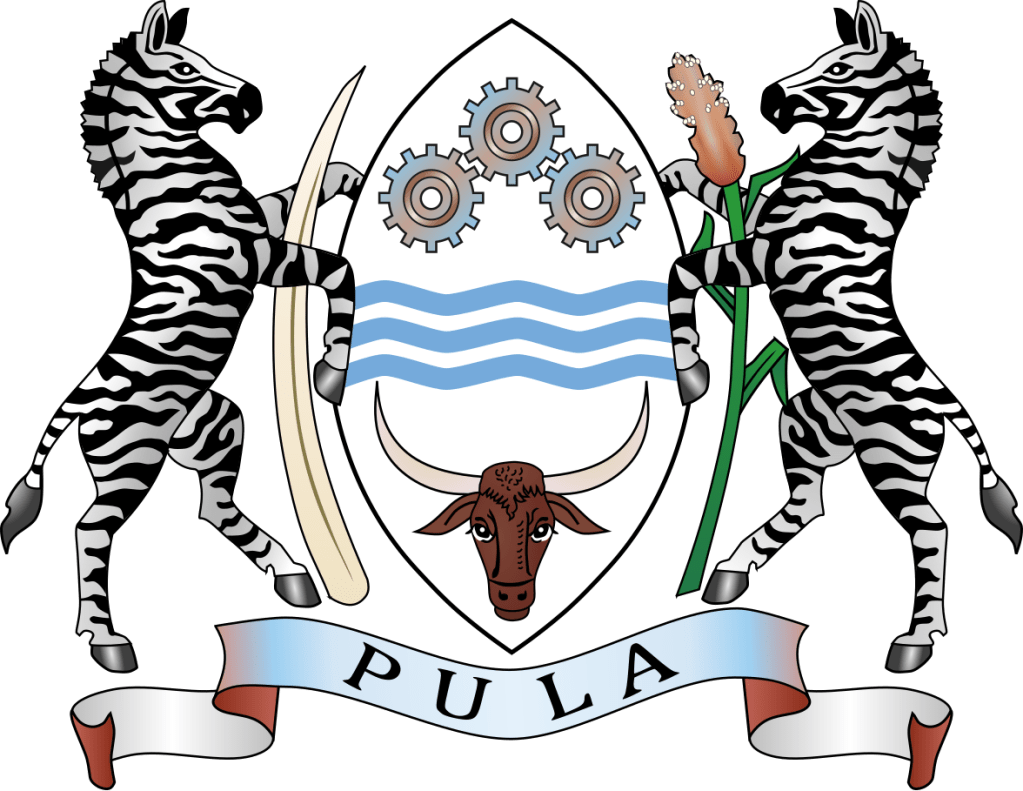
    Coat of Arms of Botswana.
    [Image from Wikipedia]

    The motto Pula, which means rain and also blessing, is the name of Botswana’s currency.

    On the 21 February 1966 the Earl of Longford, the British Colonial Secretary, announced that Bechuanaland, a British protectorate, would gain independence on 30th September 1966, subsequently being renamed Botswana.

    This landlocked country in Southern Africa is bordered by Namibia (including the Caprivi Strip) to the west and north, Zambia and Zimbabwe to the northeast, and South Africa to the southeast and south. Botswana’s borders feature a minor section along the Zambezi River with Zambia, while its boundary along the Chobe River with Namibia was settled in a 1999 International Court of Justice ruling favoring Botswana. Despite remaining one of the least densely populated nations globally, with over 2.4 million people inhabiting an area similar in size to France, Botswana, named after its dominant Tswana ethnic group, has transitioned from being one of the world’s poorest and least-developed states to a peaceful and increasingly prosperous democratic state. Approximately 70 percent of its flat, topographically consistent territory forms part of the Kalahari Desert.
  • Blessed Be This Noble Land

    Coat of Arms of Botswana.
    [Image from Wikipedia]

    The British Colonial Secretary, announced on 21 February 1966 that a British protectorate would gain independence later in the year and be renamed Botswana.

    1. What was the name of the British protectorate?
      • Barotseland
      • Bechuanaland
      • Nyasaland
    2. Botswana has a one word motto Pula, what does it mean in English?
      • Lion
      • Rain
      • Self

    The answers will be posted later today.

  • Brief Encounter—Answer

    45 minutes

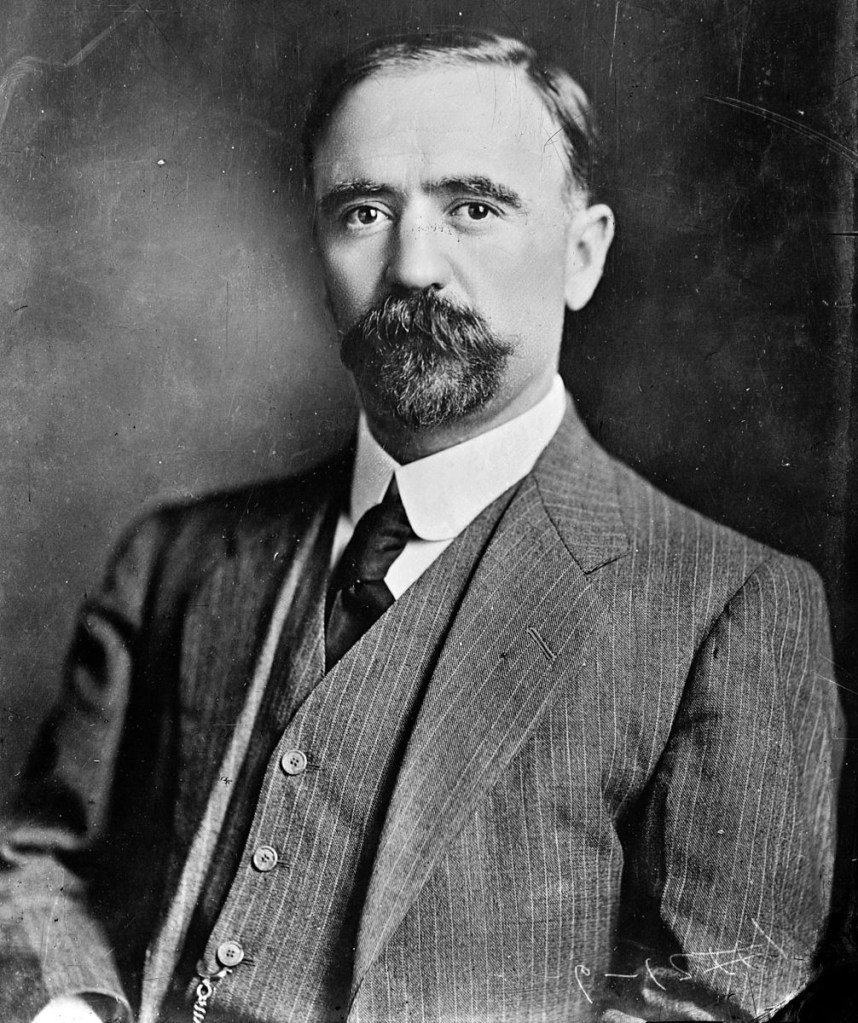
    President Francisco Madero. 37th President of Mexico.
    [Image from Wikipedia]

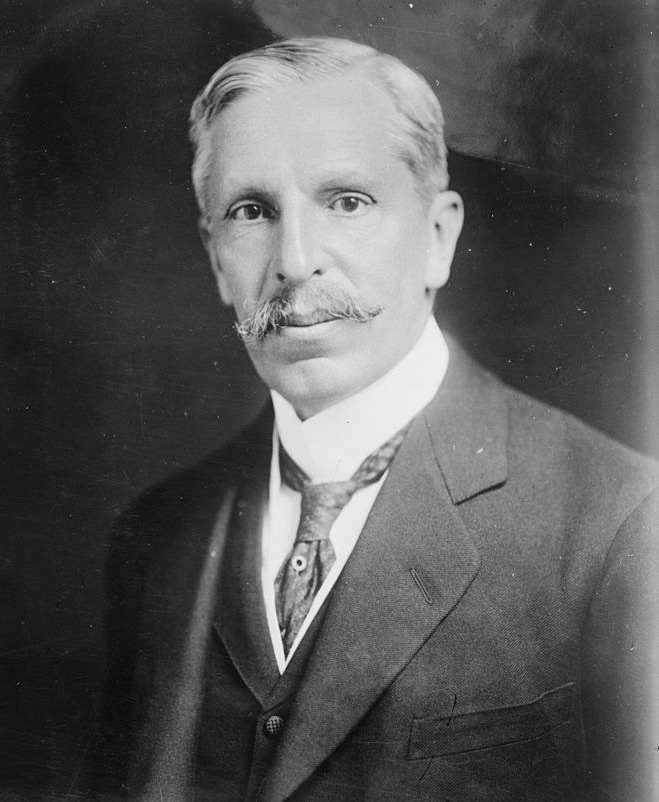
    Pedro Lascuráin’s 45-minute presidency, unlike other brief period in office, was entirely intentional. Lascuráin played a crucial role in the Mexican Revolution, which involved the transfer of power from President Francisco Madero to dictator Victoriano Huerta. Here’s how it unfolded.

    Pedro Lascuráin. 38th President of Mexico.
    [Image from Wikipedia]

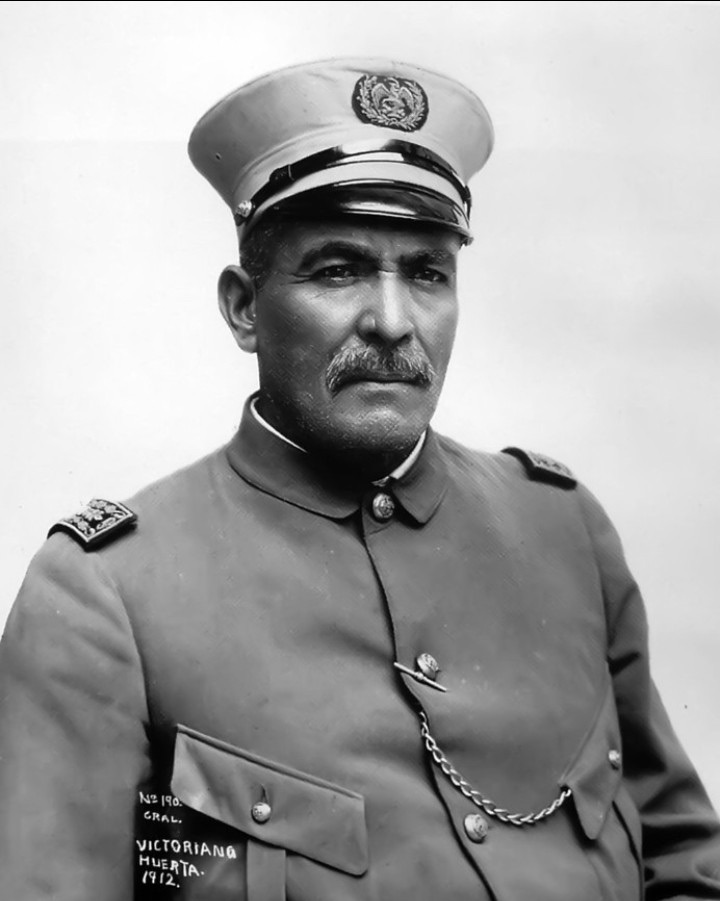
    As the minister of foreign affairs, Lascuráin held the third position—after the president and vice president—in the line of succession to the presidency. However, Huerta exploited this position to his advantage. He orchestrated a fake battle to create unrest and persuade Madero and his vice president to resign. Tragically, they were later murdered while attempting to flee Mexico. Lascuráin ascended to the presidency, but his tenure was marked by only one significant act: appointing Huerta as a member of his cabinet. Subsequently, he promptly resigned, paving the way for the next in line, his new cabinet minister, Victoriano Huerta.

    Victoriano Huerta. 39th President of Mexico.
    [Image from Wikipedia]
  • Brief Encounter

    Pedro Lascuráin
    [Image from Wikipedia]

    Pedro Lascuráin became president of Mexico on 19 February 1938.

    • The duration of his presidency was…
      • 45 minutes
      • 45 hours
      • 45 days

    The answer will be posted later.

  • Ten Thousand Leagues Under the Seas—Answer

    Q1. A.60 days and 21 hours
    Q2. B. USS Triton
    Q3. A. Captain Edward L. Beach Jr.
    Q4. B. Jules Verne

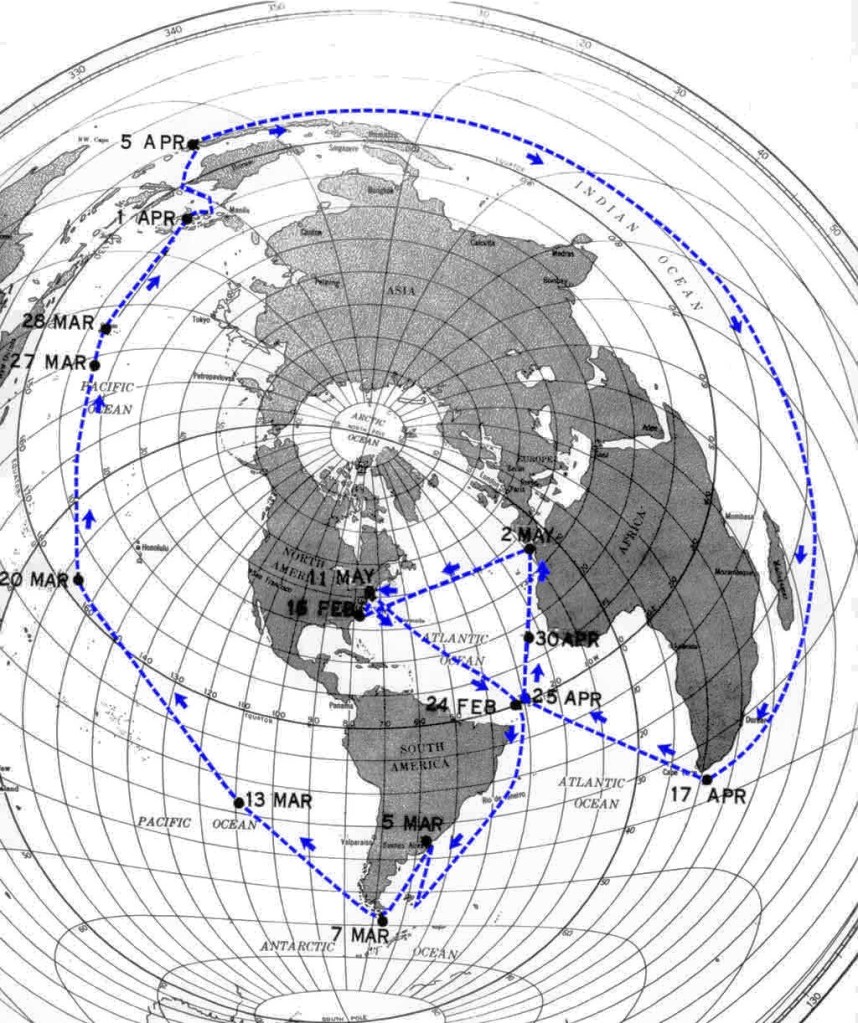
    Map of the 1960 circumnavigation of the world by the U.S. nuclear-powered submarine USS Triton (SSRN-586).
    [Image from Wikipedia]

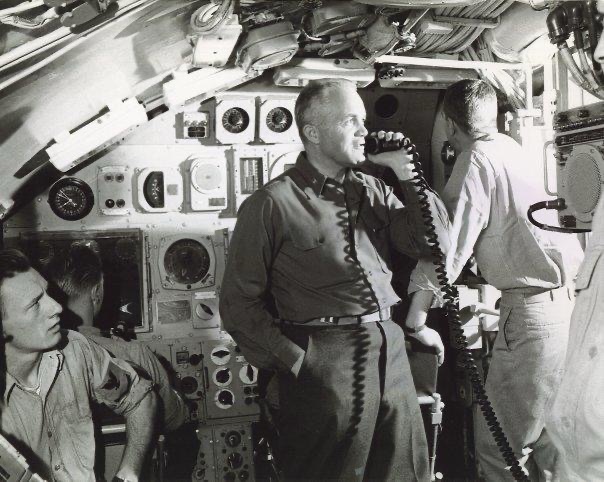
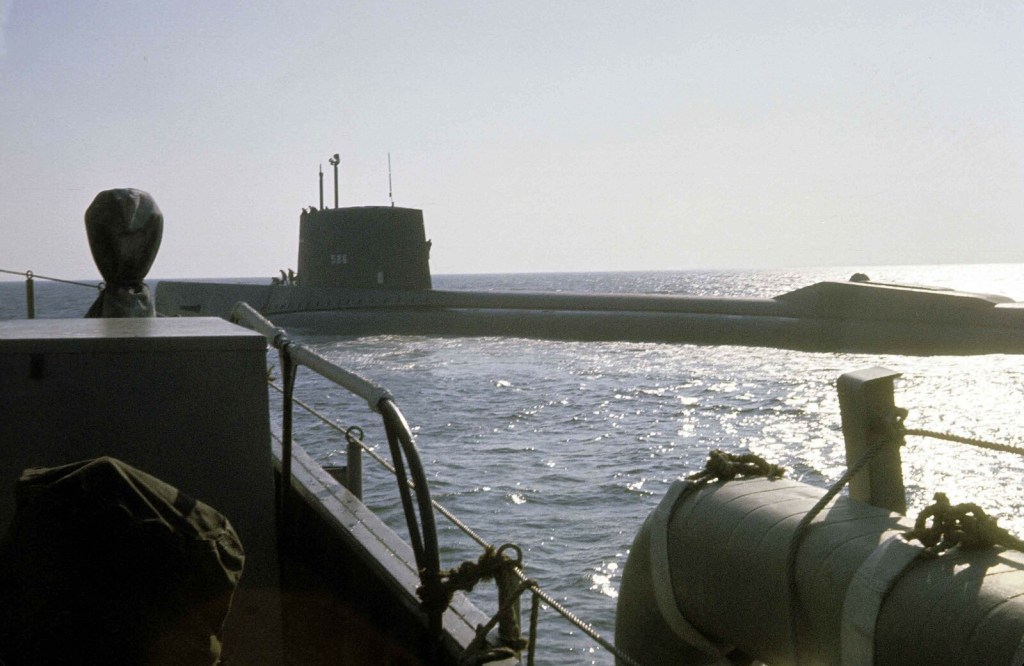
    Operation Sandblast, as this first-ever submerged circumnavigation of the globe was named, was accomplished by the United States Navy’s nuclear-powered submarine, USS Triton (SSRN-586), in 1960.

    Captain Edward L Beach announcing Operation Sandblast to crew onboard USS Triton, 17 February 1960. [Image from Wikipedia]

    First Submerged Circumnavigation

    Led by Captain Edward L. Beach Jr., the Triton departed New London, Connecticut on 16 February 1960 to head to the start /finish line for the journey—the St. Peter and Paul Rocks in the middle of the Atlantic Ocean, near the Equator.

    Details of the Voyage

    • Dates: February 24 to April 25, 1960
    • Duration: 60 days and 21 hours
    • Distance travelled: 26,723 nautical miles* (49,491 km; 30,752 miles)
    • Average speed: 18 knots (33 km/h; 21 mph)

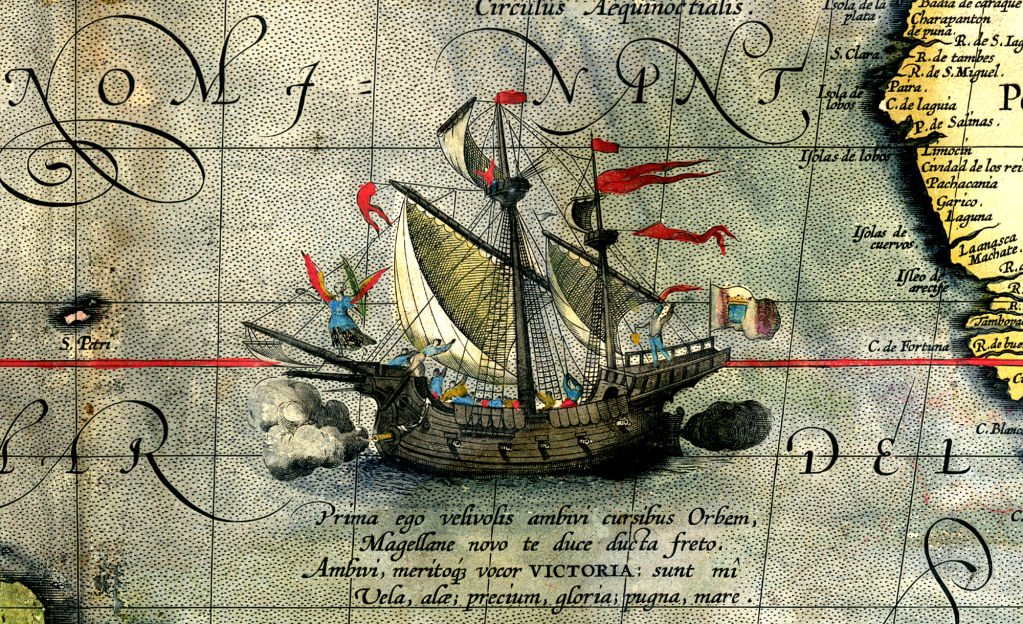
    The Triton crossed the equator four times and notably, Triton’s overall navigational track during Operation Sandblast was similar to that of the historic Spanish expedition that successfully completed the first circumnavigation of the world.

    Historic First Circumnavigation

    In 1519, Portuguese explorer Ferdinand Magellan started an epic journey that took his expedition all the way around the world; Spanish explorer Juan Sebastián Elcano finished it in 1522. Of the 270 men and five ships that set sail, only about 40 men and one ship made it back. Magellan died in battle in the Philippines in April 1521.

    Nao Victoria, the only ship in the fleet to complete the circumnavigation. Detail from a map by Abraham Ortelius, 1590.
    [Image from Wikipedia]

    *Ten Thousand Leagues Under the Sea

    The title is a poetic licence as the actual distance travelled converts to 10,251 leagues. This conversion from 26,723 nautical miles to leagues was carried out at metric-conversions.org.

  • Ten Thousand Leagues Under the Seas

    USS ___ (SSRN-586) heading out for the beginning of the circumnavigation
    16 February 1960.
    [Image from Wikipedia]

    On 16 February 1960 a United States nuclear-powered submarine departed New London, Connecticut to circumnavigate the world whilst submerged. The submarine would follow the route of the first circumnavigation of the world, started under the command of Ferdinand Magellan and completed by Juan Sebastián Elcanofrom between 1519 and 1522.


    Q1. How long did this submerged circumnavigation take?
    A. 60 days and 21 hours
    B. 87 days and 9 hours
    C. 115 days and 17 hours

    Q2. What submarine carried out this voyage?
    A. USS Thresher
    B. USS Triton
    C. USS Tullibee

    Q3. The commanding officer of this submarine also wrote several books, both fiction and non-fiction, including Run Silent, Run Deep: who was he?
    A. Captain Edward L. Beach Jr.
    B. Captain William D. Sand
    C. Captain Thomas J. Shore II

    Q4. The title of this piece is a take on the title of the 19th century novel Twenty Thousand Leagues Under the Seas. Who wrote that novel?
    A. Victor Hugo
    B. Jules Verne
    C. H.G. Wells

    The answers will be posted later today.

  • Nine Days—Answer


    B. Mary I

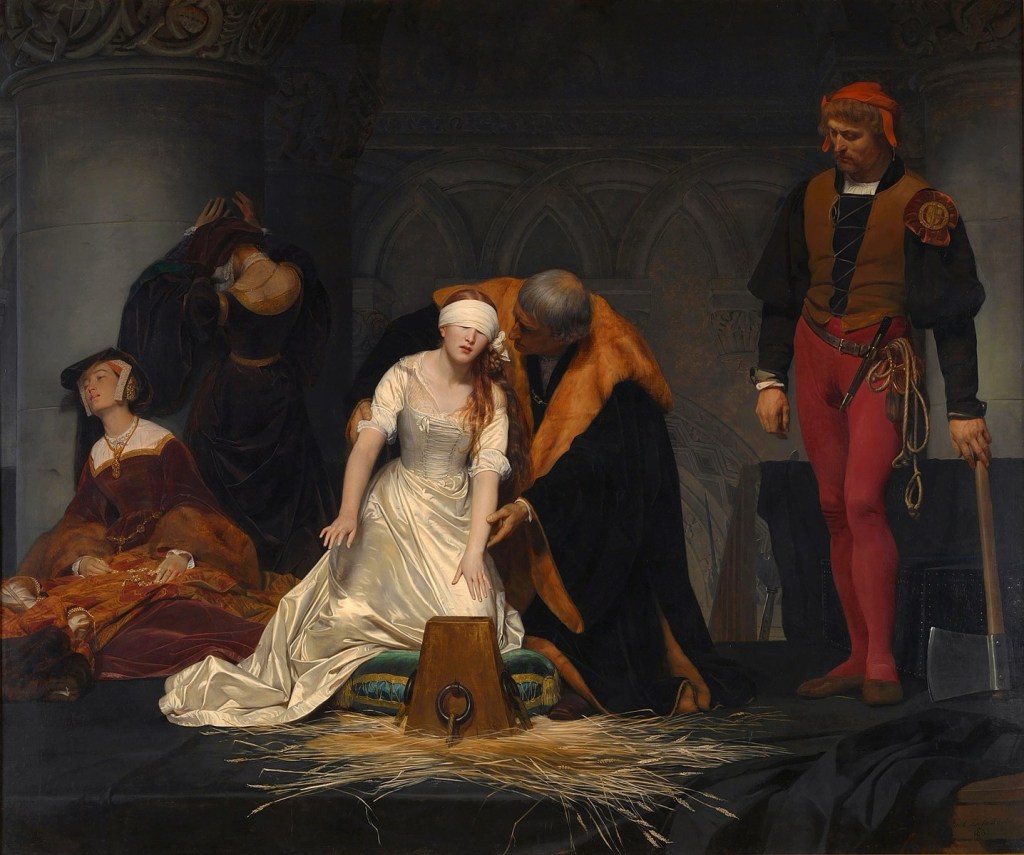
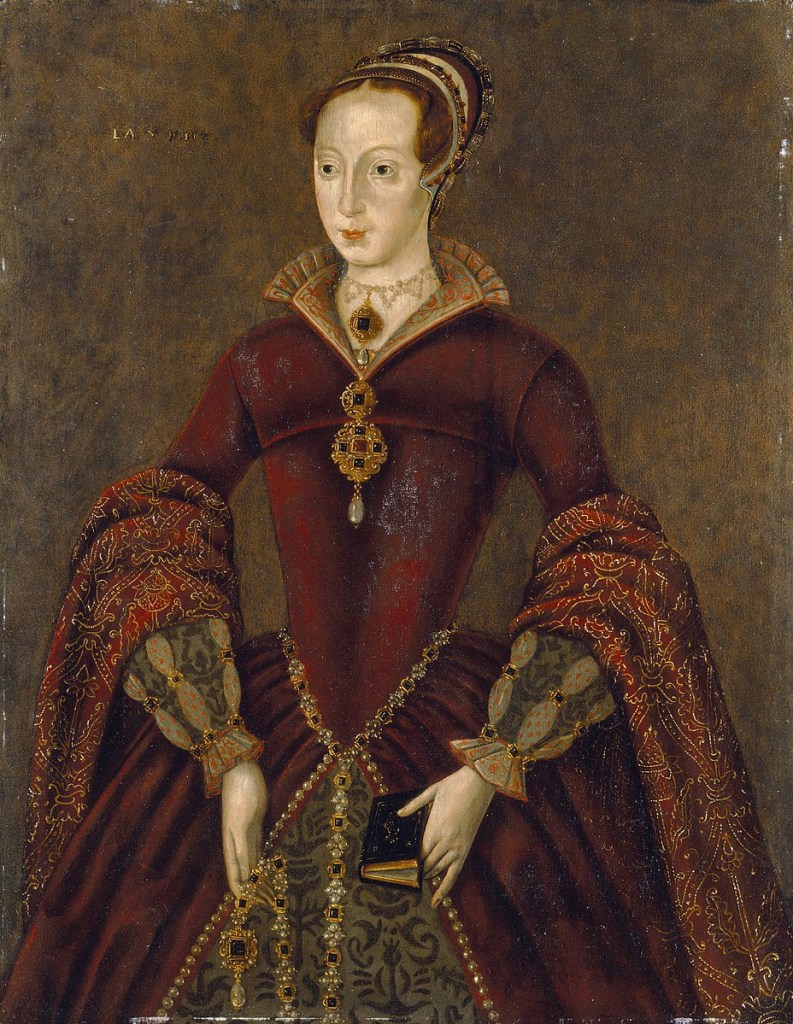
    Lady Jane Grey, also known as Lady Jane Dudley, was proclaimed queen of England and reigned from 10 to 19 July 1553. Known for her beauty and intelligence, she reluctantly allowed herself to be crowned at the age of 15 due to the machinations of unscrupulous politicians. Her subsequent execution at the age of 16 by Mary Tudor evoked widespread sympathy and compassion.

  • Nine Days

    Lady Jane Grey, who reigned as Queen of England for only nine days in 1553, was executed on 12 February 1554. Who was the monarch who ordered her execution?


    A. Elizabeth I

    B. Mary I

    C. Edward VI

    The answer will be posted later today.

  • Pointed Mountains—Answer

    Norway

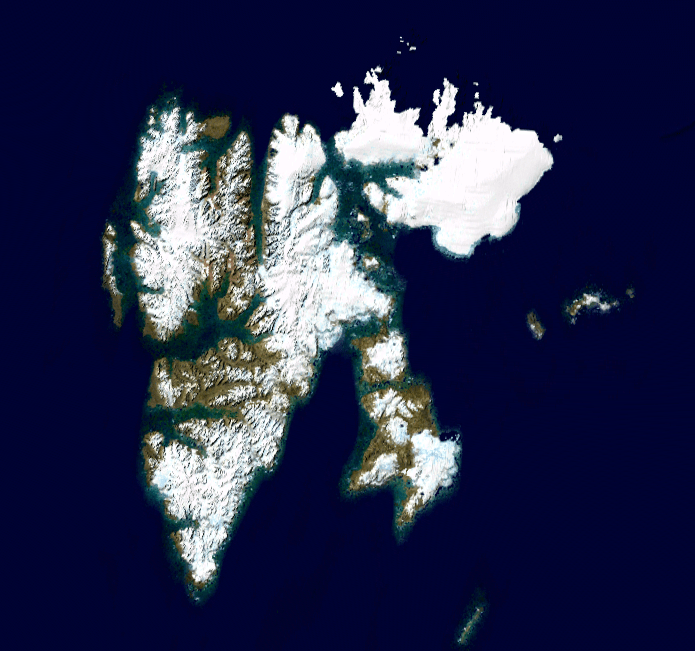
    The Svalbard Treaty, signed in 1920, recognizes Norway’s sovereignty over the archipelago while granting equal commercial rights to signatories.  The treaty restricts military use and establishes a visa-free zone, with 48 parties to the treaty as of 2024.

    Svalbard is located in the Arctic Ocean, north of mainland Europe. The largest island, Spitsbergen, is home to the largest settlement, Longyearbyen. Spitsbergen, the original name of the archipelago, comes from Dutch explorer Willem Barentsz, who described the pointed mountains (Dutch, spitse bergen) he saw on the west coast of the main island in 1596.

  • Pointed Mountains

    On 9 February 1920 The Svalbard Treaty (originally the Spitsbergen Treaty) was signed, recognising ___’s sovereignty over the Arctic archipelago of Svalbard.

    What nation’s name fills the blank in the above statement?

    The answer will be posted later today.