Tag: literature

  • Who, What, When, Where, Why and How: 26 February—Answers

    Who

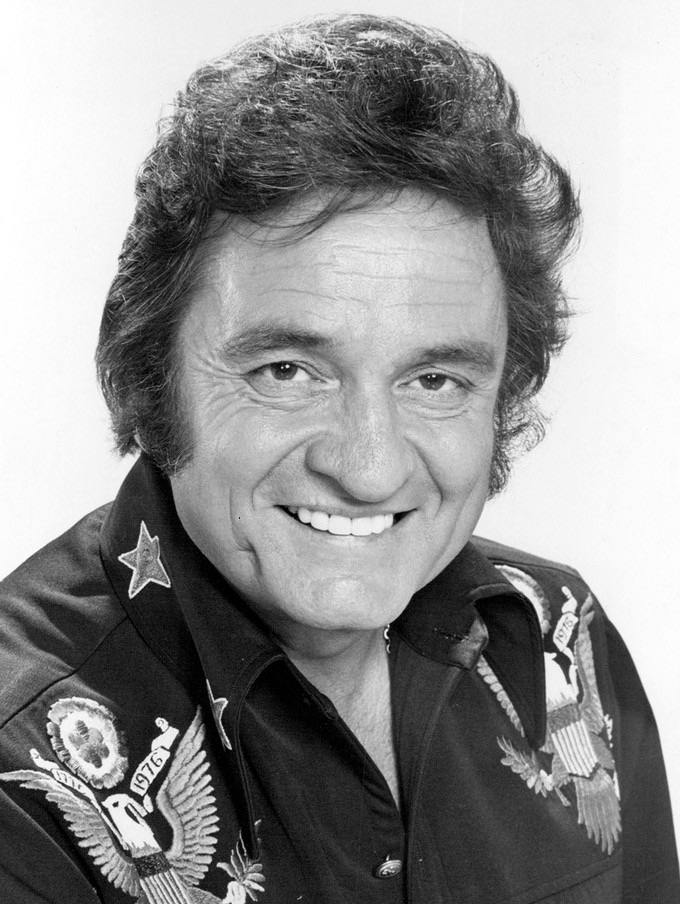
    Johnny Cash

    Johnny Cash. [Image Wikipedia]

    Johnny Cash’s music explored sorrow, moral dilemmas, and redemption, featuring a deep bass-baritone voice and the Tennessee Three’s distinctive sound.  His free prison concerts and all-black stage attire solidified his iconic status.


    What

    US Army in Hawaii
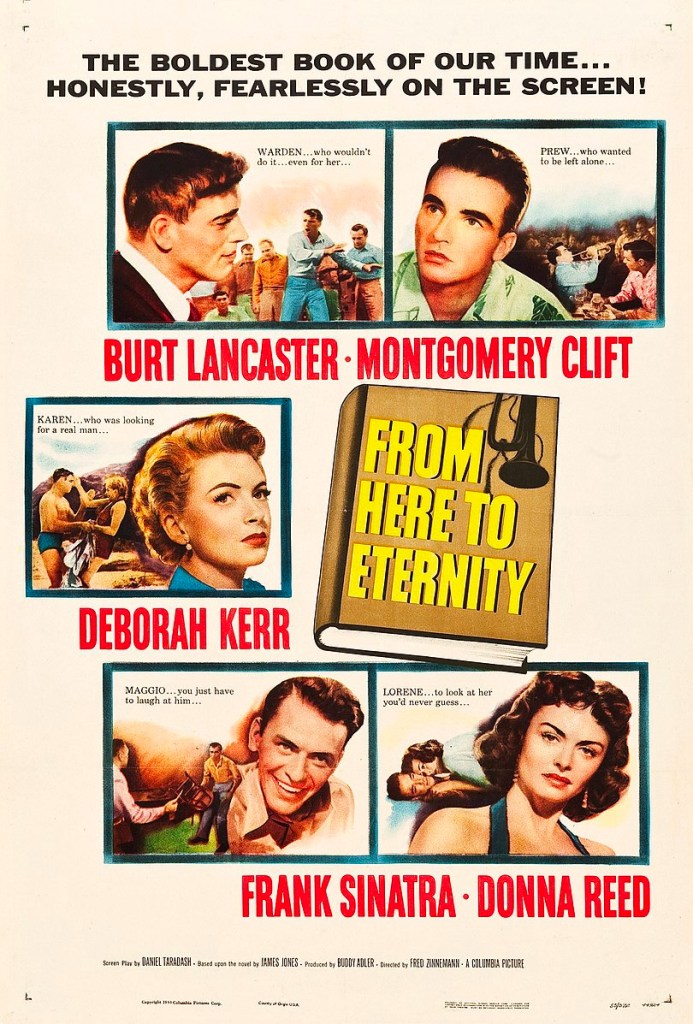
    From Here to Eternity, US theatrical release poster for the 1951 film. [Image Wikipedia]

    James Jones’s debut novel, From Here to Eternity, is set in Hawaii in 1941 and follows the lives of US Army infantry company members. The novel, loosely based on Jones’s experiences, won the National Book Award and was adapted into a successful film.


    When

    1919
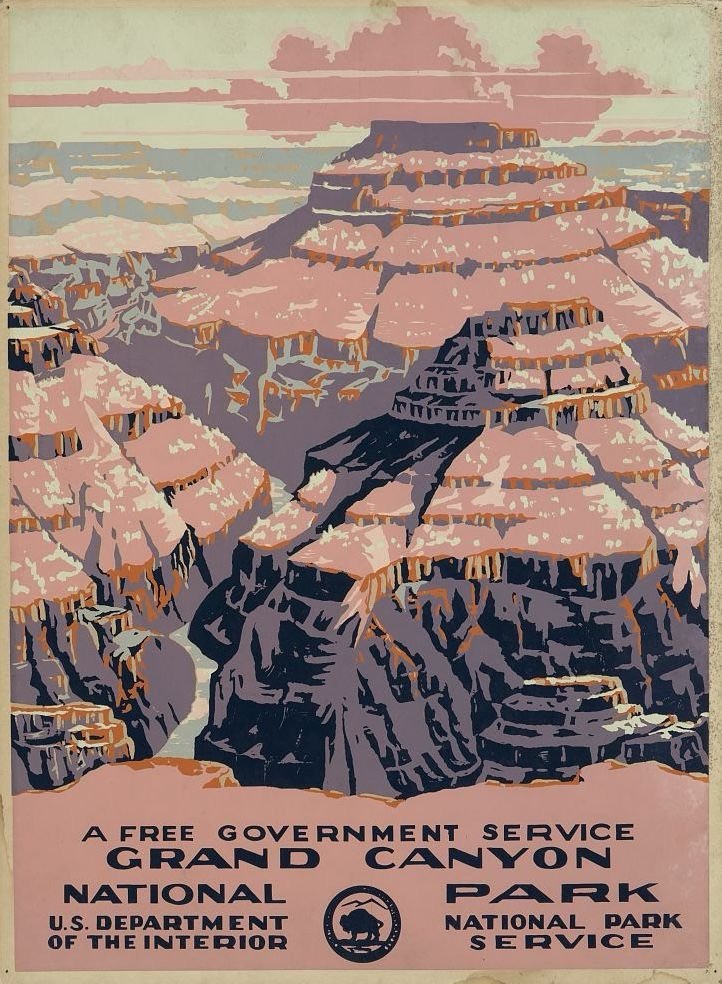
    Grand Canyon National Park poster (1938).
    [Image Wikipedia]

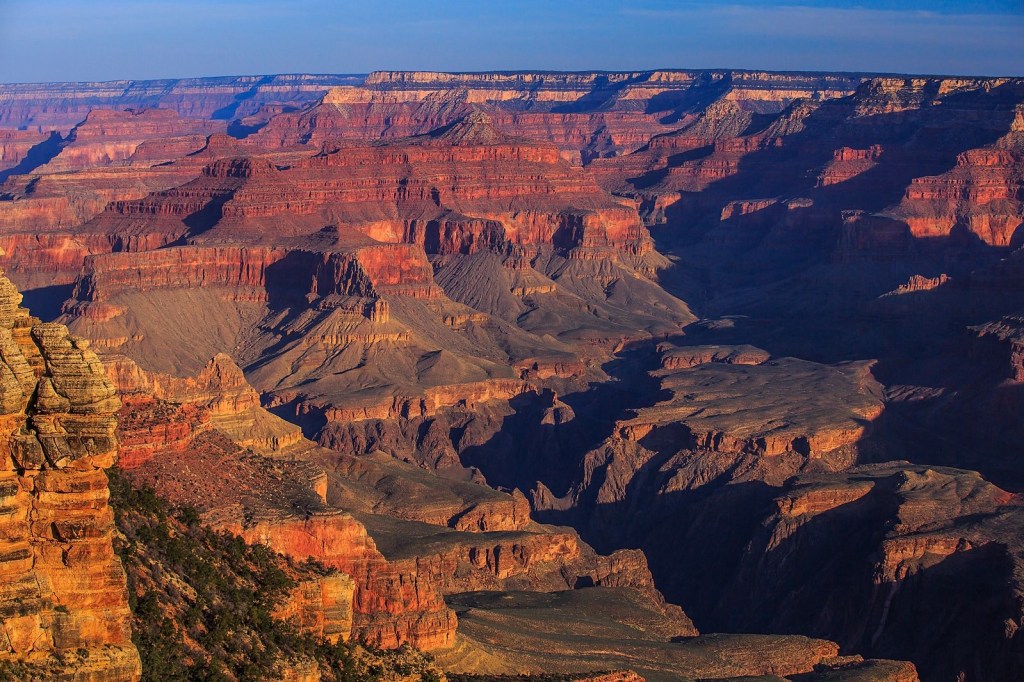
    Grand Canyon National Park in Arizona features the Grand Canyon, a natural wonder of the Colorado River.  The park, spanning over 1.2 million acres, welcomes millions of visitors annually.


    Where

    Mediterranean Sea
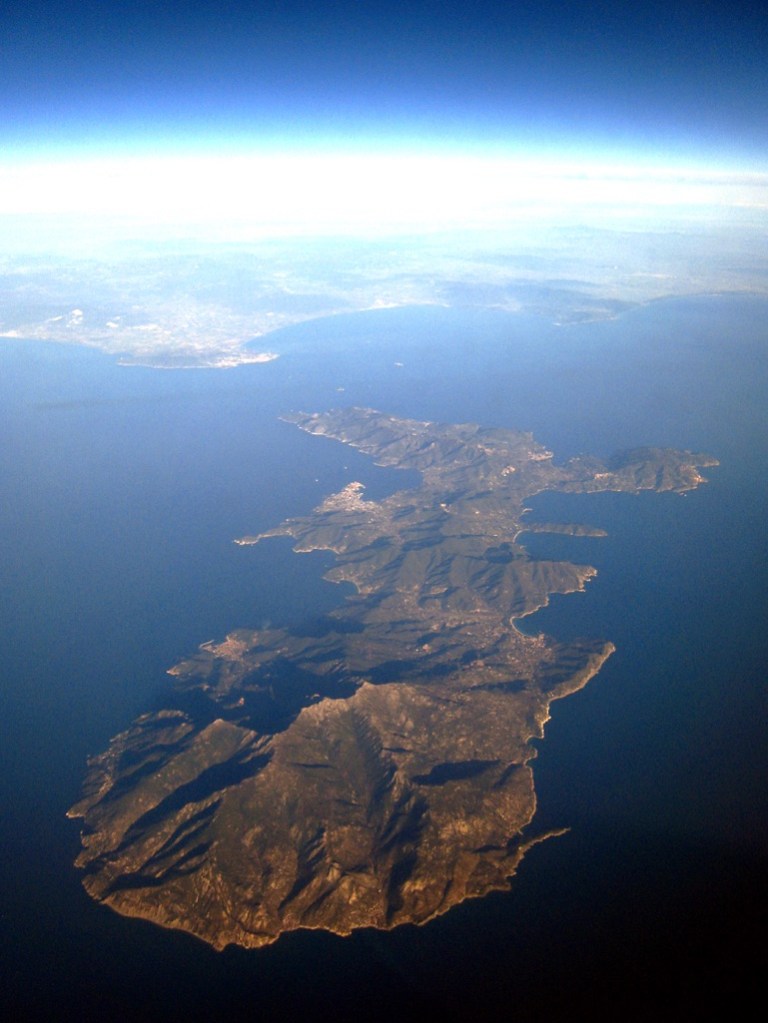
    Elba. [Image Wikipedia]

    Elba is a Mediterranean island in Tuscany, Italy, known for its natural beauty and historical significance as Napoleon’s first exile site. It is the largest island in the Tuscan Archipelago and part of the Arcipelago Toscano National Park.

    Elba, shown here in the Tyrrhenian Sea part of the Mediterranean Sea. [Image Wikipedia]

    Why 

    Portugal wished to control the Congo Basin
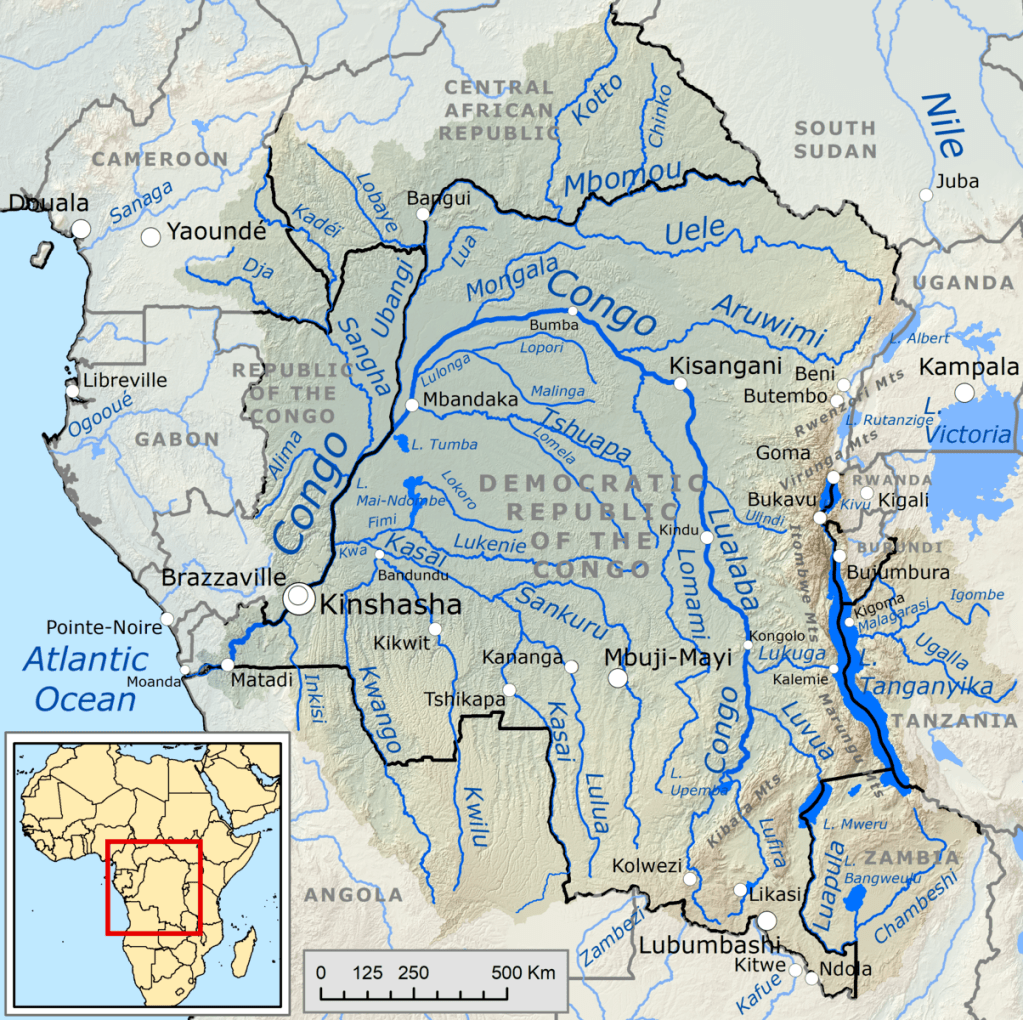
    Map showing the Congo River drainage basin.
    [Image Wikipedia]

    The Berlin Conference of 1884–1885, organised by Otto von Bismarck, regulated European colonisation and trade in Africa. The conference concluded with the signing of the General Act of Berlin. The Berlin Conference, initiated by Portugal and supported by Britain, brought together 14 nations to establish a joint policy for Africa.
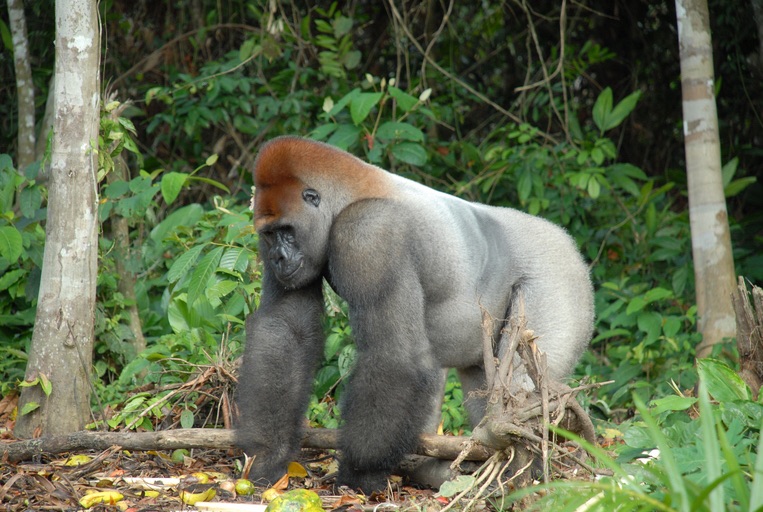
    Western Lowland Gorilla, an endangered species, in the the Congo River basin. [Image Wikipedia]

    How

    Novelist


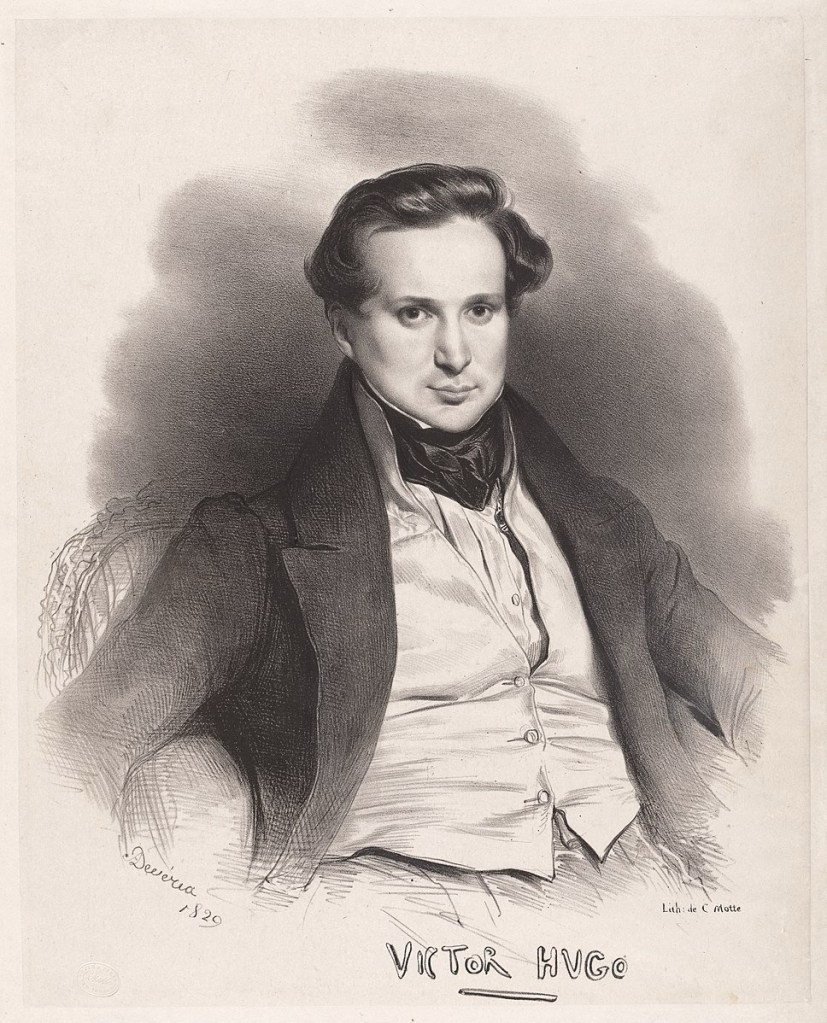
    Victor Hugo in 1829, lithograph by Achille Devéria in the collection of the National Gallery of Art, Washington D.C. [Image Wikipedia]

    Victor Hugo was a French Romantic author, poet, essayist, playwright, and politician. His most famous works include novels like The Hunchback of Notre-Dame and Les Misérables, as well as poetry collections like Les Contemplations and La Légende des siècles.
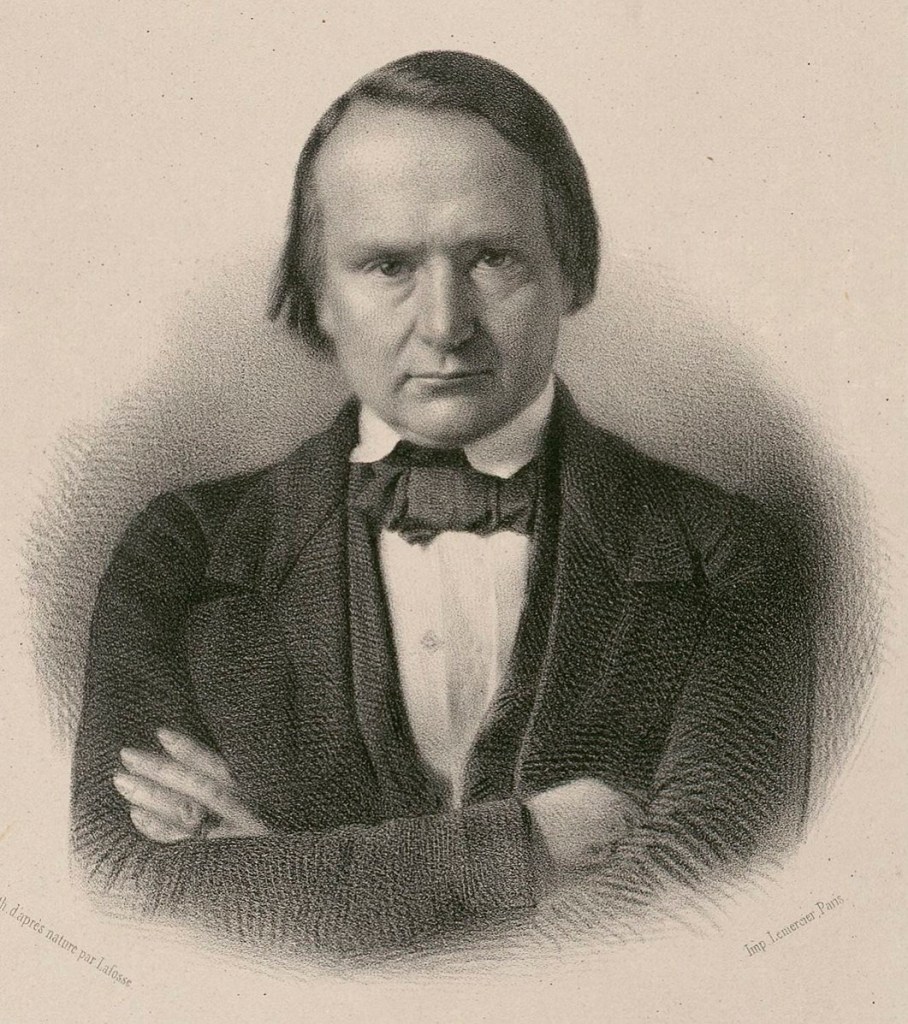
    Portrait of Victor Hugo, deputy of the Second Republic in 1848, gallery of the representatives of the people of the French National Assembly, Paris. [Image Wikipedia]
  • Who, What, When, Where, Why and How: 26 February

    The following Who, What, When, Where, Why and How all relate to this date: 26 February.

    Who

    A singer-songwriter born this day in 1932 in Kingsland, Arkansas, US. recorded songs such as Hey, Porter; Cry, Cry, Cry and I Walk the Line and in the 1950s became the top country and western recording artist. He later became a champion for social justice and penal reform.

    • Who is being described?
      • Johnny Cash
      • Jim Reeves
      • Hank Williams

    What

    From Here to Eternity by James Jones was published today in 1951 and later was adapted into an Academy Award-winning film of the same name.

    • What was the novel mainly about?
      • Roald Amundsen’s South Pole Expedition
      • Roman Catholic Church’s Papal Conclave
      • US Army in Hawaii

    When

    Grand Canyon
    [Image from Wikipedia]

    On 26 February the Grand Canyon National Park was established by the US Congress.

    • When was this?
      • 1899
      • 1909
      • 1919 

    Where

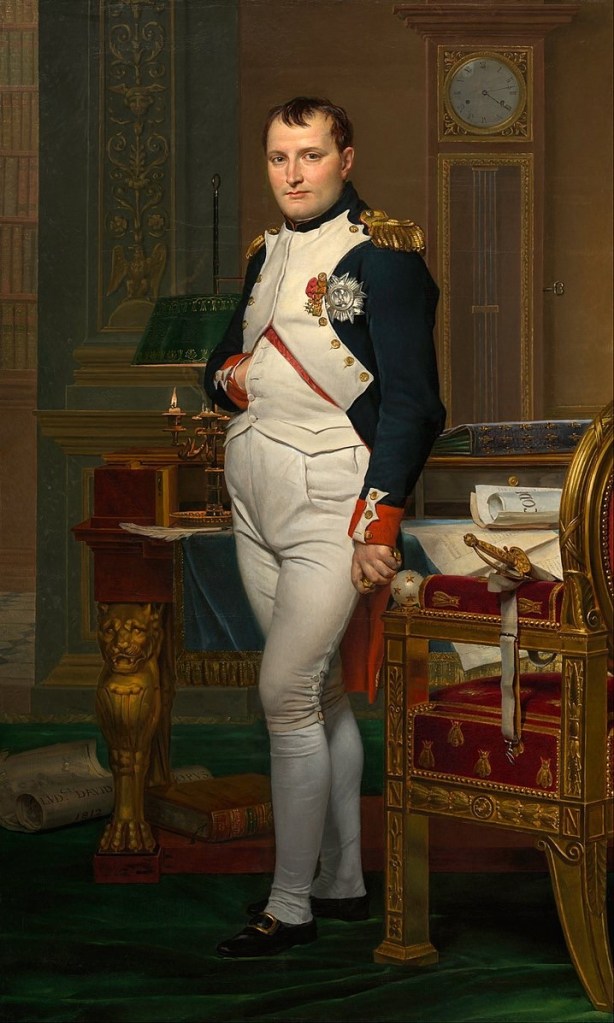
    Napoleon
    [Image from Wikipedia]

    Napoleon escaped exile from an island on this day in 1815 and made his way to Paris where, on his arrival on 20 March, a period now known as the Hundred Days began.

    • Where was the island situated?
      • South Atlantic Ocean 
      • English Channel
      • Mediterranean Sea

    Why

    The Berlin West Africa Conference concluded on the 26 February 1885.

    • Why had it been convened some 3 months previously?
      • German Empire sought all territory between the Niger and Zambezi Rivers
      • Portugal wished to control the Congo Basin
      • Great Britain desired sole control of West Africa south of the Sahara

    How

    Victor Hugo, born today in 1802, is, according to Encyclopædia Britannica, renowned in France as one of the country’s greatest poets but that is not the case abroad.

    • How is he widely thought of elsewhere?
      • As a musician
      • As a novelist
      • As a painter

    The answers will be posted later today. 

  • If I’d a knowed what a trouble it was to make a book I wouldn’t a tackled it and aint’t agoing to no more—Answer

    1. Mark Twain
    2. Adventures of Huckleberry Finn
    Yours Truly
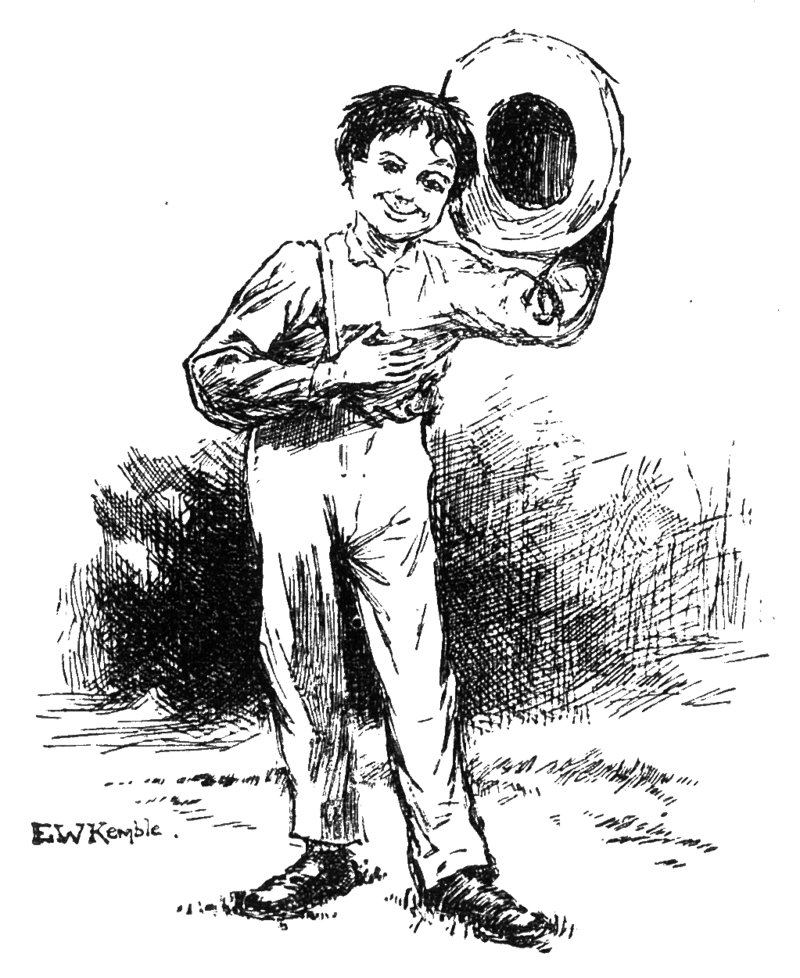
    [Image from Wikimedia]

    Adventures of Huckleberry Finn, a novel by Mark Twain, was published in the UK in 1884 and the US in 1885. The book’s narrator, Huckleberry Finn, uses simple language to describe scenes, characters, and narrate the story with humour and irony.

    Huck runs away from his abusive father and travels down the Mississippi River with Jim, a runaway slave. Along the way, he meets various characters and learns to overcome racial prejudices and respect Jim. The book describes the river and surrounding forests, showcasing Huck’s good nature and humour. However, it also highlights human cruelty, both individual acts and societal institutions like slavery.

    Twain’s novel, along with The Adventures of Tom Sawyer, revolutionised children’s and American literature by presenting a realistic portrayal of boyhood. It’s a classic of American realism, especially for its depiction of the pre-Civil War South through dialect. This realism sparked controversy in the late 20th century, with some finding the language offensive. Despite Huck’s friendship with Jim, the book was considered racist. The publication of a bowdlerised version in 2011 generated further debate and was deemed equally unacceptable.

  • If I’d a knowed what a trouble it was to make a book I wouldn’t a tackled it and aint’t agoing to no more

    Tom’s most well, now, and got his bullet around his neck on a watch-guard for a watch, and is always seeing what time it is, and so there ain’t nothing more to write about, and I am rotten glad of it, because if I’d a knowed what a trouble it was to make a book I wouldn’t a tackled it and aint’t agoing to no more. But I reckon I got to light out for the Territory ahead of the rest, because Aunt Sally she’s going to adopt me and sivilize me and I can’t stand it. I been there before.

    The above quote by the title character is the last paragraph of a book published in the US on 18 February 1885 (it had been published in the UK two months previously). 

    1. Who is the author of this work?
      • Charles Dickens
      • Rudyard Kipling
      • Mark Twain
    2. What is the title of the novel? (There is no multiple-choice this time)

    The answers will be posted later today.

  • Peter Pan Helping Children Grow Up—Answer

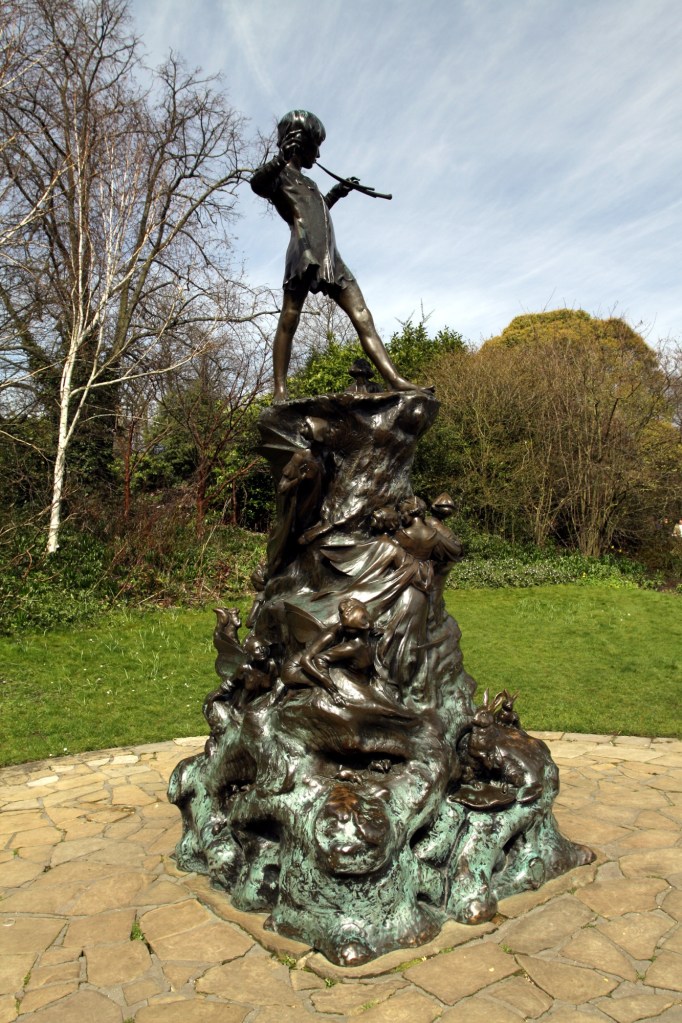
    JM Barrie

    …is the writer who created Peter Pan

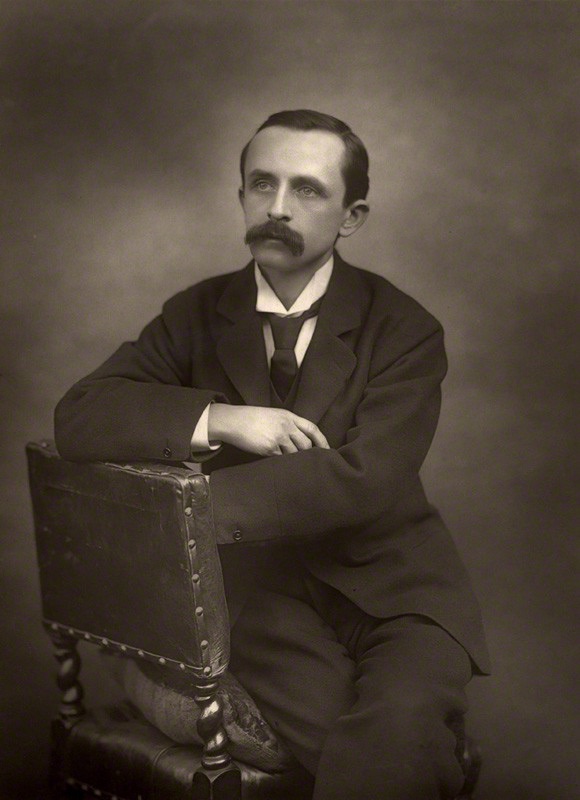
    JM Barrie
    [Image from Wikipedia]

    Background

    In April 1929, J. M. Barrie granted the copyright of his Peter Pan works to the hospital, requesting that the income remain undisclosed. This decision allowed the hospital to control the rights and receive royalties from performances, publications, and adaptations of the play and novel. Over the years, numerous performances and adaptations have been produced under the hospital’s license. Additionally, the hospital’s trustees commissioned a sequel, Peter Pan in Scarlet, by Geraldine McCaughrean, which was published in 2006.

    After the copyright expired the hospital was granted a perpetual right to collect royalties by the UK government.

    Further information can be found at Great Ormond Street Hospital’s website.

  • Peter Pan Helping Children Grow Up

    On February 14, 1852, Great Ormond Street Hospital for Children, the first in England to offer inpatient beds for children, opened its doors in London.

    In 1929, a writer generously donated all his rights to Peter Pan to the hospital, and they continue to receive royalties from the work to this day. Can you name the generous writer?

    The answer will be posted later today.

  • In a Fix—Answer

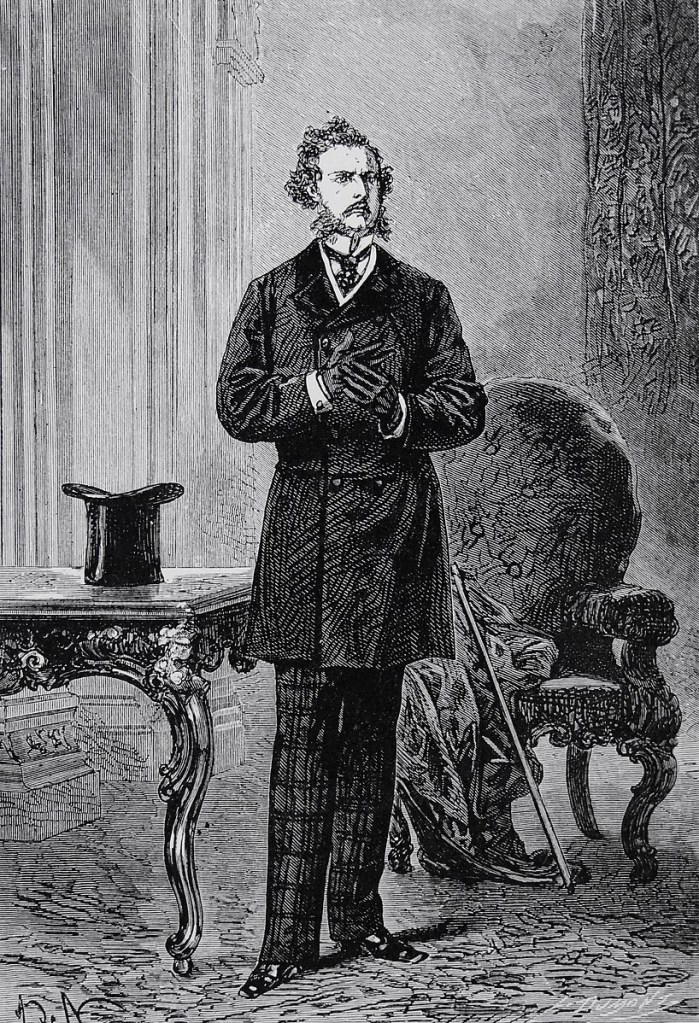
    Firstly: C. Jules Verne

    Secondly: Around the World in Eighty Days

    Phileas Fogg, a wealthy Englishman, embarks on a journey around the world to win a wager. Along the way, he rescues Aouda from sati (being burned on her late husband’s funeral pyre) and encounters Detective Fix, who believes Fogg is a bank robber. Despite facing numerous challenges and delays, Fogg returns to London just in time to win the wager and marry Aouda.

    The three authors were all born on February 8th: Dickens in 1812, Verne in 1828 and Lewis in 1885.

  • In a Fix

    Firstly, one of these authors, born on February 8th, penned a novel which included the characters Aouda, a beautiful Indian woman, and Mr. Fix, a detective. Which author?
    A. Charles Dickens
    B. Sinclair Lewis
    C. Jules Verne

    Secondly, what was the title of the novel referred to above? (No multiple-choice this time)

    The answers will follow later today.

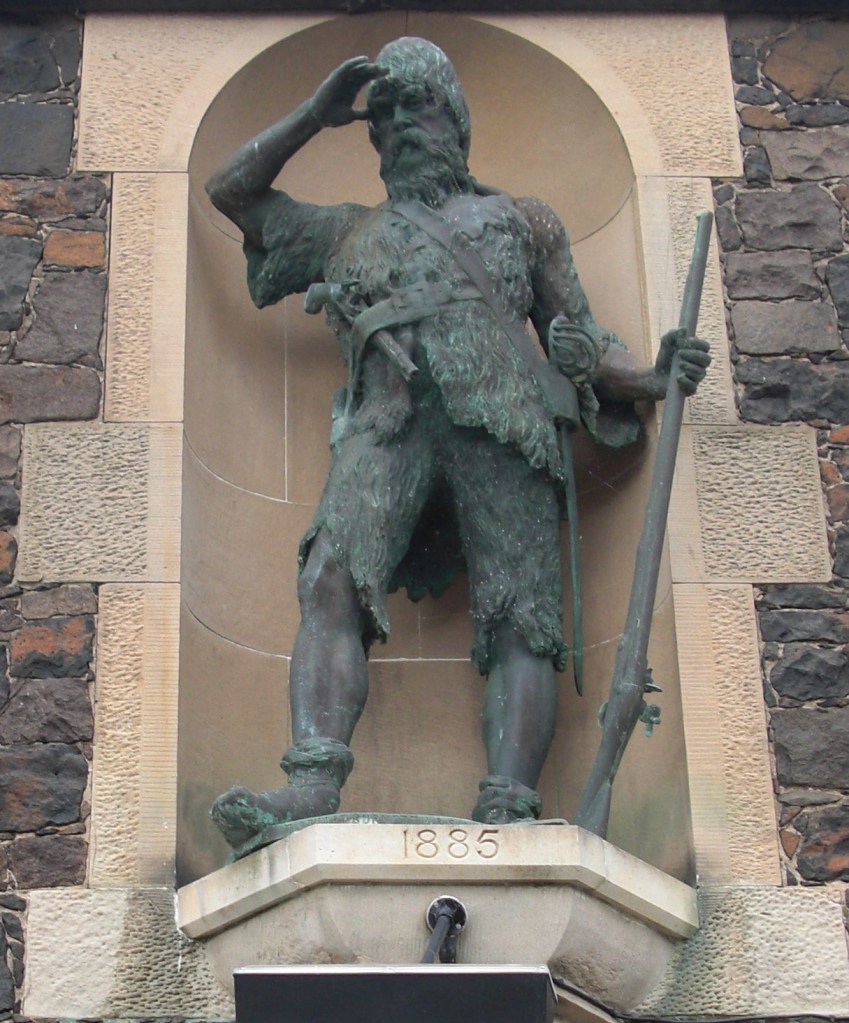
  • Alexander Selkirk

    Scottish mariner Alexander Selkirk’s extraordinary ordeal as a castaway reached a turning point on 2 February 1709 when he was rescued after four solitary years by English captain Woodes Rogers and his crew aboard the Duke. Selkirk had been stranded on an uninhabited island in the Juan Fernández archipelago, an experience that would later inspire Daniel Defoe’s classic novel Robinson Crusoe. The statue commemorating Selkirk at his original home serves as a reminder of his resilience and the enduring fascination with tales of survival and adventure.