Tag: science

  • Voyage of Discovery

    Here are a few questions relating to today, 22 April.
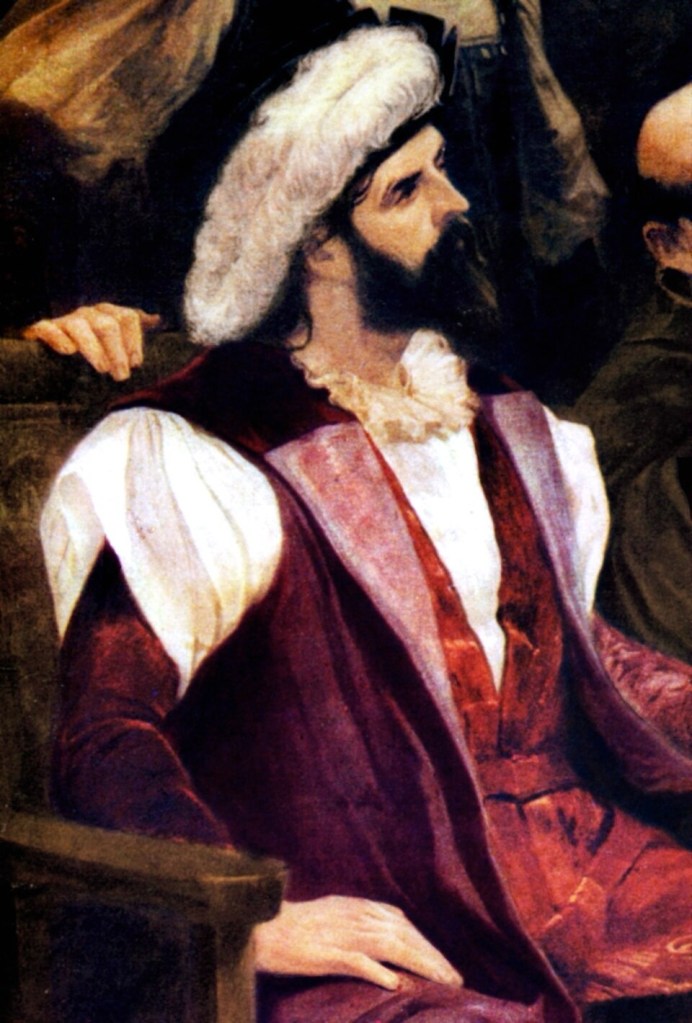
    Pedro Álvares Cabral.
    Image Wikipedia
    1. On 22 April 1500, Pedro Álvares Cabral, a Portuguese navigator, is credited as the first European to reach…
      • Brazil
      • Mozambique
      • Sri Lanka
    2. Earth Day was first celebrated today in…
      • 1970
      • 1980
      • 1990
    3. Where was modern chemical warfare initiated on 22 April 1915?
      • Belgium
      • Egypt
      • Syria
    4. All of these Americans were born on 22 April, but who was born first?
      • Vladimir Nabokov, author
      • Jack Nicholson, actor
      • J. Robert Oppenheimer, physicist
    5. On this day in 1519, a Spanish conquistador established a settlement at Veracruz, Mexico. Who was he?
      • Eugenio Cajés
      • Hernán Cortés
      • Antonio Cortis

    Good luck! I will post the answers later today.
  • Measure for Measure—Answers

    The answers to the questions asked in my earlier post are shown, in bold, below.

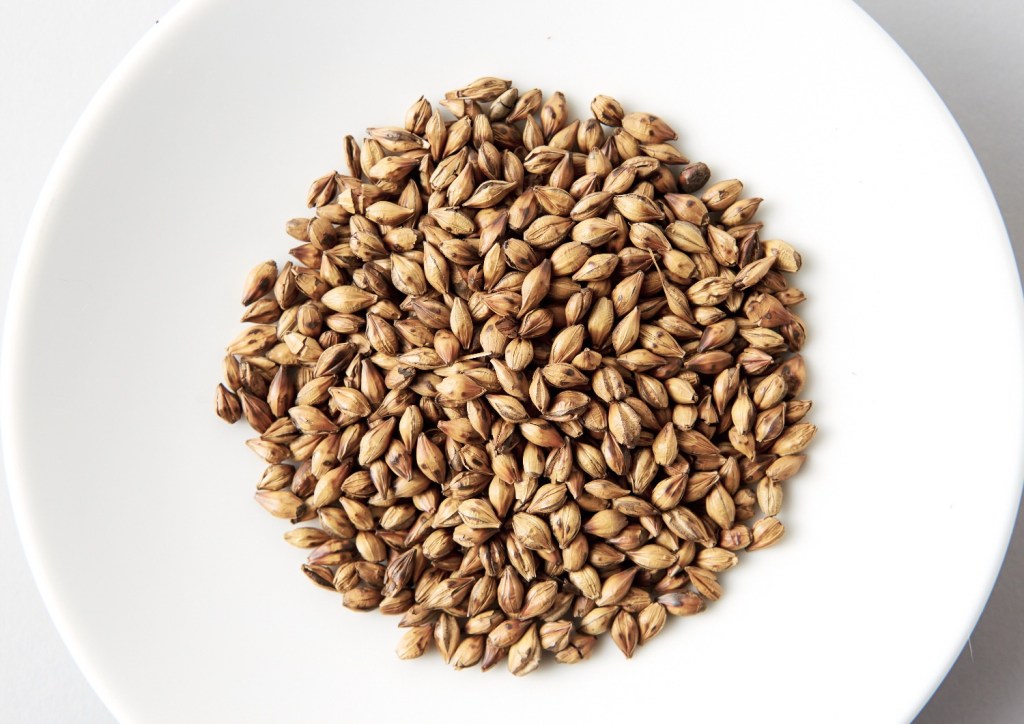
    Grains of barley
    Wikipedia
    1. Wheat or barleycorn—Grain (abbreviation gr.), the smallest unit of weight in the troy and avoirdupois systems; originally, the weight was equivalent to that of a grain of corn.
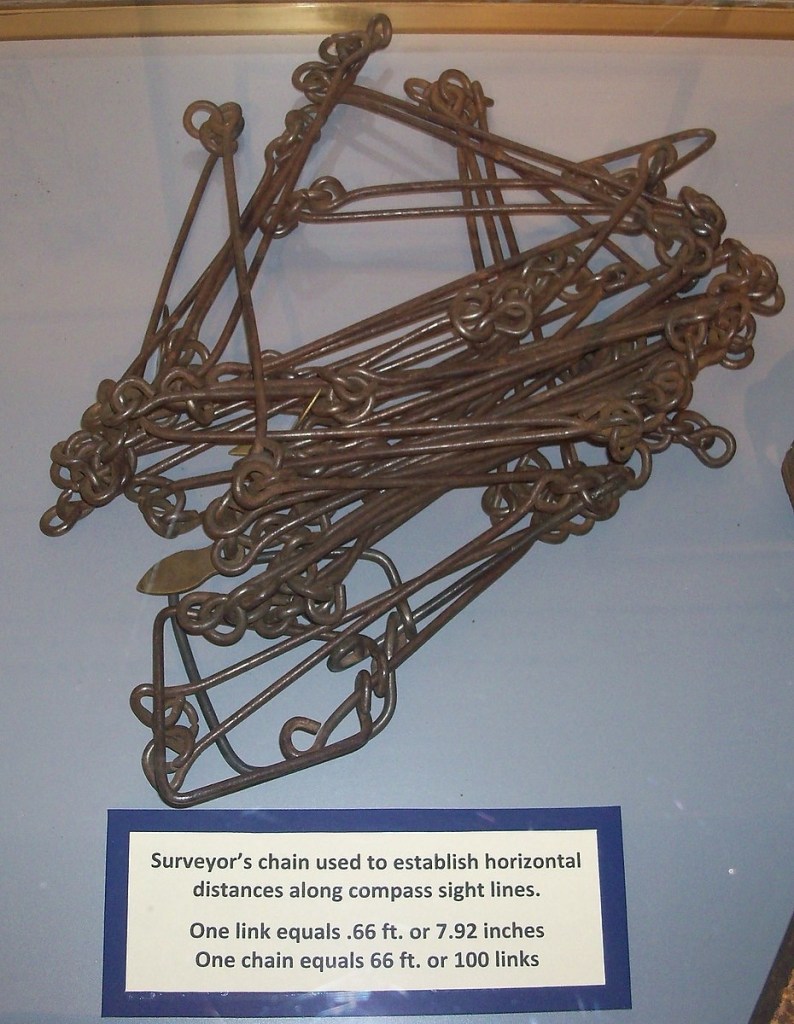
      Surveyor’s chain.
      Gunter’s chain photographed at Campus Martius Museum/Wikipedia
    2. Chain—The chain, a unit of length equal to 66 feet, is used in both the US customary and Imperial unit systems. It is subdivided into 100 links and has been used since the early 17th century in England. The UK used 80 chains to the mile, but Scotland and Ireland used longer chains until 1824. India uses metric chains of 20 metres.
    3. Rod—which is a measure of length equal to a quarter of a chain or 5.5 yards (approximately 5.029 m).  Also called perch or pole, it was especially used for measuring land.
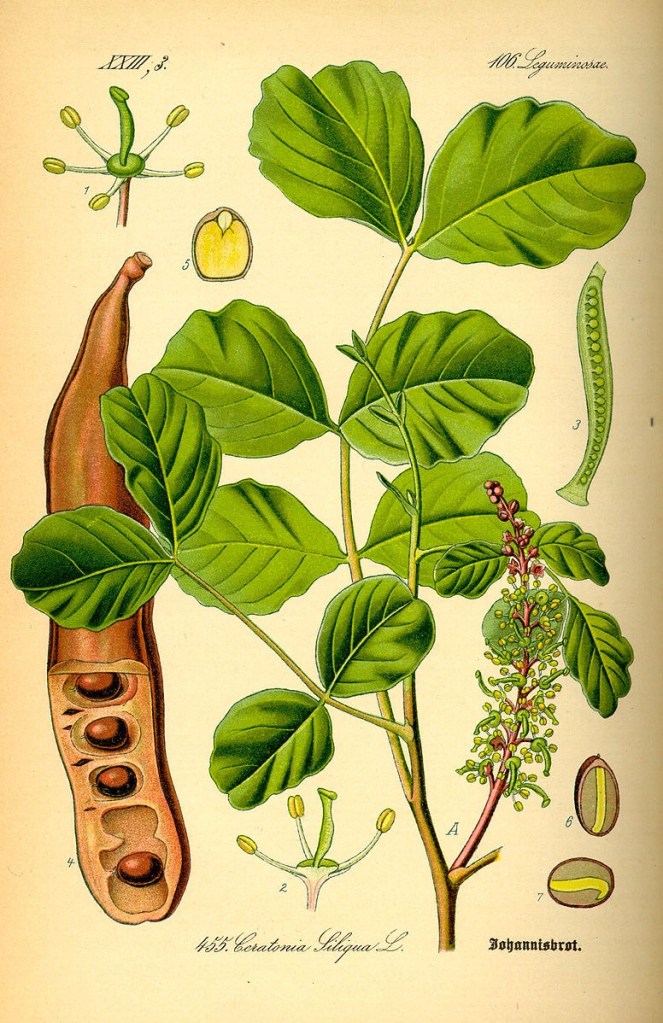
      Illustration of Carob (Ceratonia siliqua)
      Wikipedia
    4. Carob seed—The carat (ct) is a unit of mass equal to 200 mg, used to measure gemstones and pearls. The current definition, adopted in 1907, is divisible into 100 points of 2 mg. Carob seeds, historically used to measure jewellery due to their believed consistent mass, actually vary in mass like other seeds.
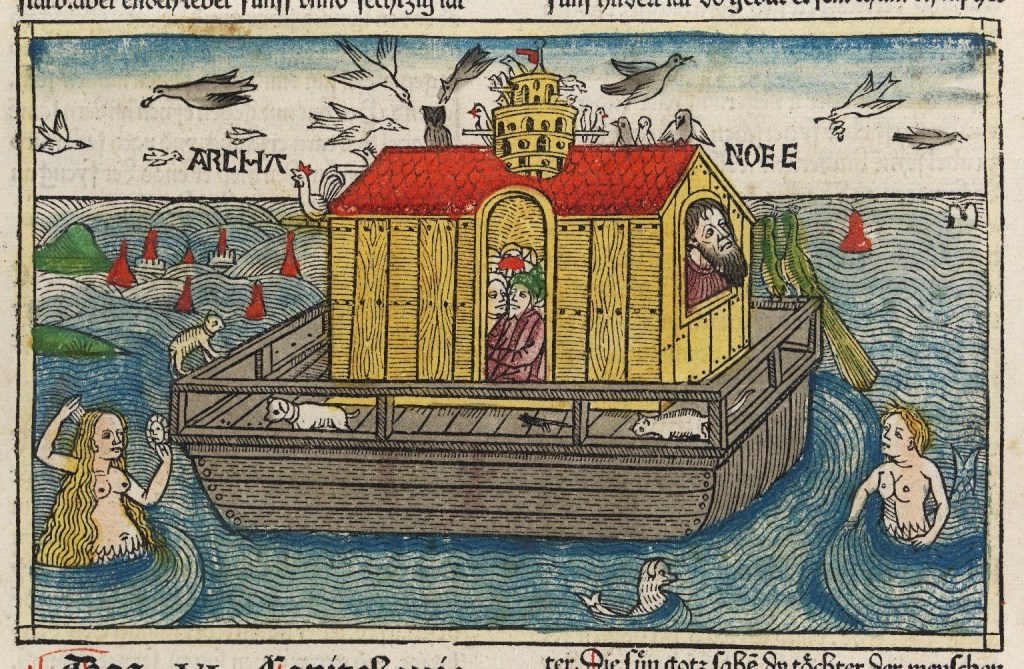
      A woodcut of Noah’s Ark from Anton Koberger’s German Bible
      University of Edinburgh Image Collections/Wikipedia
    5. 300 cubits long, 50 cubits wide and 30 cubits highGenesis 6:14–16 King James Bible reads, 
      • “14 Make thee an ark of gopher wood; rooms shalt thou make in the ark, and shalt pitch it within and without with pitch. 
      • 15 And this is the fashion which thou shalt make it of: The length of the ark shall be three hundred cubits, the breadth of it fifty cubits, and the height of it thirty cubits
      • 16 A window shalt thou make to the ark, and in a cubit shalt thou finish it above; and the door of the ark shalt thou set in the side thereof; with lower, second, and third stories shalt thou make it.”
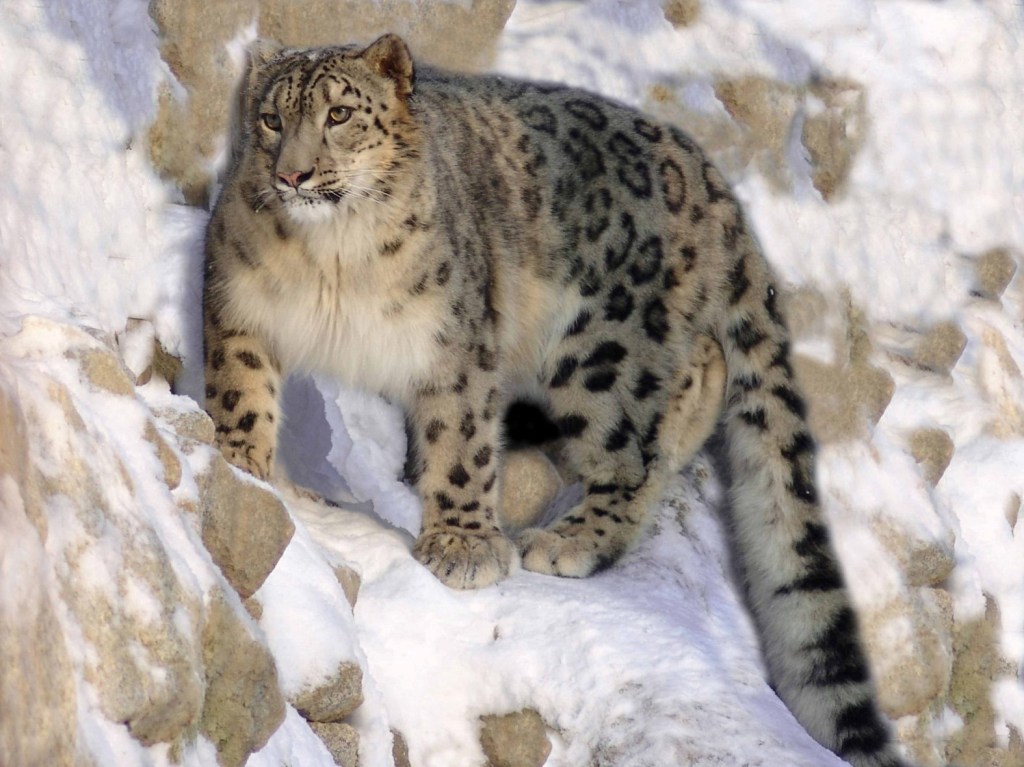
      Snow leopard
      Wikipedia
    6. Snow leopard—which is also known as the Ounce. The Old French word “once,” originally intended for the Eurasian lynx, is the source of the Latin name “uncia” and the English word “ounce”. An ounce is also a unit of weight equal to 437.5 grains or 1/16 pound (28.35 grams) avoirdupois. Another unit is 480 grains, which is 1/12 pound (31.1 grams) troy or apothecaries’ weight.
      The Nippur cubit-rod.
      Archeological Museum of Istanbul, Turkey/Wikipedia
    7. Euphrates—The Nippur cubit, one of the oldest known units of length, dates back to 2650 BCE. A copper bar standard for this Sumerian unit was discovered in Nippur, on the banks of the Euphrates, and is housed in the Istanbul Archaeological Museum.
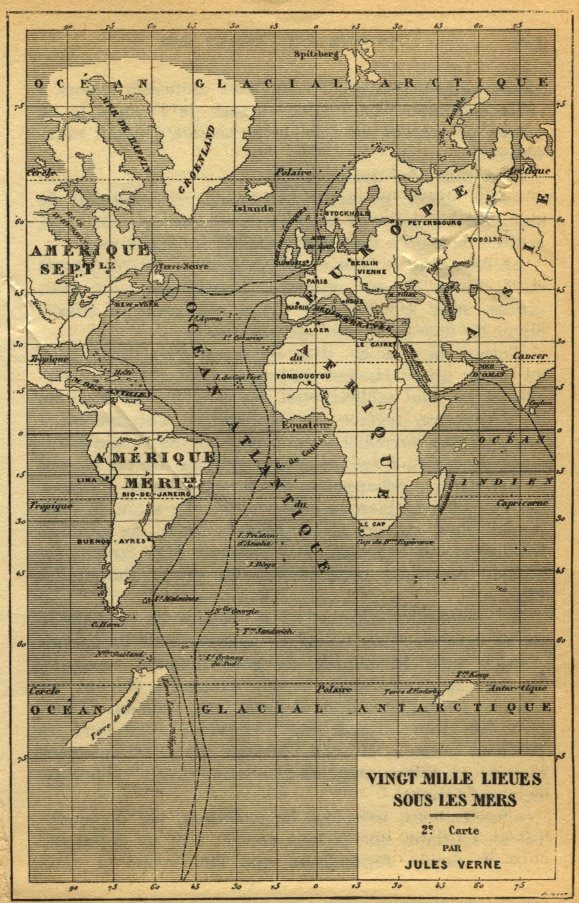
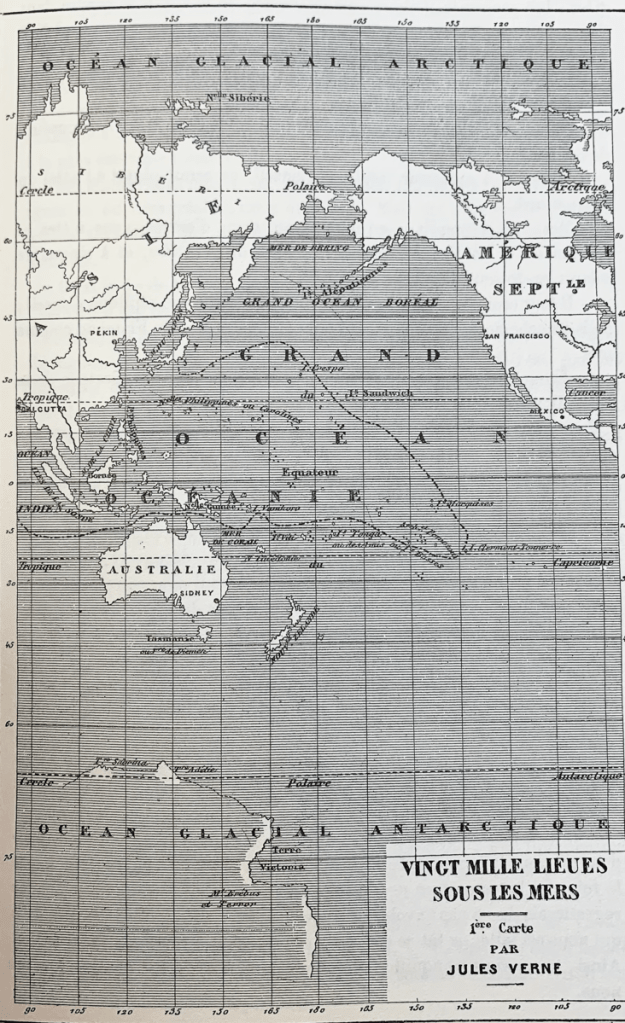
    8. Jules VerneTwenty Thousand Leagues Under the Seas is a science fiction adventure novel by Jules Verne. It was originally serialised in a French periodical and later published in a deluxe edition with illustrations.
    9. Grain—The grain, based on barley weight, is the only unit equal across troy, avoirdupois, and apothecaries’ systems. It was the fundamental unit of the pre-1527 English weight system, Tower weight, based on wheat grain, was defined as exactly 45⁄64 (≈+3⁄4) of the troy “barley” grain.
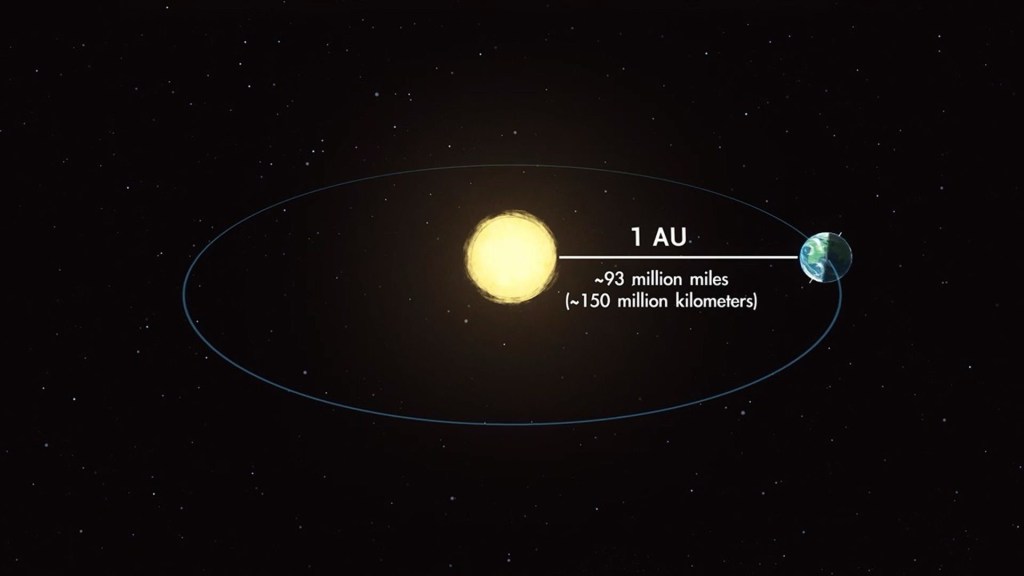
    10. AU—Astronomical unit, defined as exactly equal to 149,597,870,700 m (92,955,807.3 miles) and effectively equal to the average, or mean, distance between the Earth and the Sun.
    1 Astronomical Unit.
    NASA/JPL-Caltech
  • Measure for Measure

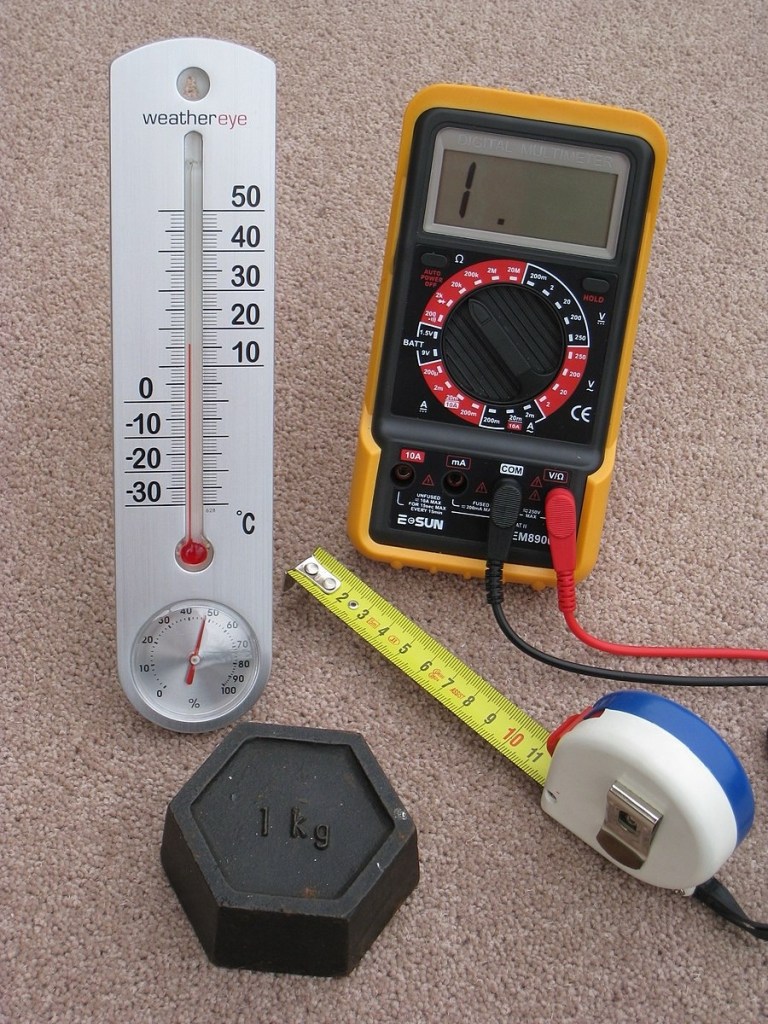
    Four measuring instruments calibrated in metric units
    Wikipedia

    Ten questions, all to do with measurements.

    1. The grain was the earliest unit of mass, initially, it referred to a grain of …
      • Rice
      • Salt
      • Wheat or barleycorn
    2. What unit of length is equivalent to 66 feet (20.1168 m)?
      • Cana
      • Chain
      • Cubit
    3. Of these three choices what is NOT a unit for measuring how heavy something is?
      • Rod
      • Shekel
      • Talent
    4. The carat, a unit for measuring gemstones, had its origin in what?
      • Carrot seed
      • Carob seed
      • Caraway seed
      Noah’s Ark by Edward Hicks
      Wikipedia
    5. According to the bible (Genesis 6:14–16) God decreed the dimensions for Noah to build his ark. In modern measurements the ark would be approximately 450 x 75 x 45 feet (137 x 23 x 14 m) but what were the original sizes as given in Genesis?
      • 100 cubits long, 30 cubits wide and 10 cubits high
      • 200 cubits long, 40 cubits wide and 20 cubits high
      • 300 cubits long, 50 cubits wide and 30 cubits high
    6. Which of these cats shares its alternative name with a unit of mass or weight?
      • Margay
      • Ocelot
      • Snow leopard
    7. The Nippur cubit, one of the oldest known units of length, dates from 2650 BCE. It was discovered on the banks of what river?
      • Euphrates
      • Nile
      • Yangtze
    8. What author used the measurement “leagues” in the title of a work written in 1870?
      • Arthur Conan Doyle
      • Jules Verne
      • HG Wells
    9. What is the only unit which is equal across the troy, avoirdupois and apothecaries’ systems?
      • Dram
      • Grain
      • Scruple
    10. What is an abbreviation for a unit of length which is defined to be exactly equal to 149,597,870,700 m?
      • AG
      • AR
      • AU
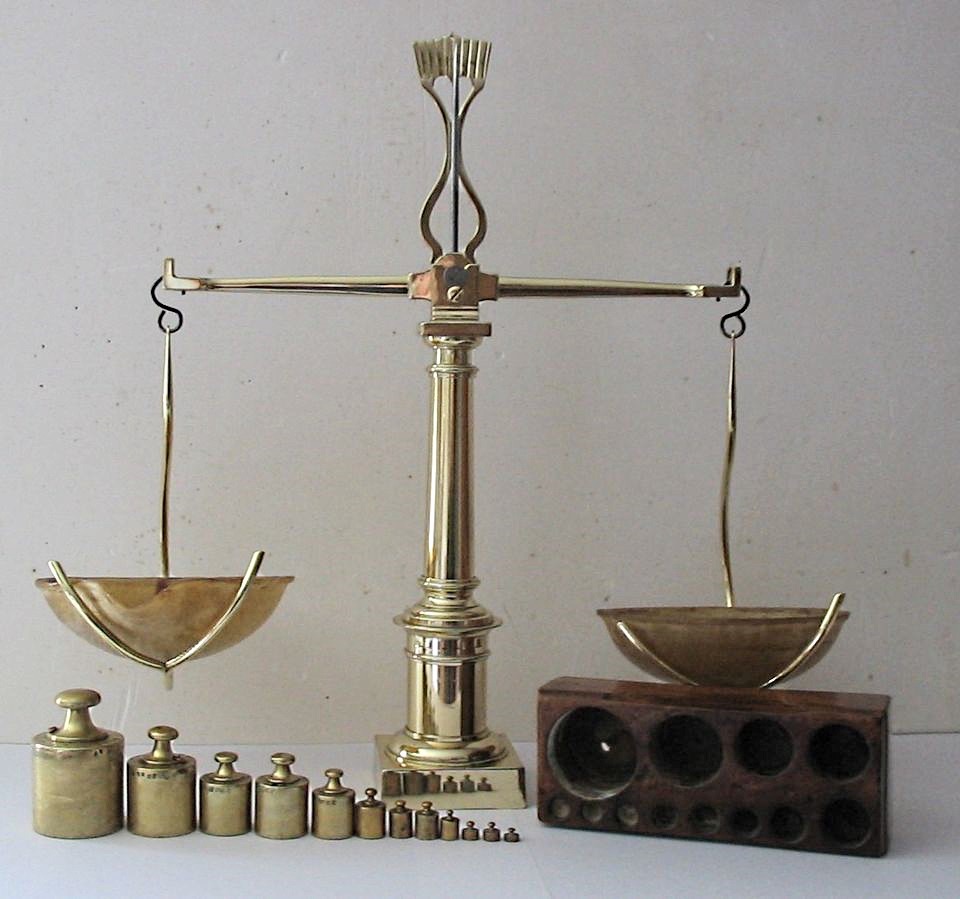
    Balance scale
    Wikipedia
  • Interments to Independence: Navigating Anarchy’s Introduction—Answers


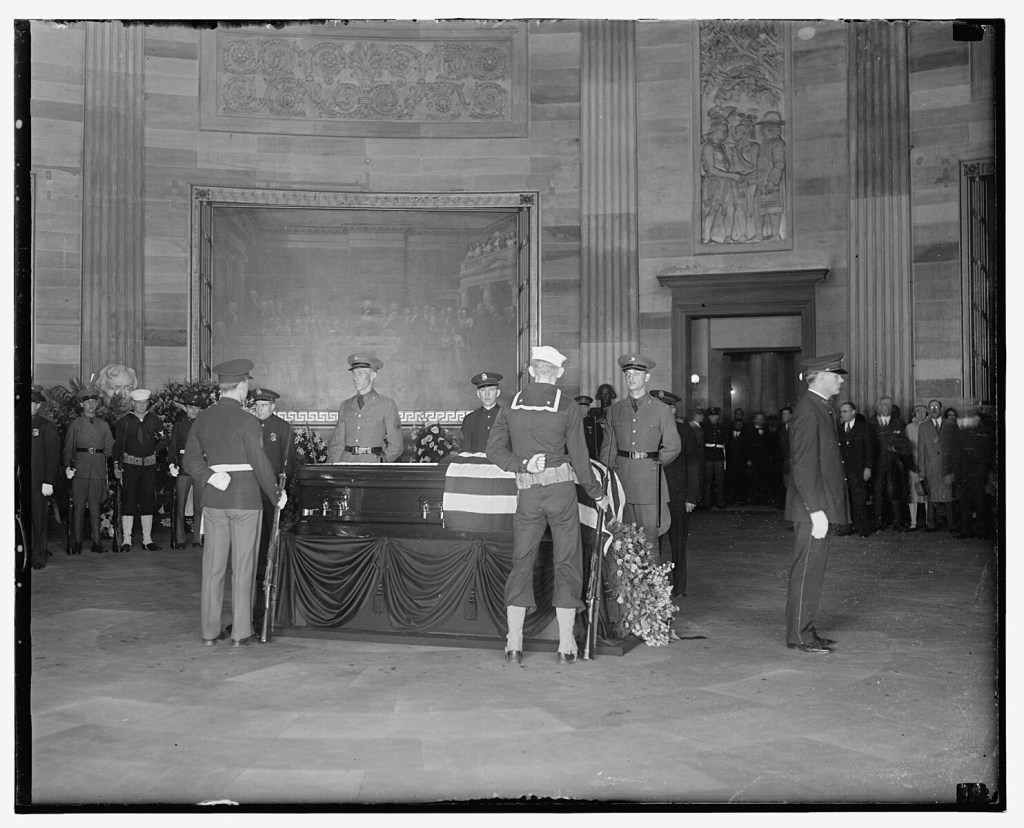
    The body of former President and Chief Justice William Howard Taft lies in repose in the United States Capitol rotunda.
    https://upload.wikimedia.org/wikipedia/commons/2/22/Taft_funeral_LCCN2016820348.jpg
    1. William Howard Taft—Taft lay in state at the United States Capitol rotunda. On 11 March, he became the first president and first member of the Supreme Court to be buried at Arlington National Cemetery. James Earle Fraser sculpted his grave marker out of Stony Creek granite.
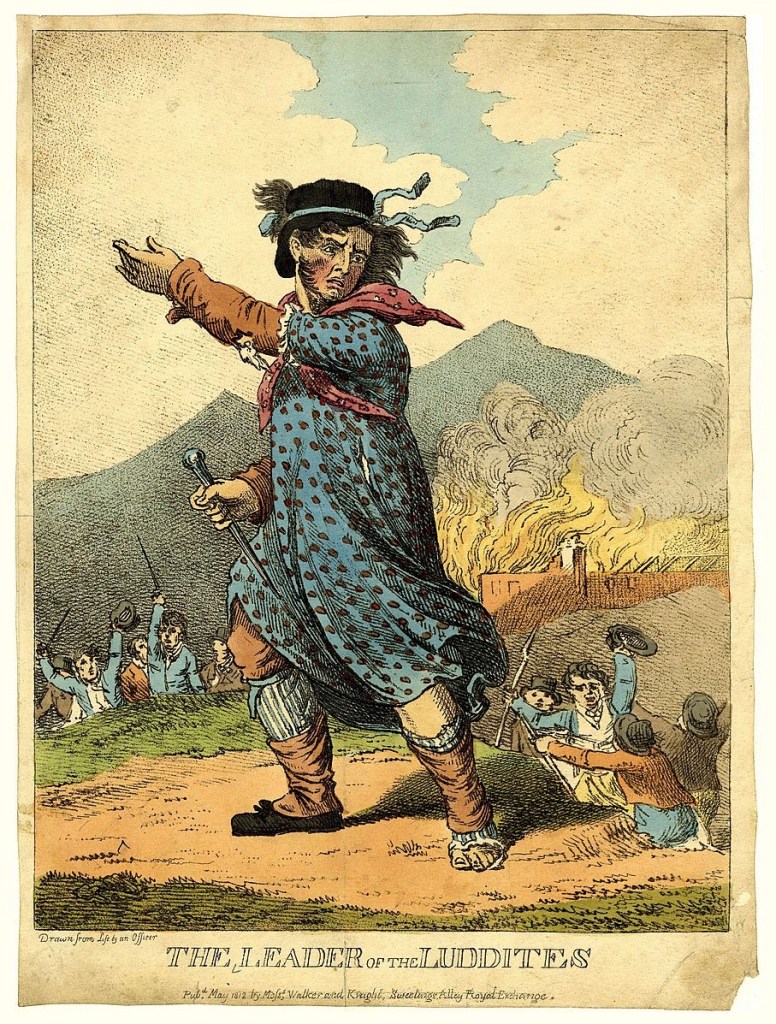
      Ned Ludd
      Wikipedia
    2. Someone’s name—Ned Ludd, allegedly a weaver from near Leicester in England, is famously linked to the destruction of knitting frames in 1779. This act, reportedly due to being whipped or taunted, is first mentioned in The Nottingham Review on 20 December 1811, though its truth is unverified. John Blackner’s 1811 book offers a different account of a lad named “Ludlam,” who, instructed by his father to “square his needles,” destroyed them with a hammer. The story spread, and whenever frames were sabotaged, people humorously attributed it to “Ned Ludd,” contributing to the legend of the Luddites.
    3. 1959—In the 1950s, Hawaiʻi’s political landscape shifted as descendants of immigrant labourers, U.S. citizens, broke the plantation owners’ power by voting against the Hawaiʻi Republican Party, supported by plantation owners, and for the Democratic Party of Hawaiʻi. This shift led to Democratic dominance in territorial and state politics for over 40 years. Residents campaigned for statehood to gain full congressional and Electoral College representation. Initially, Hawaiʻi was expected to be a Republican stronghold, prompting its admission alongside Alaska, a Democratic stronghold. However, by 2017, Hawaiʻi generally voted Democratic, while Alaska typically voted Republican, contrary to initial predictions.
    4. Penicillin—Penicillin, discovered in 1928 by Alexander Fleming from the Penicillium mold, was found to inhibit bacterial growth, specifically Staphylococcus aureus. Howard Florey and Ernst Boris Chain later isolated and purified it, making it therapeutically available by 1941. Naturally occurring penicillins, like penicillin G and V, differ in acid stability and administration methods. Semisynthetic versions offer enhanced properties. Penicillins operate by disrupting bacterial cell wall synthesis, targeting actively replicating bacteria without harming human cells. Bacterial resistance led to penicillinase-resistant variants, though challenges like MRSA persist. Side effects include hypersensitivity reactions, ranging from mild rashes to rare, severe anaphylactic shock.
      Flag of Lithuania.
      Wikipedia
    5. Lithuania—On 11 March 1990, Lithuania’s Supreme Council declared independence, becoming the first Soviet-occupied state to do so. In response, the Soviets imposed a 74-day economic blockade on 20 April 1990, causing shortages of essential goods. Despite the blockade, Lithuania maintained its independence declaration. Tensions escalated in January 1991 when a coup attempt was made using Soviet forces, but it failed due to strong public resistance, resulting in 14 deaths and hundreds of injuries. The Medininkai Massacre occurred on 31 July 1991, with 7 border guards killed. Lithuania was admitted to the United Nations on 17 September 1991.
  • Interments to Independence: Navigating Anarchy’s Introduction

    Arlington National Cemetery east entrance
    Wikipedia

    Sorry that this is a few hours later today, hope you enjoy.

    1. Who, on 11 March, became the first US president to be buried in Arlington National Cemetery, Virginia?
      • Ulysses S. Grant
      • William Howard Taft
      • John F. Kennedy
    2. Today in 1811, in Nottingham, England textile workers broke machinery that was taking their jobs in what was the first major Luddite riot. The term “Luddite” derives from…
      • Someone’s name
      • The riot’s location
      • The machinery’s manufacturer
    3. Hawaii was admitted into the union as the 50th US state, on 11 March in…
      • 1941
      • 1950
      • 1959
    4. In 1928, Alexander Fleming, a Scottish bacteriologist who died today in 1955, discovered…
      • Penicillin
      • Aspirin
      • Codeine
    5. The first Soviet republic to declare its independence from the USSR did so today in 1990. Which of these was it?
      • Latvia
      • Estonia
      • Lithuania

    Good luck! The answers will be posted later today or tomorrow.

  • Fabulous Fantastic Fiascoes—Answers

    Answers to the questions in the earlier post are shown in bold below.

    US Military Academy, West Point, Coat of Arms
    Image Wikipedia
    1. West Point military academy—Edgar Allan Poe attended the United States Military Academy at West Point in 1830. His time there was marked by academic success in subjects like mathematics, but he struggled with the strict military discipline. Poe deliberately sought dismissal by neglecting his duties and violating academy regulations. His tenure at West Point was brief, lasting less than a year, but it significantly influenced his literary career, as he turned his focus entirely to writing after leaving the academy.
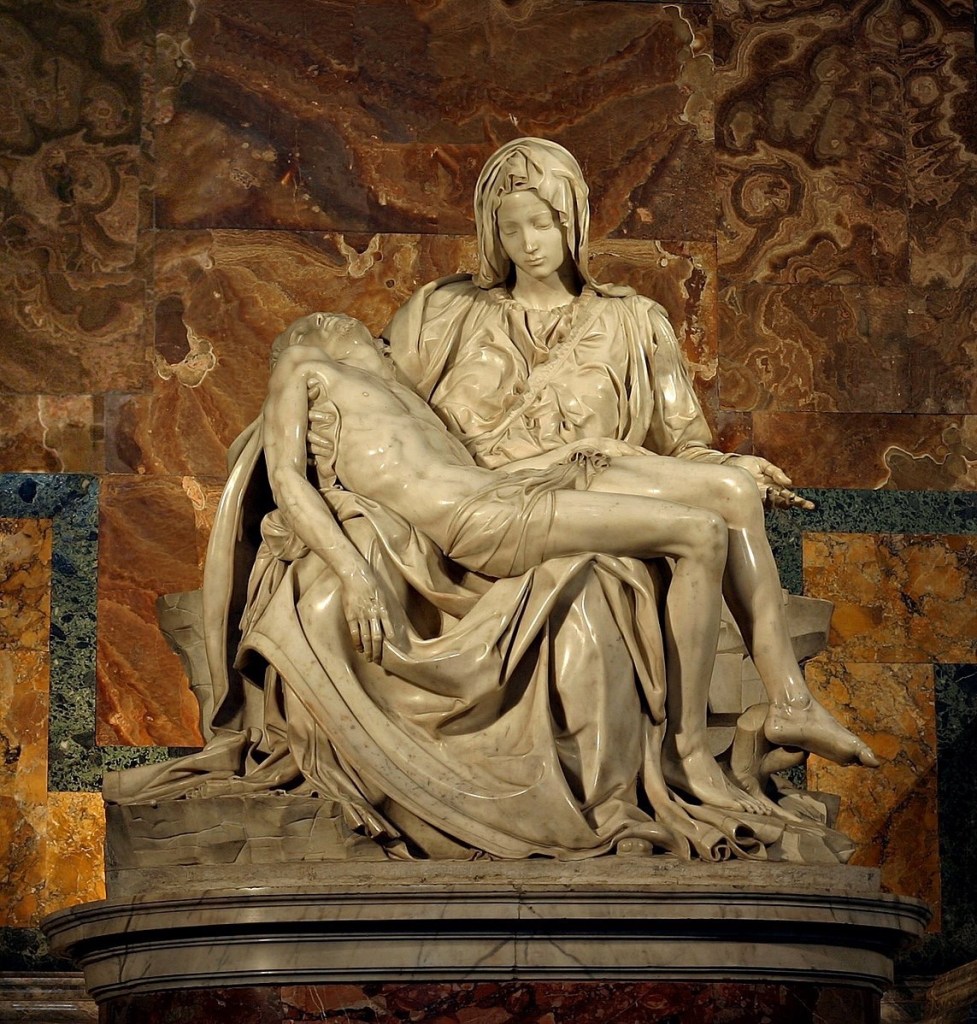
      Pietà (1498–1499), by Michaelangelo. St. Peter’s Basilica, Vatican City
      Image Wikipedia
    2. 1475—Michelangelo di Lodovico Buonarroti Simoni (1475–1564), known simply as Michelangelo, was an influential Italian sculptor, painter, architect and poet of the High Renaissance. Born in Florence, his work drew inspiration from classical antiquity, leaving a profound impact on Western art. Renowned for masterpieces like the Sistine Chapel ceiling and the statue of David, Michelangelo epitomised the Renaissance man alongside Leonardo da Vinci. His exceptional talents spanned multiple disciplines, and extensive surviving records highlight his artistic journey. Celebrated by contemporaries, Michelangelo remains one of the most documented and revered artists of the 16th century.
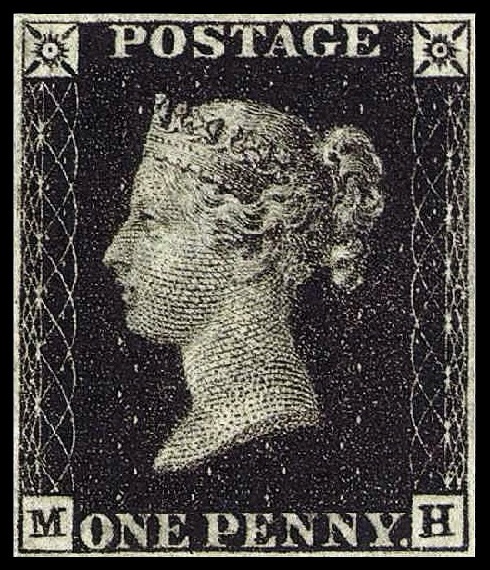
      Penny Black with Queen Victoria profile.
      Image Wikipedia
    3. Victoria, queen of Great Britain —The Penny Black, introduced in the United Kingdom on 1 May 1840 and valid from 6 May, was the world’s first adhesive postage stamp for public postal use. Featuring Queen Victoria’s profile, it revolutionised postal services based on Sir Rowland Hill’s proposal to simplify complex, costly rates. Prior to this, recipients paid postage based on distance and sheet count. The Penny Black marked a shift to sender-paid postage, enabling letters up to ½ ounce (14 grams) to be delivered nationwide for a uniform rate of one penny, streamlining and democratising communication across distances.
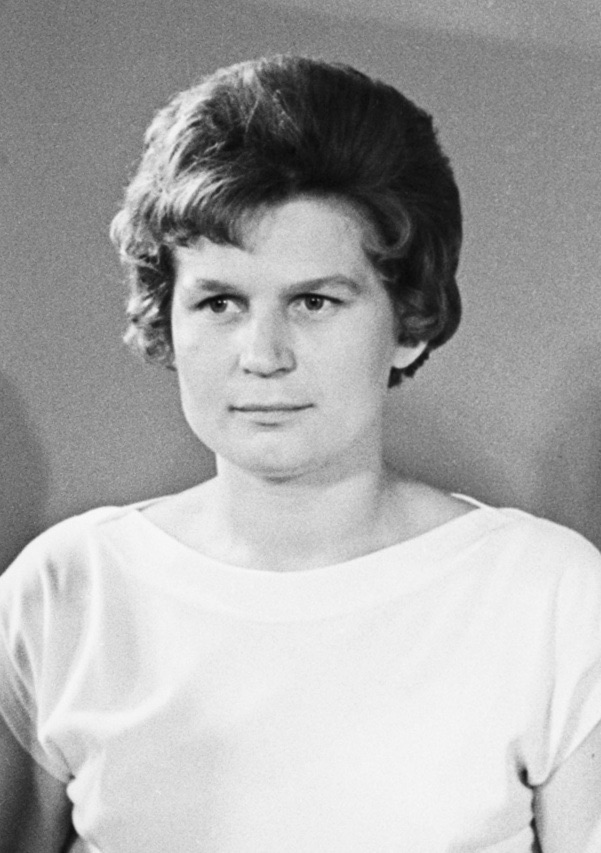
      Valentina Tereshkova.
      Image Wikipedia
    4. Valentina Tereshkova—Valentina Tereshkova, a Russian engineer and former Soviet cosmonaut, was the first woman in space, completing a solo mission on Vostok 6 in 1963. It was her only space flight.
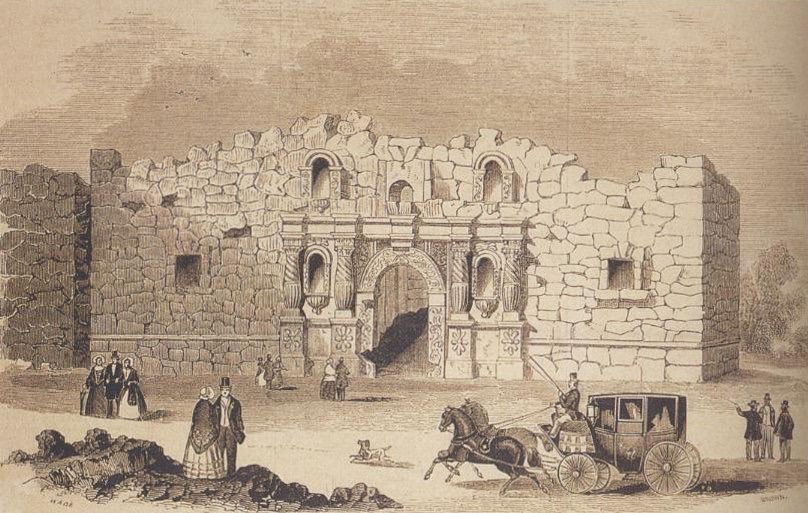
      This is a drawing of the Alamo Mission in San Antonio. It was first printed in 1854 in Gleason’s Pictorial Drawing Room Companion and was reprinted in Frank Thompson’s 2005 “The Alamo”, p 106.
      Image Wikipedia
    5. 13 days—The Siege of the Alamo took place from 23 February to 6 March 1836 during the Texas Revolution. Mexican forces led by General Antonio López de Santa Anna besieged the Alamo Mission in San Antonio, defended by Texian rebels including James Bowie, William B. Travis and Davy Crockett. Despite fierce resistance, the Texians were vastly outnumbered. After 13 days of relentless bombardment and attacks, the Mexican army overran the mission, killing nearly all defenders. The defeat became a rallying cry, “Remember the Alamo!”, inspiring Texian forces to eventual victory in the revolution.
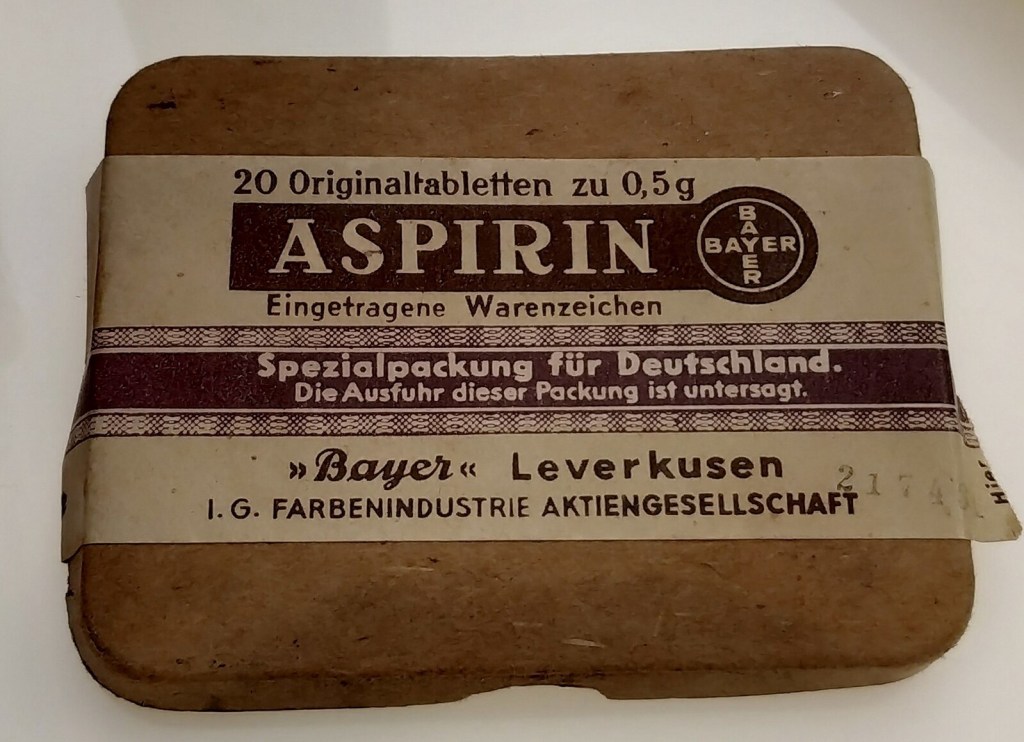
      Old Package of Aspirin, 20 tabs 0.5 g
      Image Wikipedia
    6. Aspirin—Aspirin, a genericized trademark for acetylsalicylic acid (ASA), is a nonsteroidal anti-inflammatory drug (NSAID) used to alleviate pain, fever, and inflammation and as an antithrombotic. It treats specific inflammatory conditions like Kawasaki disease, pericarditis, and rheumatic fever. Long-term use helps prevent heart attacks, ischaemic strokes and blood clots in high-risk individuals. Effects for pain or fever usually start within 30 minutes. Aspirin functions like other NSAIDs but uniquely suppresses platelet function.
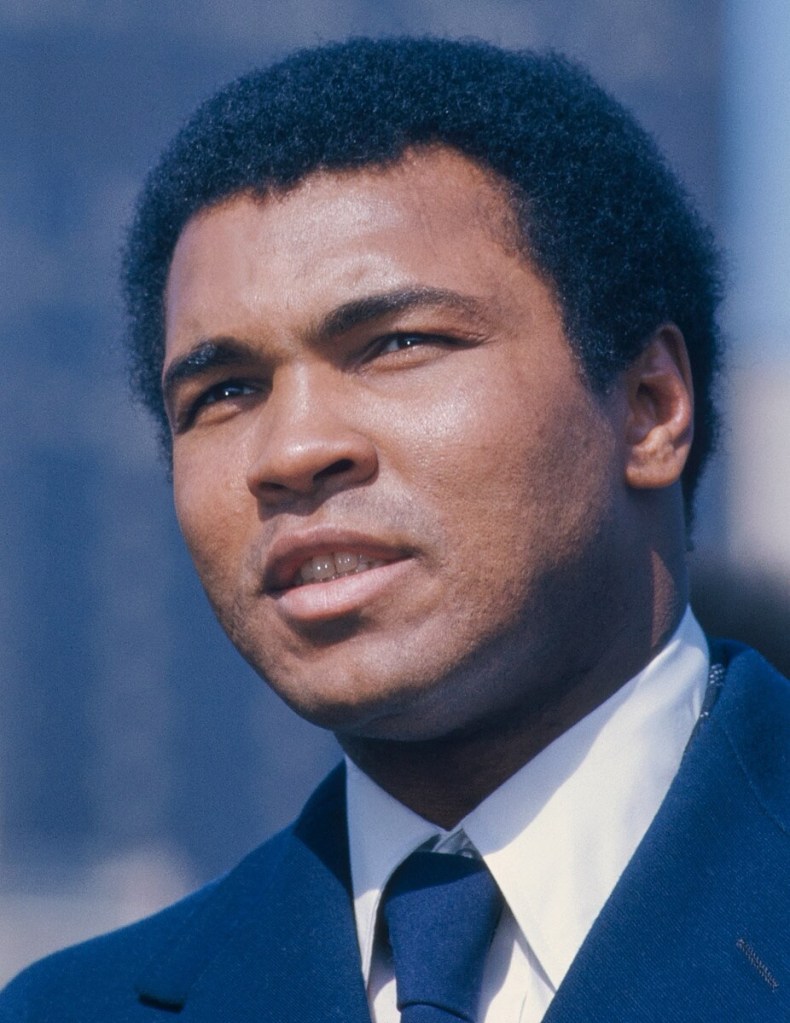
      Muhammad Ali.
      Image Wikipedia
    7. Cassius Clay—In 1964, Cassius Clay stunned the world by defeating Sonny Liston to win the heavyweight championship, defying the odds as an underdog. Just two days after his historic victory, Clay made headlines again by announcing his conversion to the Nation of Islam. This pivotal decision marked a profound personal transformation, as he embraced the teachings of Elijah Muhammad. On 6 March 1964, he adopted the name Muhammad Ali, symbolising his new identity and faith. Ali’s name change reflected not just a religious shift but a declaration of self-determination, which resonated throughout his illustrious boxing career and beyond.
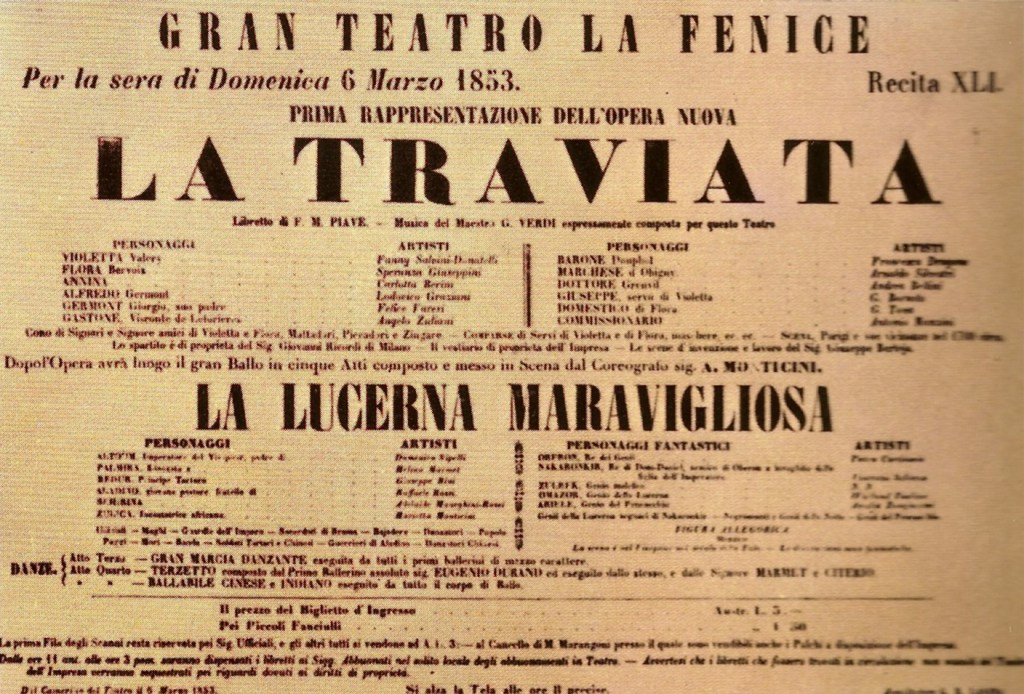
      World Premiere Poster, 1853
      Image Wikipedia
    8. FiascoLa traviata premiered at La Fenice, Venice, in March 1853, amidst Verdi’s lingering apprehensions. The production faced hurdles from the start: Verdi disagreed with the casting of 38-year-old Fanny Salvini-Donatelli as Violetta, feeling she was ill-suited for the role of a youthful, consumptive heroine. Despite Verdi’s protests, no changes were made. The opening act received applause, but enthusiasm waned in the second act, where performances by baritone Felice Varesi and tenor Lodovico Graziani met with disapproval. Verdi later lamented in a letter, “La traviata last night a failure. Was the fault mine or the singers’? Time will tell.” He further said, “It was a fiasco!”
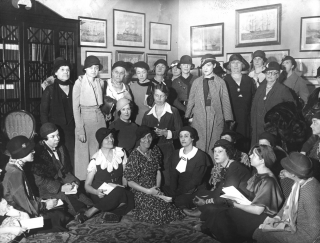
      Eleanor Roosevelt with female reporters at her first White House press conference on March 6, 1933.
      Credit: FDR Presidential Library & Museum
      Image via National Woman’s History Museum
    9. Eleanor Roosevelt—Eleanor Roosevelt recounted to journalist Lorena Hickok that the first White House press conference for women reporters, held on 6 March 1933—two days after FDR’s inauguration—was held in the Red Room. Thirty-five women attended, but there weren’t enough chairs, so some sat on the floor. These weekly conferences, open only to women, helped preserve their jobs and ensured news access. As Mrs Roosevelt noted without fresh stories, women reporters risked losing their jobs. The conferences focused on topics of interest to women, avoiding politics. Over twelve years, 348 conferences provided the First Lady with a national audience and significant publicity.
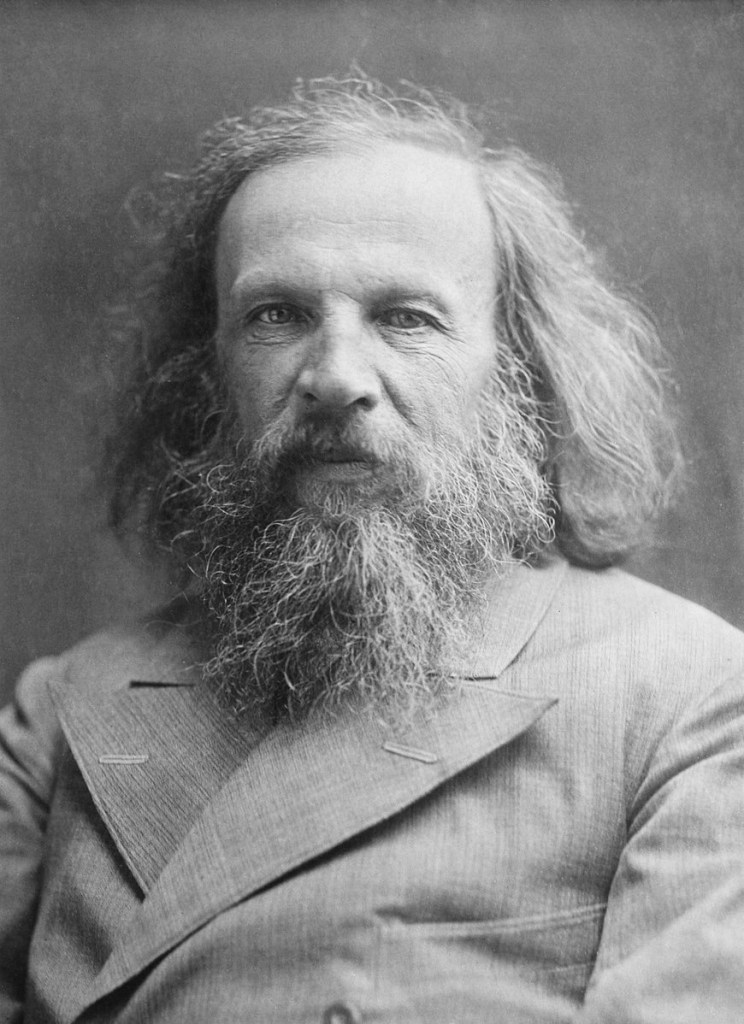
      Dmitri Mendeleev.
      Image Wikipedia
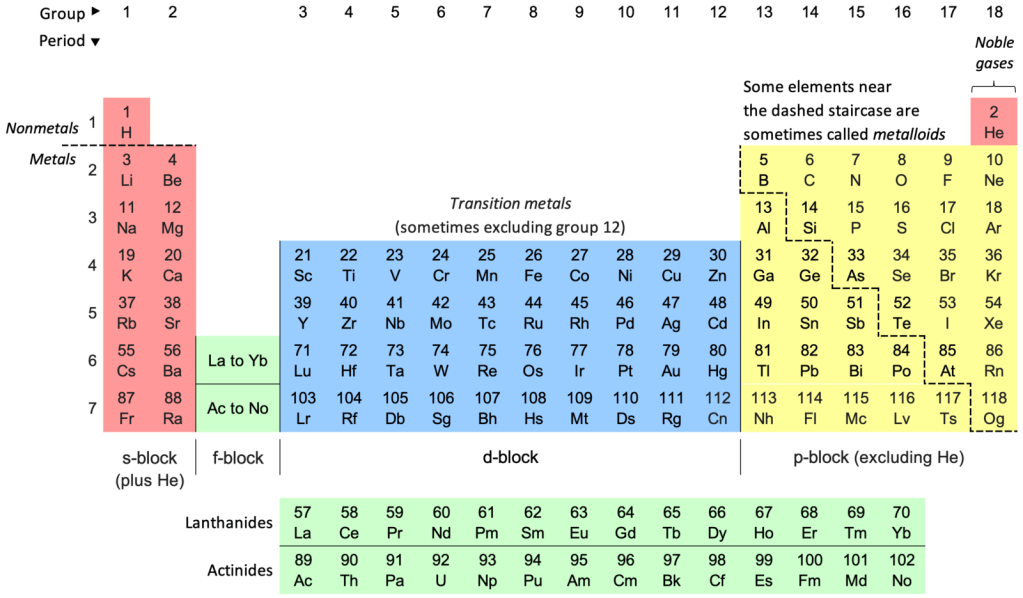
    10. 1869—On 6 March 1869, a scientist presented to the Russian Chemical Society about how elements’ properties relate to their atomic weights. He found that elements arranged by atomic weight show a pattern in their properties. Similar elements often have similar atomic weights or a regular increase in weight. Elements in groups based on atomic weight also match their valencies and chemical properties. He noted that widely spread elements have small atomic weights and that atomic weight influences an element’s nature. He predicted the discovery of new elements and suggested that atomic weights could help predict element properties.
    Coloured periodic table showing the most common sets of elements (2023)
    Image Wikipedia
    Pietà (1498–1499), by Michaelangelo. St. Peter’s Basilica, Vatican City
    Image Wikipedia
  • Fabulous Fantastic Fiascoes

    Michelangelo.
    Image Wikipedia
    1. On this day in 1831, American writer Edgar Allan Poe was court-martialled for disobedience and expelled from…
      • Annapolis naval academy
      • Marine Corps Base Quantico
      • West Point military academy
    2. Italian Renaissance artist Michelangelo was born on 6 March in…
      • 1375
      • 1475
      • 1575
    3. On 6 March 1840, the world’s first adhesive postage stamp, the Penny Black, went into use featuring an image of…
      • Jonas Furrer, president of Switzerland
      • Victoria, queen of Great Britain
      • Martin Van Buren, president of the US
    4. The first female to travel in space was born on this day in 1937, she was…
      • Valentina Ponomaryova
      • Svetlana Savitskaya
      • Valentina Tereshkova 
    5. The Alamo, San Antonio fell and was captured today in 1836 following a siege which had lasted…
      • 3 days
      • 13 days
      • 31 days
    6. On 6 March 1899, acetylsalicylic acid is patented by Felix Hoffmann at the German company Bayer under the genericized trademark…
      • Aspirin
      • Ibuprofen
      • Paracetamol 
    7. This day in 1964 a boxer changed his name to Muhammad Ali. He had had changed his name from…
      • Augustus Amber
      • Balbinus Beryl
      • Cassius Clay
    8. Today in 1853, La traviata, by Giuseppe Verdi, was premiered at La Fenice opera house in Venice. The composer later described it as…
      • Fabulous
      • Fantastic
      • Fiasco
    9. The first First Lady to hold an official press conference in the White House did so on 6 March. She was…
      • Eleanor Roosevelt
      • Jackie Kennedy
      • Pat Nixon
    10. At a meeting of the Russian Chemical Society, Russian chemist Dmitri Mendeleev presented the first periodic table on this day in …
      • 1869
      • 1895
      • 1921

    Good luck! The answers will be posted later today.
  • Bombshell Birthdays, Trashy Climbers and Hockey Hooligans!—Answers

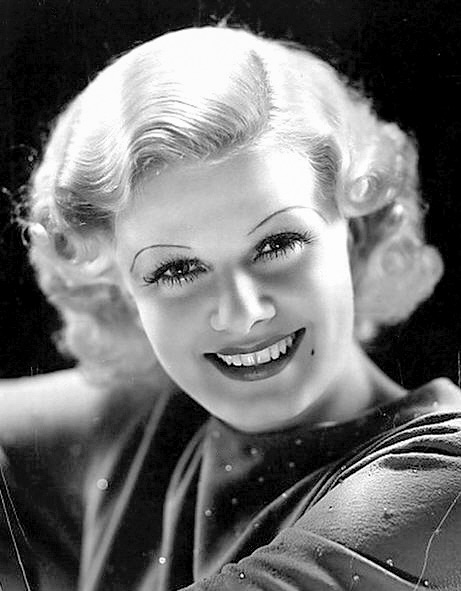
    Jean Harlow.
    Image Wikipedia
    1. Jean Harlow—Jean Harlow, born Harlean Carpenter in 1911, was the quintessential blonde bombshell of Hollywood’s golden age. Rising to fame during the 1930s, she captivated audiences with her vivacious personality, striking platinum hair, and undeniable talent. Harlow’s career was marked by standout performances in films like Hell’s Angels and Red Dust, where she showcased her comedic timing and magnetic screen presence. Despite her glamorous image, she was known for her down-to-earth nature and warmth. Tragically, Harlow’s life was cut short at the age of 26 due to kidney failure, but her legacy as a pioneering Hollywood icon endures.
      Looking north to Mount Everest.
      Image Wikipedia
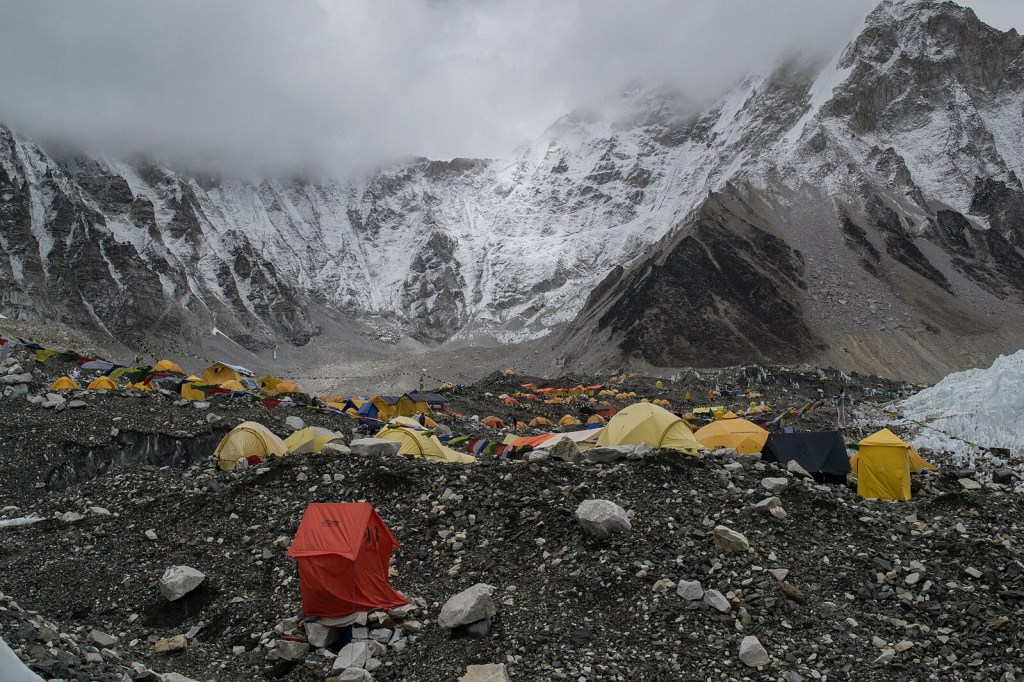
    2. 8 kg (17.6 lb)—Nepal’s tourism authority announced a new rule requiring climbers of Mount Everest to return with 8kg (17.6lb) of trash more than they produced during their ascent. This measure aims to address the estimated 50 tons of discarded items left on the mountain.
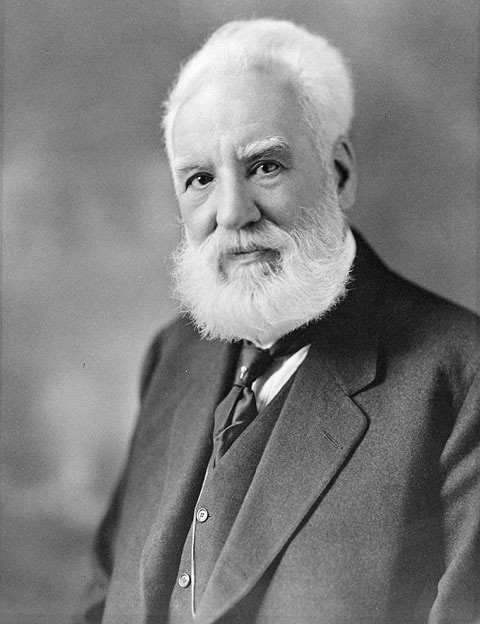
      Alexander Graham Bell, c1914-1919.
      Image Wikipedia
    3. Edinburgh, Scotland—Alexander Graham Bell, born in Edinburgh, Scotland, was an American inventor and scientist celebrated for his revolutionary contributions to communication. He invented the telephone in 1876 and the phonograph in 1886. Bell’s inventive genius is showcased by 18 patents in his name and 12 shared with collaborators. His patents include 14 for the telephone and telegraph, four for the photophone, one for the phonograph, five for aerial vehicles, four for hydroairplanes, and two for selenium cells. Bell’s work transformed the world by enhancing communication methods.
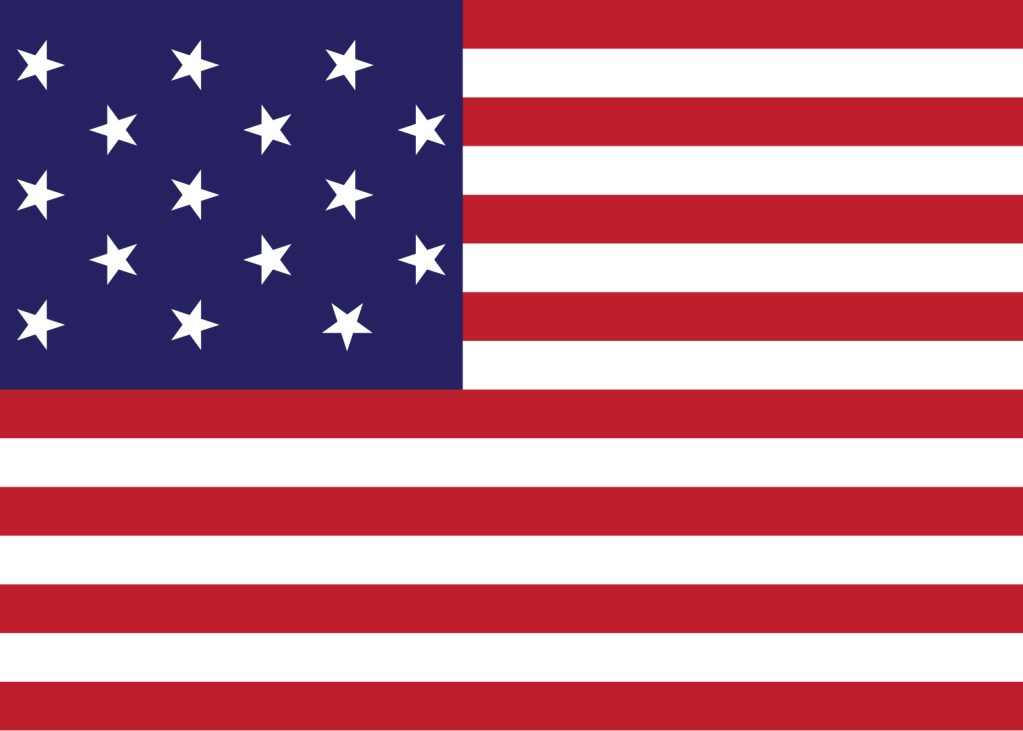
      Flag, which flew over Fort McHenry following the Battle of Baltimore in the War of 1812, is said to have inspired Francis Scott Key.
      Image Wikipedia
    4. 1931—The Star-Spangled Banner is the national anthem of the United States, penned by Francis Scott Key during the War of 1812. Key, an American lawyer, wrote the lyrics after witnessing the British bombardment of Fort McHenry in Baltimore, Maryland, during the Battle of Baltimore. Captivated by the sight of the American flag, the Star-Spangled Banner, still flying over the fort at dawn, he poetically immortalised the resilience and spirit of the American people. The anthem’s stirring words and vivid imagery have since become a symbol of national pride. In 1931, the United States Congress officially designated it as the national anthem.
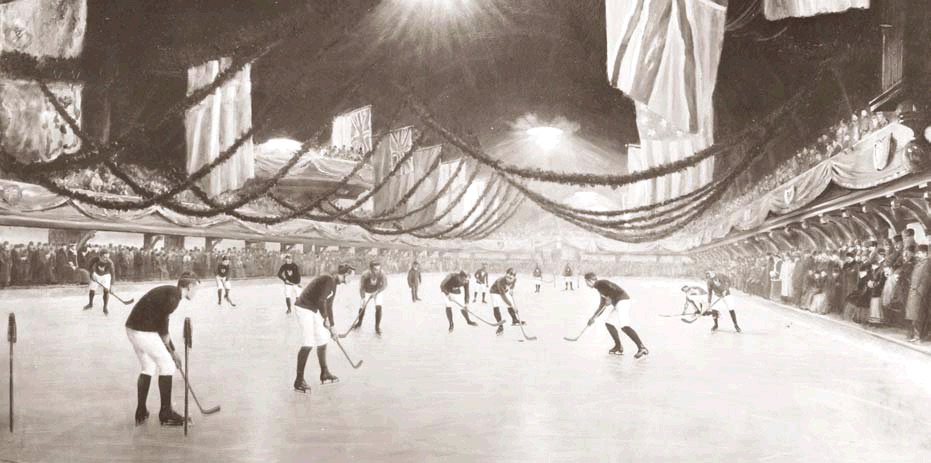
      Composite photo of 1893 hockey game at the Victoria Skating Rink in Montreal; photo in collection of McCord Museum.
      Image Wikipedia
    5. Montreal—The first recorded public indoor ice hockey game, played in Montreal’s Victoria Skating Rink in 1875, involved two teams of McGill University students. The game’s reputation for violence was already evident as shown by The Daily British Whig of Kingston, Ontario, which reported, the match was marked by “shins and heads being battered, benches smashed, and lady spectators fleeing in confusion.” The McGill University Hockey Club, the first organised team, was formed in 1877; it codified the rules of the game and limited the number of players on each side to nine.
  • Bombshell Birthdays, Trashy Climbers and Hockey Hooligans!

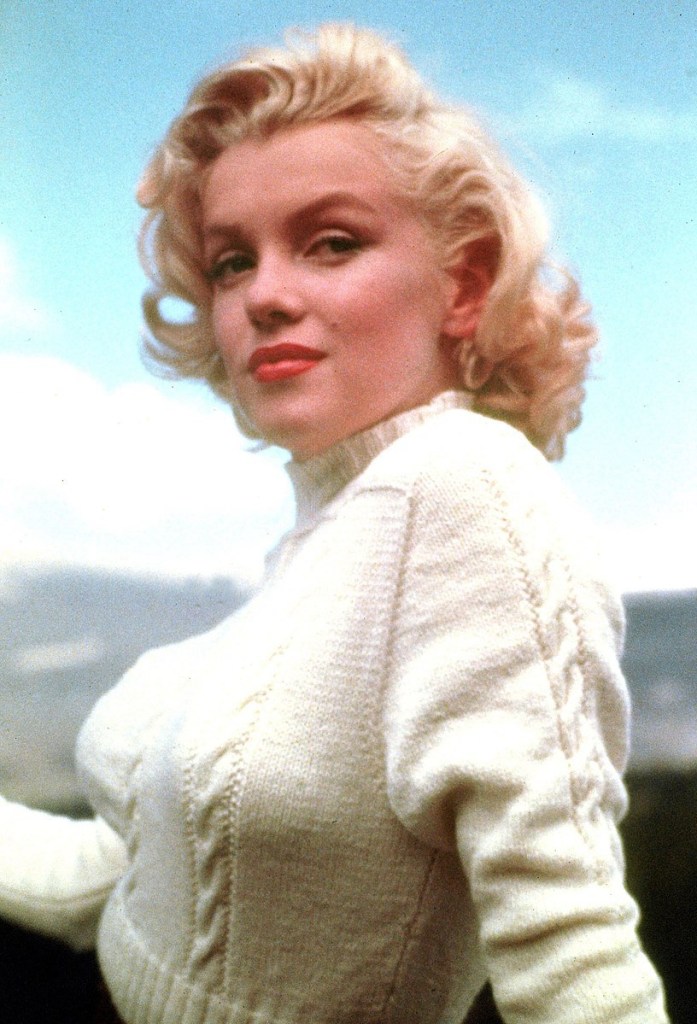
    Marilyn Monroe, 1954.
    Image Wikipedia

    All of the following are connected to 3 March.

    1. An actress born on 3 March 1911 was, according to Encyclopædia Britannica, the original ‘blonde bombshell’; who was she?
      • Jean Harlow
      • Fay Wray
      • Mae West
      Everest Base Camp.
      Image Wikipedia
    2. On this day in 2014, Nepal implemented a system requiring climbers of Mount Everest to return ___ of trash more than they produced during their ascent and descent. Which of these is missing from the previous sentence?
      • 4 kg (8.8 lb)
      • 6 kg (13.2 lb)
      • 8 kg (17.6 lb)
    3. Alexander Graham Bell, inventor and scientist, best known for the invention of the telephone, was born on 3 March 1847. Where was he born?
      • Cape Breton Island, Nova Scotia, Canada
      • Edinburgh, Scotland
      • Isle of Skye, Scotland
      Flag, which flew over Fort McHenry following the Battle of Baltimore in the War of 1812, is said to have inspired Francis Scott Key.
      Image Wikipedia
    4. The Star-Spangled Banner, written by Francis Scott Key during the War of 1812, was officially adopted by an act of Congress as the official national anthem of the United States on this day in…
      • 1853
      • 1892
      • 1931
    5. The first recorded public indoor ice hockey game took place today in 1875. It was played in the Canadian city of…
      • Montreal
      • Quebec
      • Vancouver

    Good luck! The answers will be posted later today.

  • Hello Dolly—Answer

    Dolly the Sheep. [Image from Wikipedia]
    1. Roslin, Scotland
    2. Finn-Dorset
    3. Dolly Parton

    Dolly, a female Finn Dorset sheep, lived from 1996 to 2003 and made history as the first mammal cloned from an adult somatic cell. Her birth on 5 July 1996, was announced by British developmental biologist Ian Wilmut and his colleagues at the Roslin Institute near Edinburgh, Scotland, on 22 February 1997. This significant milestone in science dispelled the long-standing belief that adult mammals could not be cloned and sparked a debate about the potential applications and ethical implications of mammalian cloning technology. The process of creating Dolly involved nuclear transfer, where a cell was extracted from her mammary gland, proving that cloning from a mature cell originating from a specific body part was possible.

    When asked about Dolly’s name Professor Wilmut said,

    Dolly is derived from a mammary gland cell and we couldn’t think of a more impressive pair of glands than Dolly Parton’s

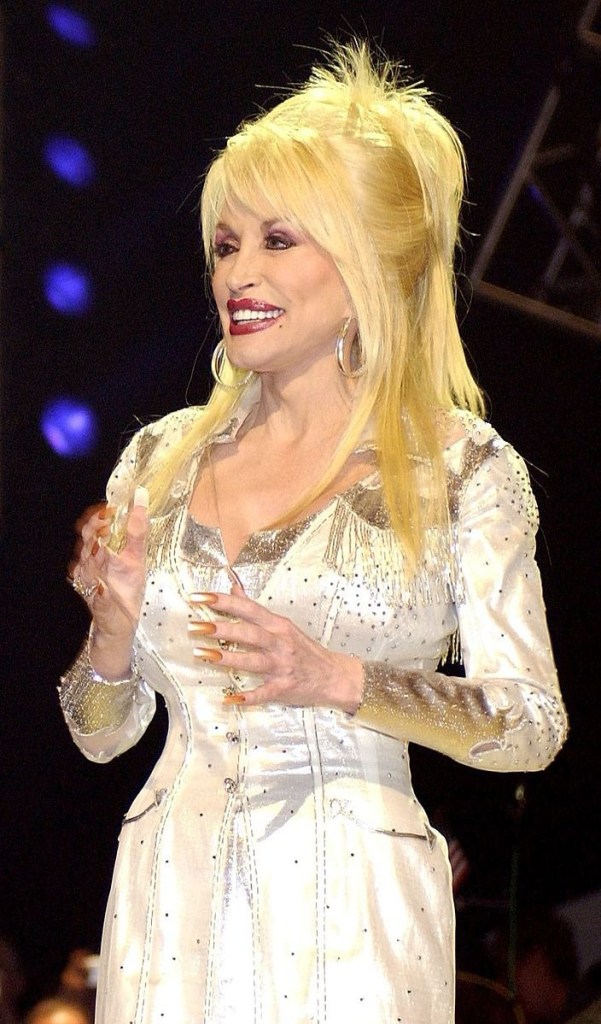
    Dolly Parton [Image from Wikipedia]