Quizology.Online

“There is much pleasure to be gained from useless knowledge.”

— Bertrand Russell

Tag: science

  • Famous Family—Answers

    These questions all relate to today, January 8th.

    Flag of Monaco.
    Image Wikimedia Commons

    One

    On this day in 1997, what family commemorated 700 years of ruling the place represented by the flag shown above? Who are the family and where do they rule?

    1. Borgia, Republic of San Marino
    2. Grimaldi family, Principality of Monaco
    3. Medici family, Vatican City State

    Answer: 2. Grimaldi family, Principality of Monaco.

    Monaco, a sovereign city-state on the French Riviera, is the second smallest sovereign state in the world. It is a semi-constitutional monarchy with Prince Albert II as head of state. Monaco is known for its wealth, casinos, and as a tax haven, attracting a high percentage of millionaires.


    Two

    What year and state complete the following sentence? In …, Elvis Presley was born in …

    1. 1933; Alabama
    2. 1935; Mississippi
    3. 1937; Tennessee

    Answer: 2. 1935; Mississippi.

    Elvis Presley, the King of Rock and Roll, was a highly influential American singer and actor. Born on 8 January 1935 in Tupelo, Mississippi, he rose to fame in the 1950s with his unique blend of country and rhythm and blues, becoming a cultural icon despite initial controversy. Presley’s successful music career spanned multiple genres, and he remains one of the best-selling music artists of all time.


    Three

    On this day, Charles de Gaulle was inaugurated as president of France’s …

    1. First Republic
    2. Fourth Republic
    3. Fifth Republic

    Answer: 3. Fifth Republic.

    Charles de Gaulle, a pivotal figure in French history, led the Free French forces during WWII, became the provisional president, and was instrumental in establishing the Fifth Republic. As President from 1959 to 1969, he navigated challenges like the Algerian War, strengthened France’s economy and international position, and aimed to increase France’s global influence.

    __

    Four

    Born on this day, Stephen Hawking, a British theoretical physicist and cosmologist, who suffered from motor neurone disease did NOT take part in which one of these?

    1. Have I Got News for You
    2. Monty Python
    3. The Hitchhiker’s Guide to the Galaxy radio series

    Answer: 1. Have I Got News for You.

    Stephen Hawking was an English theoretical physicist and cosmologist, known for his work on black holes and cosmology. He was diagnosed with motor neurone disease at age 21, but continued his work and achieved commercial success with his book A Brief History of Time. He featured at the Monty Python Live (Mostly) show in 2014. He was shown to sing an extended version of the Galaxy Song, after running down Brian Cox with his wheelchair, in a pre-recorded video. In 2018, Hawking was the voice of The Book Mark II on The Hitchhiker’s Guide to the Galaxy radio series


    Five

    The ocean liners RMS Queen Mary 2 and her namesake Queen Mary are both named after the same person. Who?

    1. Mary I
    2. Mary, Queen of Scots
    3. Mary of Teck

    Answer: 3. Mary of Teck.

    Queen Mary, now berthed permanently at Long Beach, California, United States, was launched in 1934 when she was named after, and by, Queen Mary, the consort of Britain’s King George V. On 8 January 2004, Queen Mary’s granddaughter, Elizabeth II, named Queen Mary 2 after her grandmother, the same Queen Mary who was born Mary of Teck. Cunard legend has it that the 1934 ship was to be named after Queen Victoria, and following protocol, they advised the king, ‘We have decided to name our new ship after England’s greatest queen.’ George V allegedly responded, ‘My wife [Queen Mary] will be delighted that you are naming the ship after her.’

  • Famous Family

    These questions all relate to today, January 8th.

    Flag details with answers.
    Image Wikimedia Commons

    One

    On this day in 1997, what family commemorated 700 years of ruling the place represented by the flag shown above? Who are the family and where do they rule?

    1. Borgia, Republic of San Marino
    2. Grimaldi family, Principality of Monaco
    3. Medici family, Vatican City State

    Two

    What year and state complete the following sentence? In …, Elvis Presley was born in …

    1. 1933; Alabama
    2. 1935; Mississippi
    3. 1937; Tennessee

    Three

    On this day, Charles de Gaulle was inaugurated as president of France’s …

    1. First Republic
    2. Fourth Republic
    3. Fifth Republic

    __

    Four

    Born on this day, Stephen Hawking, a British theoretical physicist and cosmologist, who suffered from motor neurone disease did NOT take part in which one of these?

    1. Have I Got News for You
    2. Monty Python
    3. The Hitchhiker’s Guide to the Galaxy radio series

    Five

    The ocean liners RMS Queen Mary 2 and her namesake Queen Mary are both named after the same person. Who?

    1. Mary I
    2. Mary, Queen of Scots
    3. Mary of Teck

    Good luck! I’ll post the answers later.


  • How’s the Weather—Answers

    Here are the answers to the questions I posed in my earlier post.

    These questions concerning various ’firsts’ also all relate to today’s date, January 7th.

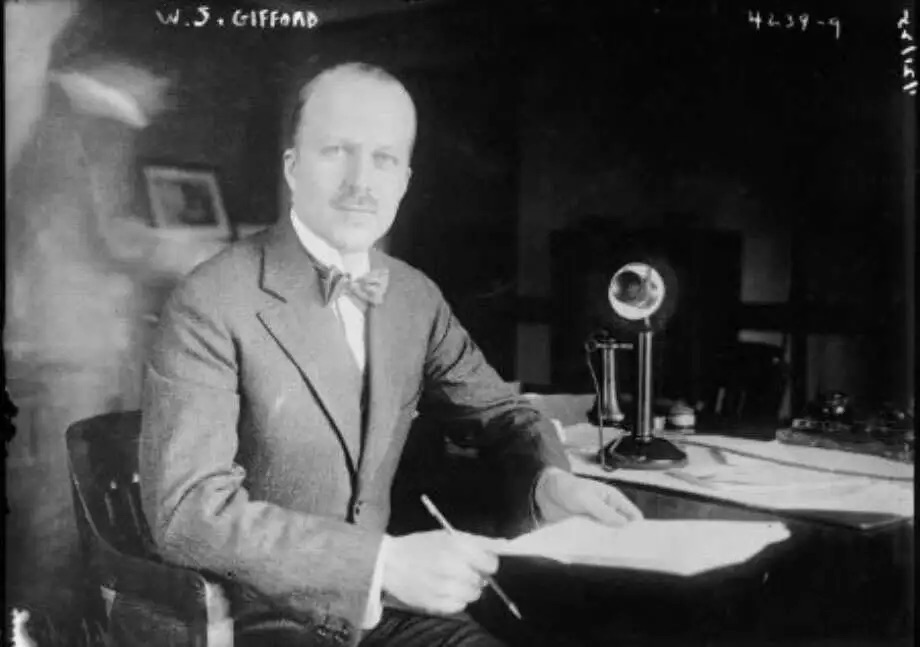
    W.S. Gifford.
    Library of Congress

    One

    The first ‘official’ commercial transatlantic telephone service was established on this date. In what decade, and between what two cities, was the connection made?

    Answer: 1920s; New York City, United States and London, United Kingdom

    On January 6 and 7, 1927, the first transatlantic telephone conversations took place between the United States and London. The initial test call, a casual conversation about the weather and travel distances, was followed by a formal ‘official’ inauguration call between AT&T President W.S. Gifford and Sir Evelyn P. Murray, head of the British General Post Office. This historic achievement marked the beginning of a new era of global communication. The previous day, the across-the-ocean ‘test’ conversation was also recorded for the purposes of history — ‘How’s the weather over in London?’. These calls travelled over 3,000 miles, via wire from New York City to a radio transmitter at Rocky Point, Long Island, New York, and then via radio waves—to a radio receiving station at Rugby, England, and finally via wire from there to London. The return conversation went from London via wire to Cupar, Scotland, from there via radio waves to a receiving station at Houlton, Maine, and finally via wire back to New York City. — Sourced from Library of Congress


    Two

    The first observation of the Galilean moons was made with two being visible. Who made this first observation and in what century was it made?

    Answer: Galileo Galilei; 17th century

    The Galilean moons, discovered by Galileo in 1610, are the four largest moons of Jupiter: Ganymede, Callisto, Io and Europa. They are planetary-mass moons, larger than any dwarf planet, and Ganymede is the largest moon in the Solar System. Their discovery challenged the geocentric Ptolemaic world system and demonstrated the importance of the telescope.


    Three

    In 1985, which country’s space agency launched the Sakigake spacecraft, the first deep space probe launched by a nation other than the United States or the Soviet Union?

    Answer: Japan

    Sakigake, a practice mission for Japan’s Suisei, flew by Comet Halley, providing data on the comet and Earth’s magnetic tail.


    Four

    What first three-letter distress signal was established in 1904, only to be replaced two years later by SOS?

    Answer: CQD

    CQD, one of the first radio distress signals, was adopted by the Marconi International Marine Communication Company on 7 January 1904. SOS, agreed upon by the International Radio Telegraphic Convention in 1906, was merely a distinctive Morse code sequence of three dots, three dashes and three dots with no spaces between the letters. Although not an abbreviation, SOS is often associated with phrases like ‘save our souls’ or ‘save our ship’.


    Five

    In 1954, the Georgetown-IBM experiment at the head office of IBM in New York City was the first public demonstration of a computer doing which of these?

    1. Performing arithmetic and complex mathematical calculations
    2. Scanning text and graphics
    3. Translating from one input language to another output language

    Answer: 3. Translating from one input language to another output language

    The Georgetown–IBM experiment, a 1954 demonstration of machine translation, showcased the automatic translation of over sixty Russian sentences into English. Developed by Georgetown University and IBM, the experiment utilised a limited vocabulary and grammar rules, focusing on specific domains like politics and science. While the demonstration received widespread attention and encouraged government investment, progress in machine translation was slower than anticipated.


  • How’s the Weather

    These questions concerning various ’firsts’ also all relate to today’s date, January 7th.

    W.S. Gifford.
    Library of Congress

    One

    The first ‘official’ commercial transatlantic telephone service was established on this date. In what decade, and between what two cities, was the connection made?


    Two

    The first observation of the Galilean moons was made with two being visible. Who made this first observation and in what century was it made?


    Three

    In 1985, which country’s space agency launched the Sakigake spacecraft, the first deep space probe launched by a nation other than the United States or the Soviet Union?


    Four

    What first three-letter distress signal was established in 1904, only to be replaced two years later by SOS?


    Five

    In 1954, the Georgetown-IBM experiment at the head office of IBM in New York City was the first public demonstration of a computer doing which of these?

    1. Performing arithmetic and complex mathematical calculations
    2. Scanning text and graphics
    3. Translating from one input language to another output language

    Good luck! I’ll post the answers later today.


  • First Things First—Answers

    Today’s questions focus on ‘firsts’ that occurred on January 3rd.

    Flag of Liberia.
    Image Wikimedia Commons

    One

    In 1848, Joseph Jenkins Roberts was sworn in as the first president of a country which began as a project of the American Colonization Society. What country?

    Answer: Liberia

    Liberia, Africa’s oldest republic, was established for formerly enslaved people from the United States. It gained independence in 1847 and experienced relative stability until a civil war in the 1990s.


    Two

    Who, in 1987, was the first woman to be voted into the Rock and Roll Hall of Fame?

    Answer: Aretha Franklin

    Aretha Franklin, the Queen of Soul, was a highly acclaimed American singer known for her powerful voice and hits like Respect and (You Make Me Feel Like) A Natural Woman.


    Three

    A spacecraft named for a goddess who, according to legend, flew from Earth to the Moon was the first to land on the far side of the Moon. What name do the goddess and spacecraft share, and in what decade did this first landing take place?

    Answer: Chang’e; 2010s

    Chang’e, the Chinese moon goddess, is celebrated annually on the 15th day of the eighth lunar month during the Mid-Autumn Festival. She is often depicted floating towards the moon, holding a moon disk, or with the Hare preparing the elixir of immortality. The spacecraft Chang’e 4, carrying the Yutu-2 rover, landed on the Moon’s far side on 3 January 2019, becoming the first spacecraft to do so. It communicated with Earth via the Queqiao relay satellite.


    Four

    In 1749, the first issue of Berlingske was published. It is now the oldest continually operating newspaper in what country?

    Answer: Denmark

    Berlingske, Denmark’s oldest continually operating newspaper, was founded in 1749 and is considered a newspaper of record. Originally titled Kjøbenhavnske Danske Post-Tidender, it has a conservative stance and is known for its traditionalism. The newspaper, now published in tabloid format, has won numerous awards, including the World Press Photo Award three times.


    Five

    In what decade was the first electric watch introduced to the retail market?

    Answer: 1950s

    The Hamilton Watch Company produced the first electric watch to be retailed in 1957, using a balance wheel or tuning fork driven by a battery. Quartz watches later surpassed them in accuracy and durability.


  • First Things First

    Today’s questions focus on ‘firsts’ that occurred on January 3rd.

    Image Wikimedia Commons

    One

    In 1848, Joseph Jenkins Roberts was sworn in as the first president of a country which began as a project of the American Colonization Society. What country?


    Two

    Who, in 1987, was the first woman to be voted into the Rock and Roll Hall of Fame?


    Three

    A spacecraft named for a goddess who, according to legend, flew from Earth to the Moon was the first to land on the far side of the Moon. What name do the goddess and spacecraft share, and in what decade did this first landing take place?


    Four

    In 1749, the first issue of Berlingske was published. It is now the oldest continually operating newspaper in what country?


    Five

    In what decade was the first electric watch introduced to the retail market?

    Good luck! I’ll post the answers later today.


  • Hot Shot—Answers

    Here are the answers to the questions from my earlier post.

    A few true or false posers for you today.

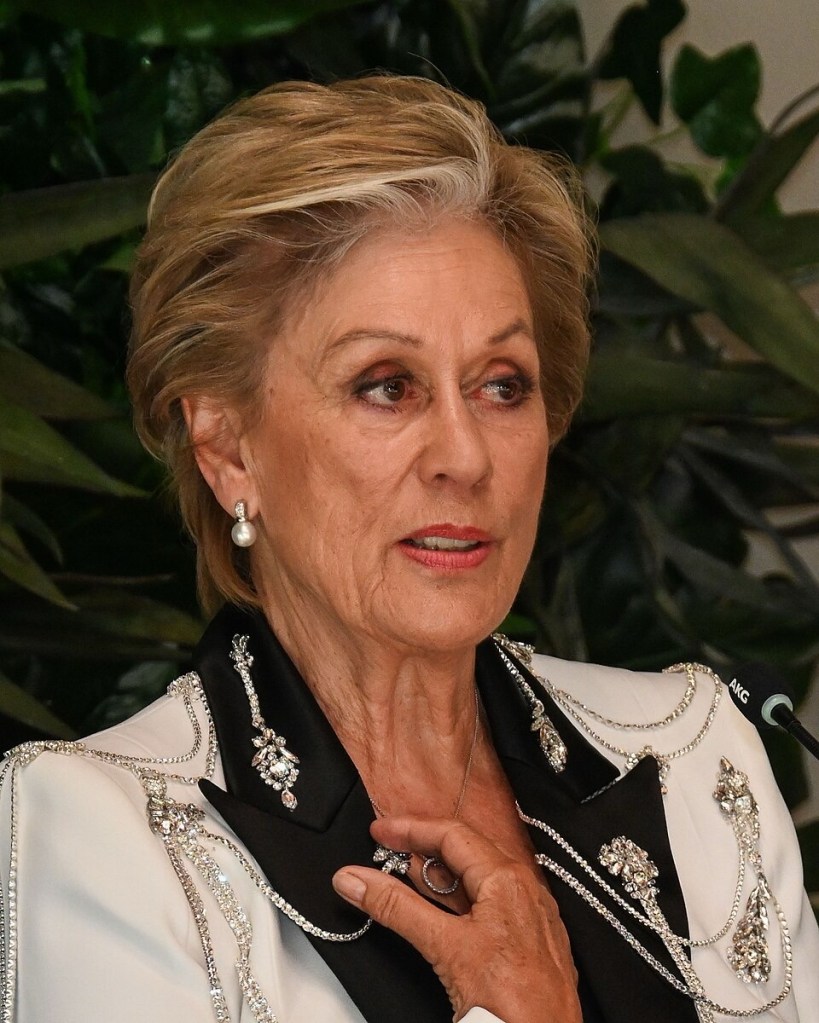
    Dame Kiri Te Kanawa.
    Image Wikimedia Commons

    One

    Gun-toting … … triggers police alert at hotel

    True or false: The above 2003 headline from The Herald in Glasgow, Scotland, referenced opera singer Kiri Te Kanawa’s arrival in the city with several shotguns.

    Answer: True

    Dame Kiri Te Kanawa, the renowned soprano, caused a stir at a Glasgow hotel when she requested a gun store, leading to a police presence. The hotel, lacking a gunroom, followed protocol and contacted the police, who stored the firearms overnight. The incident occurred shortly after Glasgow was labelled the murder capital of Britain and was reported in The Herald newspaper on 5 December 2003.


    Two

    True or false: On 18 June 1983, US astronaut Sally Ride became the first woman to travel in space.

    Answer: False

    On 16 June 1963, Cosmonaut Valentina Vladimirovna Tereshkova became the first woman to travel in space when she flew a solo mission in Vostok 6. Svetlana Savitskaya, aboard Soyuz T-7, became the second woman to travel in space in 1982, and Sally Ride became the third woman, and first American woman, to travel in space.


    Three

    True or false: According to the United States Geological Survey, about 90% of the world’s earthquakes, including most of its largest, occur within the Pacific Ring of Fire.

    Answer: True

    The Ring of Fire is a 25,000-mile (40,000 km) long tectonic belt surrounding the Pacific Ocean, characterised by frequent earthquakes and volcanic activity. It is formed by the subduction of various tectonic plates, creating oceanic trenches, volcanic arcs, and back-arc basins. The Ring of Fire contains the majority of the world’s active volcanoes and earthquakes.


    Four

    Those kids were fast as lightning
    In fact, it was a little bit frightening

    True or false: The above lyric from a 1974 song was a number one hit in multiple nations.

    Answer: True

    Kung Fu Fighting is a disco song by Carl Douglas, released in 1974. It topped charts worldwide, sold eleven million copies, and popularised disco music. The song was covered (using different lyrics) by CeeLo Green and Jack Black in the first film of the Kung Fu Panda franchise, and later by The Vamps for the third film.


    Five

    True or false: Alexander Fleming discovered penicillin in 1878.

    Answer: False

    Fleming did discover penicillin, but not in 1878, and, in fact, he was not born until 1881. On 3 September 1928, Fleming noticed a fungus contaminating a staphylococci culture, destroying the bacteria around it. He identified the fungus as Penicillium, later confirmed as P. rubens.


  • Hot Shot

    A few true or false posers for you today.

    Dame Kiri Te Kanawa.
    Image Wikimedia Commons

    One

    Gun-toting … … triggers police alert at hotel

    True or false: The above 2003 headline from The Herald in Glasgow, Scotland, referenced opera singer Kiri Te Kanawa’s arrival in the city with several shotguns.


    Two

    True or false: On 18 June 1983, US astronaut Sally Ride became the first woman to travel in space.


    Three

    True or false: According to the United States Geological Survey, about 90% of the world’s earthquakes, including most of its largest, occur within the Pacific Ring of Fire.


    Four

    Those kids were fast as lightning
    In fact, it was a little bit frightening

    True or false: The above lyric from a 1974 song was a number one hit in multiple nations.


    Five

    True or false: Alexander Fleming discovered penicillin in 1878.

    Good luck! I’ll post the answers later.

  • Utility ought to be the principal intention of every publication—Answers

    Here are the answers to the questions I posted earlier.

    All of these questions are related to today’s date, December 10th.

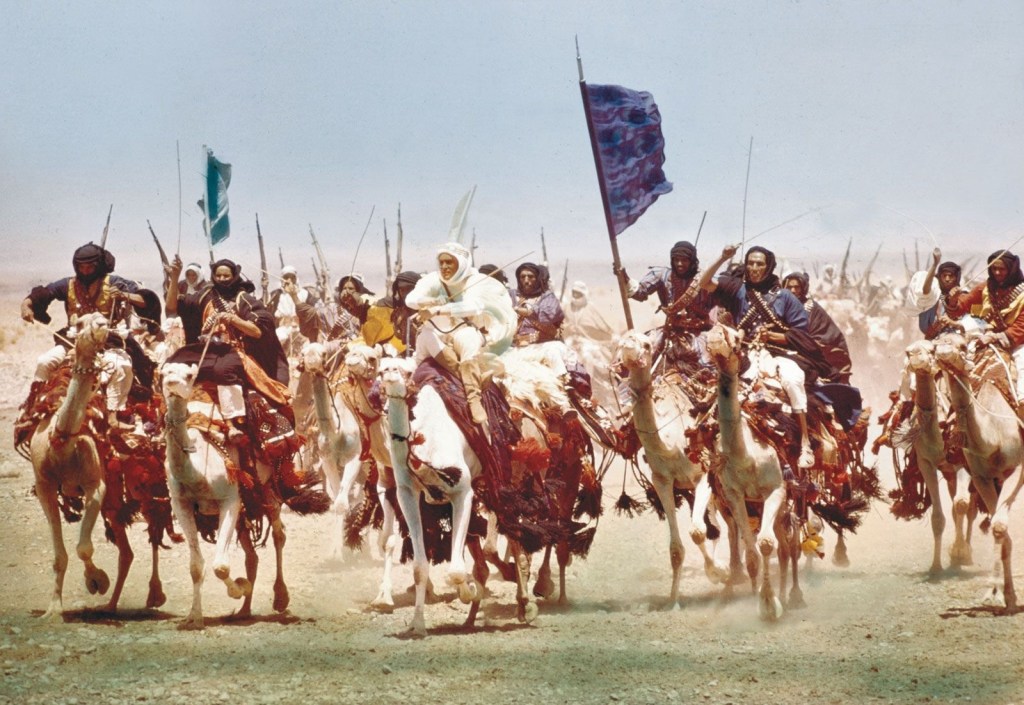
    Lawrence of Arabia (1962).
    Image Encyclopædia Britannica

    One

    In 1962, David Lean’s Lawrence of Arabia, which went on to became one of the most celebrated epics in the history of cinema, had its world premiere. Who starred as _ _ Lawrence, and what two initials are missing before his surname?

    Answer: Peter O’Toole (as) T.E. (Lawrence)

    Lawrence of Arabia is a 1962 British historical epic biographical adventure drama film directed by David Lean. It portrays Thomas Edward Lawrence’s experiences in the Ottoman provinces during World War I and his involvement in the Arab National Council. The film, which won seven Academy Awards including Best Picture and Best Director, is widely regarded as one of the greatest films ever made. It follows Lawrence’s journey from a military cartographer to a leader of the Arab Revolt against the Turks, and is renowned for its stunning desert landscapes, shot on location in Jordan, Spain and Morocco.


    Two

    Which government officially surrendered on this day in 1932 after a month-long battle against thousands of large flightless birds, and what were the birds?

    Answer: Australian; Emus

    The Emu War was a brief and unsuccessful 1932 military operation in Australia aimed at controlling the emu population, which was damaging crops in Western Australia. Three members of the Royal Australian Artillery were tasked with culling approximately 20,000 emus using machine guns, but the weapons and tactics were ineffective. Despite petitions from local farmers, the campaign, which lasted from November to December, resulted in fewer than 1,000 emus being killed and became a subject of national and international ridicule.


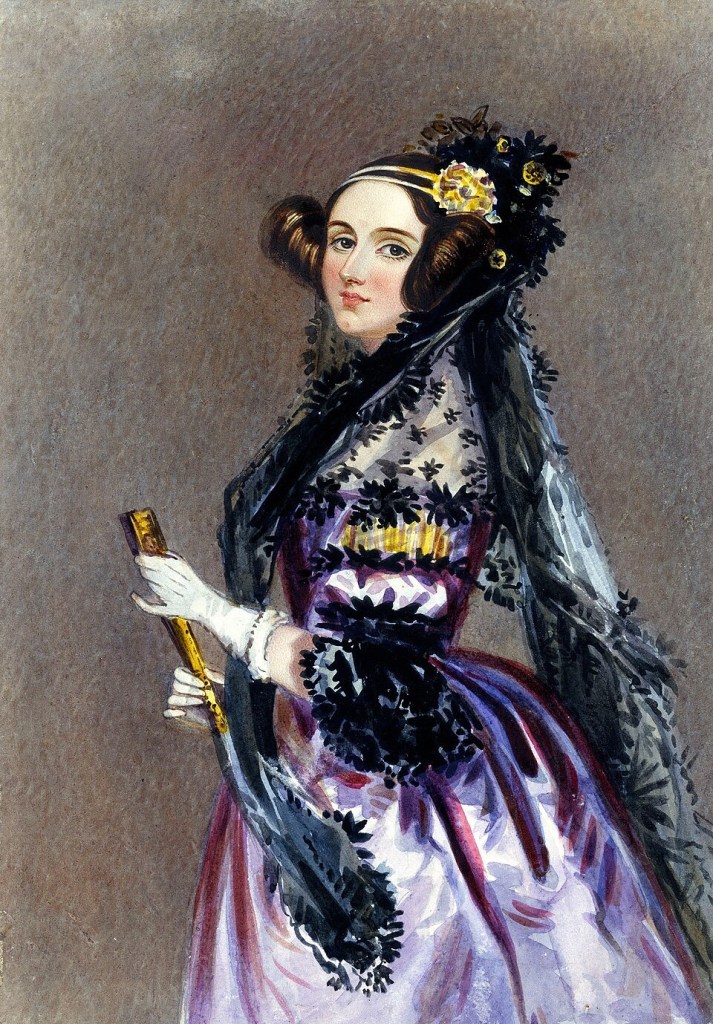
    Portrait of Ada, Countess of Lovelace (Ada Lovelace), c1840.
    Image Wikipedia

    Three

    Ada Lovelace, often regarded as the first computer programmer, was born in Marylebone, London. In which decade was she born, and who was her famous father?

    Answer: 1810s; Lord Byron

    Born in 1815, Ada Lovelace, the daughter of the poet Lord Byron, was an English mathematician and writer renowned for her work on Charles Babbage’s Analytical Engine. She recognised its potential beyond mere calculation and developed a vision of computers’ capabilities, leading to her being considered the first computer programmer. Her contributions are celebrated on Ada Lovelace Day.


    Four

    In 1948, the General Assembly of the United Nations adopted the Universal Declaration of Human Rights. Which former First Lady of the United States chaired the United Nations Commission on Human Rights that was responsible for the drafting of the document?

    Answer: Eleanor Roosevelt

    The Universal Declaration of Human Rights (UDHR), adopted by the UN General Assembly in 1948, is a foundational document of international human rights law. Drafted by a team including John Humphrey, Eleanor Roosevelt and René Cassin, it comprises 30 articles outlining civil, political, economic, social, and cultural rights. Although not legally binding, the UDHR has achieved significant moral authority and has influenced numerous international treaties and national constitutions.


    Five

    The first part of the first edition of the Encyclopædia Britannica, the English-language general encyclopaedia, was published and advertised for sale on this day. In what century and in what city did this occur?

    Answer: 18th century; Edinburgh,Scotland, United Kingdom

    The Encyclopædia Britannica, a general-knowledge English-language encyclopaedia, was first published in Edinburgh, Scotland, in 1768 by a group of Scottish gentlemen. Initially released in three volumes, it introduced a “new plan” by combining treatises on arts and sciences with short articles on technical terms, catering to both serious students and those seeking quick reference material. William Smellie, an Edinburgh printer, is credited with devising this plan and writing or compiling many of the articles. The encyclopaedia transitioned from print to digital in 2012 due to strong competition from digital encyclopaedias like Microsoft Encarta and Wikipedia, yet it maintained its reputation for authoritative and scholarly content and is now available exclusively online.


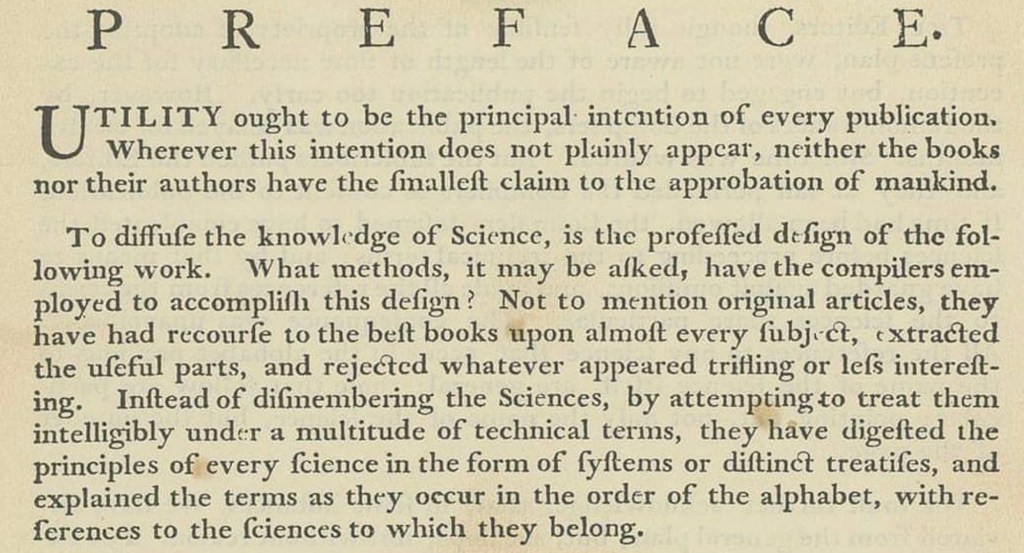
    Utility ought to be the principal intention of every publication.

    The title of today’s post is the first sentence of the preface to the first edition of Encyclopædia Britannica.

    “UTILITY ought to be the principal intention of every publication. Wherever this intention does not plainly appear, neither the books nor their authors have the smallest claim to the approbation of mankind”
    .
    So begins the preface to Britannica’s 1st edition, which began publication 250 years ago this month (on December 10, 1768). Encyclopædia Britannica via Instagram
  • Hatches, Matches and Despatches Part Deux—Answers

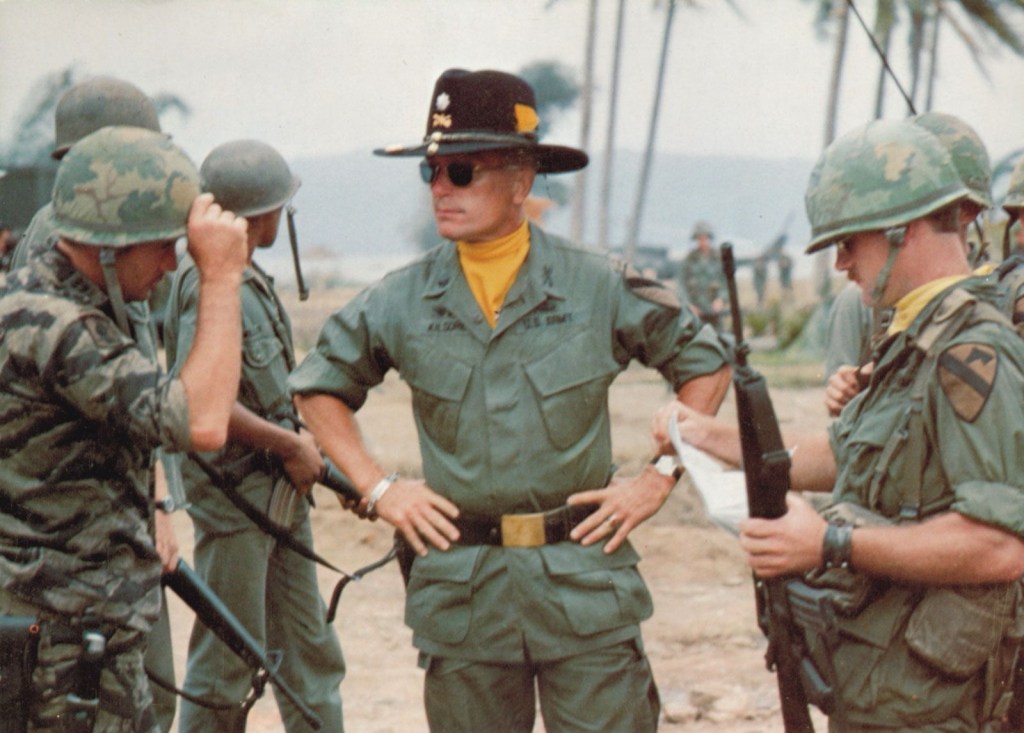
    Apocalypse Now. See question 3.
    Image Encyclopædia Britannica

    Here are the answers to the questions I posted earlier.

    Today’s questions focus on individuals born, married or deceased on December 3rd.

    One

    Which heavy metal band, formed in Birmingham in 1968 and known for pioneering the genre, featured Ozzy Osbourne as its original lead vocalist?

    Answer: Black Sabbath

    Ozzy Osbourne was born this day in 1948. Black Sabbath’s 1970 self-titled debut album is often cited as one of the first true heavy-metal records, in part because its tritone-based title track was considered unusually dark and ominous for its time.


    Two

    Which pioneering psychoanalyst, daughter of Sigmund Freud, became one of the founders of child psychoanalysis?

    Answer: Anna Freud

    During World War II, Anna Freud co-founded the Hampstead War Nurseries in London, providing care for bomb-displaced children and shaping her influential theories on child development. She was born in Vienna, Austria, on this day in 1895.


    Three

    Which Polish-born British novelist wrote Heart of Darkness, the novella that later inspired the 1979 film Apocalypse Now?

    Answer: Joseph Conrad

    Conrad did not speak fluent English until his twenties, yet became one of the language’s most celebrated stylists. He was born on this day in 1857.


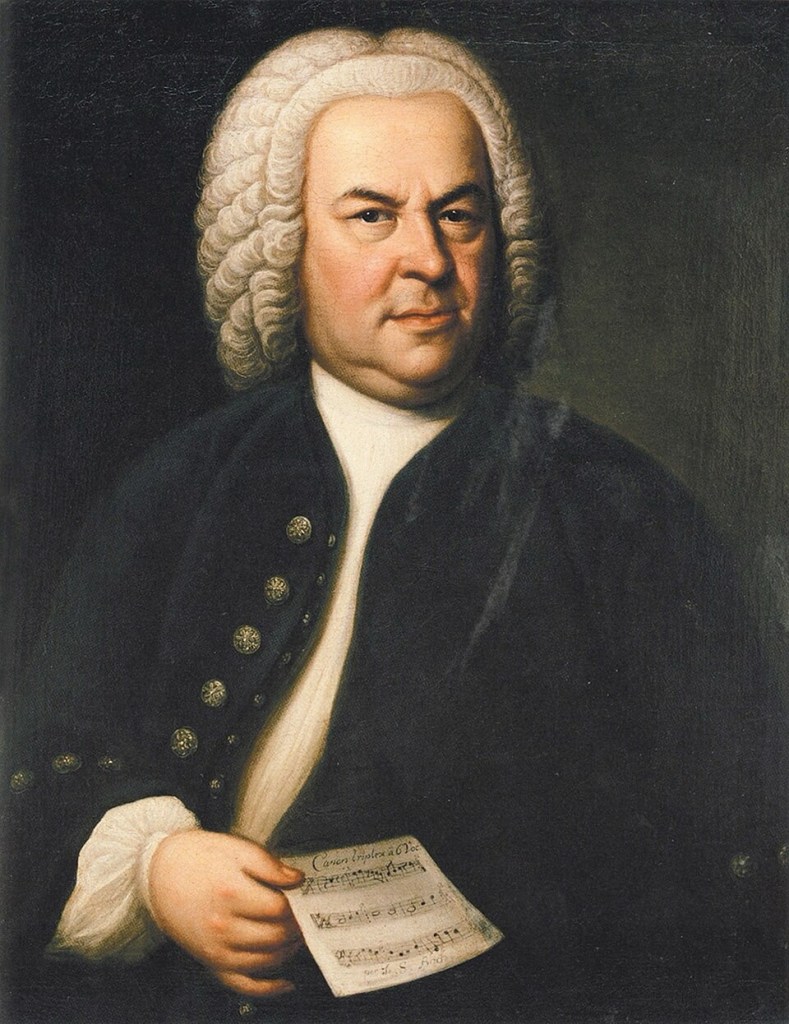
    Johann Sebastian Bach.
    Image Wikipedia

    Four

    Which Baroque composer, known for works such as the Brandenburg Concertos, married Anna Magdalena Wilcken on 3 December 1721?

    Answer: Johann Sebastian Bach

    Anna Magdalena herself was an accomplished singer, and Bach compiled two Notebooks for Anna Magdalena Bach, collections of keyboard pieces for her to study and perform.


    Five

    Which co-founder of the Jesuit order, famed for missionary work in India, Japan and Southeast Asia, died off the coast of China in 1552?

    Answer: St. Francis Xavier

    Xavier’s extensive travels—over 60,000 miles by ship—made him one of the most widely travelled religious figures of the 16th century.