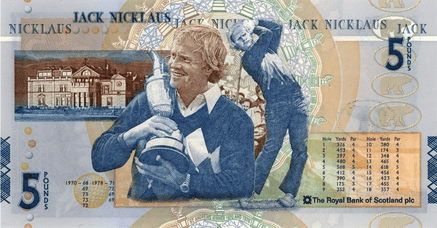
This note was issued on 14 July 2005, the opening day of the Open Golf Championship at St Andrews, and celebrated the remarkable career of Jack Nicklaus, who won the Open three times, including twice at St Andrews. It was the first British banknote to feature a living non-royal person. Wikipedia
Six—Nicklaus won six Masters, the last being in 1986. Nicknamed “the Golden Bear”, he won 117 professional tournaments, including a record 18 major championships, and is considered one of the greatest golfers of all time. This note was issued on 14 July 2005, the opening day of the Open Golf Championship at St Andrews, and celebrated the remarkable career of Jack Nicklaus, who won the Open three times, including twice at St Andrews. It was the first British banknote to feature a living non-royal person. Mars Odyssey Patch. Wikipedia
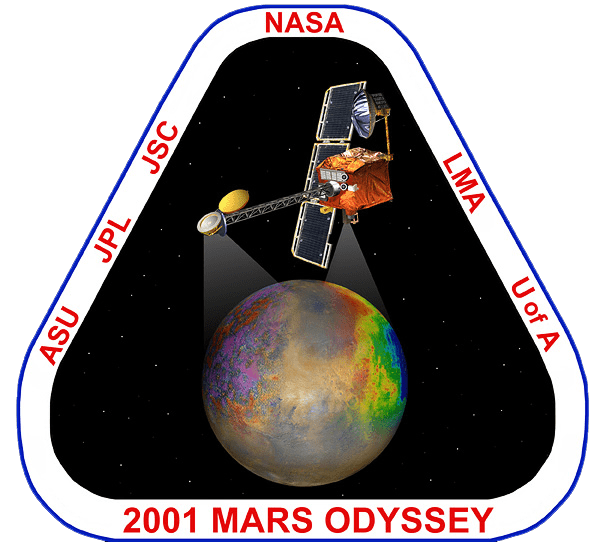
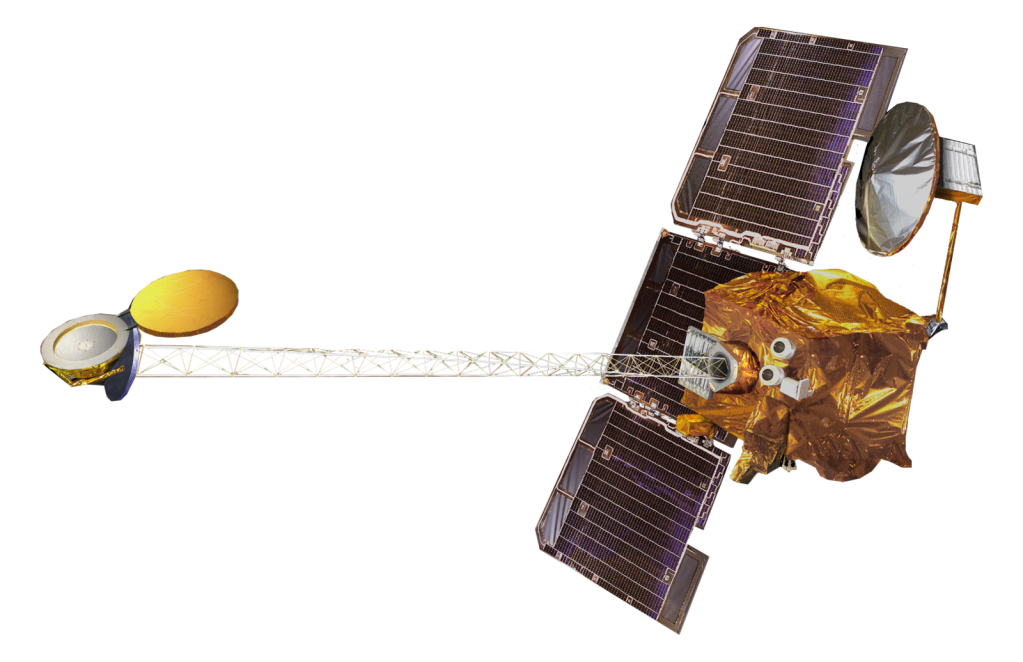
24 October 2001—The Mars Odyssey orbiter, launched in 2001, studies water, ice, geology, and radiation on Mars and acts as a communication relay. The mission was planned to last 32 months but has been expanded by more than 20 years and is expected to end later in 2025.
Geneva, Switzerland—The World Health Organisation (WHO) is a specialised agency of the United Nations that coordinates international public health responses. Established in 1948, the WHO promotes health and safety, provides technical assistance, sets international health standards, and advocates for universal health care coverage. The organisation is governed by the World Health Assembly and funded primarily by member states and private donors. Francis Ford Coppola. Wikipedia
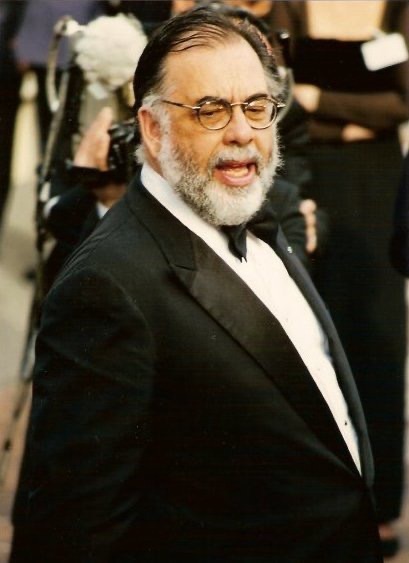
Francis Ford Coppola—an American filmmaker known for his work in the New Hollywood movement. He is celebrated for directing films like The Godfather trilogy, Apocalypse Now and The Conversation, which have earned him numerous awards and accolades.
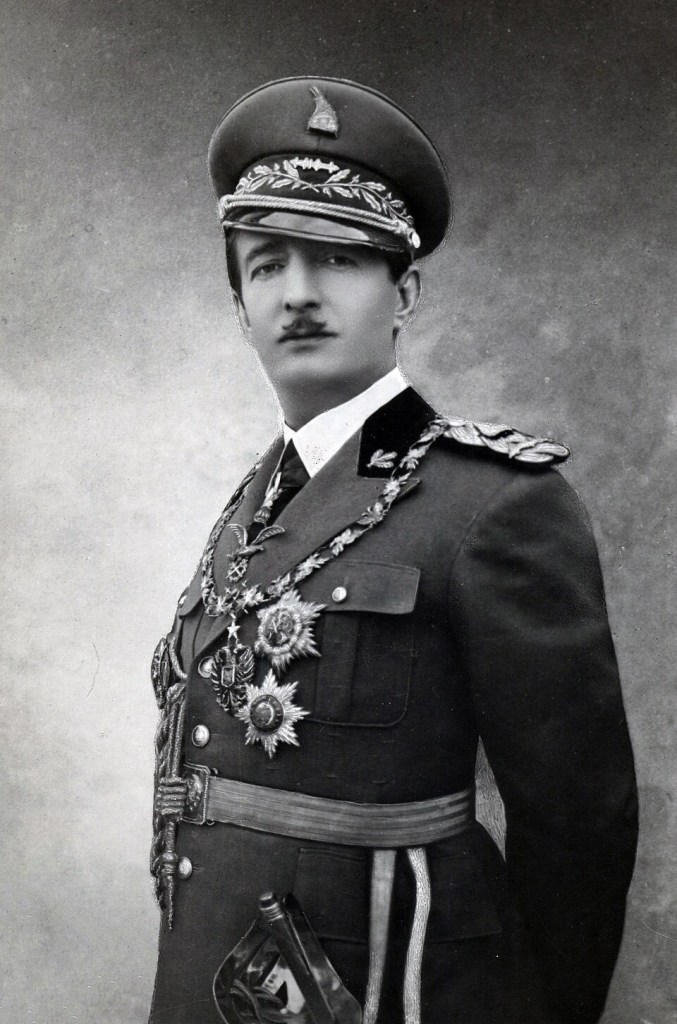
Albania—Italy invaded Albania in 1939, leading to the creation of an Italian protectorate and the exile of King Zog. During World War II, Italy’s ambitions for Greater Albania, encompassing Albanian-majority regions, were realised until Nazi Germany took control in 1943. Albanian partisans liberated it from Nazi occupation in 1944.
All of the events below happened today, 7 April, in various years.
Artist’s rendering, from NASA, of the Mars Odyssey spacecraft, in mission configuration. Wikipedia
Jack Nicklaus won his first Masters tournament on 7 April 1963 at the age of 23; how many Masters titles did he win during his career?
Four
Five
Six
The Mars Odyssey spacecraft was launched today in 2001. When did it reach Mars orbit?
15 July 2001
24 October 2001
1 February 2002
On this day in 1948, the World Health Organization, a specialised agency of the UN, was formally established. Where is it based?
Geneva, Switzerland
New York, US
Vienna, Austria
Born today in 1939, who directed the 1979 film Apocalypse Now?
Francis Ford Coppola
Wolfgang Petersen
Martin Scorsese
On 7 April 1939, Benito Mussolini made ___ a protectorate, forcing King Zog I into exile and replacing him with King Victor Emmanuel II. What missing country completes this sentence?
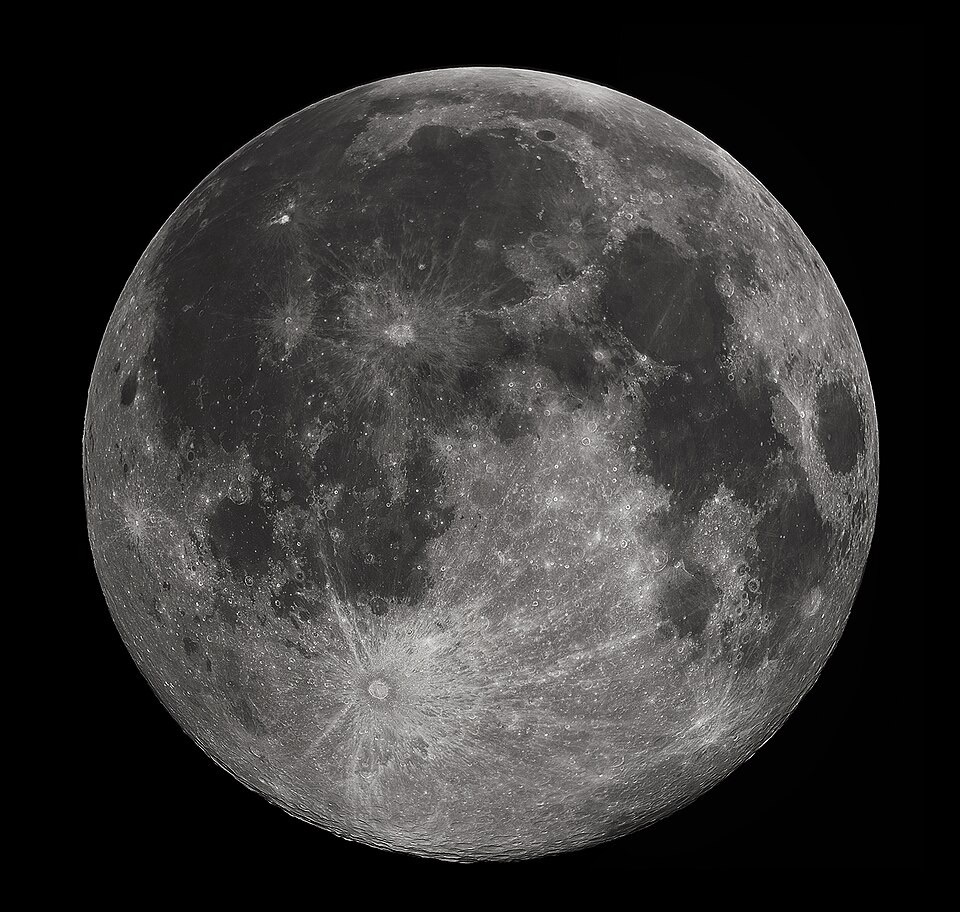
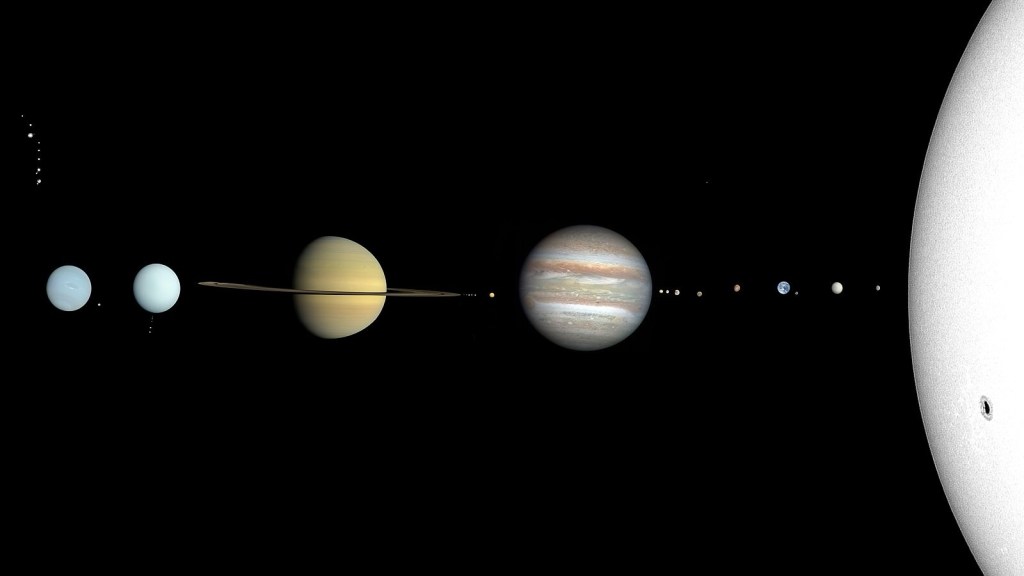
Moon—The Moon, Earth’s satellite, is different from planets like Mercury and Mars. While the Moon orbits the Earth, Mercury and Mars, like Earth, orbit the Sun. Lotus Cars logo. Wikipedia
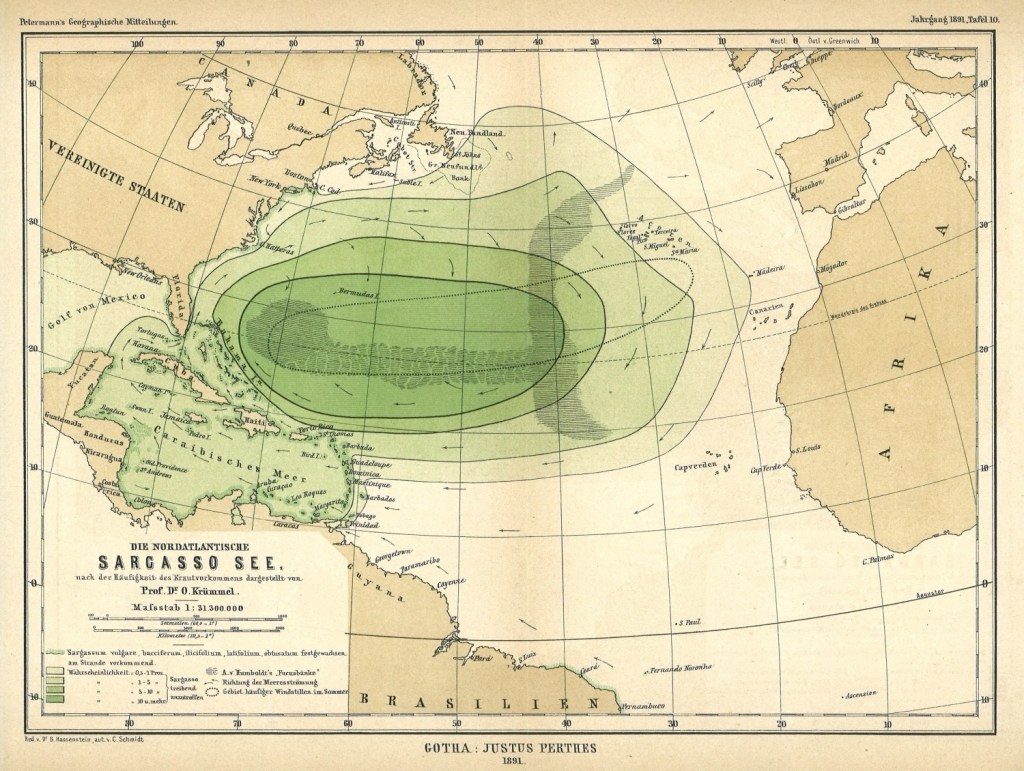
Emira—it has a petrol engine and is not electric, unlike the Eletre and Emeya. Lotus Group is a British manufacturer of luxury sports cars and electric vehicles. It comprises Lotus Cars, Lotus Tech and Lotus Engineering. Currently majority-owned by Geely, Lotus has a history of Formula One racing and producing iconic cars like the Lotus Seven and Elise. Sargasso Sea. 1891 Krummel Petermanns lores/Wikipedia
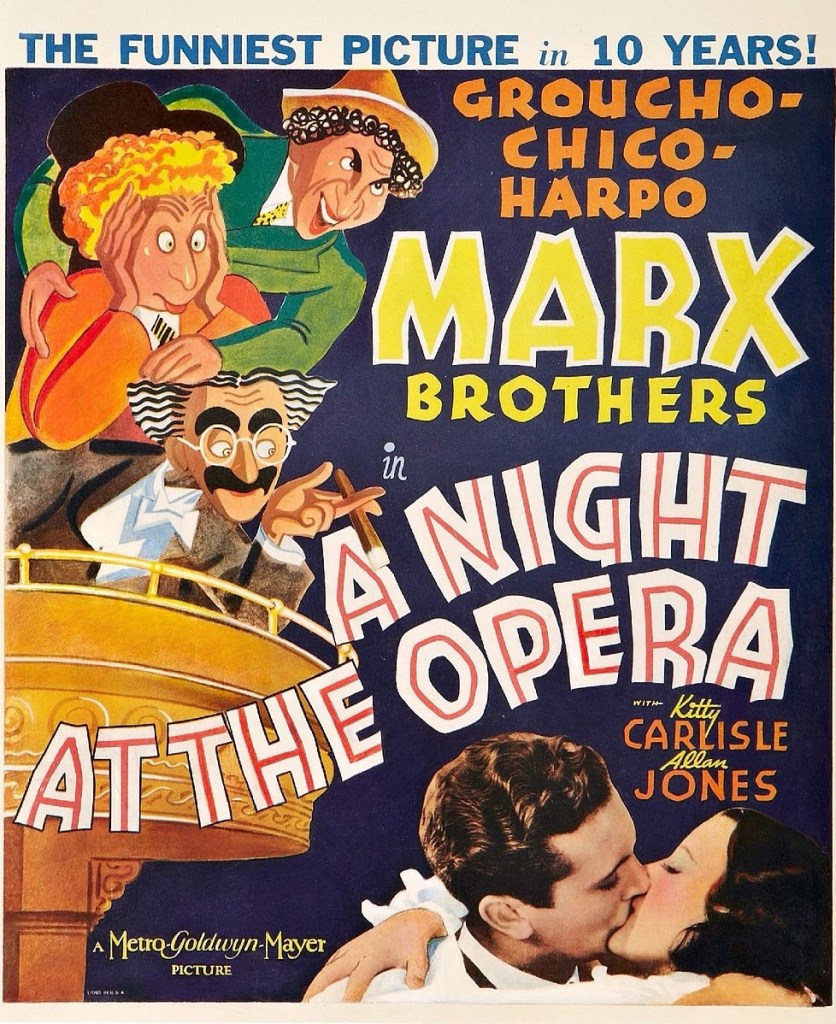
Sargasso—aka Sargasso Sea is a marine ecosystem whereas the others are both land-based. The Sargasso Sea, a region of the Atlantic Ocean bounded by four currents, is distinguished by its brown Sargassum seaweed and calm blue water. The Gobi Desert, the sixth largest desert globally, is a vast cold desert and grassland area located in northern China and southern Mongolia. In contrast, the Atacama Desert in Chile is renowned as the driest nonpolar desert, characterised by its extreme aridity due to a temperature inversion, the rain shadow effect created by two mountain ranges, and the influence of the Humboldt ocean current. Poster for the 1935 film A Night at the Opera. Wikipedia
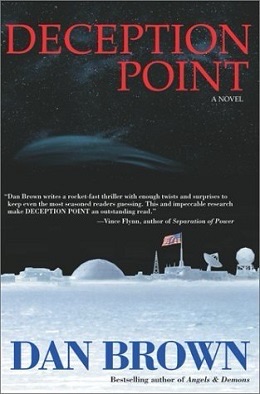
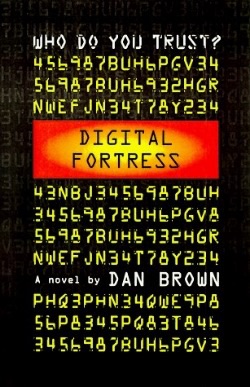
A Kind of Magic—A Day at the Races, like Queen’s previous album, A Night at the Opera, takes its name from Marx Brothers films. On the other hand, although A Kind of Magic has a film connection, it is not to a film title; it takes its name from a Connor MacLeod quote from the film Highlander: “Hey, it’s a kind of magic!” The Devil’s Alternative by Frederick Forsyth WikipediaDeception Point by Dan Brown WikipediaDigital Fortress by Dan Brown Wikipedia
The Devil’s Alternative—was written by British novelist Frederick Forsyth. Deception Point and Digital Fortress are two stand-alone novels by Dan Brown which, unlike The Da Vinci Code, Angels and Demons etc, do not feature Robert Langdon.
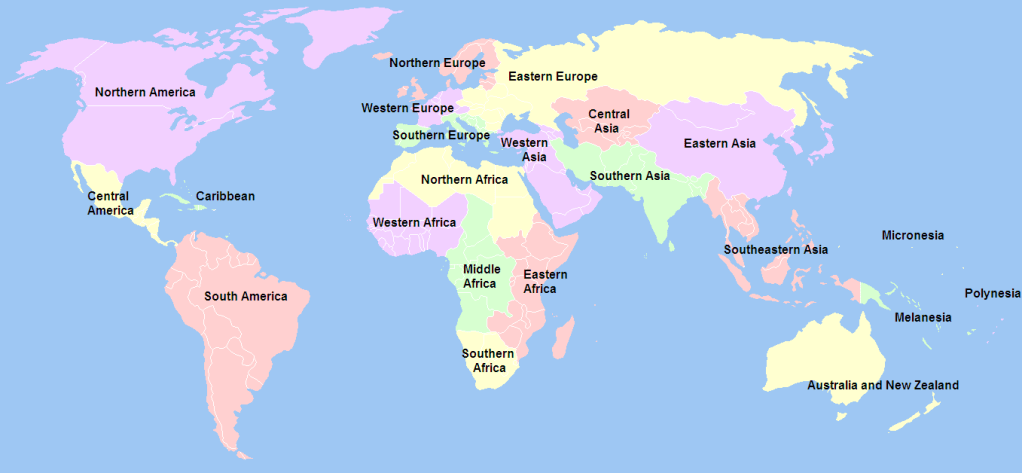
Botswana—Botswana is in Southern Africa while the others are in Asia—Brunei is in Southeast Asia and Bhutan in South Asia. They are all small countries and both Botswana and Bhutan are landlocked while Brunei has a coastline.
Sub-regional map of the World. The UN geoscheme/Wikipedia
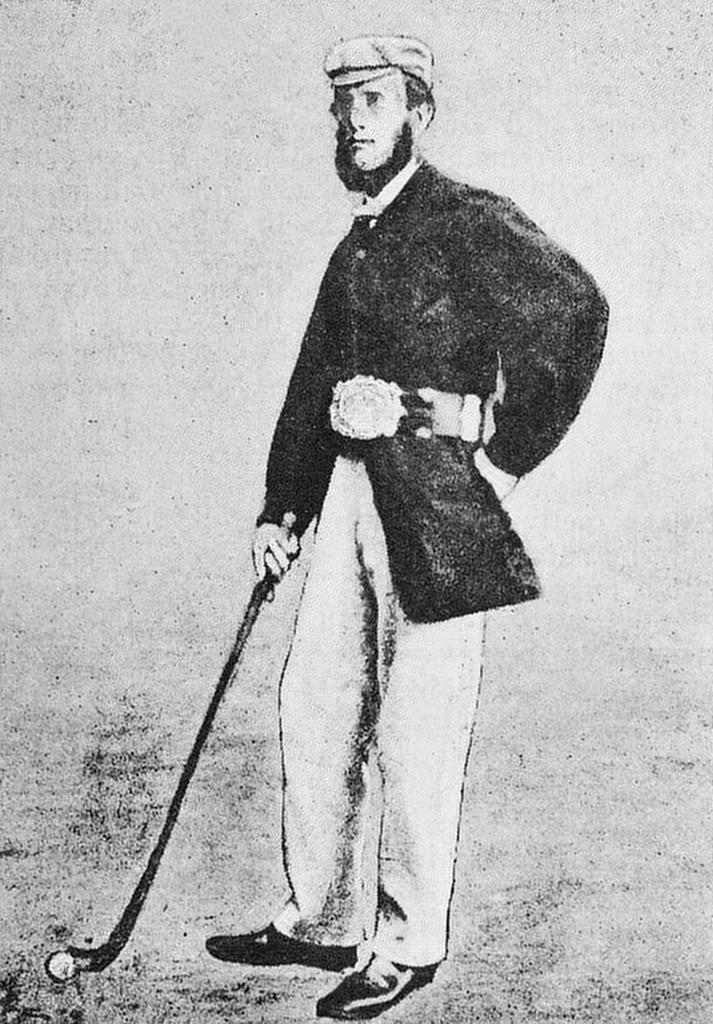
Prestwick—The first Open Championship, held in 1860 at Prestwick Golf Club, marked the beginning of modern golfing history. Willie Park won the inaugural event, beating Old Tom Morris by two strokes. Prestwick hosted the first 12 Open Championships and a total of 24, second only to St Andrews.
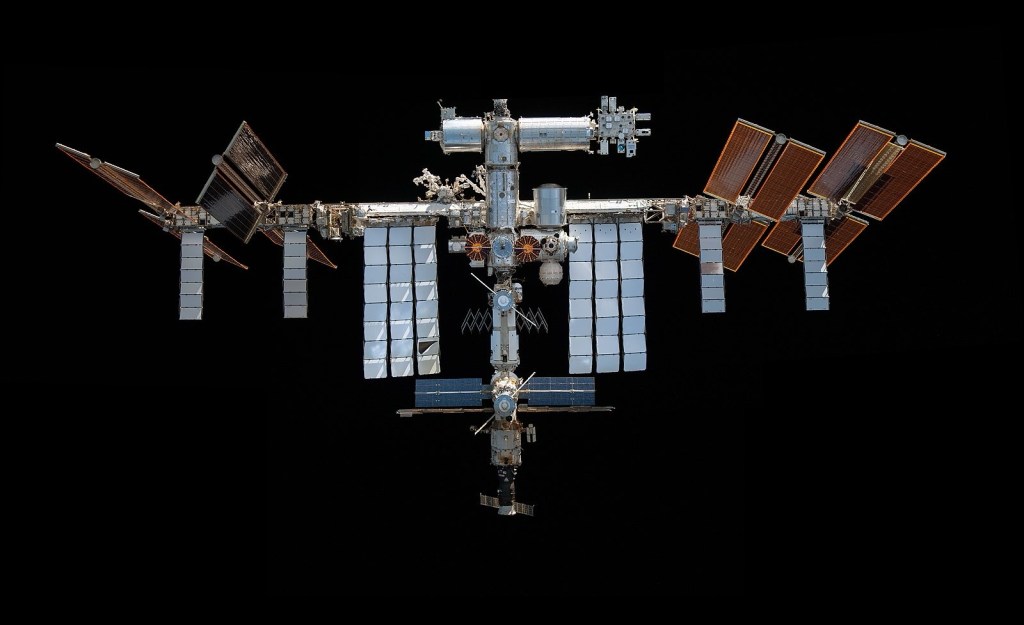
Lily and James—James and Lily Potter, parents of Harry, were members of the Order of the Phoenix. James was an Animagus and co-author of the Marauder’s Map, while Lily was a Muggle-born witch. Both were killed by Voldemort. The station pictured from the SpaceX Crew Dragon. Wikipedia
23 countries—Astronauts/cosmonauts from the following countries have visited the ISS; the number of visits by each nation is also shown. (Information obtained from NASA at 15:15GMT 30 March 2025). United States (168 visitors), Russia (62), Japan (11), Canada (9), Italy (6), France (4,), Germany (4), Saudi Arabia (2), Sweden (2), United Arab Emirates (2), Belarus (1), Belgium (1), Brazil (1), Denmark (1), Great Britain (1), Israel (1), Kazakhstan (1), Malaysia (1), Netherlands (1), South Africa (1), South Korea (1), Spain (1), Turkey (1). Jabberwocky. Wikipedia
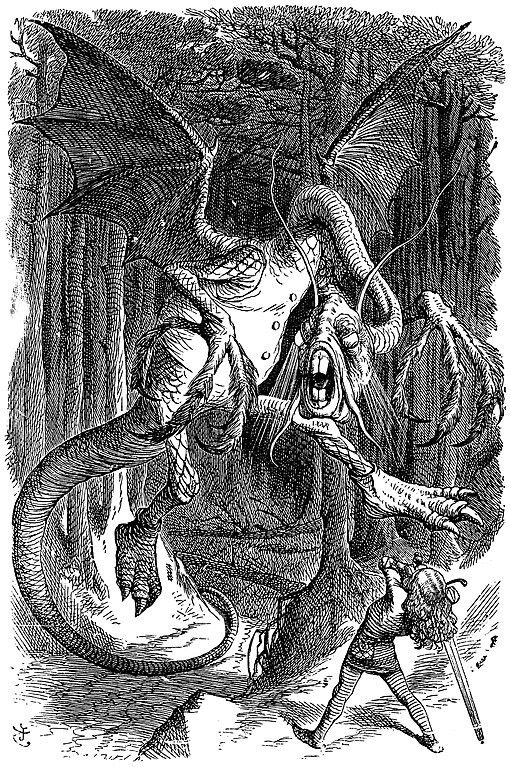
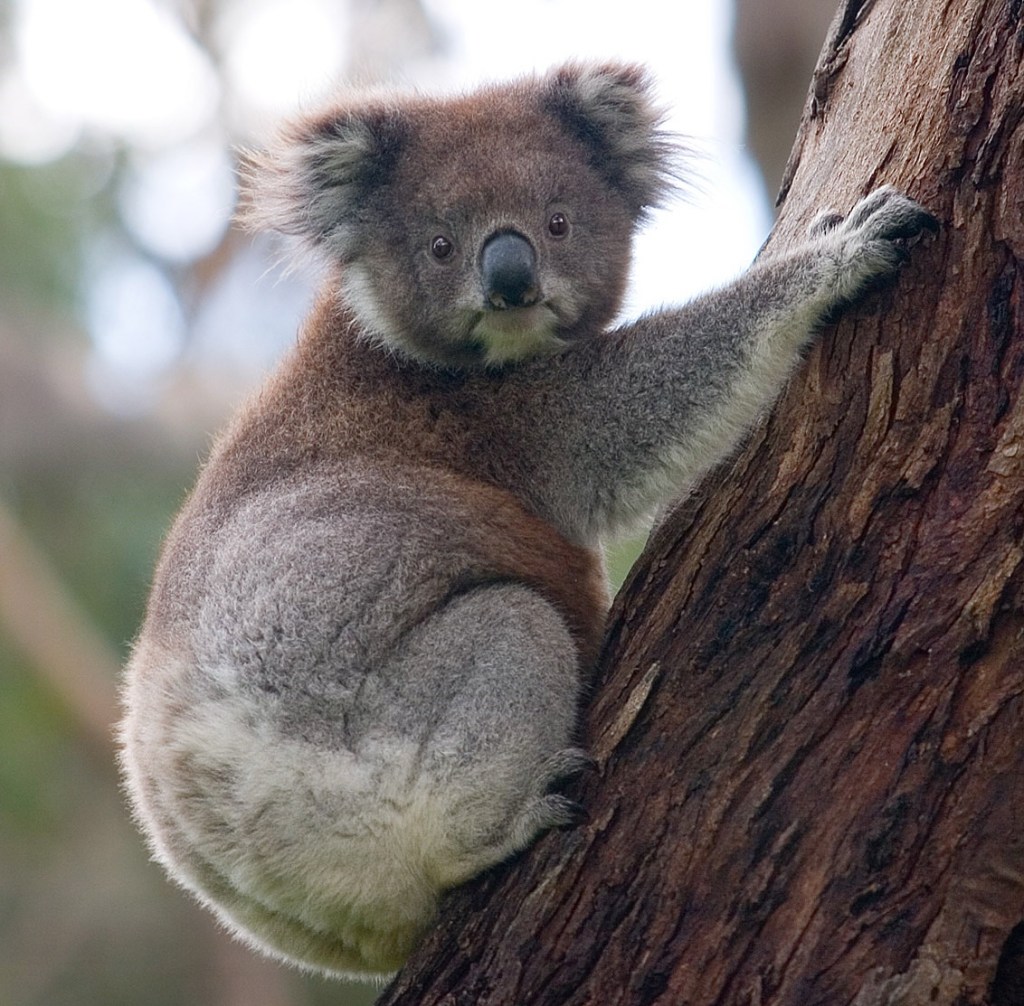
Animal—the jabberwock is depicted as a dragon-like monster with various features, including a serpentine neck, rabbit-like teeth, spidery talons and bat-like wings. Koala distribution in Australia. Wikipedia
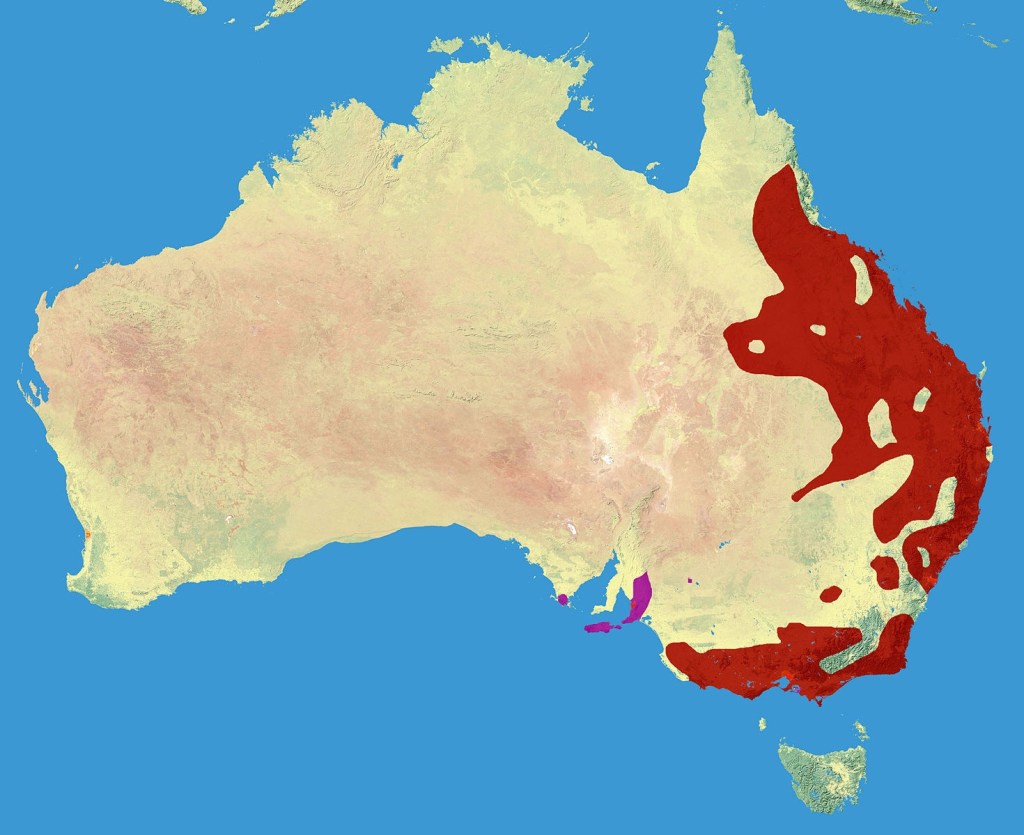
South Australia—The koala’s range spans 1,000,000 km2 across eastern and southeastern Australia, including Queensland, New South Wales, Victoria and South Australia.
City of Kings—Named Ciudad de los Reyes by the Spanish under Francisco Pizarro, the name was chosen of the feast of the Epiphany, the coming of the Magi—the three
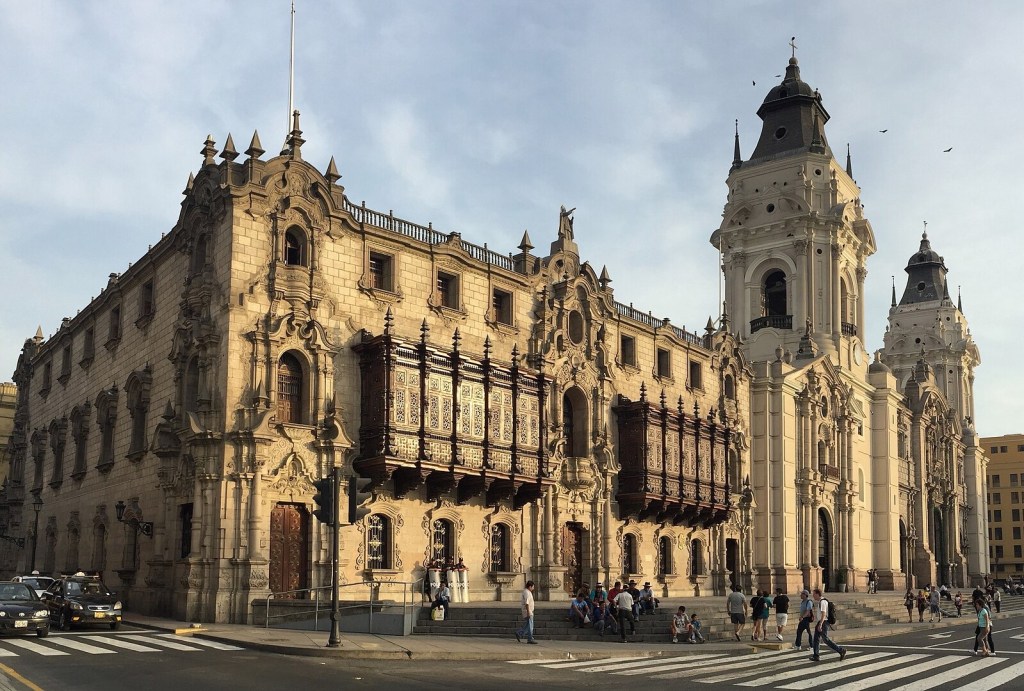
In 1540, five years after the city of Lima was founded, the first church built by Francisco Pizarro was inaugurated. Wikipedia
Willie Park Sr., the first “Champion Golfer of the Year”, wearing the Challenge Belt, the winner’s prize at The Open until 1870. Wikipedia
G is for golf. The first Open Championship played at St Andrews in 1873, was actually the 13th championship in the competition’s history. Where had the first twelve Open Championships taken place?
Carnoustie, Angus
Musselburgh, East Lothian
Prestwick, Ayrshire
H is for Harry. In the books by J.K. Rowling, who were Harry Potter’s parents?
Molly and Arthur
Lily and James
Rose and Hugo
I is for International Space Station (ISS). By March 2025, individuals from how many countries had visited the ISS?
9 countries
16 countries
23 countries
J is for Jabberwocky. Jabberwocky is a nonsense poem included in Lewis Carroll’s Through the Looking-Glass, the follow-up to Alice in Wonderland. What word best describes a jabberwock?
K is for koala. In what parts of Australia are koalas native in the 21st century?
Northern Territory
South Australia
Western Australia
L is for Lima. The Spanish founded the city now known as Lima, the capital city of Peru, in 1535 but their chosen name quickly fell into disuse. What, in English, was this chosen name?
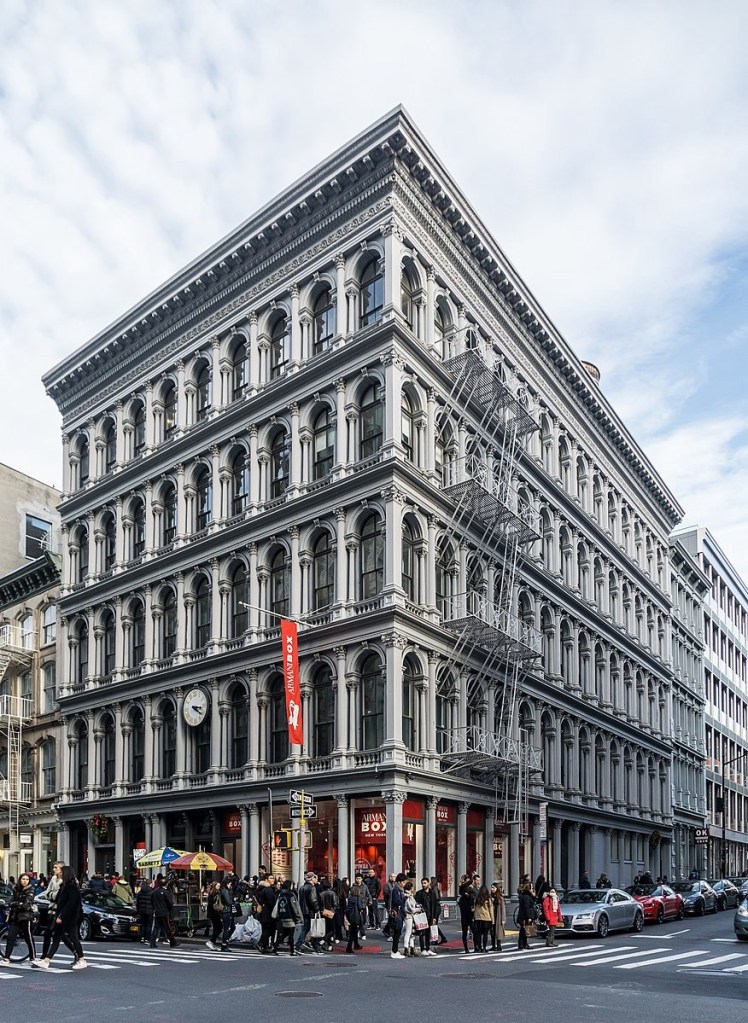
E.V. Haughwout Building, 488-492 Broadway, New York City. Wikipedia
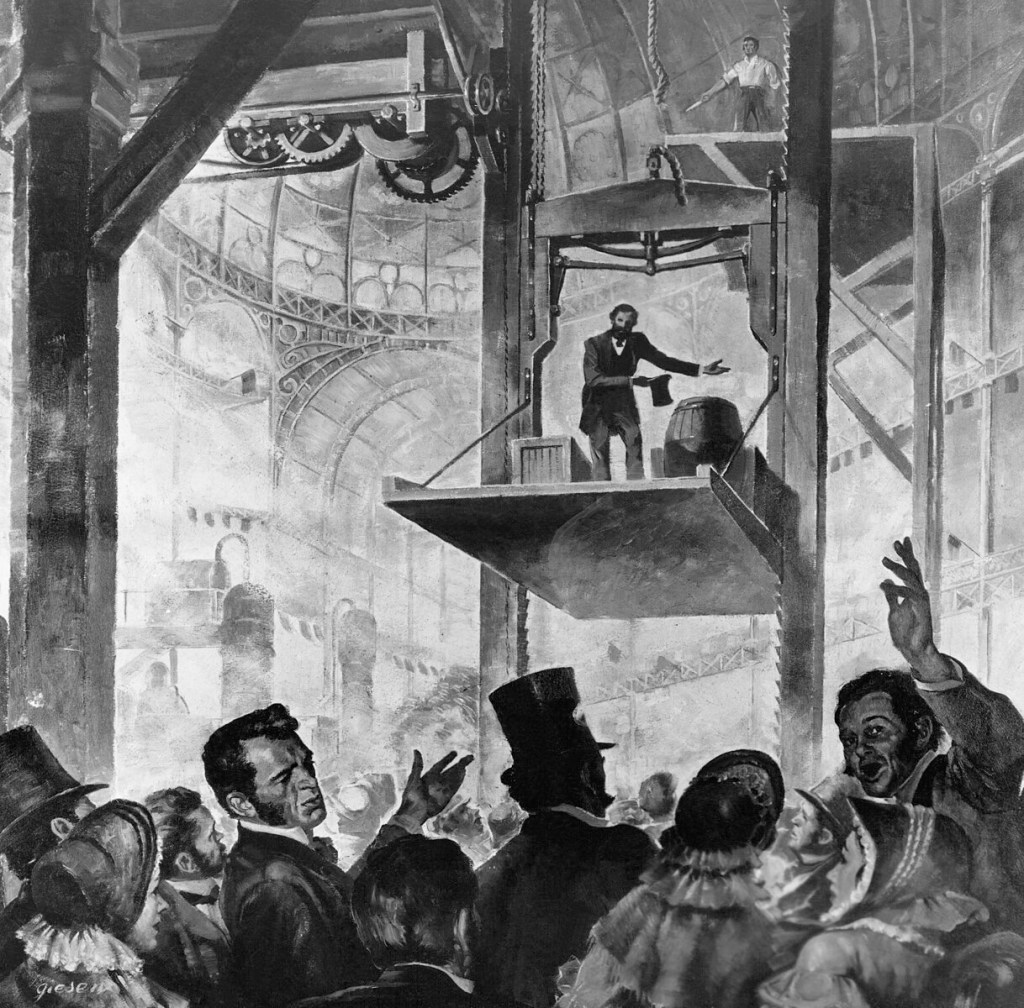
Steam—The E.V. Haughwout Building, NYC installed the world’s first successful passenger elevator in 1857. The steam-powered hydraulic lift, designed by Elisha Graves Otis, was a novelty that attracted customers to the five storey department store.
Akira Kurosawa—Akira Kurosawa, a Japanese filmmaker, directed 30 films over seven decades. His bold and dynamic style, influenced by Western cinema, earned him international acclaim. Notable works include Rashomon, Seven Samurai and Red Beard.
President Ronald Reagan—The Strategic Defence Initiative (SDI), introduced by President Reagan in 1983, was a missile defence system designed to protect the US from Soviet ICBMs using various platforms. Known as “Star Wars,” it faced criticism for its technical feasibility and potential to destabilise the MAD doctrine and escalate the arms race. Although the programme ended in 1993, some elements were revived in 2019 by the Space Development Agency.
Ben-Hur (1959)—Films with the most awards: Ben-Hur (1959), Titanic (1997) and The Lord of the Rings: The Return of the King (2003) each earned 11 Academy Awards. (Wikipedia)
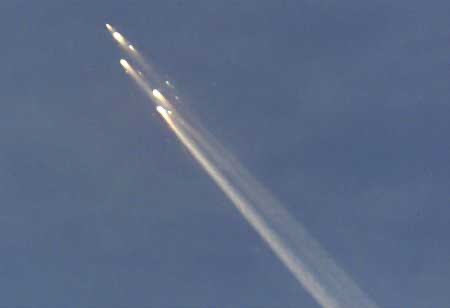
2001—Mir, the first modular space station, was launched in 1986 and operated for 15 years. It served as a microgravity research laboratory for experiments in biology, physics, astronomy and more. Mir held records for the longest continuous human presence in space and the longest single human spaceflight until surpassed by the ISS.
Mir’s re-entry into the atmosphere over Fiji, 2001. Satobs
Otis free-fall safety demonstration in 1853. Wikipedia
All of the following relate to today, 23 March.
On 23 March 1857 the first commercial elevator was installed in a New York City department store, it was powered by…
Steam
Electricity
Water
Born today in 1910, a Japanese film director who according to Encyclopædia Britannica ‘won worldwide acclaim with subtle, brilliantly composed films, such as Rashōmon (1950) and Seven Samurai (1954), that combined Japanese historic themes with a Western sense of action and drama”; he was…
Yasujirō Ozu
Ishirō Honda
Akira Kurosawa
On this date a nationwide television address in the US announced a space based defence system against nuclear attacks which came to be known as “Star Wars”; the address was made by…
President Jimmy Carter
President Ronald Reagan
President George HW Bush
On this day in 1998 Titanic won 11 Academy Awards equalling the record set by…
All About Eve (1950)
Ben-Hur (1959)
The Godfather (1972)
The space station Mir returned to Earth on 23 March. It had been launched by the Soviet space agency in 1986 with a design life expectancy of five years. In what year did it re-enter the Earth’s atmosphere?
1991
1996
2001
Approach view of the Mir Space Station viewed from Space Shuttle Endeavour during the STS-89 rendezvous. A Progress cargo ship is attached on the left, a Soyuz manned spacecraft attached on the right. Image ID: STS089-340-035 NASA/Wikipedia
Here, in bold, are the answers to my earlier post.
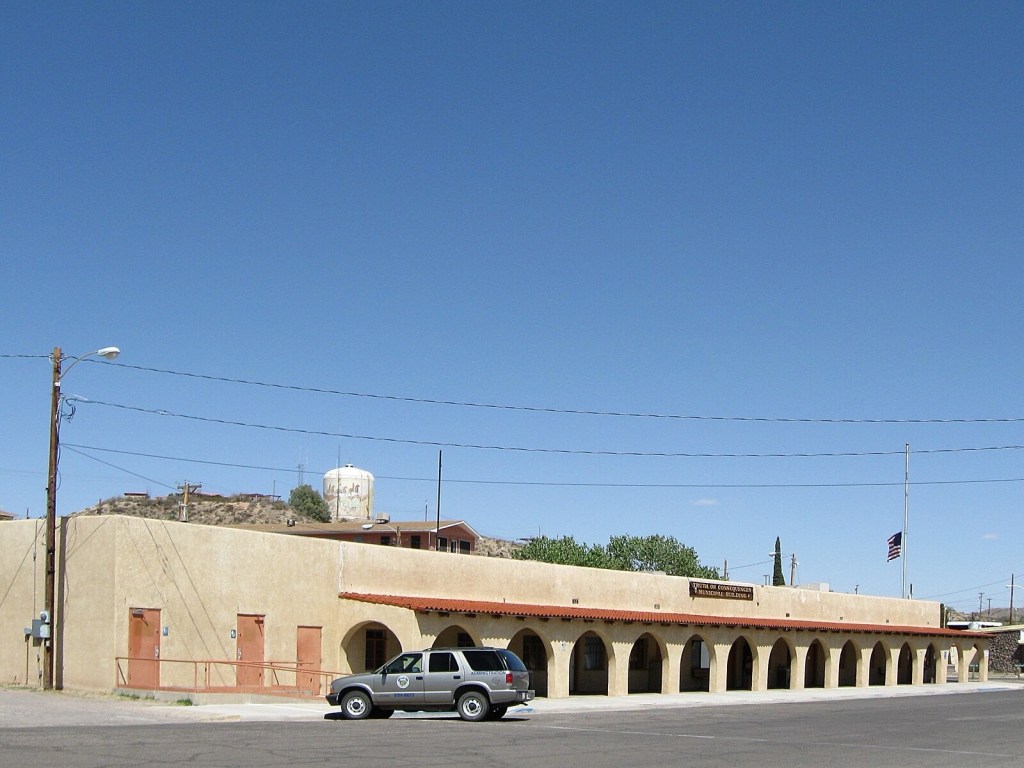
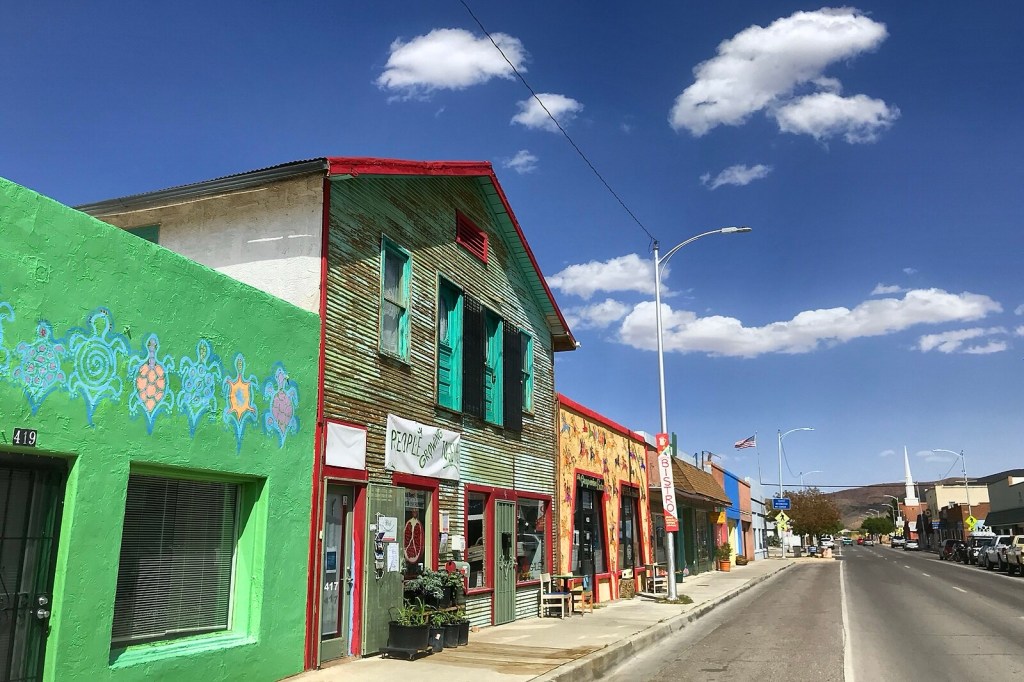
False—It changed name to Truth or Consequence (not Tacos or Chocolate) in 1950 after the radio show of the same name ran a competition for a town or city to do so; the prize being that the show would be broadcast from the winner—the first settlement to change their town’s name.
False—Nothing to do with First Lady’s. It was chosen because it sounded like the French for help me, m’aider and was picked in 1920 by the head of radio in air traffic control at Croydon Aerodrome (then the world’s busiest) as most of their flights were from France.
False—No, not Martin Luther King. It was about the assassination of JFK.
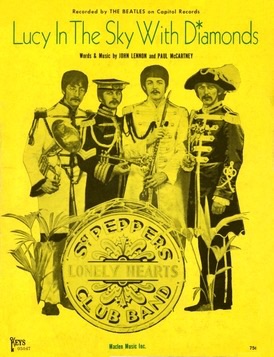
False—Not the Inca Empire. Hernán Cortés conquered the Aztec Empire in what is now central Mexico in 1521 not the Inca’s in what is now Peru. Lucy in the Sky with Diamonds Wikipedia
True—Lucy was named after the Beatles song, Lucy in the Sky with Diamonds.
False—Pete Conrad, Apollo 12 was the third person to walk on the Moon. Michael Collins was the command module pilot of Apollo 11 and did not land on the Moon but remained in orbit while Neil Armstrong and Buzz Aldrin landed on the lunar surface. Goldeneye Estate Wikipedia
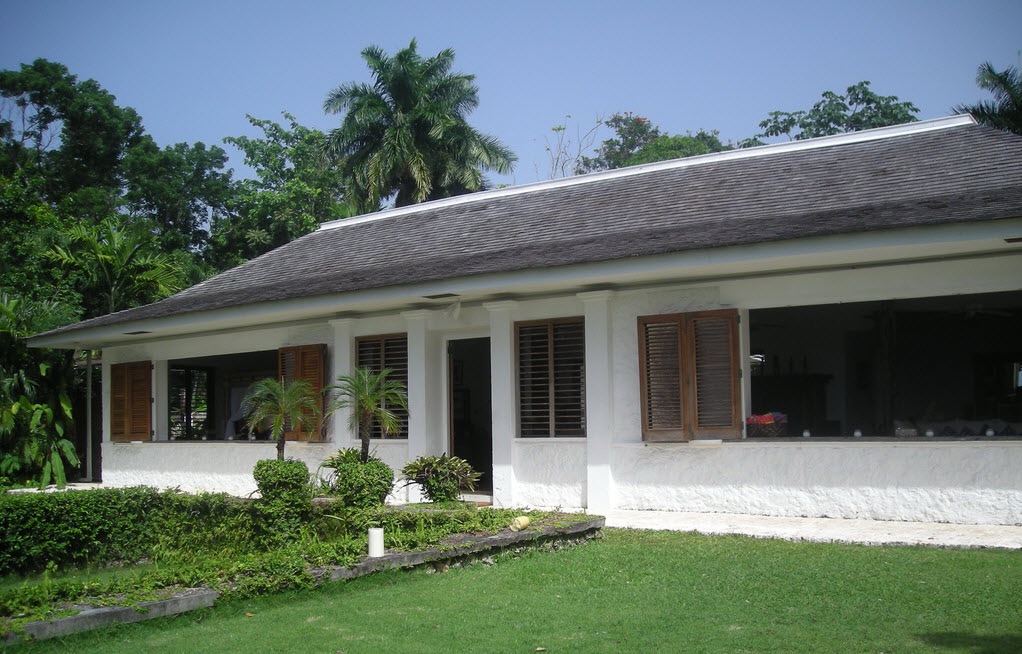
False—Not Skyfall. Fleming’s house and estate were both named GoldenEye and are now a hotel complex.
True—It is a neighbourhood on the West Side of Midtown Manhattan.
False—Not Coprophagia which is dung-eating. Lalochezia is the release of stress etc by swearing.
False—It wasn’t Please Mister Postman. The third number one, I Want to Hold Your Hand, was released in November 1963 with the B-side This Boy.
Pete Conrad Conrad descends the Lunar Module ladder, moments before becoming the third human to walk on the Moon. Wikipedia
For some variety a selection of true or false questions unconnected to today.
Hot Springs, New Mexico. Wikipedia
True or false: the American city of Hot Springs, New Mexico is now known as ‘T or C’ after changing its name to Tacos or Chocolate in 1950.
True or false: Mayday, the international distress signal, was chosen in honour of the then US First Lady.
True or false: in 2020, Murder Most Foul was released as a single by Bob Dylan. The murder referred to in the title was the assassination of Martin Luther King in 1967.
True or false: Hernán Cortés was a Spanish conquistador who conquered the Inca Empire in the Americas in 1521.
True or false: Lucy the 3.2 million-year-old skeleton found in Ethiopia was named after a Beatles song.
True or false: the Apollo astronaut Michael Collins was the third person to walk on the Moon.
True or false: Ian Fleming, the author who created James Bond, had a home on Jamaica’s north coast named Skyfall.
True or false: there is a neighbourhood of New York City called Hell’s Kitchen.
True or false: relief of stress, pain and frustration by swearing is known as coprophagia.
True or false: The Beatles third UK No. 1 hit I Want to Hold Your Hand was released with the B-side Please Mister Postman.
Good luck! The answers will be posted later today.




 Quizology.Online