Tag: space

  • From Barbie’s Big Break to Sputnik’s Canine Crew—Answers

    Kanmon Roadway Tunnel Moji side entrance, Route 2, Moji-ku, Kitakyushu, Fukuoka, Japan
    Wikipedia

    This is the correct order 1. Kanmon tunnel 1958, 2. Barbie in 1959 and 3. Sputnik 9 in 1961.

    1. The Kanmon tunnels, connecting Honshu and Kyushu. The first (railway tunnel) was the world’s first under-ocean tunnel. A highway and pedestrian tunnel was built in the 1950s using improved equipment with the roadway tunnel opening 9 March 1958.
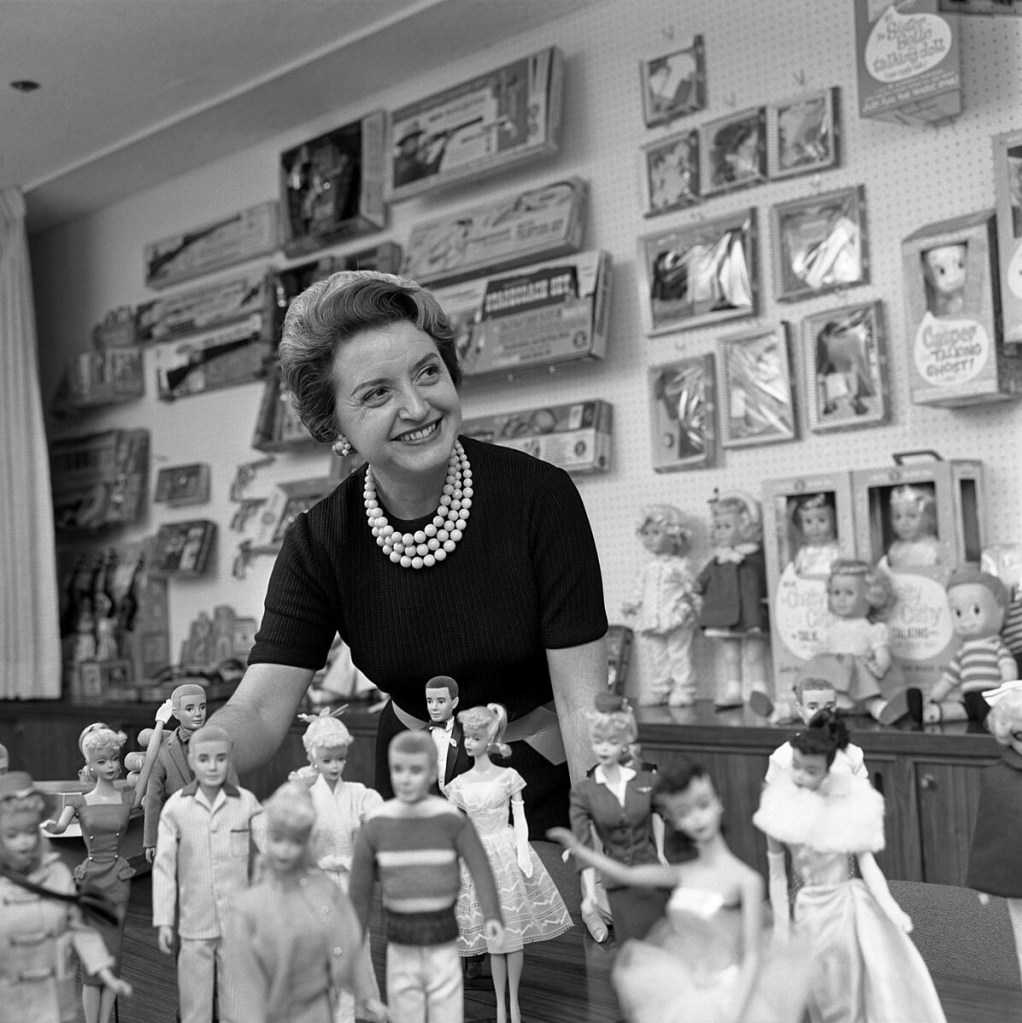
      Ruth Handler, executive of Mattel Toy company, posing with collection of Barbie dolls, 1961
      Wikipedia
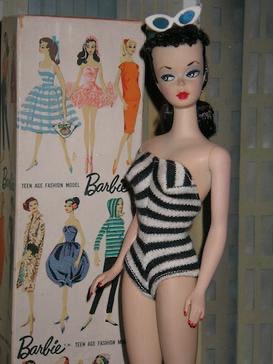
    2. Barbie, introduced by Mattel on 9 March 1959, is an iconic 11-inch doll modelled after the German Bild Lilli doll. Despite initial controversy over her figure, Barbie was marketed to children, becoming a symbol of financial independence with diverse careers. Over the years, Mattel expanded the Barbie line to include friends, siblings, and diverse versions, addressing criticisms of materialism and unrealistic body proportions. Barbie has inspired art and literature and remains a global brand, though not accepted in some Muslim countries. In 2023, a film directed by Greta Gerwig was released. Barbie continues to be a popular collectible, with annual sales exceeding a billion dollars.
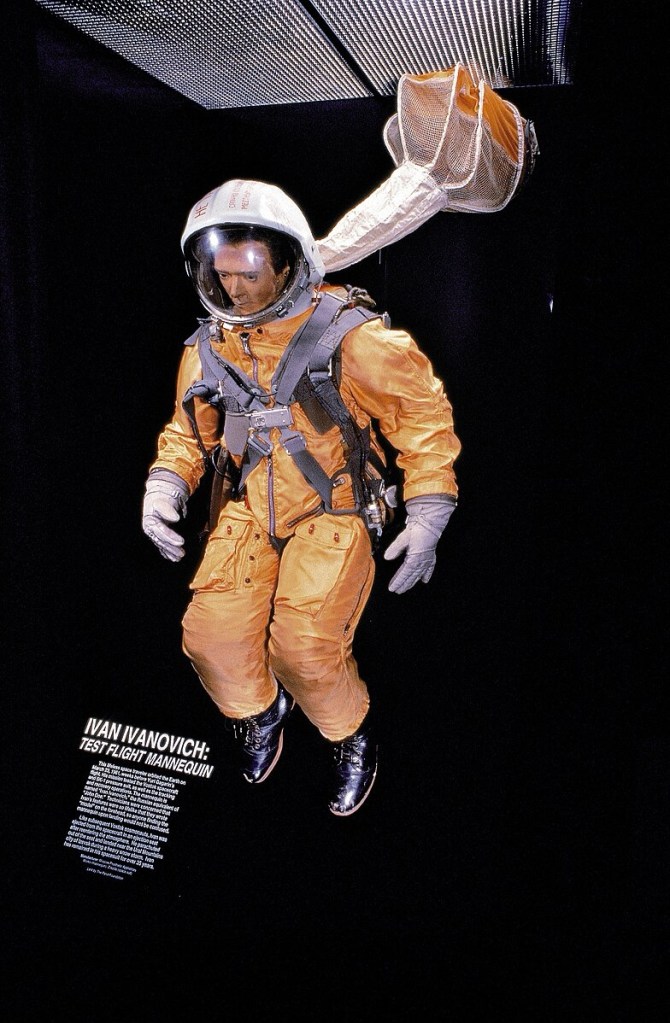
      This test flight mannequin named “Ivan Ivanovich” orbited the Earth in 1961.
      Now on display at the National Air and Space Museum.
      Wikipedia
    3. Sputnik 9 (its western name), officially Korabl-Sputnik 4, launched on 9 March 1961 at 06:29:00 UTC from Baikonur Cosmodrome using a Vostok-K rocket. It reached low Earth orbit but was deorbited after one orbit, reentering on its first pass over the Soviet Union. The spacecraft landed at 08:09:54 UTC and was successfully recovered. A mannequin was ejected during descent to test the ejection seat, descending separately under a parachute. The dog, Chernushka, was recovered unharmed inside the capsule.
  • From Barbie’s Big Break to Sputnik’s Canine Crew

    Barbie.
    Wikipedia

    Put these three events from 9 March in chronological order by year with the earliest first.

    1. Kanmon roadway tunnel opened to traffic. When it was built, it held the title of the longest undersea highway in the world. 
    2. The Barbie doll makes its debut at the American International Toy Fair in New York.
    3. Sputnik 9 successfully launches—carrying a dog and a human dummy—demonstrating that the Soviet Union was ready to begin human spaceflight.

    Good luck! The answers will be posted later.

  • Fabulous Fantastic Fiascoes—Answers

    Answers to the questions in the earlier post are shown in bold below.

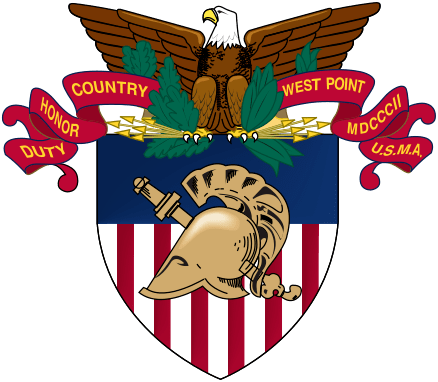
    US Military Academy, West Point, Coat of Arms
    Image Wikipedia
    1. West Point military academy—Edgar Allan Poe attended the United States Military Academy at West Point in 1830. His time there was marked by academic success in subjects like mathematics, but he struggled with the strict military discipline. Poe deliberately sought dismissal by neglecting his duties and violating academy regulations. His tenure at West Point was brief, lasting less than a year, but it significantly influenced his literary career, as he turned his focus entirely to writing after leaving the academy.
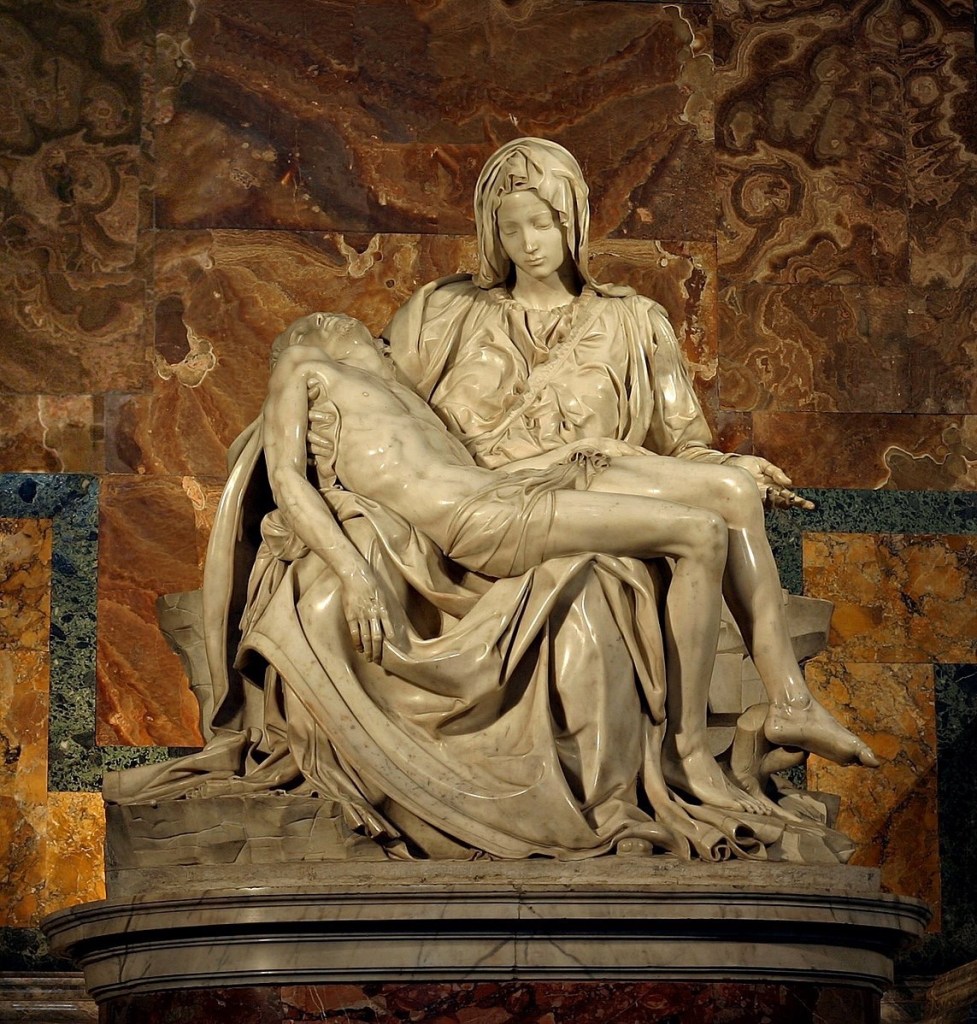
      Pietà (1498–1499), by Michaelangelo. St. Peter’s Basilica, Vatican City
      Image Wikipedia
    2. 1475—Michelangelo di Lodovico Buonarroti Simoni (1475–1564), known simply as Michelangelo, was an influential Italian sculptor, painter, architect and poet of the High Renaissance. Born in Florence, his work drew inspiration from classical antiquity, leaving a profound impact on Western art. Renowned for masterpieces like the Sistine Chapel ceiling and the statue of David, Michelangelo epitomised the Renaissance man alongside Leonardo da Vinci. His exceptional talents spanned multiple disciplines, and extensive surviving records highlight his artistic journey. Celebrated by contemporaries, Michelangelo remains one of the most documented and revered artists of the 16th century.
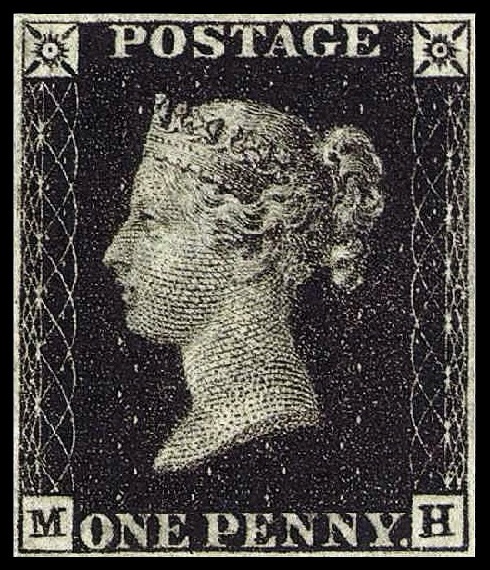
      Penny Black with Queen Victoria profile.
      Image Wikipedia
    3. Victoria, queen of Great Britain —The Penny Black, introduced in the United Kingdom on 1 May 1840 and valid from 6 May, was the world’s first adhesive postage stamp for public postal use. Featuring Queen Victoria’s profile, it revolutionised postal services based on Sir Rowland Hill’s proposal to simplify complex, costly rates. Prior to this, recipients paid postage based on distance and sheet count. The Penny Black marked a shift to sender-paid postage, enabling letters up to ½ ounce (14 grams) to be delivered nationwide for a uniform rate of one penny, streamlining and democratising communication across distances.
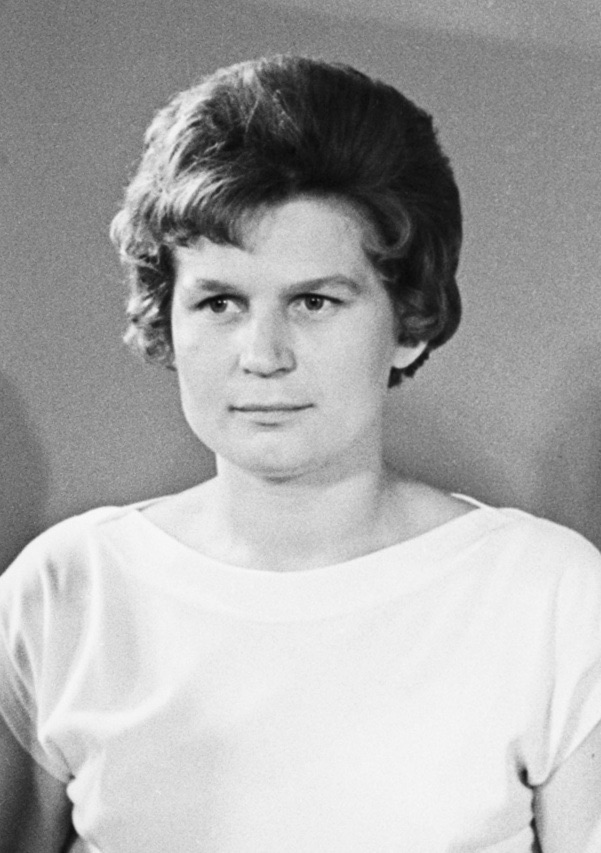
      Valentina Tereshkova.
      Image Wikipedia
    4. Valentina Tereshkova—Valentina Tereshkova, a Russian engineer and former Soviet cosmonaut, was the first woman in space, completing a solo mission on Vostok 6 in 1963. It was her only space flight.
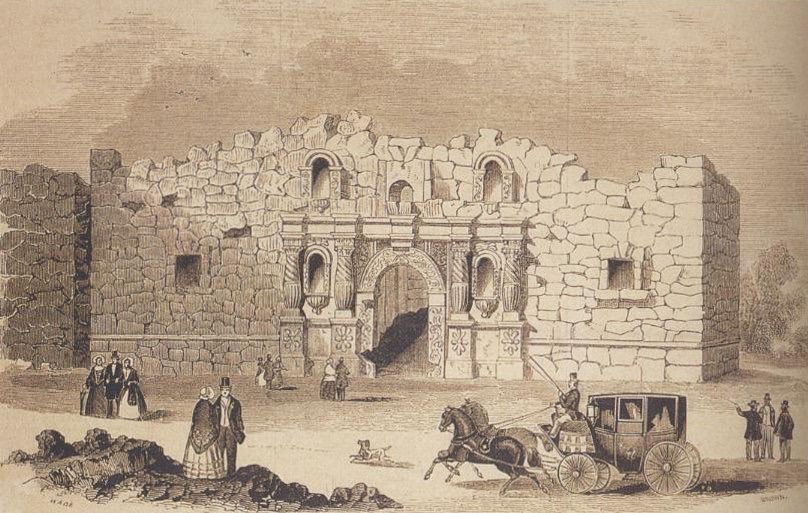
      This is a drawing of the Alamo Mission in San Antonio. It was first printed in 1854 in Gleason’s Pictorial Drawing Room Companion and was reprinted in Frank Thompson’s 2005 “The Alamo”, p 106.
      Image Wikipedia
    5. 13 days—The Siege of the Alamo took place from 23 February to 6 March 1836 during the Texas Revolution. Mexican forces led by General Antonio López de Santa Anna besieged the Alamo Mission in San Antonio, defended by Texian rebels including James Bowie, William B. Travis and Davy Crockett. Despite fierce resistance, the Texians were vastly outnumbered. After 13 days of relentless bombardment and attacks, the Mexican army overran the mission, killing nearly all defenders. The defeat became a rallying cry, “Remember the Alamo!”, inspiring Texian forces to eventual victory in the revolution.
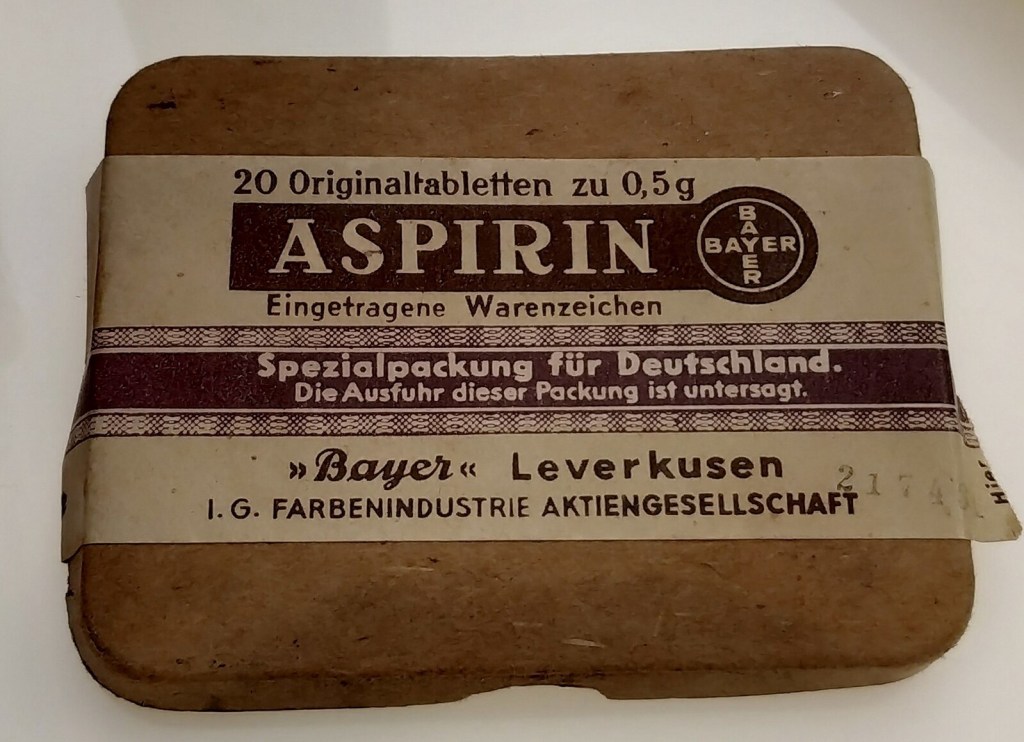
      Old Package of Aspirin, 20 tabs 0.5 g
      Image Wikipedia
    6. Aspirin—Aspirin, a genericized trademark for acetylsalicylic acid (ASA), is a nonsteroidal anti-inflammatory drug (NSAID) used to alleviate pain, fever, and inflammation and as an antithrombotic. It treats specific inflammatory conditions like Kawasaki disease, pericarditis, and rheumatic fever. Long-term use helps prevent heart attacks, ischaemic strokes and blood clots in high-risk individuals. Effects for pain or fever usually start within 30 minutes. Aspirin functions like other NSAIDs but uniquely suppresses platelet function.
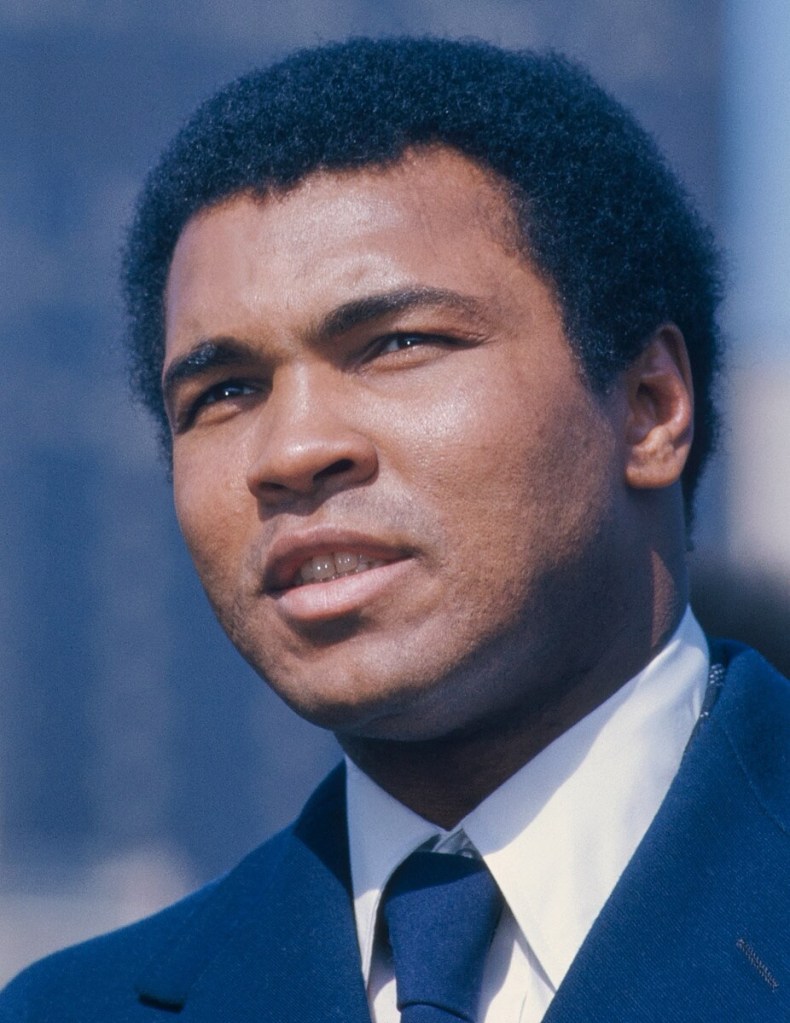
      Muhammad Ali.
      Image Wikipedia
    7. Cassius Clay—In 1964, Cassius Clay stunned the world by defeating Sonny Liston to win the heavyweight championship, defying the odds as an underdog. Just two days after his historic victory, Clay made headlines again by announcing his conversion to the Nation of Islam. This pivotal decision marked a profound personal transformation, as he embraced the teachings of Elijah Muhammad. On 6 March 1964, he adopted the name Muhammad Ali, symbolising his new identity and faith. Ali’s name change reflected not just a religious shift but a declaration of self-determination, which resonated throughout his illustrious boxing career and beyond.
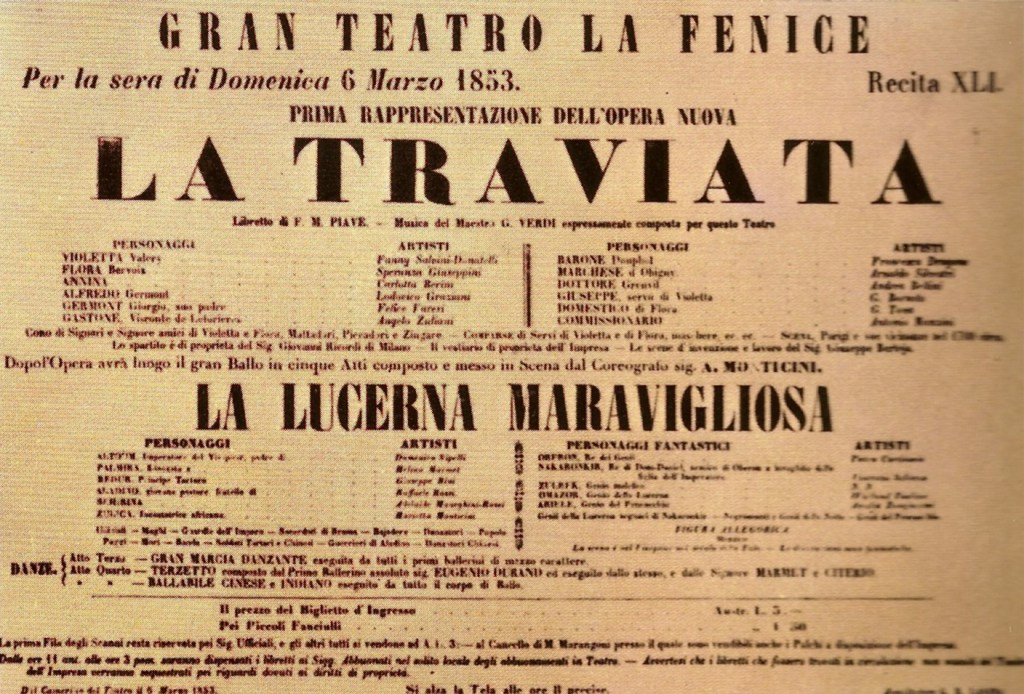
      World Premiere Poster, 1853
      Image Wikipedia
    8. FiascoLa traviata premiered at La Fenice, Venice, in March 1853, amidst Verdi’s lingering apprehensions. The production faced hurdles from the start: Verdi disagreed with the casting of 38-year-old Fanny Salvini-Donatelli as Violetta, feeling she was ill-suited for the role of a youthful, consumptive heroine. Despite Verdi’s protests, no changes were made. The opening act received applause, but enthusiasm waned in the second act, where performances by baritone Felice Varesi and tenor Lodovico Graziani met with disapproval. Verdi later lamented in a letter, “La traviata last night a failure. Was the fault mine or the singers’? Time will tell.” He further said, “It was a fiasco!”
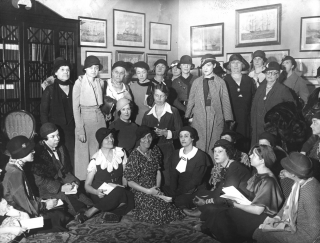
      Eleanor Roosevelt with female reporters at her first White House press conference on March 6, 1933.
      Credit: FDR Presidential Library & Museum
      Image via National Woman’s History Museum
    9. Eleanor Roosevelt—Eleanor Roosevelt recounted to journalist Lorena Hickok that the first White House press conference for women reporters, held on 6 March 1933—two days after FDR’s inauguration—was held in the Red Room. Thirty-five women attended, but there weren’t enough chairs, so some sat on the floor. These weekly conferences, open only to women, helped preserve their jobs and ensured news access. As Mrs Roosevelt noted without fresh stories, women reporters risked losing their jobs. The conferences focused on topics of interest to women, avoiding politics. Over twelve years, 348 conferences provided the First Lady with a national audience and significant publicity.
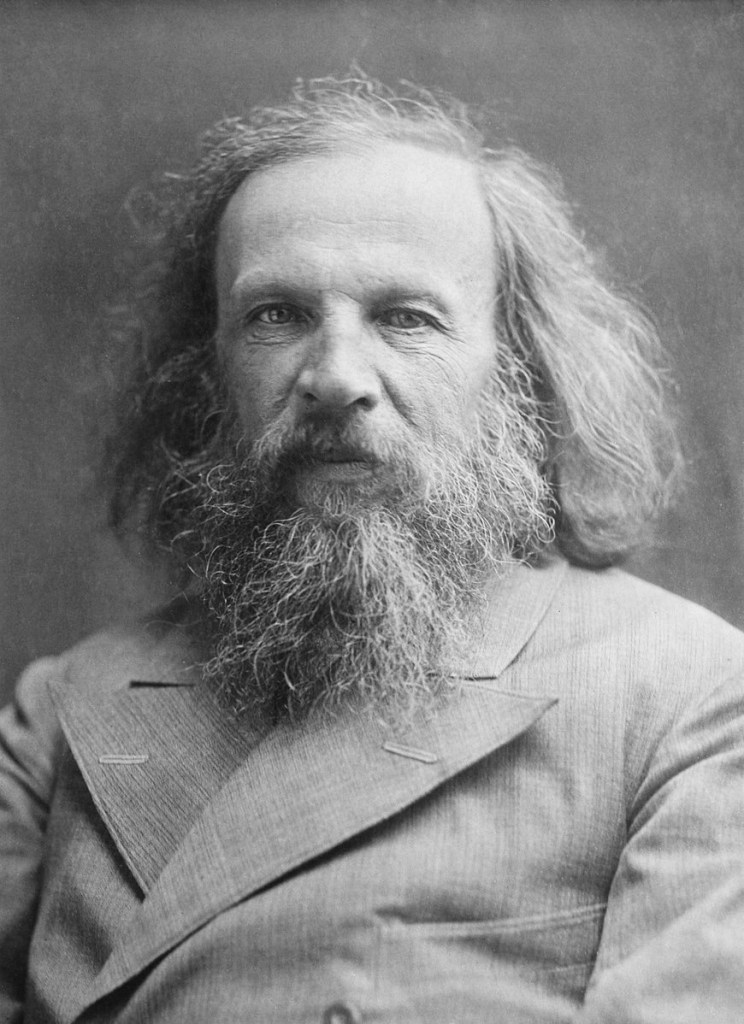
      Dmitri Mendeleev.
      Image Wikipedia
    10. 1869—On 6 March 1869, a scientist presented to the Russian Chemical Society about how elements’ properties relate to their atomic weights. He found that elements arranged by atomic weight show a pattern in their properties. Similar elements often have similar atomic weights or a regular increase in weight. Elements in groups based on atomic weight also match their valencies and chemical properties. He noted that widely spread elements have small atomic weights and that atomic weight influences an element’s nature. He predicted the discovery of new elements and suggested that atomic weights could help predict element properties.
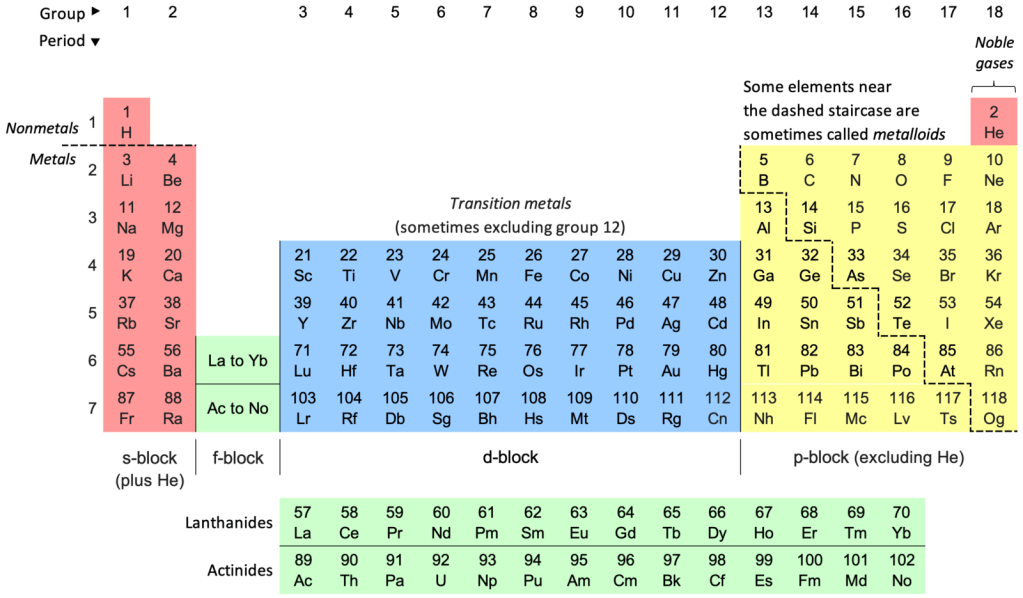
    Coloured periodic table showing the most common sets of elements (2023)
    Image Wikipedia
    Pietà (1498–1499), by Michaelangelo. St. Peter’s Basilica, Vatican City
    Image Wikipedia
  • Fabulous Fantastic Fiascoes

    Michelangelo.
    Image Wikipedia
    1. On this day in 1831, American writer Edgar Allan Poe was court-martialled for disobedience and expelled from…
      • Annapolis naval academy
      • Marine Corps Base Quantico
      • West Point military academy
    2. Italian Renaissance artist Michelangelo was born on 6 March in…
      • 1375
      • 1475
      • 1575
    3. On 6 March 1840, the world’s first adhesive postage stamp, the Penny Black, went into use featuring an image of…
      • Jonas Furrer, president of Switzerland
      • Victoria, queen of Great Britain
      • Martin Van Buren, president of the US
    4. The first female to travel in space was born on this day in 1937, she was…
      • Valentina Ponomaryova
      • Svetlana Savitskaya
      • Valentina Tereshkova 
    5. The Alamo, San Antonio fell and was captured today in 1836 following a siege which had lasted…
      • 3 days
      • 13 days
      • 31 days
    6. On 6 March 1899, acetylsalicylic acid is patented by Felix Hoffmann at the German company Bayer under the genericized trademark…
      • Aspirin
      • Ibuprofen
      • Paracetamol 
    7. This day in 1964 a boxer changed his name to Muhammad Ali. He had had changed his name from…
      • Augustus Amber
      • Balbinus Beryl
      • Cassius Clay
    8. Today in 1853, La traviata, by Giuseppe Verdi, was premiered at La Fenice opera house in Venice. The composer later described it as…
      • Fabulous
      • Fantastic
      • Fiasco
    9. The first First Lady to hold an official press conference in the White House did so on 6 March. She was…
      • Eleanor Roosevelt
      • Jackie Kennedy
      • Pat Nixon
    10. At a meeting of the Russian Chemical Society, Russian chemist Dmitri Mendeleev presented the first periodic table on this day in …
      • 1869
      • 1895
      • 1921

    Good luck! The answers will be posted later today.

  • Fiddler’s Bridge Rings—Answers

    Here are the answers to the questions posed earlier today plus some additional information.

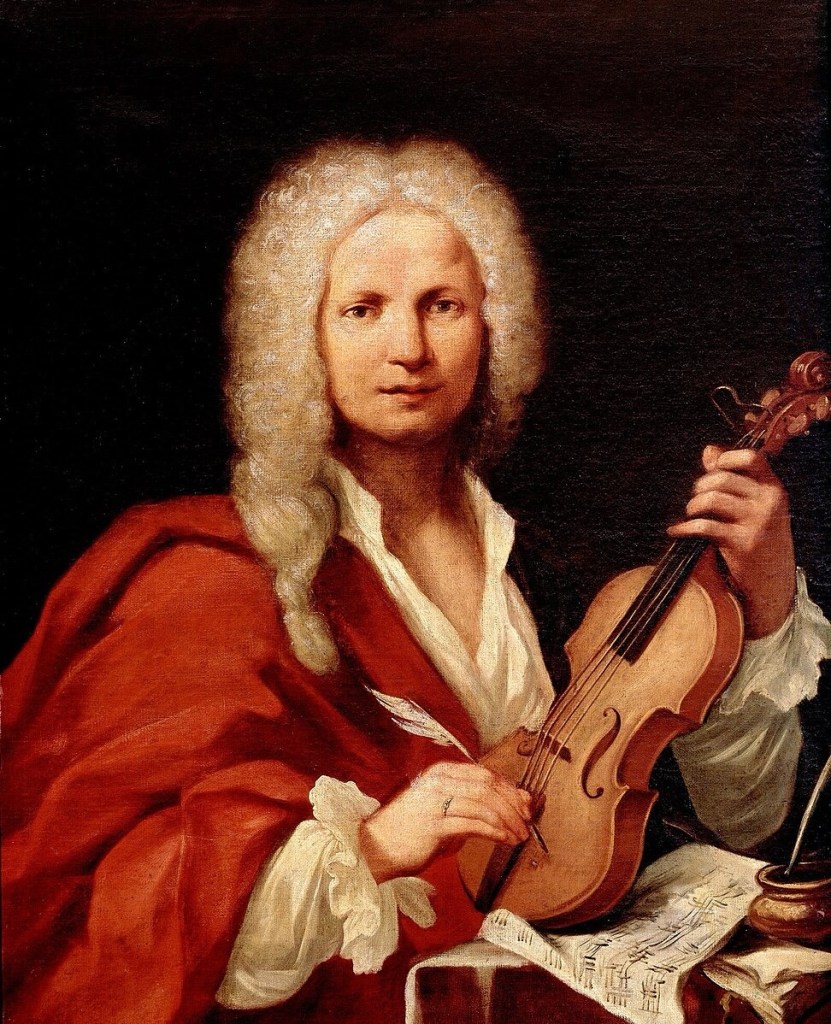
    A portrait in oils in the Museo Internazionale e Biblioteca della Musica di Bologna is generally believed to be of Vivaldi.
    Image Wikipedia
    1. Venice, Republic of Venice (now Italy)—Antonio Lucio Vivaldi (1678–1741) was a pivotal Italian composer and violinist of the Baroque era, known for his innovative contributions to orchestration, violin technique and the concerto form. Born in Venice, he was ordained a priest in 1703, earning the nickname Il Prete Rosso—the red priest. Vivaldi worked at the Ospedale della Pietà, composing numerous concertos, sacred works, and over fifty operas, including the famous The Four Seasons. Despite initial success, his popularity declined in the 1730s. He moved to Vienna in 1740, seeking royal support, but died in poverty. His works were rediscovered in the 1920s, reviving interest in his music.
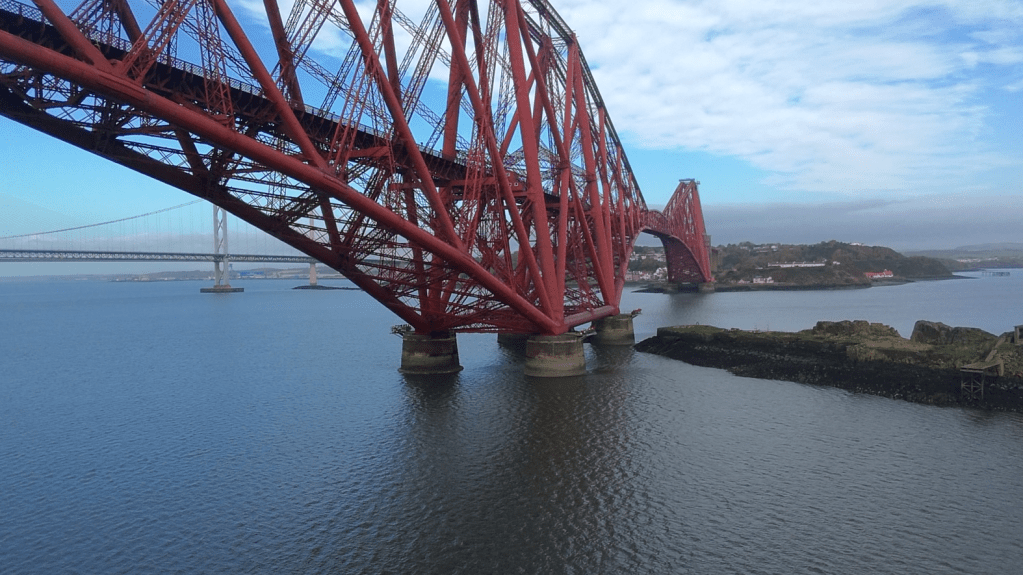
      Forth Bridge pier off Inchgarvie Island. The Forth Road Bridge can be seen in the background.
      Image Wikipedia
    2. Edinburgh—The Forth Bridge, a cantilever railway bridge over the Firth of Forth (Estuary of the River Forth) in Scotland, was designed by Sir John Fowler and Sir Benjamin Baker in the late 1880s and opened on 4 March 1890. Initially criticised for its aesthetics, it is now a symbol of Scotland and a UNESCO World Heritage Site. Located 9 miles west of Edinburgh, it carries the Edinburgh–Aberdeen line, is 8,094 feet (2467 m) long and features three 1,348 ft (411 m) cantilevers and two 351 ft (107 m) suspended spans, with a total clear span of 1,699 ft (518 m). Constructed with 58,000 tons of steel at a cost of £3,000,000 (£493,000,000 in 2025). Recent research by the Queensferry Historian Group has discovered that 78 men died during the construction of the bridge.
      A plaque honoring Perkins at Boston’s Logan Airport.
      Image Wikipedia
    3. Franklin D. Roosevelt—Frances Perkins was appointed Secretary of Labor on 4 March 1933. Born on 10 April 1880, in Boston she was a pioneering American workers-rights advocate and the first woman in the U.S. cabinet, serving as Secretary of Labour from 1933 to 1945 under President Franklin D. Roosevelt. A key figure in the New Deal coalition, she focused on labour issues and social security policy, developing the Social Security Act in 1935. Perkins championed reforms like the minimum wage, maximum workweek, and child labour restrictions. Educated at Mount Holyoke College, Wharton School, and Columbia University, she passed away on 14 May 1965, in New York.
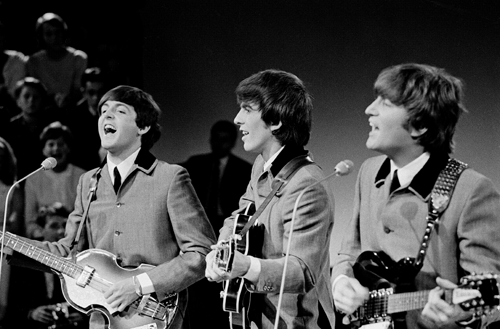
      Paul McCartney, George Harrison and John Lennon during a Beatles performance for Dutch television, 1964.
      Image Wikipedia
    4. John Lennon, Beatles—In 1966, during a controversial interview, John Lennon of the Beatles made a bold statement that would spark widespread debate and backlash around the world. Lennon asserted that the band had become “more popular than Jesus”. This comment was part of a larger discussion about the changing role of religion and the cultural influence of rock music, particularly among the youth of the 1960s. The remark was initially unnoticed in the UK but gained significant attention in the United States, leading to protests and record burnings by those who viewed the statement as blasphemous. Despite the uproar, the Beatles continued to dominate the music scene and influence the cultural landscape, solidifying their legacy as one of the most iconic bands in history.
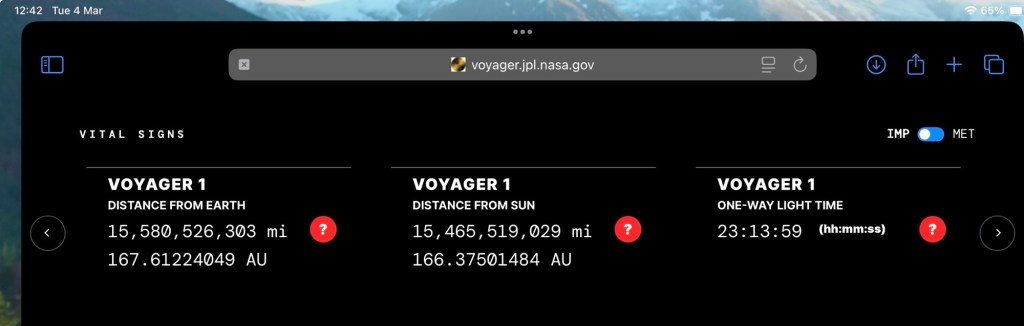
    5. Voyager 1—Voyager 1, launched by NASA on September 5, 1977, is a pioneering interplanetary probe that visited Jupiter and Saturn, becoming the first spacecraft to reach interstellar space. Part of a twin mission with Voyager 2, it utilised a rare planetary alignment for a multiplanet tour. Voyager 1 discovered Jupiter’s ring and volcanic activity on Io, and revealed Saturn’s ring structures. It carries a gold-plated phonograph record with Earth’s images and sounds. By 2012, it entered interstellar space and is now the most distant human-made object. It is expected to operate until 2030.
    Distance from Earth screenshot, 12:42 4 March 2025*
    Image JPL NASA Voyager

    *Voyager Live information can be viewed at JPL NASA Voyager.

  • Fiddler’s Bridge Rings

    Image Wikipedia

    Here are some questions based on this day in history.

    1. Antonio Vivaldi, composer and virtuoso violinist was born on 4 March 1678. Where was he born?
      • Vigo, Kingdom of Galicia (now Spain)
      • Vienna, Austria
      • Venice, Republic of Venice (now Italy) 
    2. What Scottish city is located about nine miles east of the bridge, which opened this day in 1890, pictured above? 
      • Aberdeen
      • Dundee
      • Edinburgh
      Frances Perkins
      Image Wikipedia
    3. Frances Perkins was the first woman ever to serve in a presidential cabinet in the United States. Which president appointed her as the fourth US Secretary of Labor?
      • Calvin Coolidge
      • Herbert Hoover
      • Franklin D. Roosevelt 
    4. On 4 March 1966, it was claimed during an interview that we are ‘more popular than Jesus’. Who made this claim?
      • John Lennon of the Beatles
      • Cass Elliot of the Mamas & the Papas
      • Mick Jagger of the Rolling Stones
    5. On this day in 1979 the first photograph of the rings of Jupiter (below) was sent back to Earth by what spacecraft?
      • Voyager 1
      • Galileo
      • Pioneer 11
    Jupiter.
    Image Wikipedia

    Good luck! The answers will be posted later today.

  • From Monarch Mishaps to Cosmic Capers! (with some grave robbing in between.)—Answers

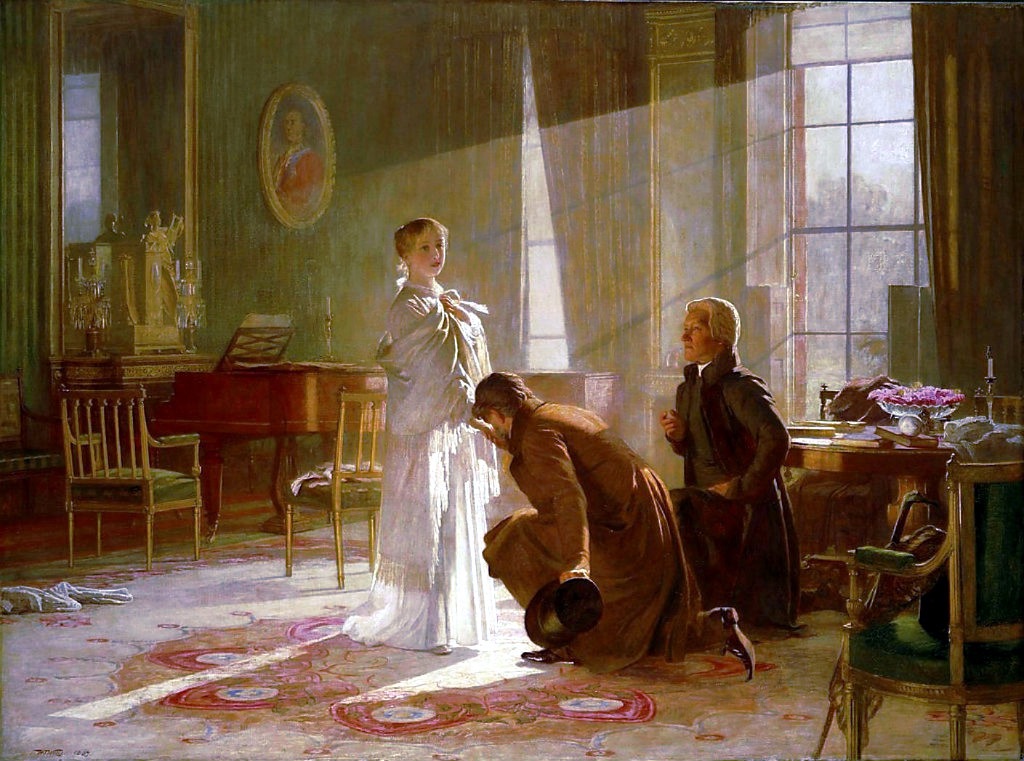
    Queen Victoria receiving the news of her accession to the throne, 1837.
    [Image Wikipedia]

    The answers to today’s earlier post about a few events from 2 March are shown in bold below.

    1. Eight—On March 2, 1882, Roderick Maclean, a poet who had apparently been offended by Queen Victoria’s rejection of one of his poems, attempted to assassinate her as her carriage departed Windsor railway station. Gordon Chesney Wilson and another Eton College student struck him with their umbrellas until a policeman intervened and escorted him away. Notably, there were eight attempts to assassinate Victoria, with two separate attempts by the same person. In 1842, while riding in a carriage along The Mall in London, Queen Victoria was shot at by John Francis, but the gun failed to discharge. Francis managed to escape, but the following day, Victoria deliberately drove the same route, albeit faster and with a larger escort, in an attempt to lure Francis into a second attempt and capture him in the act. As anticipated, Francis fired at her, but he was apprehended by plainclothes policemen and subsequently convicted of high treason. His death sentence was commuted to transportation for life.
      Publicity poster for King Kong, 1933.
      [Image Wikipedia]
    2. King Kong—The landmark monster movie King Kong had its world premiere. In addition to pioneering special effects by Willis O’Brien, it was the first significant feature film to star an animated character. The film’s final lines were Police Lieutenant: “Well, Denham, the airplanes got him.” Carl Denham responded: “Oh no, it wasn’t the airplanes. It was beauty that killed the beast.”
      British Airways Concorde G-BOAC, 1986.
      [Image Wikipedia]
    3. Toulouse, France—Concorde was a supersonic airliner developed by the United Kingdom and France, first flying on 2 March 1969. Known for its sleek design and ability to fly at twice the speed of sound, it significantly reduced transatlantic flight times. However, high development costs, environmental concerns like sonic booms, and high operating costs limited its use to transoceanic flights. Only 20 aircraft were built, operated by Air France and British Airways, with service starting in 1976. Despite initial routes to destinations like Bahrain, Rio de Janeiro, Washington, D.C., and New York City, financial losses and competition from subsonic airliners led to route cuts, with New York City becoming the only regular destination. A fatal crash on 25 July 2000, resulting in 113 deaths, led to a temporary grounding. Concorde was retired in 2003, with most aircraft preserved in museums. The program was a significant European cooperative venture but never achieved financial profitability.
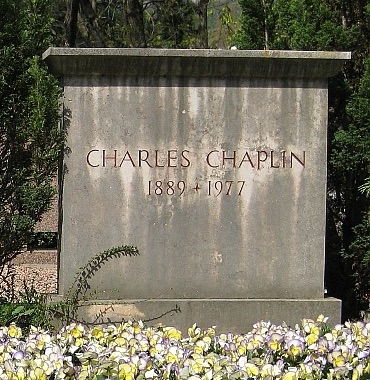
      Charlie Chaplin’s grave in Corsier-sur-Vevey, Vaud, Switzerland.
      [Image Wikipedia]
    4. Vaud, Switzerland—In March 1978, Oona Chaplin was informed by police that her husband Charlie Chaplin’s grave in Switzerland had been disturbed and his body stolen. The film star, who had died just months earlier, was taken by two thieves, Roman Wardas and Gantscho Ganev, who demanded a ransom of $600,000, threatening the Chaplins’ children. Oona dismissed the ransom as absurd. The police effectively tracked the thieves, leading to their capture in May. Wardas and Ganev, driven by desperation, had hidden Chaplin’s body in a cornfield. They expressed regret for their crime, which Oona forgave, even exchanging letters with them. Wardas was imprisoned for four years, while Ganev received an 18-month suspended sentence. Charlie Chaplin was reburied with a concrete vault to deter further theft. Though a 2014 film revived interest in the odd incident, his grave has remained undisturbed since.
    5. Czech—Vladimír Remek, the first Czechoslovak in space, is also considered the first EU astronaut. He served in the European Parliament and as Czech Ambassador to Russia.
    Charlie Chaplin, The Tramp, 1915.
    [Image Wikipedia]
  • From Monarch Mishaps to Cosmic Capers! (with some grave robbing in between.)

    All the events referred to are related to 2 March.

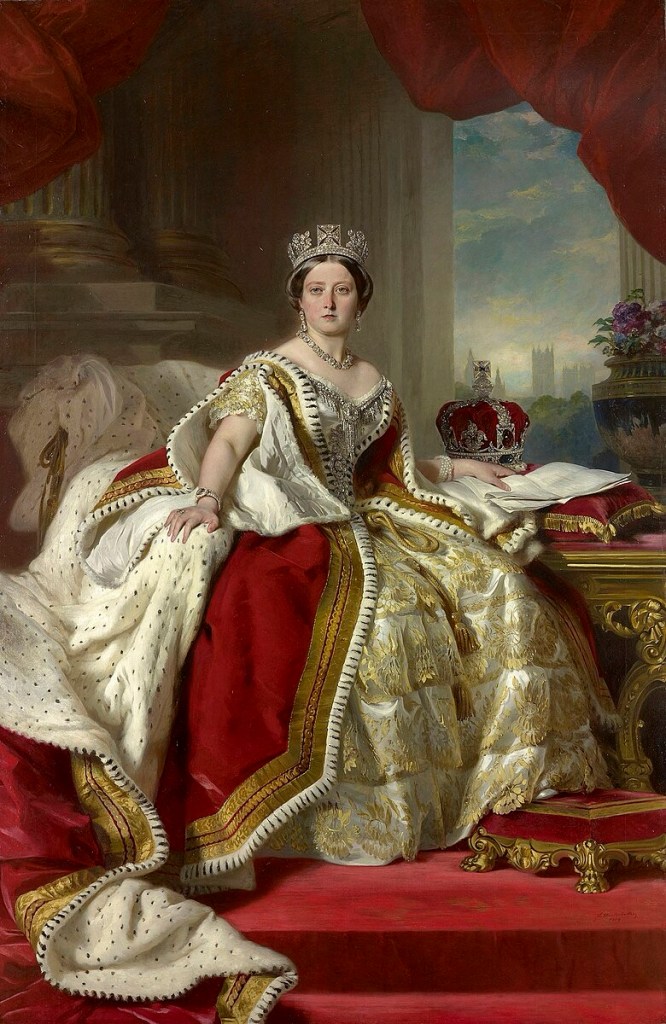
    Queen Victoria
    [Image Wikipedia]
    1. On March 2, 1872, Queen Victoria of the United Kingdom narrowly escaped an assassination attempt. During her reign, how many such attempts were made on her life?
      • Four
      • Six
      • Eight
    2. Which film, which premiered on this day in the early 20th century, ended with the line “It was Beauty that killed the Beast”?
      • Frankenstein
      • King Kong
      • The Island of Dr. Moreau 
    3. On this day in 1969, the first test flight of the supersonic Concorde took place at…
      • Bristol, England
      • Prestwick, Scotland
      • Toulouse, France.

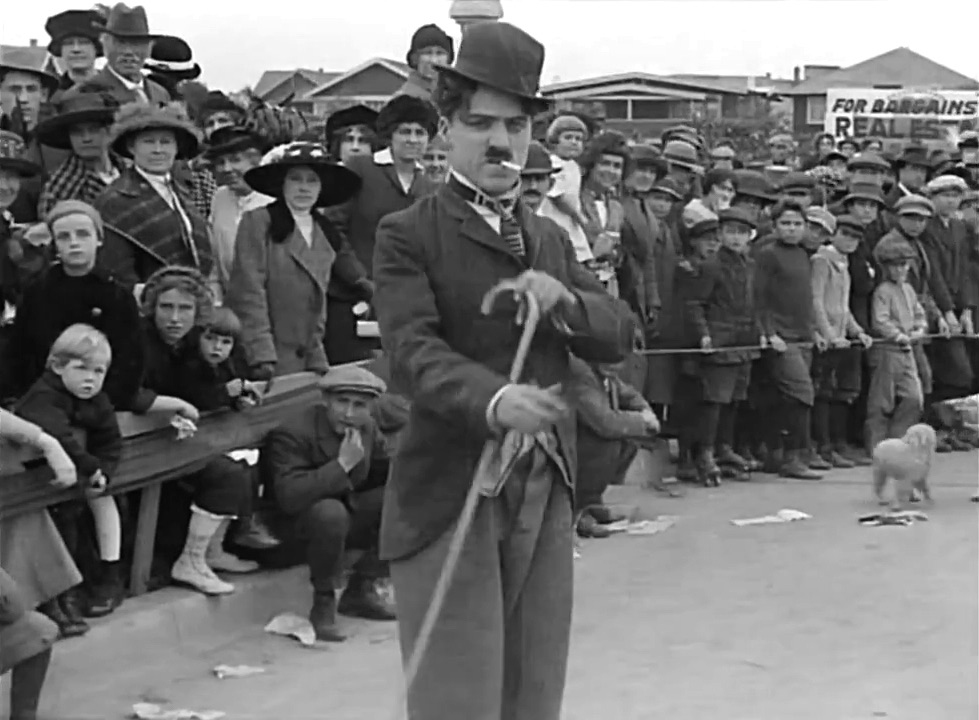
      Screenshot of Charlie Chaplin in Kid Auto Races at Venice, (1914)
      [Image Wikipedia]
    4. Overnight from the 1st to the 2nd of March, 1978, the coffin of the comic actor Charlie Chaplin, containing his body, was stolen from his grave in…
      • California, USA
      • Vaud, Switzerland
      • Cornwall, England.
    5. On 2 March 1978, an astronaut or cosmonaut made history by becoming the first person of neither American nor Russian nationality to travel in space. What nationality was he?
      • Chinese
      • Canadian
      • Czech

    Good luck, the answers will be posted later today.

  • Gwnewch y pethau bychain mewn bywyd—Atebion*

    (“Do ye the little things in life”—Answers*)

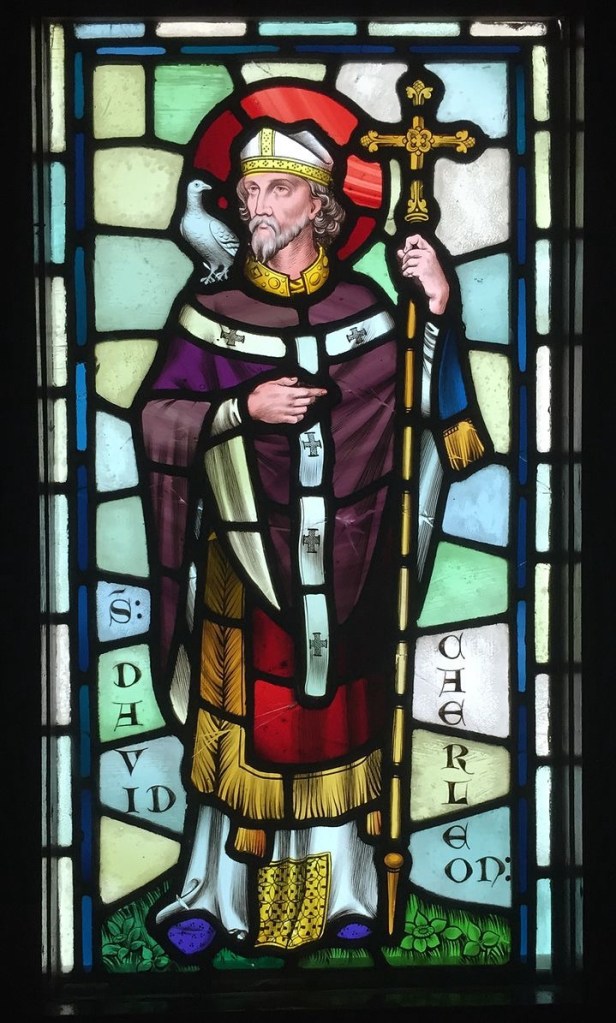
    Saint David
    [Image Wikipedia]
    1. Saint David—Today, March 1st, marks Saint David’s Day. David, a prominent Welsh Christian prelate who served as Bishop of Mynyw in the 6th century and is the patron saint of Wales. His exact birthdate remains uncertain, with estimates ranging from 462 to 512. Traditionally, he is believed to be the son of Non and grandson of Ceredig ap Cunedda. St. David’s profound wisdom is encapsulated in the phrase “Do ye the little things in life.” This timeless advice emphasises the significance of small tasks and details in our daily routines. By cultivating humility, mindfulness, and a present-moment focus, we can unlock the potential for personal growth and spiritual fulfilment. By diligently attending to these minor details, we can pave the way for greater achievements and a deeper connection with ourselves and the world around us.
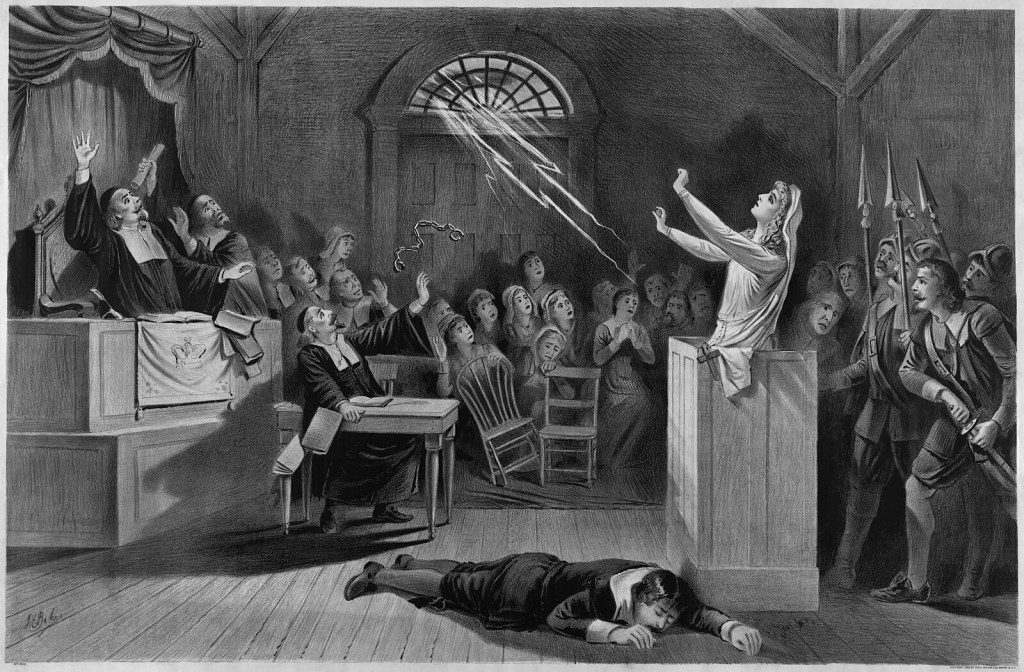
    2. Massachusetts—In 1692, Sarah Good, Sarah Osborne and Tituba were brought before local magistrates in Salem Village, Massachusetts. This marked the beginning of the infamous Salem witch trials. Tituba was an enslaved Native American but little is known of her. The Smithsonian Magazine says —

      Tituba may have sailed from Barbados in 1680 with Parris [Samuel Parris, the minister in whose household the witchcraft erupted], then still a bachelor and not yet a minister. Though likely a South American Indian, her origins are unclear.

      The Smithsonian Magazine
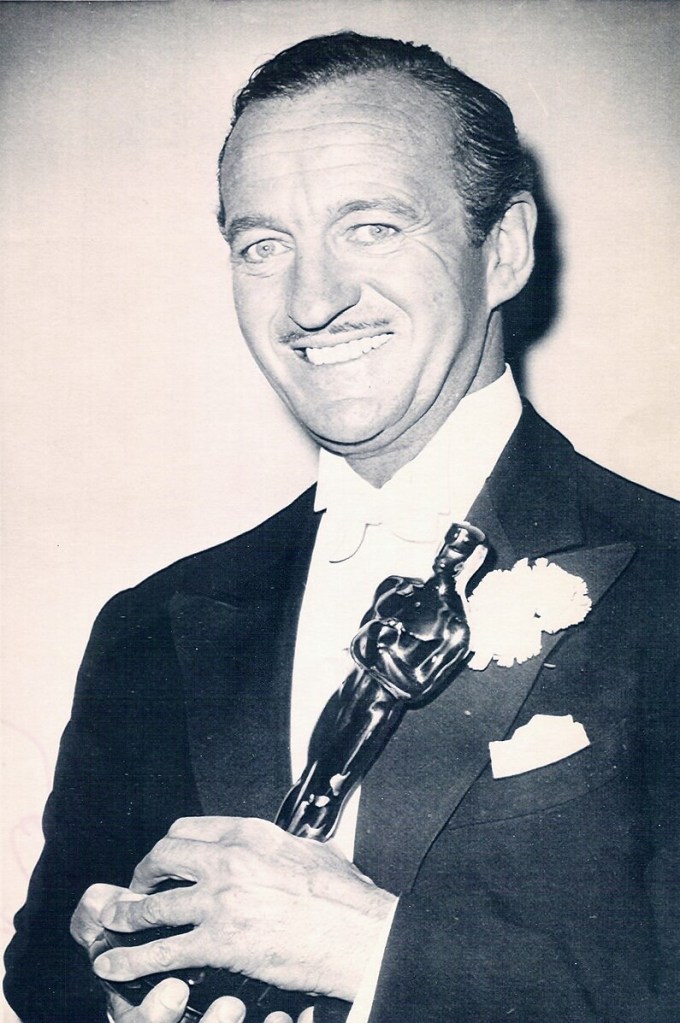
      David Niven with Oscar (1959)
      [Image Wikipedia]
    3. David Niven—David Niven, an English actor, soldier, and author, initially served in the British Army but returned during World War II. He gained fame in Hollywood, winning an Academy Award and two Golden Globes for films like ‘Separate Tables’ and ‘Around the World in 80 Days’. After studying at Sandhurst, he left the army in 1933 to pursue acting. Niven returned to military service in WWII and earned the Legion of Merit for his contributions to the BBC Allied Expeditionary Forces Programme. Post-war, he continued acting, notably playing James Bond in ‘Casino Royale’ (1967), and enjoyed renewed popularity with his memoir ‘The Moon’s a Balloon’. He also wrote a second novel, ‘Go Slowly, Come Back Quickly’, and appeared in films like ‘Death on the Nile’. Niven passed away in 1983 from ALS, remembered as a charismatic Hollywood figure.
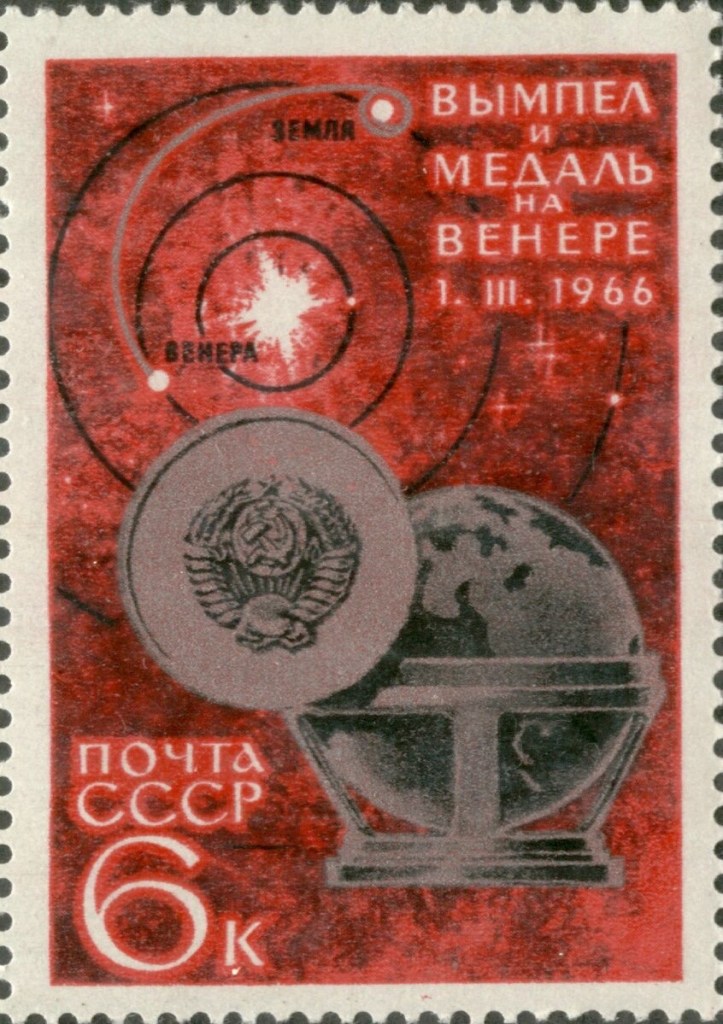
      1966 Soviet Union 6 kopeks stamp. Venera 3 Pendant and Medal.
      [Image Wikipedia]
    4. Venera 3 and Venus—Venera 3, the first spacecraft to land on another planet, crashed on Venus on 1 March 1966 after a course correction manoeuvre. A Soviet space probe, Venera 3 was launched in 1965 to explore Venus’ surface. It comprised an entry probe and a carrier/flyby spacecraft. Contact was lost on 15 February due to overheating.
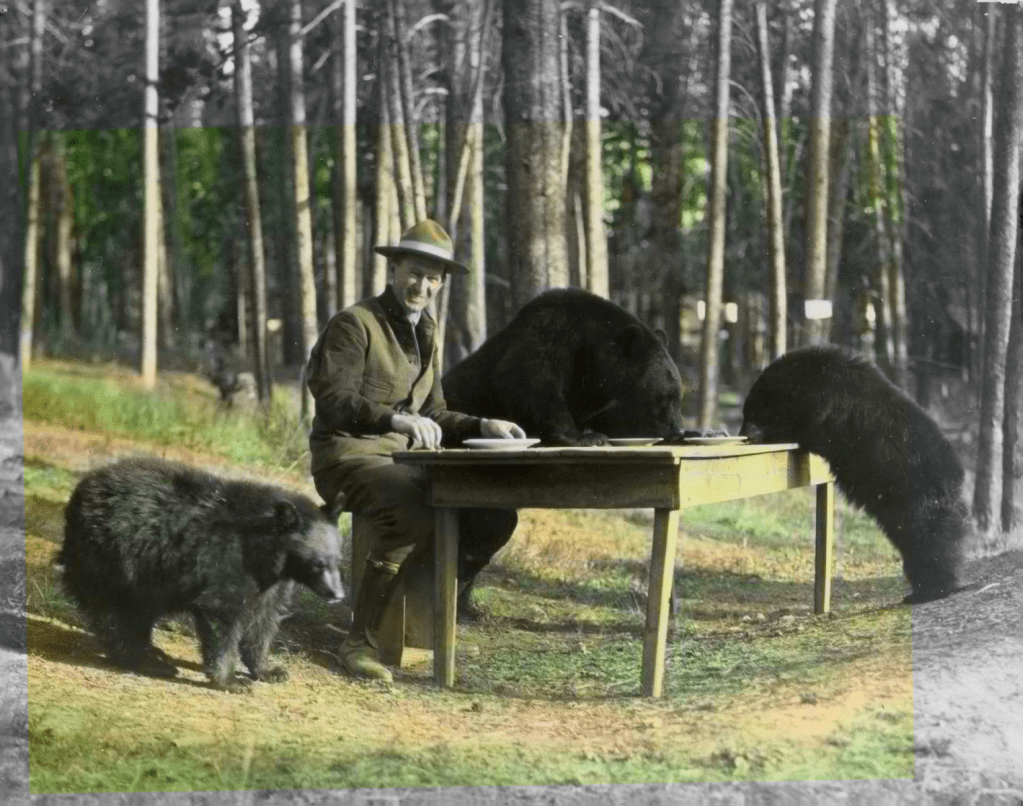
    5. 1872—Established on March 1, 1872, Yellowstone National Park stands as the first national park dedicated to preserving and showcasing the world’s unique hydrothermal and geologic features. Spanning an expansive 2.2 million acres, visitors are afforded unparalleled opportunities to witness wildlife in their natural habitat and explore geothermal wonders. Yellowstone boasts approximately half of the world’s active geysers, as well as awe-inspiring geologic formations like the Grand Canyon of the Yellowstone River.
    Horace M. Albright, Superintendent of Yellowstone, with some bears at a table in Yellowstone National Park, 1922.
    [Image Wikipedia]

    *Atebion and Answers. I hope my translation is correct but if not please accept my apologies.

  • Gwnewch y pethau bychain mewn bywyd

    (“Do ye the little things in life”)

    Here are some trivia questions which have some connection to 1 March.

    1. The saying in Welsh at the top of this post is attributed to which Holy man who is connected to March?
      • Saint David
      • Saint Joseph
      • Saint Patrick
      Salem Witch Trials
      [Image Wikipedia]
    2. Three women were brought before local magistrates on 1 march 1692 beginning what would become the Salem Witch Trials. In what colony was Salem?
      • Connecticut
      • Massachusetts
      • Rhode Island
    3. An English actor, soldier and author born this day in 1910 who links Phileas Fogg, The Pink Panther and James Bond. As an officer in the British Army he took part in the World War II Normandy invasion. He also wrote the memoir The Moon’s a Balloon. Who is he?
      • Alec Guinness
      • David Niven
      • Richard Burton
      Solar System
      [Image Wikipedia]
    4. What became the first space craft to land on another planet on this day in 1966 and what planet did it land on?
      • Mars 1 and Mars
      • Mariner 2 and Mercury
      • Venera 3 and Venus
    5. The world’s first national park is established at Yellowstone in the US. This establishment took place on 1 March…
      • 1859
      • 1872
      • 1885

    Good luck, the answers will be posted later today.