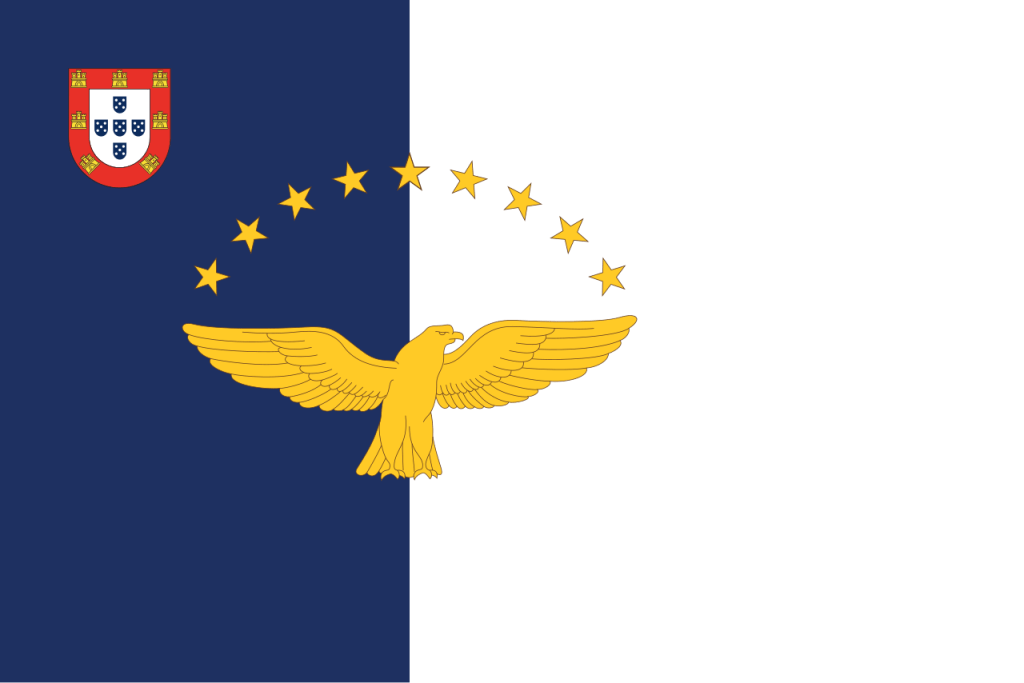
See question four. Flag of ? Image Wikimedia Commons
Today’s questions follow a theme. The post’s title, which can reveal in part a relevant literary character, serves as a starting point.
One
Air Burkina’s primary base is located at the airport of which African capital city?
Two
Which Thomas Keneally book was adapted into a film that won the Oscars for Best Picture and Best Director in 1994?
Three
What was the name of the balsa-wood raft used by Thor Heyerdahl to cross the Pacific in 1947?
Four
The flag shown above is from an archipelago of nine major islands, which is an autonomous region of a European country. It is named for the northern goshawk, although it is thought unlikely that the bird nested or hunted there, as there were no prey animals until sheep were introduced. What is the name of the archipelago?
Five
In an Alfred Hitchcock film starring James Stewart and Grace Kelly, Stewart’s character is confined to a wheelchair. What is the film?
James Bond Ian Fleming, creator of the James Bond books, was born in 1908. What was the first James Bond novel; which U.S. president included a Bond novel in his ten favourites, and which was it?
Answer: Casino Royale; President John F. Kennedy and From Russia With Love.
Ian Fleming, born in 1908, was a British suspense-fiction novelist and former naval intelligence officer who created the iconic British secret agent James Bond, 007. His first Bond novel, Casino Royale (1953), launched a globally popular series known for espionage and action. From Russia With Love, the fifth Bond novel, was famously endorsed by John F. Kennedy in 1961 in a list of his ten favourite books.
Two
In 1999, after two decades of restoration, a Leonardo da Vinci masterpiece was unveiled to the public. Located within the Convent of Santa Maria delle Grazie in Milan, this work is known as what, and what type of artwork is it?
Answer: Last Supper; Mural.
Leonardo da Vinci’s Last Supper (1495-1498) is a mural in Milan’s Convent of Santa Maria delle Grazie. It depicts Jesus announcing his betrayal and instituting the Eucharist. The apostles’ dramatic reactions convey intense emotion. Commissioned by Ludovico Sforza, the original materials caused significant deterioration over time.
Three
In what venue was a peace treaty signed on 28 June 1919?
Answer: Palace of Versailles
The Palace of Versailles, built by King Louis XIV, is located 19 km (12 mi) west of Paris, France. The Hall of Mirrors, where the treaty was signed, is the largest room in the palace. Seventeen mirror arches (each containing 21 mirrors and thus totalling 357 mirrors in the hall) face 17 windows that overlook the palace gardens.
Four
Mercedes-Benz traces its origins to the merger of two companies by two men. Could you please identify these men and the decade that this happened?
Answer: Gottlieb Daimler and Karl Benz; 1920s.
Mercedes-Benz originated from Carl Benz’s 1886 internal combustion engine and Gottlieb Daimler’s petrol-engine stagecoach. Emil Jellinek marketed the 1901 Mercedes 35 hp, naming it after his daughter. The brand was officially established on 28 June 1926 after Daimler and Benz’s companies merged, forming Daimler-Benz.
Five
Queen Victoria of the United Kingdom’s coronation took place on this day. In what decade did it take place, and in what ecclesiastical building did the ceremony take place?
Answer: 1830s; Westminster Abbey.
Queen Victoria’s coronation occurred on 28 June 1838 at Westminster Abbey, following a public procession from Buckingham Palace. Planned by Lord Melbourne, it cost £70,000 and attracted 400,000 visitors. Despite internal mishaps, the event was successful, with fairs and displays in Hyde and Green Parks, amid some Radical opposition.
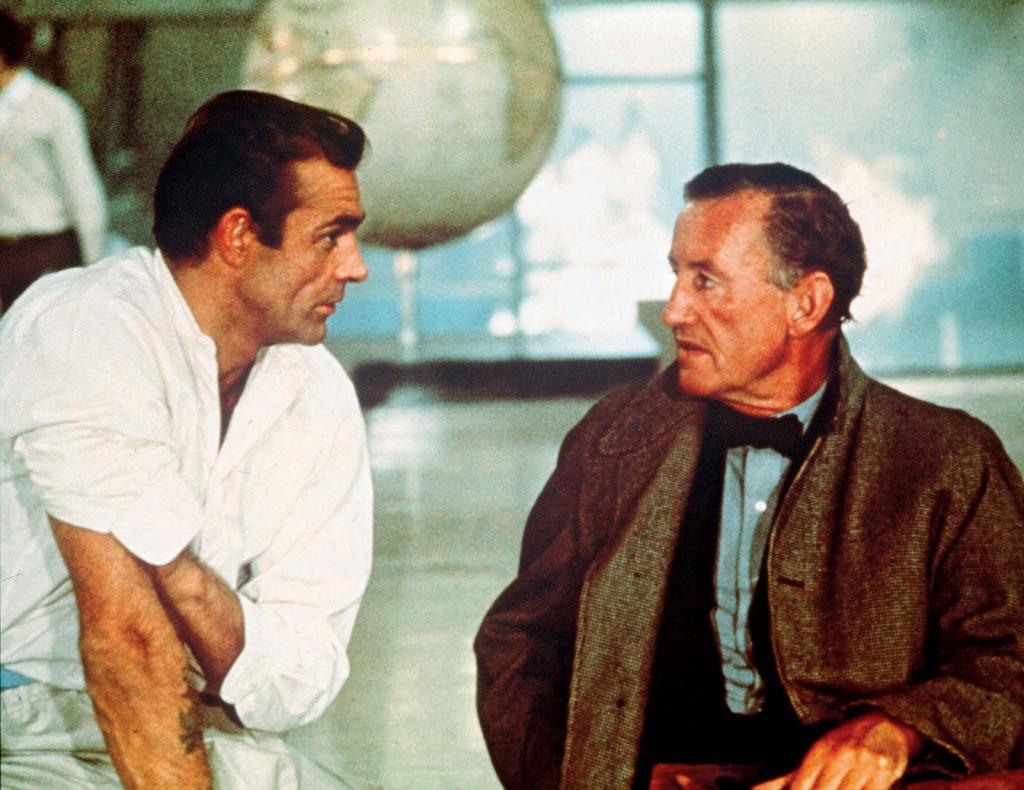
Sean Connery and Ian Fleming. Image Encyclopædia Britannica
Today’s questions all relate to June 28th.
One
James Bond Ian Fleming, creator of the James Bond books, was born in 1908. What was the first James Bond novel; which U.S. president included a Bond novel in his ten favourites, and which was it?
Two
In 1999, after two decades of restoration, a Leonardo da Vinci masterpiece was unveiled to the public. Located within the Convent of Santa Maria delle Grazie in Milan, this work is known as what? What type of artwork is it?
Three
In what venue was a peace treaty signed on 28 June 1919?
Four
Mercedes-Benz traces its origins to the merger of two companies by two men. Could you please identify these men and the decade that this happened?
Five
Queen Victoria of the United Kingdom’s coronation took place on this day. In what decade did it take place, and in what ecclesiastical building did the ceremony take place?
Continuing the recent trend, today’s first question is connected to today’s date, 9 June. The remainder of the questions are not date-related but follow on a theme begun in question one.
One
In 1781, an English engineer who Encyclopædia Britannica describes as ‘the principal inventor of the railroad locomotive’ was born. Who is he, and which of his locomotives inaugurated public rail travel in September 1828?
Answer: George Stephenson; Active (aka Locomotion).
George Stephenson, born on 9 June 1781, in Wylam, Northumberland, England, revolutionised transportation with his locomotive innovations. After building the Blucher and introducing the ‘steam blast’, he gained fame with a mine-safety lamp. In 1825, his Active (renamed Locomotion) locomotive inaugurated public rail travel. He constructed the Liverpool-Manchester line, overcoming opposition, and his Rocket won a 1829 competition. Stephenson’s work spurred global railroad expansion, and he continued as a leading figure in transportation engineering until his death on 12 August 1848.
Two
Tea bags were reportedly invented by accident. Modern tea bags are made from paper but what material were the early ones made from?
Answer: Silk.
Tea bags were popularised in the early 20th century, reportedly by accident. Around 1908, American tea merchant Thomas Sullivan sent tea samples in small silk bags. Some customers are said to have brewed the tea directly in the bags, mistaking them for a replacement for traditional metal infusers, leading to the development of the modern tea bag. As stated, early tea bags were made of silk; paper tea bags did not become common until later, when manufacturers developed cheaper and more practical filter-paper versions.
Three
(Note, in this question, the word ‘houghing’ is an obsolete form of ‘hoeing’ as done with a horse-drawn hoe (hough)).
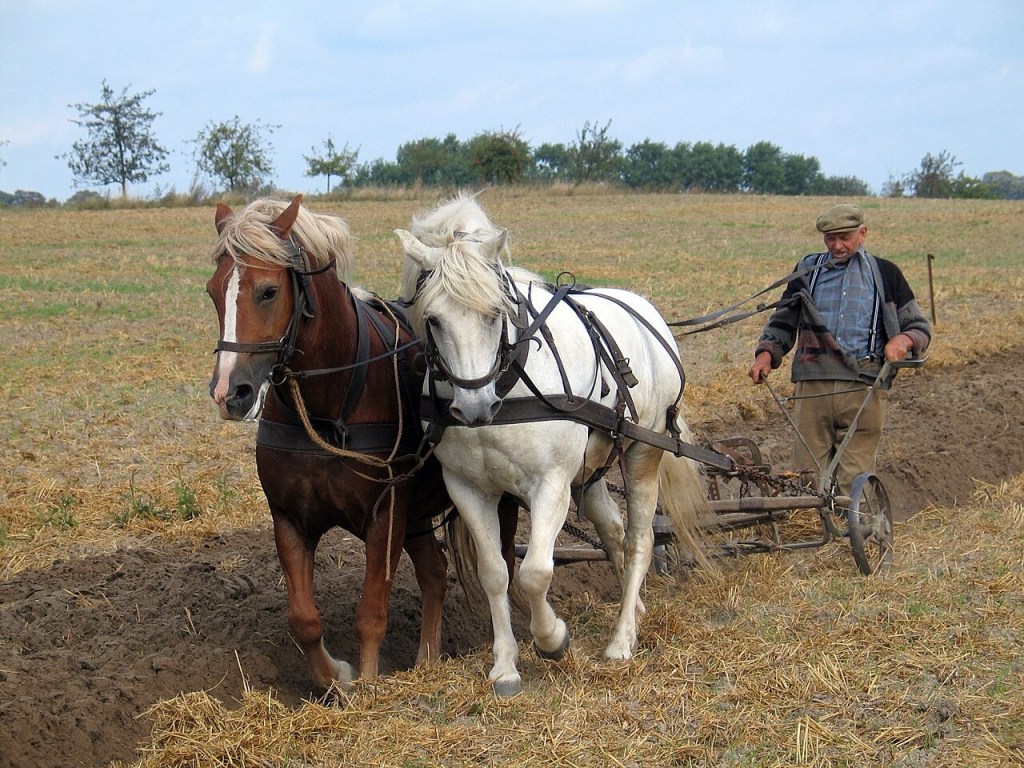
What name links the book The New Horse Houghing Husbandry: Or an Essay on the Principles of Tillage and Vegetation, which was published in 1731, with the 1978 album Heavy Horses?
Answer: Jethro Tull.
Jethro Tull (1674–1741) was an influential English agronomist and inventor whose innovations shaped modern British agriculture. Initially trained for law, Tull managed his father’s farm in Oxfordshire, where he developed a horse-drawn seed drill around 1701. In 1709, he purchased a farm in Berkshire, adopting vineyard cultivation methods and inventing a horse-drawn hoe. His work, published in The New Horse Houghing Husbandry: Or an Essay on the Principles of Tillage and Vegetation (1731), faced initial criticism but eventually revolutionised farming practices. The eleventh studio album by the band Jethro Tull, Heavy Horses, was released in 1978. It is a folk rock album dedicated to British working ponies and horses. It continues the band’s combination of folk and progressive rock with a darker sound.
Four
Adolphe Sax, best known for inventing the saxophone, was born in which present-day country, and in what decade did he patent the saxophone?
Answer: Belgium; 1840s.
Adolphe Sax, born in 1814 in Dinant, Belgium, was a Belgian-French instrument maker and inventor of the saxophone, which he patented in 1846. He also developed the saxhorn, saxo-tromba, and saxtuba, and redesigned the bass clarinet. Sax studied flute and clarinet before moving to Paris in 1842 to exhibit his saxophone. Appointed instructor at the Paris Conservatory in 1857, he faced legal battles over patents and died in poverty in 1894. Sax’s innovations significantly impacted the world of music.
Five
What are the ‘Four Great Inventions’ traditionally attributed to ancient China?
Answer: Papermaking, printing, the compass, and gunpowder.
These four inventions profoundly influenced world history. Papermaking and printing revolutionised the spread of knowledge, the compass transformed navigation and exploration, and gunpowder changed warfare. The concept of the ‘Four Great Inventions’ became especially popular in the nineteenth century as a way of highlighting China’s major contributions to global civilisation.
Before They Invented Drawing Boards What Did They Go Back To?
The post title was a quote from the American stand-up comedian, George Carlin (1937-2008).
Continuing the recent trend, today’s first question is connected to today’s date, 9 June. The remainder of the questions are not date-related but follow on a theme begun in question one.
One
In 1781, an English engineer who Encyclopædia Britannica describes as ‘the principal inventor of the railroad locomotive’ was born. Who is he, and which of his locomotives inaugurated public rail travel in September 1828?
Two
Tea bags were reportedly invented by accident. Modern tea bags are made from paper but what material were the early ones made from?
Three
(Note, in this question, the word ‘houghing’ is an obsolete form of ‘hoeing’ as done with a horse-drawn hoe (hough)).
What name links the book The New Horse Houghing Husbandry: Or an Essay on the Principles of Tillage and Vegetation, which was published in 1731, with the 1978 album Heavy Horses?
Four
Adolphe Sax, best known for inventing the saxophone, was born in which present-day country, and in what decade did he patent the saxophone?
Five
What are the ‘Four Great Inventions’ traditionally attributed to ancient China?
All of today’s questions relate to the date, 3rd June.
One
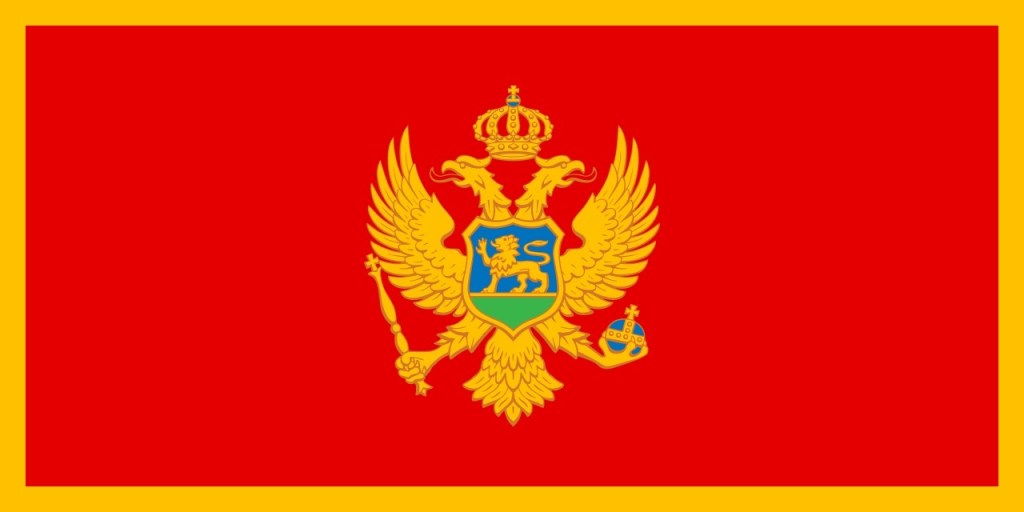
Which country’s national flag is shown? From which state union did it gain independence in 2006?
Answer: Montenegro; Serbia and Montenegro** (or the State Union of Serbia and Montenegro).
Montenegro, located in Southeast Europe on the Balkan Peninsula, has a population of 633,158 across 25 municipalities. It borders Serbia, Bosnia and Herzegovina, Kosovo, Albania, Croatia, and the Adriatic Sea, with Podgorica as its capital and Cetinje as its cultural centre. Historically inhabited by Illyrians, it became a semi-independent principality under the rule of the Prince-Bishops beginning in 1696 and gained independence in 2006. Montenegro has an upper-middle-income, service-based economy and is a member of several international organisations, pursuing EU membership since 2012.
Two
In 1965, Ed White became the first American astronaut to walk in space. Who was the first man and the first woman to walk in space? (Individually, not together.)
Answer: Alexei Leonov; Svetlana Savitskaya.
Extravehicular activity (EVA) involves astronauts performing tasks outside spacecraft, including spacewalks and moonwalks. Conducted by nations like Russia, the U.S., and China, EVAs require space suits for life support. Notable milestones include Alexei Leonov’s first spacewalk in March 1965, Neil Armstrong’s moonwalk in July 1969, and Svetlana Savitskaya’s first female spacewalk in July 1984. EVAs can be tethered or untethered, with untethered walks using the Manned Manoeuvring Unit in 1984 and SAFER in 1994.
Three
The United Kingdom had three kings in 1936, one of whom had been born on this day in 1865. Who was he?
Answer: George V.
George V reigned as King of the United Kingdom from 1910 to 1936. The second son of Prince Albert Edward, later King Edward VII, he unexpectedly became heir to the throne after the death of his elder brother, Prince Albert Victor. Upon George V’s death in January 1936, he was succeeded by his eldest son, Edward VIII, who abdicated later that year to marry Wallis Simpson. Edward was then succeeded by his younger brother Albert, who became King George VI.
Four
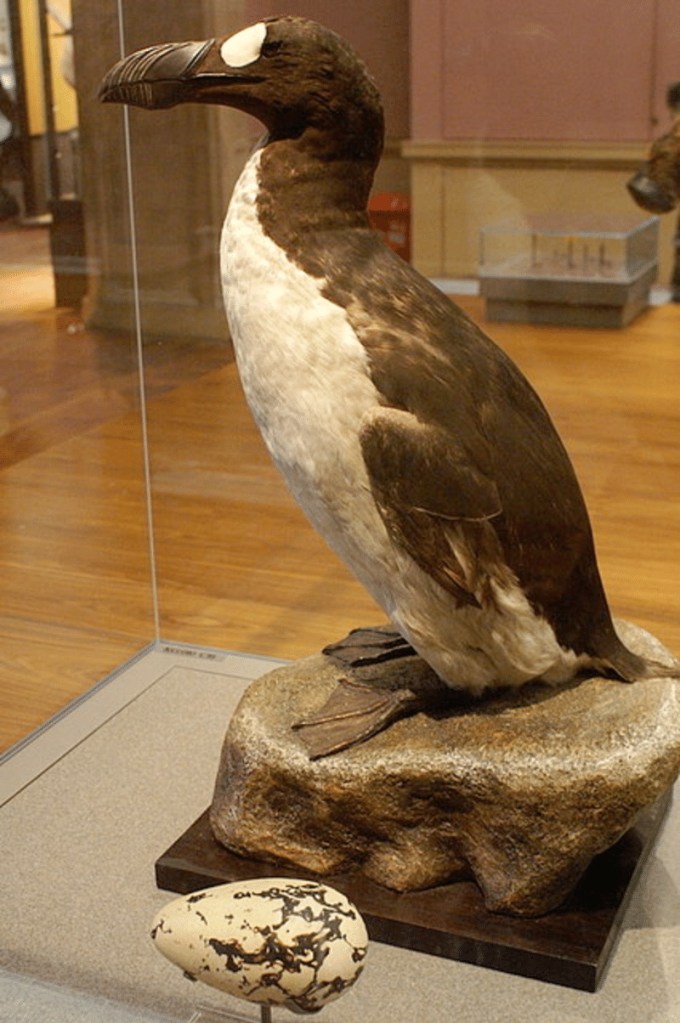
In 1844, the last pair of Great auks were killed by fishermen on Eldey Island. In what nation is Eldey Island?
The great auk (Pinguinus impennis), also known as the garefowl or penguin, is an extinct species of flightless alcid that first appeared around 400,000 years ago and was driven to extinction by human exploitation in the mid-19th century. It was the only modern species in the genus Pinguinus. It was not closely related to the penguins of the Southern Hemisphere, which were named for their resemblance to this species. — Wikipedia
Five
In 1973. the first crash of a supersonic passenger aircraft happened in France with the loss of fourteen lives. What aircraft crashed?
Answer: Tupolev Tu-144.
Nicknamed ‘Concordski’ by the press, the Tupolev Tu-144 is a Soviet supersonic passenger airliner designed by Tupolev that operated commercially from 1975 to 1983, including a passenger service between 1977–1978. It was the first commercial supersonic transport, first flew on 31 December 1968, ahead of Concorde. Produced by Tupolev, 16 units were made, conducting 102 commercial flights, with only 55 carrying passengers. It reached Mach 2 on 26 May 1970. Reliability issues, a 1973 crash, and high costs led to its withdrawal from passenger service in 1978. It served as a cargo aircraft until 1983 and was later used for space and research programs, making its final flight in 1999.
Flag of ? See question one. Image Wikimedia Commons
All of today’s questions relate to the date, 3rd June.
One
Which country’s national flag is shown? From which state union did it gain independence in 2006?
Two
In 1965, Ed White became the first American astronaut to walk in space. Who was the first man and the first woman to walk in space? (Individually, not together.)
Three
The United Kingdom had three kings in 1936, one of whom had been born on this day in 1865. Who was he?
Four
In 1844, the last pair of Great auks were killed by fishermen on Eldey Island. In what nation is Eldey Island?
Five
In 1973. the first crash of a supersonic passenger aircraft happened in France with the loss of fourteen lives. What aircraft crashed?
The first question relates to an event on this day, and the remainder follow a theme created by the first?
One
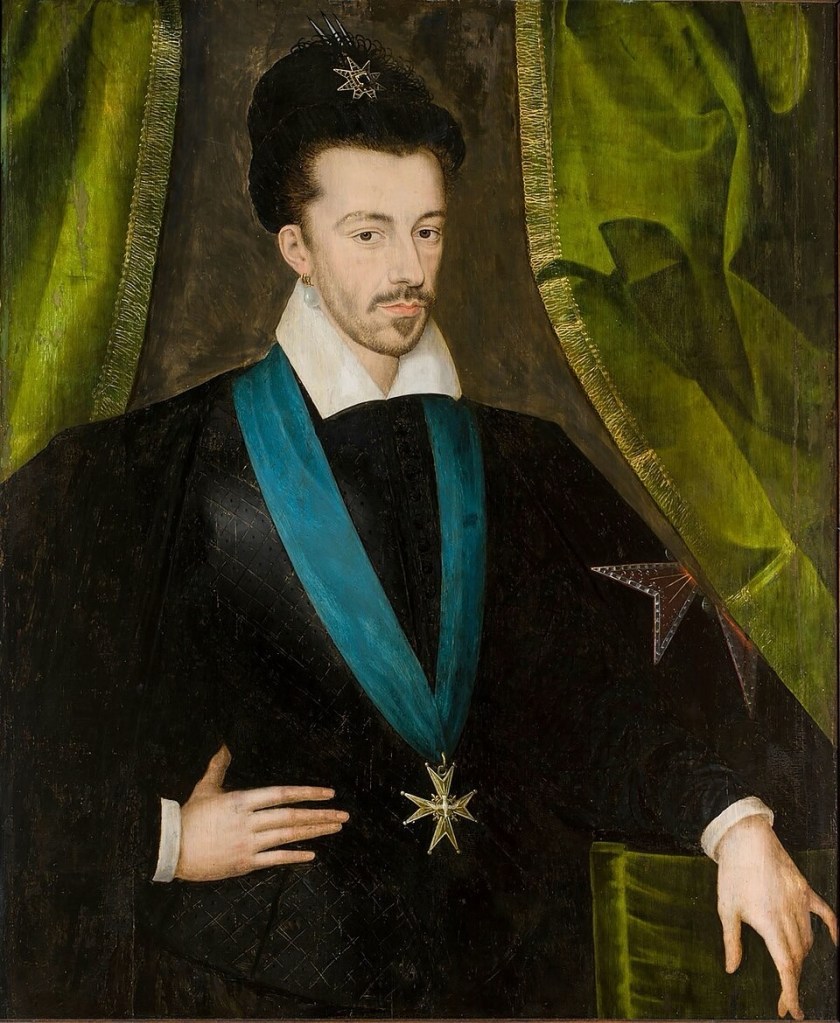
In 1578, King Henry III of France (pictured) laid the first stone of a bridge on the River Seine, which is now the oldest of all the bridges in Paris. The bridge is in two separate spans with an island between them. What is the name of the bridge, and what is the island?
Answer: Pont Neuf; Île de la Cité.
The Pont Neuf (New Bridge), Paris’s oldest bridge across the Seine, connects the left bank, Île de la Cité, and the right bank. Despite its name it is actually the oldest in the city. The Île de la Cité (Island of the City), a natural island in the Seine, is a historic centre in Paris. It boasts significant landmarks like Notre-Dame cathedral, Sainte-Chapelle and the Hôtel-Dieu hospital, as well as important government buildings.
Two
In what capital city did the world’s first underground passenger railway open in 1863?
Answer: London.
The London Underground, also called the Underground or Tube, is a rapid transit system in Greater London and parts of several surrounding counties. The Underground began with the steam locomotives and gas-lit wooden carriages of the Metropolitan Railway in 1863, the first underground passenger railway. The first electrified underground line was opened in London in 1890, making it the first metro system in the world. The system has expanded to 11 lines with 250 miles of track which serves up to 5 million daily journeys, with 1.216 billion in 2024/25.
Three
The Brooklyn Bridge, New York, opened in May 1883. What body of water does it cross, and what two islands does it join?
Answers: East River; Manhattan and Long Island.
The Brooklyn Bridge, a cable-stayed suspension bridge in New York City, connects boroughs of Manhattan (on Mahattan Island) and Brooklyn (Long Island), opening on May 24, 1883. Initially called the New York and Brooklyn Bridge, it was the world’s longest suspension bridge at its opening. Designed by John A. Roebling and completed by his son Washington and wife Emily, construction took thirteen years. Now a National Historic Landmark, it serves only passenger vehicles, pedestrians, and cyclists, remaining a major tourist attraction and New York City icon.
Four
Paris’s largest public park was opened to the public by Louis XV. What park is it?
Bois de Vincennes.
The Bois de Vincennes, Paris’s largest public park, spans 995 hectares, slightly larger than Bois de Boulogne and three times larger than New York’s Central Park. Created by Napoleon III (1855–1866), it features an English garden, lakes, a zoo, arboretum, botanical garden, hippodrome, velodrome, and a sports institute. Known for nighttime prostitution, it occupies 10% of Paris, nearly the size of the first six arrondissements.
Five
In what decade was London’s Royal Albert Hall opened, and who opened it?
Answers: 1860s.
The Royal Albert Hall in London, opened by Queen Victoria in 1871 and named in memory of her consort, Prince Albert, seats 5,272. It hosts over 390 main auditorium shows annually, including BBC Proms, concerts, and events. Amongst its diverse range of events, it hosts the Royal British Legion Festival of Remembrance annually on the evening before Remembrance Sunday, has featured speeches by Winston Churchill, and exhibition fights by Muhammad Ali. Eric Clapton has appeared there over 200 times, starting with Cream’s farewell concerts in 1968.
The first question relates to an event on this day, and the remainder follow a theme created by the first?
One
In 1578, King Henry III of France (pictured) laid the first stone of a bridge on the River Seine, which is now the oldest of all the bridges in Paris. The bridge is in two separate spans with an island between them. What is the name of the bridge, and what is the island?
Two
In what capital city did the world’s first underground passenger railway open in 1863?
Three
The Brooklyn Bridge, New York, opened in May 1883. What body of water does it cross, and what two islands does it join?
Four
Paris’s largest public park was opened to the public by Louis XV. What park is it?
Five
In what decade was London’s Royal Albert Hall opened, and who opened it?
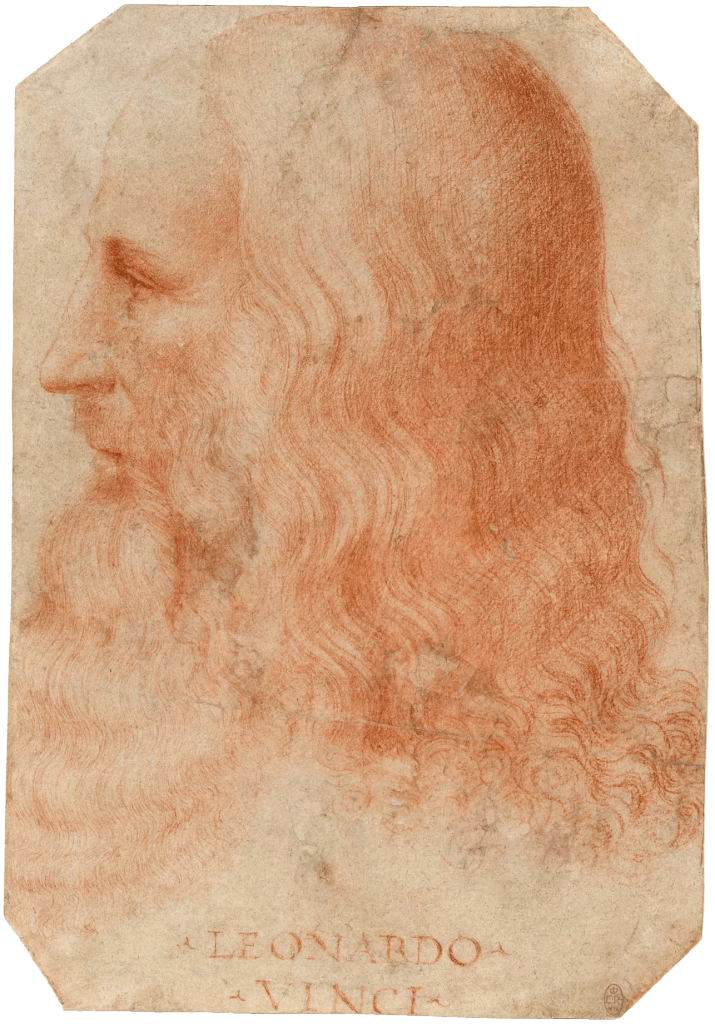
Portrait of Leonardo da Vinci (c. 1515–1518), attributed to Francesco Melzi. Royal Collection, United Kingdom. Image Wikimedia Commons
Here are five questions all connected to today, May 2nd.
One
Leonardo da Vinci, artist, architect and engineer, died on this day. In what century, and in what country, did he die?
Answer: 16th century; France.
He died on 2 May 1519 aged 67, Clos-Lucé, France. Leonardo da Vinci, an Italian Renaissance artist and inventor, epitomised the humanist ideal with his diverse talents in painting, sculpture, architecture, and engineering. His insatiable curiosity and mastery of observation fuelled his artistic and scientific pursuits, making him a true Renaissance man. Invited by King Francis I, Leonardo spent the last three years of his life in France, where he continued to work on unfinished paintings and scientific studies, and created his last series of artworks, Visions of the End of the World, showcasing his mastery of expression and imagination. Leonardo died at Cloux and was buried in the palace church of Saint-Florentin, though his grave is now lost.
Two
The King James Version of the Bible was published. In what decade was this, or as second prize, what century?
Answer: 1610s; 17th century.
The King James Version (KJV) of the Bible, published in 1611 under King James I, was a revision of the Protestant Bible in English, addressing perceived corruption in existing translations. Approved in 1604, 47 scholars, divided into six companies, worked on the translation at Westminster, Oxford, and Cambridge. The KJV sought to be scholarly, nonpartisan, and faithful to the original languages, aiming to popularise the Scriptures. It became the standard English Bible from the mid-17th to early 20th century, influencing English literary style. Authorised for the Church of England, it remains favoured by many Christian fundamentalists.
Three
Anne Boleyn was imprisoned in the Tower of London. Who was her predecessor as Queen and who succeeded her?
Answer: Catherine of Aragon; Jane Seymour.
Anne Boleyn (c. 1501 or 1507 – 19 May 1536) was Henry VIII’s second wife and mother of Elizabeth I. Her marriage and execution were pivotal in the English Reformation. Educated in Europe, Anne resisted Henry’s advances until he sought an annulment from Catherine of Aragon to marry her. This led to the Church of England’s break from Rome. Anne married Henry secretly in 1532, officially in 1533, and was crowned queen. Despite giving birth to Elizabeth, she failed to produce a male heir. Accused of adultery and treason, she was executed in 1536. Posthumously, she became a Reformation martyr, inspiring cultural works. Henry married Jane Seymour eleven days after Anne’s execution.
Four
On this day, a De Havilland Comet became the first jetliner to carry fare-paying passengers. The flight took place in what year and departed from where, with its destination being where?
Answer: 1952; London to Johannesburg.
The de Havilland DH.106 Comet, the first commercial jet airliner, debuted in 1952. After fatal accidents due to metal fatigue, it was redesigned. The Comet 4 series, launched in 1958, served until 1981. Adapted for military roles, the Nimrod variant operated until 2011, highlighting its lasting impact.
Five
Born in 2015, who on their eleventh birthday is third in line of succession to the British throne? Secondly, who is the highest ranked non-titled person to currently appear on the line of succession?
Answer: Princess Charlotte of Wales; Andrew Mountbatten-Windsor.