Here are the answers to today’s questions.
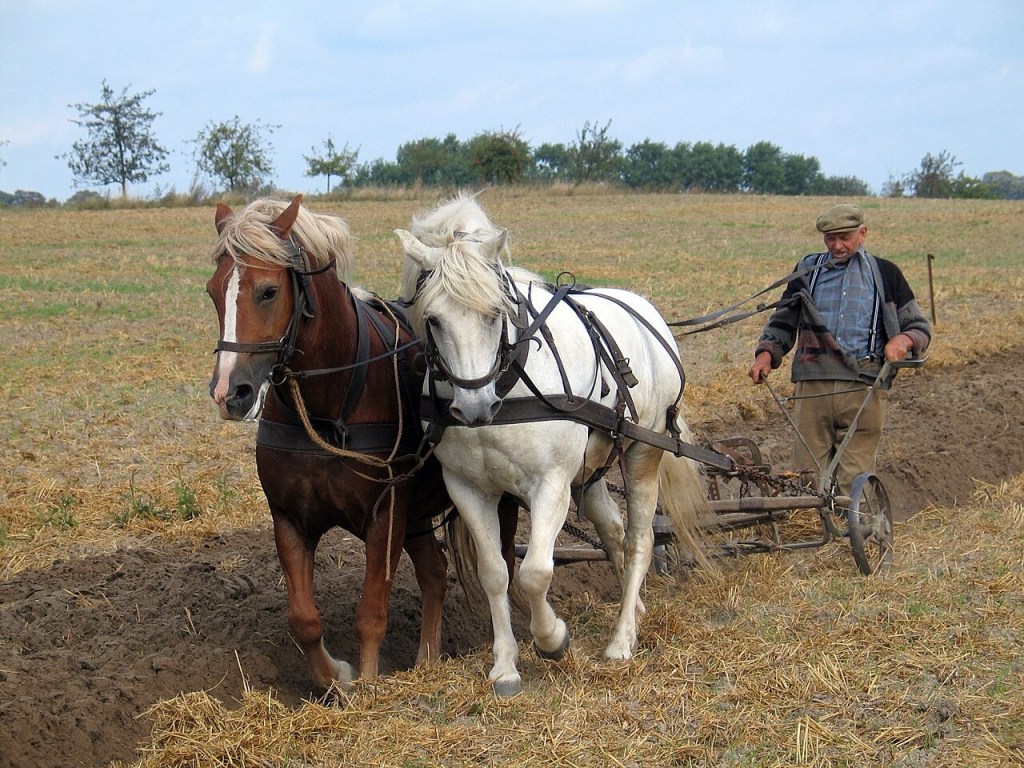
Image Wikimedia Commons
Continuing the recent trend, today’s first question is connected to today’s date, 9 June. The remainder of the questions are not date-related but follow on a theme begun in question one.
One
In 1781, an English engineer who Encyclopædia Britannica describes as ‘the principal inventor of the railroad locomotive’ was born. Who is he, and which of his locomotives inaugurated public rail travel in September 1828?
Answer: George Stephenson; Active (aka Locomotion).
George Stephenson, born on 9 June 1781, in Wylam, Northumberland, England, revolutionised transportation with his locomotive innovations. After building the Blucher and introducing the ‘steam blast’, he gained fame with a mine-safety lamp. In 1825, his Active (renamed Locomotion) locomotive inaugurated public rail travel. He constructed the Liverpool-Manchester line, overcoming opposition, and his Rocket won a 1829 competition. Stephenson’s work spurred global railroad expansion, and he continued as a leading figure in transportation engineering until his death on 12 August 1848.
Two
Tea bags were reportedly invented by accident. Modern tea bags are made from paper but what material were the early ones made from?
Answer: Silk.
Tea bags were popularised in the early 20th century, reportedly by accident. Around 1908, American tea merchant Thomas Sullivan sent tea samples in small silk bags. Some customers are said to have brewed the tea directly in the bags, mistaking them for a replacement for traditional metal infusers, leading to the development of the modern tea bag. As stated, early tea bags were made of silk; paper tea bags did not become common until later, when manufacturers developed cheaper and more practical filter-paper versions.
Three
(Note, in this question, the word ‘houghing’ is an obsolete form of ‘hoeing’ as done with a horse-drawn hoe (hough)).
What name links the book The New Horse Houghing Husbandry: Or an Essay on the Principles of Tillage and Vegetation, which was published in 1731, with the 1978 album Heavy Horses?
Answer: Jethro Tull.
Jethro Tull (1674–1741) was an influential English agronomist and inventor whose innovations shaped modern British agriculture. Initially trained for law, Tull managed his father’s farm in Oxfordshire, where he developed a horse-drawn seed drill around 1701. In 1709, he purchased a farm in Berkshire, adopting vineyard cultivation methods and inventing a horse-drawn hoe. His work, published in The New Horse Houghing Husbandry: Or an Essay on the Principles of Tillage and Vegetation (1731), faced initial criticism but eventually revolutionised farming practices. The eleventh studio album by the band Jethro Tull, Heavy Horses, was released in 1978. It is a folk rock album dedicated to British working ponies and horses. It continues the band’s combination of folk and progressive rock with a darker sound.
Four
Adolphe Sax, best known for inventing the saxophone, was born in which present-day country, and in what decade did he patent the saxophone?
Answer: Belgium; 1840s.
Adolphe Sax, born in 1814 in Dinant, Belgium, was a Belgian-French instrument maker and inventor of the saxophone, which he patented in 1846. He also developed the saxhorn, saxo-tromba, and saxtuba, and redesigned the bass clarinet. Sax studied flute and clarinet before moving to Paris in 1842 to exhibit his saxophone. Appointed instructor at the Paris Conservatory in 1857, he faced legal battles over patents and died in poverty in 1894. Sax’s innovations significantly impacted the world of music.
Five
What are the ‘Four Great Inventions’ traditionally attributed to ancient China?
Answer: Papermaking, printing, the compass, and gunpowder.
These four inventions profoundly influenced world history. Papermaking and printing revolutionised the spread of knowledge, the compass transformed navigation and exploration, and gunpowder changed warfare. The concept of the ‘Four Great Inventions’ became especially popular in the nineteenth century as a way of highlighting China’s major contributions to global civilisation.
Before They Invented Drawing Boards What Did They Go Back To?
The post title was a quote from the American stand-up comedian, George Carlin (1937-2008).


Leave a Reply