Could you please identify the English singer-songwriter and actress?
Answer: Pixie Lott
Pixie Lott is an English singer, songwriter, and actress. Her debut album, Turn It Up, reached number six on the UK Albums Chart and spawned six consecutive top twenty singles.
Which of the following was a 16th-century Scottish battle: Perkie, Pinkie, or Porkie?
Answer: Pinkie
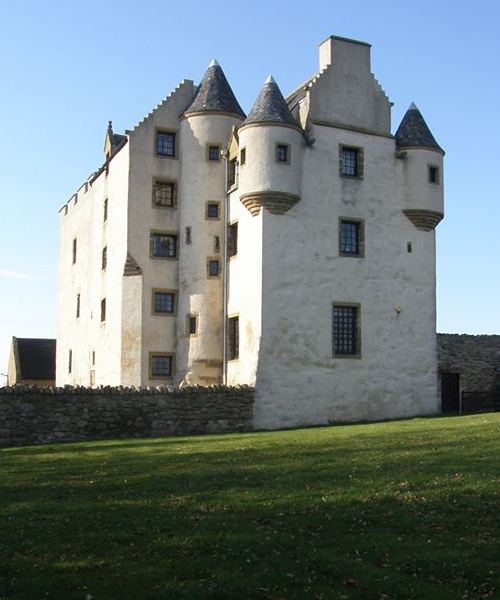
The Battle of Pinkie (aka Battle of Pinkie Cleugh), fought on 10 September 1547 near Musselburgh, Scotland, was the last pitched battle between Scotland and England before the Union of the Crowns. The battle, part of the Rough Wooing conflict, resulted in a catastrophic defeat for Scotland, known as “Black Saturday”.
Heather Moyse, multi-sport athlete and Olympic Gold Medalist, serves as Brand Ambassador for Prince Edward Island Potatoes. Image Wikipedia
Three
Which crop is Prince Edward Island the largest producer of in Canada?
Answer: Potato
Prince Edward Island is the largest potato-producing province in Canada, with the industry contributing over a billion dollars annually. The potatoes are grown for three markets: table, processing, and seed, with 60% destined for processing. Varieties include russets, whites, reds, and yellows, each with unique characteristics and uses.
The 1964 films Dr Strangelove and A Shot in the Dark starred the same actor. Who was it?
Answer: Peter Sellers
Peter Sellers, born Richard Henry Sellers, was an English actor and comedian known for his roles in The Goon Show and films like The Pink Panther series, including A Shot in the Dark. He showcased his versatility in films like Lolita, Dr. Strangelove, and Being There, often portraying multiple characters. Despite his success, Sellers struggled with depression and erratic behaviour, dying from a heart attack at 54.
Was The Bells by Edgar Allan Poe a poem or a play?
Answer: Poem
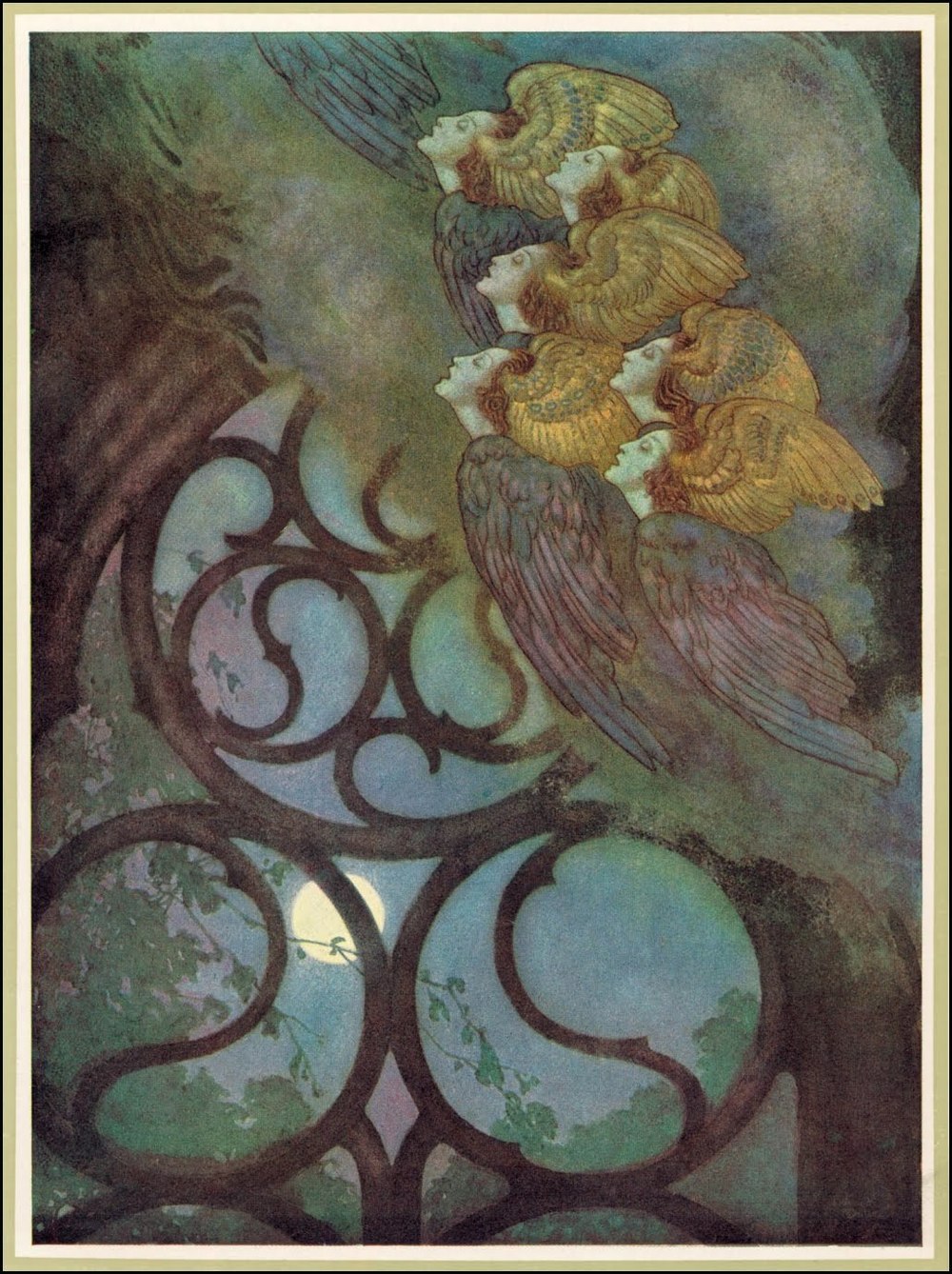
The Bells by Edgar Allan Poe is a heavily onomatopoeic poem that uses the word “bells” to evoke different emotions. The poem, divided into four parts, progresses from light-hearted to dark, reflecting the changing sounds and meanings of bells.
The Bells
Edgar Allan Poe
I.
Hear the sledges with the bells— Silver bells! What a world of merriment their melody foretells! How they tinkle, tinkle, tinkle, In the icy air of night! While the stars, that oversprinkle All the heavens, seem to twinkle With a crystalline delight; Keeping time, time, time, In a sort if Runic rhyme, To the tintinabulation that so musically wells From the bells, bells, bells, bells, Bells, bells, bells,— From the jingling and the tinkling of the bells.
II.
Hear the mellow wedding bells, Golden bells! What a world of happiness their harmony foretells! Through the balmy air of night How they ring out their delight! From the molten golden-notes, And all in tune, What a liquid ditty floats To the turtle-dove that listens, while she gloats On the moon! Oh, from out the sounding cells, What a gush of euphony voluminously wells! How it swells! How it dwells On the Future! how it tells Of the rapture that impels To the swinging and the ringing Of the bells, bells, bells, Of the bells, bells, bells, bells, Bells, bells, bells— To the rhyming and the chiming of the bells!
The Bells
III.
Hear the loud alarum bells— Brazen bells! What a tale of terror, now, their turbulency tells! In the startled ear of night How they scream out their affright! Too much horrified to speak They can only shriek, shriek, Out of tune, In a clamorous appealing to the mercy of the fire, In a mad expostulation with the deaf and frantic fire, Leaping higher, higher, higher, With a desperate desire, And a resolute endeavour. Now—now to sit or never, By the side of the pale-faced moon. Oh, the bells, bells, bells! What a tale their terror tells Of Despair! How they clang, and clash, and roar! What a horror they outpour On the bosom of the palpitating air! Yet the ear it fully knows, By the twanging, And the clanging, How the danger ebbs and flows: Yet the ear distinctly tells, In the jangling, And the wrangling, How the danger sinks and swells, By the sinking or the swelling in the anger of the bells— Of the bells— Of the bells, bells, bells, bells, Bells, bells, bells— In the clamour and the clangour of the bells!
IV.
Hear the tolling of the bells— Iron bells! What a world of solemn thought their monody compels! In the silence of the night, How we shiver with affright At the melancholy menace of their tone! For every sound that floats From the rust within their throats Is a groan. And the people—ah, the people— They that dwell up in the steeple, All alone, And who, tolling, tolling, tolling, In that muffled monotone, Feel a glory in so rolling On the human heart a stone— They are neither man nor woman— They are neither brute nor human— They are Ghouls: And their king it is who tolls; And he rolls, rolls, rolls, Rolls A paean from the bells! And his merry bosom swells With the paean of the bells! And he dances, and he yells; Keeping time, time, time, In a sort of Runic rhyme, To the paean of the bells— Of the bells: Keeping time, time, time, In a sort of Runic rhyme, To the throbbing of the bells Of the bells, bells, bells— To the sobbing of the bells; Keeping time, time, time, As he knells, knells, knells, In a happy Runic rhyme, To the rolling of the bells— Of the bells, bells, bells: To the tolling of the bells, Of the bells, bells, bells, bells— Bells, bells, bells— To the moaning and the groaning of the bells.




 Quizology.Online
Leave a comment