The answers to my earlier post are shown highlighted below.

Image Wikipedia
One
The 1,900-year-old Alcantara Bridge spans a river that rises in Spain’s Albarracín Mountains before travelling 626 miles (1,007 km) to empty into the Atlantic Ocean. Can you name the river?
Answer: Tagus
The Tagus, the longest river in the Iberian Peninsula, flows from its source in Spain to the Atlantic Ocean at Lisbon in Portugal. The Alcántara Bridge, built between 104 and 106 CE, is a Roman stone arch bridge. It was commissioned by Emperor Trajan.

Image Wikipedia
Two
In what sport did Fred Perry become the 1929 World Champion?
Answer: Table tennis
Frederick John Perry was a British tennis and table tennis player. His first love was table tennis, and he was World Champion in 1929. In tennis, he won ten Majors, including eight Grand Slam singles titles. He was the first player to win a ‘Career Grand Slam’ and the last British player to win a men’s singles Grand Slam title until Andy Murray in 2012.

Image Wikipedia
Three
Pitti-Sing, Peep-Bo and Yum-Yum are characters in which Gilbert and Sullivan operetta?
Answer: The Mikado
The Mikado is a comic opera by Gilbert and Sullivan, satirising late 19th-century British institutions and politics through a fantasy Japanese setting. It premiered in London in 1885 and quickly became a global hit, with over 150 productions by the end of the year.
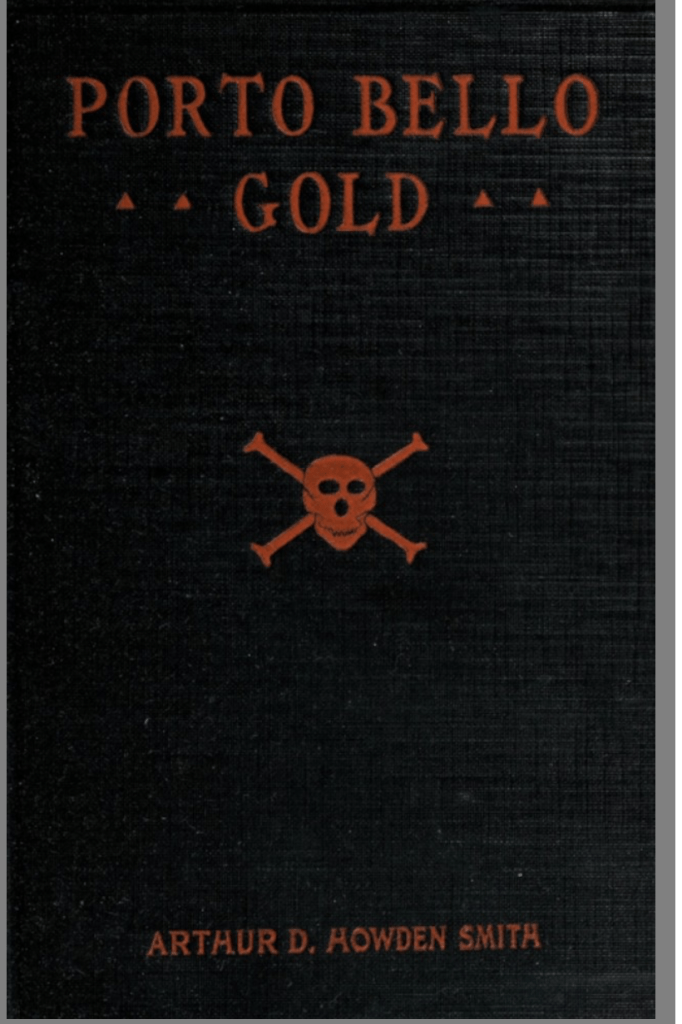
by Arthur D. Howden Smith.
Image Project Gutenberg
Four
Porto Bello Gold (1924) by Arthur D. Howden Smith is a prequel to which 1883 Robert Louis Stevenson novel?
Answer: Treasure Island
Arthur D. Howden Smith was a great admirer of Robert Louis Stevenson. In Porto Bello Gold (1924), a prequel to Treasure Island – written with the permission of Robert Louis Stevenson’s executor, Lloyd Osbourne – Harry Ormerod’s son Robert goes to sea in the company of such famous pirates as Captain Flint, Long John Silver and Billy Bones and takes part in capturing the treasure which would be recovered in Stevenson’s book.
– Wikipedia, Arthur D. Howden Smith
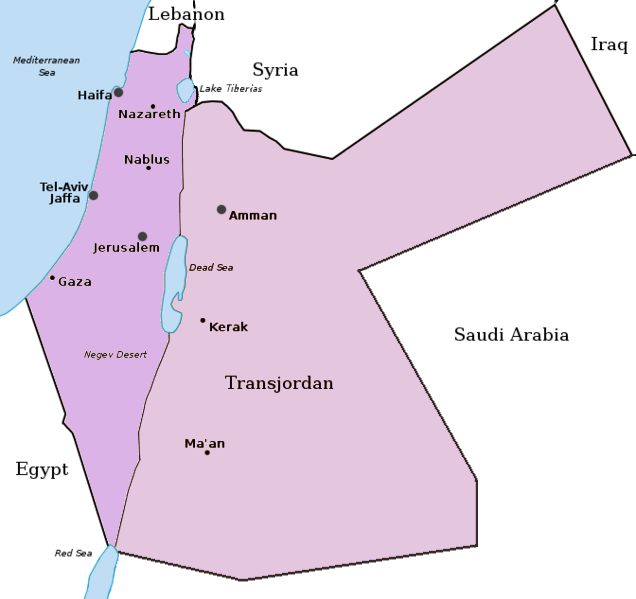
Image Wikipedia
Five
Jordan assumed its present name in 1949, what was it called immediately prior to that?
Answer: Transjordan
Transjordan, also known as the East Bank or the Transjordanian Highlands, is the region east of the Jordan River in the Southern Levant. Primarily located in present-day Jordan, it is a semi-arid region. Jordan is a constitutional monarchy with a population of 11.5 million, mostly Sunni Muslim. Since 1948, Jordan has accepted refugees from neighbouring countries, including 2.1 million Palestinians and 1.4 million Syrians as of 2015. Despite a skilled workforce and tourism industry, economic growth is hindered by a lack of natural resources, refugee influx, and regional instability.
 Quizology.Online
Leave a comment