The answers to my earlier post are shown below.
One
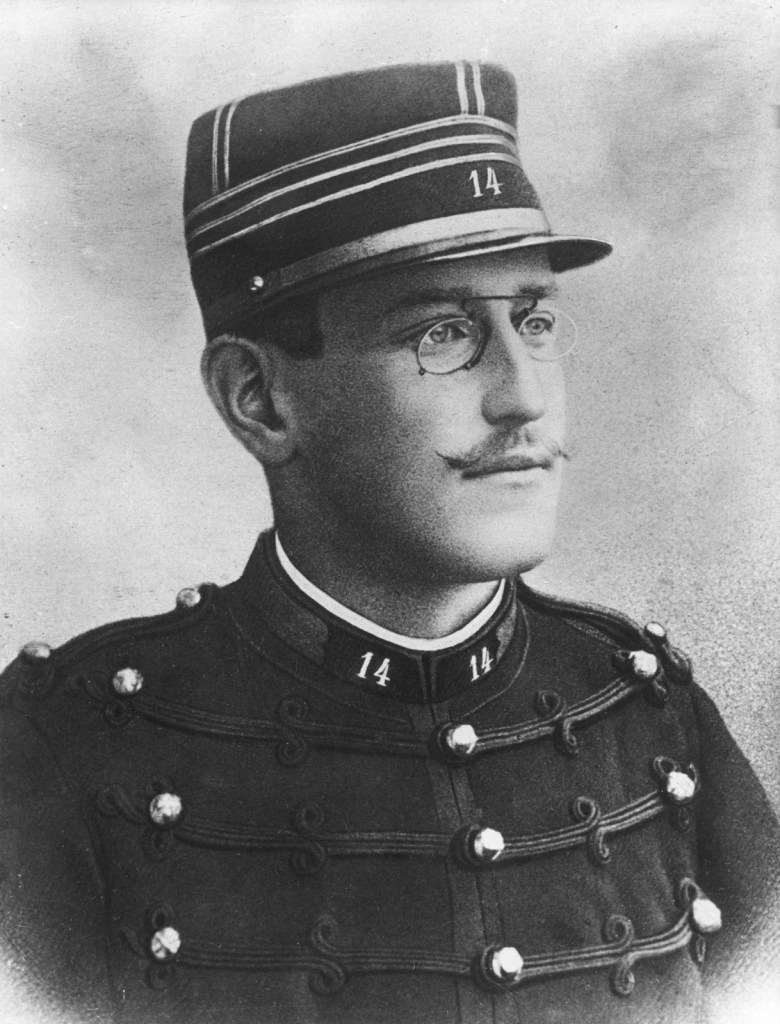
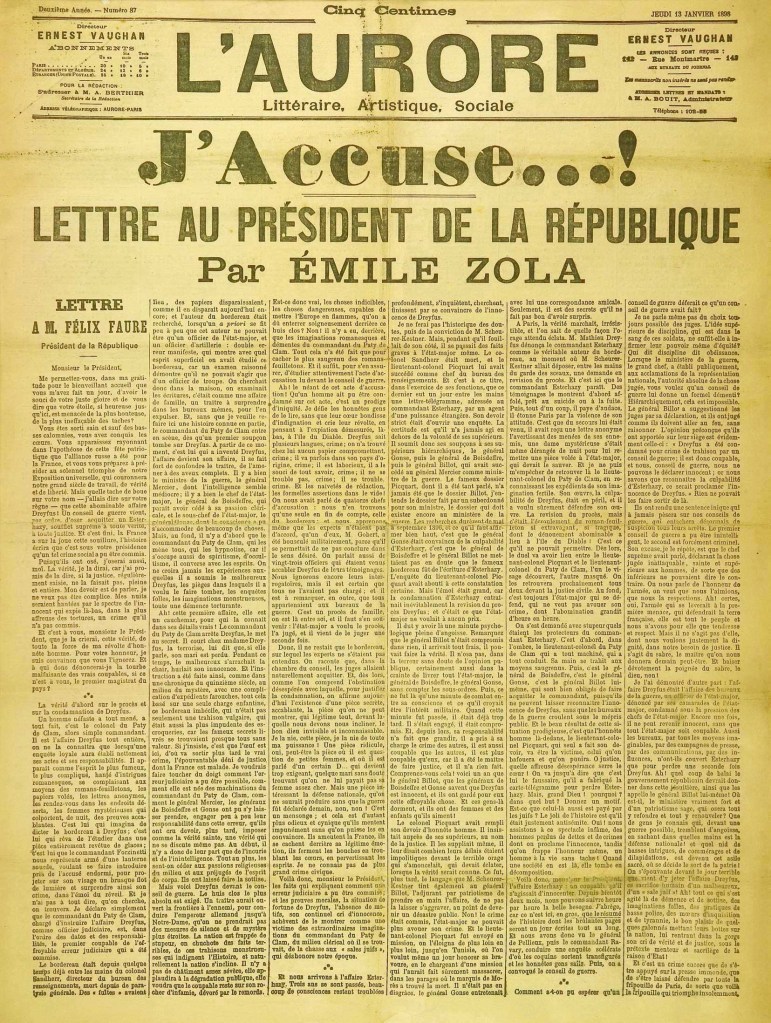
On 22 August 1953, the maximum-security penal colony on Devil’s Island, which had operated for 100 years, was permanently closed. The subject of the front page article from L’Aurore (13 January 1898) was imprisoned on Devil’s Island. Who was the subject of Émile Zola’s J’Accuse and in which country is Devil’s Island located?
Answer: Captain Alfred Dreyfus and French Guiana
The Dreyfus affair was a political scandal in France from 1894 to 1906, centred around the wrongful conviction of Captain Alfred Dreyfus for treason. Despite evidence of his innocence, Dreyfus was convicted and imprisoned, sparking a national debate between Dreyfusards, who supported him, and anti-Dreyfusards, who condemned him. The affair highlighted issues of injustice and antisemitism in France.
Two
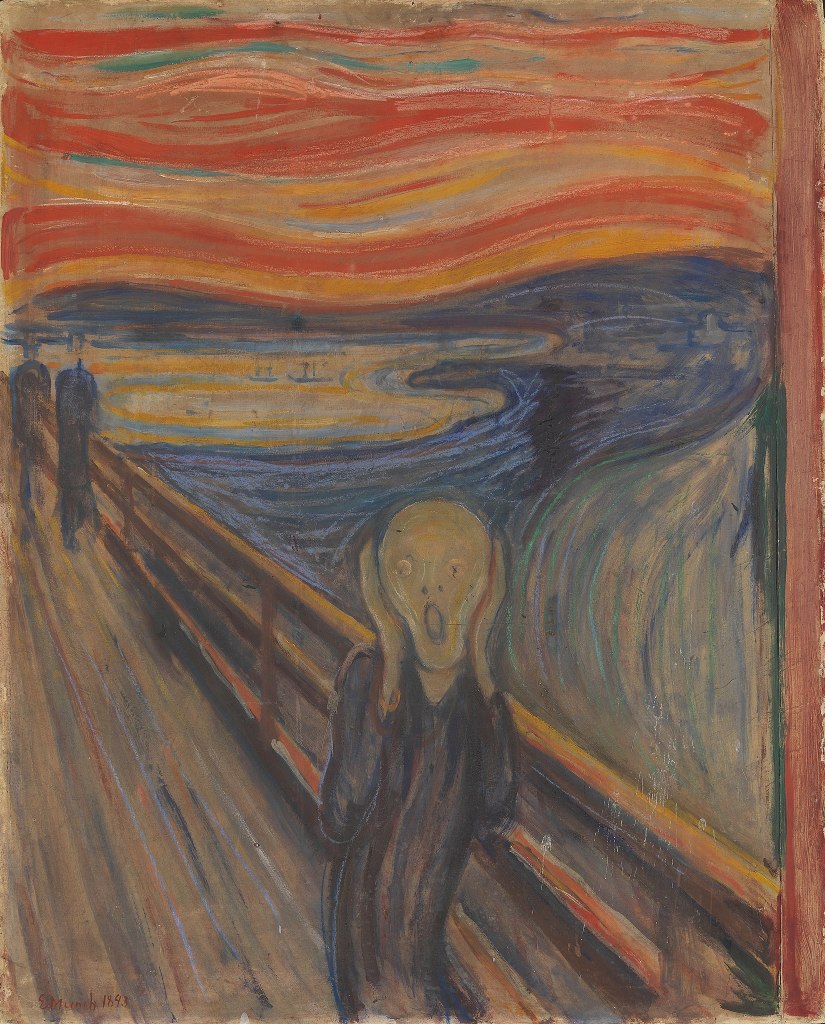
Image Wikipedia
On this date in 2004, a painting was stolen from the Munch Museum in Oslo, Norway. What painting?
Answer: The Scream
Edvard Munch’s 1893 painting The Scream depicts an agonised face and is considered an iconic representation of existential dread. Munch created multiple versions, including two paintings and two pastels, with one pastel version selling for a record price in 2012. The Scream has been stolen twice, in 1994 and 2004. In both cases, the perpetrators were eventually apprehended. The painting was recovered after a few months in 1994 and two years after the 2004 theft.

Image Encyclopædia Britannica
Three
On 22 August, a U.S. President named Henry A. Kissinger as Secretary of State. Which president?
Answer: Richard Nixon
Henry Kissinger, national security adviser and secretary of state (from 1973) under Nixon and Ford, significantly shaped US foreign policy from 1969-1976. He advanced détente with the Soviet Union, initiated SALT (Strategic Arms Limitation Talks), opened relations with China, and played a crucial role in Vietnam War peace negotiations.
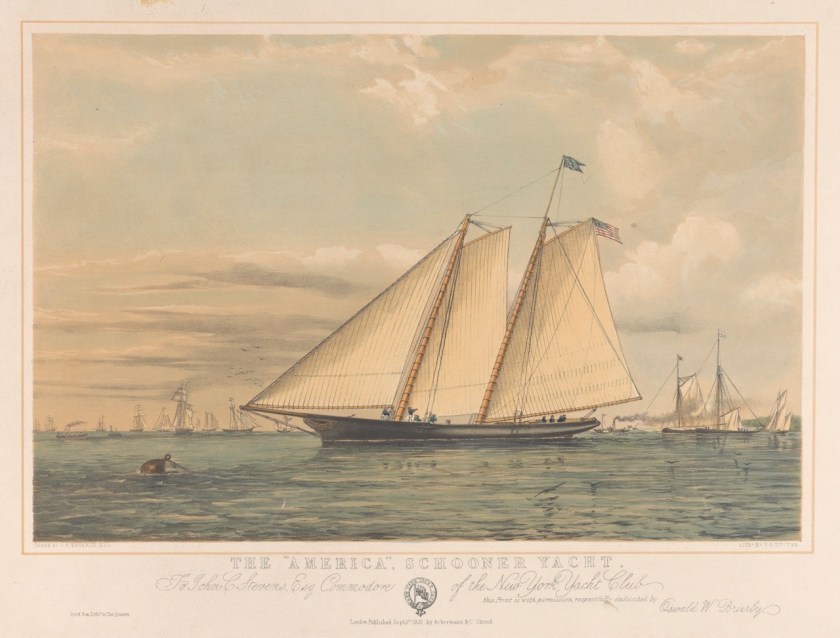
Image Wikipedia
Four
In 1851, the yacht America (US) won what is considered the first America’s Cup. Around which island did the race take place?
Answer: Isle of Wight
The America’s Cup, originally the R.Y.S. £100 Cup, was donated to the New York Yacht Club (NYYC) in 1857 and renamed after the winning yacht, America. The NYYC held the trophy for 132 years until 1983. The class of yachts used in the competition has evolved over time, from large yachts to smaller, more affordable classes, and currently features high-tech foiling catamarans.

From A Chronicle of England, B.C. 55-A.D. 1485 by James E. Doyle, 1864.
Image Encyclopædia Britannica
Five
A battle on 22 August 1485 was the last significant battle of England’s Wars of the Roses. What was the battle, and what king died during it?
Answer: Battle of Bosworth Field and King Richard III
The Battle of Bosworth, fought on 22 August 1485, was the decisive battle of the Wars of the Roses. Henry Tudor’s victory over Richard III marked the end of the Plantagenet dynasty and the beginning of the Tudor dynasty. The exact location of the battle is disputed, with memorials erected at different sites.
 Quizology.Online
Leave a comment