Here are the answers to the questions posted earlier.
The first question relates to today, November 17th. The others follow a theme connected to it.
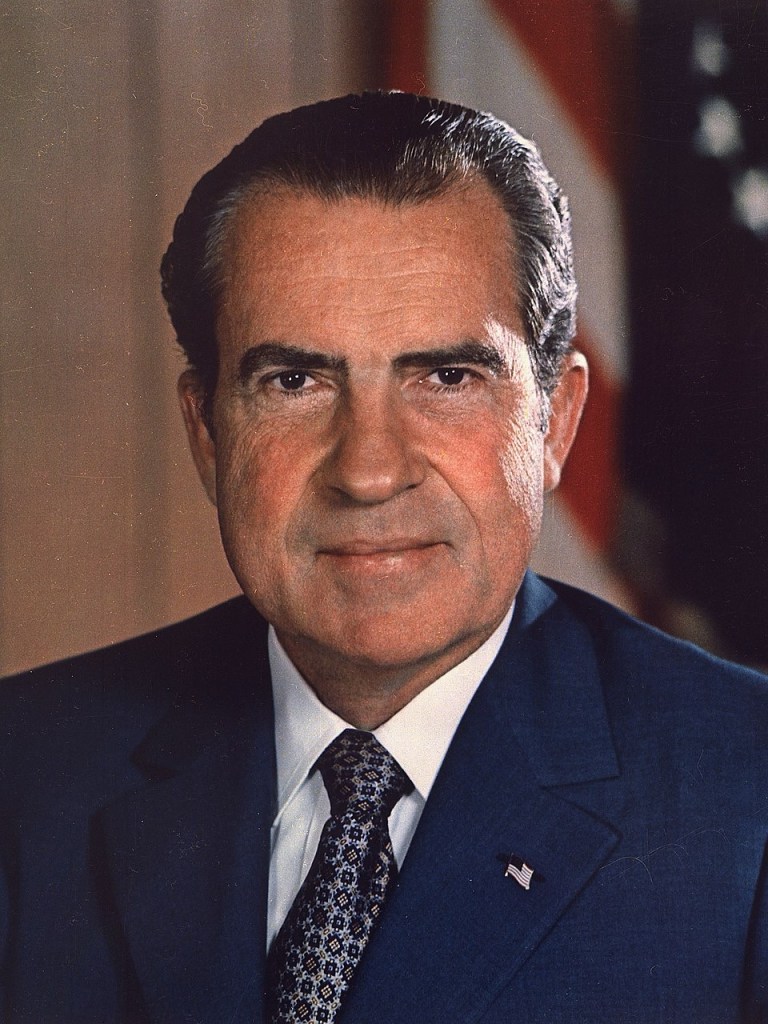
Image Wikipedia
One
On November 17th, sometime in the 20th century, which US President declared, “I am not a crook”?
Answer: Richard Nixon
On 17 November 1973, during a televised press conference at the Contemporary Resort in Walt Disney World, Florida, Richard Nixon famously declared ‘I am not a crook’. This response came amid questions about his personal finances as the Watergate scandal unfolded.
Two
In Carlo Collodi’s The Adventures of Pinocchio, what physical feature of the wooden puppet famously grows longer whenever he tells a lie?
Answer: His nose
In Collodi’s original 1883 novel, Pinocchio is far more mischievous than in the later Disney adaptation, and his nose grows several times—not just once—making it a recurring symbol of the moral consequences of dishonesty.
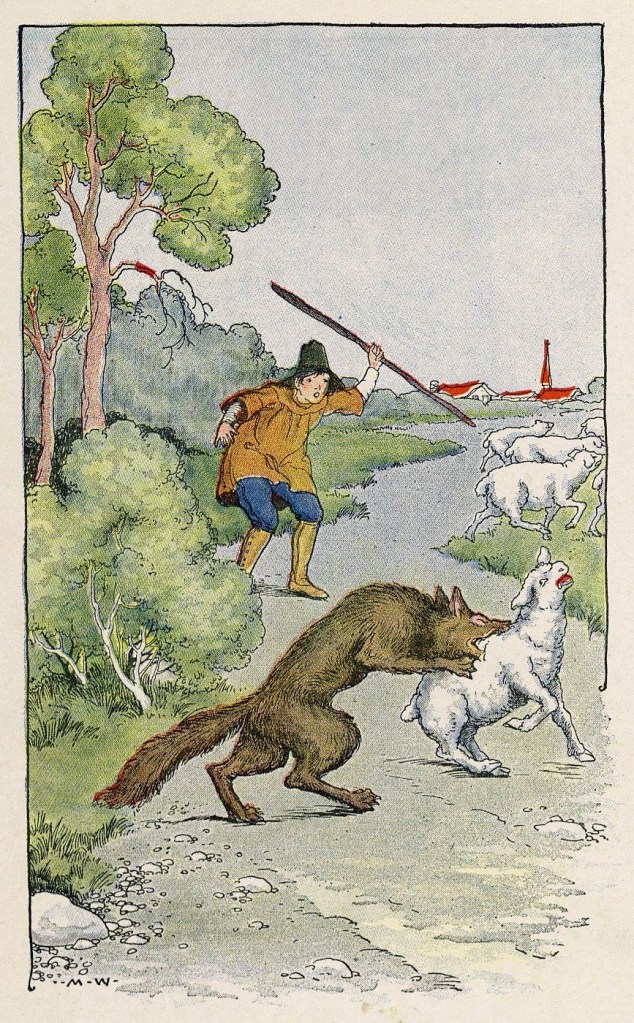
Image Encyclopædia Britannica
Three
Which ancient Greek is traditionally credited with moral tales such as The Boy Who Cried Wolf, a story warning of the consequences of repeated lying?
Answer: Aesop
Although Aesop is believed to have lived in ancient Greece around the 6th century BC, there is no firm historical record of his life; many scholars think ‘Aesop’ may represent a tradition of oral storytelling rather than a single individual.
Four
In which Shakespeare play does the villain Iago manipulate Othello through lies and insinuations, ultimately leading to tragedy?
Answer: Othello
Iago actually speaks more lines than Othello, making him one of Shakespeare’s most verbally dominant villains—a fitting trait for a character whose destructive power lies almost entirely in persuasion and deceit.
Five
What 18th-century literary character, created by Rudolf Erich Raspe, is famous for outrageous tall tales such as riding on a cannonball and escaping a swamp by pulling himself up by his own hair?
Answer: Baron Munchausen
The fictional Baron was loosely inspired by a real nobleman, Hieronymus Karl Friedrich von Münchhausen, who entertained guests with wildly exaggerated stories about his life—though nowhere near as fantastical as those in the book.
 Quizology.Online
Leave a comment