Author: Quizologist

  • Walking on the Moon—Answers

    Here are the answers to the questions posted earlier.

    The questions all relate to today, November 14th.

    Alan L Bean prepares to step onto the lunar surface.
    Image Wikipedia

    One

    Apollo 12, launched on 14 November 1969, became the second mission to land on the Moon. Among the three-man crew, who landed and walked on the lunar surface, was which of these: Mr Bean, Mr Hyde or Mr Spock?

    Answer: Mr. Bean

    Alan L Bean. Apollo 12’s crew consisted of Charles Conrad Jr., Richard F Gordon Jr and Alan L Bean. Alan Bean, an American astronaut, piloted the lunar module during the mission. He made two walks on the lunar surface, totalling eight hours, and later commanded the Skylab 3 mission. After retiring from NASA, Bean became a painter specialising in spaceflight themes.


    Two

    Is it true or false that Hannibal the Great was crowned pharaoh of Egypt today in 332 BCE?

    Answer: False

    It was Alexander the Great who was crowned pharaoh of Egypt today in 332 BCE. In Egypt, Alexander was portrayed as the son of Nectanebo II, the final pharaoh before Persian conquest. His victory over Darius was celebrated as Egypt’s salvation, demonstrating that Egypt remained under Egyptian rule.


    Three

    In Moby-Dick—which was published in the US today in 1851—Captain Ahab offers a gold coin as a reward for spotting the white whale. What real-world coin does he nail to the mast — and from which country does it come?

    Answer: A Spanish gold doubloon from Ecuador.

    The coin is a gold Spanish doubloon, specifically a sixteen-dollar piece from Ecuador. Its design includes symbols of the sun, zodiac signs, and the Andean mountains, which the crew interprets differently—each seeing their own meaning in it. The coin thus mirrors Ahab’s monomania and the novel’s larger theme of how individuals project their own beliefs and destinies onto the same object or event.
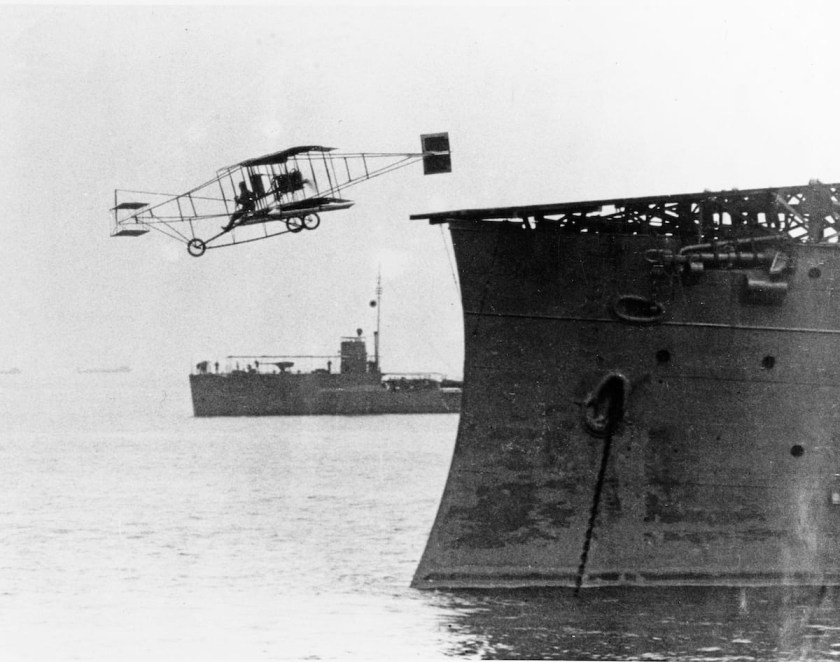

    Eugene B. Ely flies his Curtiss pusher airplane from USS Birmingham (Scout Cruiser # 2), in Hampton Roads, Virginia, during the afternoon of Nov. 14 1910.
    Image General Aviation News

    Four

    On this date, Eugene Burton Ely achieved the first aircraft takeoff from a ship. In which decade did this happen?

    Answer: 1910s

    In 1910, Ely took off from a makeshift deck on the USS Birmingham in a Curtiss Pusher aircraft and safely made landfall. A year later he made the first shipboard landing, complete with hooks attached to his Pusher to catch sandbagged ropes to abbreviate the landing roll.


    Five

    In the television series MASH*, Lieutenant Colonel Henry Blake, played by McLean Stevenson, was discharged and sent home in the final episode of Season 3. What shocking event was revealed at the end of that episode?

    Answer: His plane was shot down over the Sea of Japan, with no survivors.

    McLean Stevenson was born on this day in 1927. The twist ending of the episode ‘Abyssinia, Henry’ (1975) was kept secret from most of the cast until filming; their shocked reactions during Radar’s announcement were genuine. It marked one of the most memorable and emotional moments in television history.
  • Walking on the Moon

    The questions all relate to today, November 14th.

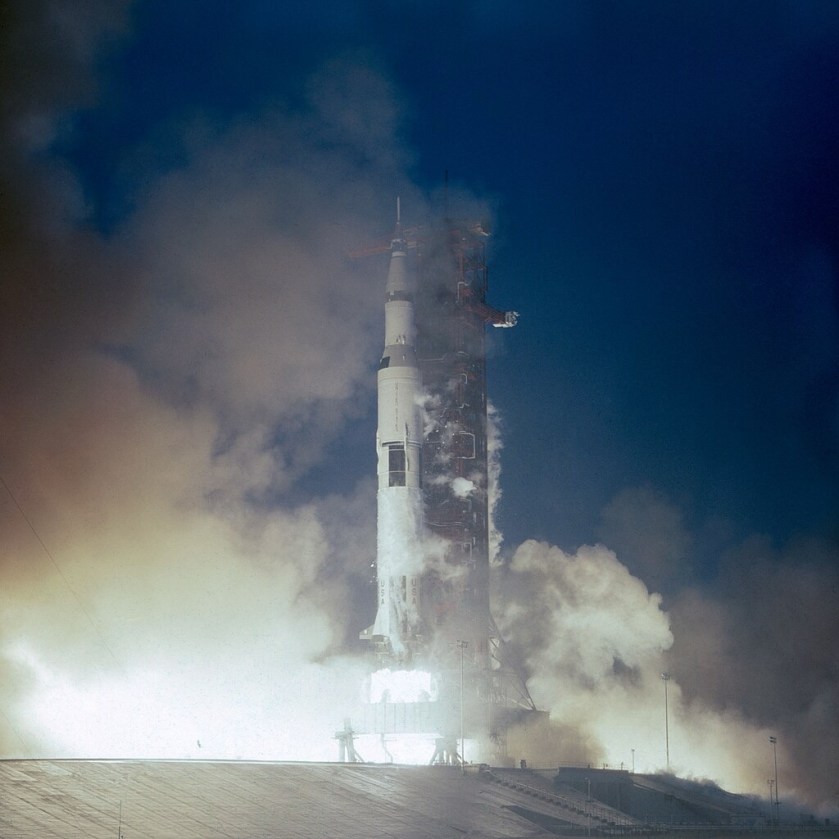
    Apollo 12 launch, November 14, 1969.
    Image Wikipedia

    One

    Apollo 12, launched on 14 November 1969, became the second mission to land on the Moon. Among the three-man crew, who landed and walked on the lunar surface, was which of these: Mr Bean, Mr Hyde or Mr Spock?


    Two

    Is it true or false that Hannibal the Great was crowned pharaoh of Egypt today in 332 BCE?


    Three

    In Moby-Dick—which was published in the US today in 1851—Captain Ahab offers a gold coin as a reward for spotting the white whale. What real-world coin does he nail to the mast — and from which country does it come?


    Four

    On this date, Eugene Burton Ely achieved the first aircraft takeoff from a ship. In which decade did this happen?


    Five

    In the television series MASH*, Lieutenant Colonel Henry Blake, played by McLean Stevenson, was discharged and sent home in the final episode of Season 3. What shocking event was revealed at the end of that episode?


    Good luck! I’ll post the answers later.

  • Over the Air—Answers

    Here are the answers to the questions posted earlier.

    The first question concerns today’s date, November 13th.  The subsequent questions follow a theme based on the first.

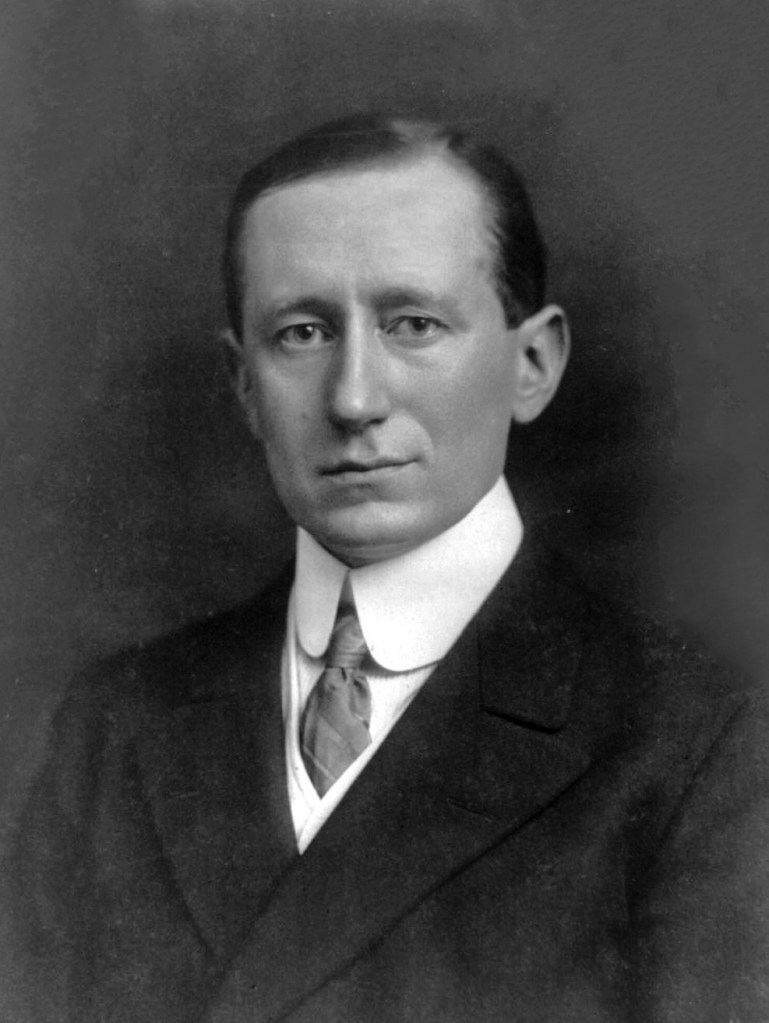
    Guglielmo Marconi, 1908. See question 2.
    Image Wikipedia

    One

    On 13 November 1965, which critic reportedly became the first person to say the word ‘f**k’ on British television during a discussion on the BBC-1 show BBC-3?

    Answer: Kenneth Tynan

    The incident caused a storm of controversy, prompting the BBC to issue a public apology. Although later research indicates the word had been used at least twice before, this event is still widely cited as the first major public controversy over profanity on British TV.


    Two

    Which pioneering inventor is often credited as the ‘father of radio’ or the ‘father of long-distance radio communication’, and in what decade did he transmit the first transatlantic wireless signal?

    Answer: Guglielmo Marconi; 1900s

    Marconi successfully transmitted the first transatlantic wireless signal in 1901 from Cornwall, England, to Newfoundland, Canada — a major leap in global communication.


    Three

    Which European country launched the world’s first regular television service in 1935?

    Answer: Germany

    Fernsehsender Paul Nipkow, operated by the Nazi regime, was broadcast from Berlin and featured newsreels and cultural programming shown in ‘television rooms’ for public viewing.


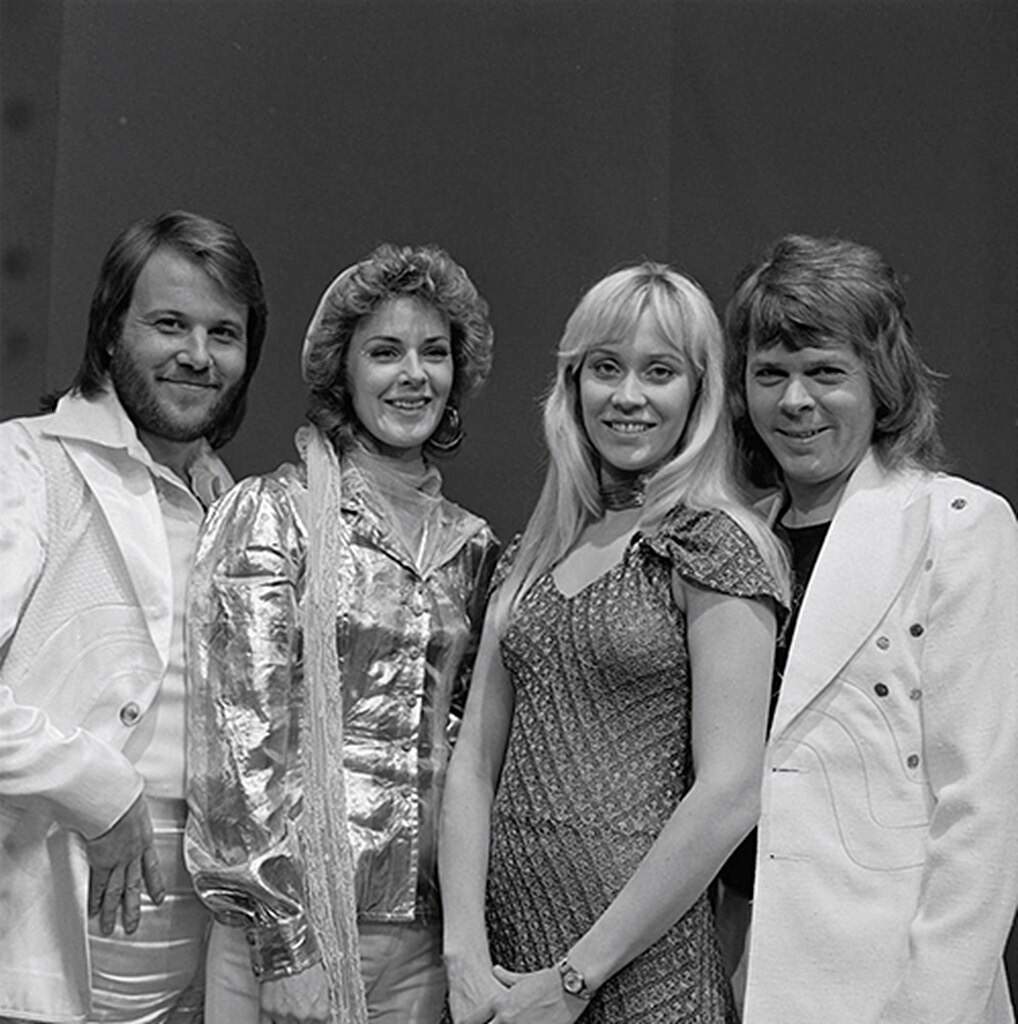
    ABBA after winning the 1974 Eurovision Song Contest with the song Waterloo.
    Image Wikipedia

    Four

    Could you identify this annual television broadcast?  First aired in the 1950s, it’s not a sporting event but a cultural one.  It now attracts over 160 million viewers annually. What is it?

    Answer: The Eurovision Song Contest

    First held in 1956, Eurovision now reaches an audience of over 160 million worldwide and has launched international careers — notably that of ABBA and Celine Dion.


    Five

    RCA introduced the first mass produced colour television set for sale to the American public. What did the initials RCA stand for, and in what decade did this occur?

    Answer: Radio Corporation of America; 1950s

    This occurred in 1954 when the RCA CT-100 colour TV cost $1,000 — equivalent to about $11,000 today — and few could afford it, delaying widespread adoption of colour broadcasting.


  • Over the Air

    The first question concerns today’s date, November 13th.  The subsequent questions follow a theme based on the first.

    Who is this pioneering inventor? See question 2.

    One

    On 13 November 1965, which critic reportedly became the first person to say the word ‘f**k’ on British television during a discussion on the BBC-1 show BBC-3?


    Two

    Which pioneering inventor is often credited as the ‘father of radio’ or the ‘father of long-distance radio communication’, and in what decade did he transmit the first transatlantic wireless signal?


    Three

    Which European country launched the world’s first regular television service in 1935?


    Four

    Could you identify this annual television broadcast?  First aired in the 1950s, it’s not a sporting event but a cultural one.  It now attracts over 160 million viewers annually. What is it?


    Five

    RCA introduced the first mass produced colour television set for sale to the American public. What did the initials RCA stand for, and in what decade did this occur?

    Good luck! I’ll post the answers later.

  • Today’s the Day—Answers

    Here are the answers to the questions posted earlier.

    All of these questions are related to today, November 12th.

    Grace Kelly and Marlon Brando, 1955.
    Academy Awards. Image Wikipedia

    One

    Born on 12 November 1929, this actress won an Academy Award for Best Actress for her role in the 1954 film The Country Girl. Who is she?

    Answer: Grace Kelly

    Grace Kelly, an American actress, achieved stardom in Hollywood films before marrying Prince Rainier III of Monaco in 1956. As Princess of Monaco, she focused on charity work, particularly for children and the arts. Kelly passed away at the age of 52 due to injuries from a car crash.


    Two

    Today in 1990, Emperor Akihito was enthroned in Japan. Tradition dictates that he is the 125th direct descendant of Japan’s legendary first emperor. Who was this legendary first emperor?

    Answer: Jimmu

    Emperor Jimmu, the legendary first emperor of Japan, is said to have ascended the throne in 660 BC. While his existence is debated, his legendary journey from Hyūga to Yamato is celebrated on National Foundation Day.


    Three

    On this date in 1990, a computer scientist published a formal proposal for the World Wide Web. Who was this scientist and what organisation did they work for at the time?

    Answer: Tim Berners-Lee; CERN (European Organisation for Nuclear Research)

    The World Wide Web was invented by Tim Berners-Lee at CERN to address document storage and sharing challenges. He developed a decentralised system with hyperlinks, released it in 1991, and CERN made it royalty-free in 1993. The Web’s popularity surged with the release of graphical browsers like Mosaic and Netscape Navigator, leading to the dot-com bubble and the browser wars.


    Four

    Born in 1961, this gymnast became the first to score a perfect 10 at the Olympics. Who is this person and in which year’s Summer Olympics did this remarkable feat occur?

    Answer: Nadia Comăneci; 1976 (Montreal)

    Nadia Comăneci, a retired Romanian gymnast, is the first gymnast to achieve a perfect score of 10.0 at the Olympics. At the 1976 Summer Olympics in Montreal, she secured six more perfect 10s, leading to three gold medals. In Moscow, during the 1980 Summer Olympics, she won two more golds and achieved two more perfect 10s. Throughout her career, Comăneci amassed nine Olympic medals—including five gold—and four World Artistic Gymnastics Championship medals. Widely regarded as one of the greatest gymnasts of all time, she has lived in the United States since 1989.


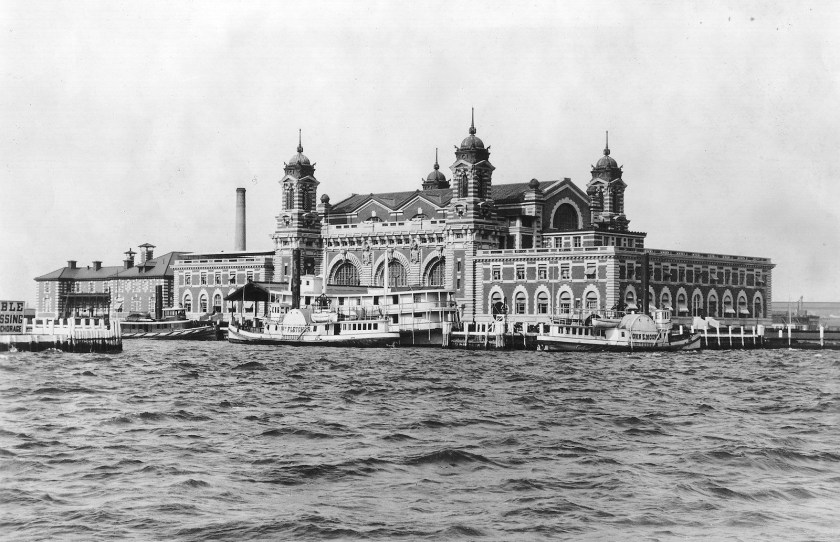
    Ellis Island, New York.
    Image Encyclopædia Britannica

    Five

    The pictured facility, which ceased to operate today in 1954, is located on what island?

    Answer: Ellis Island

    The US government established its first federal immigration station on Ellis Island in 1892, replacing the mismanaged Castle Clinton.  Initially a wooden station, it processed over 1.5 million immigrants before a fire in 1897 destroyed it.  A new fireproof station designed by Edward Lippincott Tilton and William A. Boring opened in 1900 but quickly faced overcrowding necessitating further expansions and improvements.  Construction also began on a third island for a contagious diseases ward. However, after the Immigration Act of 1924, the island’s role shifted, leading to its downgrade to a detention centre and eventual closure in 1954 due to declining immigration and high upkeep costs.

  • Today’s the Day

    All of these questions are related to today, November 12th.

    1955 Academy Awards.
    Image Wikipedia

    One

    Born on 12 November 1929, this actress won an Academy Award for Best Actress for her role in the 1954 film The Country Girl. Who is she?


    Two

    Today in 1990, Emperor Akihito was enthroned in Japan. Tradition dictates that he is the 125th direct descendant of Japan’s legendary first emperor. Who was this legendary first emperor?


    Three

    On this date in 1990, a computer scientist published a formal proposal for the World Wide Web. Who was this scientist and what organisation did they work for at the time?


    Four

    Born in 1961, this gymnast became the first to score a perfect 10 at the Olympics. Who is this person and in which year’s Summer Olympics did this remarkable feat occur?


    Image Encyclopædia Britannica

    Five

    The pictured facility, which ceased to operate today in 1954, is located on what island?

    Good luck! I’ll post the answers later today.

  • Around the World—Answers

    Here are today’s answers.

    Today’s questions are about geography from down under to the roof of the world.

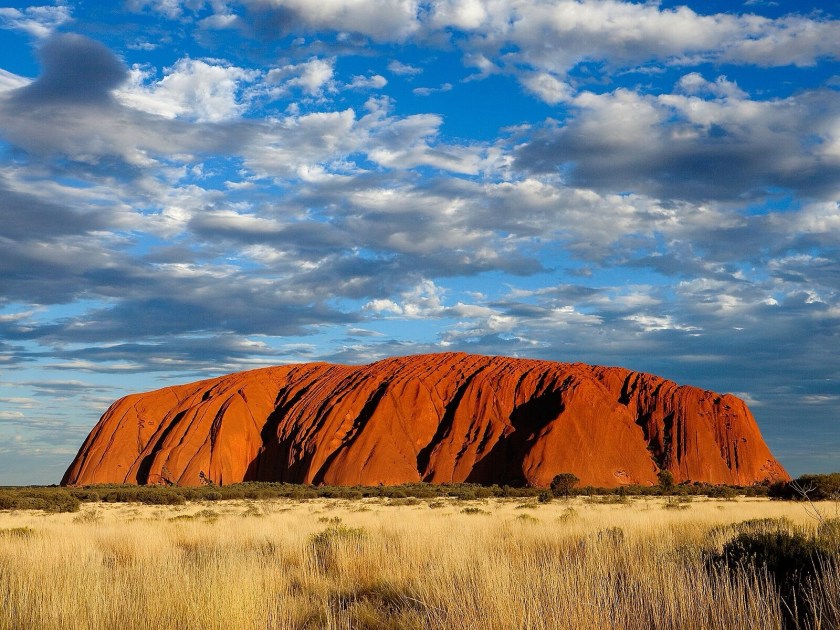
    Uluru/Ayers Rock.
    Image Wikipedia

    One

    The massive sandstone monolith pictured above is sacred to the Aṉangu people. Could you tell me its name and the state or territory it’s located in?

    A: Uluru/Ayers Rock; Northern Territory

    Uluru/Ayers Rock, sighted in 1873 and named after Sir Henry Ayers, was renamed Uluru/Ayers Rock in 1993, reflecting its traditional Pitjantjatjara name which has been in use for thousands of years. The monolith, which appears to change colour dramatically at sunrise and sunset, is 348 metres (1,142 feet) high.


    Two

    What is the largest island in the United States of America?

    Answer: Hawaiʻi

    Also known as the Big Island, Hawaiʻi is 4,028 square miles (10,433 km2) in area. The next island in size is Kodiak Island, with an area of 3,588 square miles (9,292 km2).


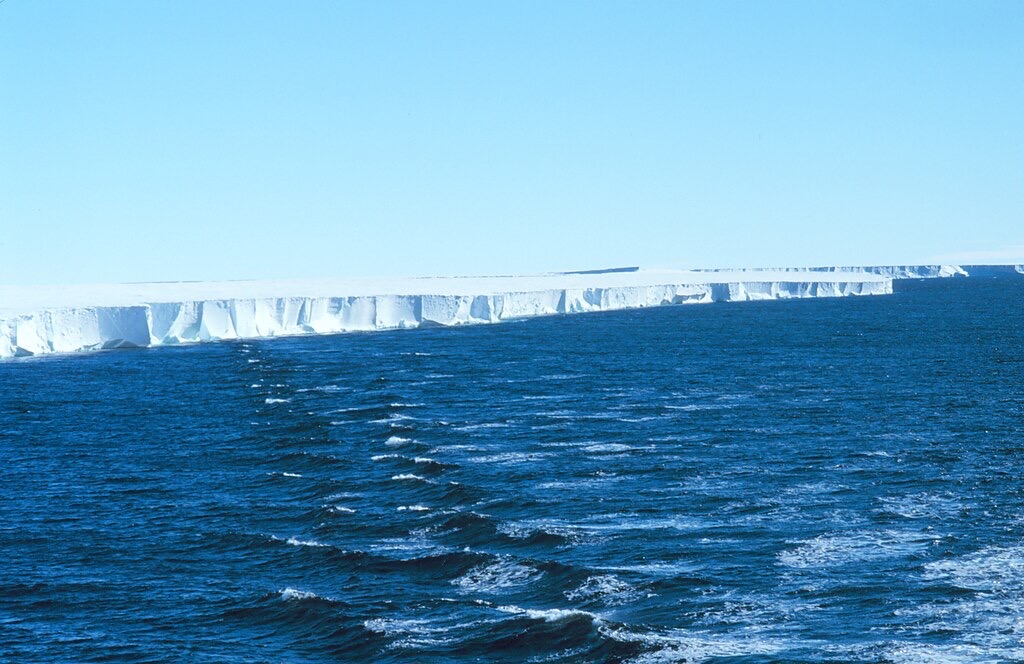
    The Ross Ice Shelf.
    Image Wikipedia

    Three

    What is the name of the world’s largest ice shelf, located along the coast of Antarctica?

    Answer: The Ross Ice Shelf

    The Ross Ice Shelf covers an area roughly the size of France, and its floating ice can be up to 750 metres (2,460 feet) thick.


    Four

    The Danube River flows through more countries than any other river in the world. How many countries does it pass through or border?

    Answer: Ten

    The Danube flows through or borders ten countries — Germany, Austria, Slovakia, Hungary, Croatia, Serbia, Bulgaria, Romania, Moldova and Ukraine — before emptying into the Black Sea.


    Five

    Mount Everest sits on the border between Nepal and which autonomous region?

    Answer: Tibet Autonomous Region

    Tibet, since 1951 an autonomous region of China, the highest region on Earth, has an average elevation of 4,380 metres (14,000 feet). Its peak, Mount Everest, stands at 8,848.86 metres (29,031 feet) above sea level, making it Earth’s highest point.

  • Around the World

    Today’s questions are about geography from down under to the roof of the world.

    Image Wikipedia

    One

    The massive sandstone monolith pictured above is sacred to the Aṉangu people. Could you tell me its name and the state or territory it’s located in?


    Two

    What is the largest island in the United States of America?


    Three

    What is the name of the world’s largest ice shelf, located along the coast of Antarctica?


    Four

    The Danube River flows through more countries than any other river in the world. How many countries does it pass through or border?


    Five

    Mount Everest sits on the border between Nepal and which autonomous region?

    Good luck! I’ll post the answers later

  • Dr. Livingstone, I presume?—Answers

    Here are the answers to my earlier post.

    The first question concerns today, November 10th, while the others follow a theme related to it.

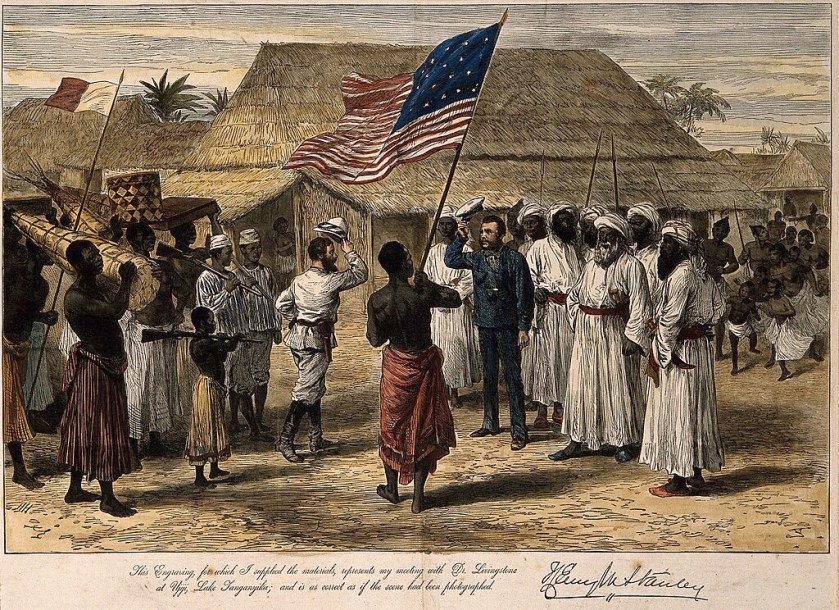
    HenryMorton Stanley (L) meeting David Livingstone (R) at Ujiji.
    Image Wikipedia

    One

    ‘Dr. Livingstone, I presume?’

    On this day in 1871, Henry Stanley uttered the famous words quoted above on meeting explorer and missionary Dr. David Livingstone at Ujiji. In what modern country is the town of Ujiji situated?

    Answer: Tanzania

    David Livingstone was a Scottish missionary, doctor, abolitionist, and explorer who lived in the 1800s. He is known for his expeditions in Africa and his efforts to bring Christianity, commerce, and “civilization” to the continent. 

    Livingstone was born into a poor but religious family in Scotland. At the age of 10, he began working in a cotton mill to help his family. Despite the long hours, he was determined to get an education and studied Latin, Greek, theology, and medicine.

    Livingstone became a missionary and set sail for South Africa in 1840. He believed that Christianity, commerce, and civilization would open up Africa. He wanted to find a route to the Atlantic coast to promote legitimate trade and undermine the slave trade. 

    Livingstone traveled extensively throughout Africa, and was the first European to see Victoria Falls, naming them after Queen Victoria. He also crossed the African continent and explored the Zambezi River regions. Livingstone searched for the source of the Nile River. During this expedition, he reached Lake Mweru and Lake Bangweulu. In 1871, he arrived at Nyangwe on the Lualaba River, further west than any other European had gone.

    Livingstone was found by Henry M. Stanley, a reporter from the New York Herald, in 1871. Stanley greeted him with the famous words, “Dr. Livingstone, I presume?” Livingstone refused to leave Africa with Stanley and continued his mission.

    Encyclopædia Britannica, see David-Livingstone


    Two

    Which Portuguese explorer was the first European to reach India by sea, sailing around the Cape of Good Hope in 1498?

    Answer: Vasco da Gama

    Da Gama’s voyage established the first direct maritime trade route between Europe and Asia, transforming global commerce.


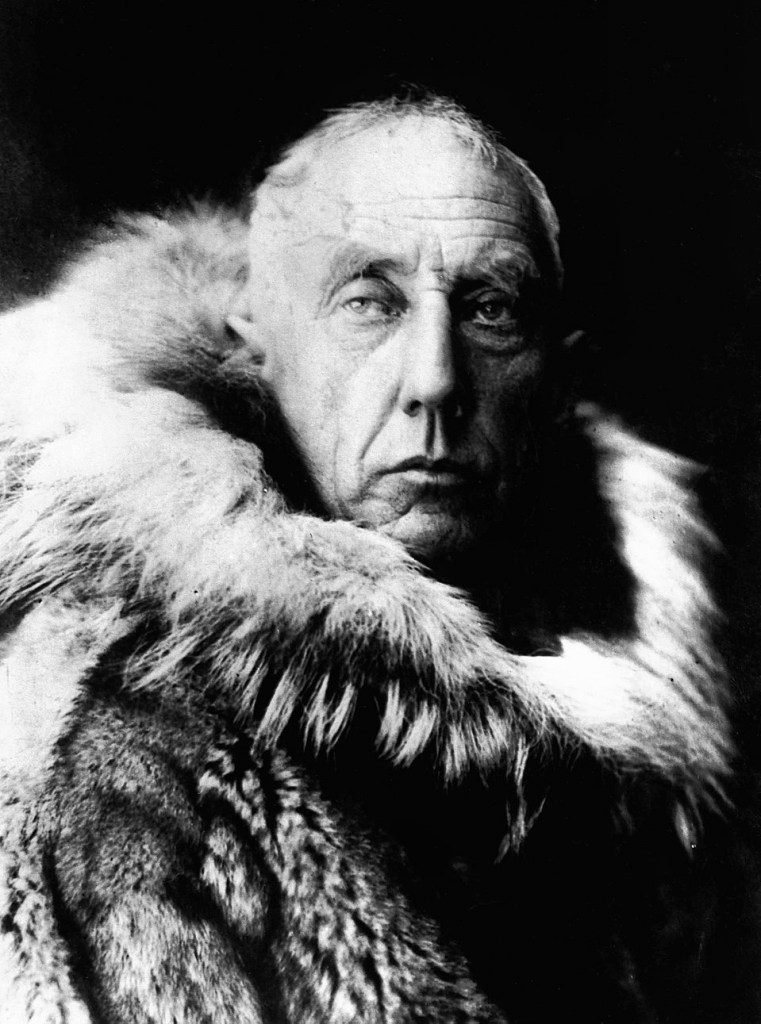
    Roald Amundsen.
    Image Wikipedia

    Three

    Who led the first successful expedition to the South Pole in 1911, beating Robert Falcon Scott’s British team?

    Answer: Roald Amundsen

    The Norwegian explorer used sled dogs and meticulous planning to reach the Pole on 14 December 1911 — a month before Scott’s ill-fated arrival.


    Four

    Which Venetian merchant and explorer travelled along the Silk Road to the court of Kublai Khan in the 13th century, later inspiring generations of explorers with his tales of Asia?

    Answer: Marco Polo

    Polo’s book The Travels of Marco Polo introduced Europeans to the wealth and wonders of the East, though some contemporaries doubted his accounts.


    Five

    What treacherous Arctic sea route, long sought by European explorers, connects the Atlantic and Pacific Oceans through the Canadian Arctic Archipelago?

    Answer: The Northwest Passage

    Many expeditions tried and failed to find it — including Sir John Franklin’s ill-fated 1845 voyage — until Norwegian explorer Roald Amundsen finally navigated it completely in 1906.

  • Dr. Livingstone, I presume?

    The first question concerns today, November 10th, while the others follow a theme related to it.

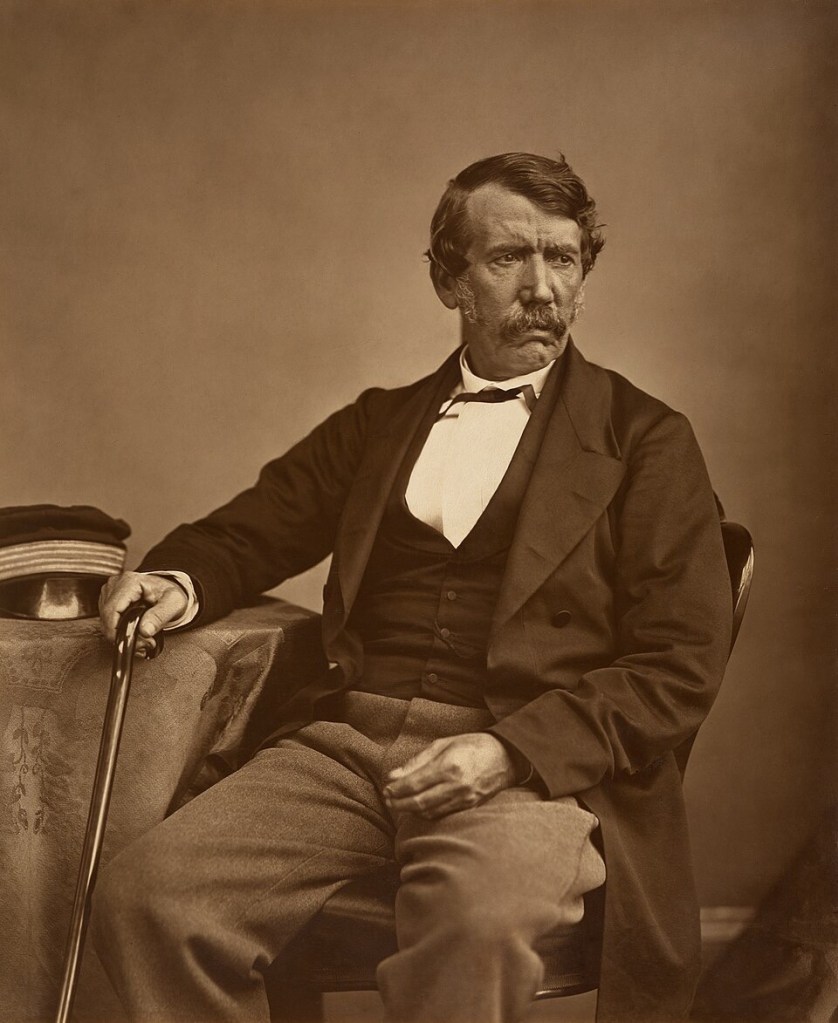
    David Livingstone by Thomas Annan, 1864.
    Image National Galleries of Scotland/Wikipedia

    One

    ‘Dr. Livingstone, I presume?’

    On this day in 1871, Henry Stanley uttered the famous words quoted above on meeting explorer and missionary Dr. David Livingstone at Ujiji. In what modern country is the town of Ujiji situated?


    Two

    Which Portuguese explorer was the first European to reach India by sea, sailing around the Cape of Good Hope in 1498?


    Three

    Who led the first successful expedition to the South Pole in 1911, beating Robert Falcon Scott’s British team?


    Four

    Which Venetian merchant and explorer travelled along the Silk Road to the court of Kublai Khan in the 13th century, later inspiring generations of explorers with his tales of Asia?


    Five

    What treacherous Arctic sea route, long sought by European explorers, connects the Atlantic and Pacific Oceans through the Canadian Arctic Archipelago?

    Good Luck! I’ll post the answers later.