All of these questions are related to today, November 12th.
1955 Academy Awards. Image Wikipedia
One
Born on 12 November 1929, this actress won an Academy Award for Best Actress for her role in the 1954 film The Country Girl. Who is she?
Two
Today in 1990, Emperor Akihito was enthroned in Japan. Tradition dictates that he is the 125th direct descendant of Japan’s legendary first emperor. Who was this legendary first emperor?
Three
On this date in 1990, a computer scientist published a formal proposal for the World Wide Web. Who was this scientist and what organisation did they work for at the time?
Four
Born in 1961, this gymnast became the first to score a perfect 10 at the Olympics. Who is this person and in which year’s Summer Olympics did this remarkable feat occur?
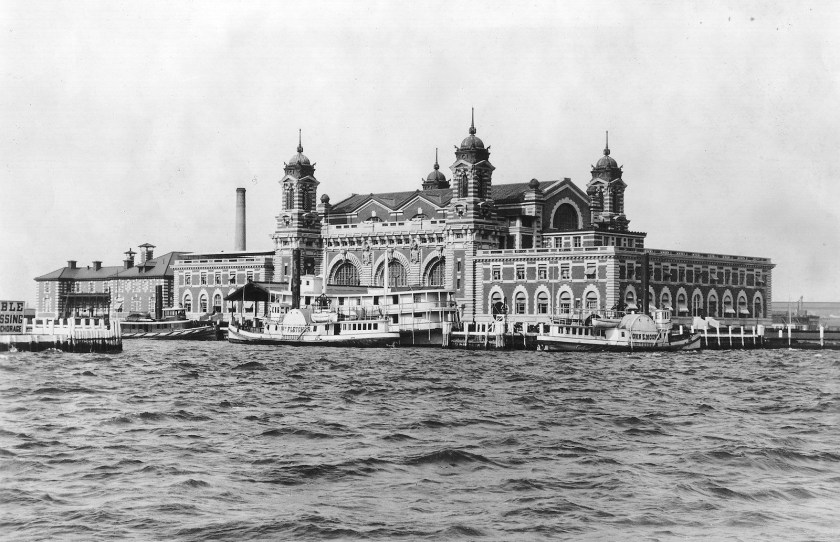
Image Encyclopædia Britannica
Five
The pictured facility, which ceased to operate today in 1954, is located on what island?
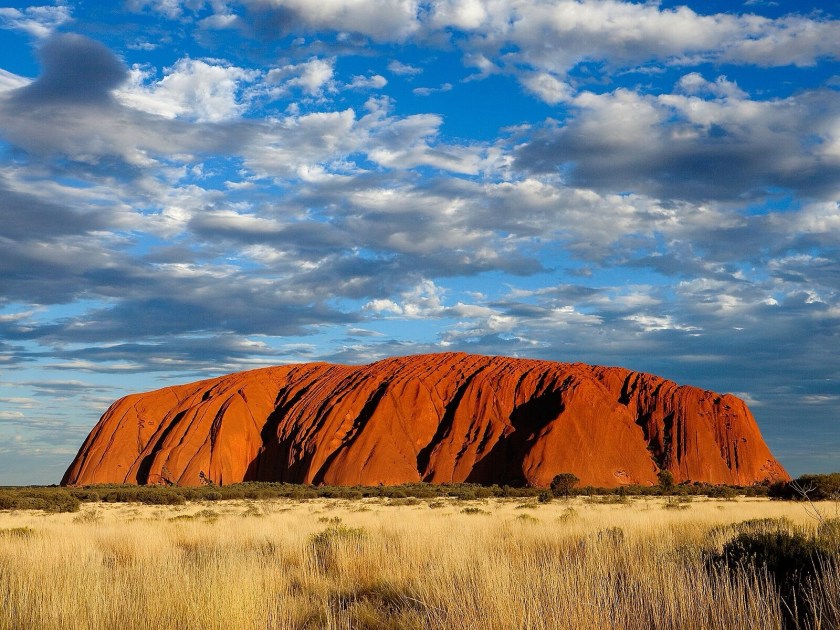
The massive sandstone monolith pictured above is sacred to the Aṉangu people. Could you tell me its name and the state or territory it’s located in?
A: Uluru/Ayers Rock; Northern Territory
Uluru/Ayers Rock, sighted in 1873 and named after Sir Henry Ayers, was renamed Uluru/Ayers Rock in 1993, reflecting its traditional Pitjantjatjara name which has been in use for thousands of years. The monolith, which appears to change colour dramatically at sunrise and sunset, is 348 metres (1,142 feet) high.
Two
What is the largest island in the United States of America?
Answer: Hawaiʻi
Also known as the Big Island, Hawaiʻi is 4,028 square miles (10,433 km2) in area. The next island in size is Kodiak Island, with an area of 3,588 square miles (9,292 km2).
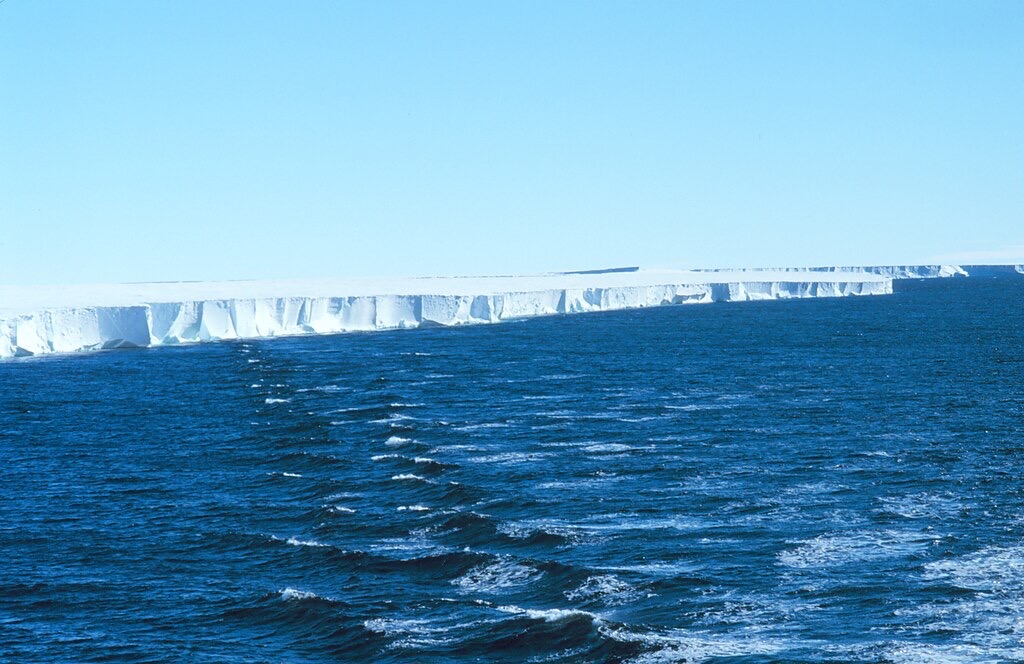
What is the name of the world’s largest ice shelf, located along the coast of Antarctica?
Answer: The Ross Ice Shelf
The Ross Ice Shelf covers an area roughly the size of France, and its floating ice can be up to 750 metres (2,460 feet) thick.
Four
The Danube River flows through more countries than any other river in the world. How many countries does it pass through or border?
Answer: Ten
The Danube flows through or borders ten countries — Germany, Austria, Slovakia, Hungary, Croatia, Serbia, Bulgaria, Romania, Moldova and Ukraine — before emptying into the Black Sea.
Five
Mount Everest sits on the border between Nepal and which autonomous region?
Answer: Tibet Autonomous Region
Tibet, since 1951 an autonomous region of China, the highest region on Earth, has an average elevation of 4,380 metres (14,000 feet). Its peak, Mount Everest, stands at 8,848.86 metres (29,031 feet) above sea level, making it Earth’s highest point.
The first question concerns today, November 10th, while the others follow a theme related to it.
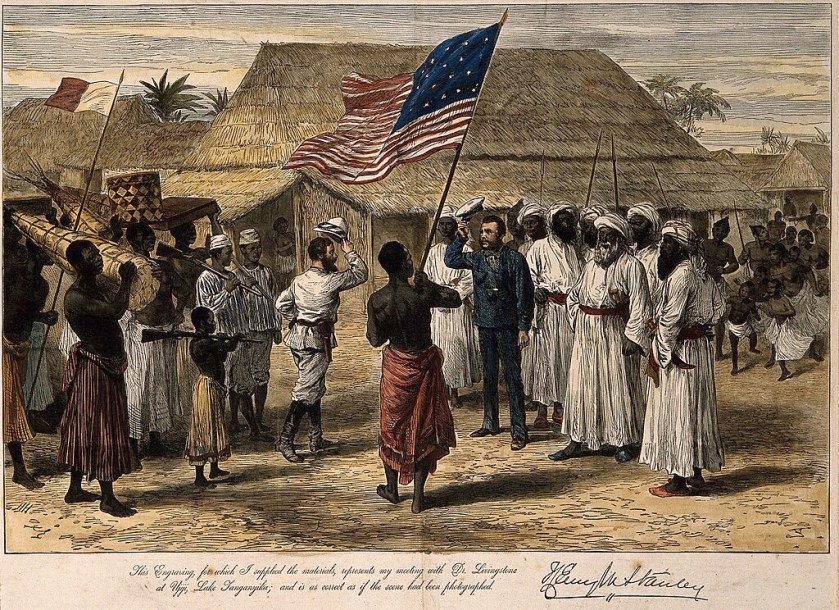
HenryMorton Stanley (L) meeting David Livingstone (R) at Ujiji. Image Wikipedia
One
‘Dr. Livingstone, I presume?’
On this day in 1871, Henry Stanley uttered the famous words quoted above on meeting explorer and missionary Dr. David Livingstone at Ujiji. In what modern country is the town of Ujiji situated?
Answer: Tanzania
David Livingstone was a Scottish missionary, doctor, abolitionist, and explorer who lived in the 1800s. He is known for his expeditions in Africa and his efforts to bring Christianity, commerce, and “civilization” to the continent.
Livingstone was born into a poor but religious family in Scotland. At the age of 10, he began working in a cotton mill to help his family. Despite the long hours, he was determined to get an education and studied Latin, Greek, theology, and medicine.
Livingstone became a missionary and set sail for South Africa in 1840. He believed that Christianity, commerce, and civilization would open up Africa. He wanted to find a route to the Atlantic coast to promote legitimate trade and undermine the slave trade.
Livingstone traveled extensively throughout Africa, and was the first European to see Victoria Falls, naming them after Queen Victoria. He also crossed the African continent and explored the Zambezi River regions. Livingstone searched for the source of the Nile River. During this expedition, he reached Lake Mweru and Lake Bangweulu. In 1871, he arrived at Nyangwe on the Lualaba River, further west than any other European had gone.
Livingstone was found by Henry M. Stanley, a reporter from the New York Herald, in 1871. Stanley greeted him with the famous words, “Dr. Livingstone, I presume?” Livingstone refused to leave Africa with Stanley and continued his mission.
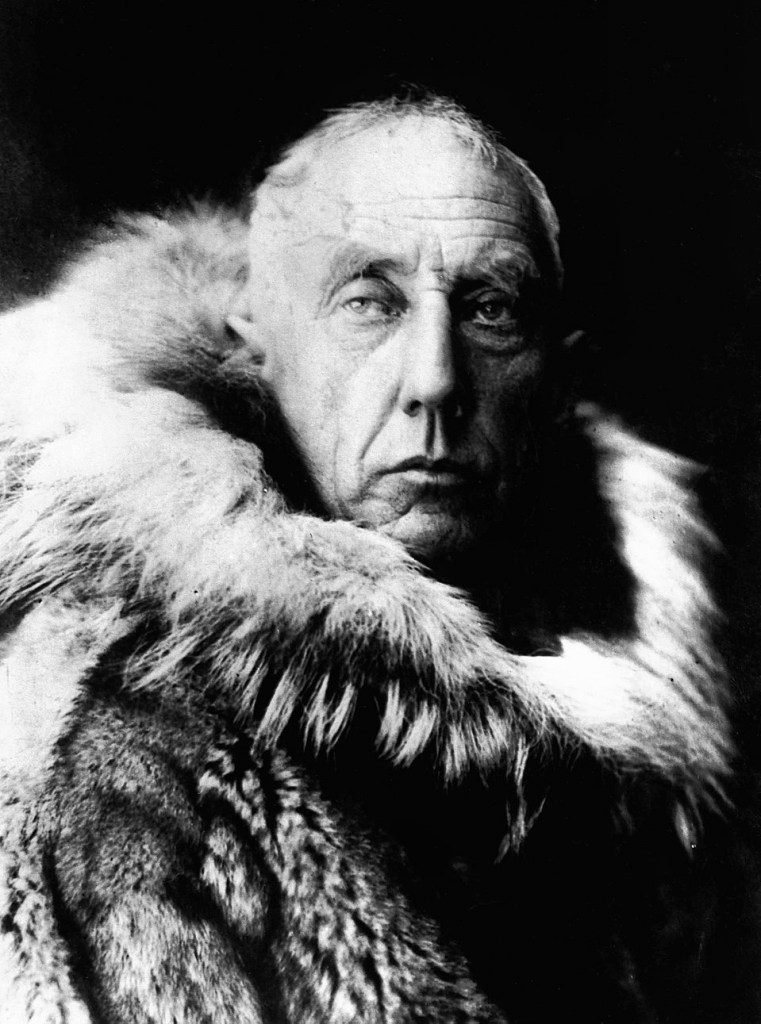
Who led the first successful expedition to the South Pole in 1911, beating Robert Falcon Scott’s British team?
Answer: Roald Amundsen
The Norwegian explorer used sled dogs and meticulous planning to reach the Pole on 14 December 1911 — a month before Scott’s ill-fated arrival.
Four
Which Venetian merchant and explorer travelled along the Silk Road to the court of Kublai Khan in the 13th century, later inspiring generations of explorers with his tales of Asia?
Answer: Marco Polo
Polo’s book The Travels of Marco Polo introduced Europeans to the wealth and wonders of the East, though some contemporaries doubted his accounts.
Five
What treacherous Arctic sea route, long sought by European explorers, connects the Atlantic and Pacific Oceans through the Canadian Arctic Archipelago?
Answer: The Northwest Passage
Many expeditions tried and failed to find it — including Sir John Franklin’s ill-fated 1845 voyage — until Norwegian explorer Roald Amundsen finally navigated it completely in 1906.
The first question concerns today, November 10th, while the others follow a theme related to it.
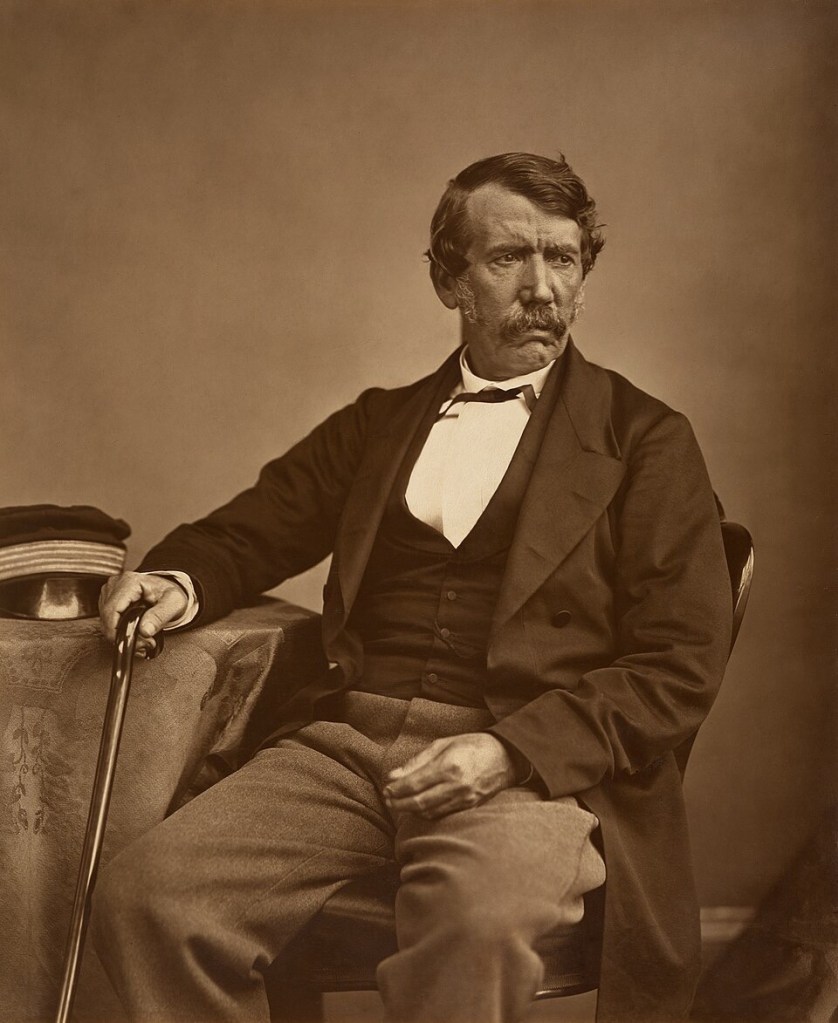
David Livingstone by Thomas Annan, 1864. Image National Galleries of Scotland/Wikipedia
One
‘Dr. Livingstone, I presume?’
On this day in 1871, Henry Stanley uttered the famous words quoted above on meeting explorer and missionary Dr. David Livingstone at Ujiji. In what modern country is the town of Ujiji situated?
Two
Which Portuguese explorer was the first European to reach India by sea, sailing around the Cape of Good Hope in 1498?
Three
Who led the first successful expedition to the South Pole in 1911, beating Robert Falcon Scott’s British team?
Four
Which Venetian merchant and explorer travelled along the Silk Road to the court of Kublai Khan in the 13th century, later inspiring generations of explorers with his tales of Asia?
Five
What treacherous Arctic sea route, long sought by European explorers, connects the Atlantic and Pacific Oceans through the Canadian Arctic Archipelago?
Born in 1922, this American singer and actress made history as the first African-American woman nominated for an Academy Award for Best Actress for her role in Carmen Jones (1954). Who is she?
Answer: Dorothy Dandridge
Dorothy Dandridge, the first African-American nominated for an Academy Award for Best Actress, faced racial barriers in Hollywood despite her success in Carmen Jones. Her career declined in the 1960s, leading to financial difficulties and her death at age 42.
Two
The last of the ‘canonical five’, victims of Jack the Ripper was found on 9 November. In what decade did these five murders take place?
Answer: 1880s (1888)
Between 31 August and 9 November 1888, an unidentified serial killer known as Jack the Ripper terrorised Whitechapel, London. His brutal murders of five women, dubbed the ‘canonical five’, remain unsolved alongside several other women’s deaths over the next three years. This enduring public fascination and speculation continues to captivate people.
Three
Apollo 4, an unmanned test spacecraft, was launched from Cape Kennedy on this day in 1967. The spacecraft was on top of what rocket’s first flight?
Answer: Saturn V
Apollo 4, the first uncrewed test flight of the Saturn V rocket, launched from Kennedy Space Centre on 9 November 1967. The mission, a complete success, demonstrated the functionality of all rocket stages and key spacecraft revisions, paving the way for future lunar missions.
Four
What was the name given to the violent anti-Jewish pogrom that took place across Nazi Germany on the nights of 9–10 November 1938, during which Jewish homes, businesses, and synagogues were destroyed in an event often seen as the start of the Holocaust?
Answer: Kristallnacht (also known as the Night of Broken Glass)
The name Kristallnacht refers to the shattered glass that covered the streets after Jewish-owned properties were vandalized. Around 30,000 Jewish men were arrested and sent to concentration camps, and the event marked a turning point from discrimination to open, state-sanctioned violence against Jews.
Five
Born today in 1923, Alice Coachman became the first African-American woman to win an Olympic gold medal. In what event did she achieve this?
Answer: High jump
Alice Coachman, born in 1923 in Albany, Georgia, overcame racial and gender barriers to become a celebrated athlete. She dominated the AAU outdoor high jump championship from 1939 to 1948 and won an Olympic gold medal in 1948, becoming the first black woman to achieve this feat. After her athletic career, she dedicated her life to education and the Job Corps.
All of today’s questions are related to November 9th.
See question one.
One
Born in 1922, this American singer and actress made history as the first African-American woman nominated for an Academy Award for Best Actress for her role in Carmen Jones (1954). Who is she?
Two
The last of the ‘canonical five’, victims of Jack the Ripper was found on 9 November. In what decade did these five murders take place?
Three
Apollo 4, an unmanned test spacecraft, was launched from Cape Kennedy on this day in 1967. The spacecraft was on top of what rocket’s first flight?
Four
What was the name given to the violent anti-Jewish pogrom that took place across Nazi Germany on the nights of 9–10 November 1938, during which Jewish homes, businesses, and synagogues were destroyed in an event often seen as the start of the Holocaust?
Five
Born today in 1923, Alice Coachman became the first African-American woman to win an Olympic gold medal. In what event did she achieve this?
Here are the answers to the earlier posted questions.
The first question relates to today, November 8th. The remainder are not date specific but follow a loose theme.
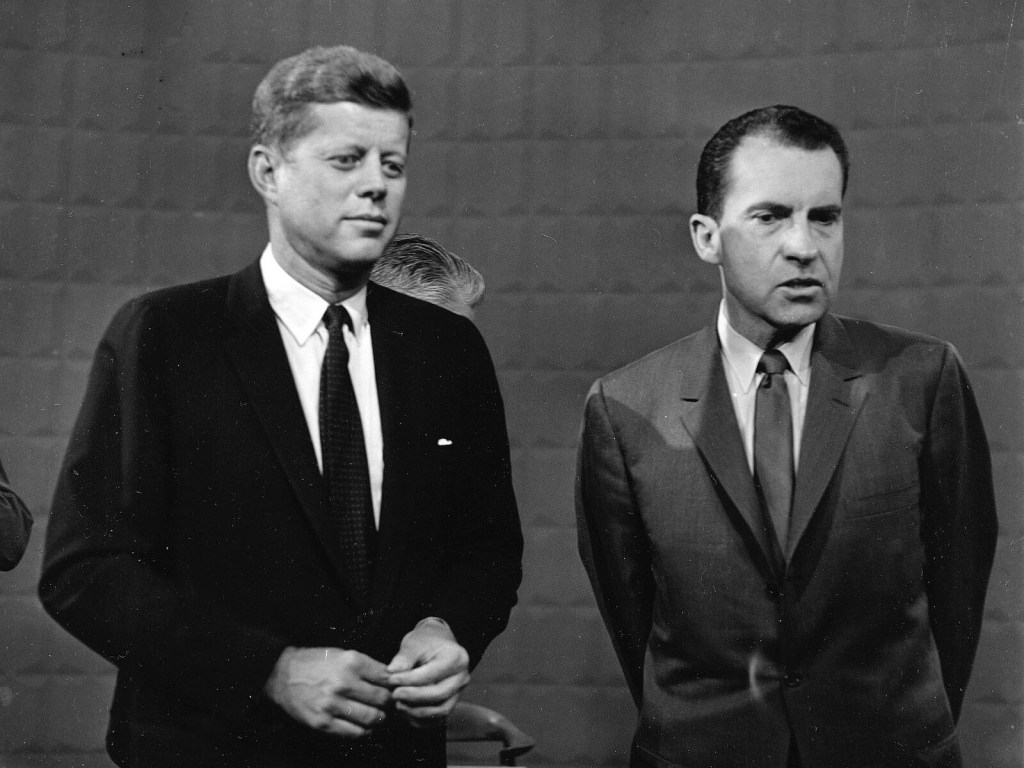
John F. Kennedy and Richard Nixon taken prior to their first debate at WBBM-TV in Chicago in 1960. Image Wikipedia
One
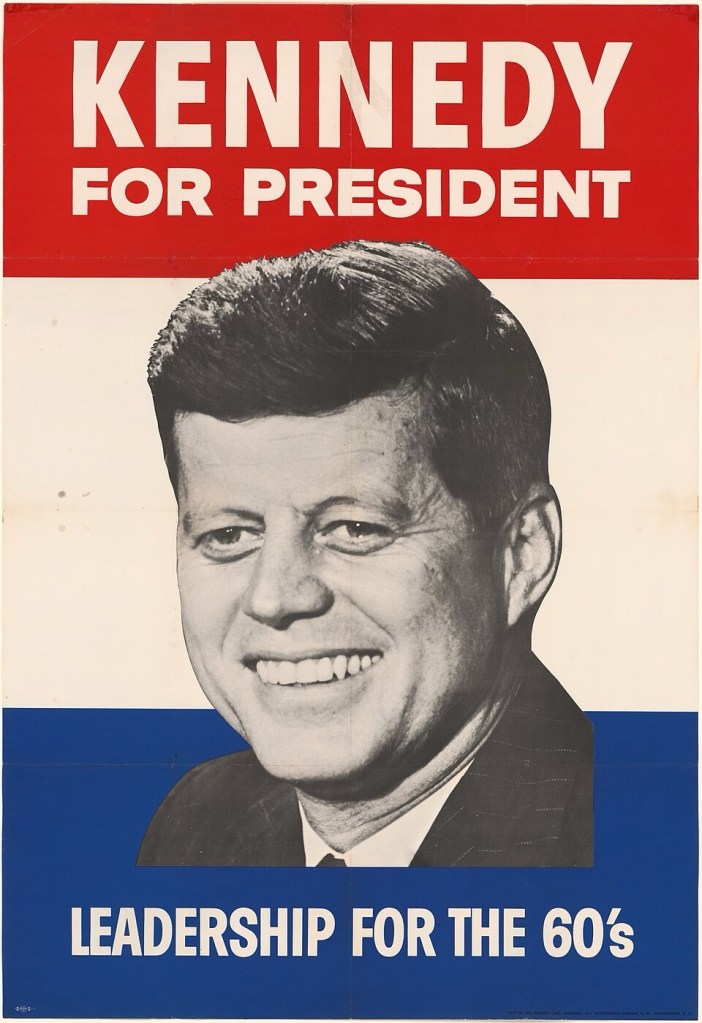
On this day in 1960, John F. Kennedy was elected President of the United States, as a result of defeating whom in the presidential election?
Answer: Richard Nixon
John F. Kennedy, the 35th president of the United States, served from 1961 until his assassination in 1963. His presidency of 1,037 days was marked by Cold War tensions, including the Cuban Missile Crisis, and domestic challenges, such as civil rights legislation. Kennedy’s legacy includes the Peace Corps, the Space Race, and a focus on economic growth.
Two
John F. Kennedy’s term ended tragically when he was assassinated in Dallas. This makes him one of four US presidents killed while in office. Who is the only British prime minister to have been assassinated?
Answer: Spencer Perceval
Spencer Perceval served as prime minister from 4 October 1809 until his assassination on 11 May 1812. He remains the only British prime minister to have been assassinated. The shooting occurred in the lobby of the House of Commons and was carried out by John Bellingham. Bellingham was convicted of murder and executed.
Three
President Kennedy’s 1,037 days in office are certainly not the shortest. Which US president served the shortest term? Secondly, how long (or short) was the shortest term: 31 days, 51 days or 71 days?
Answer: William Henry Harrison; true (31 days)
William Henry Harrison served as President of the United States for just 31 days from 4 March 1841, to 4 April 1841. This makes him the shortest-serving president in US history. Tragically, he died of pneumonia just a month after catching a chill at his inauguration which quickly developed into pneumonia.
Four
Liz Truss’s 49 days in 2022 is by far the shortest term of any UK prime minister. Which prime minister from the first third of the 19th century served this shortest term? Secondly, how long was this second shortest premiership: 99 days, 119 days or 139 days?
Answer: George Canning; 119 days
George Canning, a British Tory statesman, held various senior cabinet positions, including two terms as foreign secretary. He became Prime Minister of the United Kingdom in April 1827 but died just 119 days later. Canning’s foreign policies, particularly his support for the independence of American colonies and the Monroe Doctrine, were highly regarded. His death in office meant that his tenure was the shortest of any prime minister until eclipsed by Truss in 2022.
Pope John Paul I during the Angelus Address from his study’s window to pilgrims at St. Peter’s Square, 1978. Image Wikipedia
Five
Albino Luciani served in which office for 33 days in the second half of the 20th century?
Answer: Pope
Pope John Paul I, born Albino Luciani, served as head of the Catholic Church for 33 days in 1978, making his reign one of the shortest in papal history. He was the first pope in history to adopt a double name which he did in honour of his two predecessors, John XXIII and Paul VI.
On this day in 1960, John F. Kennedy was elected President of the United States, as a result of defeating whom in the presidential election?
Two
John F. Kennedy’s term ended tragically when he was assassinated in Dallas. This makes him one of four US presidents killed while in office. Who is the only British prime minister to have been assassinated?
Three
President Kennedy’s 1,037 days in office are certainly not the shortest. Which US president served the shortest term? Secondly, how long (or short) was the shortest term: 31 days, 51 days or 71 days?
Four
Liz Truss’s 49 days in 2022 is by far the shortest term of any UK prime minister. Which prime minister from the first third of the 19th century served this shortest term? Secondly, how long was this second shortest premiership: 99 days, 119 days or 139 days?
Five
Albino Luciani served in which office for 33 days in the second half of the 20th century?
Four of today’s questions concern November 7th and Canada or Canadians. Question two is included because the house mentioned was owned by a Canadian at the time (she is the answer to question one).
Roberta Joan Anderson, who was born at Fort Macleod, Alberta, Canada on 7 November 1943, wrote Ladies of the Canyon (released 1970), her third studio album while living at 8217 Lookout Mountain Avenue, Laurel Canyon. Who is Roberta Joan Anderson better known as?
Answer: Joni Mitchell
Joni Mitchell’s third studio album, Ladies of the Canyon, was released in 1970 and includes Big Yellow Taxi, Woodstock and The Circle Game.
Two
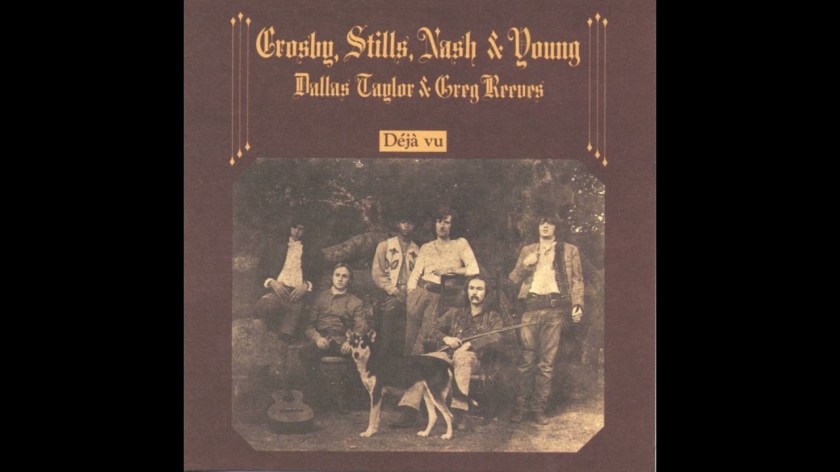
A follow-on from the previous question regarding 8217 Lookout Mountain Avenue, Laurel Canyon where singer-songwriter Graham Nash lived with lady referred to in question one. The house is the subject of Our House written by Nash and released in 1970. What group, described by Wikipedia as a ‘folk rock supergroup’, released the song on and album and as a single in 1970.
Answer: Crosby, Stills, Nash and Young
Joni Mitchell bought the house in the Laurel Canyon district of Los Angeles in 1968 and met Graham Nash shortly after. Their house became a popular hangout for musicians. Our House featured on Crosby, Stills, Nash and Young’s Déjà Vu album in 1970 and was released as a single the same year.
Three
The ‘Last Spike’ ceremony at Craigellachie on 7 November, marked the completion of Canada’s transcontinental railway. In what decade did the ‘Last Spike’ ceremony take place, and in what Canadian province or territory is Craigellachie?
Answer: 1880s (1885) and British Columbia
At 9:22 a.m. on November 7, 1885, the ceremonial final spike was driven into the Canadian Pacific Railway (CPR) at Craigellachie, British Columbia. The honor fell to CPR financier Donald Smith, Baron Strathcona and Mount Royal. This historic moment marked the completion of Canada’s first transcontinental railway, bringing to a close years of struggle marked by natural disasters, financial crises, and even rebellion.
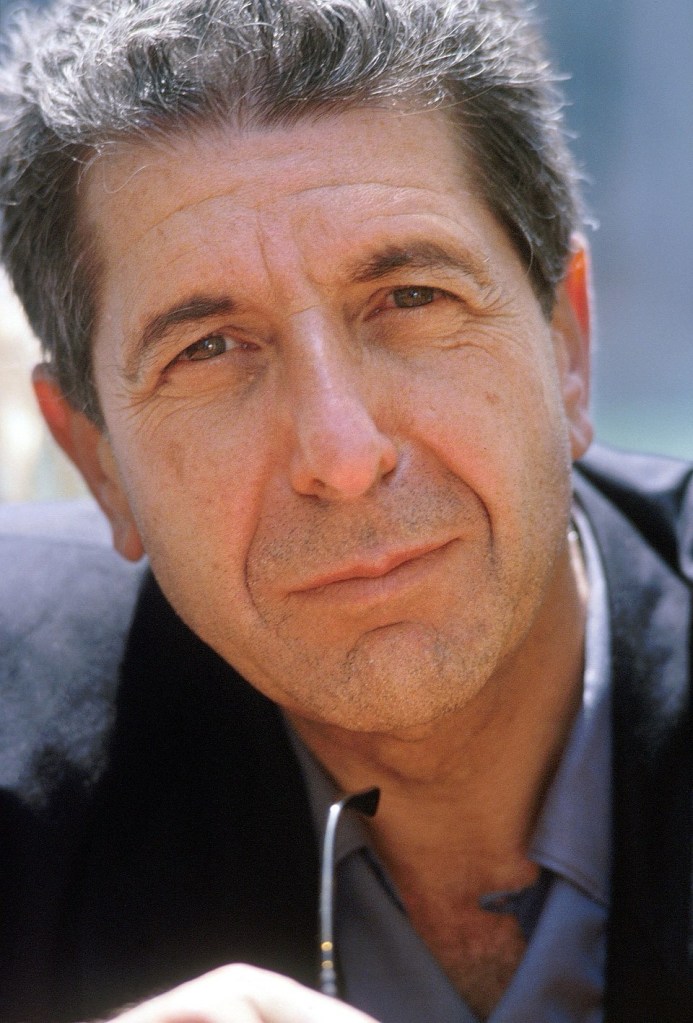
Born in Quebec, this songwriter, singer, poet and novelist passed away at 82 on 7 November 2016. A fifteenth studio album Thanks for the Dance was released three years later. Who is this singer?
Answer: Leonard Cohen
Leonard Cohen, a celebrated Canadian songwriter, singer, poet and novelist, explored faith, mortality and love in his work. He received numerous accolades, including induction into several halls of fame and the Prince of Asturias Award for literature.
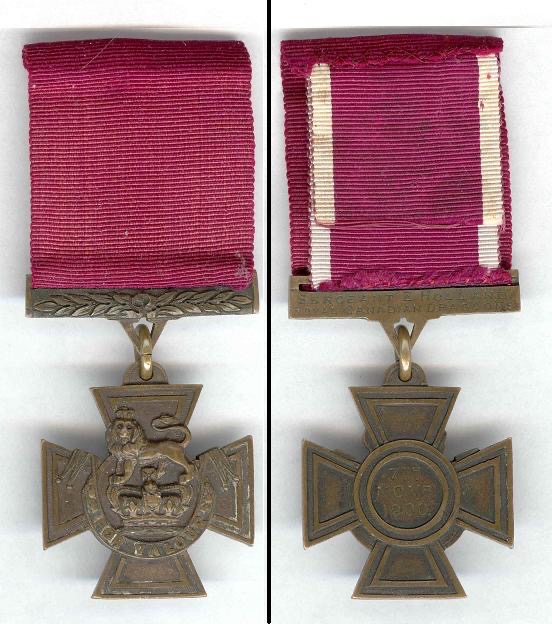
Sergeant Edward Holland’s Victoria Cross, for valour at the Battle of Leliefontein, 7 November 1900. Image Wikipedia
Five
On this date in 1900, at The Battle of Leliefontein, the Royal Canadian Dragoons won three Victoria Cross. During what war did this battle take place?
Answer: Second Boer War
Lieutenant-Colonel François-Louis Lessard led a rearguard action to cover the withdrawal of a larger force. The Royal Canadian Dragoons, supported by artillery and a machine gun, repelled multiple Boer assaults, including a mounted charge. Despite heavy casualties, the Dragoons successfully protected the field guns, earning three of their members—Sergeant Edward Holland, Lieutenant Richard Turner, and Lieutenant Hampden Cockburn—the Victoria Cross for their bravery.




 Quizology.Online