The answers to my earlier post are shown below.
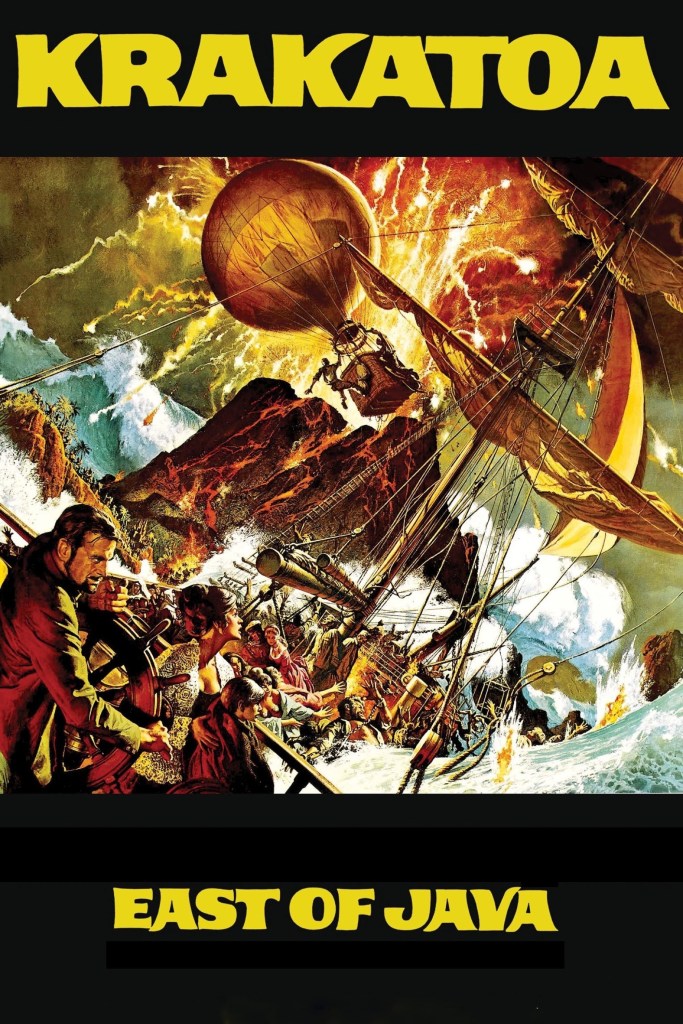
Image The Movie DB
One
In 1883, a significant volcanic eruption took place in the Sunda Strait. However, a 1968 Hollywood film title incorrectly located the volcano. Which volcano was it, and what was the film’s title?
Answer: Krakatoa and Krakatoa, East of Java
Krakatoa is west of Java not east! Apparently the film’s producers thought ‘West’ was more atmospheric than ‘East’. The eruption in 1883 destroyed over 70% of the island and its surrounding archipelago, collapsing into a caldera. The eruption, heard 3,000 miles (4,800 kilometres) away, caused at least 36,417 deaths and had significant global effects.
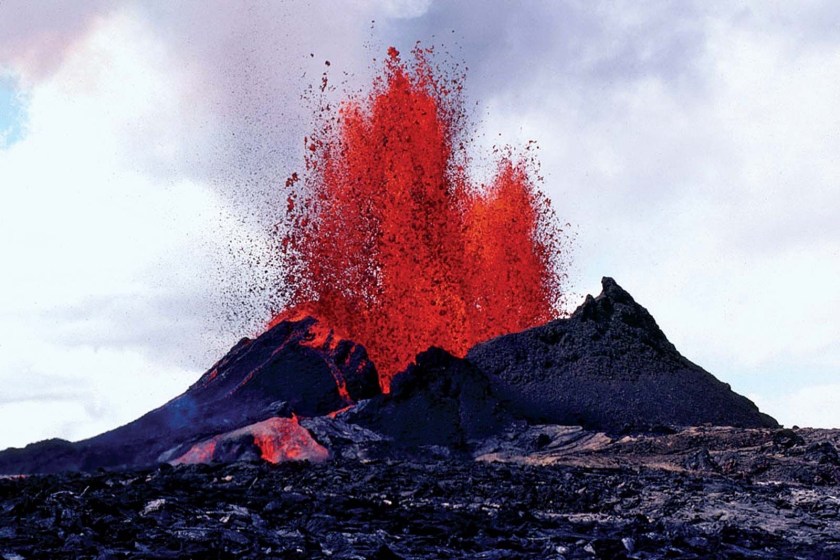
Image Encyclopædia Britannica
Two
Which archipelago contains two active volcanoes, one of which, Kīlauea, is considered one of the most active in the world?
Answer: Hawaiian Islands
Kilauea, an active shield volcano on Hawaii’s Big Island, is known for its frequent eruptions, notably the Pu’u ‘Ō’ō eruption, which created new land. Located on the island’s southeastern shore, it is between 210,000 and 280,000 years old and emerged above sea level about 100,000 years ago. Kilauea is the most active of the five volcanoes forming the island and among the most active globally. The most recent eruption began in December 2024, continuing into 2025. Historically, it was thought to be a satellite of Mauna Loa. From 2008 to 2018, Halemaʻumaʻu hosted an active lava lake. Eruptions from 1983 to 2018 caused significant property damage, including the destruction of Kalapana and Kaimū in 1990. Since 2020, eruptions have occurred within the enlarged Halemaʻumaʻu crater and along the southwest and east rift zones. Hawaii Volcanoes National Park, established in 1961, houses two active volcanoes, Mauna Loa and Kilauea.
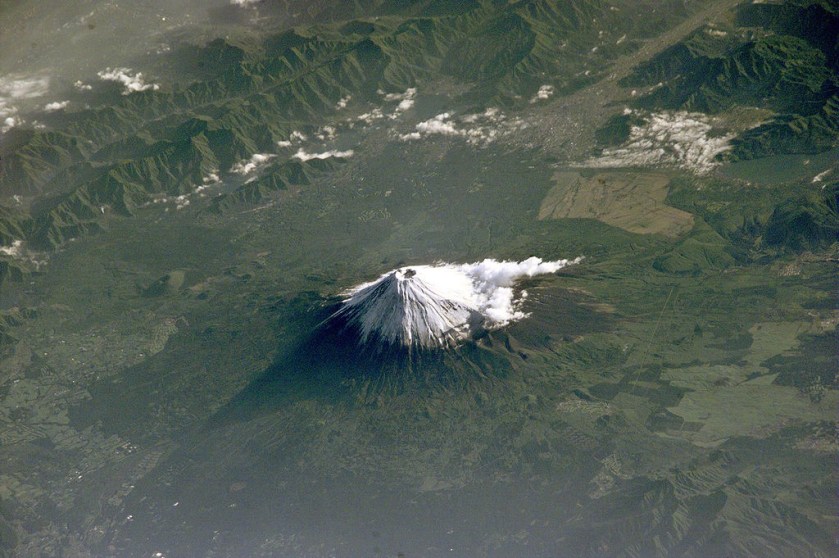
Image NASA/Wikipedia
Three
In what century was the last eruption of Japan’s Mount Fuji?
Answer: 18th century (December 16, 1707)
Mount Fuji, Japan’s highest mountain and a cultural icon, is an active stratovolcano with a symmetrical cone. Situated in central Honshu, it is a UNESCO World Heritage site and a prominent feature of Fuji-Hakone-Izu National Park.

Image Wikipedia
Four
Geologists agree that a geological feature featured in a 1977 Steven Spielberg film began as magma, or molten rock, buried beneath the Earth’s surface. Please name the Spielberg film and identify the geological feature?
Answer: Close Encounters of the Third Kind and Devils Tower (National Monument, Wyoming)
Close Encounters of the Third Kind is a 1977 science fiction film by Steven Spielberg about a man whose life changes after a UFO encounter and a single mother whose son is abducted. The film’s climax is at Devil’s Tower. The film was a critical and financial success, grossing over $300 million worldwide and receiving numerous awards and nominations. It was preserved in the National Film Registry and has been released in multiple editions, including a Director’s Cut.
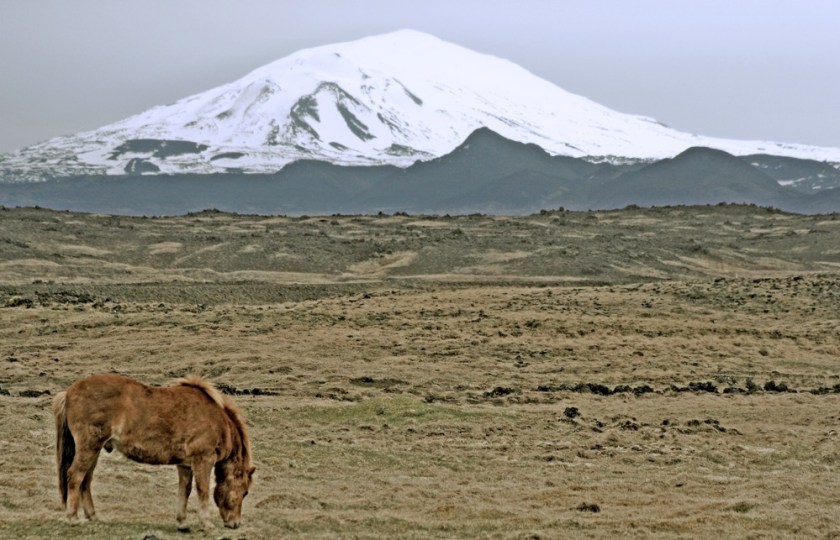
Image Wikipedia
Five
Known to medieval Europeans as the ‘Gateway to Hell’, Hekla has erupted more than 20 times. In what country is Hekla?
Answer: Iceland
Hekla, Iceland’s most active volcano, is characterised by a 3.4-mile-long fissure and has erupted over 20 times since 1104. Its eruptions, including a major one in 1766, have caused significant damage and loss of life.
 Quizology.Online