Nine Days—Answer


B. Mary I

Lady Jane Grey, also known as Lady Jane Dudley, was proclaimed queen of England and reigned from 10 to 19 July 1553. Known for her beauty and intelligence, she reluctantly allowed herself to be crowned at the age of 15 due to the machinations of unscrupulous politicians. Her subsequent execution at the age of 16 by Mary Tudor evoked widespread sympathy and compassion.

Pointed Mountains—Answer

Norway

The Svalbard Treaty, signed in 1920, recognizes Norway’s sovereignty over the archipelago while granting equal commercial rights to signatories.  The treaty restricts military use and establishes a visa-free zone, with 48 parties to the treaty as of 2024.

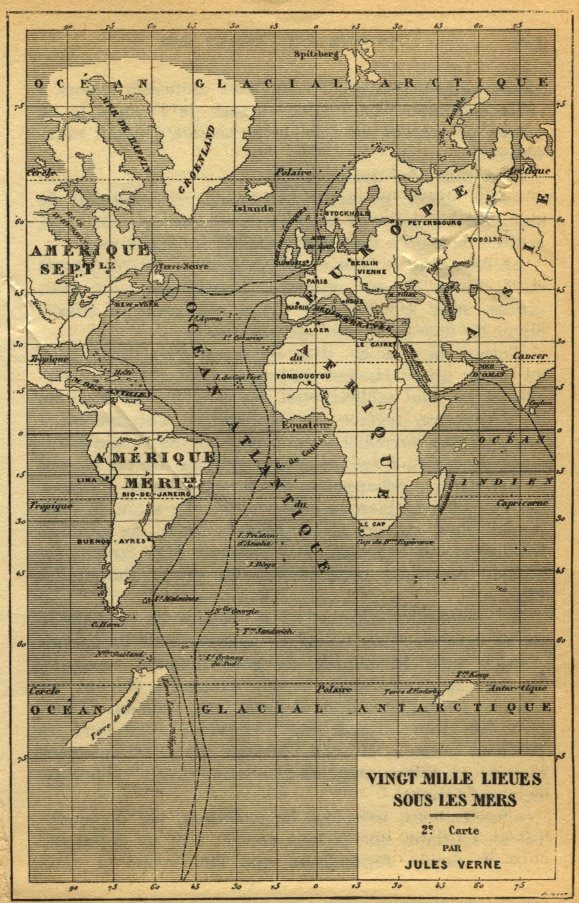
Svalbard is located in the Arctic Ocean, north of mainland Europe. The largest island, Spitsbergen, is home to the largest settlement, Longyearbyen. Spitsbergen, the original name of the archipelago, comes from Dutch explorer Willem Barentsz, who described the pointed mountains (Dutch, spitse bergen) he saw on the west coast of the main island in 1596.

Change of Thrones—Answer

Elizabeth II, Kenya
As George VI’s health got worse in 1951, his daughter and heir Princess Elizabeth often took over his duties. In early 1952, she and her husband, Prince Philip, Duke of Edinburgh, set out to travel to Australia and New Zealand via Kenya but on 6 February 1952, at Sagana Lodge in Kenya, they received the news that George VI had died due to a coronary thrombosis. She was now Queen Elizabeth II.

Elizabeth’s 70-year and 214-day reign is the longest in British history, the second-longest in any country, and the longest of any queen regnant.

Hay-Pauncefote Treaties—Answer

C. Panama Canal 

The Hay-Pauncefote Treaties were two significant agreements between the United States and the United Kingdom, signed in the early 20th century, that facilitated the construction of the Panama Canal. These treaties addressed the control and management of the canal, which was a pivotal development in global maritime trade.

First Hay-Pauncefote Treaty (1900)

The first treaty was signed on 5 February 1900 by U.S. Secretary of State John Hay and British Ambassador to the United States, Lord Julian Pauncefote. This treaty aimed to supersede the Clayton-Bulwer Treaty of 1850, which had stipulated that neither country would have exclusive control over a canal across Central America. However, the U.S. Senate rejected this treaty due to concerns over restrictions on American control and fortification of the canal.

Second Hay-Pauncefote Treaty (1901)

The second treaty, successfully signed on 18 November 1901, resolved these issues by giving the United States the exclusive right to construct, operate, and fortify the Panama Canal. It stipulated that the canal should be open to the vessels of all nations on equal terms and without discrimination, whilst assuring that the canal would be neutral and available for peaceful use by all.

The Hay-Pauncefote Treaties marked a significant turning point in U.S.-British relations and set the stage for the construction of the Panama Canal, which greatly enhanced global maritime commerce by providing a quicker route between the Atlantic and Pacific Oceans.

Hay-Pauncefote Treaties

The (first) Hay-Pauncefote Treaty, signed on February 5, 1900, between the United States and the United Kingdom, pertained to which of these waterways?

A. Northwest Passage

B. St Lawrence River

C. Panama Canal

The answer will follow later today

One of the Big Four—Answer

Woodrow Wilson
Woodrow Wilson was the 28th President of the United States and played a significant role in the Paris Peace Conference in 1919, which led to the Treaty of Versailles. Wilson was an advocate for the League of Nations, although the United States never joined it. He passed away on 3 February 1924.