On 16 August 1923, the UK named the Ross Dependency. On what continent is the Ross Dependency?
Two
Born in 1888, a military strategist and archaeological scholar also authored Seven Pillars of Wisdom. Who is he, and what by-name is he commonly known?
Three
On 16 August 1858, a new transatlantic telegraph cable was inaugurated. The inaugural event involved an exchange of greetings between the Heads of State of the United Kingdom and the United States. Who were these two Heads of State?
Four
Madonna, the singer and actress, celebrates her birthday on August 16th. In which city and state was she born?
Five
On this day in 1876, Richard Wagner’s penultimate opera in his Ring cycle premiered at the Bayreuth Festspielhaus. What was the name of the opera?
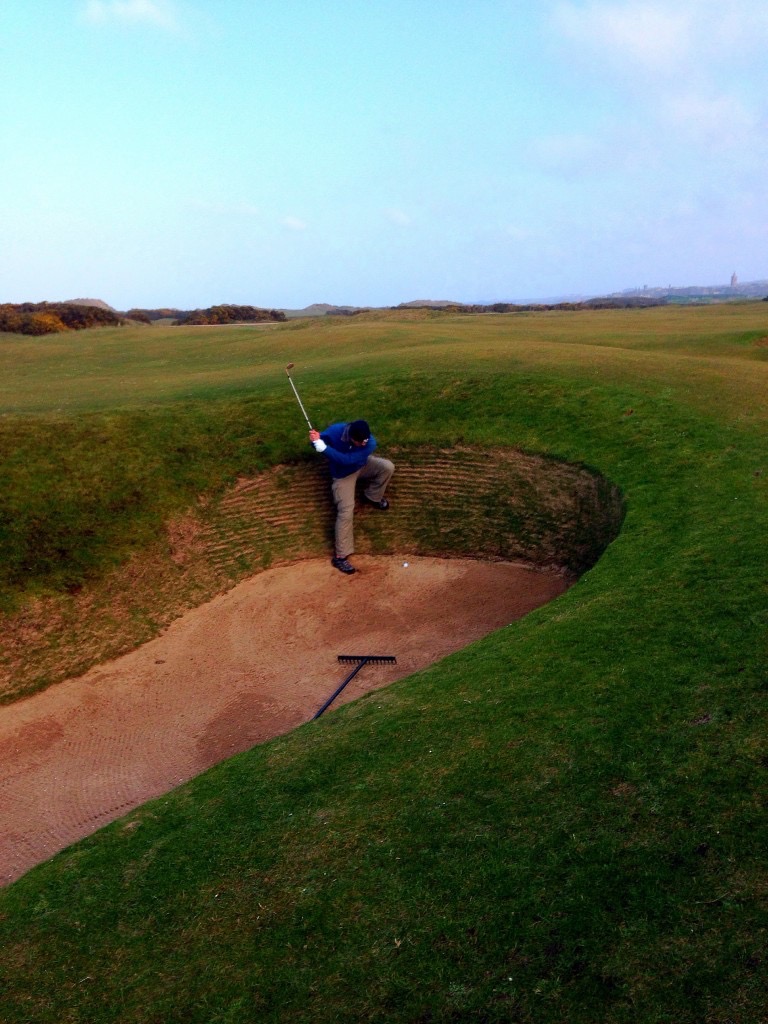
Bunker on the Old Course, St Andrews. Image Lee Abbamonte
One
Golf courses traditionally include hazards like bunkers (sand traps). Is it true or false that the word ‘bunker’ originates from the Flemish dialect of Dutch?
— Answer: False
The word bunker originates from the Scots language.
OED’s earliest evidence for bunker is from before 1758, in the writing of Allan Ramsay, poet.
Bunker
1 a large container or compartment for storing fuel: a coal bunker.
2 a reinforced underground shelter, typically for use in wartime.
3 a hollow filled with sand, used as an obstacle on a golf course.
– ORIGIN mid 16th century (originally Scots, denoting a seat or bench): perhaps related to bunk1.
— Oxford English Dictionary
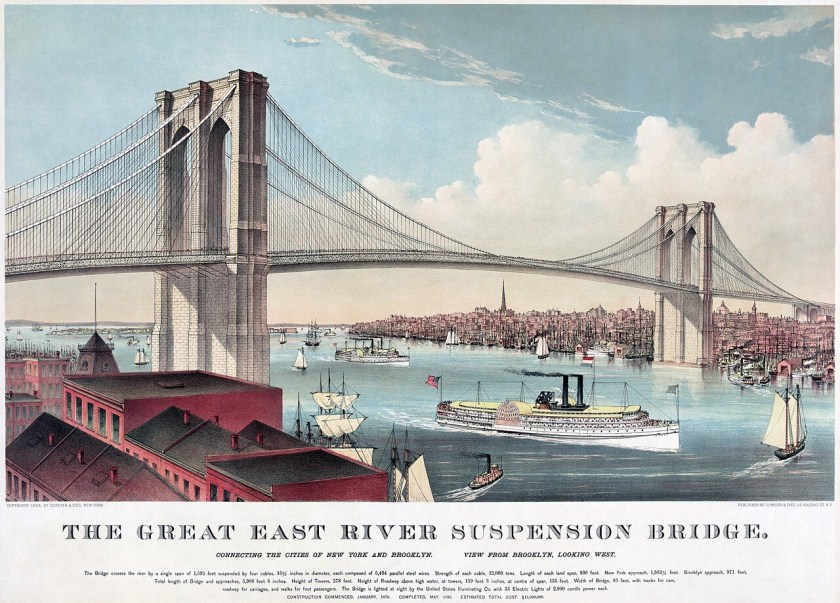
Brooklyn Bridge. Chromolithograph of the “Great East River Suspension Bridge” by Currier and Ives, created in 1883. Image Wikipedia
Two
Is it true or false that vaults constructed within the ramps of New York’s Brooklyn Bridge were used as arsenals storing weapons for the National Guard?
— Answer: False
The New York City government rented out vaults under the Manhattan anchorage of the bridge starting in 1876 to fund maintenance. These vaults, used for wine storage due to their consistent temperature, were closed during WWI and Prohibition but reopened later. By the late 20th-century the spaces were being used as storage for maintenance equipment.
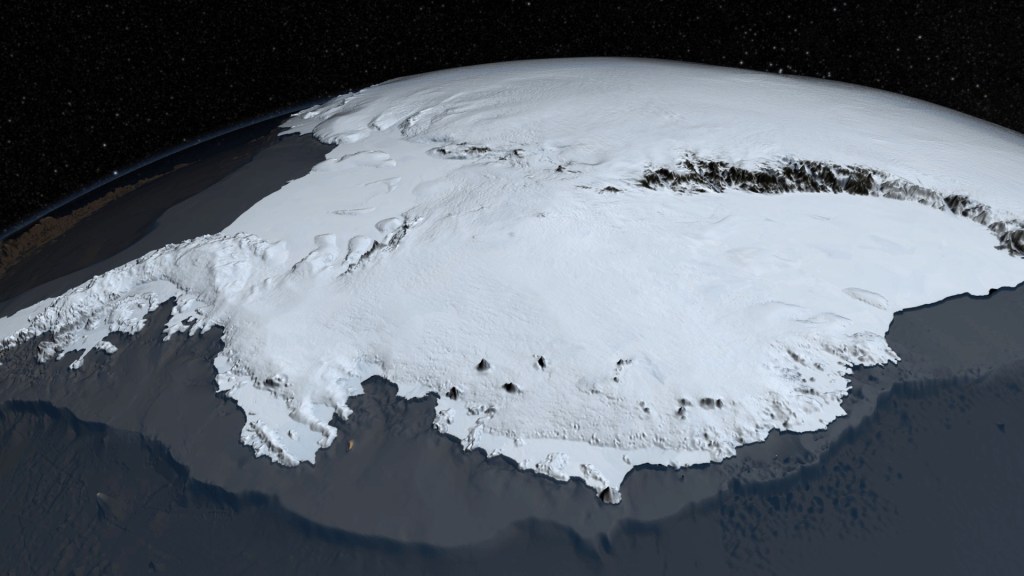
This 3D topographical view of Antarctica gives an idea of its high elevations and mountains with ice that covers them. A topographical map shows the elevation and other features of a land surface in greater detail. Credit: NASA
Three
The South Pole is significantly colder than the North Pole during both summer and winter, as shown in a comparison of their average temperatures. Is the foregoing statement true or false?
The North Pole is located in the Arctic Ocean, which is mostly covered in sea ice due to its cold climate. This sea ice floats over water, affecting its thickness as the ocean warms the air and the water below the ice changes temperature. In contrast, Antarctica is a dry, high continent with extremely thick ice, up to 3 miles (5 kilometres), forming a plateau above sea level. The ice sits on tall mountains, and as altitude increases, the air becomes colder. The South Pole is significantly colder than the North Pole due to strong winds surrounding Antarctica, which prevent warmer air from mixing with the cold polar air. These winds are unimpeded by land, unlike around the Arctic, where land slows down the winds, allowing warmer air from the south to occasionally mix with the polar air, making the Arctic relatively warmer.
Four
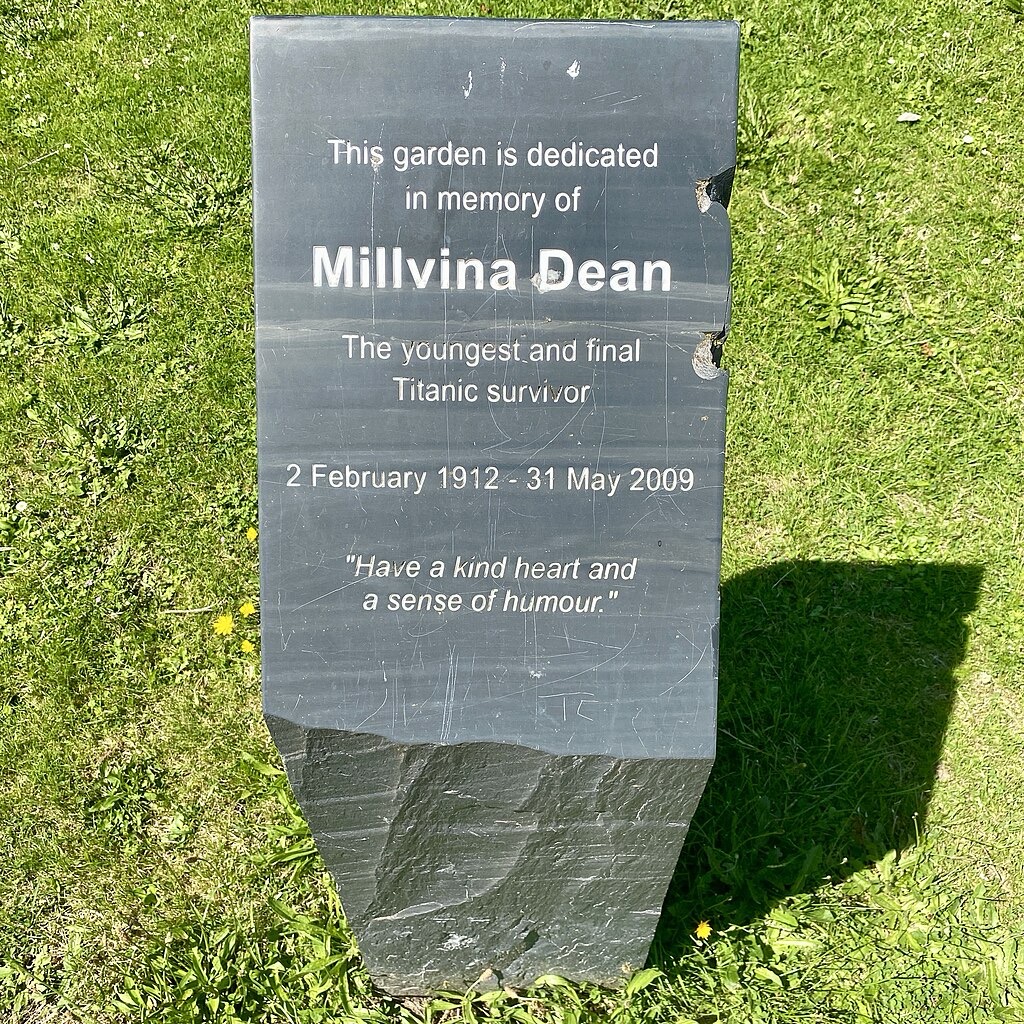
Millvina Dean Memorial Stone, Southampton, UK. Image Wikipedia
Is it true or false that the last survivor of the RMS Titanic died in 2009?
— Answer: True
Millvina Dean, the last living survivor of the Titanic, was born in 1912 and boarded the ship as a nine-week-old infant with her family. After the Titanic sank, her mother returned to England with Millvina and her brother, as their father perished. Millvina became involved in Titanic-related events in her later years, but declined to see the film Titanic and criticised the BBC for a Doctor Who episode featuring a similar ship.
Five
The US State of New Hampshire had a law which required margarine to be dyed pink. Is this statement true or false?
— Answer: True
Margarine, created in 1869 as a cost-effective substitute for butter, encountered significant resistance from the American dairy industry. Although it was favoured by the lower classes, margarine was taxed and prohibited in various states, with critics arguing it endangered the American lifestyle. By 1902, 32 states imposed restrictions on margarine’s colour, with Vermont, New Hampshire, and South Dakota requiring pink dye. The Supreme Court eventually invalidated the ‘pink laws’ but maintained the ban on yellow margarine.
We have five random true or false questions today.
One
Golf courses traditionally include hazards like bunkers (sand traps). Is it true or false that the word ‘bunker’ originates from the Flemish dialect of Dutch?
Two
Is it true or false that vaults constructed within the ramps of New York’s Brooklyn Bridge were used as arsenals storing weapons for the National Guard?
Three
The South Pole is significantly colder than the North Pole during both summer and winter, as shown in a comparison of their average temperatures. Is the foregoing statement true or false?
Four
Is it true or false that the last survivor of the RMS Titanic died in 2009?
Five
The US State of New Hampshire had a law which required margarine to be dyed pink. Is this statement true or false?
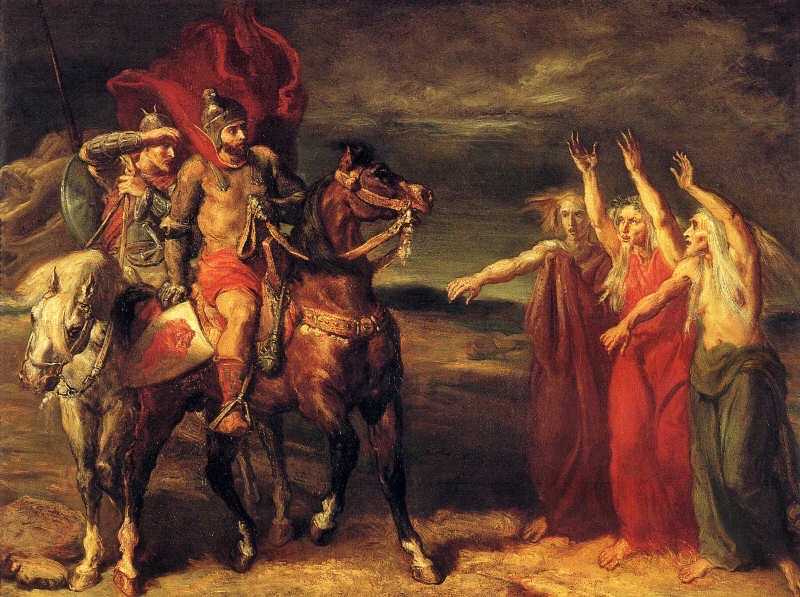
Macbeth and Banquo meeting the witches on the heath by Théodore Chassériau (1819–1856). Image Wikipedia
One
On 14 August, King Duncan I of Scotland was killed in battle by his cousin, Macbeth, who then succeeded him. This event occurred in the what century?
— Answer: 11th century
Unlike the ‘King Duncan’ of Shakespeare’s Macbeth, the historical Duncan appears to have been a young man. After his grandfather Malcolm’s death on 25 November 1034, Duncan succeeded him as king without apparent opposition. In August 1040, Duncan led an army into Moray, Macbeth’s domain, and was killed in action at the Battle of Bothnagowan.
Two
In the 1995 made-for-television movie, Catherine Zeta-Jones plays Sophie, a young Prussian princess who marries an immature future Tsar. The film’s title is what Sophie eventually becomes known as. What is the film’s title?
— Answer: Catherine the Great
Catherine the Great, reigning empress of Russia from 1762 to 1796, modernised the country, expanded its territory, and fostered a cultural renaissance. Despite her Enlightenment ideals, serfdom persisted, leading to rebellions. Catherine’s reign saw the founding of cities, universities, and theatres, and the establishment of Russia as a great power.
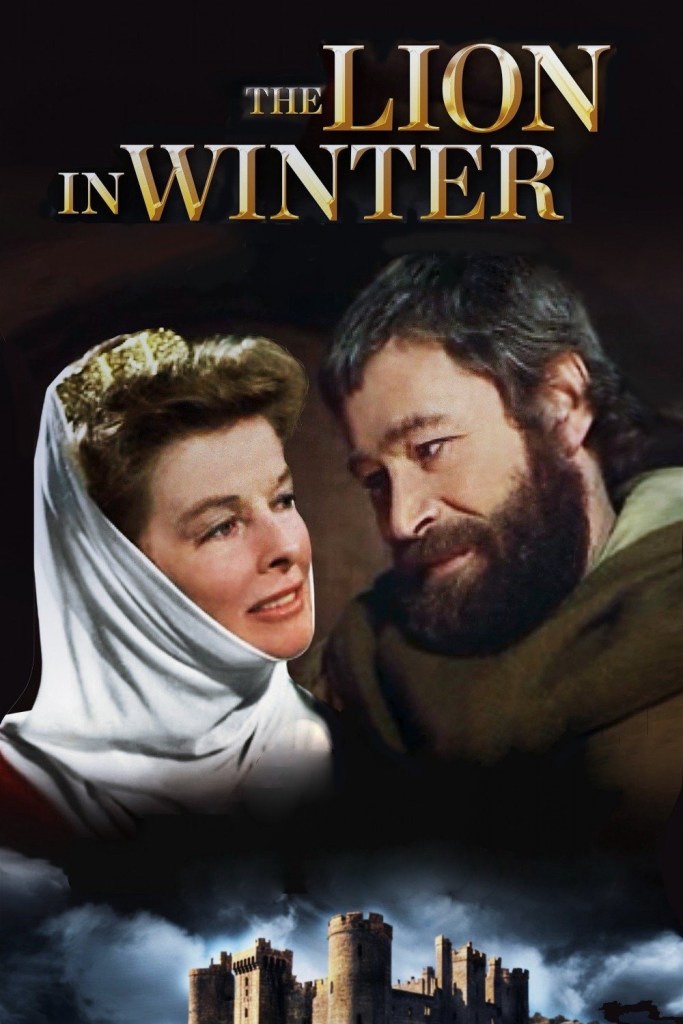
Katharine Hepburn won the best actress Oscar for her role as Henry II’s queen in this 1968 film. What was the film and what was the queen’s name?
— Answer: The Lion in Winter and Eleanor of Aquitaine
The play is set at Christmas 1183 at Henry II of England’s castle in Chinon, France. It follows the power struggles between Henry, his wife Eleanor, their sons, and the King of France, Philip II Augustus.
Four
In this 2023 film, Catherine Walker plays an Archduchess of Austria who becomes the French Queen, while Vanessa Kirby is an Empress Consort and first wife of the title character. What is the film?
— Answer: *Napoleon *
Ridley Scott’s 2023 film Napoleon, starring Joaquin Phoenix and Vanessa Kirby, depicts the French leader’s rise to power and his relationship with Joséphine. The film received mixed reviews, praised for its battle sequences and performances but criticised for its pacing and historical accuracy.
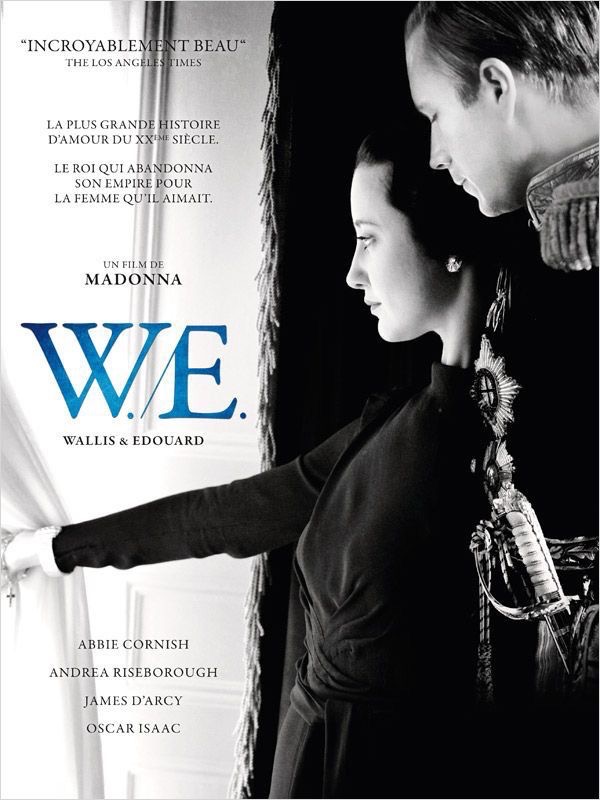
Madonna’s 2011 film W.E. is a historical romance involving what 20th-century royal couple?
— Answer: King Edward VIII and Wallis Simpson (who became the Duke and Duchess of Windsor)
Edward VIII’s relationship with Wallis Simpson, a twice-divorced American, caused a constitutional crisis. Despite attempts to find a solution, including a morganatic marriage, the Church of England and most politicians opposed the union. Edward chose to abdicate the throne on 11 December 1936, prioritising his love for Simpson over his royal duties.
The first question is related to today’s date, August 14th. It is about two monarchs who featured prominently in a work by William Shakespeare. The other questions are also about real monarchs who have been portrayed in fiction.
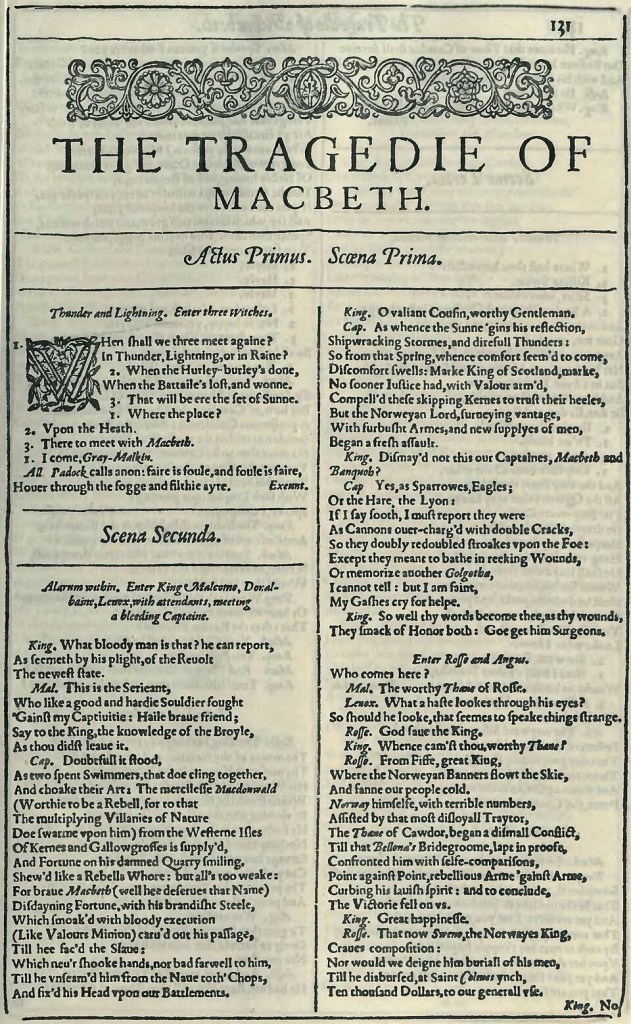
The first page of Shakespeare’s Macbeth from the First Folio. Image Wikipedia
One
On 14 August, King Duncan I of Scotland was killed in battle by his cousin, Macbeth, who then succeeded him. This death and succession occurred in the what century?
Two
In the 1995 made-for-television movie, Catherine Zeta-Jones plays Sophie, a young Prussian princess who marries an immature future Tsar. The film’s title is what Sophie eventually becomes known as. What is the film’s title?
Three
Katharine Hepburn won the best actress Oscar for her role as Henry II’s queen in this 1968 film. What was the film and what was the queen’s name?
Four
In this 2023 film, Catherine Walker plays an Archduchess of Austria who becomes the French Queen, while Vanessa Kirby is an Empress Consort and first wife of the title character. What is the film?
Five
Madonna’s 2011 film W.E. is a historical romance involving what 20th-century royal couple?
Phoebe Ann Mosey was born this day in 1860. Named ‘Little Sure Shot’ by Sitting Bull, she was a star in Buffalo Bill’s Wild West Show. What was her stage name?
— Answer: Annie Oakley
Oakley never failed to delight her audiences, and her feats of marksmanship were truly incredible. At 30 paces she could split a playing card held edge-on, she hit dimes tossed into the air, she shot cigarettes from her husband’s lips, and, a playing card being thrown into the air, she riddled it before it touched the ground
Opha May Johnson (2 Feb 1900 – Jan 1976) was the first woman to enlist in the United States Marine Corps. This is a photo of her shortly after enlisting, c. 1918. Image Wikipedia
Women were permitted to enlist in the United States Marine Corps for the first time on August 13th. In which decade of the 20th century did this occur?
— Answer: 1910s (1918)
Women first enlisted in the Marine Corps in 1918, Private Opha May Johnson being the first woman to enlist. Although deactivated after the First World War there was a significant increase during World War II. The Women’s Armed Services Integration Act of 1948 made women a permanent part of the Marine Corps.
Opha May Johnson monument, St. Paul’s Rock Creek Cemetery, Washington, D.C. Image WikipediaAlfred Hitchcock’s birthplace. Image Wikipedia
Four
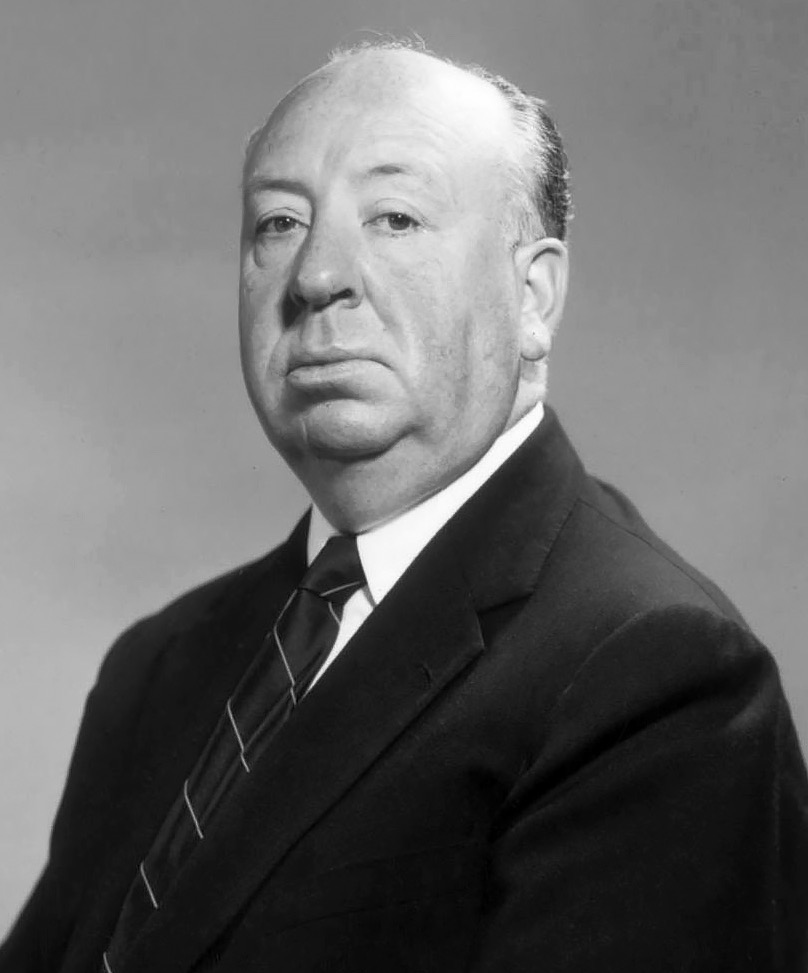
Alfred Hitchcock, the renowned film director and producer, was born today in 1899. In which city was he born?
— Answer: London, UK
Alfred Hitchcock, an English-born American director, was renowned for his suspenseful films and TV programmes, characterised by a macabre sense of humour and a bleak view of humanity.
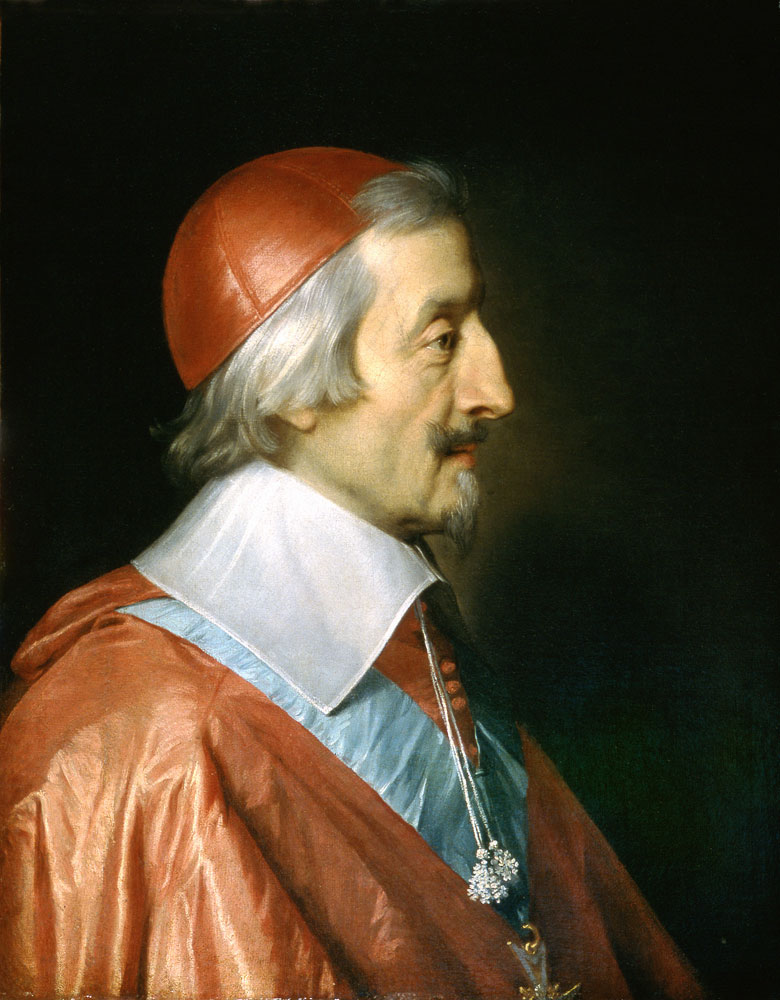
On 13 August 1624, Cardinal Richelieu was appointed principal minister in France. Who was the monarch who made this appointment?
— Answer: Louis XIII
Cardinal Richelieu (1585–1642) served as the chief minister to King Louis XIII of France from 1624 to 1642. His primary objectives, which he largely achieved, were the establishment of royal absolutism in France and the end of Spanish-Habsburg dominance in Europe.
Alfred Hitchcock, c. 1960s. (Question 4) Image Wikipedia
One
What Cold War event led to 13 August 1961 being known as Barbed Wire Sunday?
Two
Phoebe Ann Mosey was born this day in 1860. Named ‘Little Sure Shot’ by Sitting Bull, she was a star in Buffalo Bill’s Wild West Show. What was her stage name?
Three
Women were permitted to enlist in the United States Marine Corps for the first time on August 13th. In which decade of the 20th century did this occur?
Four
Alfred Hitchcock, the renowned film director and producer, was born today in 1899. In which city was he born?
Five
On 13 August 1624, Cardinal Richelieu was appointed principal minister in France. Who was the monarch who made this appointment?
On 9 August 1942, Dmitri Shostakovich’s 7th symphony premiered in a besieged city. Can you name that city?
Answer: Leningrad
Shostakovich’s Symphony No. 7 was premiered in Leningrad on 9 August 1942 during the Nazi siege. Despite the musicians’ starvation and the orchestra’s limited rehearsal time, the performance was a success, bolstered by a Soviet military offensive and broadcast to German lines.
Two
Construction of the campanile of the Cathedral of Pisa, also known as the Leaning Tower of Pisa, began on this day. In which century did this construction commence, and approximately how long did it take to complete?
Answer: 12th Century and 199 years (two centuries) to complete
The Leaning Tower of Pisa, a freestanding bell tower in Pisa, Italy, is known for its nearly four-degree lean due to an unstable foundation. It is one of the most visited tourist attractions in the world, receiving over 5 million visitors annually.
Three
Answer: Jesse Owens and long jump
Jesse Owens, an exceptionally gifted athlete, won four gold medals at the 1936 Berlin Olympics, defying Adolf Hitler’s hopes of showcasing Aryan supremacy. Owens’ achievements, which also include setting three world records in one hour in 1935, remain unparalleled.
Four
Born in Maryborough, Queensland, on 9 August 1899, this writer is best known for her Mary Poppins books. Who is she?
Answer: P.L. Travers
P.L. Travers, an Australian-English writer, authored the Mary Poppins books, a series of eight children’s books illustrated by Mary Shepard. The books follow the magical nanny Mary Poppins and her adventures with the Banks children. Walt Disney adapted the books into two musical films: Mary Poppins (1964) and its sequel, Mary Poppins Returns (2018). A stage musical, created by Disney Theatrical and Sir Cameron Mackintosh, ran on Broadway from 2006 to 2013.
Five
On this day in 1945, Bockscar sealed a place in history. Who or what was Bockscar?
Answer: Boeing B-29 Superfortress
Bockscar, a Boeing B-29 Superfortress bomber, dropped the second nuclear weapon on Nagasaki during WWII. It was one of 15 Silverplate B-29s used by the 509th Composite Group.
A few questions related to events connected to today, August 9th.
One
On 9 August 1942, Dmitri Shostakovich’s 7th symphony premiered in a besieged city. Can you name that city?
Two
Construction of the campanile of the Cathedral of Pisa, also known as the Leaning Tower of Pisa, began on this day. In which century did this construction commence, and approximately how long did it take to complete?
Three
On 9 August 1936, at the Summer Olympics in Berlin, Germany, Jesse Owens of the USA won his fourth gold medal of the games in the 4 x 100m sprint relay. He also won gold medals in the 100m dash and 200m sprint. In what other event did he win gold at these games?
Four
Born in Maryborough, Queensland, on 9 August 1899, this writer is best known for her Mary Poppins books. Who is she?
Five
On this day in 1945, Bockscar sealed a place in history. Who or what was Bockscar?
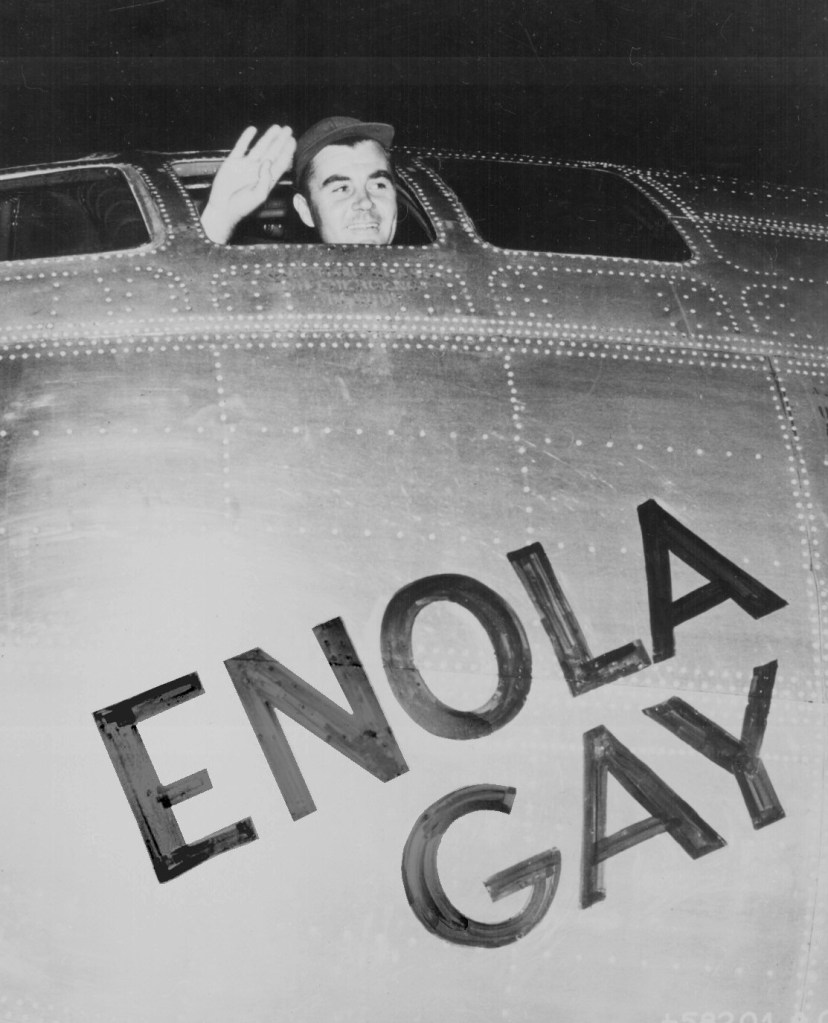
Colonel Paul Tibbets, in the B-29 he named Enola Gay, August 1945. Image Wikipedia
One
On 6 August 1945, the United States dropped an atomic bomb on the Japanese city of Hiroshima. Firstly, what was the name of the bomb, and secondly, what name did the pilot of the aircraft which dropped the bomb give to that aircraft?
Answer: Little Boy and Enola Gay
On this day in 1945, the United States dropped an atomic bomb on Hiroshima, Japan, killing more than 70,000 people and destroying most of the city in an effort to hasten the end of World War II. The blast, caused by the atomic bomb Little Boy dropped by the U.S. B-29Enola Gay, resulted in around 70,000 instant deaths, with tens of thousands more dying in subsequent years from burns and radiation poisoning. The B-29 Superfortress Enola Gay was named after Enola Gay Tibbets by the pilot, her son, Colonel Paul Tibbets.
Two
Scottish bacteriologist Alexander Fleming, who was born on on the 6 August 1881, revolutionised antibiotics in 1928 with the discovery of…
Answer: Penicillin
Alexander Fleming, who was born on 6 August 1881 at Lochfield Farm, Darvel, Ayrshire, was a Scottish bacteriologist best known for discovering penicillin in 1928, which revolutionised antibiotics and earned him the Nobel Prize in 1945.
Three
This actor, who was born 6 August 1917, portrayed Sheriff J.P. Harrah in the 1966 western El Dorado and was Charles Shaughnessy in Ryan’s Daughter (1970). Who is he?
Answer: Robert Mitchum
Robert Mitchum, an American actor known for his antihero roles and film noir appearances, received numerous accolades including an Academy Award nomination and a star on the Hollywood Walk of Fame. He starred in numerous films, including Out of the Past and Cape Fear, and was praised by critics for his deep voice and weary eyes.
Four
The Old Man of Hoy, a 449-foot sea stack, was first climbed by three mountaineers including Chris Bonnington, born on 6 August 1934. This sea stack is located in which British archipelago?
Answer: Orkney
The Old Man of Hoy is a 449-foot sea stack on Hoy, in the Orkney archipelago, Scotland. Formed from Old Red Sandstone, it is popular with climbers and may soon collapse. It was first climbed in 1966 by mountaineers Chris Bonington, Rusty Baillie and Tom Patey.
Five
A poet born on this day in 1809, penned the lines quoted
Someone had blundered. Theirs not to make reply, Theirs not to reason why, Theirs but to do and die. Who was the poet and what poem are the lines from?
Answer: Alfred, Lord Tennyson and The Charge of the Light Brigade
Alfred Tennyson, 1st Baron Tennyson, was an English poet and Poet Laureate during Queen Victoria’s reign. He is known for his short lyrics, classical mythological themes, and blank verse, with many of his phrases becoming commonplace in the English language. The lines quoted were from The Charge of the Light Brigade which is a narrative poem by Tennyson (The full poem is shown bellow). It describes the Charge of the Light Brigade, a disastrous British cavalry attack against heavily defended Russian troops at the Battle of Balaklava in October 1854 during the Crimean War. The suicidal assault placed the British light horse brigade, commanded by the Earl of Cardigan, against a Russian infantry and cavalry defence supported by heavy artillery batteries that commanded three sides of a narrow valley.
I Half a league, half a league, Half a league onward, All in the valley of Death Rode the six hundred. “Forward, the Light Brigade! Charge for the guns!” he said. Into the valley of Death Rode the six hundred.
II “Forward, the Light Brigade!” Was there a man dismayed? Not though the soldier knew Someone had blundered. Theirs not to make reply, Theirs not to reason why, Theirs but to do and die. Into the valley of Death Rode the six hundred.
III Cannon to right of them, Cannon to left of them, Cannon in front of them Volleyed and thundered; Stormed at with shot and shell, Boldly they rode and well, Into the jaws of Death, Into the mouth of hell Rode the six hundred.
IV Flashed all their sabres bare, Flashed as they turned in air Sabring the gunners there, Charging an army, while All the world wondered. Plunged in the battery-smoke Right through the line they broke; Cossack and Russian Reeled from the sabre stroke Shattered and sundered. Then they rode back, but not Not the six hundred.
V Cannon to right of them, Cannon to left of them, Cannon behind them Volleyed and thundered; Stormed at with shot and shell, While horse and hero fell. They that had fought so well Came through the jaws of Death, Back from the mouth of hell, All that was left of them, Left of six hundred.
VI When can their glory fade? O the wild charge they made! All the world wondered. Honour the charge they made! Honour the Light Brigade, Noble six hundred!