Tag: history

  • Ten Thousand Leagues Under the Seas—Answer

    Q1. A.60 days and 21 hours
    Q2. B. USS Triton
    Q3. A. Captain Edward L. Beach Jr.
    Q4. B. Jules Verne
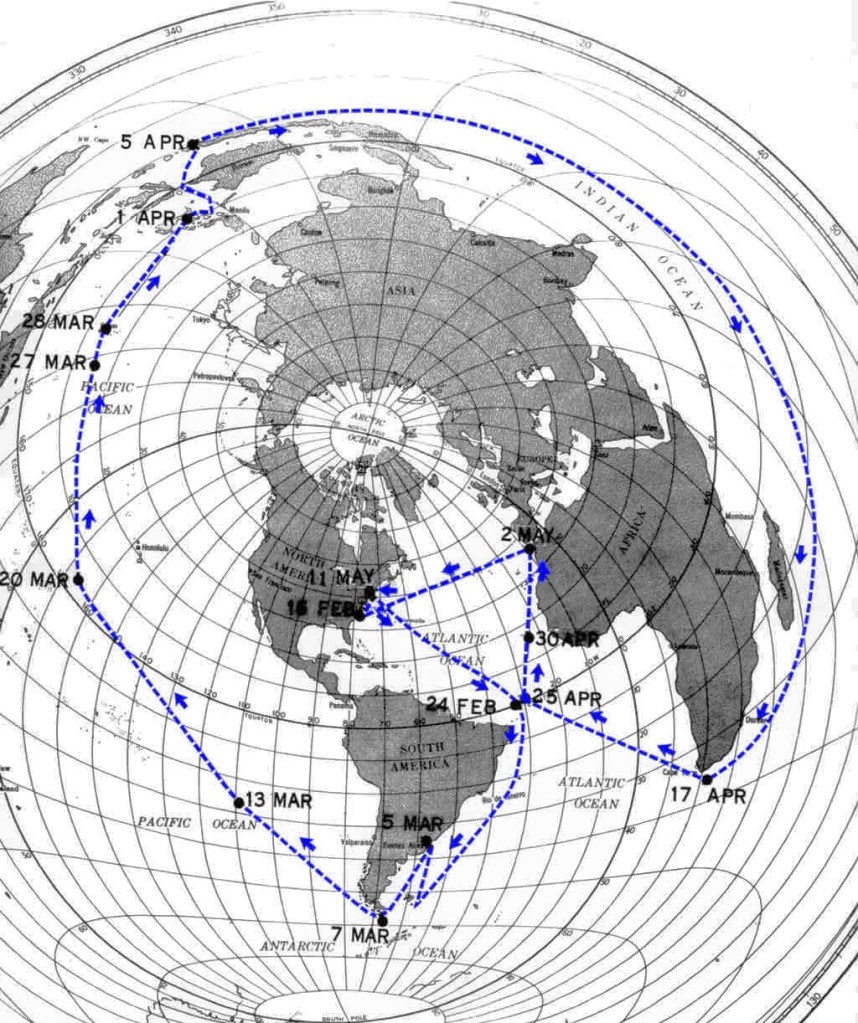
    Map of the 1960 circumnavigation of the world by the U.S. nuclear-powered submarine USS Triton (SSRN-586).
    [Image from Wikipedia]

    Operation Sandblast, as this first-ever submerged circumnavigation of the globe was named, was accomplished by the United States Navy’s nuclear-powered submarine, USS Triton (SSRN-586), in 1960.
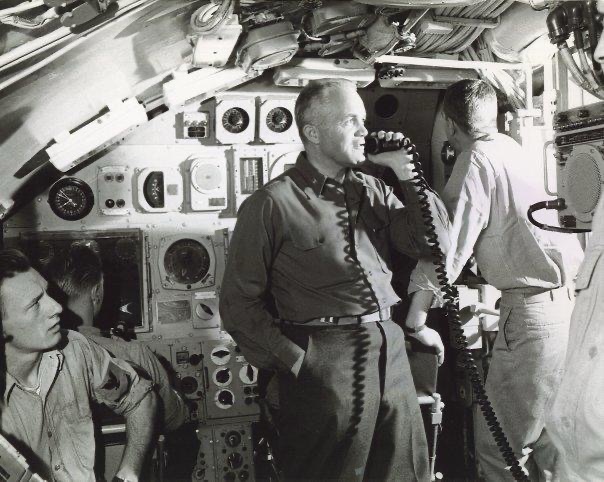
    Captain Edward L Beach announcing Operation Sandblast to crew onboard USS Triton, 17 February 1960. [Image from Wikipedia]

    First Submerged Circumnavigation

    Led by Captain Edward L. Beach Jr., the Triton departed New London, Connecticut on 16 February 1960 to head to the start /finish line for the journey—the St. Peter and Paul Rocks in the middle of the Atlantic Ocean, near the Equator.

    Details of the Voyage

    • Dates: February 24 to April 25, 1960
    • Duration: 60 days and 21 hours
    • Distance travelled: 26,723 nautical miles* (49,491 km; 30,752 miles)
    • Average speed: 18 knots (33 km/h; 21 mph)

    The Triton crossed the equator four times and notably, Triton’s overall navigational track during Operation Sandblast was similar to that of the historic Spanish expedition that successfully completed the first circumnavigation of the world.

    Historic First Circumnavigation

    In 1519, Portuguese explorer Ferdinand Magellan started an epic journey that took his expedition all the way around the world; Spanish explorer Juan Sebastián Elcano finished it in 1522. Of the 270 men and five ships that set sail, only about 40 men and one ship made it back. Magellan died in battle in the Philippines in April 1521.
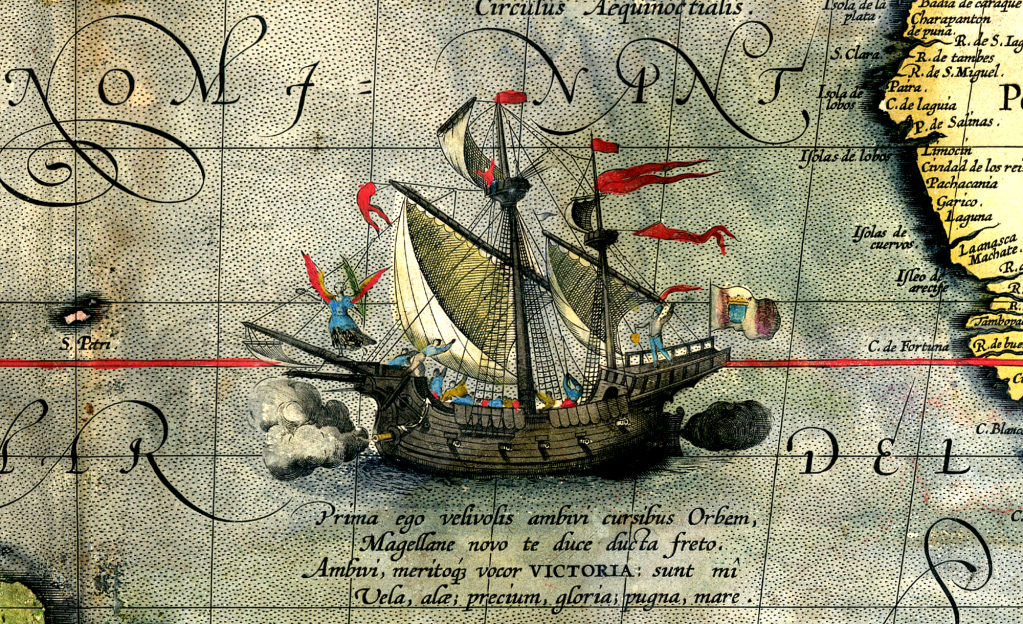
    Nao Victoria, the only ship in the fleet to complete the circumnavigation. Detail from a map by Abraham Ortelius, 1590.
    [Image from Wikipedia]

    *Ten Thousand Leagues Under the Sea

    The title is a poetic licence as the actual distance travelled converts to 10,251 leagues. This conversion from 26,723 nautical miles to leagues was carried out at metric-conversions.org.
  • Ten Thousand Leagues Under the Seas

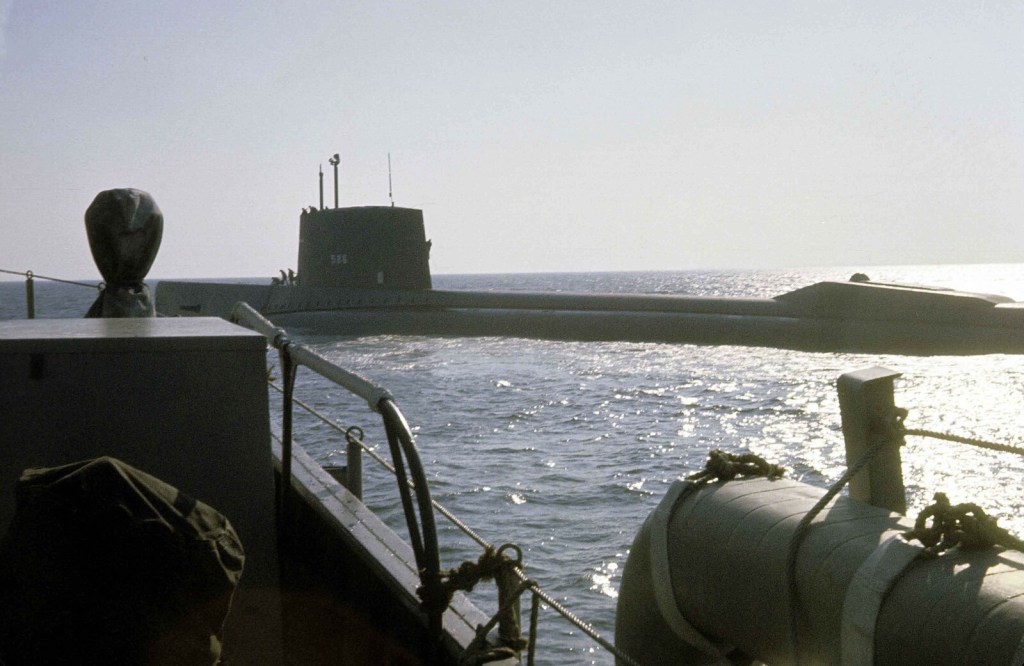
    USS ___ (SSRN-586) heading out for the beginning of the circumnavigation
    16 February 1960.
    [Image from Wikipedia]

    On 16 February 1960 a United States nuclear-powered submarine departed New London, Connecticut to circumnavigate the world whilst submerged. The submarine would follow the route of the first circumnavigation of the world, started under the command of Ferdinand Magellan and completed by Juan Sebastián Elcanofrom between 1519 and 1522.


    Q1. How long did this submerged circumnavigation take?
    A. 60 days and 21 hours
    B. 87 days and 9 hours
    C. 115 days and 17 hours

    Q2. What submarine carried out this voyage?
    A. USS Thresher
    B. USS Triton
    C. USS Tullibee

    Q3. The commanding officer of this submarine also wrote several books, both fiction and non-fiction, including Run Silent, Run Deep: who was he?
    A. Captain Edward L. Beach Jr.
    B. Captain William D. Sand
    C. Captain Thomas J. Shore II

    Q4. The title of this piece is a take on the title of the 19th century novel Twenty Thousand Leagues Under the Seas. Who wrote that novel?
    A. Victor Hugo
    B. Jules Verne
    C. H.G. Wells

    The answers will be posted later today.

  • Nine Days—Answer


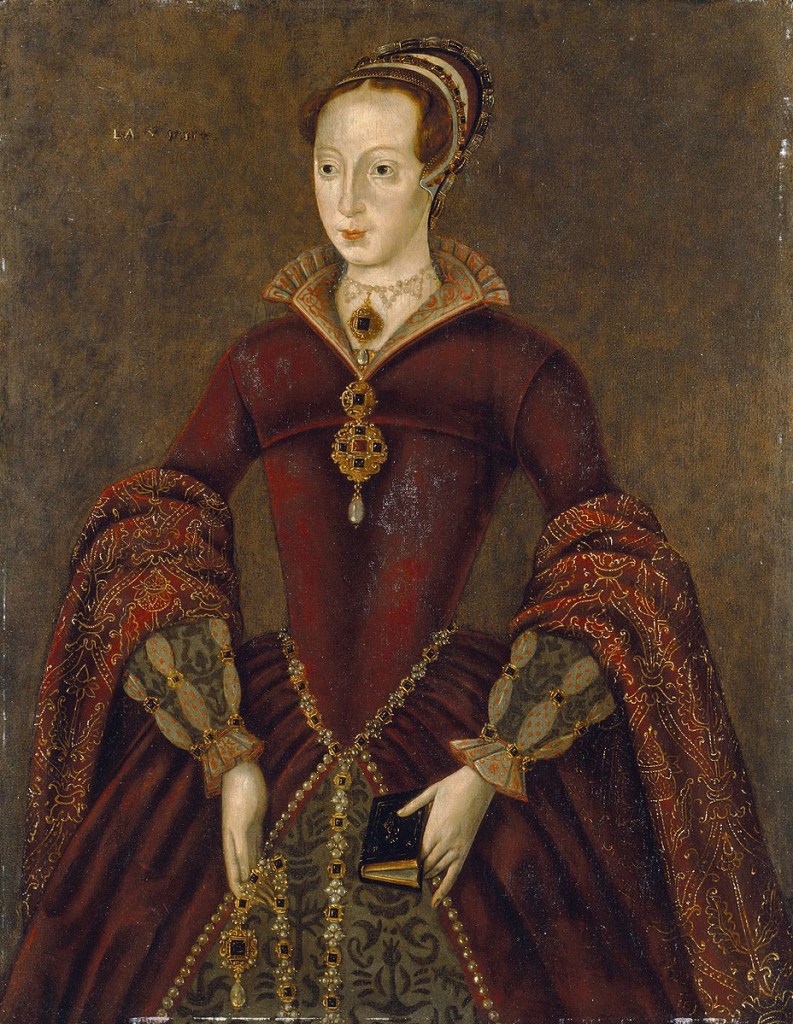
    B. Mary I

    Lady Jane Grey, also known as Lady Jane Dudley, was proclaimed queen of England and reigned from 10 to 19 July 1553. Known for her beauty and intelligence, she reluctantly allowed herself to be crowned at the age of 15 due to the machinations of unscrupulous politicians. Her subsequent execution at the age of 16 by Mary Tudor evoked widespread sympathy and compassion.

  • Nine Days

    Lady Jane Grey, who reigned as Queen of England for only nine days in 1553, was executed on 12 February 1554. Who was the monarch who ordered her execution?


    A. Elizabeth I

    B. Mary I

    C. Edward VI

    The answer will be posted later today.

  • Pointed Mountains—Answer

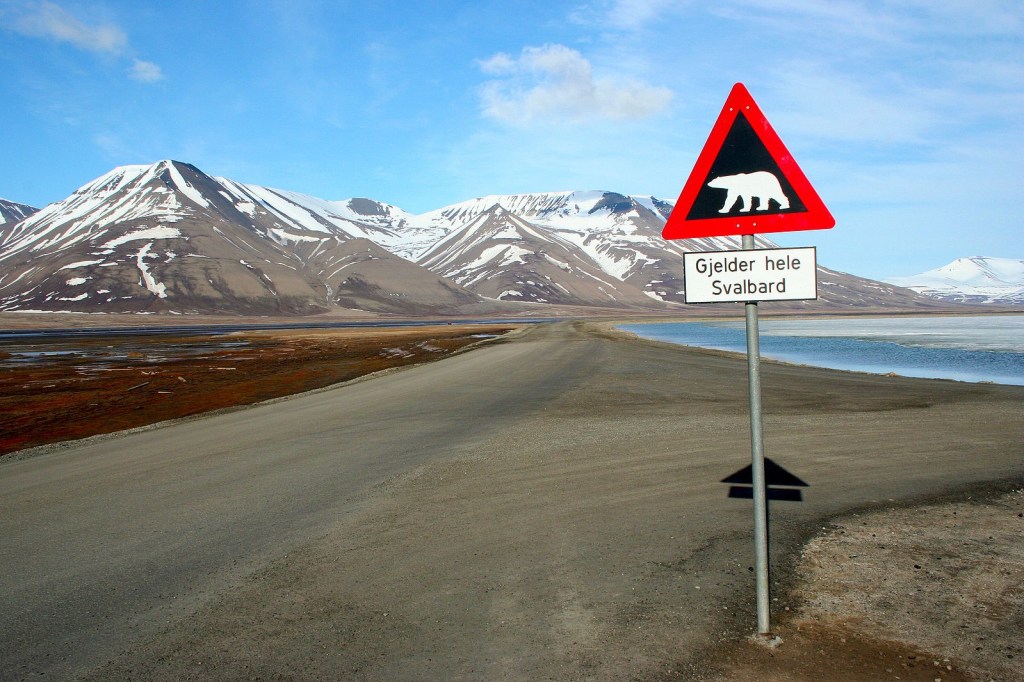
    Norway

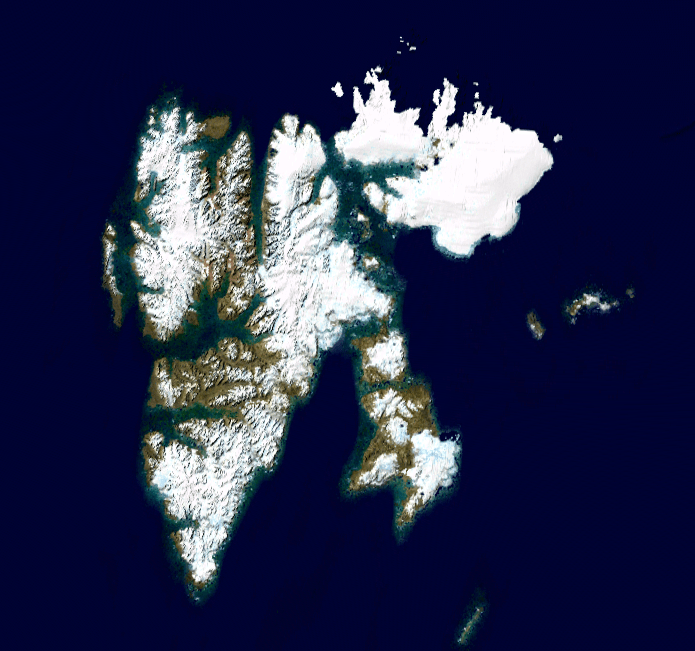
    The Svalbard Treaty, signed in 1920, recognizes Norway’s sovereignty over the archipelago while granting equal commercial rights to signatories.  The treaty restricts military use and establishes a visa-free zone, with 48 parties to the treaty as of 2024.

    Svalbard is located in the Arctic Ocean, north of mainland Europe. The largest island, Spitsbergen, is home to the largest settlement, Longyearbyen. Spitsbergen, the original name of the archipelago, comes from Dutch explorer Willem Barentsz, who described the pointed mountains (Dutch, spitse bergen) he saw on the west coast of the main island in 1596.

  • Pointed Mountains

    On 9 February 1920 The Svalbard Treaty (originally the Spitsbergen Treaty) was signed, recognising ___’s sovereignty over the Arctic archipelago of Svalbard.

    What nation’s name fills the blank in the above statement?

    The answer will be posted later today.

  • Change of Thrones—Answer

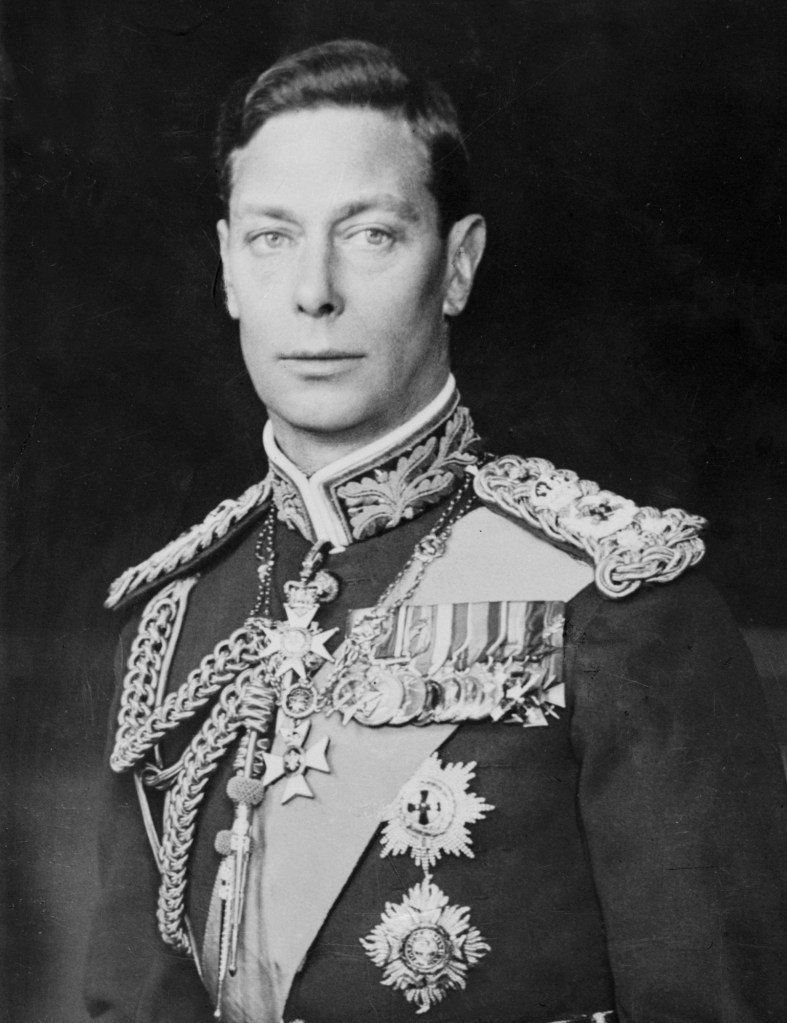
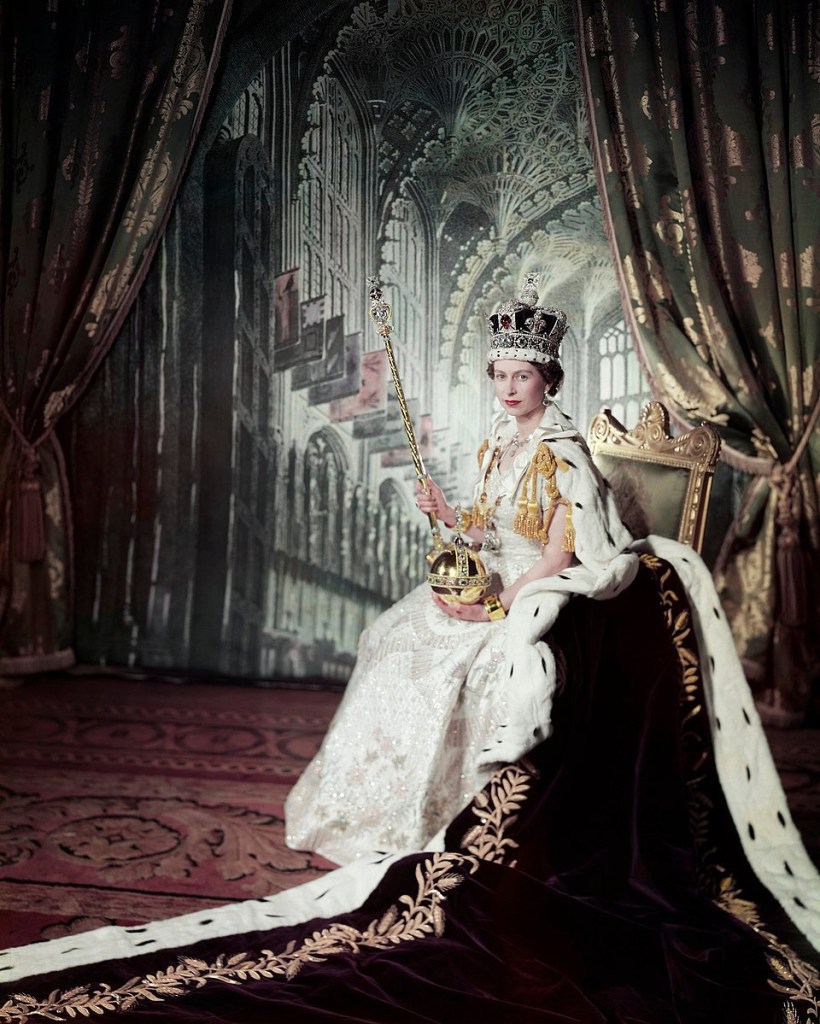
    Elizabeth II, Kenya
    As George VI’s health got worse in 1951, his daughter and heir Princess Elizabeth often took over his duties. In early 1952, she and her husband, Prince Philip, Duke of Edinburgh, set out to travel to Australia and New Zealand via Kenya but on 6 February 1952, at Sagana Lodge in Kenya, they received the news that George VI had died due to a coronary thrombosis. She was now Queen Elizabeth II.

    Elizabeth’s 70-year and 214-day reign is the longest in British history, the second-longest in any country, and the longest of any queen regnant.

  • Change of Thrones

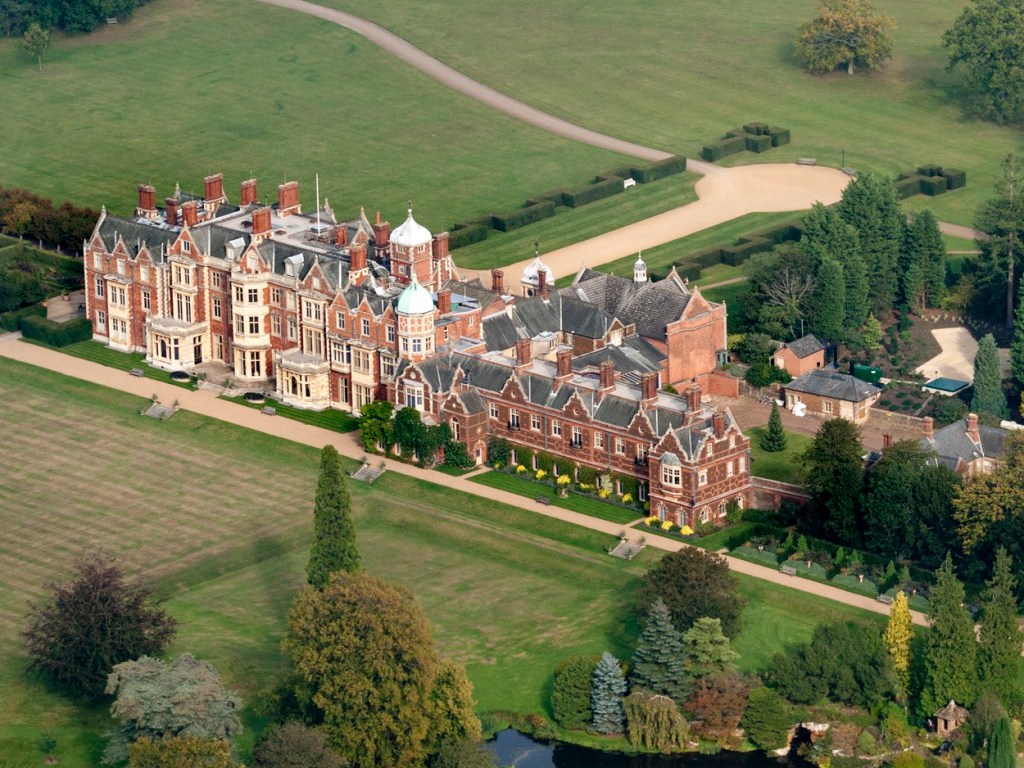
    When the king passed away at Sandringham House in England on February 6th, his eldest child and heir, was approximately 4,200 miles away.

    Who was the heir, and in what country were they at the time of their father’s demise?

    The answer will be posted later today.

  • Hay-Pauncefote Treaties—Answer

    C. Panama Canal 

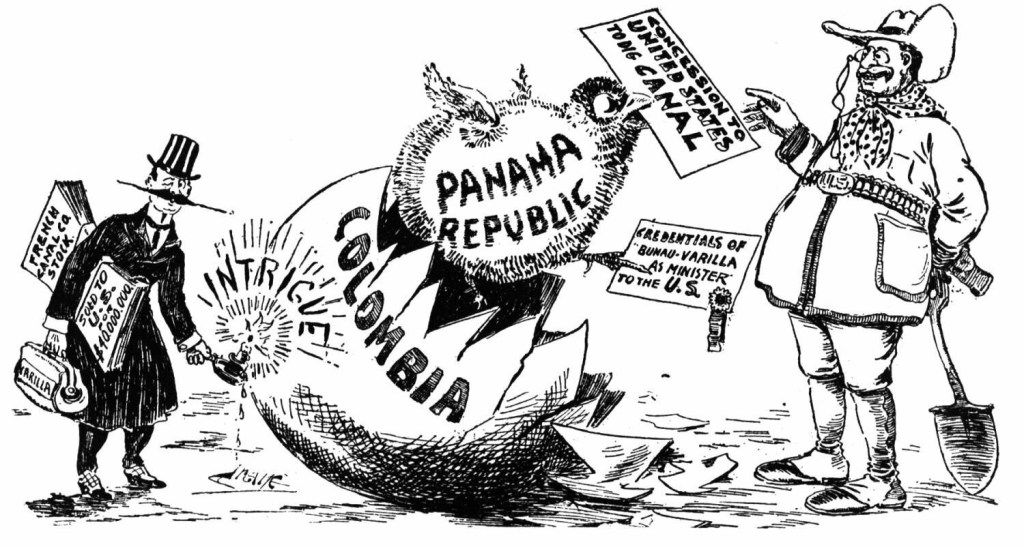
    The Hay-Pauncefote Treaties were two significant agreements between the United States and the United Kingdom, signed in the early 20th century, that facilitated the construction of the Panama Canal. These treaties addressed the control and management of the canal, which was a pivotal development in global maritime trade.

    First Hay-Pauncefote Treaty (1900)

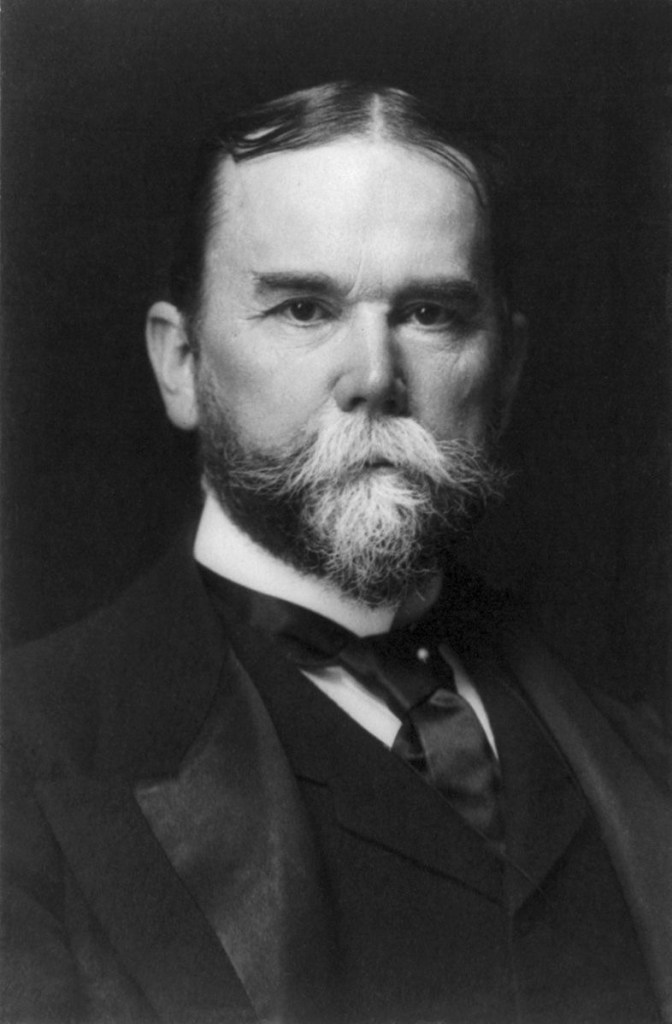
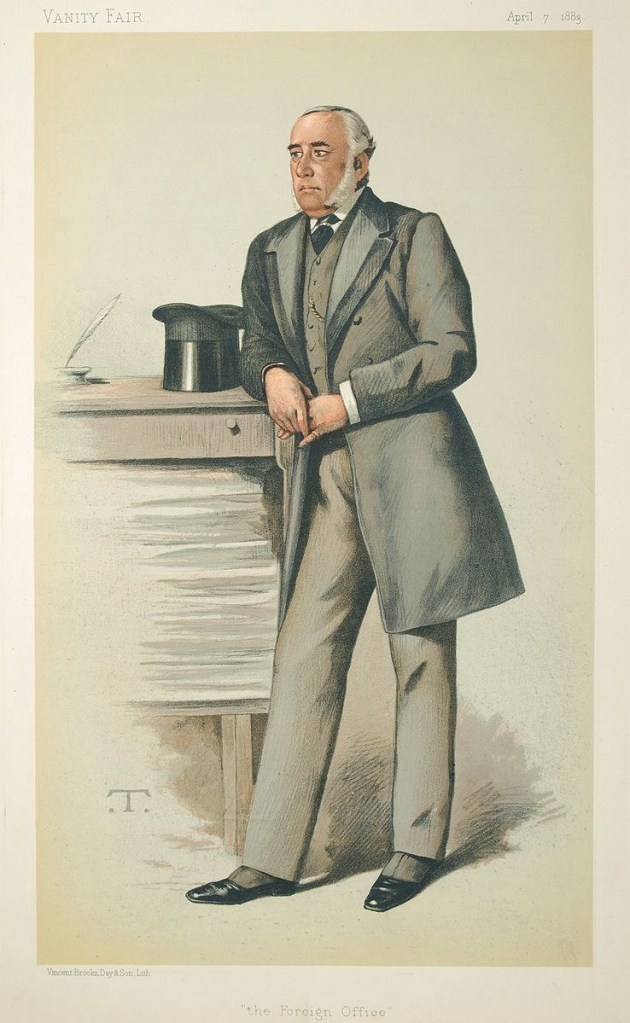
    The first treaty was signed on 5 February 1900 by U.S. Secretary of State John Hay and British Ambassador to the United States, Lord Julian Pauncefote. This treaty aimed to supersede the Clayton-Bulwer Treaty of 1850, which had stipulated that neither country would have exclusive control over a canal across Central America. However, the U.S. Senate rejected this treaty due to concerns over restrictions on American control and fortification of the canal.

    Second Hay-Pauncefote Treaty (1901)

    The second treaty, successfully signed on 18 November 1901, resolved these issues by giving the United States the exclusive right to construct, operate, and fortify the Panama Canal. It stipulated that the canal should be open to the vessels of all nations on equal terms and without discrimination, whilst assuring that the canal would be neutral and available for peaceful use by all.

    The Hay-Pauncefote Treaties marked a significant turning point in U.S.-British relations and set the stage for the construction of the Panama Canal, which greatly enhanced global maritime commerce by providing a quicker route between the Atlantic and Pacific Oceans.

  • Hay-Pauncefote Treaties

    The (first) Hay-Pauncefote Treaty, signed on February 5, 1900, between the United States and the United Kingdom, pertained to which of these waterways?

    A. Northwest Passage

    B. St Lawrence River

    C. Panama Canal

    The answer will follow later today