The answers to my earlier post are shown in bold below. I have included the question simply for your information.
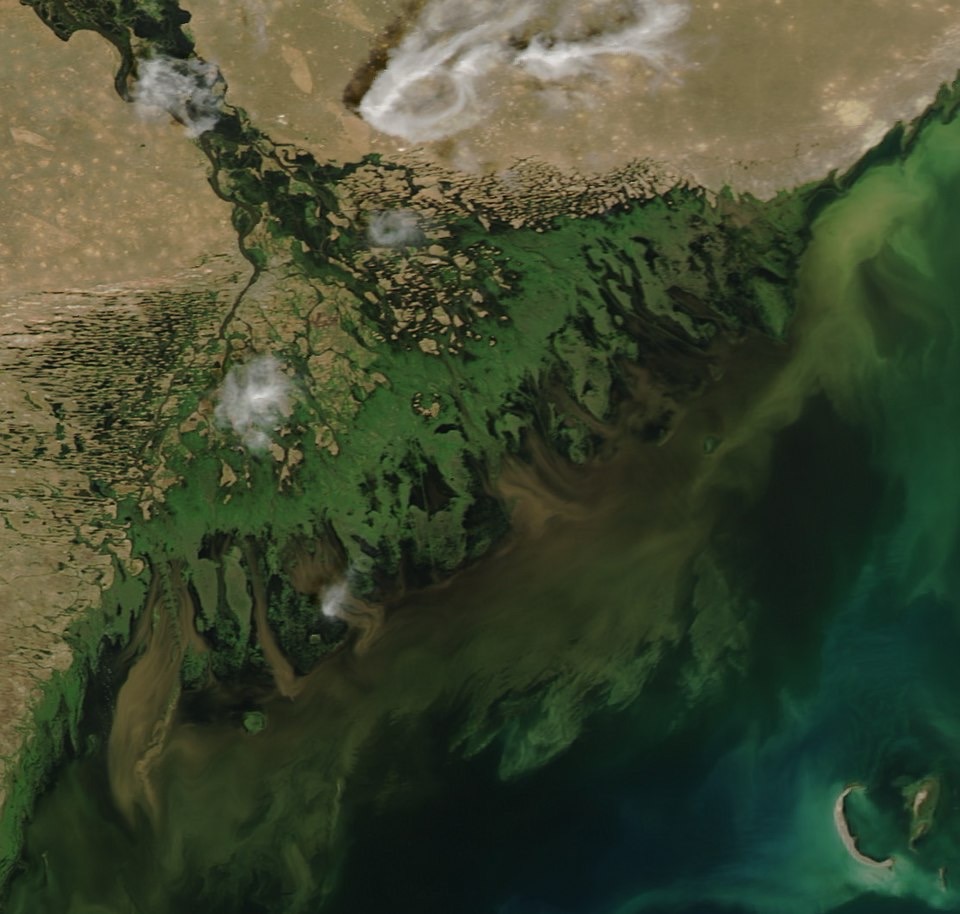
Image Wikipedia
- Europe’s largest river delta, the Volga River delta, is mostly in Russia, but part of it extends into which other country?
- Kazakhstan—The Volga Delta, Europe’s largest river delta, is located in Russia’s Astrakhan Oblast, draining into the Caspian Sea. It spans the Caspian Depression, with its easternmost part extending into Kazakhstan.
Mississippi River.
Image Wikipedia
- Kazakhstan—The Volga Delta, Europe’s largest river delta, is located in Russia’s Astrakhan Oblast, draining into the Caspian Sea. It spans the Caspian Depression, with its easternmost part extending into Kazakhstan.
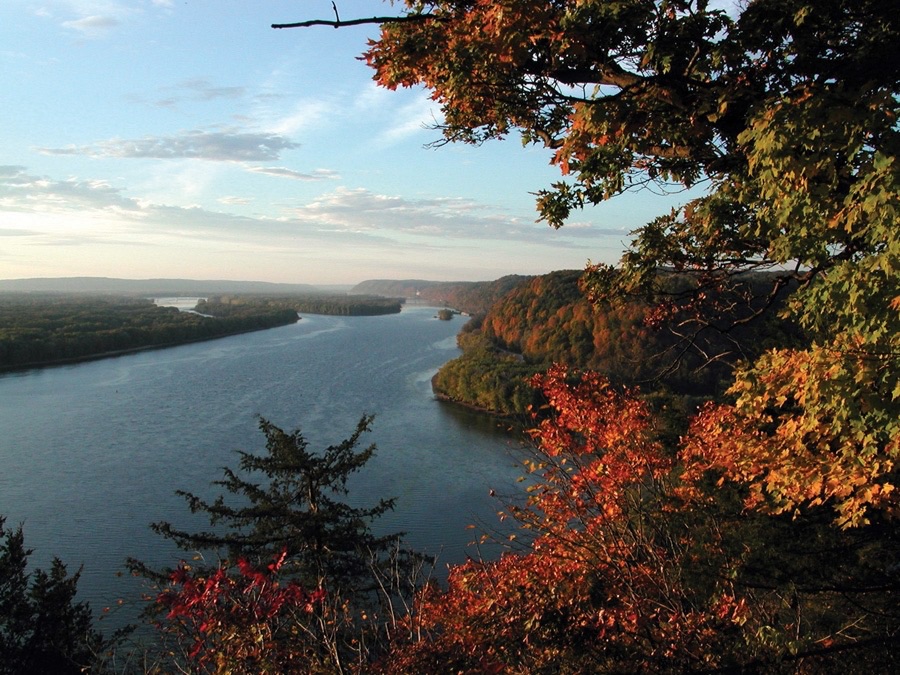
- How many US states does the Mississippi River border or pass through?
- 10—The Mississippi River, originating in Minnesota, flows south for 2,340 miles through or bordering ten states: Minnesota, Wisconsin, Iowa, Illinois, Missouri, Kentucky, Tennessee, Arkansas, Mississippi and Louisiana. It eventually flows into the Gulf of Mexico. The river’s watershed drains 32 US states and two Canadian provinces.
The steamships Aymoré and Sucre on the Madeira river.
Image Wikipedia
- 10—The Mississippi River, originating in Minnesota, flows south for 2,340 miles through or bordering ten states: Minnesota, Wisconsin, Iowa, Illinois, Missouri, Kentucky, Tennessee, Arkansas, Mississippi and Louisiana. It eventually flows into the Gulf of Mexico. The river’s watershed drains 32 US states and two Canadian provinces.
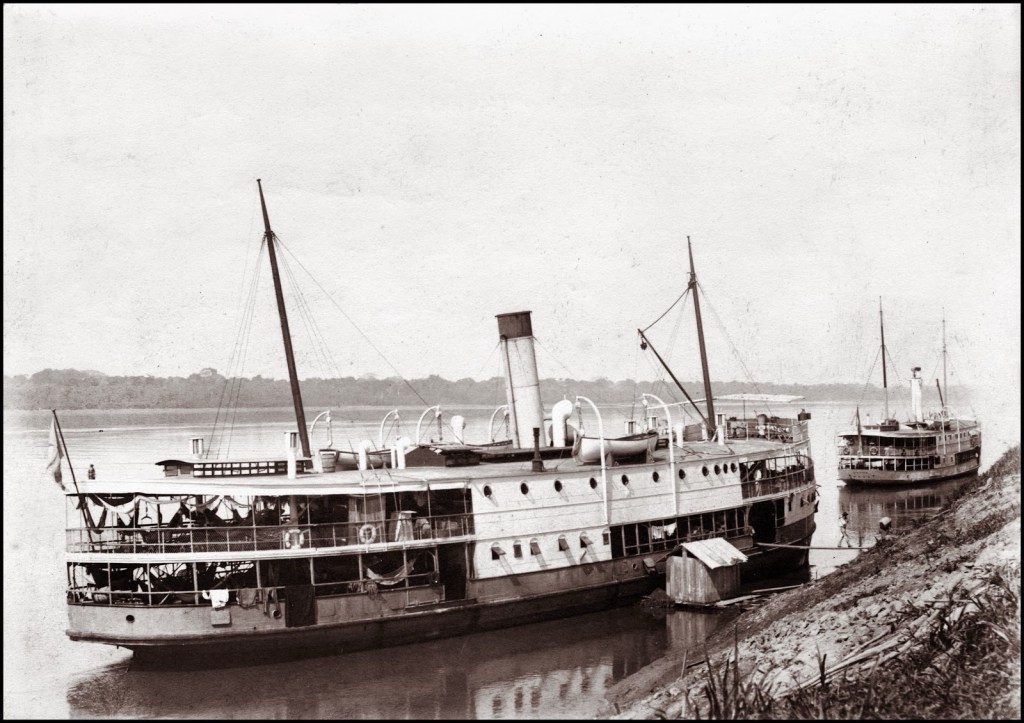
- What river is the major tributary of the Amazon?
- Madeira—The Madeira River, a major South American waterway, is the largest tributary of the Amazon, accounting for 15% of its water. It is estimated to be 1,450 km long, with the Madeira-Mamoré tributary extending to 3,250-3,380 km.
River Nile, Cairo.
Image Wikipedia
- Madeira—The Madeira River, a major South American waterway, is the largest tributary of the Amazon, accounting for 15% of its water. It is estimated to be 1,450 km long, with the Madeira-Mamoré tributary extending to 3,250-3,380 km.
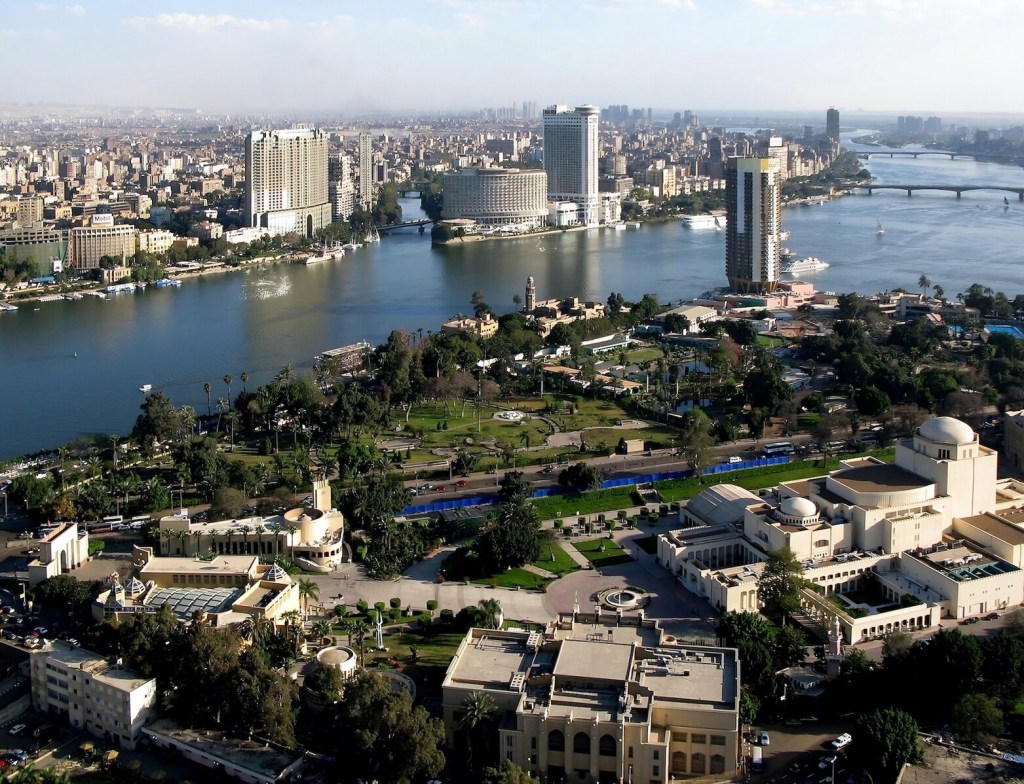
- The River Nile is formed when its two major tributaries, the Blue Nile and the White Nile, meet. In which country does this meeting occur?
- Sudan—The Nile River has two major tributaries: the White Nile and the Blue Nile. The White Nile, being the longer river, is traditionally considered the headwaters stream. However, the Blue Nile actually contributes 80% of the water and silt below the confluence of the two rivers. The White Nile’s source is still being disputed d discussed. Traditionally, it rises in the Great Lakes region, beginning at Lake Victoria and flowing through Uganda and South Sudan. The Blue Nile begins at Lake Tana in Ethiopia and flows into Sudan from the southeast. The two rivers meet at the Sudanese capital of Khartoum.
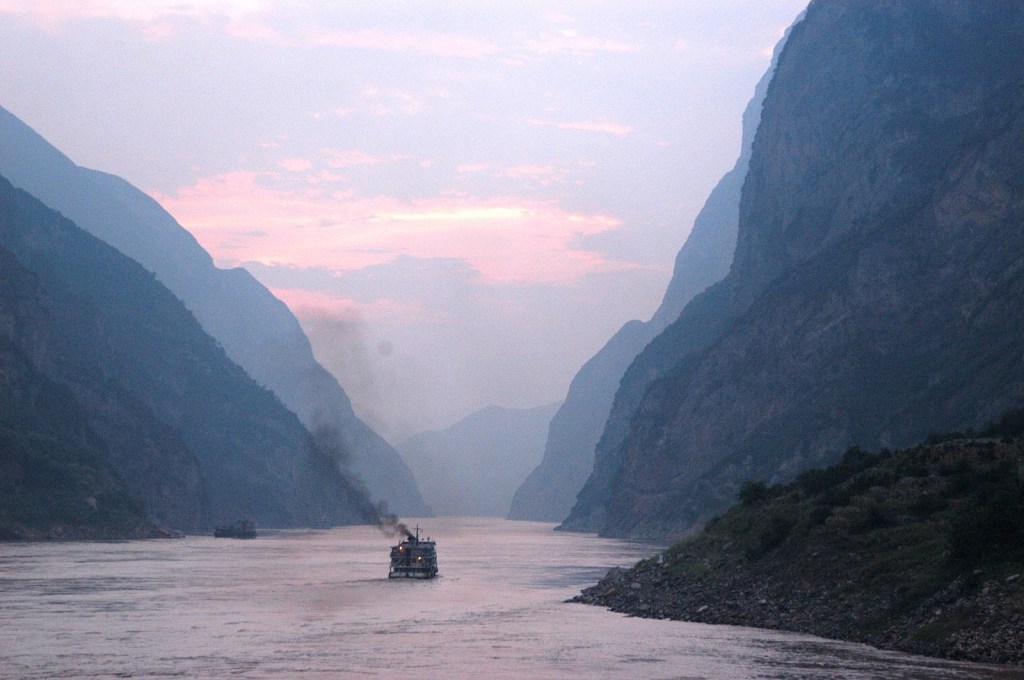
Yangtze River.
Image Wikipedia
- Sudan—The Nile River has two major tributaries: the White Nile and the Blue Nile. The White Nile, being the longer river, is traditionally considered the headwaters stream. However, the Blue Nile actually contributes 80% of the water and silt below the confluence of the two rivers. The White Nile’s source is still being disputed d discussed. Traditionally, it rises in the Great Lakes region, beginning at Lake Victoria and flowing through Uganda and South Sudan. The Blue Nile begins at Lake Tana in Ethiopia and flows into Sudan from the southeast. The two rivers meet at the Sudanese capital of Khartoum.
- Where is China’s Three Gorges Dam, the world’s largest hydroelectric power station, located?
- Yangtze River—The Yangtze River, the longest in Eurasia and third longest in the world, flows 6,300 kilometres from the Tibetan Plateau to the East China Sea. Crucial to China’s history, culture, and economy, the Yangtze Delta generates 20% of China’s GDP. However, the river faces environmental challenges such as pollution, siltation, and habitat loss, impacting its diverse ecosystems and endangered species. Notably, the Three Gorges Dam in China is the world’s largest hydroelectric power station, generating an impressive average of 95 TWh of electricity annually.
 Quizology.Online
Leave a comment