The answers to my earlier post are shown in bold below. I have included the question simply for your information.
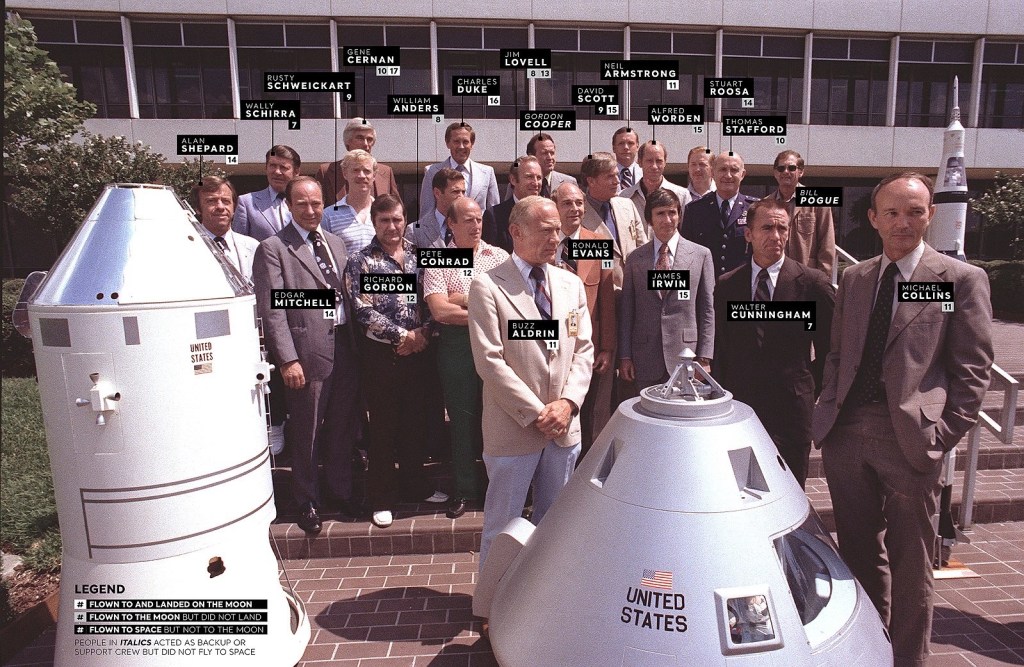
Image Wikipedia
- 46 BCE was known as annus confusionis, the ‘Year of Confusion’, as its length was altered to align with the implementation of the Julian Calendar. Consequently 46 BCE consisted of how many days?
- 445 days—In 45 BCE, Julius Caesar introduced the Julian calendar, adding leap months to the Roman calendar to align it with the solar year. This resulted in the preceding year, 46 BCE, becoming known as the ’Year of Confusion’, a 445-day year—— almost 80 days longer than the orbit of Earth around the Sun, the sidereal year.
- The Complete Deaths by Spymonkey is a play which includes all the onstage deaths in the works of William Shakespeare. Including one which may often be overlooked, how many deaths are there in total?
- 75—Spymonkey perform all 74, 75 when the black ill-favoured fly killed in Titus Andronicus (Act III, scene 2) is counted, onstage deaths from Shakespeare’s works, ranging from stabbings to poisonings, in a humorous and moving tribute. Directed by Tim Crouch, the show has delighted audiences worldwide since its 2016 Brighton Festival debut.
- What number features in the title of the 1915 book which was the first of five novels featuring Richard Hannay?
- 39—The Thirty-Nine Steps, a 1915 adventure novel by John Buchan, introduced Richard Hannay, a resourceful hero. The novel, serialised and published in 1915, has been adapted numerous times, including films and a stage play.
- The Summer and Winter Olympics were last held in the same year in …
- 1992—The 1992 Albertville Olympic Games were the last Winter Games to be staged in the same year as the Summer Games.
- How many astronauts walked on the moon between 1969 and 1972?
- 12—Twelve astronauts have landed on the Moon. This was achieved through six NASA missions, each with two pilot-astronauts flying a Lunar Module. The missions spanned 41 months, beginning on July 20, 1969, with Neil Armstrong and Buzz Aldrin on Apollo 11, and ending on December 14, 1972, with Gene Cernan and Harrison Schmitt on Apollo 17. Cernan was the last man to step off the lunar surface. All Apollo lunar missions had a third crew member who remained on board the command module.
 Quizology.Online
Leave a comment