Here are the answers to my earlier post.
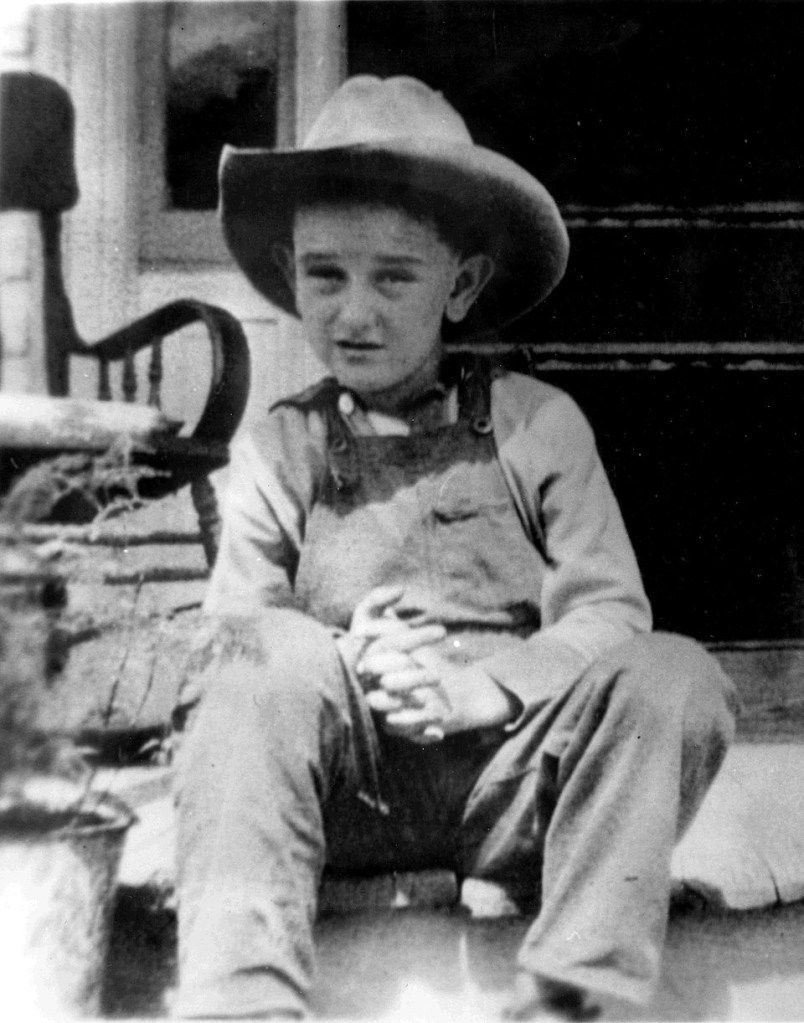
Image Wikipedia
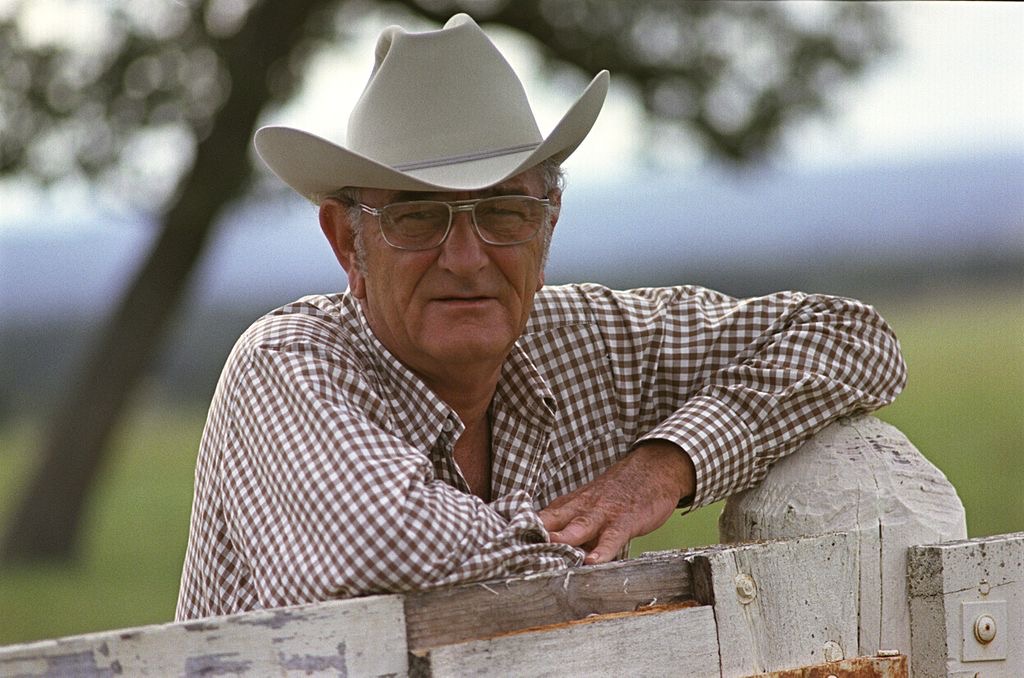
Image Wikipedia
One
Born on 27 August 1908 in Texas, this boy went on to become the president of the United States. Who is he?
Answer: Lyndon B Johnson
Lyndon B Johnson, the 36th President of the United States, served from 1963 to 1969. He assumed the presidency after John F. Kennedy’s assassination and was later elected in a landslide. Johnson’s presidency is remembered for his Great Society programmes, which aimed to expand civil rights, improve healthcare, and combat poverty, but his legacy is also marred by the Vietnam War.
Two
On this date, Ernst Heinkel’s He178 turbojet-powered aircraft achieved the historic first jet flight. In which decade did this event occur?
Answer: 1930s (1939)
The jet engine, though conceptually ancient, only became practical in the 20th century. Early attempts, like the Caproni Campini N.1 and Tsu-11, were unsuccessful. The breakthrough came with the gas turbine, leading to the development of the turbojet, with Frank Whittle and Hans von Ohain (He178) playing pivotal roles in its creation.
Three
The Anglo-Zanzibar War, the shortest war in history, took place on 27 August 1896. How long did the war last?
1. Between 30 minutes and 60 minutes
2. Between 510 minutes and 540 minutes
3. Between 960 and 990 minutes
Answer: Between 30 minutes and 60 minutes
The war lasted no longer than 40 minutes, making it the shortest war in recorded history.
— Encyclopædia BritannicaThe conflict lasted between 38 and 45 minutes, marking it as the shortest recorded war in history.
— Wikipedia
Four
The world premiere of a film adaptation of a book by PL Travers took place on 27 August 1964 in Los Angeles. Which film?
Answer: Mary Poppins
Mary Poppins, a 1964 American musical film, features Julie Andrews as a magical nanny who transforms a troubled London household.
Five
On 27 August 1938, at Bonneville Salt Flats, Utah, USA, Captain George E.T. Eyston set a new land speed record. What speed did he achieve?
1. 199.96 mph
2. 273.13 mph
3. 345.49 mph
Answer: 345.49 mph
Captain George Eyston, a British engineer and racing driver, broke the land speed record three times between 1937 and 1939.
 Quizology.Online
Leave a comment