The answers to my earlier post are shown below.

Image Wikipedia
One
On 3 September 1609, an English navigator and explorer sailed into what is now known as New York Harbour. He made four expeditions to find a route from Europe to Asia, and a bay, river and strait are named after him. What are his first and second names?
Answer: Henry Hudson
In 1606, Henry Hudson sailed up the river that now bears his name. In Canada, the Hudson Strait links the North Atlantic Ocean (Labrador Sea) to Hudson Bay.
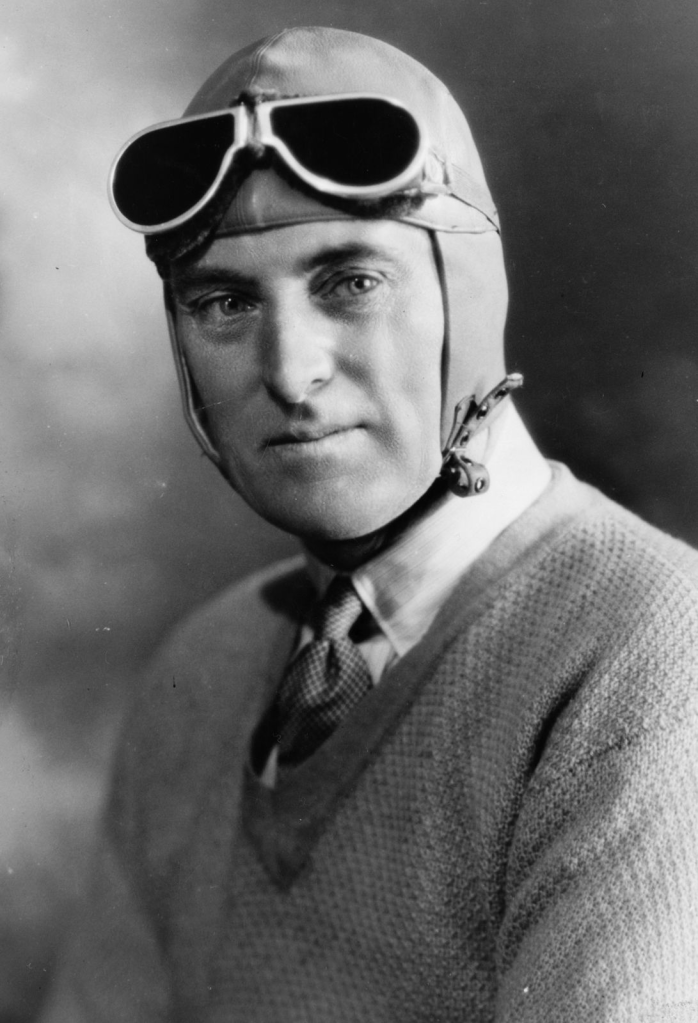
Image Encyclopædia Britannica
Two
On 3 September 1935, who became the first person to drive an automobile at over 300 miles per hour?
Answer: Sir Malcolm Campbell
On September 3, 1935, at the Bonneville Salt Flats, Utah, his automobile was timed at 301.1292 miles (484.62 km) per hour, the first officially clocked land-vehicle performance exceeding 300 miles (483 km) per hour.
— Encyclopædia Britannica
Three
On 3 September 1939, after the invasion of Poland, Britain, France, and which two of these countries – Australia, Canada, or New Zealand – declared war on Germany?
Answer: Australia and New Zealand
On 3 September 1939, Canadian Prime Minister William Lyon Mackenzie King announced the recommendation for a declaration of war in a radio broadcast. On 10 September 1939, a declaration of war by Canada against Germany was made by order-in-council signed by King George VI, King of Canada.

Image Credit: NASA/JPL-Caltech
Four
On this day in 1976, Viking 2, a NASA spacecraft, completed its journey, landed at its destination, and began sending information back to Earth. What planet had it landed on?
Answer: Mars
The Viking 2 mission, part of the American Viking programme, included an orbiter and a lander. The lander operated for 1,316 days, while the orbiter functioned for 706 orbits until July 25, 1978.
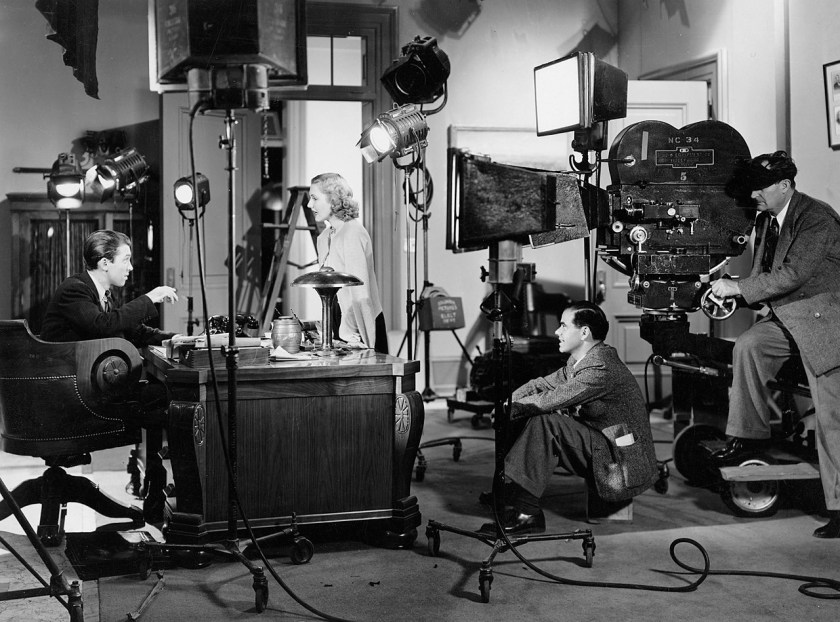
Image Wikipedia
Five
The director of 1939’s Mr. Smith Goes to Washington and 1946’s It’s a Wonderful Life died on 3 September 1991. Who was he?
Answer: Frank Capra
Italian-American film director Frank Capra, known for his influence in the 1930s and 1940s, won three Academy Awards for Best Director. Despite a career decline after World War II, his films, including It’s a Wonderful Life, were later critically acclaimed.
 Quizology.Online
Leave a comment