Here are the answers to the questions posted earlier.
Today’s questions revolve around animals but the specific types are concealed within capitalised anagrams. The solution lies in identifying the animal type hidden within the anagram.
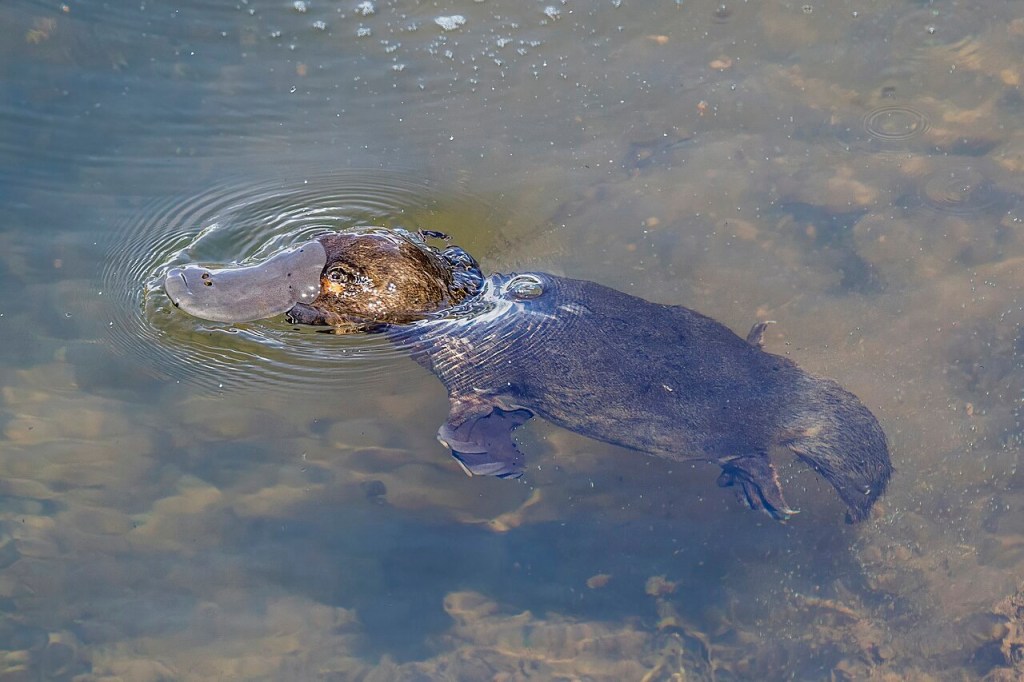
Image Wikimedia Commons
One
SING ODE to wild, perhaps half-domesticated, members of the family Canidae.
Answer: Dingoes
dingo, (Canis lupus dingo, Canis dingo), member of the family Canidae native to Australia. Most authorities regard dingoes as a subspecies of the wolf (Canis lupus dingo); however, some authorities consider dingoes to be their own species (C. dingo). The name dingo is also used to describe wild dogs of Malaysia, Thailand, the Philippines, and New Guinea.
Two
LAID MORALS are nocturnal insectivorous mammals, which are found from South America to southern North America; they have large claws for digging and a body covered in bony plates.
Answer: Armadillos
Armadillos (Spanish for ‘little armoured ones’) are New World placental mammals in the order Cingulata. They form part of the superorder Xenarthra, along with the anteaters and sloths. 21 extant species of armadillo have been described, some of which are distinguished by the number of bands on their armour.
Three
HEATHER TWIGS ARK while Peter Benchley researched this species, Carcharodon carcharias.
Answer: Great white shark
The great white was the villain in Peter Benchley’s novel Jaws and its film adaptation by Steven Spielberg. The white shark, a vulnerable apex predator, is widely protected due to its low productivity and human impacts. Despite being well-studied, many questions about its abundance, life history, habitats, and movements remain unanswered.
Four
PUP DULY BLACKLISTED when a specimen arrived in England, it was assumed to be a hoax or practical joke.
Answer: Duckbilled platypus (aka platypus)
When the first platypus specimen reached England from Australia in 1799, the scientific community claimed that it was a hoax. On closer investigation, dubious European naturalists eventually declared it to be real, though in an age obsessed with classification, the category-defying platypus sparked heated debates across Europe for a century.
— Publishers note for Platypus: The Extraordinary Story of How a Curious Creature Baffled the World by Ann Mayal.*
Five
A ‘water boa’ has another name which can be unravelled from DANCE GOER NANA.
Answer: Green anaconda
The green anaconda, the largest snake in the world by mass and length, is dark green with black spots and can grow up to 10 metres long. It feeds on aquatic and amphibious animals, and cannibalism has been observed.
*Moyal, Ann. Platypus: The Extraordinary Story of How a Curious Creature Baffled the World*. United States: Johns Hopkins University Press, 2004.


Leave a Reply