Ten Thousand Leagues Under the Seas

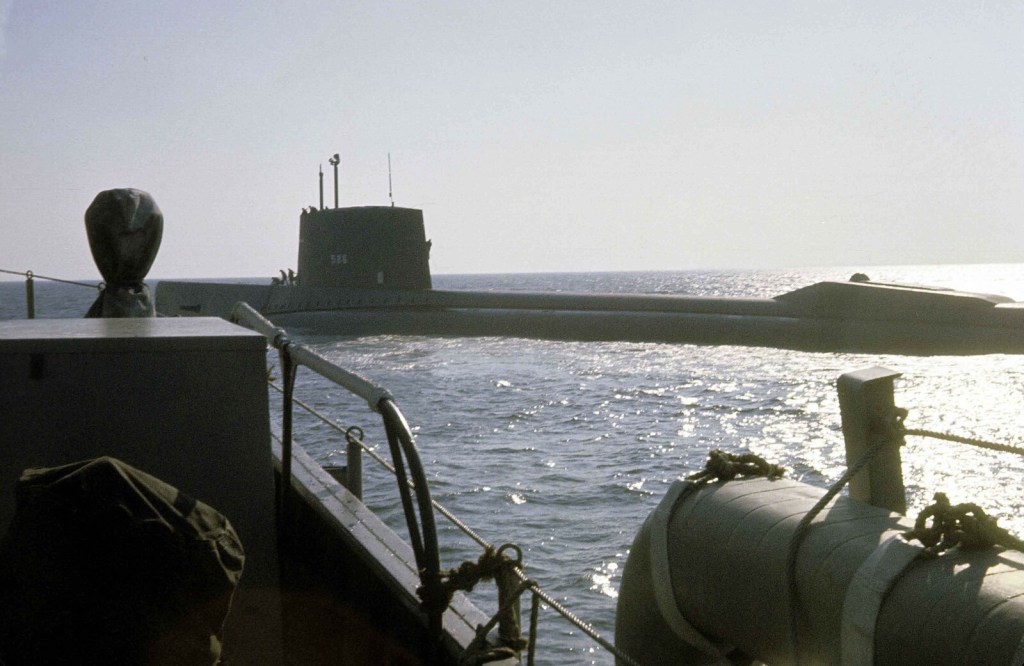
USS ___ (SSRN-586) heading out for the beginning of the circumnavigation
16 February 1960.
[Image from Wikipedia]

On 16 February 1960 a United States nuclear-powered submarine departed New London, Connecticut to circumnavigate the world whilst submerged. The submarine would follow the route of the first circumnavigation of the world, started under the command of Ferdinand Magellan and completed by Juan Sebastián Elcanofrom between 1519 and 1522.


Q1. How long did this submerged circumnavigation take?
A. 60 days and 21 hours
B. 87 days and 9 hours
C. 115 days and 17 hours

Q2. What submarine carried out this voyage?
A. USS Thresher
B. USS Triton
C. USS Tullibee

Q3. The commanding officer of this submarine also wrote several books, both fiction and non-fiction, including Run Silent, Run Deep: who was he?
A. Captain Edward L. Beach Jr.
B. Captain William D. Sand
C. Captain Thomas J. Shore II

Q4. The title of this piece is a take on the title of the 19th century novel Twenty Thousand Leagues Under the Seas. Who wrote that novel?
A. Victor Hugo
B. Jules Verne
C. H.G. Wells

The answers will be posted later today.

Capital Cathedral—Answer

Helsinki

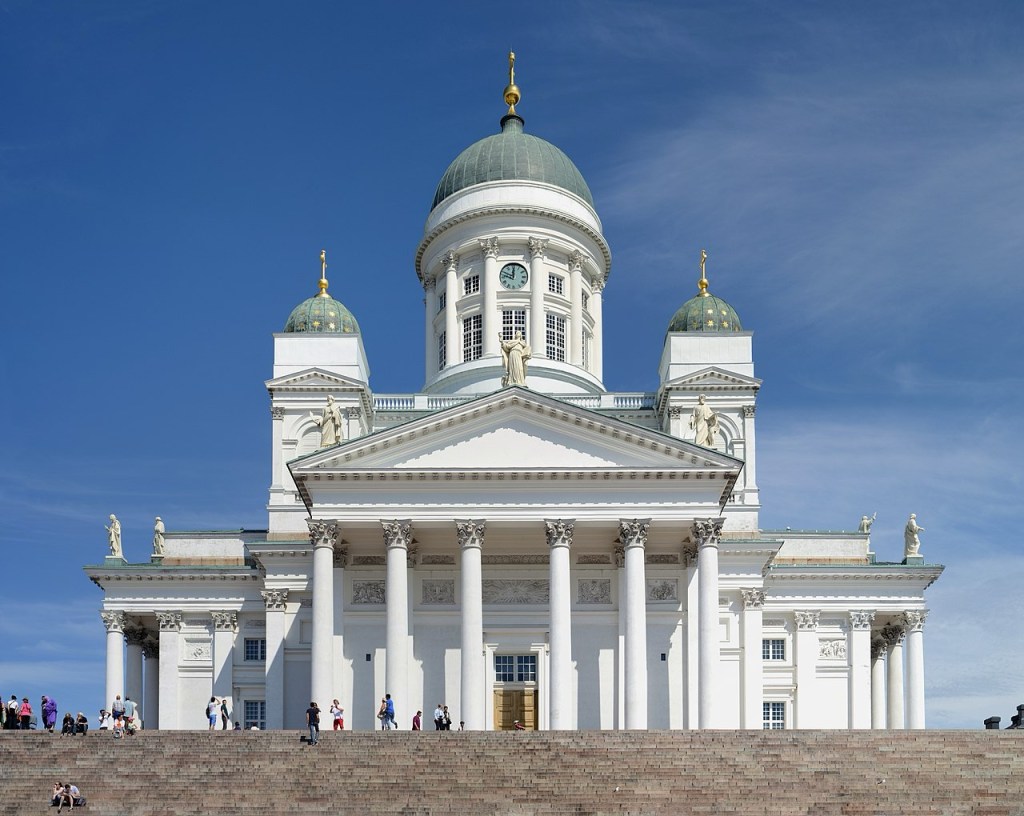
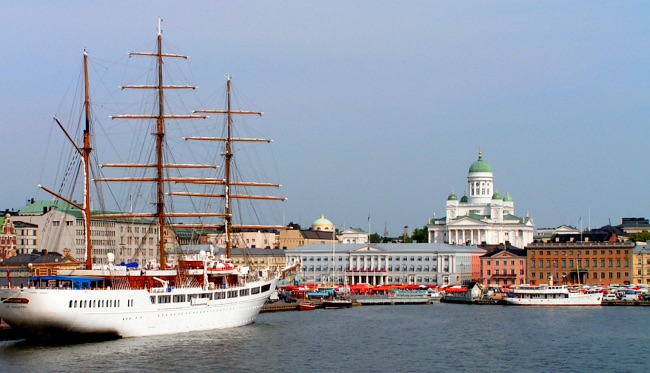
The cathedral is the Finnish Evangelical Lutheran cathedral of the Diocese of Helsinki, located in the centre of Helsinki, Finland and was also known as St Nicholas’s Church until Finnish independence in 1917.

Martin Luther
[Image from Wikipedia]

A notable neoclassical landmark in Helsinki, the building features a tall, green dome encircled by four smaller ones. Designed by Carl Ludvig Engel as the centrepiece of his Senate Square layout, it is surrounded by other smaller structures he created. The church’s design is a Greek cross, symmetrical in all directions, with each arm adorned with a colonnade and pediment. Engel’s plan included an additional row of columns at the western end for the main entrance, but this was never realised.

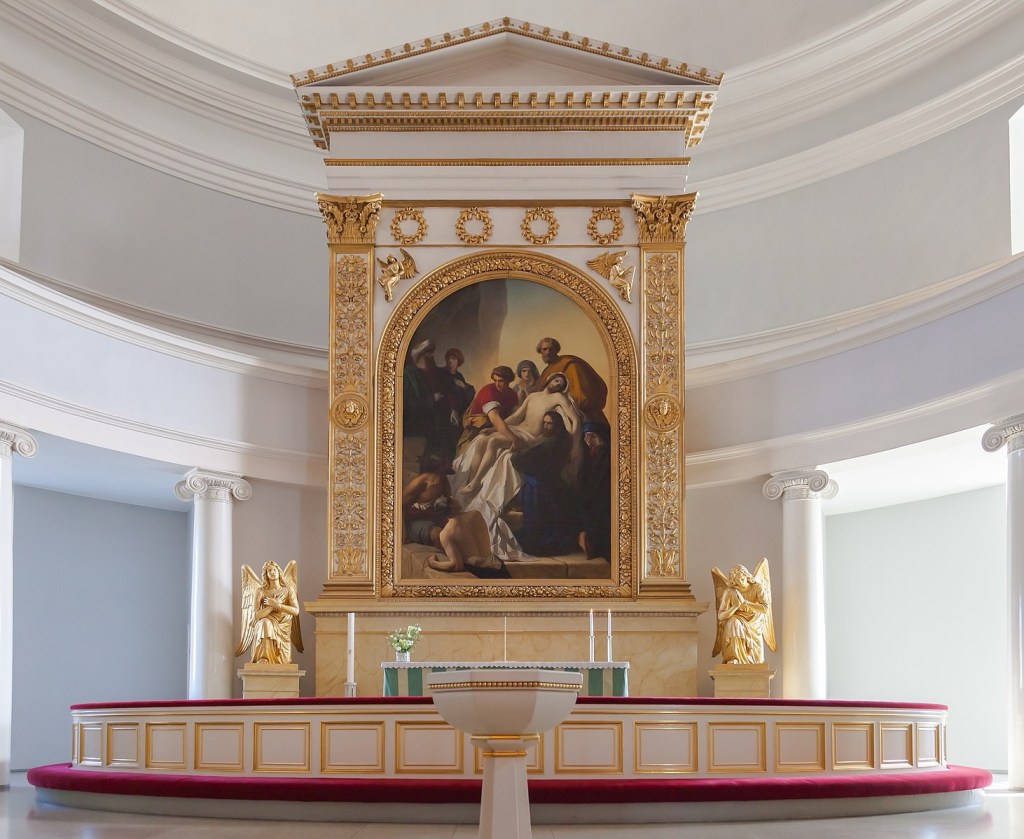
Altar, with Carl Timoleon von Neff’s painting The Descent of Jesus from the Cross donated by Nicholas I
[Image from Wikipedia]

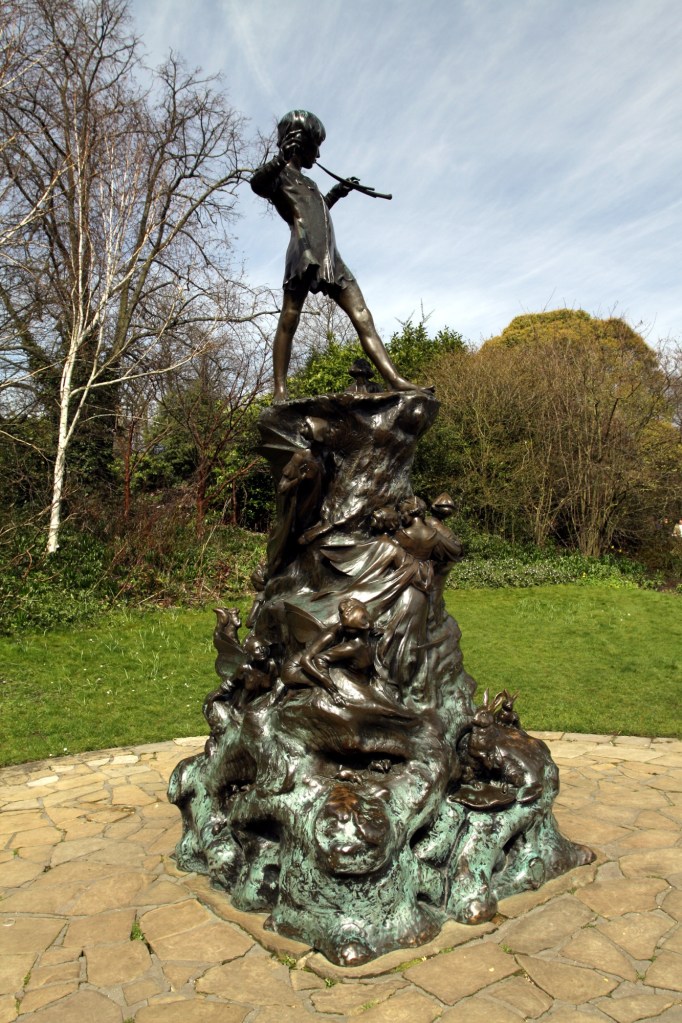
Peter Pan Helping Children Grow Up—Answer

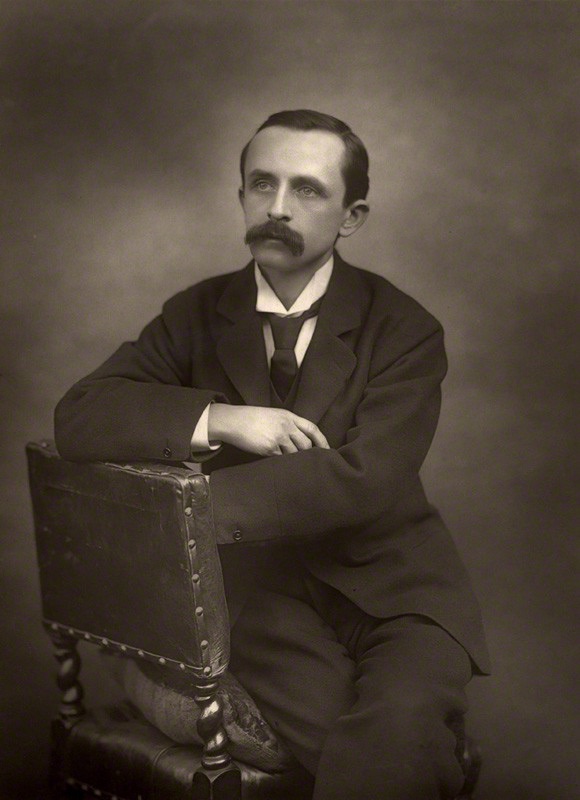
JM Barrie

…is the writer who created Peter Pan

JM Barrie
[Image from Wikipedia]

Background

In April 1929, J. M. Barrie granted the copyright of his Peter Pan works to the hospital, requesting that the income remain undisclosed. This decision allowed the hospital to control the rights and receive royalties from performances, publications, and adaptations of the play and novel. Over the years, numerous performances and adaptations have been produced under the hospital’s license. Additionally, the hospital’s trustees commissioned a sequel, Peter Pan in Scarlet, by Geraldine McCaughrean, which was published in 2006.

After the copyright expired the hospital was granted a perpetual right to collect royalties by the UK government.

Further information can be found at Great Ormond Street Hospital’s website.

Peter Pan Helping Children Grow Up

On February 14, 1852, Great Ormond Street Hospital for Children, the first in England to offer inpatient beds for children, opened its doors in London.

In 1929, a writer generously donated all his rights to Peter Pan to the hospital, and they continue to receive royalties from the work to this day. Can you name the generous writer?

The answer will be posted later today.

Nine Days—Answer


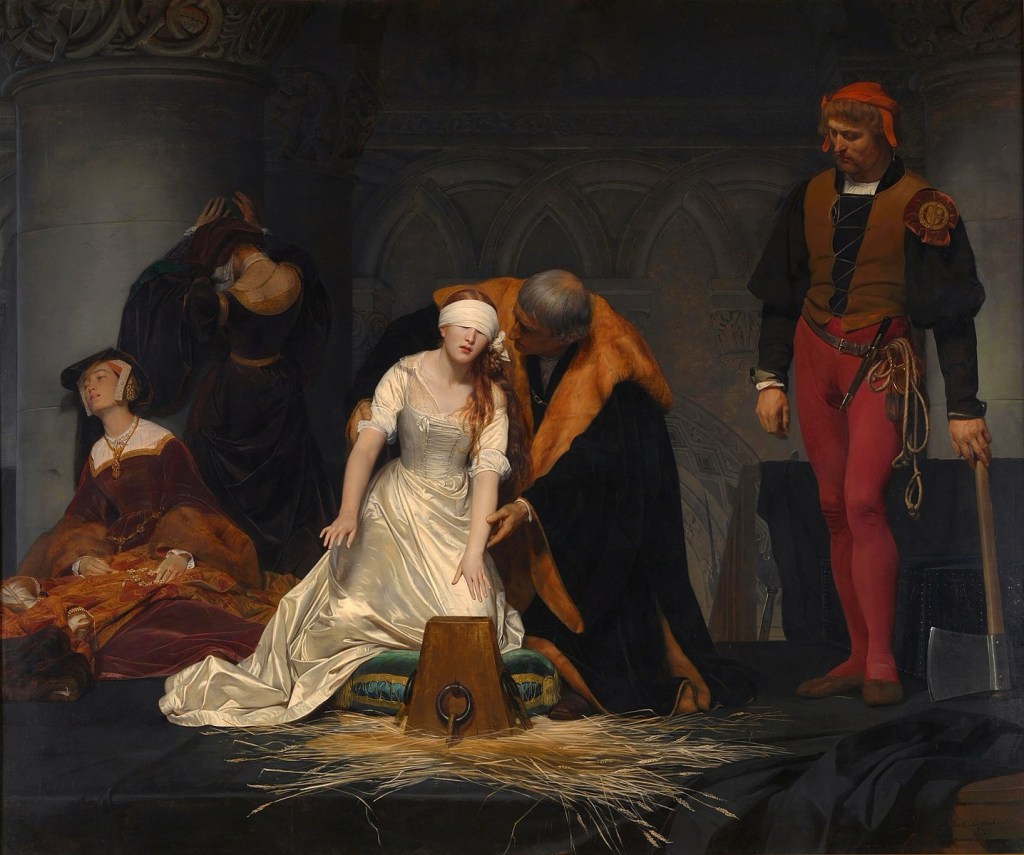
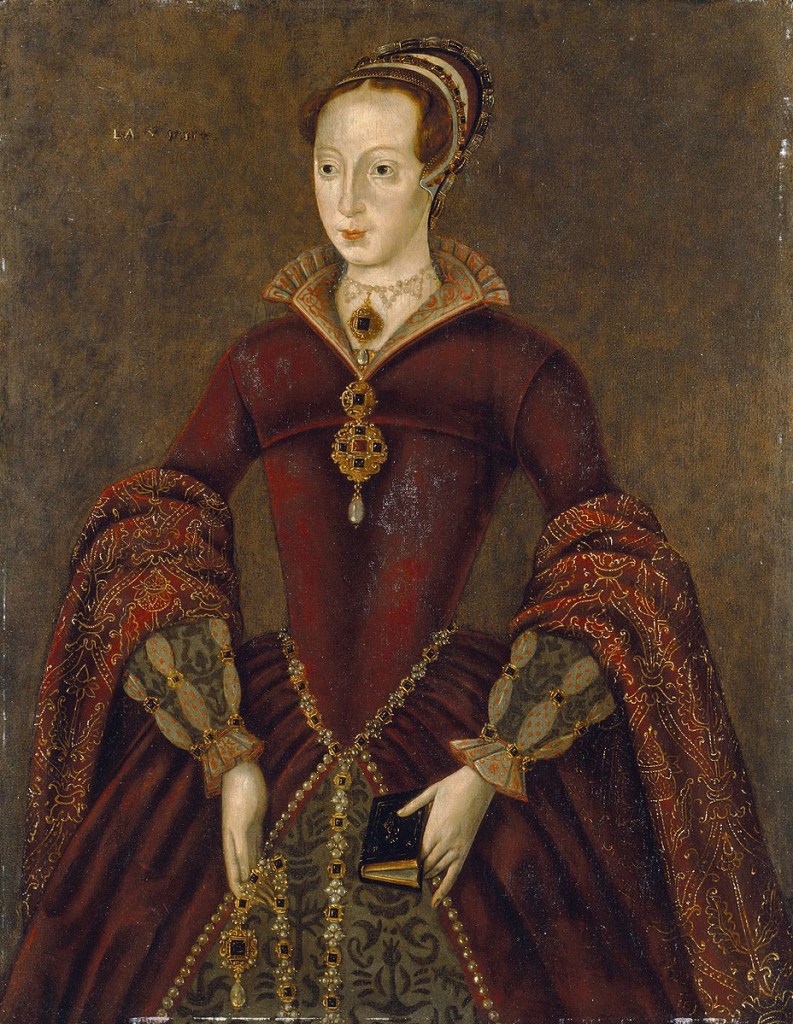
B. Mary I

Lady Jane Grey, also known as Lady Jane Dudley, was proclaimed queen of England and reigned from 10 to 19 July 1553. Known for her beauty and intelligence, she reluctantly allowed herself to be crowned at the age of 15 due to the machinations of unscrupulous politicians. Her subsequent execution at the age of 16 by Mary Tudor evoked widespread sympathy and compassion.

Double Firsts—Answer

Firstly: A. 1938

Secondly: C. Robot

On February 11, 1938, BBC Television broadcast a 35-minute adaptation of a section of Karel Čapek’s play R.U.R.—thus becoming the first science fiction piece ever aired on television. Although some low-quality still photographs survive, no recordings of the production are known to exist.

R.U.R. (Rossumovi Univerzální Roboti—(English: Rossum’s Universal Robots)) is a 1920 science fiction play by the Czech writer Karel Čapek. It introduced the word ‘robot’ to the English language and popularised science fiction as a genre. R.U.R. quickly gained influence and was translated into thirty languages by 1923. It was a commercial success in Europe and North America during its time.

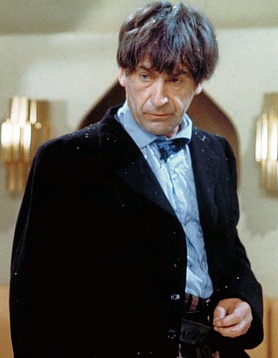
In 1948, the BBC aired another adaptation, this time the entire play, running for 90 minutes but unfortunately, no audio or visual recordings of this version survive either. Patrick Troughton who played the robot Radius in this latter production played another sci-fi character when he became the Second Doctor in the BBC’s Doctor Who in 1966.